How To Grow Wandering Jew Successfully Indoors Or Outdoors In Arizona
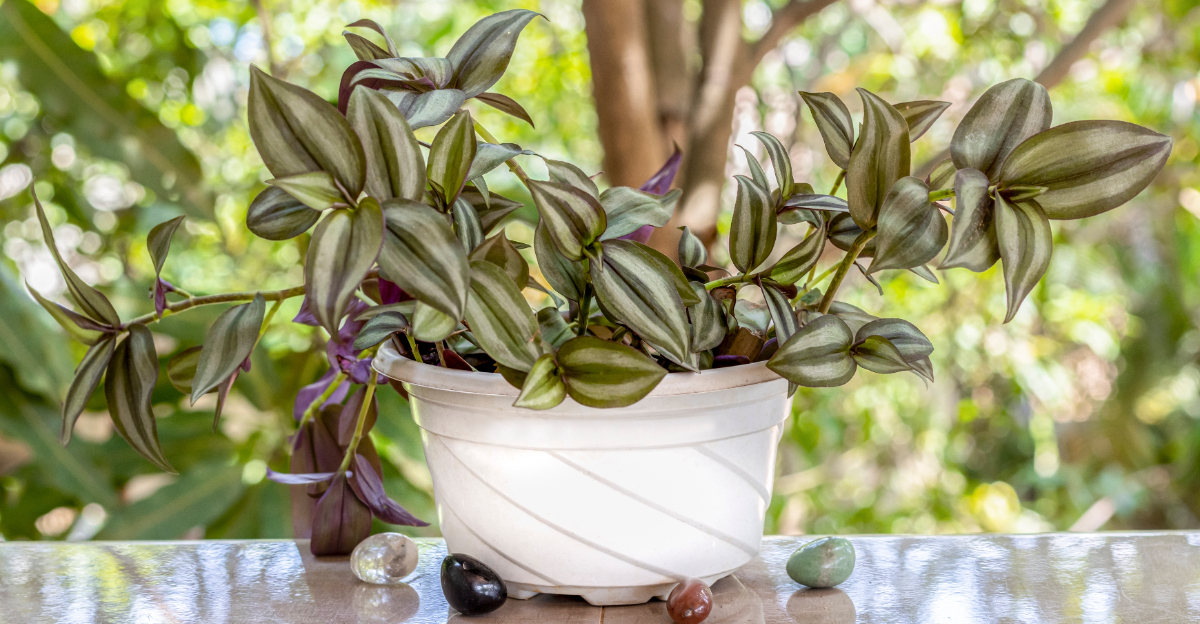
Wandering Jew grows fast in Arizona, but that doesn’t always mean it grows well. Indoors or outdoors, the plant can quickly turn leggy, faded, or uneven if conditions aren’t quite right.
Arizona’s light intensity and dry air shape how this plant behaves more than most people expect. A spot that works beautifully in one season can cause problems in another, especially when temperatures shift.
Small differences in placement, watering, and exposure make a noticeable impact on how full and balanced the plant becomes.
Growing Wandering Jew successfully isn’t about constant trimming or extra care. It’s about matching the plant to Arizona’s conditions so growth stays steady and controlled.
When those basics line up, the plant tends to trail evenly, keep its color, and thrive both indoors and outside without much effort.
1. Give Bright, Filtered Light To Keep Color Strong
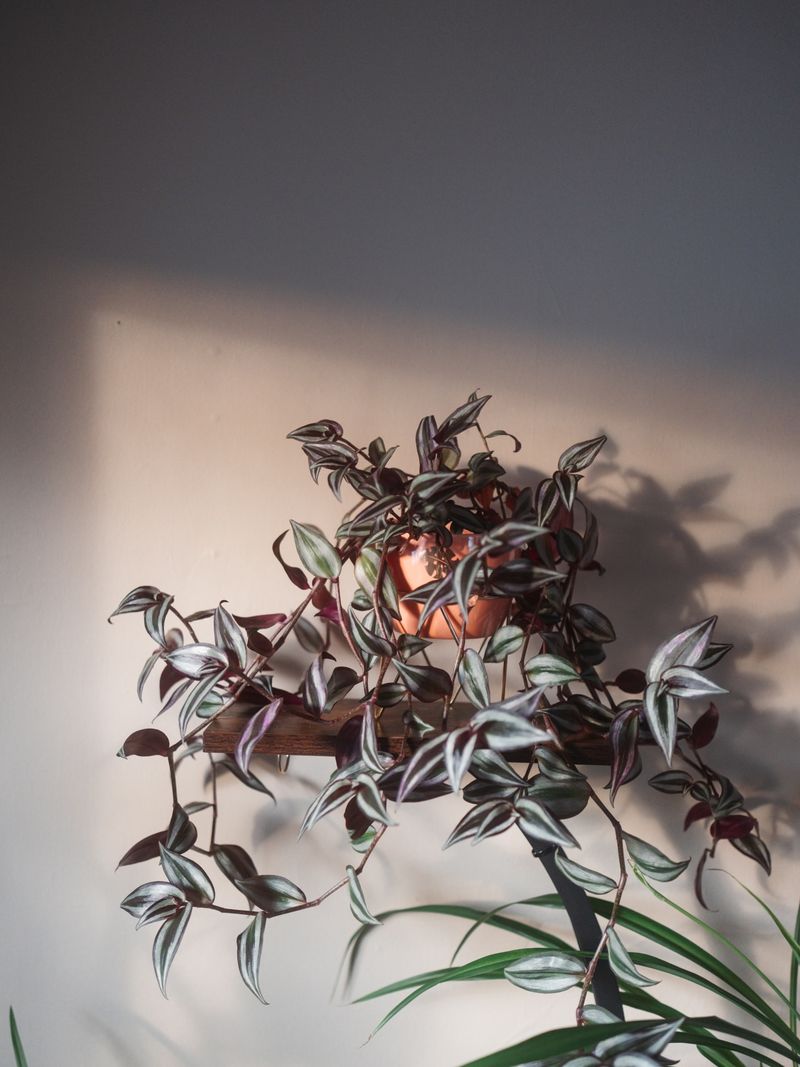
Wandering Jew plants show their best colors when they receive plenty of bright light without direct sun burning their delicate leaves.
Indoors in Arizona homes, placing these plants near east-facing windows works perfectly because morning sun is gentler than afternoon rays.
The colorful stripes and purple undersides become more vivid when light levels stay consistently bright throughout the day. Arizona’s intense sunshine can actually bleach out the beautiful purple tones if plants sit in unfiltered direct light for too long.
A sheer curtain or positioning plants a few feet back from south or west windows provides ideal filtered brightness.
You’ll notice leaves turning pale green or losing their distinctive stripes when light levels drop too low, signaling the need for a brighter spot. Outdoor plants in Arizona benefit from locations that receive morning sun and afternoon shade, especially during summer months.
Patios with overhangs, covered porches, or spots beneath larger plants create perfect filtered light conditions. Rotating hanging baskets every few weeks ensures all sides receive equal light exposure, preventing lopsided growth patterns.
2. Protect Outdoor Plants From Intense Afternoon Sun
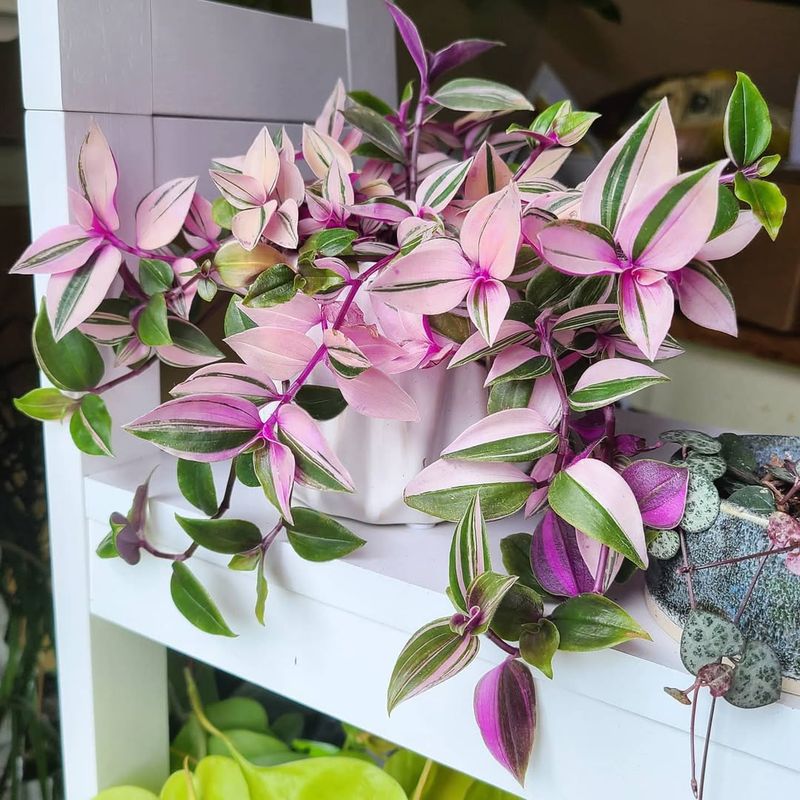
Arizona’s afternoon sun can reach brutal intensity levels that quickly damage Wandering Jew foliage, causing brown crispy edges and faded colors. Plants that thrive in morning locations often struggle when exposed to the relentless heat between noon and sunset.
Outdoor hanging baskets need strategic placement where structures or trees block the harshest rays while maintaining good air circulation.
Covered patios in Phoenix, Tucson, and other Arizona cities provide excellent protection while still offering plenty of ambient brightness. The goal is finding that sweet spot where plants receive strong light without the scorching direct exposure that peaks during summer afternoons.
Even heat-tolerant plants appreciate relief from temperatures that regularly exceed 110 degrees in many Arizona locations.
Shade cloth rated at 30-50% provides another solution for Arizona gardeners wanting to grow Wandering Jew outdoors year-round.
Stringing shade fabric over hanging areas creates filtered conditions that prevent sun damage while maintaining the brightness these plants crave.
Many Arizona nurseries sell shade cloth specifically designed for our intense desert conditions. Watch for warning signs like leaves turning brown at the edges or losing their plump, juicy texture during hot months.
3. Use Fast-Draining Soil In Pots And Beds
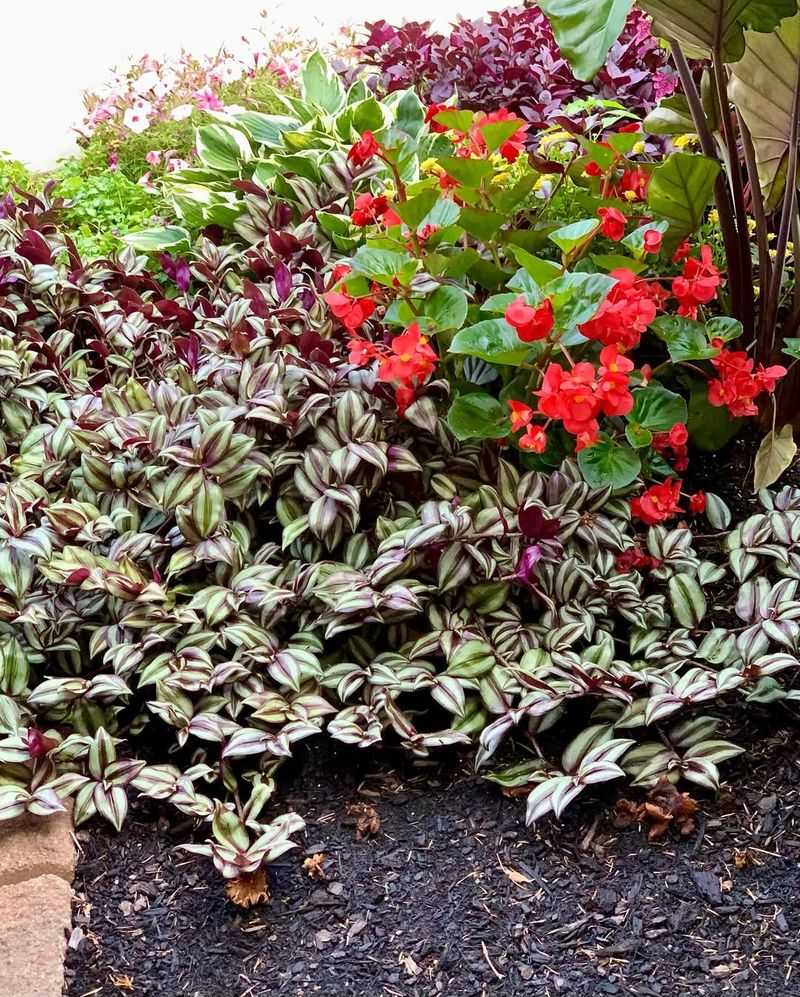
Wandering Jew roots need soil that drains quickly because sitting in soggy conditions leads to root problems that stop growth completely.
Arizona’s low humidity means containers dry faster than in humid climates, but proper soil structure remains critical for healthy plants.
Regular potting soil often holds too much moisture, especially in plastic pots that don’t breathe like terracotta containers do. Mixing standard potting soil with perlite or coarse sand at a ratio of two parts soil to one part drainage material creates ideal conditions.
This combination allows water to flow through quickly while still holding enough moisture for roots to absorb what they need.
Succulent and cactus potting mixes sold throughout Arizona garden centers work wonderfully because they’re already formulated for fast drainage.
Container choice matters just as much as soil composition when growing these plants in Arizona’s dry climate. Pots with drainage holes are absolutely essential because trapped water at the bottom causes more problems than occasional underwatering.
Terracotta pots dry out faster than plastic, which can be helpful during Arizona’s humid monsoon season when outdoor plants receive unexpected rainfall.
For outdoor beds, amending Arizona’s native soil with compost and pumice improves drainage while adding nutrients these fast-growing plants appreciate.
4. Water Thoroughly, Then Let Soil Dry Slightly
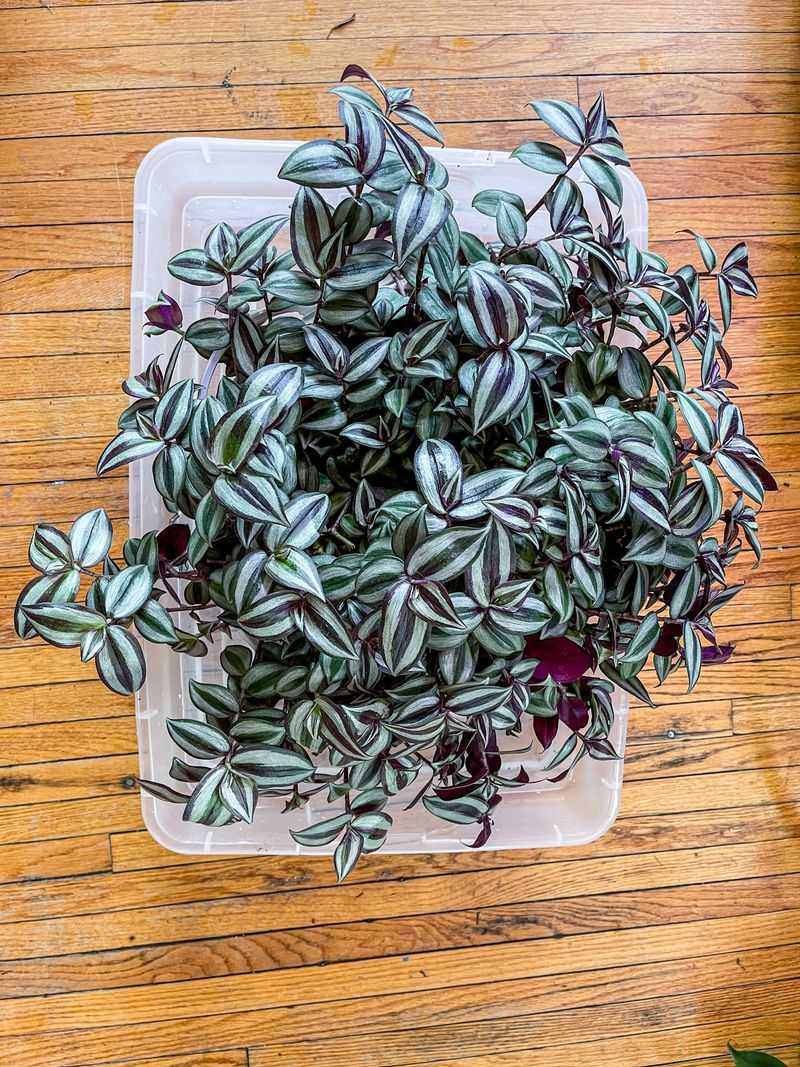
Finding the right watering rhythm in Arizona’s desert climate takes observation because these plants need consistent moisture without waterlogged roots.
The best approach involves watering deeply until liquid runs from drainage holes, then waiting until the top inch of soil feels dry before watering again. This cycle encourages strong root development while preventing the soggy conditions that cause problems.
Arizona’s extremely low humidity means containers dry out much faster than in other regions, especially during scorching summer months.
Outdoor plants might need daily watering when temperatures soar above 105 degrees, while indoor plants in air-conditioned homes require less frequent attention.
Sticking your finger into the soil provides the most reliable moisture check rather than following a rigid schedule. Monsoon season brings temporary humidity spikes and occasional rainfall that change watering needs throughout Arizona from July through September.
Cutting back on supplemental watering during these wetter periods prevents oversaturation that can damage roots.
Hanging baskets and elevated containers dry faster than ground-level pots because air circulates around all sides of the container. Leaves that feel soft and look droopy signal underwatering, while yellowing leaves that drop easily often indicate too much moisture.
Adjusting your watering frequency based on these visual cues helps you dial in the perfect schedule for your specific Arizona location.
5. Grow Outdoors Only When Nights Stay Mild
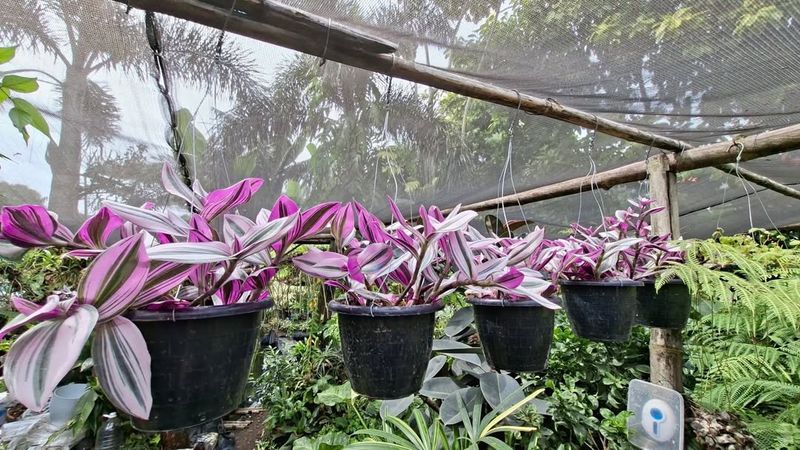
Wandering Jew plants originated in warm tropical regions, so Arizona’s occasional cold snaps can damage or even destroy outdoor plantings quickly.
These tender plants start showing stress when nighttime temperatures drop below 50 degrees, with serious damage occurring at freezing temperatures.
Timing your outdoor growing season to match Arizona’s milder months ensures plants stay healthy and continue their vigorous growth. Most Arizona locations enjoy perfect outdoor conditions for Wandering Jew from March through October when nights remain comfortably warm.
Southern Arizona cities like Tucson and Yuma offer even longer outdoor growing seasons with frost-free winters in many years. Northern Arizona areas including Flagstaff and Prescott have much shorter outdoor windows due to cooler mountain climates and earlier fall freezes.
Spring planting after the last frost date gives these fast-growing plants maximum time to establish and fill out containers beautifully.
By summer’s peak, properly placed plants create stunning cascades of colorful foliage that brighten patios and entryways.
Fall brings gorgeous growing conditions across Arizona as temperatures moderate, making September and October excellent months for outdoor displays.
Monitoring weather forecasts becomes important as seasons change because unexpected cold fronts occasionally sweep through Arizona. Even brief exposure to temperatures in the 30s can damage foliage and set plants back significantly.
6. Bring Containers Inside Before Cold Nights
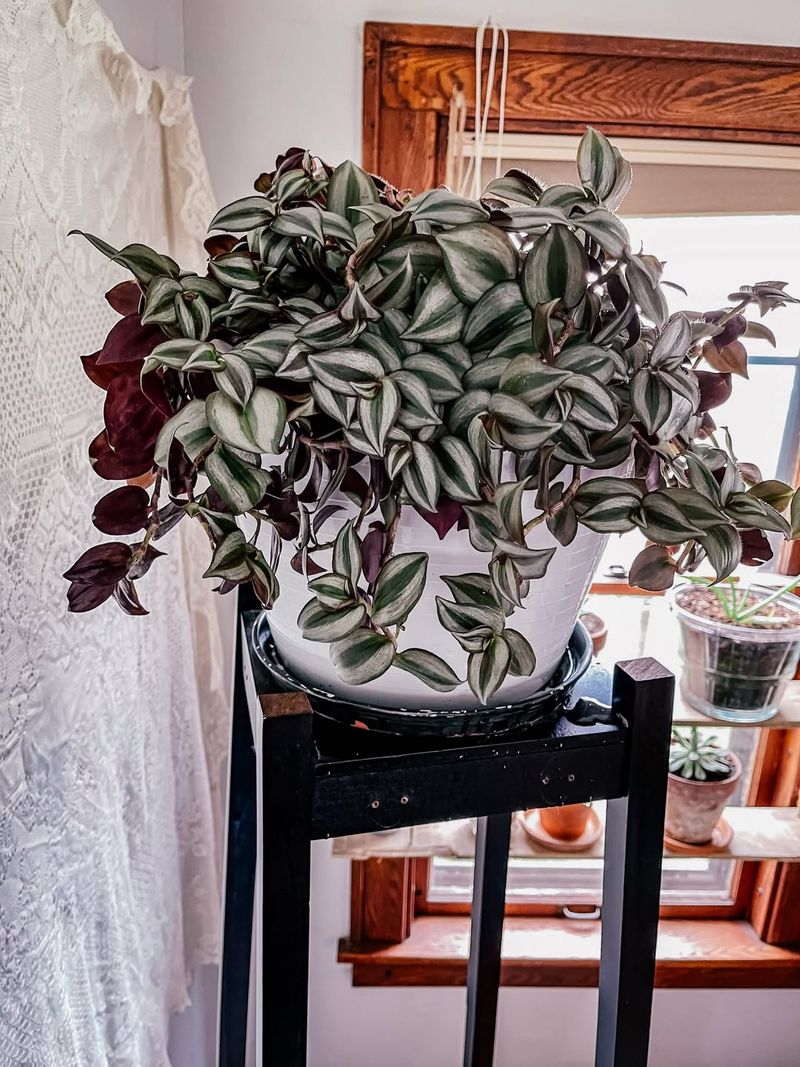
Arizona’s generally mild climate can lull gardeners into forgetting that cold nights do happen, sometimes dropping below freezing in many areas.
Wandering Jew plants suffer quickly when temperatures plunge, so bringing containers indoors before cold weather arrives saves plants from damage.
Watching weather forecasts during fall and winter months helps you anticipate when protection becomes necessary across Arizona. Desert regions experience dramatic temperature swings where afternoon highs reach 70 degrees but nighttime lows drop into the 30s or 40s.
These fluctuations occur most frequently from November through February in Phoenix, Tucson, and surrounding areas.
Moving containers to protected locations like garages, covered patios, or indoors prevents cold damage during these unpredictable periods. Transitioning outdoor plants indoors requires some adjustment time because interior conditions differ significantly from outdoor environments.
Placing plants in bright windows and maintaining consistent temperatures helps them adapt without dropping leaves or showing stress.
Gradually moving containers to shadier outdoor spots for a few days before bringing them inside eases the transition. Some Arizona gardeners keep plants in lightweight containers specifically for easy movement between indoor and outdoor locations.
Rolling plant stands make relocating heavy pots simple when cold weather threatens.
Grouping containers near doors or in easily accessible areas simplifies the process of quickly moving multiple plants when forecasts predict freezing temperatures.
Indoor winter care in Arizona focuses on providing adequate light and avoiding overwatering since growth slows in cooler months.
7. Pinch Stems Often To Encourage Trailing Growth
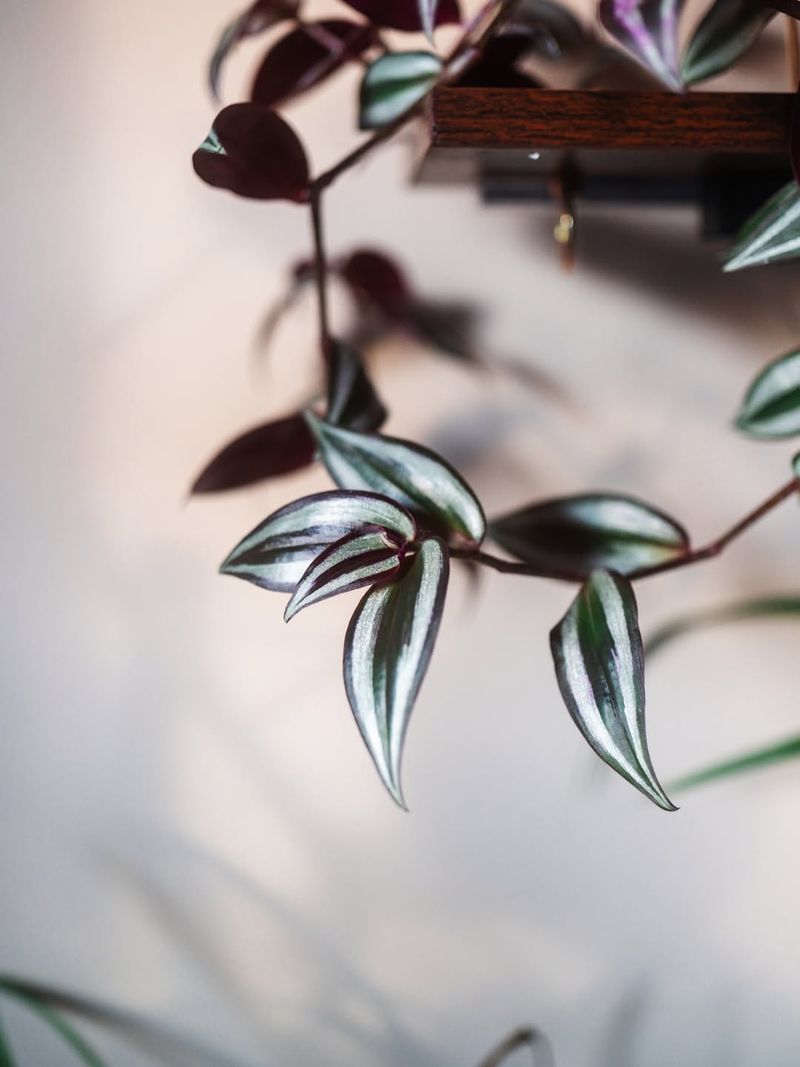
Wandering Jew plants naturally want to grow long trailing stems, but without regular pinching they become leggy with sparse foliage.
Pinching involves using your fingers or clean scissors to remove the growing tips of stems, which triggers the plant to branch out.
This simple maintenance creates fuller, bushier plants with multiple cascading stems instead of a few long stringy ones. The best time to pinch is when stems reach four to six inches long, removing just the top inch or two of growth.
This technique works year-round for indoor plants in Arizona, though outdoor plants benefit most from pinching during active growing seasons. Each pinch point typically produces two or more new stems, quickly multiplying the fullness and visual impact of your plant.
Regular pinching also prevents that common problem where all the leaves cluster at the stem ends while the base looks bare.
Starting this habit when plants are young establishes the full, lush form that makes Wandering Jew such an attractive choice. Arizona’s warm climate means these plants grow quickly, so checking for pinching opportunities every few weeks maintains ideal shape.
The stem pieces you remove root easily in water or moist soil, giving you free new plants to expand your collection.
Many Arizona gardeners keep several containers going, using pinched stems to start fresh plants or fill in sparse areas.
8. Rotate Indoor Plants To Keep Growth Even
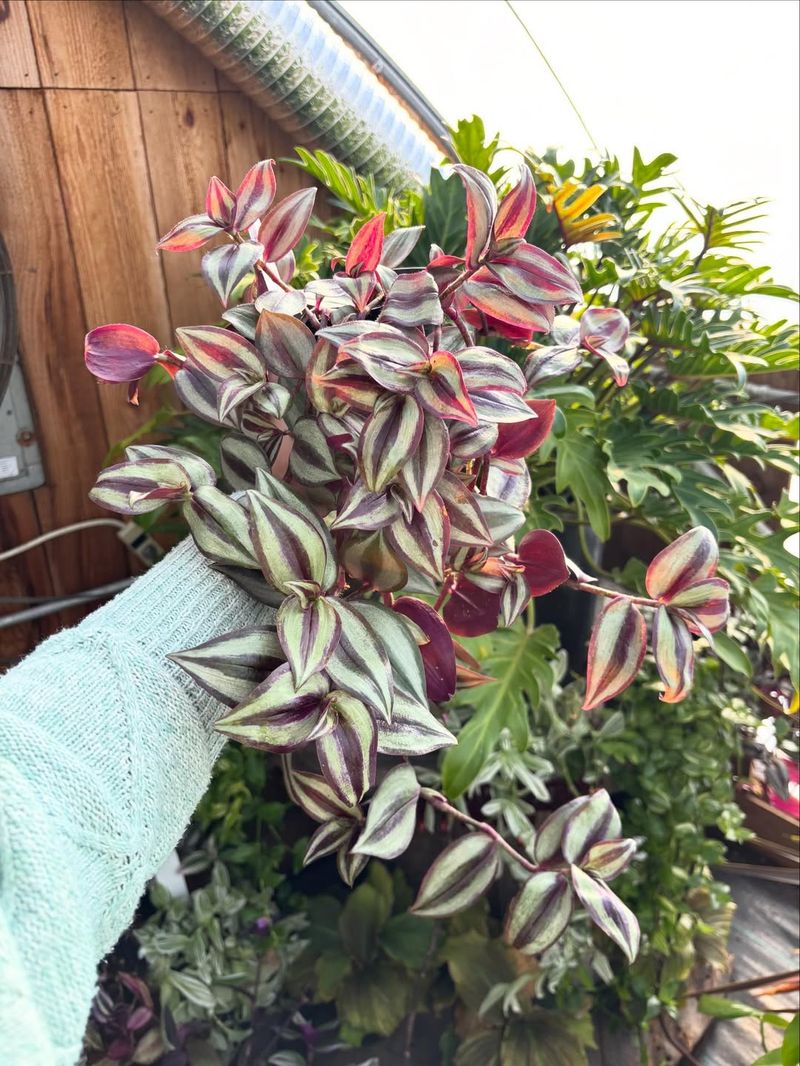
Indoor Wandering Jew plants naturally grow toward their light source, creating lopsided containers if left in one position too long.
Rotating pots every week or two ensures all sides receive equal light exposure, promoting balanced growth around the entire container.
This simple habit takes seconds but prevents the frustration of plants that look full on one side and sparse on the other.
Arizona homes often have intense directional light from large windows that face south or west, making rotation especially important. Plants positioned near these bright windows will lean dramatically toward the light within just days if not turned regularly.
Marking containers with a small piece of tape helps you remember which direction faced the window last time, ensuring systematic rotation.
Hanging baskets need rotation just as much as plants on shelves or tables, though they’re sometimes overlooked during routine care. Giving baskets a quarter turn each time you water creates an easy routine that becomes automatic with practice.
Even growth means fuller, more attractive displays that look intentionally styled rather than accidentally neglected.
The difference becomes obvious when comparing rotated plants to those left stationary, with rotated specimens showing dense, even foliage all around. This practice also helps you spot potential problems like pests or damaged leaves that might hide on the side facing away from view.