How To Help African Violets Bloom Again In Minnesota

Minnesota plant lovers keep asking how to coax their African violets back into bloom, and the challenge is becoming a favorite winter project.
Each plant responds to small adjustments in light, moisture, and care, turning the process into a gentle routine that feels both calming and rewarding.
The growing interest shows how much joy people find in seeing those bright little flowers return after a quiet stretch.
1. Provide Bright, Indirect Light
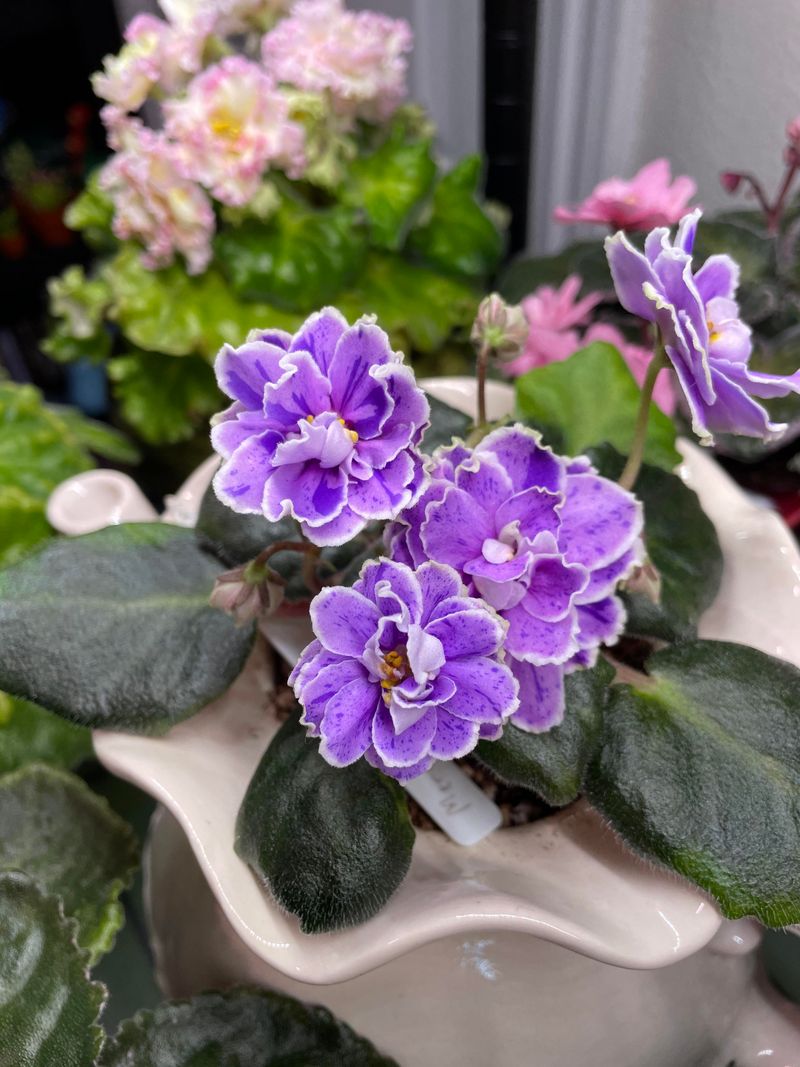
Light plays a crucial role in helping African violets produce their stunning blooms throughout the year.
Your plants need about 10 to 12 hours of bright light daily, but direct sunlight can actually harm the delicate leaves.
Place your African violets near east or north-facing windows where they receive gentle, filtered light without harsh afternoon rays.
Minnesota winters can be dark and gloomy, so consider using grow lights to supplement natural sunlight during shorter days.
Position grow lights about 12 inches above the plants and keep them on for 12 to 14 hours each day.
If leaves start turning pale or yellowish, your plant might be getting too much light and needs to move farther from the window.
Dark green leaves with no flowers often mean your African violet needs more light to trigger blooming again in your Minnesota home.
2. Maintain Consistent Temperature
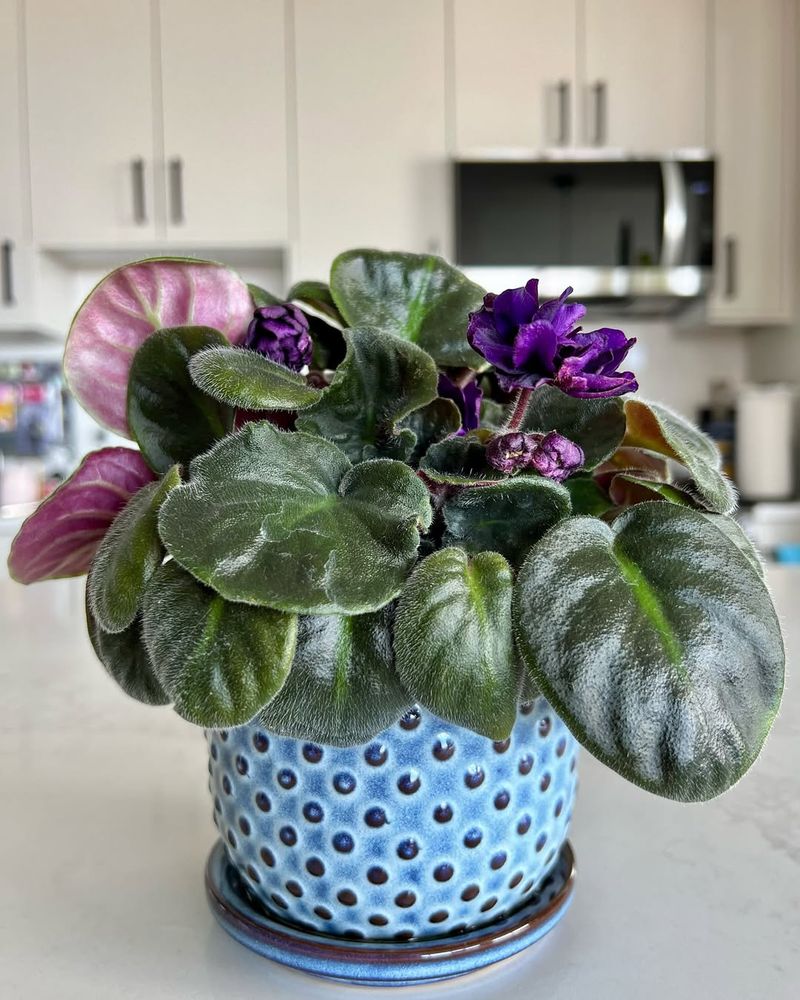
Temperature stability matters tremendously when you want your African violets to bloom reliably and produce flowers consistently.
These tropical plants prefer daytime temperatures between 70 and 75 degrees Fahrenheit, with nighttime temps around 65 degrees.
Avoid placing your plants near drafty windows, heating vents, or air conditioning units that create sudden temperature changes.
Minnesota homes can experience significant temperature fluctuations during winter when furnaces run constantly and create dry, hot spots.
Cold drafts from windows during harsh Minnesota winters can shock your African violets and prevent them from producing new buds.
Keep plants away from exterior doors where cold air rushes in every time someone enters or leaves the house.
Stable temperatures help African violets feel comfortable and secure, encouraging them to focus energy on creating beautiful blooms instead of survival.
3. Water Properly With Room Temperature Water
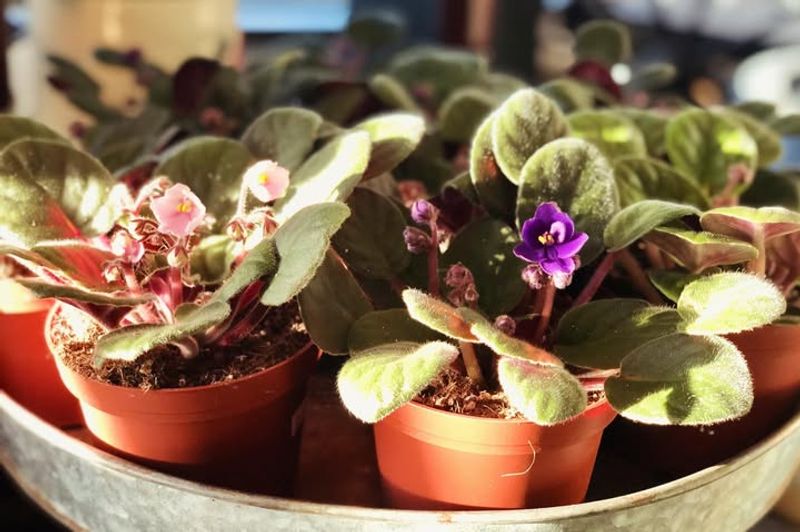
Watering technique can make or break your success with getting African violets to bloom again in your Minnesota home.
Always use room temperature water because cold water can shock the roots and create unsightly spots on the fuzzy leaves.
Bottom watering works best by placing the pot in a saucer of water and letting the soil absorb moisture through drainage holes.
Allow the plant to soak for about 20 to 30 minutes, then remove excess water to prevent root rot problems.
Let the top inch of soil dry out between waterings, as African violets dislike constantly soggy conditions that suffocate roots.
Minnesota tap water often contains chlorine and minerals that can build up in soil, so consider using filtered or distilled water instead.
Never pour water directly onto the fuzzy leaves or crown, as this invites fungal issues and crown rot that stops blooming.
4. Use Proper Fertilizer Regularly
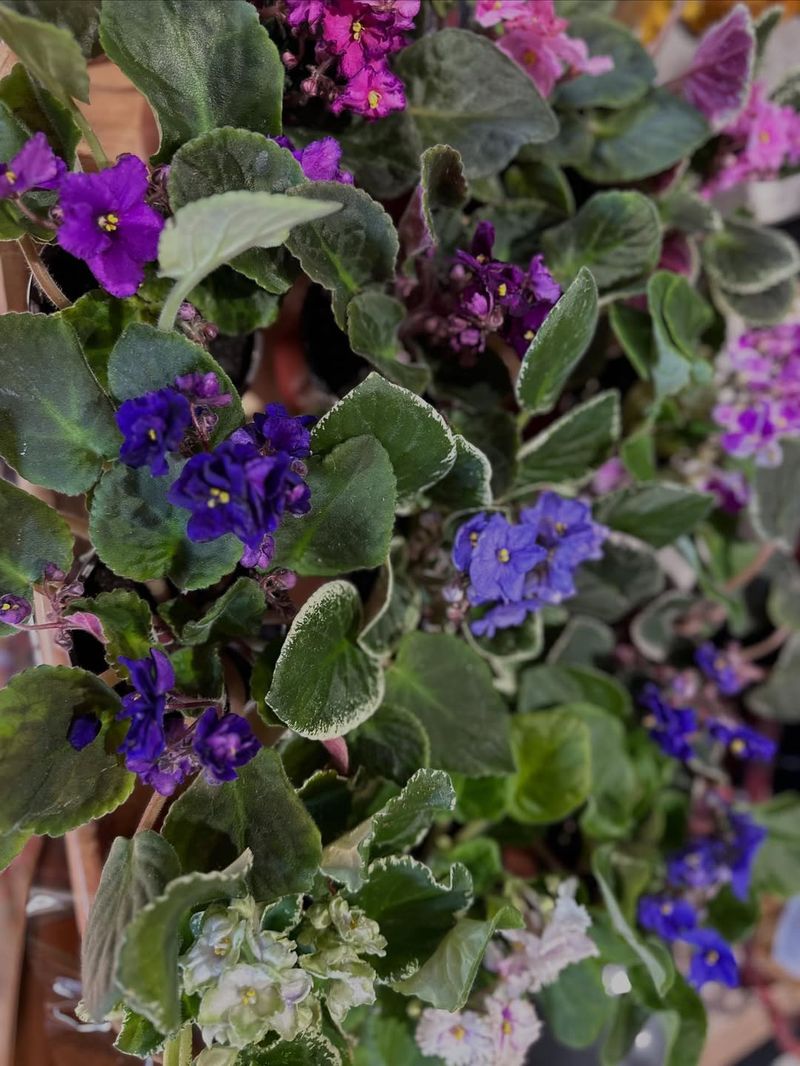
Fertilizing your African violets gives them the nutrients needed to produce abundant flowers throughout the year in Minnesota.
Choose a fertilizer specifically formulated for African violets or use a balanced liquid fertilizer diluted to quarter strength.
Feed your plants every time you water during the growing season, using a weak solution to avoid burning sensitive roots.
Look for fertilizers with higher phosphorus content, as this nutrient specifically promotes flower production and bud development.
Many Minnesota gardeners notice their African violets stop blooming when they forget to fertilize during long winter months indoors.
Overfertilizing can cause excessive leaf growth with no flowers, so less is definitely more with these delicate plants.
Flush the soil every few months with plain water to remove salt buildup from fertilizers that accumulate over time.
5. Increase Humidity Levels
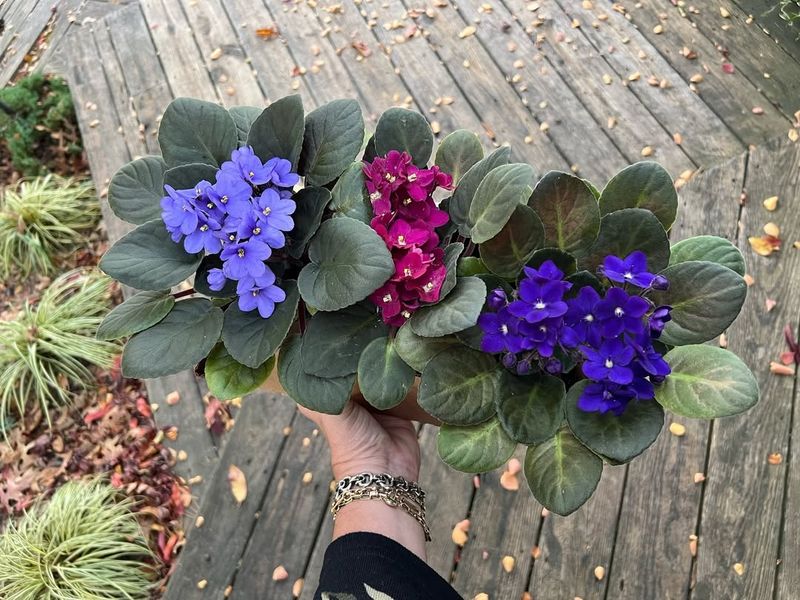
Humidity levels drop dramatically in Minnesota homes during winter when furnaces run constantly, creating desert-like conditions indoors.
African violets thrive with humidity levels between 50 and 60 percent, which encourages healthy growth and continuous blooming.
Create a humidity tray by filling a shallow dish with pebbles and water, then placing your potted plant on top.
Make sure the pot sits above the water line so roots do not become waterlogged and develop rot issues.
Grouping several African violets together creates a microclimate where plants share moisture through transpiration from their leaves.
Small humidifiers placed near your plant collection work wonderfully for maintaining consistent moisture in the air during dry Minnesota winters.
Avoid misting African violets directly because water droplets on fuzzy leaves can cause spotting and encourage fungal diseases that prevent blooming.
6. Choose The Right Pot Size
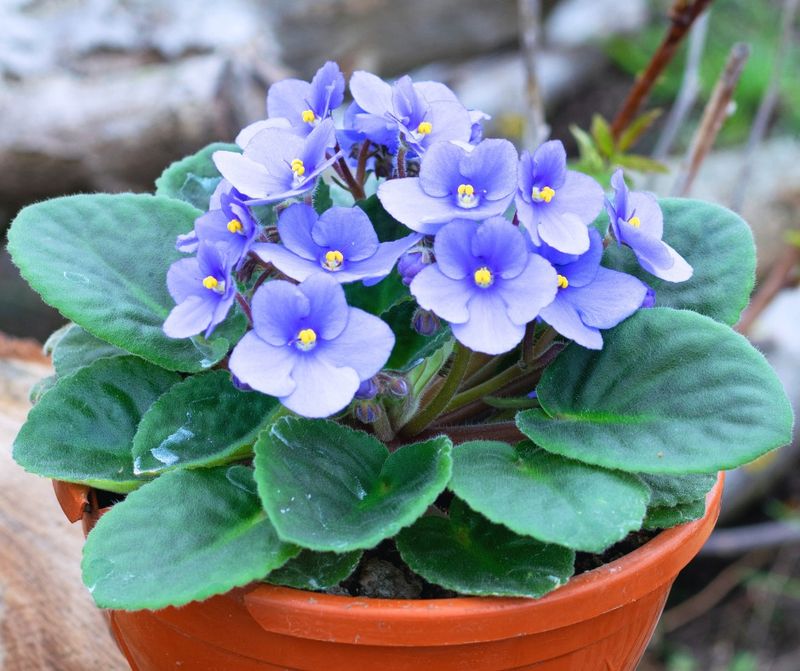
Pot size affects blooming because African violets actually prefer feeling slightly crowded to trigger flower production in your Minnesota home.
Select a pot that measures about one-third the diameter of the plant’s leaf spread for optimal root development.
Plants in oversized containers focus energy on growing roots to fill the space rather than producing beautiful flowers.
Shallow pots work better than deep ones because African violets have relatively small, shallow root systems that spread outward.
Plastic pots retain moisture longer than clay or terracotta, which can be helpful during dry Minnesota winters when humidity is low.
Repot your African violets every year or so, moving up only one pot size to keep them slightly root-bound.
Proper drainage holes are essential to prevent water from pooling at the bottom and causing root problems that stop flowering completely.
7. Remove Dead Flowers And Leaves
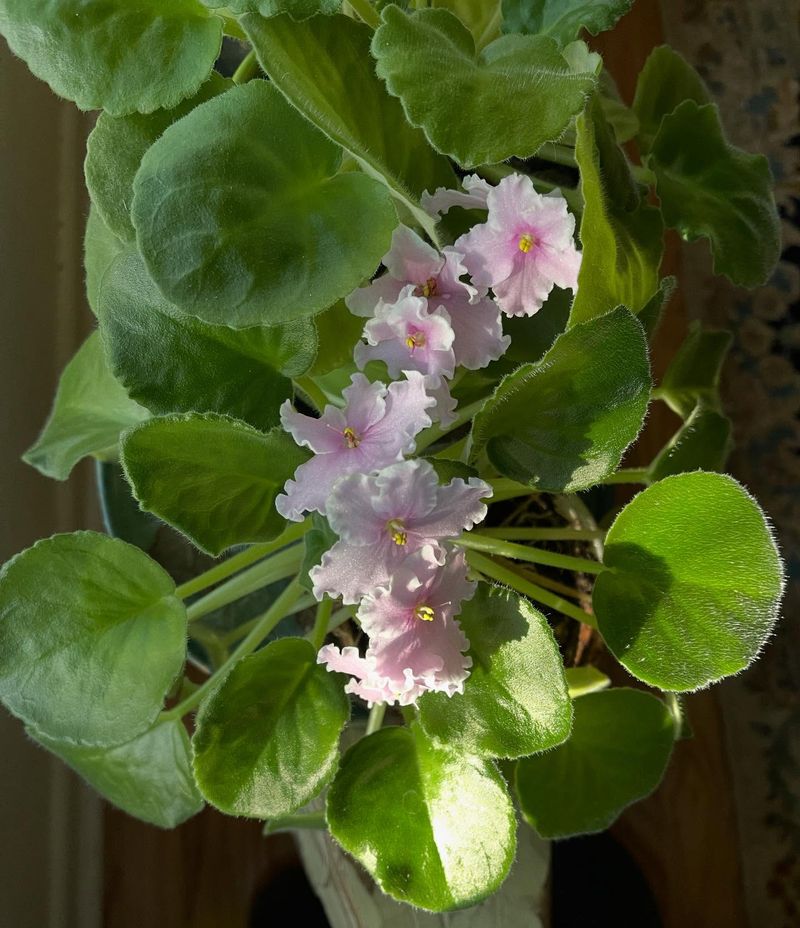
Grooming your African violets regularly encourages new growth and signals the plant to produce more flowers instead of making seeds.
Pinch off spent blooms as soon as they fade by gently twisting the stem at the base near the soil.
Yellow or brown leaves should be removed promptly because they can harbor pests and diseases that spread to healthy foliage.
Removing damaged leaves also improves air circulation around the plant, reducing the risk of fungal problems common in Minnesota homes.
Use clean fingers or small scissors to snip away any debris, making sure not to damage the healthy leaves nearby.
Regular grooming keeps your plant looking tidy and attractive while redirecting energy toward producing fresh buds and blooms.
Many Minnesota gardeners find that spending a few minutes each week on maintenance helps their African violets bloom more abundantly year-round.
8. Ensure Proper Soil Mix
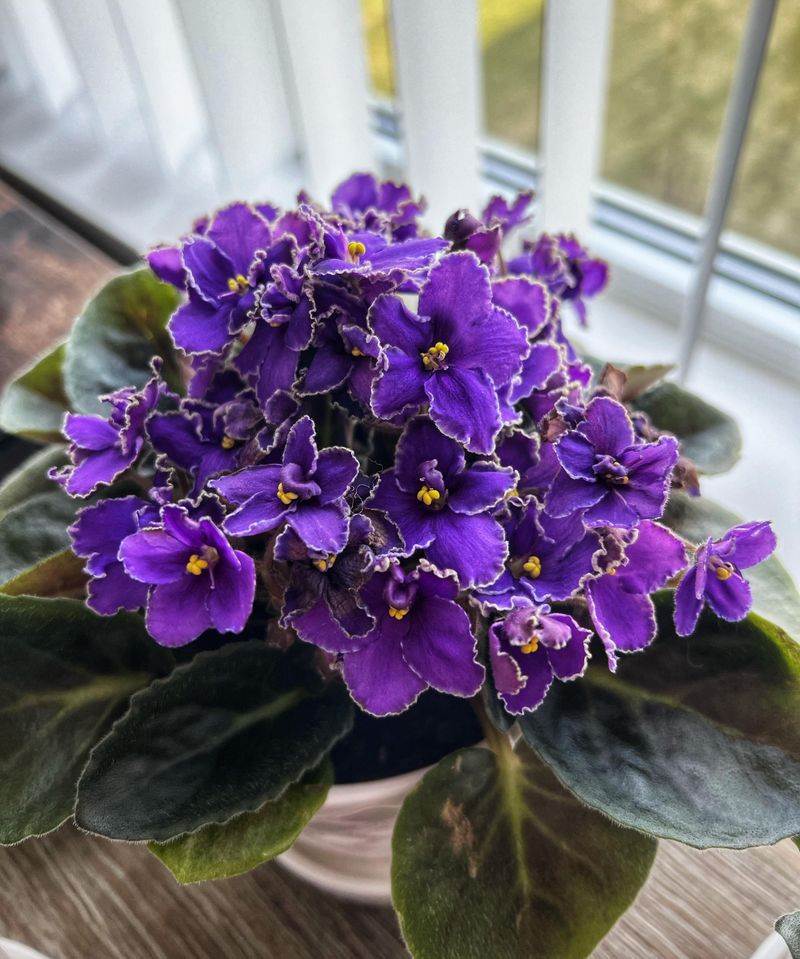
Soil quality directly impacts your African violet’s ability to bloom because roots need proper drainage and aeration to stay healthy.
Standard potting soil is too heavy and holds too much moisture, which can suffocate roots and prevent flower production.
Purchase a specially formulated African violet potting mix or create your own using equal parts peat moss, perlite, and vermiculite.
This light, fluffy mixture allows water to drain quickly while still retaining enough moisture for roots to absorb nutrients.
Minnesota gardeners should check soil pH levels, as African violets prefer slightly acidic conditions between 6.0 and 6.5 for best growth.
Refresh the soil annually by repotting your plants into fresh mix, which replenishes nutrients and improves drainage over time.
Compacted, old soil prevents roots from breathing properly and blocks nutrient uptake, leading to fewer blooms and unhealthy-looking plants.
9. Provide A Rest Period
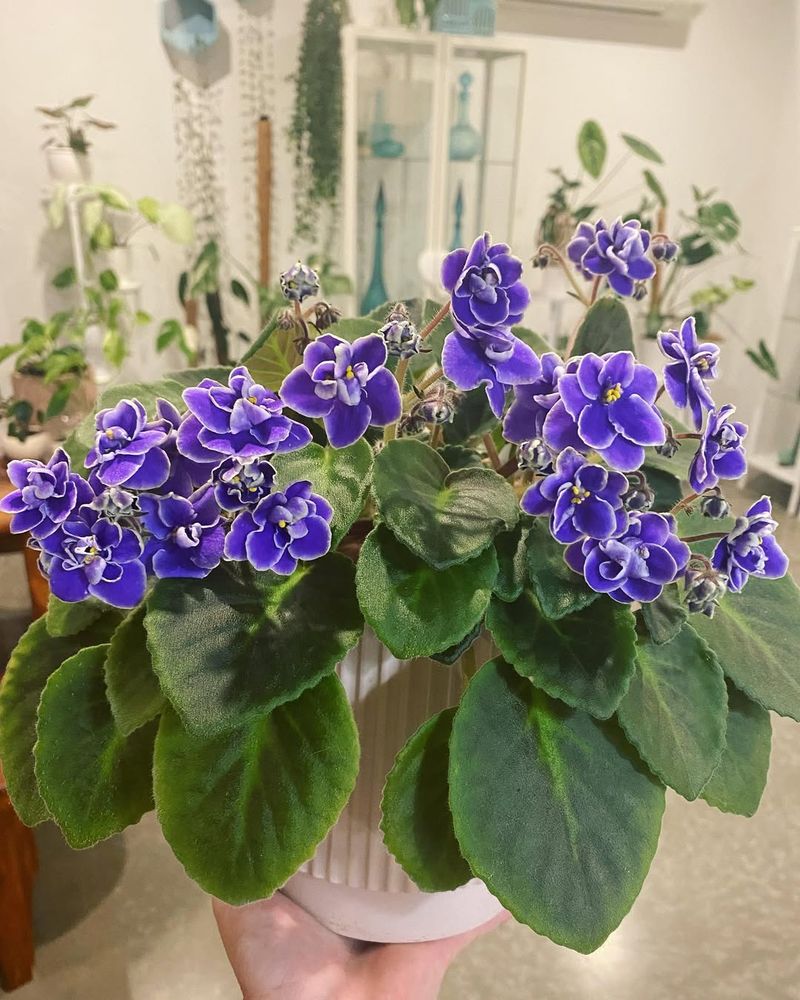
Sometimes African violets need a short break from blooming to gather strength and energy for producing even more flowers later.
Allow your plant to rest for four to six weeks by reducing fertilizer and providing slightly cooler temperatures around 60 degrees.
Continue watering as usual but skip the regular feeding schedule to let the plant slow down its growth naturally.
During this rest period, your African violet focuses on developing strong roots and healthy foliage instead of producing flowers.
Many Minnesota plant owners notice that giving their violets a winter rest period results in spectacular spring blooming when conditions improve.
After the rest period ends, resume normal care with regular fertilizing and warmer temperatures to trigger new bud formation.
This cycle mimics natural growing patterns and helps prevent plant exhaustion from continuous blooming without any recovery time in between.
10. Watch For Pests And Problems
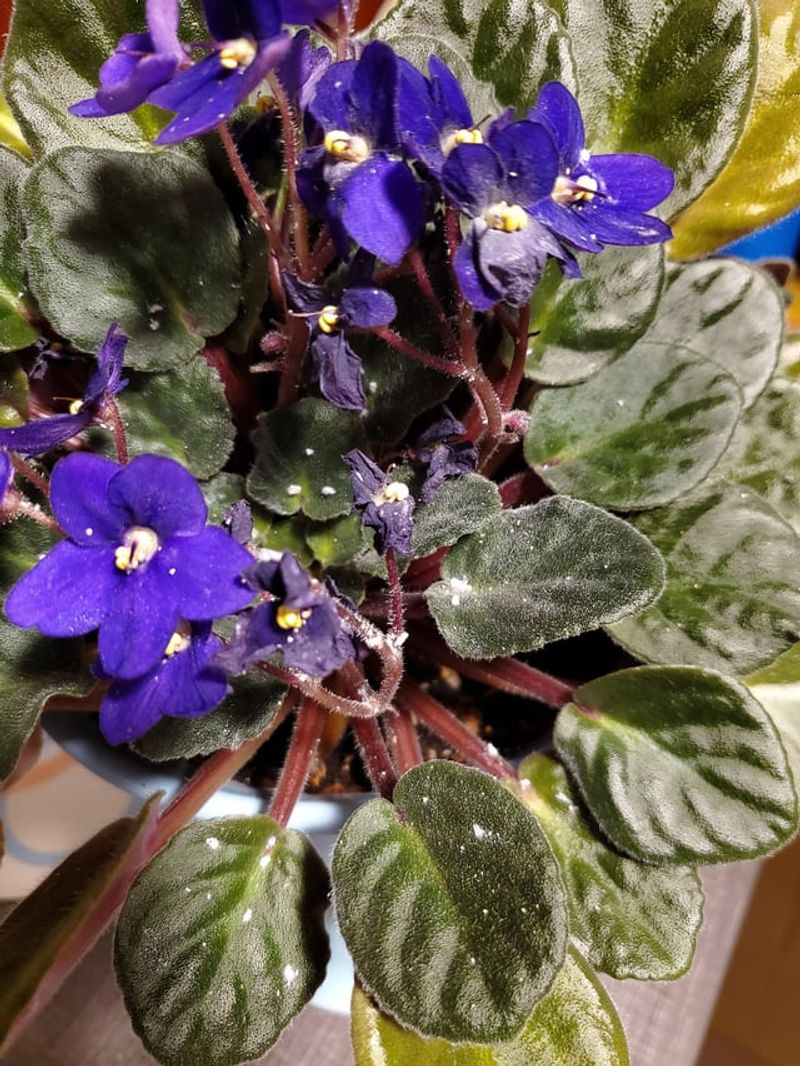
Pest infestations and diseases can quickly stop your African violets from blooming and cause serious damage to your Minnesota houseplants.
Check regularly for tiny insects like aphids, mealybugs, and spider mites that suck sap from leaves and weaken plants.
Isolate any affected plants immediately to prevent pests from spreading to your entire collection of healthy African violets.
Treat pest problems with insecticidal soap or neem oil spray, applying products according to label directions for safe, effective control.
Powdery mildew and crown rot are common fungal issues in Minnesota homes where humidity is high and air circulation is poor.
Prevent problems by spacing plants properly, avoiding overwatering, and never getting water on leaves or in the plant’s crown.
Healthy, well-cared-for African violets resist pests and diseases better than stressed plants, so focus on providing excellent overall care consistently.