How To Help Fuchsia Plants Stay Healthy And Bloom In California
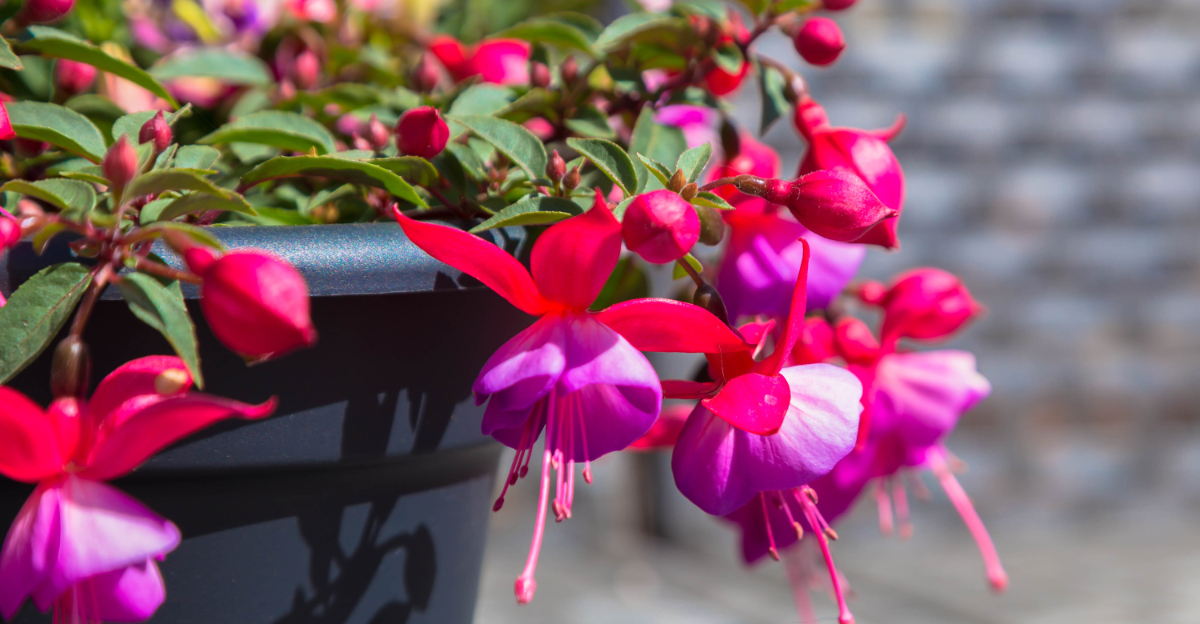
Fuchsias bring a little magic to California gardens with their dangling, jewel bright blooms and graceful, leafy charm. Those colorful flowers look delicate, yet with the right care they can stay lush, healthy, and bursting with blooms for months.
Imagine your patio or garden shaded by soft greenery while pinks, purples, and reds sway gently in the breeze, hummingbirds stopping by for a sweet visit. California’s mix of sun, coastal air, and dry spells can be tricky, but a few simple habits make all the difference.
Smart watering, the right light, and a touch of seasonal care keep plants strong and flowering again and again. Once you learn what fuchsias love, they reward you with nonstop color and elegant beauty that feels almost effortless.
Get ready to help your fuchsias thrive and turn your space into a cool, blooming retreat full of life and color.
Give Bright Shade, Not Harsh Sun
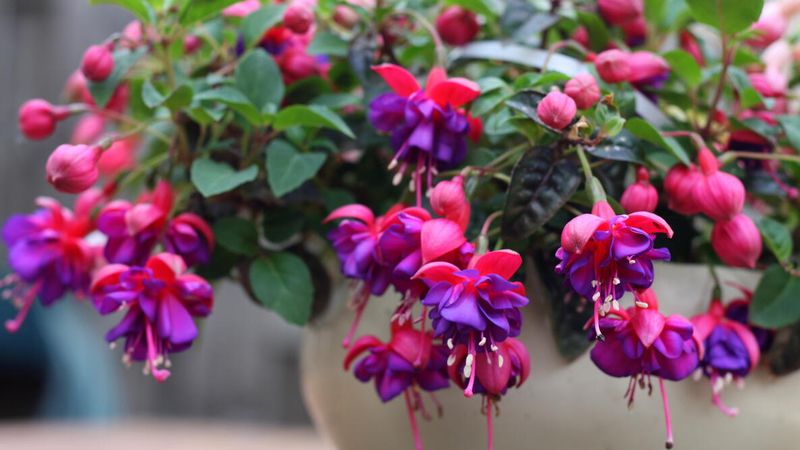
Fuchsias perform best when they receive morning sunlight followed by afternoon shade. Direct afternoon sun in California can scorch their delicate leaves and cause flowers to drop before fully opening.
Finding the perfect spot means looking for areas that get gentle morning rays but stay protected during the hottest part of the day.
Coastal regions of California offer ideal conditions because the marine layer provides natural filtering of harsh sunlight. Inland areas require more careful placement, such as under trees, on north-facing patios, or beneath shade cloth.
Many successful growers hang their fuchsias under eaves or pergolas where dappled light creates the perfect environment.
Too much shade causes another problem where plants become leggy and produce fewer flowers. The goal is finding that sweet spot with about four to six hours of filtered light daily.
Watch your plant closely during the first few weeks after placing it in a new location.
Adjusting placement early prevents stress and helps establish strong growth patterns. Remember that light conditions change with seasons, so a spot perfect in spring might become too sunny by midsummer in California’s variable climate.
Keep Soil Evenly Moist
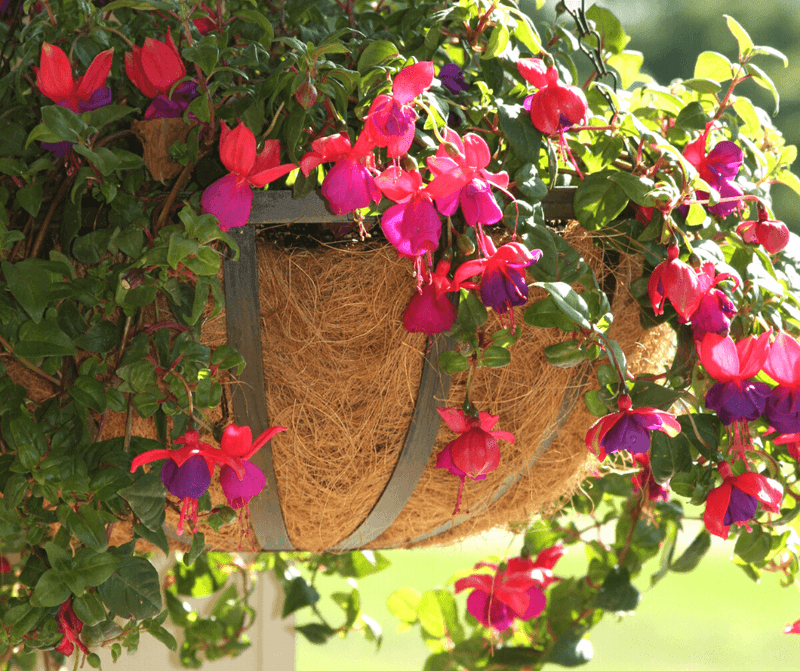
Water management makes the difference between thriving fuchsias and struggling ones. These plants originated in cool, misty mountain regions, so they prefer consistently moist soil that never completely dries out.
However, soggy conditions lead to root problems that can ruin even the healthiest-looking plant within days.
Check soil moisture daily by sticking your finger about an inch deep into the potting mix. When the top layer feels slightly dry, it’s time to water thoroughly until liquid drains from the bottom.
During California’s hot summer months, hanging baskets may need watering twice daily, especially in inland valleys where temperatures soar.
Container-grown fuchsias dry out faster than those planted in the ground. Adding a layer of mulch around the base helps retain moisture and keeps roots cool during warm weather.
Many California gardeners find success using self-watering containers that provide steady moisture without the risk of overwatering.
Morning watering works best because it allows foliage to dry before evening, reducing the chance of fungal issues.
Drip irrigation systems or soaker hoses provide consistent moisture for in-ground plants while conserving water during California’s frequent drought conditions.
Use Rich, Well-Draining Soil
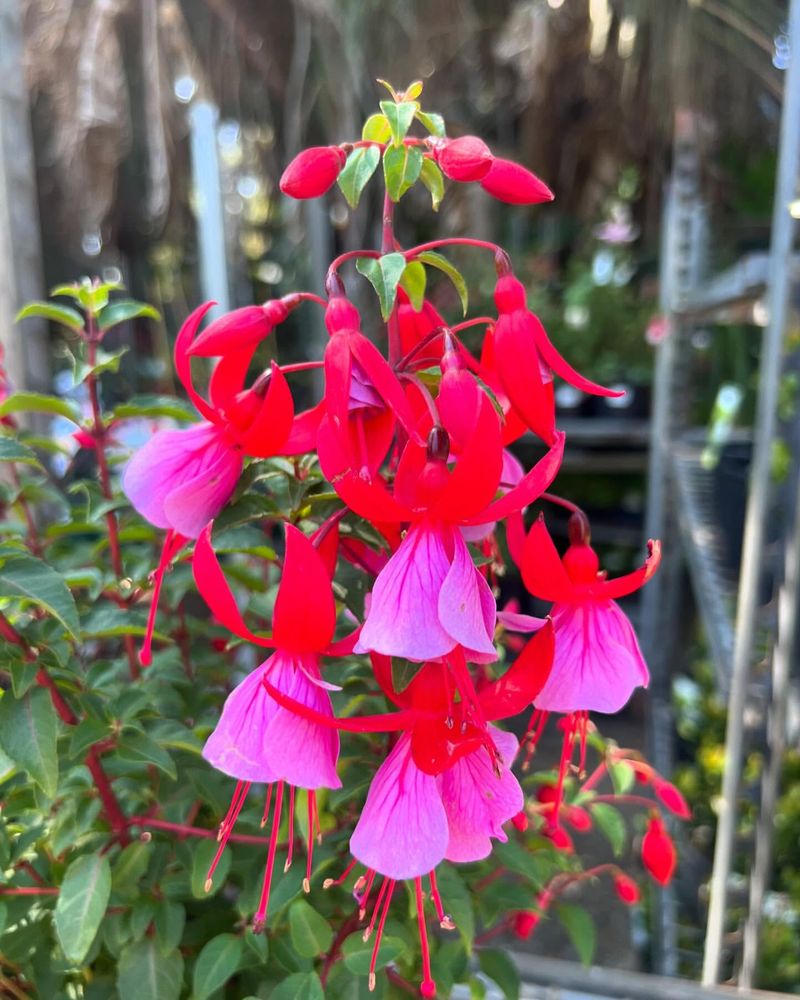
Soil quality directly impacts how well fuchsias grow and bloom throughout the season. These plants need a mix that holds moisture while allowing excess water to drain away quickly.
Heavy clay soils common in parts of California trap too much water, while sandy soils drain too fast and leave roots thirsty.
Creating the ideal growing medium means combining high-quality potting soil with organic matter like compost or aged bark. Adding perlite or vermiculite improves drainage and creates air pockets that roots need for healthy development.
A good ratio is three parts potting mix to one part perlite with a generous helping of compost mixed throughout.
Container plants benefit from fresh soil each year because nutrients get depleted and the mix breaks down over time. When repotting fuchsias in California, choose containers with multiple drainage holes to prevent water from pooling at the bottom.
Raised beds work wonderfully for in-ground plantings because they provide excellent drainage while allowing you to control soil composition.
Testing your soil’s drainage is simple. Dig a hole, fill it with water, and watch how quickly it drains.
Proper drainage means water disappears within a few hours rather than sitting for days.
Feed Lightly During Bloom Season
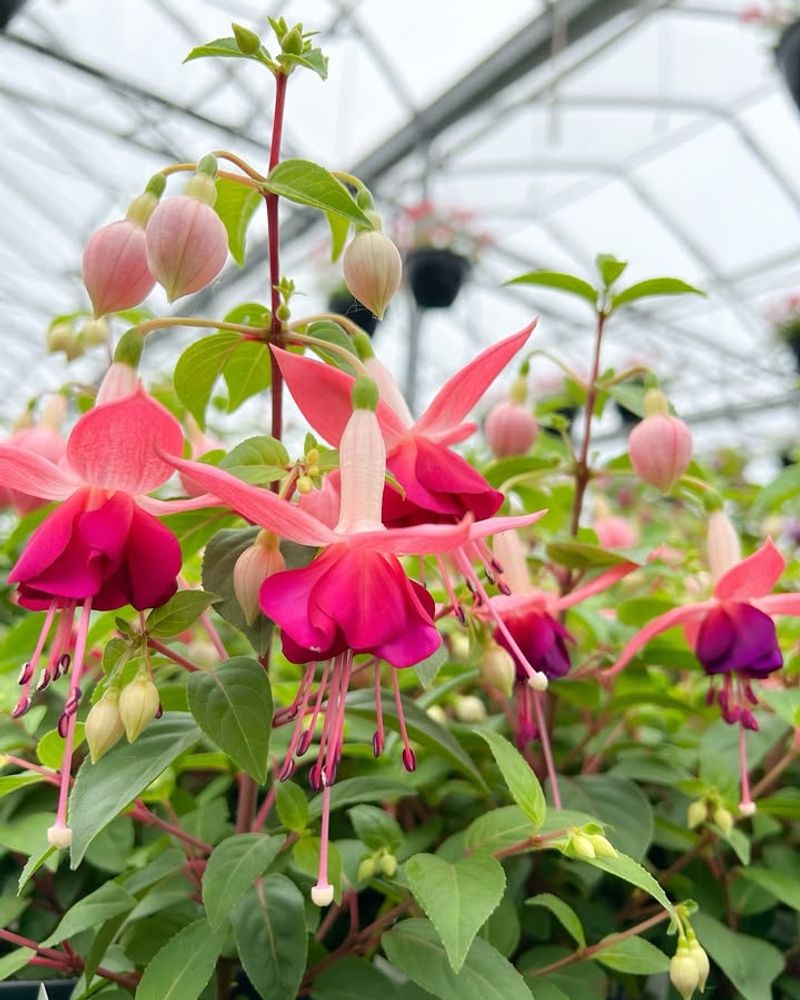
Proper nutrition keeps fuchsias producing those gorgeous flowers from spring through fall. Unlike heavy feeders that need constant fertilizing, fuchsias prefer a gentler approach with diluted applications throughout their active growing period.
Too much fertilizer causes lush green growth at the expense of flowers and can even burn tender roots.
Start feeding when new growth appears in spring, typically March or April in most California regions. Use a balanced liquid fertilizer diluted to half the recommended strength every two weeks during the blooming season.
Products formulated for flowering plants work well because they contain the right balance of nutrients to encourage bud formation.
Many experienced growers in California swear by fish emulsion or seaweed-based fertilizers because they provide nutrients gently while improving soil health. Stop fertilizing in late summer to allow plants to slow down naturally before winter dormancy.
Container plants need more frequent feeding than in-ground specimens because nutrients wash out with regular watering.
Yellowing leaves often signal a need for more nitrogen, while poor flowering might indicate insufficient phosphorus. Organic options like compost tea provide steady nutrition without the risk of chemical buildup in soil.
Protect From Hot, Dry Winds
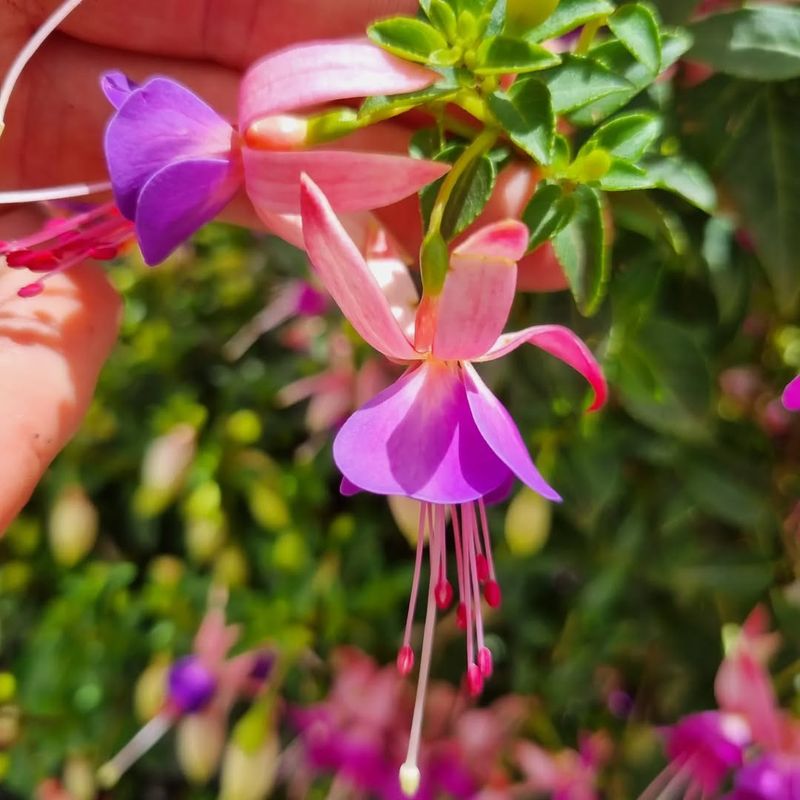
California’s notorious Santa Ana winds and hot summer breezes can stress fuchsias quickly because these plants evolved in calm, humid environments.
Wind strips moisture from leaves faster than roots can replace it, causing wilting and flower drop even when soil stays moist.
Creating windbreaks becomes essential for success, especially in exposed locations.
Strategic placement near walls, fences, or larger shrubs provides natural wind protection without blocking necessary light. Many California gardeners install shade cloth barriers that filter both wind and intense sun simultaneously.
Grouping several fuchsia plants together creates a microclimate where they shelter each other from harsh conditions.
Hanging baskets need extra attention because they swing in wind and dry out rapidly from all sides. Placing them in protected corners or under deep eaves keeps them stable and comfortable.
Some growers temporarily move containers to more sheltered spots during extreme weather events that frequently occur throughout California.
Wind damage shows up as brown leaf edges, dropped buds, and an overall stressed appearance. Misting foliage on hot, windy days helps compensate for rapid moisture loss.
Remember that consistent conditions matter more than perfect conditions, so finding a stable location prevents ongoing stress.
Prune To Encourage New Flowers
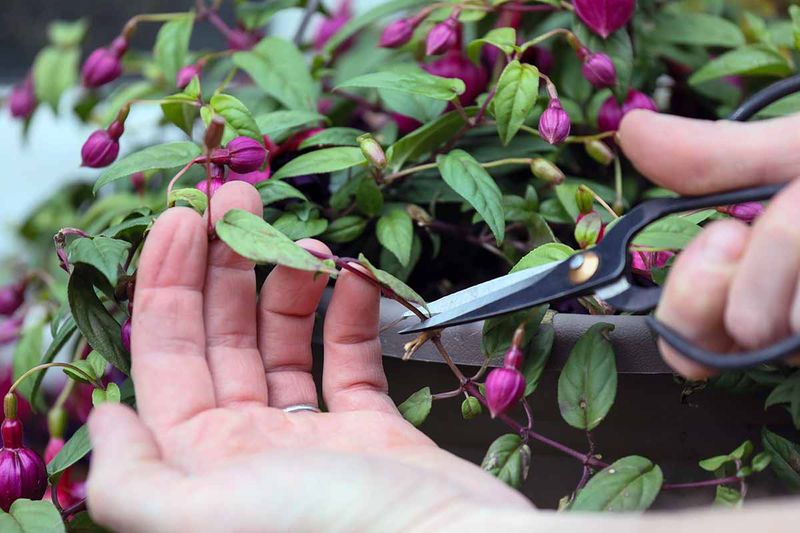
Regular pruning keeps fuchsias compact, bushy, and covered with flowers instead of becoming leggy and sparse. These plants bloom on new growth, so encouraging fresh stems means getting more of those beautiful hanging flowers throughout the season.
Knowing when and how to trim makes a huge difference in overall plant performance.
Pinching back growing tips when plants are young creates branching that leads to fuller specimens. Remove spent flowers regularly because this prevents seed formation and redirects energy into producing new blooms.
In California’s mild climate, this deadheading routine continues from spring through fall without interruption.
Light pruning throughout the growing season maintains shape and removes any damaged or crossing branches. More aggressive pruning happens in late winter before new growth begins, cutting plants back by about one-third to one-half their size.
This seems drastic but results in vigorous spring growth and abundant flowering.
Always use clean, sharp pruning shears to make smooth cuts that heal quickly. Cut just above a leaf node where new growth will emerge.
Plants that become too woody benefit from rejuvenation pruning where you remove old stems completely, allowing fresh shoots to take over and restore youthful vigor.
Watch For Whiteflies And Mites
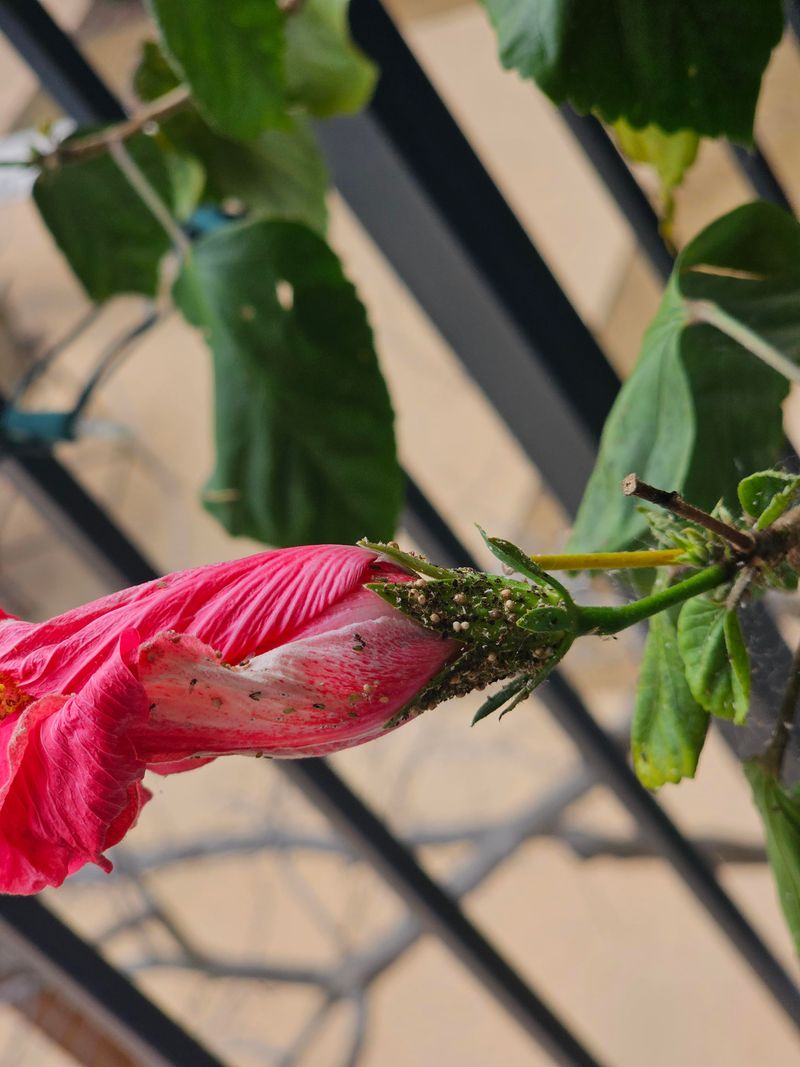
Pest problems can appear quickly on fuchsias, especially during California’s warm, dry months when insects thrive.
Whiteflies and spider mites are the most common troublemakers, sucking sap from leaves and weakening plants while spreading rapidly to neighboring specimens.
Early detection prevents minor issues from becoming major infestations that require aggressive treatment.
Whiteflies look like tiny white moths that flutter up when you disturb the plant. They cluster on leaf undersides, leaving behind sticky honeydew that attracts ants and encourages sooty mold growth.
Spider mites are harder to spot without a magnifying glass, but their fine webbing and stippled leaf damage give them away.
Start with the gentlest control methods like spraying plants with a strong stream of water to knock off pests. Insecticidal soap works well for whiteflies when applied thoroughly to all leaf surfaces every few days.
Neem oil provides control for both pests while being safe for beneficial insects when used properly.
Yellow sticky traps catch adult whiteflies and help monitor population levels throughout the growing season. Encouraging natural predators like ladybugs and lacewings provides ongoing pest control without chemicals.
Isolate new plants for a few weeks before placing them near established fuchsias to prevent introducing problems.
Overwinter And Refresh Each Year
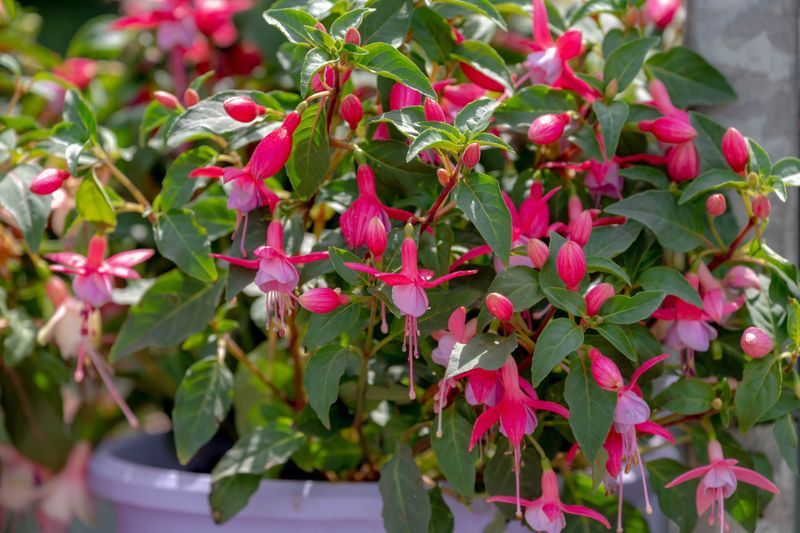
California’s mild winters allow many fuchsia varieties to survive outdoors year-round in coastal areas, but inland regions with occasional freezes require winter protection.
Understanding your local microclimate helps you decide whether to leave plants outside, move them to sheltered spots, or bring them indoors for the cold months.
Proper overwintering ensures plants return strong and ready to bloom when warm weather arrives.
Coastal gardeners often leave fuchsias in place with minimal protection beyond moving containers under eaves or covering plants during rare cold snaps.
Inland areas require more planning, such as bringing potted specimens into unheated garages or covered patios where temperatures stay above freezing. Plants go dormant naturally when days shorten, losing leaves and stopping growth until spring.
Reduce watering dramatically during dormancy but never let soil become completely dry. Check plants monthly and provide just enough water to keep roots from shriveling.
Resume regular care when new growth appears in late winter or early spring, gradually increasing water and starting fertilizer applications.
Refreshing plants each spring by repotting, pruning, and providing fresh soil sets them up for another spectacular blooming season.
Many California growers treat fuchsias as annuals in hot inland areas, replacing them yearly rather than struggling with difficult summer conditions.