How To Help Your Fishbone Cactus Stay Healthy In Arizona Homes
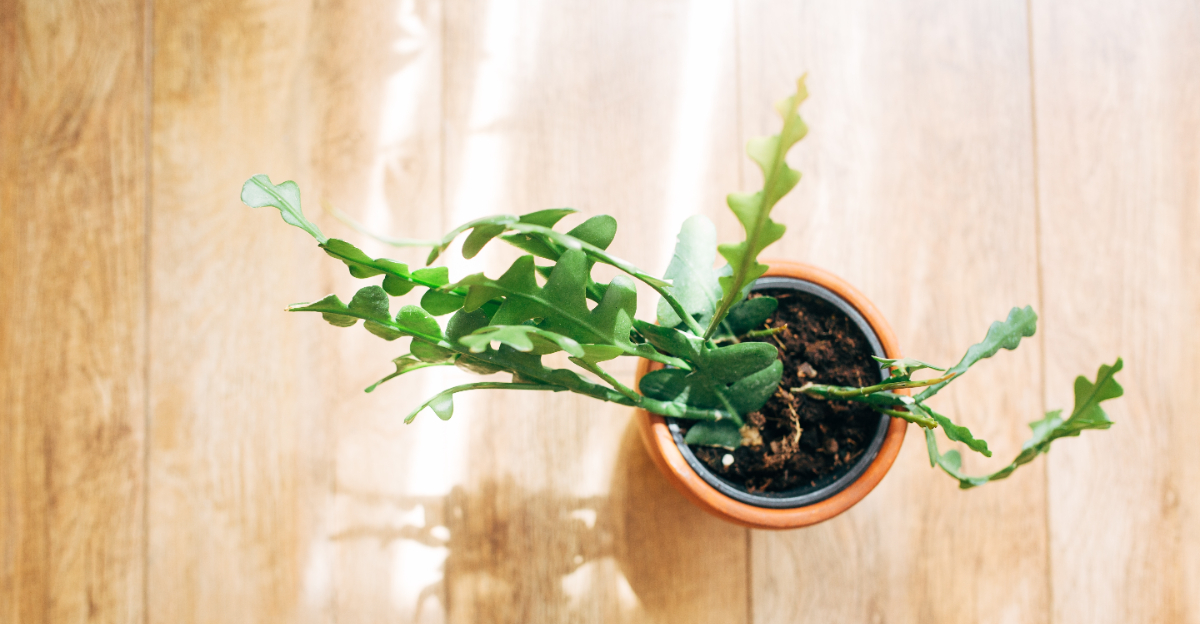
Is your fishbone cactus in your Arizona home growing, but never quite looking as full, relaxed, or confident as you expected it to?
If you are caring for this plant indoors, the environment around it matters more than it first appears. Arizona light can be intense even through windows, indoor air stays dry for long stretches, and temperature stability changes how plants behave over time.
Everything may feel comfortable from your point of view, yet the cactus reacts to those quiet details in ways that show up slowly. Your Arizona home shapes how this plant grows far more than most care routines do.
A fishbone cactus responds best to balance rather than constant attention. The way it receives light, the room it lives in, and the overall feel of the space influence its growth and shape.
A cactus that fits your home feels settled, flexible, and naturally expressive instead of tense or uneven.
1. Bright Light Matters More Indoors Than Most People Think
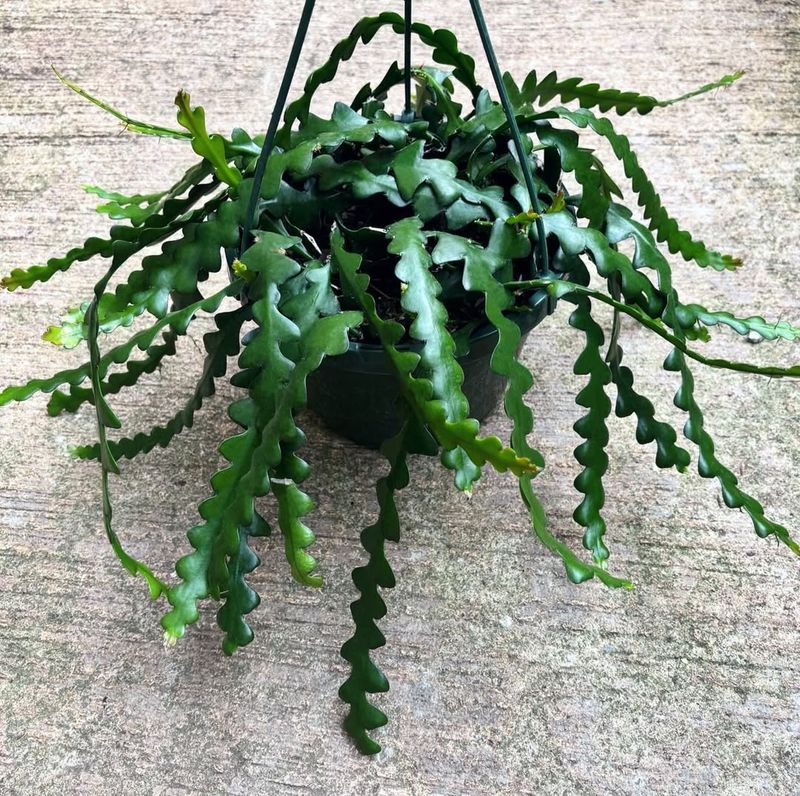
Finding the right lighting spot in your Arizona home can transform your fishbone cactus from struggling to spectacular. Natural light here is incredibly intense, far stronger than what this plant encounters in its native rainforest habitat where tall trees filter the sun.
Your fishbone cactus needs bright conditions to maintain its unique leaf shape and encourage healthy growth, but the quality of that brightness matters tremendously.
East-facing windows work wonderfully in Arizona homes because they provide several hours of gentle morning sun without the scorching afternoon heat.
If you only have south or west-facing windows available, position your plant about three to five feet back from the glass or use sheer curtains to diffuse the intensity.
Watch your plant’s leaves carefully as they tell you everything about light conditions.
Pale, thin growth indicates your fishbone cactus isn’t getting enough brightness, while reddish or yellowish discoloration suggests too much direct exposure. Arizona’s clear skies mean even indirect light near windows is quite strong, which actually works in your favor.
Most Phoenix and Tucson homes have excellent natural light throughout the day, making it easier to find suitable spots than in cloudier climates.
During summer months when the sun sits higher and stronger, you might need to adjust your plant’s position slightly further from windows. Winter light is gentler, so moving your fishbone cactus closer to the glass helps compensate for shorter days.
Rotate your plant every few weeks so all sides receive equal exposure, promoting balanced growth and preventing the stems from leaning permanently toward the light source.
2. Dry Air Changes How Often This Cactus Needs Water
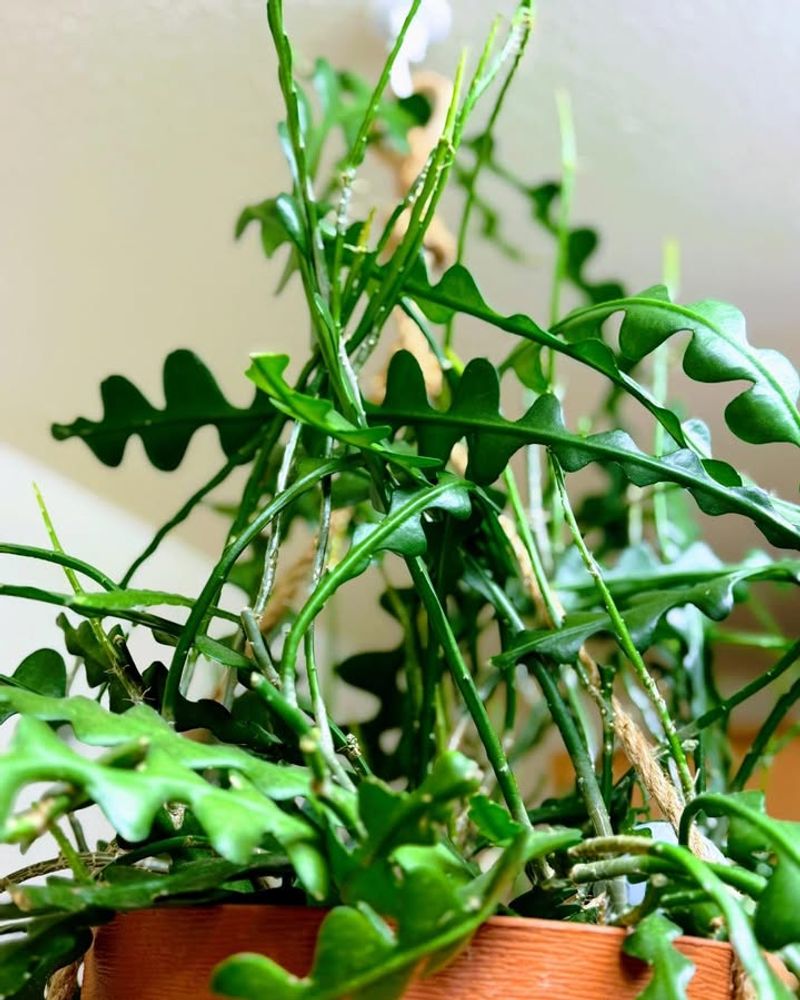
Arizona’s notoriously dry air fundamentally changes watering requirements for your fishbone cactus compared to more humid regions.
Humidity levels in Phoenix often drop below 20 percent, especially during summer months, while this plant naturally grows where humidity hovers around 60 to 80 percent.
This massive difference means moisture evaporates from both the soil and the plant’s tissues much faster than in its native environment.
You’ll need to water more frequently than care guides written for other climates suggest, but the trick is finding the sweet spot between too much and too little. Check the top two inches of soil regularly by sticking your finger into the pot.
When this zone feels completely dry, it’s time to water thoroughly until excess drains from the bottom.
In Arizona homes, this might mean watering every five to seven days during hot months, compared to every two weeks in more humid areas. Air conditioning, while necessary for comfort, pulls even more moisture from the air and accelerates drying.
Running a small humidifier near your plant collection helps tremendously, especially if you group several tropical plants together to create a microclimate.
Misting provides temporary relief but isn’t a substitute for proper watering since the moisture evaporates quickly in our dry air. Pay attention to your plant’s stems, which should feel firm and plump rather than wrinkled or shriveled.
Tucson and other Arizona cities experience similar dryness, so these watering adjustments apply throughout the state. Keep a consistent schedule but remain flexible, adjusting based on seasonal changes and your home’s specific conditions.
3. Fast-Draining Soil Prevents Hidden Root Stress
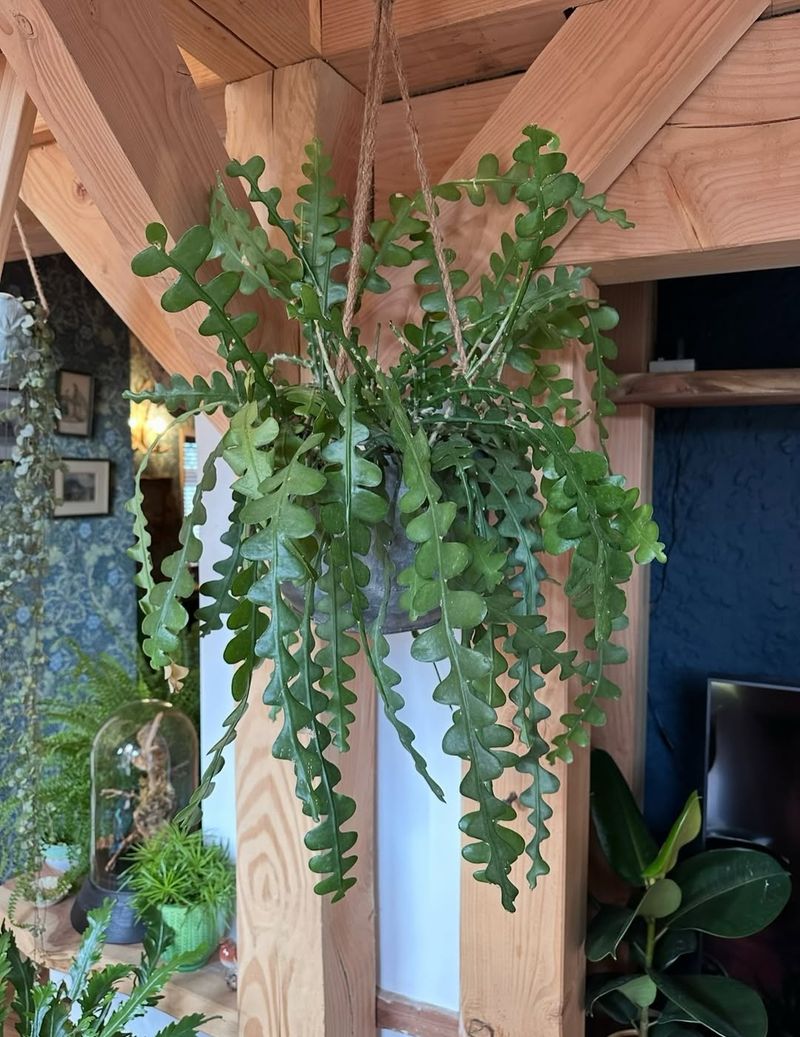
Soil composition makes or breaks your fishbone cactus care routine, particularly in Arizona where watering patterns differ from standard recommendations.
This plant is an epiphyte in nature, meaning it grows on tree branches rather than in ground soil, so its roots expect excellent drainage and airflow.
Regular potting soil, even quality brands, holds too much moisture for too long in our climate, creating conditions where roots suffocate or develop rot.
Creating the perfect mix requires combining standard cactus soil with extra amendments to boost drainage even further.
Add perlite or pumice at a ratio of about one part amendment to two parts cactus soil, ensuring water flows through quickly while still retaining just enough moisture.
Some Arizona gardeners also incorporate small amounts of orchid bark, which mimics the chunky, airy medium fishbone cactus roots encounter in their natural habitat.
The container you choose matters just as much as the soil blend itself. Terracotta pots work exceptionally well in Arizona because their porous material allows moisture to evaporate through the sides, preventing the waterlogged conditions that spell trouble.
Plastic pots retain moisture longer, which might seem helpful in our dry climate but actually increases the risk of overwatering.
When you repot your fishbone cactus, examine the roots carefully for any dark, mushy sections that indicate previous stress. Healthy roots appear white or tan and feel firm to the touch.
Replace the soil completely every two years even if the pot size still seems adequate, as soil breaks down over time and loses its drainage properties.
Arizona’s mineral-rich water can also cause salt buildup in soil, another reason periodic refreshing helps maintain plant health.
4. Temperature Swings Affect Growth More In Arizona Homes
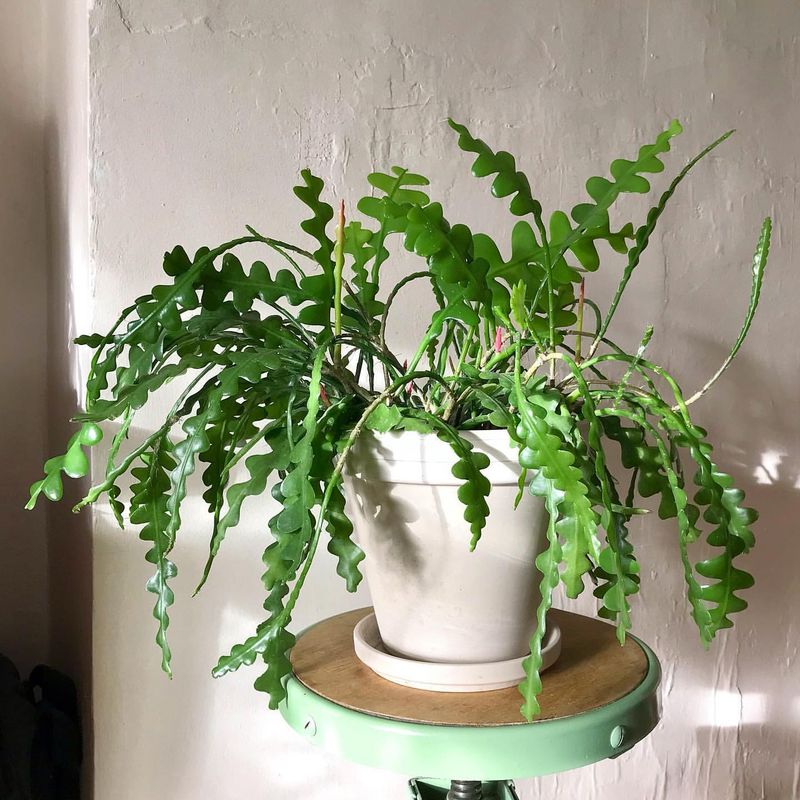
Temperature fluctuations in Arizona homes create challenges that plant owners in more temperate climates never face.
Your fishbone cactus prefers stable warmth between 60 and 80 degrees Fahrenheit, but maintaining that consistency proves difficult when outdoor temperatures swing from 110 degrees during the day to 80 degrees at night.
Air conditioning systems cycle constantly, creating drafts and temperature drops that stress your plant more than you might realize.
Positioning matters tremendously when managing these temperature variations. Keep your fishbone cactus away from air conditioning vents, where cold air blasts directly onto the leaves and chills the roots rapidly.
Similarly, avoid spots near frequently opened doors or windows where hot outdoor air rushes in and clashes with cooled indoor air. These sudden changes confuse the plant’s natural rhythms and can cause leaf drop or stunted growth.
During Phoenix summers when AC runs almost continuously, your plant experiences cooler, more stable conditions than the extreme heat outside.
Winter presents different challenges as many Arizona residents reduce heating to save energy, allowing nighttime temperatures to drop significantly.
Fishbone cactus tolerates brief cool periods but struggles when temperatures dip below 50 degrees for extended periods.
Consider using a simple indoor thermometer near your plant to track actual temperature ranges rather than assuming your thermostat tells the whole story. Microclimates exist throughout your home, with some areas staying warmer or cooler than others.
Rooms with large windows facing west heat up considerably in late afternoon despite air conditioning, while interior bathrooms or hallways maintain more consistent temperatures.
Moving your fishbone cactus to a more stable location during extreme seasonal periods helps it maintain steady growth year-round.
5. Overwatering Is The Biggest Indoor Mistake Here
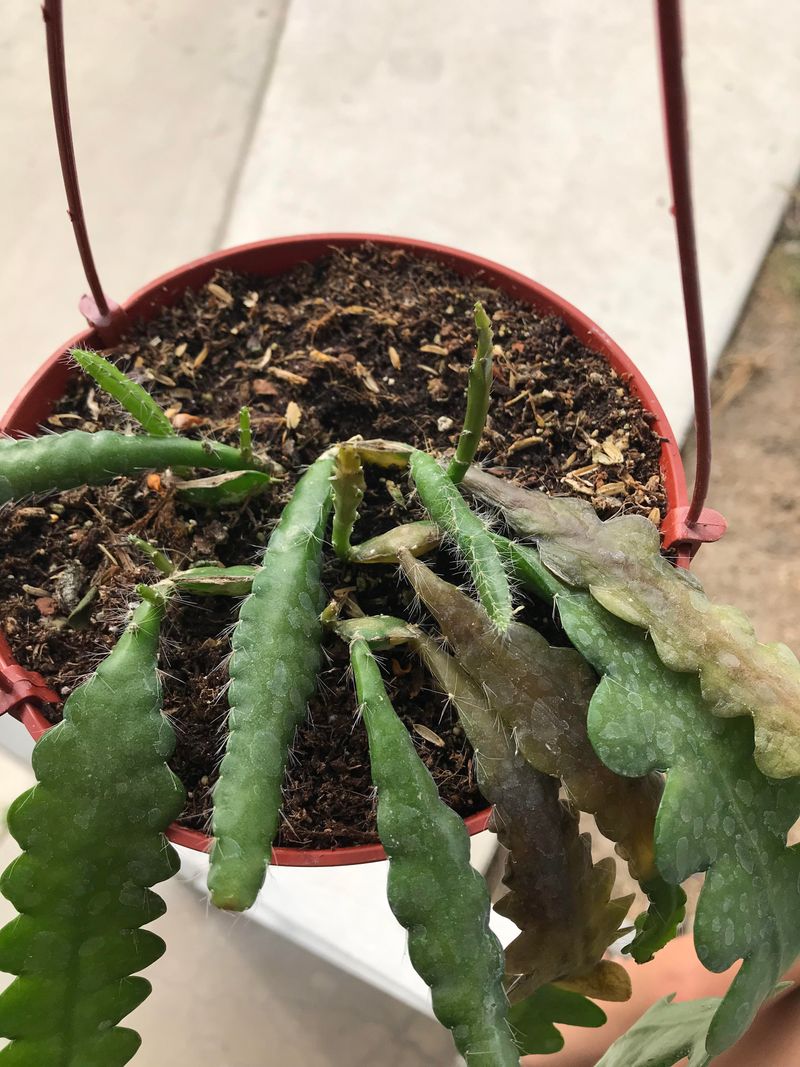
More fishbone cactus plants fail from too much water than from any other cause in Arizona homes.
This seems counterintuitive in such a dry climate, but the combination of well-meaning owners and misunderstood plant needs creates the perfect storm for overwatering disasters.
Despite being called a cactus, this plant isn’t a true desert dweller and needs regular moisture, yet its roots absolutely cannot sit in waterlogged soil.
The problem intensifies because Arizona’s dry air makes the soil surface dry quickly while deeper layers remain saturated. Many people water again when they see dry topsoil without checking whether moisture lingers below where roots actually grow.
This creates a cycle where roots never get the oxygen they need between waterings, leading to root rot that often goes unnoticed until the plant shows severe symptoms above ground.
Investing in a simple moisture meter takes the guesswork out of watering decisions. Insert the probe several inches deep into the soil and wait for an accurate reading before deciding whether your fishbone cactus needs water.
If the meter shows moisture in the root zone, wait a few more days regardless of how dry the surface appears.
Yellow leaves, mushy stems, or a general wilted appearance despite wet soil all signal overwatering damage.
In Tucson and throughout Arizona, people often assume their dry climate means plants need constant watering, but fishbone cactus roots need periods of relative dryness between thorough soakings.
When you do water, use room-temperature water and ensure it drains completely through the pot rather than letting the plant sit in a saucer of standing water.
Adjusting your mindset from scheduled watering to responsive watering based on actual soil conditions prevents the majority of problems Arizona growers encounter with this plant.
6. Filtered Sun Keeps Leaves Flat And Healthy
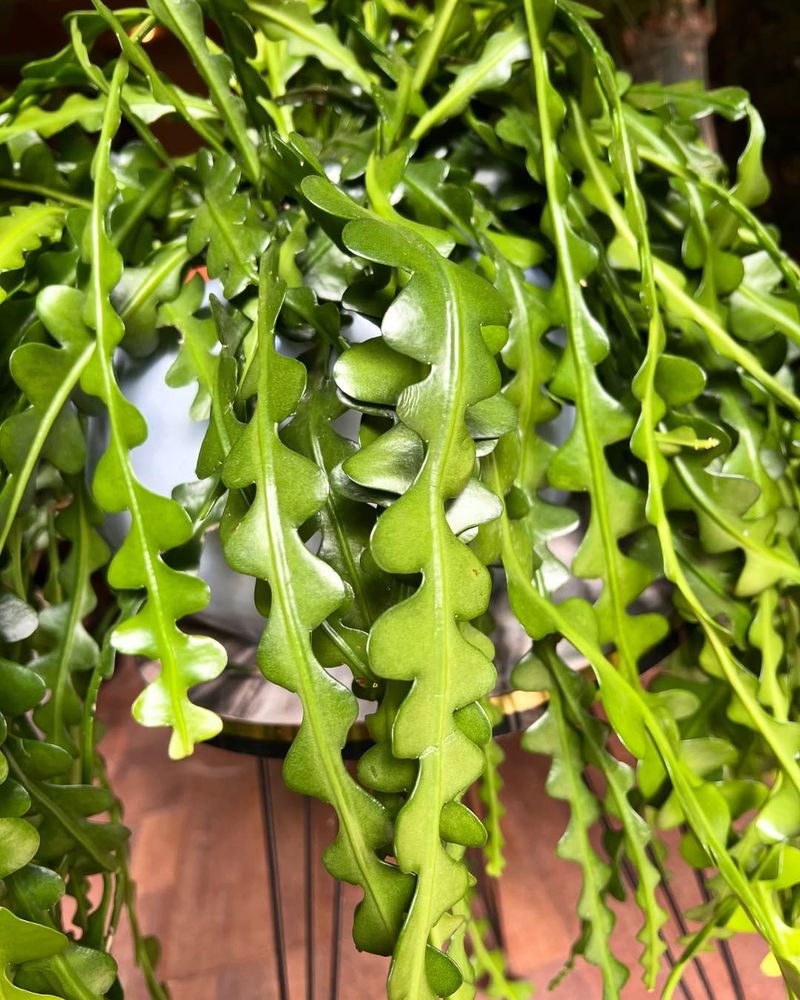
Your fishbone cactus displays its signature flat, wide leaves only when light conditions hit the perfect balance.
Too much direct sun causes the leaves to curl, thicken, and turn reddish as a protective response, while too little light produces thin, pale growth that lacks the plant’s characteristic bold appearance.
Arizona’s intense sunlight makes achieving this balance trickier than in cloudier regions where even unfiltered window light stays relatively gentle.
Sheer curtains become your best friend when growing fishbone cactus in Arizona homes. White or light-colored fabric diffuses harsh rays while still allowing plenty of brightness to reach your plant throughout the day.
This filtered approach mimics the dappled light this plant receives in nature when growing beneath rainforest canopy trees. The goal is creating bright shade rather than dim conditions or full sun exposure.
Watch your plant’s response over several weeks after positioning it near a window with filtered light. Healthy leaves should maintain their flat, wide shape with deep green coloring and those distinctive zigzag edges.
If new growth emerges thin and reaching desperately toward the window, add more light by moving the plant closer or using lighter curtains.
Conversely, if leaves develop a reddish tinge or begin curling along their edges, pull the plant back from the window or add another layer of light filtration.
South-facing windows in Phoenix receive the most intense light year-round, requiring the heaviest filtration or greatest distance from the glass.
North-facing windows provide the gentlest light but might not offer enough brightness during winter months when days shorten.
East or west-facing windows with good curtain filtering typically provide ideal conditions, giving your fishbone cactus the brightness it craves without the burning intensity of unfiltered Arizona sun.
7. Seasonal Adjustments Keep Growth Steady Year-Round
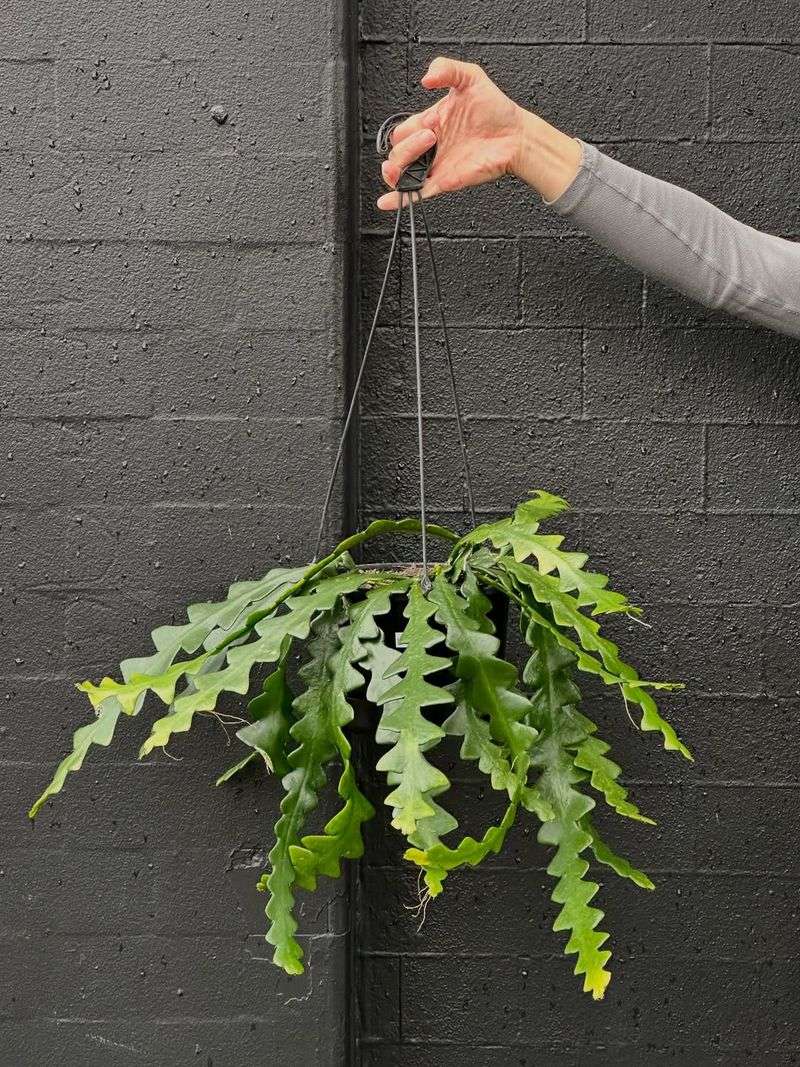
Arizona’s distinct seasons require you to adjust your fishbone cactus care routine several times throughout the year for optimal results.
Summer brings extreme heat and intense light, while winter offers milder temperatures and gentler sun angles that change how your plant processes energy and water.
Recognizing these seasonal patterns and responding appropriately prevents the boom-and-bust growth cycles that weaken plants over time.
During hot months from May through September, your fishbone cactus grows actively and consumes water quickly as it produces new stems and leaves. Increase watering frequency during this period, checking soil moisture every few days rather than weekly.
The combination of air conditioning and low humidity means your plant needs consistent moisture to maintain healthy growth. This is also the best time to fertilize, using a diluted balanced houseplant fertilizer every four to six weeks to support vigorous development.
As temperatures cool from October through April, your fishbone cactus naturally slows its growth rate even though Arizona winters stay relatively mild compared to other regions.
Reduce watering frequency during these months, allowing soil to dry slightly more between waterings than you would in summer.
Skip fertilizer entirely from November through February, as pushing growth during the plant’s rest period can create weak, leggy stems.
Light adjustments matter too, since winter sun sits lower in the sky and penetrates deeper into rooms through south-facing windows.
You might need to move your plant slightly further from windows during winter to prevent unexpected sun damage, then return it to its summer position when the sun climbs higher again in spring.
Phoenix and Tucson residents notice these seasonal light changes more dramatically than people in cloudier climates, making positional adjustments particularly important.
Keeping notes about what works during each season helps you develop a customized care calendar specific to your home’s conditions.