Simple Tricks To Help Your Hoya Grow Faster And Bloom Indoors In Oregon
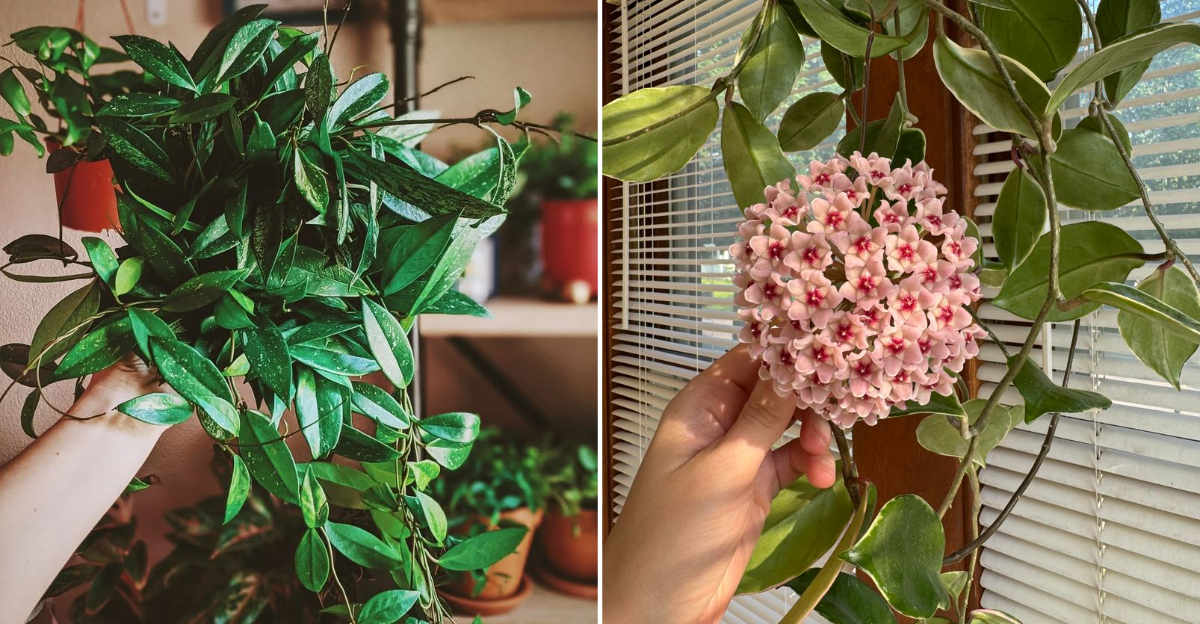
If you’ve ever caught a glimpse of a Hoya in bloom, you know why plant lovers swoon. Those star shaped flowers, the glossy trailing leaves, and that subtle, sweet fragrance, pure magic.
But here’s the thing: Hoyas aren’t always in a hurry to show off. Sometimes they lounge around, growing slowly and teasing you with just a few leaves.
In Oregon homes, with cooler light and shorter days, they can be even trickier. So how do you coax yours into a faster, more dazzling performance?
A few clever tricks can make all the difference, turning your humble vine into a show stopping indoor star. Ready to peek behind the leaves and see what your Hoya is really capable of?
1. Give It Bright Light, Not Harsh Sun
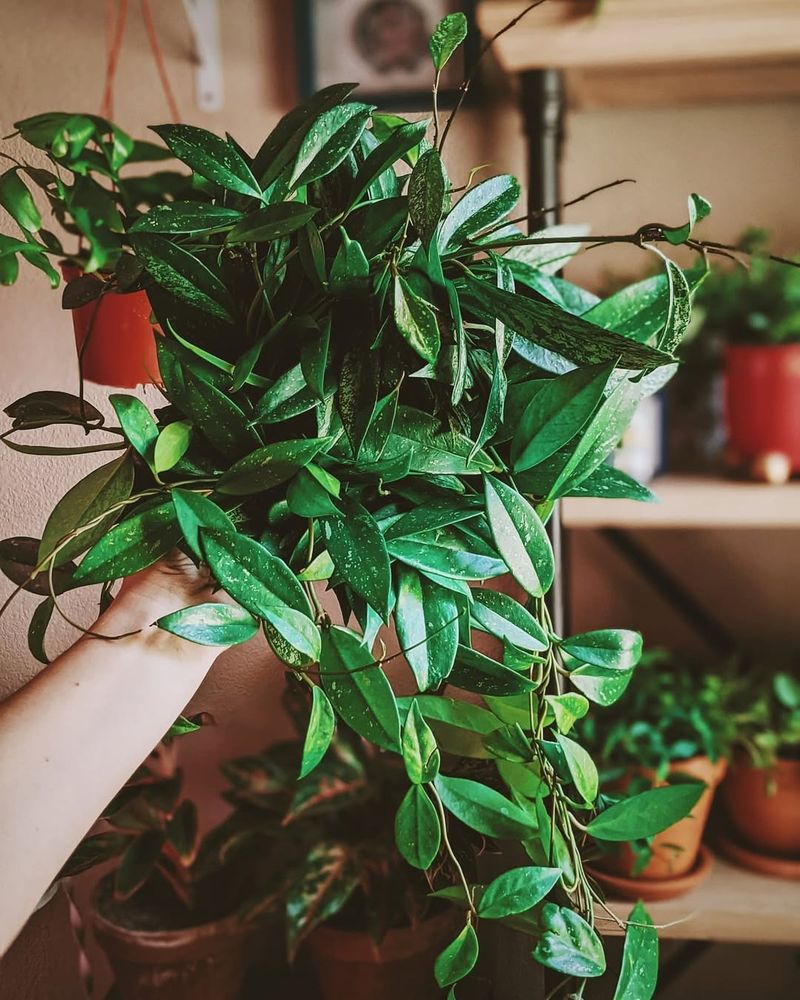
Walk past any thriving hoya and you’ll notice it’s usually stationed near a window where light pours in for hours each day. These plants come from tropical regions where they climb trees and soak up dappled sunlight filtered through canopy leaves.
Indoors, they need that same brightness without the scorching intensity of direct afternoon rays.
In Oregon homes, especially during our long cloudy stretches, finding enough light can be tricky. A south or east-facing window works beautifully, giving your hoya several hours of bright indirect light without cooking the leaves.
If you only have north-facing windows, your plant might survive but won’t grow quickly or bloom reliably.
Watch for signs your hoya isn’t getting enough light. Slow growth, long spaces between leaves, and zero flowers all point to insufficient brightness.
On the flip side, leaves that bleach pale or develop brown crispy spots mean too much direct sun is hitting them.
During Oregon’s gray winter months, consider adding a grow light to supplement natural light. Your hoya will thank you with faster growth and better chances of flowering when spring arrives.
2. Warmth = Faster Growth
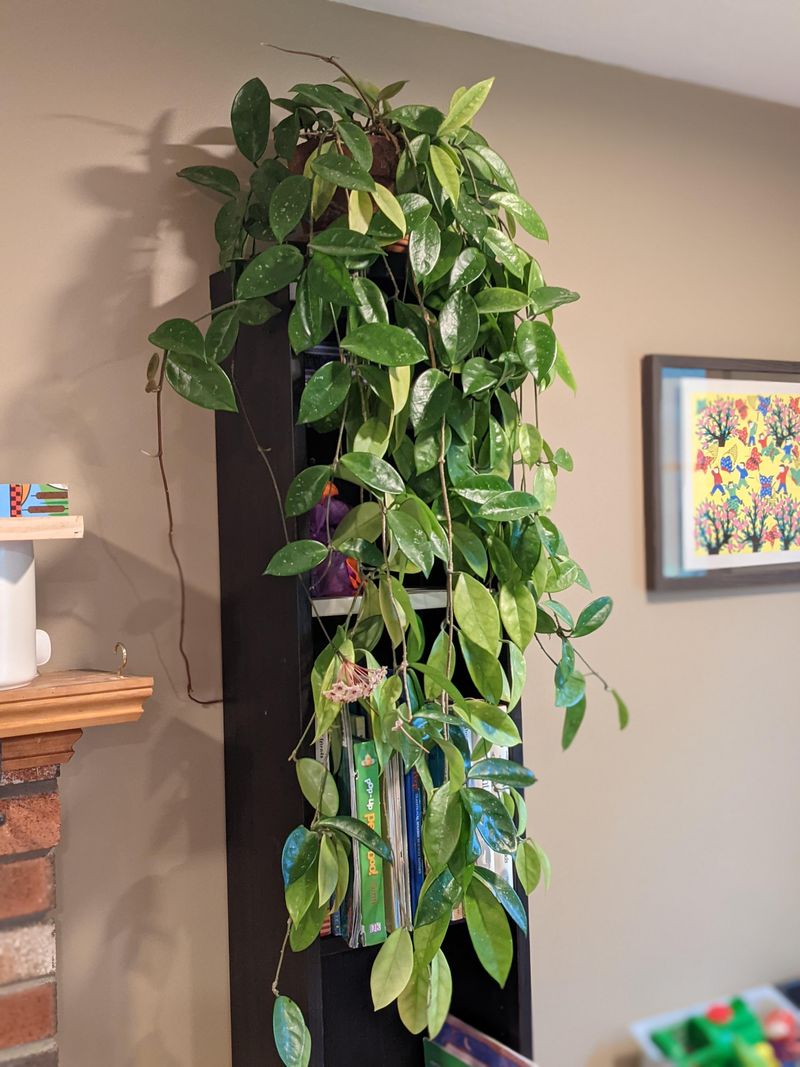
Temperature matters more than most people realize when it comes to hoya growth speed. These tropical plants prefer consistent warmth, ideally between 65 and 80 degrees Fahrenheit during the day.
When temperatures drop below 60 degrees regularly, growth slows to a crawl and flower buds may never form.
Oregon homes can get chilly, especially if you’re trying to save on heating bills during our damp winters. Placing your hoya near a cold window or in an unheated room basically puts it into survival mode rather than growth mode.
The plant won’t die, but it won’t thrive either.
Look for warm spots in your home where temperatures stay stable. Avoid placing hoyas near drafty doors, air conditioning vents, or windows that get icy cold at night.
A bathroom with a window can be ideal since warmth from showers creates a cozy microclimate.
Night temperatures can drop slightly without harm, but consistent warmth encourages active growth and blooming.
If your house runs cool, consider grouping plants together to create a slightly warmer zone, or place your hoya on top of a refrigerator where rising heat provides gentle warmth.
3. Water Less, Grow More
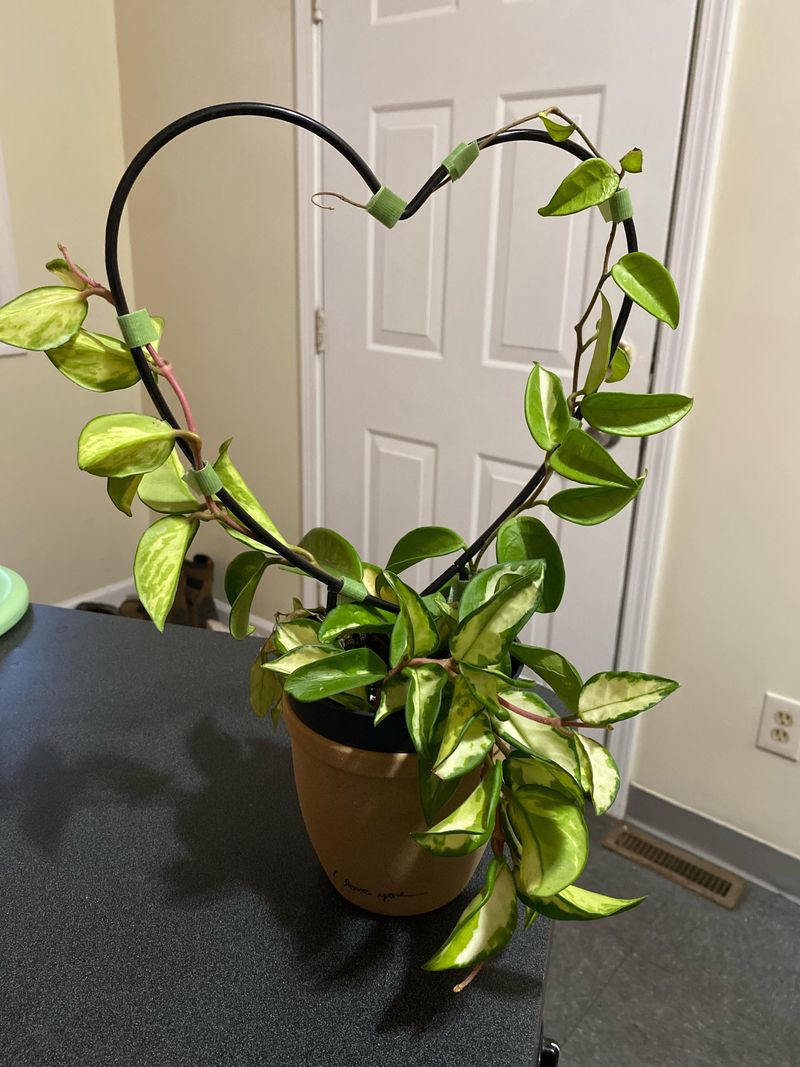
It sounds backwards, but overwatering is the fastest way to stunt a hoya’s growth or kill it outright. These plants have semi-succulent leaves that store water, and their roots prefer to dry out between waterings.
Too much moisture leads to root rot, yellowing leaves, and a plant that simply stops growing.
In Oregon’s naturally humid climate, indoor plants often need less frequent watering than care guides written for drier regions suggest.
Your hoya might go two weeks or even longer between drinks, especially during winter when growth slows and indoor heating reduces humidity.
Before watering, stick your finger two inches into the soil. If it feels even slightly damp, wait.
Hoyas tolerate drought far better than soggy roots. When you do water, drench the soil thoroughly until water runs from the drainage holes, then let it drain completely.
Pay attention to your pot choice too. Terracotta pots dry out faster than plastic, which can be helpful in our moist climate.
Make sure whatever container you use has drainage holes because sitting water spells disaster for hoya roots and guarantees slow or stunted growth.
4. Feed For Flowers, Not Just Leaves
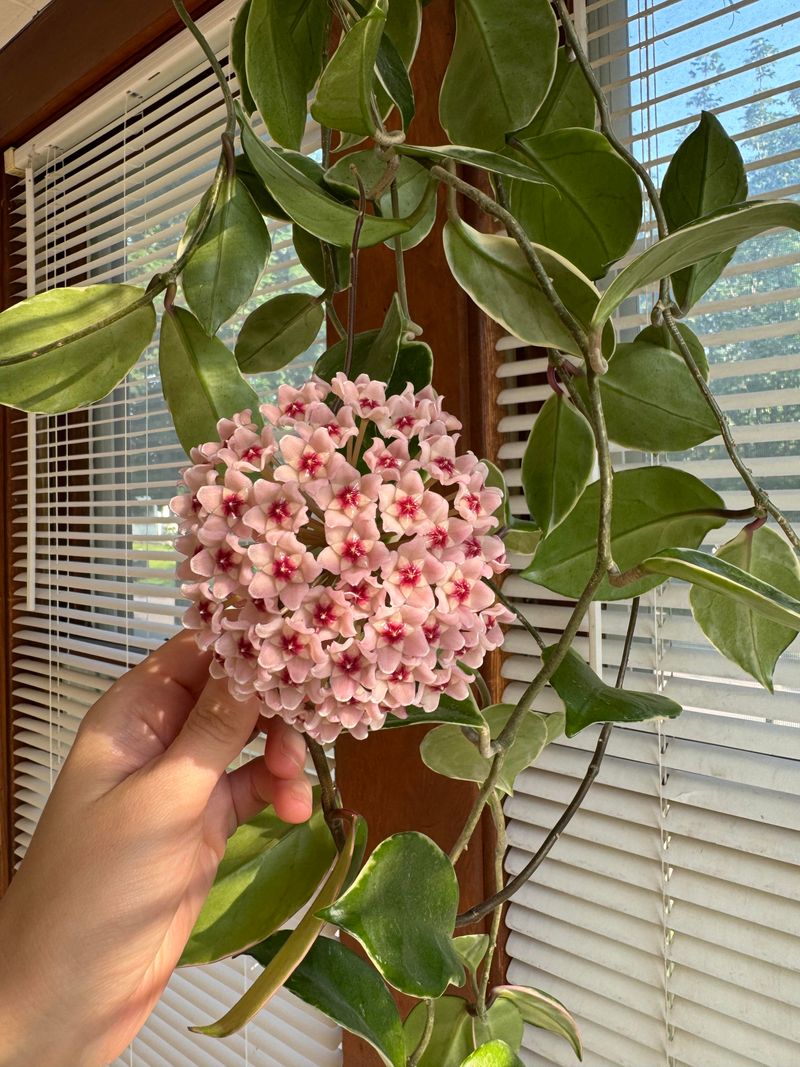
Hoyas aren’t heavy feeders, but they do need nutrients to support both foliage growth and flower production. Many plant owners focus only on keeping leaves green, missing the key nutritional shift needed to trigger blooming.
Phosphorus, the middle number in fertilizer ratios, plays a crucial role in flower development.
During spring and summer when your hoya actively grows, feed it every two to four weeks with a balanced liquid fertilizer diluted to half strength.
Once the plant reaches maturity and you want to encourage blooming, switch to a formula slightly higher in phosphorus, like a 5-10-5 ratio.
Oregon’s rainwater is naturally soft and low in minerals, which is generally good for hoyas but means they rely more on fertilizer for nutrition. Avoid feeding during fall and winter when growth naturally slows, as unused nutrients can build up in the soil and damage roots.
Watch for signs of over-fertilizing, including brown leaf tips or crusty white deposits on the soil surface. If this happens, flush the soil with plain water and reduce feeding frequency.
Remember that consistent, moderate feeding works better than occasional heavy doses for encouraging steady growth and eventual blooms.
5. Don’t Rush The Roots
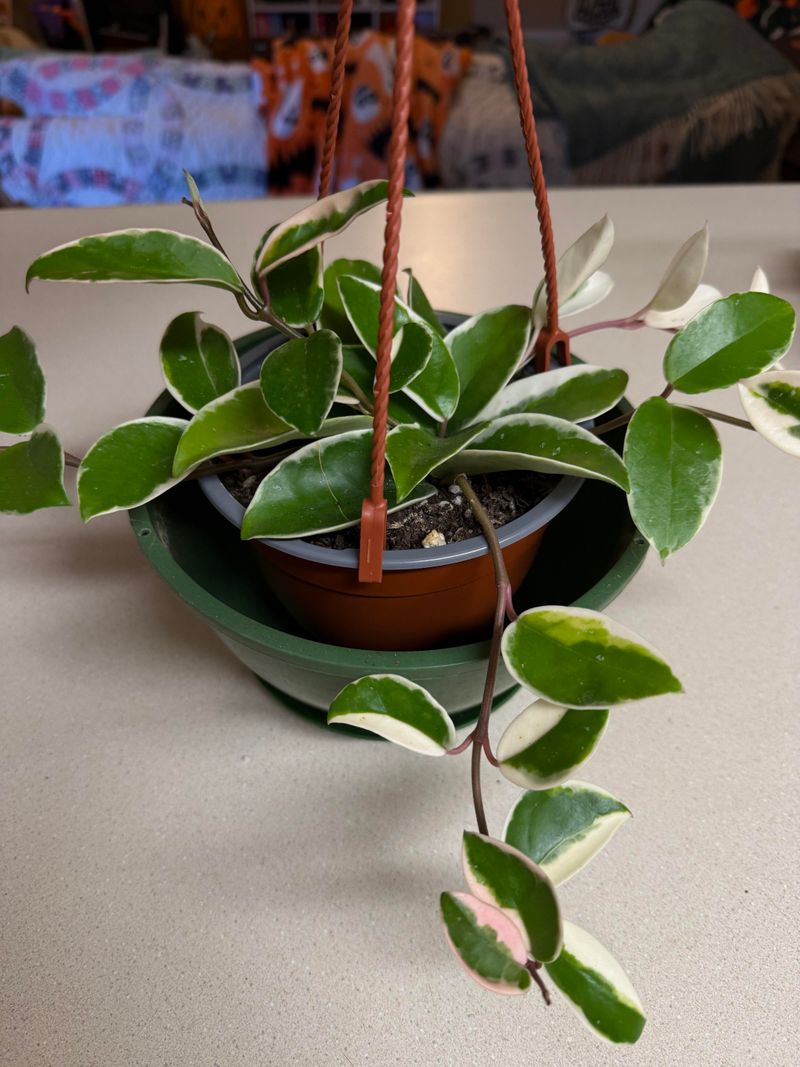
Most houseplants appreciate regular repotting, but hoyas actually bloom better when slightly rootbound. Cramped roots seem to signal the plant that it’s time to focus energy on reproduction rather than endless vegetative growth.
Repotting too often or into oversized containers can delay flowering for years.
Check your hoya’s roots by gently lifting it from its pot. If roots are circling but not densely packed, leave it alone.
Only repot when roots are genuinely crowded, growing out drainage holes, or when water runs straight through without being absorbed because the root mass has displaced most soil.
When you do repot, choose a container only one or two inches larger in diameter. Use a well-draining mix, ideally something chunky with perlite, orchid bark, or pumice mixed in.
Standard potting soil holds too much moisture for hoyas and can lead to root problems in Oregon’s naturally damp environment.
Spring is the best time to repot if needed, giving your plant the entire growing season to adjust. After repotting, expect a brief pause in growth while roots explore their new space, then watch your hoya take off with renewed vigor once established.
6. Humidity Makes Hoyas Happy
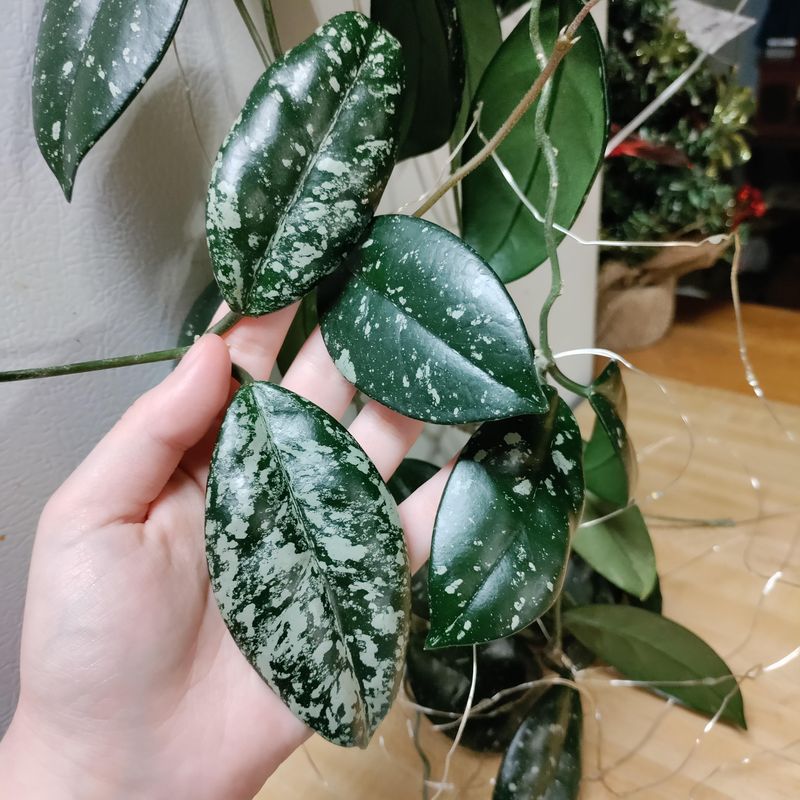
Step outside on a typical Oregon morning and you’ll feel humidity in the air, but indoor heating during cooler months dries things out considerably.
Hoyas appreciate moderate to high humidity, ideally between 40 and 60 percent, which supports healthy leaf growth and helps flower buds develop without aborting.
Low humidity causes several problems for hoyas. Leaf tips may brown, new growth can emerge smaller than normal, and developing flower buds sometimes dry up and drop before opening.
While these plants tolerate average home humidity better than many tropicals, boosting moisture in the air definitely encourages faster, healthier growth.
Simple solutions work well in Oregon homes. Group plants together so their combined transpiration raises local humidity.
Place your hoya in a naturally humid room like a bathroom or kitchen. A small humidifier nearby provides consistent moisture, especially valuable during winter when forced-air heating dries indoor air.
Avoid misting as a humidity solution because water sitting on leaves can encourage fungal problems, something Oregon gardeners already battle outdoors. Instead, focus on raising ambient humidity around the plant.
Pebble trays filled with water under pots add moisture as water evaporates without wetting leaves directly.
7. Stop Moving It Around
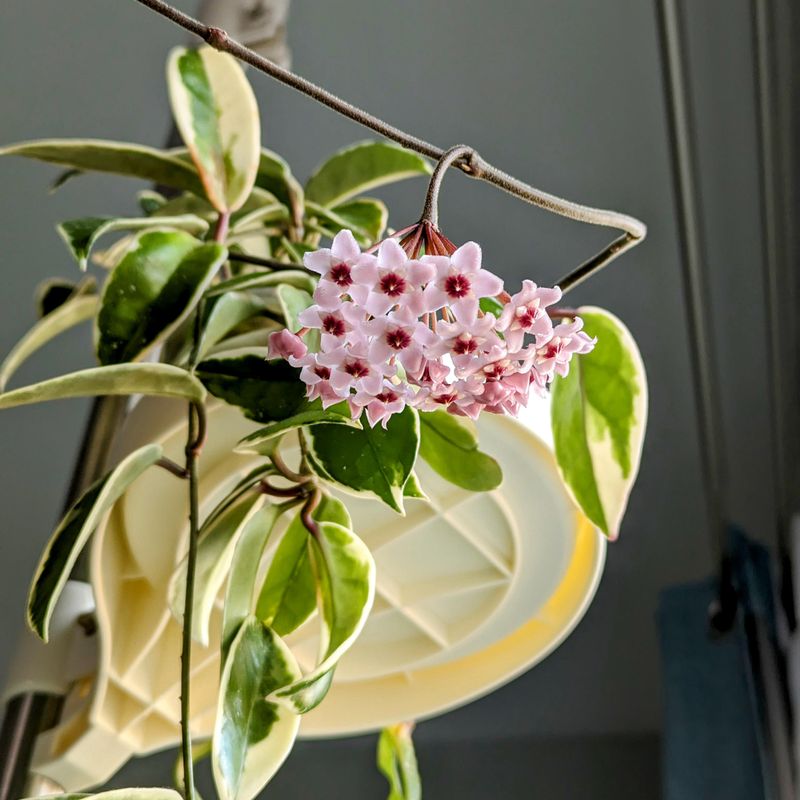
Hoyas are creatures of habit that dislike being shuffled from spot to spot. Once a plant adjusts to a particular location’s light, temperature, and humidity, moving it forces readjustment that slows growth and can cause developing flower buds to drop.
Stability matters more than most people realize for encouraging blooms.
When flower buds finally appear after months or years of waiting, resist any urge to rotate the pot or move it for better viewing. Hoyas are notorious for aborting buds in response to environmental changes, even minor ones.
That shift from one side of a room to another might seem small to you but registers as significant stress to the plant.
Choose your hoya’s location thoughtfully from the start. Find a bright spot with stable temperatures where the plant can stay long-term.
Once it settles in and begins growing well, leave it alone except for watering and occasional feeding. Even rotating the pot to encourage even growth can trigger bud drop.
This preference for stability extends to the stems that produce flowers. Hoyas bloom from specialized structures called peduncles, which look like small spurs along the vines.
These peduncles produce flowers year after year, so never remove them even after blooms fade. Patience and consistency reward you with reliable flowering over time.
8. Patience Pays Off With Blooms
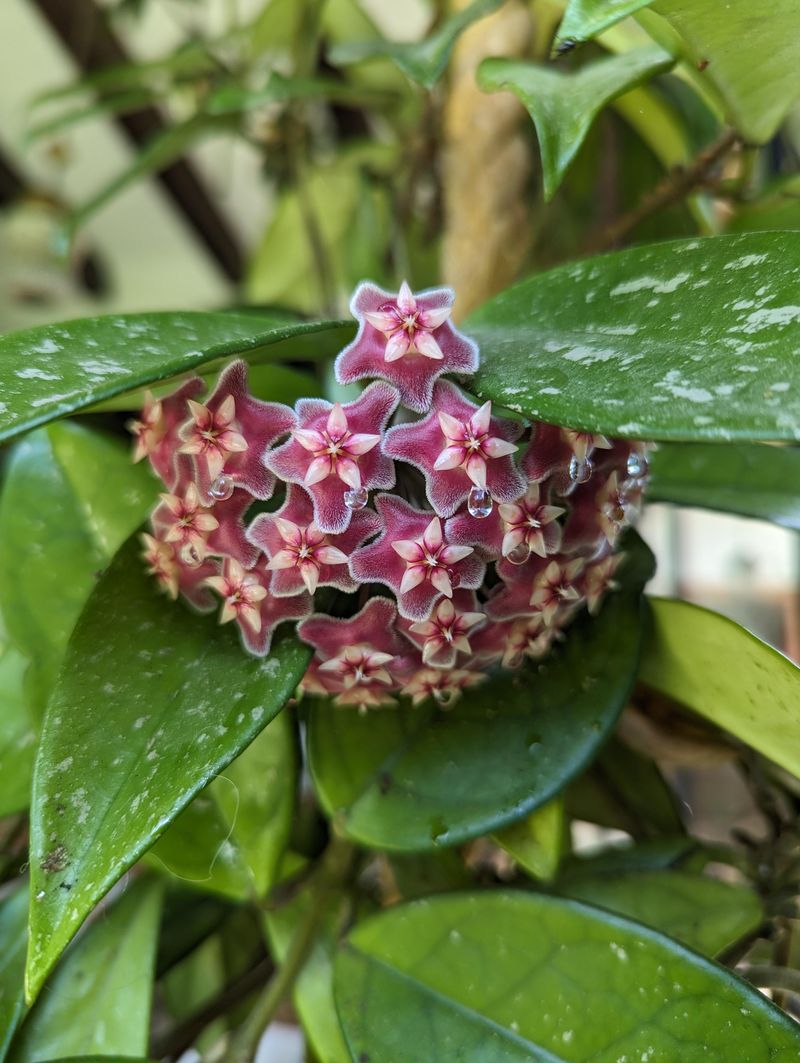
Perhaps the hardest part of growing hoyas is accepting that blooming takes time, sometimes years. These aren’t instant-gratification plants like annuals that flower within weeks of planting.
Hoyas need to reach maturity, develop those specialized flowering structures, and accumulate enough energy reserves before they’ll produce blooms, regardless of how perfect your care might be.
Most hoyas won’t flower until they’re at least two or three years old, and some varieties take even longer. Younger plants focus all their energy on vegetative growth, building the root system and vine length they’ll need to support flowers later.
Trying to force blooms on an immature plant simply doesn’t work.
Once your hoya reaches blooming size, consistent care becomes crucial. All the factors mentioned earlier, bright light, warmth, appropriate watering, feeding, humidity, and stability, work together to trigger flowering.
Miss one element and blooms may not appear even on a mature plant capable of flowering.
When flowers finally arrive, the wait feels worthwhile. Hoya blooms often appear in clusters of star-shaped flowers with incredible detail and sweet fragrance.
Many varieties bloom repeatedly once they start, sometimes producing flowers multiple times per year.
Your patience and consistent care create the conditions for this transformation from simple houseplant to spectacular bloomer that makes hoyas so rewarding to grow indoors.