How To Identify What’s Eating Your Plants In California
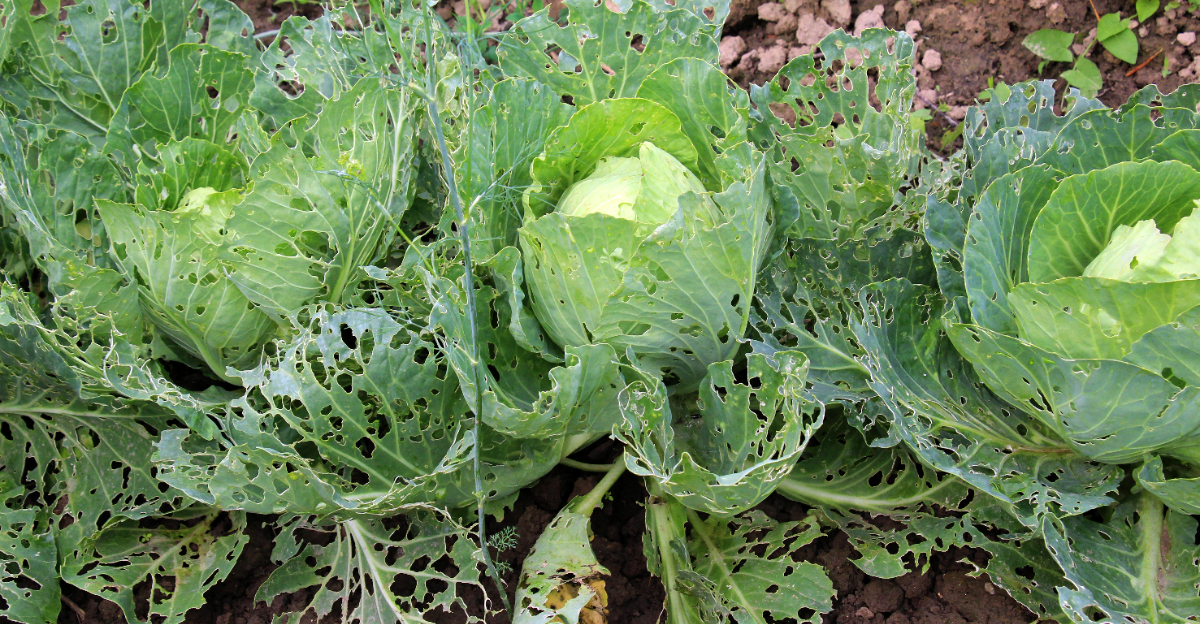
Mysterious holes, chewed leaves, missing buds, something in your California garden is clearly helping itself to your plants. The tricky part is figuring out who the culprit is.
Damage often appears overnight, and different pests leave behind very different clues if you know what to look for.
Ragged leaf edges, tiny pinholes, stripped stems, sticky residue, or silvery trails can all point to a specific visitor, from insects and caterpillars to snails, rodents, or larger wildlife.
California’s mild climate means garden pests stay active for much of the year, so early detective work can save a lot of frustration later. A closer look at when damage appears, how leaves are affected, and what signs are left behind can quickly narrow the suspects.
Once you identify the true plant muncher, you can choose the right solution and get your garden back on track.
Start With The Type Of Damage
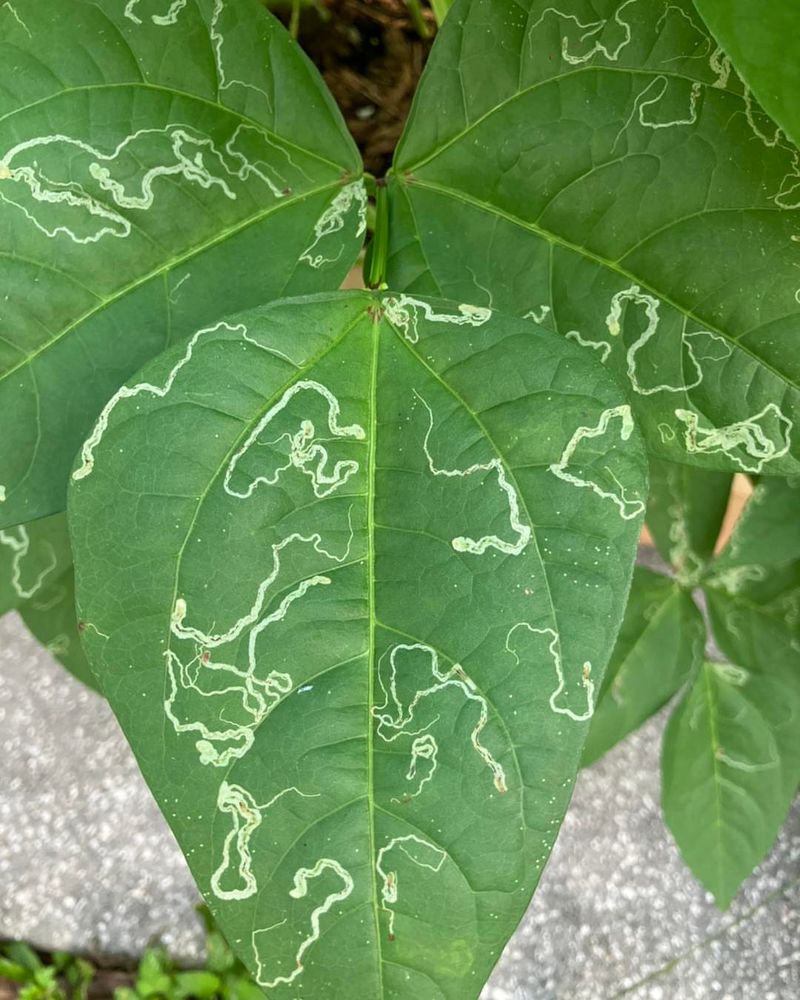
Before pointing fingers at any specific pest, take a good look at your plant and ask yourself one simple question: what kind of damage is actually there? The type of damage you see is your first and most important clue.
Different pests feed in very different ways, and that shows up clearly on your plants.
Walk around your garden slowly and look at every part of the plant. Check the tops and bottoms of leaves, along the stems, near the soil, and even on any fruit or flowers.
Some pests feed from the outside, while others burrow inside the plant tissue. Knowing where the damage is helps narrow things down fast.
In California, the range of garden pests is wide because of the state’s diverse climate zones. A pest common in coastal San Diego may be totally different from one causing trouble in Sacramento.
Take note of the pattern of the damage, not just the location. Is it random, or does it follow a pattern along the leaf edges?
These small details will guide you toward the right answer as you work through the rest of this guide.
Chewed Leaves vs. Clean Cuts
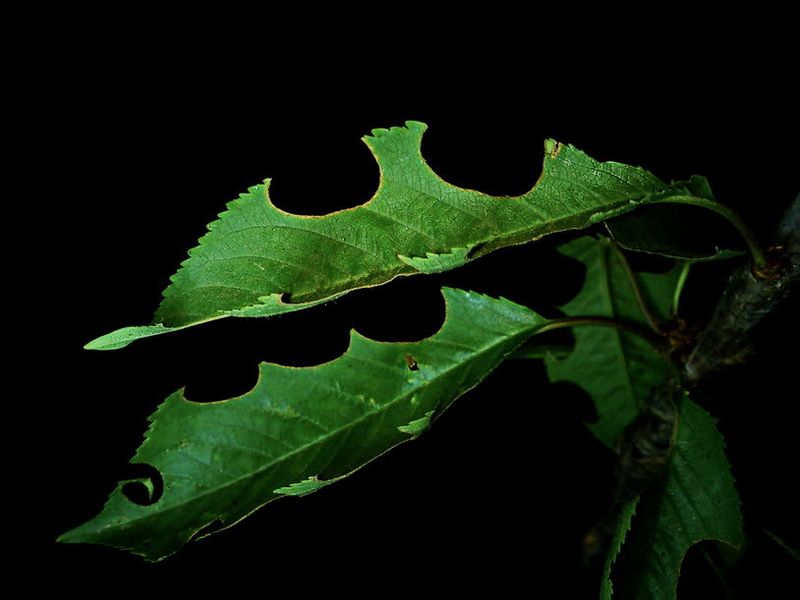
Not all plant damage looks the same, and that difference tells you a lot. Chewed leaves usually have rough, jagged, or uneven edges.
Clean cuts, on the other hand, look almost like someone used scissors. These two types of damage point to very different kinds of pests.
Chewed leaves are usually caused by insects like caterpillars, beetles, or grasshoppers. These bugs bite through leaf tissue piece by piece, leaving behind torn and ragged edges.
You might also notice small droppings nearby, which are another helpful clue. Grasshoppers are especially common in dry inland areas of California during the summer months.
Clean cuts are more likely caused by larger animals. Cutworms slice through young plant stems near the soil line, leaving a perfectly cut stump behind.
Rabbits and deer also tend to leave cleaner cuts on stems and branches compared to insects. If you find a whole seedling lying on the ground with the stem cut near the base, cutworms are often the reason.
Paying attention to how the damage looks, not just where it is, will help you figure out what is actually visiting your California garden.
Holes, Skeletonizing, And Ragged Edges
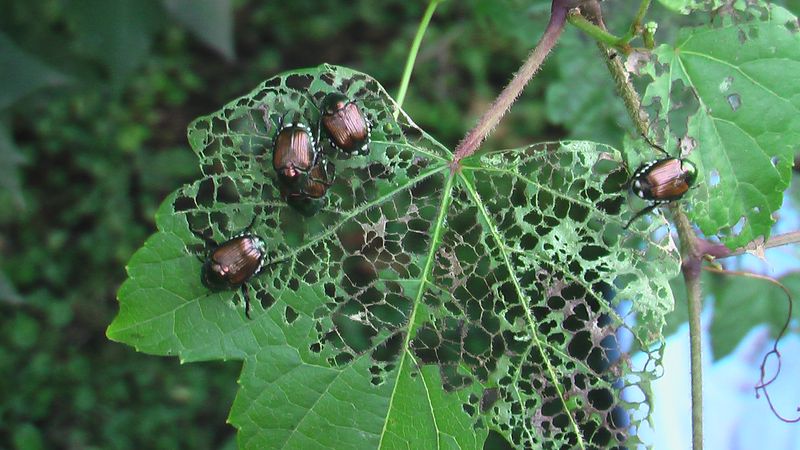
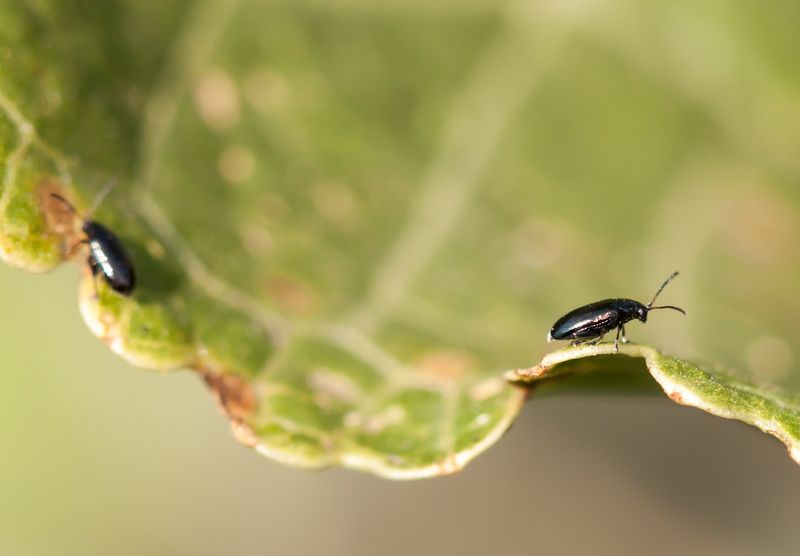
Holes in leaves are one of the most common signs of pest activity in any California garden. Small, round holes often point to flea beetles, which are tiny but fast-moving insects that jump when disturbed.
Larger, irregular holes are more likely caused by caterpillars or earwigs feeding on the leaf tissue.
Skeletonizing is when a pest eats everything except the leaf veins, leaving behind a thin, lacy-looking structure. Japanese beetles and some caterpillar species are known for this type of feeding.
It can look dramatic, but the good news is that it is easy to spot and helps you identify the pest quickly. In warmer parts of California, this kind of damage is more common during late spring and summer.
Ragged edges along the outside of a leaf are another common sign. This usually means a larger insect has been feeding from the outside edge inward.
Tomato hornworms, for example, can strip entire sections of a plant in just a few days. Checking under leaves and along stems after spotting this kind of damage is always a smart move.
Catching the pest early makes a big difference in protecting the rest of your garden.
Signs Of Slugs And Snails
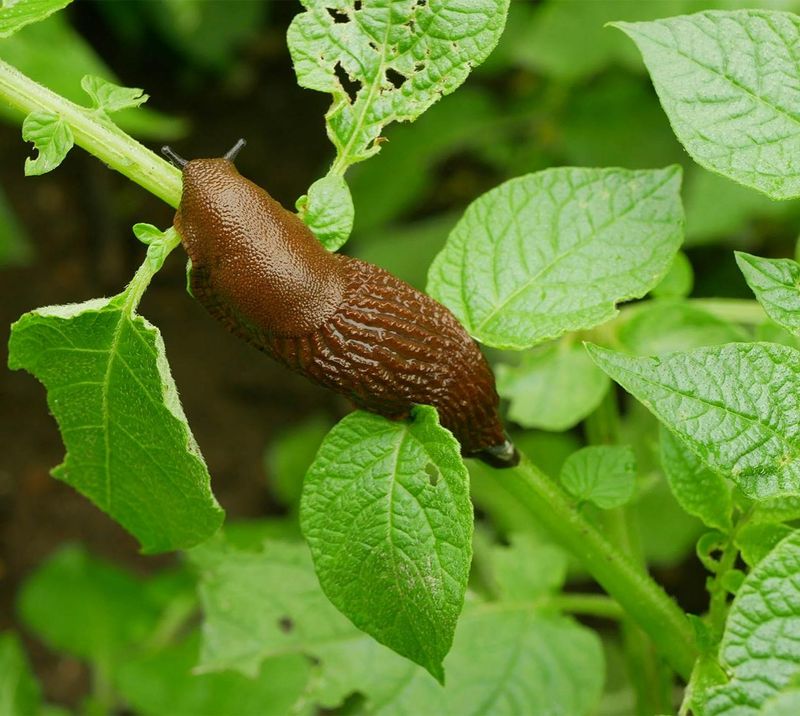
One of the most obvious signs that slugs or snails have been visiting your garden is the shiny, silvery trail they leave behind. This slime trail dries into a glistening streak on leaves, soil, and even garden paths.
If you see this trail in the morning, you can be pretty confident these slimy creatures were active overnight.
Slugs and snails love cool, moist environments, which makes coastal California gardens especially vulnerable. Areas near San Francisco, Monterey, and Santa Cruz tend to have higher slug and snail populations because of the damp, mild climate.
They feed on tender leaves, seedlings, and soft plant tissue, leaving behind irregular holes and chewed edges that look similar to insect damage.
The key difference is the slime trail. No insect leaves that behind.
You can also look under boards, rocks, pots, and dense ground cover during the day, since slugs and snails hide in dark, moist spots when the sun is up. Checking your garden in the evening with a flashlight is one of the best ways to catch them in action.
Once you confirm slugs or snails are the problem, there are several effective and safe ways to manage them in your California garden.
Spotting Caterpillars And Beetles
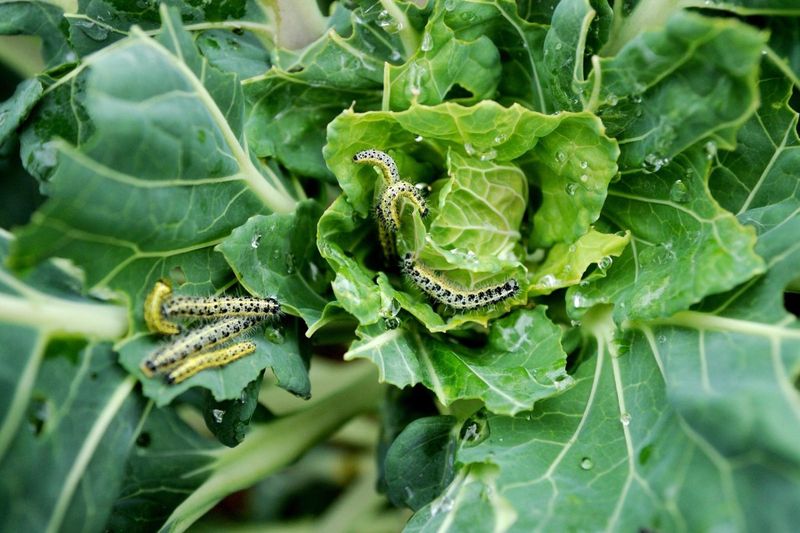
Caterpillars are some of the most common plant eaters in California, and they can be surprisingly hard to spot at first. Many of them are green or brown, which helps them blend right into the plants they are feeding on.
The best way to find them is to flip over leaves and look along the stems, especially in the early morning or late afternoon when they are most active.
One big clue that caterpillars are around is their droppings, called frass. These look like small dark pellets and are often found on leaves or on the soil beneath the plant.
Tomato hornworms are a classic California garden pest that can strip tomato plants quickly. Cabbage loopers are another common species that targets vegetables like broccoli, kale, and cabbage.
Beetles leave behind a different kind of evidence. Flea beetles create tiny, scattered holes across leaves, while cucumber beetles chew larger sections and can also spread plant diseases.
Spotted patterns on the beetles themselves make them easier to identify once you find them. Checking your plants regularly, at least a few times each week during warm months, is the most reliable way to catch caterpillars and beetles before they cause serious damage to your California garden.
Damage Caused By Deer And Rabbits
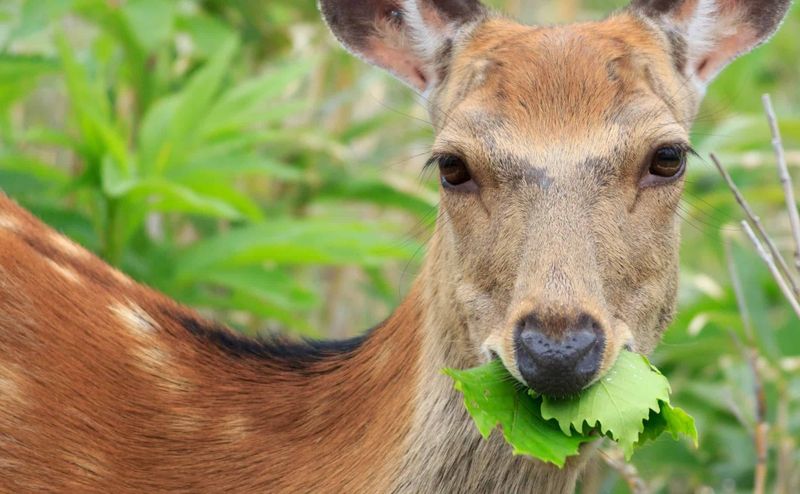
Deer and rabbits are among the most frustrating visitors a California gardener can have. They are bold, persistent, and can wipe out a large section of your garden in a single night.
Knowing the difference between their damage patterns makes it easier to figure out which one you are dealing with.
Deer tend to browse higher up on plants, often reaching branches and leaves that are two to six feet off the ground. They pull and tear at plant material rather than making clean bites, so the damage looks rough and shredded.
You might also notice hoof prints in the soil or along garden paths. Deer are especially common in foothill communities and neighborhoods bordering open land across California.
Rabbits, on the other hand, stay low to the ground. They make clean, angled cuts on stems and tend to focus on young, tender plants.
Vegetable gardens and flower beds are their favorite targets. Small droppings shaped like round pellets are a clear sign rabbits have been around.
Unlike deer, rabbits can squeeze through surprisingly small gaps in fencing. If your plants are being eaten close to the ground and you notice those telltale pellets nearby, a rabbit is almost certainly the culprit visiting your California garden at night.
Night Feeders vs. Daytime Pests
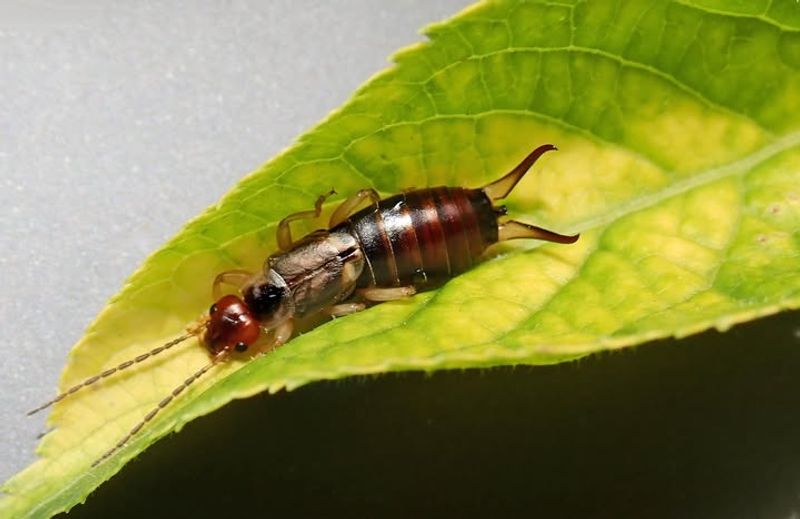
Timing matters a lot when it comes to identifying garden pests. Some pests are only active at night, while others feed during the day.
Knowing when the damage is happening helps you figure out what kind of pest you are dealing with, even before you see it directly.
Night feeders include slugs, snails, earwigs, cutworms, and most caterpillars. These creatures prefer the cool, dark hours to avoid heat and predators.
If you check your plants in the morning and find fresh damage that was not there the evening before, a night feeder is likely responsible.
Grabbing a flashlight and heading out to your California garden after dark is one of the most effective ways to catch these pests in the act.
Daytime pests include aphids, flea beetles, cucumber beetles, leafhoppers, and whiteflies. These insects are easier to spot because they feed while the sun is up.
Aphids cluster on the undersides of leaves and along new growth. Leafhoppers are quick and jump away when disturbed.
Whiteflies flutter up in a cloud when you shake an infested plant. Paying attention to whether damage appears overnight or builds gradually during the day will save you a lot of guesswork and help you take action faster in your California garden.
Match The Clues To The Culprit
At this point, you have gathered a lot of useful information. Now it is time to put the clues together and figure out exactly what is eating your plants.
Think of it like solving a puzzle where each piece of evidence points you closer to the answer.
Start by reviewing what you found. Was there a slime trail? Slugs or snails. Were the leaves skeletonized? Likely beetles or caterpillars. Did you find clean cuts near the soil? Cutworms are a strong possibility.
Were the plants stripped from a height of three feet or more? Deer are probably the visitors.
Matching the damage type, location, timing, and any physical clues like droppings or trails is the most reliable way to identify the pest correctly.
Keeping a simple garden journal is a great habit for California gardeners. Write down when you notice damage, what the damage looks like, and any pests you actually see.
Over time, patterns will emerge and you will get faster at making the right identification. Once you know what you are dealing with, you can choose the best approach to protect your plants.
Accurate identification always leads to better results than guessing, and your garden will thank you for taking the time to figure it out properly.