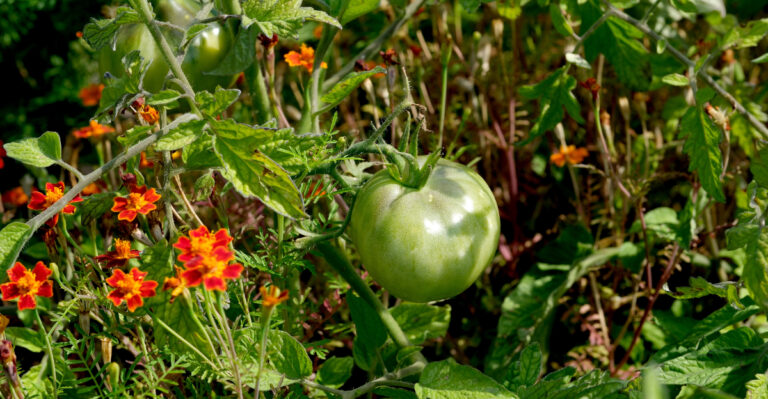
How To Improve Heavy Clay Soil In North Carolina’s Piedmont Region
Ever feel like you’re trying to garden in wet concrete after a North Carolina spring rain?
If you’re digging in the Piedmont, you know the struggle of that thick, stubborn red clay all too well.
It pools water for days, fights your trowel, and seems determined to suffocate any root brave enough to push through it.
But here is the secret most veteran gardeners eventually learn: that dense clay is actually packed with untapped minerals and incredible potential, provided you stop fighting it and start working with it.
Improving heavy clay isn’t about wishful thinking or back-breaking labor – it’s about knowing how to unlock the soil’s structure.
From strategic drainage hacks to the right organic amendments, you can transform that sticky mess into a lush, productive foundation for your dream garden.
Ready to turn your Piedmont plot into a thriving sanctuary?
1. Understanding Heavy Clay Soil In The Piedmont Region
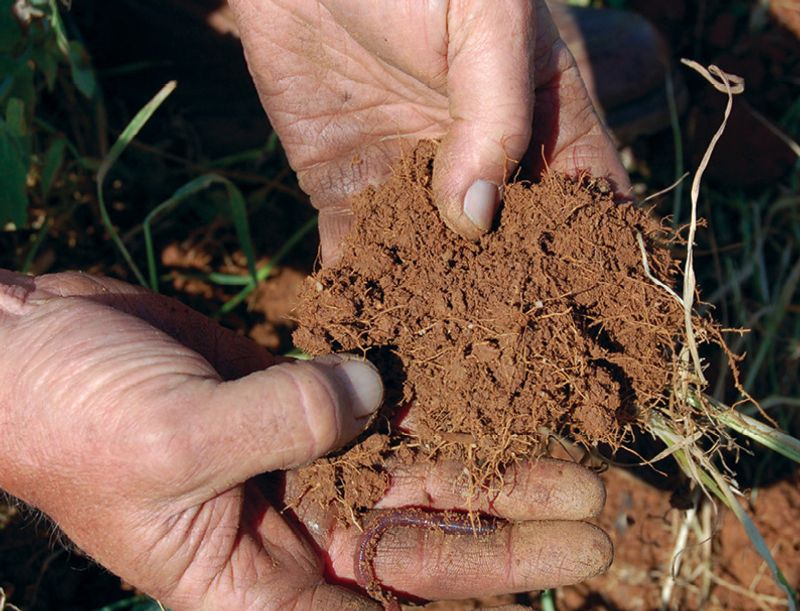
Red clay is practically a symbol of the North Carolina Piedmont, and most gardeners in this region have dealt with its challenges firsthand. The Piedmont sits on ancient, weathered rock that has broken down over millions of years into fine clay particles.
These tiny particles pack tightly together, leaving little room for air, water movement, or root growth.
Clay soils are not all bad, though. They actually hold nutrients well because of their large surface area, which means plants can access minerals more readily than in sandy soils.
The real problem is structure. When clay particles compact, water pools on the surface instead of soaking in, and roots struggle to push through the dense layers below.
Piedmont gardeners often notice standing water after rain, cracked soil during dry spells, and stunted plant growth as telltale signs of clay trouble. Recognizing these patterns is the first step toward making meaningful improvements.
Understanding what clay soil is and why it behaves the way it does helps you choose the right amendments and techniques.
The goal is not to eliminate clay entirely but to improve its structure so it drains better, allows roots to breathe, and supports healthier, more productive plants throughout North Carolina’s long growing season.
2. Testing Soil Texture And pH Before Amending
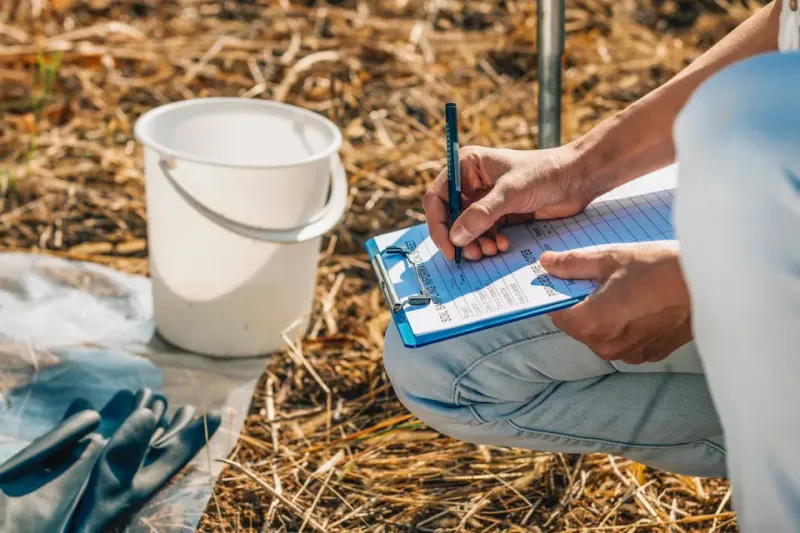
Before adding a single bag of compost or lime, knowing exactly what your soil needs will save you time, money, and frustration. Many Piedmont gardeners skip soil testing and end up over-amending or correcting the wrong problem altogether.
A simple soil test through your local county extension office gives you a clear picture of your soil’s pH, nutrient levels, and organic matter content.
Clay soils in the Piedmont tend to be acidic, with pH levels often falling between 5.0 and 6.0.
Most vegetables, flowers, and lawn grasses prefer a pH between 6.0 and 7.0, so raising the pH even slightly can unlock nutrients that were previously unavailable to plants.
The soil test results will tell you how much lime to add and what other nutrients may be lacking.
Testing soil texture at home is easy too. Take a handful of moist soil and squeeze it.
If it forms a ribbon that holds its shape for more than an inch without breaking, you likely have significant clay content. Knowing your starting point makes every amendment more targeted and effective.
Skipping this step is a bit like cooking without tasting first.
In North Carolina’s variable Piedmont conditions, a soil test is one of the most practical investments any gardener can make before the growing season begins.
3. Adding Organic Matter To Improve Structure
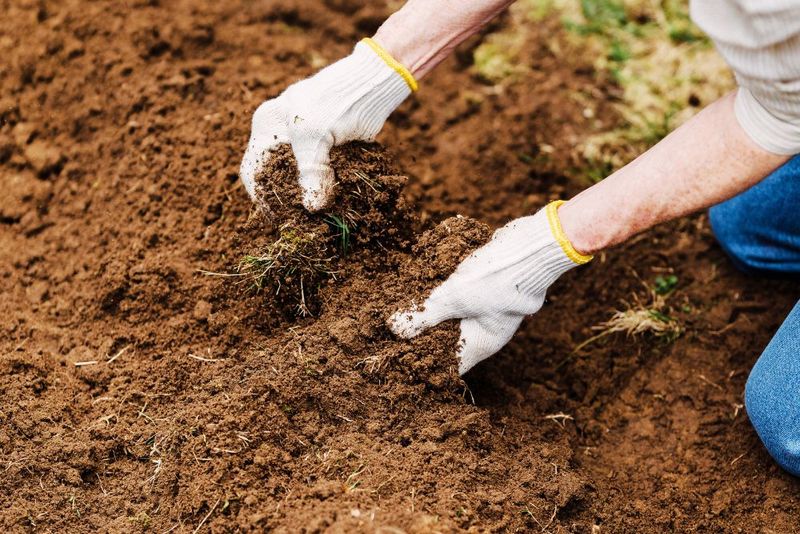
Compost is one of the most effective ways to transform heavy clay soil into a productive, workable garden bed in North Carolina’s Piedmont region.
Organic matter improves soil structure by separating tightly packed clay particles and creating small air pockets, which allows water to drain more efficiently and roots to penetrate easily.
This process, known as flocculation, happens gradually, so gardeners should approach it as a long-term commitment rather than a one-time fix.
Aim to incorporate 2 to 4 inches of well-rotted compost, leaf mold, or aged manure into the top 6 to 8 inches of soil each season.
These materials gradually enrich the soil, enhance microbial activity, and make it more friable, which benefits both ornamental plants and vegetables.
Avoid fresh manure, which can burn plants and introduce harmful pathogens. Over time, repeated additions of organic matter noticeably loosen dense clay, making beds easier to dig and planting more successful.
In North Carolina’s warm Piedmont climate, organic matter breaks down relatively quickly, so annual replenishment is essential.
Mixing compost into clay soil not only improves drainage and root growth but also increases nutrient availability.
Gardeners who consistently add organic matter often notice healthier, more resilient plants, reduced compaction, and a garden that’s easier to manage season after season.
Patience and consistency are key – the soil improves incrementally, but the payoff is well worth the effort.
4. Using Cover Crops To Break Up Compaction
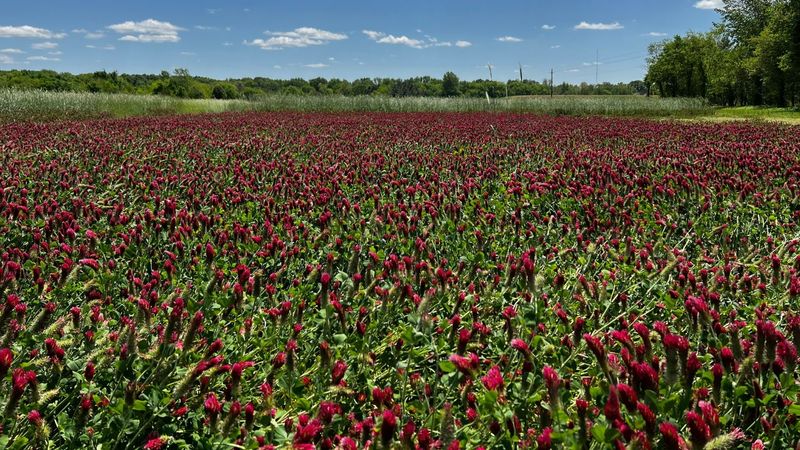
Planting a cover crop might be one of the most underrated strategies for tackling clay compaction in the Piedmont.
While most gardeners think about cover crops mainly for adding nitrogen, their root systems do something equally valuable: they physically break through compacted soil layers as they grow.
Deep-rooted varieties like tillage radish, also called daikon radish, can punch through dense clay several inches down, creating channels that persist even after the roots decompose.
Winter rye and crimson clover are popular choices for North Carolina’s Piedmont because they establish quickly in fall, survive mild winters, and add significant organic matter when tilled under in spring.
Crimson clover also fixes atmospheric nitrogen, which reduces how much fertilizer you need to apply later.
Mixing species gives you both deep root penetration and nitrogen benefits at the same time.
The key is timing. Plant cover crops in late September or October after summer vegetables are finished, giving them enough warm weeks to establish before cold weather slows growth.
In spring, cut or till them under at least two to three weeks before planting to allow the organic material to begin breaking down.
Over two or three seasons of consistent cover cropping, many Piedmont gardeners notice noticeably improved drainage and a soil texture that is far easier to work with than when they started.
5. Incorporating Sand And Grit Carefully
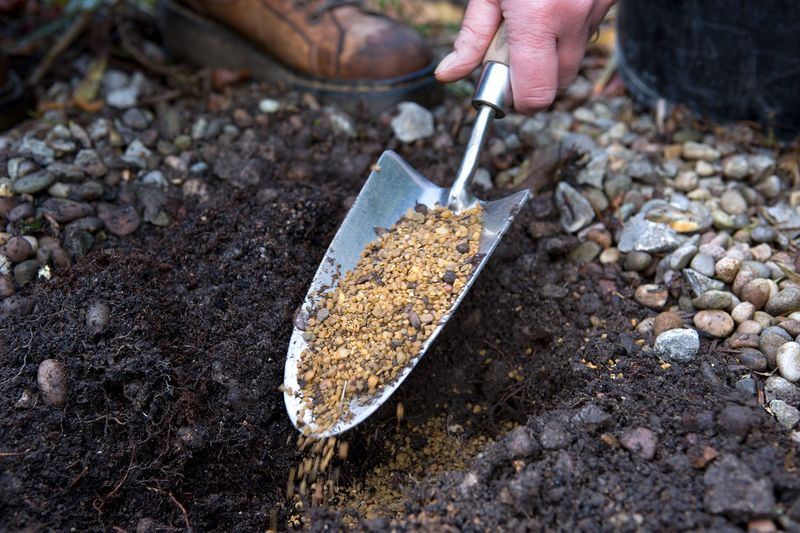
Adding sand to clay soil might seem like an obvious solution, but it’s easy to make the problem worse if done incorrectly.
Small amounts of fine sand can combine with clay particles to form a hard, cement-like layer that is almost impossible for roots to penetrate.
To be effective, sand must be coarse and used in significant quantities, but even then, it’s generally more practical when combined with organic matter rather than applied alone.
Coarse builder’s sand or horticultural grit works best in Piedmont clay, as it helps improve drainage and creates channels for roots and water.
When mixed with generous amounts of compost, this combination gradually lightens the soil, making it easier to dig, plant, and maintain.
Gardeners often find that adding sand alone, without enough organic material, rarely produces the desired effect and can actually increase compaction over time.
This method is particularly effective in raised beds or container gardens, where the entire soil volume can be controlled from the start.
In existing in-ground beds, focus on building soil organically and using sand as a supportive amendment for problem spots rather than the primary fix.
Over time, combining coarse grit with compost and mulch creates a clay soil that drains more reliably, warms more quickly in spring, and supports healthier root growth, making your Piedmont garden much easier to manage and more productive.
6. Improving Drainage In Clay Beds
Standing water after a heavy Piedmont rainstorm is one of the most common complaints from North Carolina gardeners dealing with clay soil.
When water cannot move through dense clay fast enough, plant roots sit in saturated conditions that cut off oxygen and encourage root rot.
Addressing drainage is sometimes as much about how you design your garden space as it is about what you add to the soil.
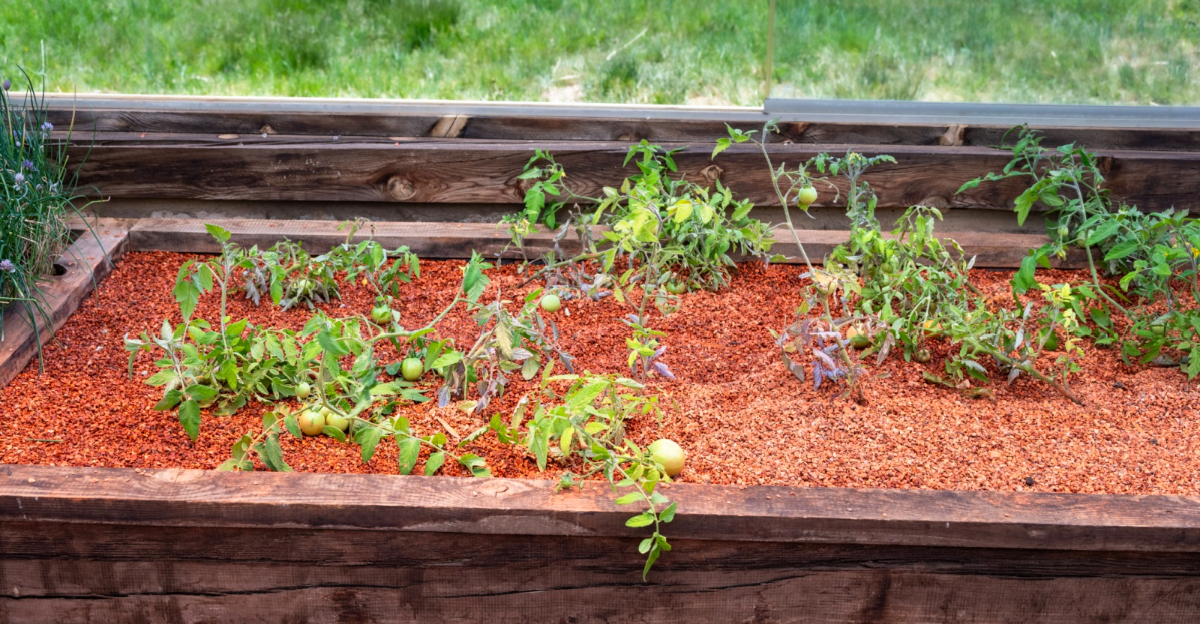
Raised beds are one of the most reliable solutions for persistent drainage problems.
By building up the planting area 8 to 12 inches above the native clay, you give roots a well-drained zone to grow in while the clay below gradually improves over time.
Fill raised beds with a blend of quality topsoil, compost, and coarse material to create a loose, well-draining growing medium from day one.
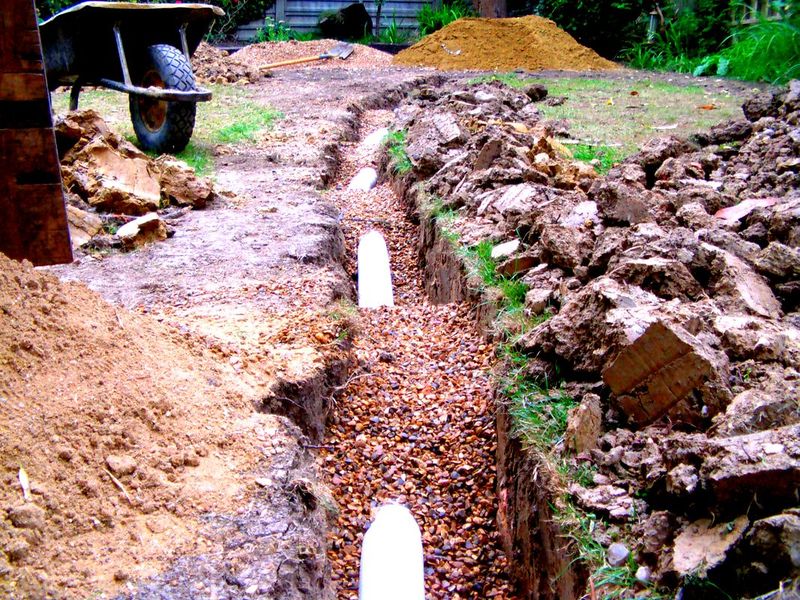
For larger areas or garden slopes, installing a simple French drain can redirect water away from planting zones before it saturates the soil.
A French drain involves digging a trench, lining it with landscape fabric, filling it with gravel, and routing water toward a drainage outlet.
This kind of structural drainage improvement pairs well with soil amendments, giving plants the best of both worlds.
In low-lying Piedmont garden areas that collect runoff, combining raised beds with drainage infrastructure can transform a waterlogged space into a genuinely productive garden.
7. Mulching To Protect Soil And Enhance Fertility
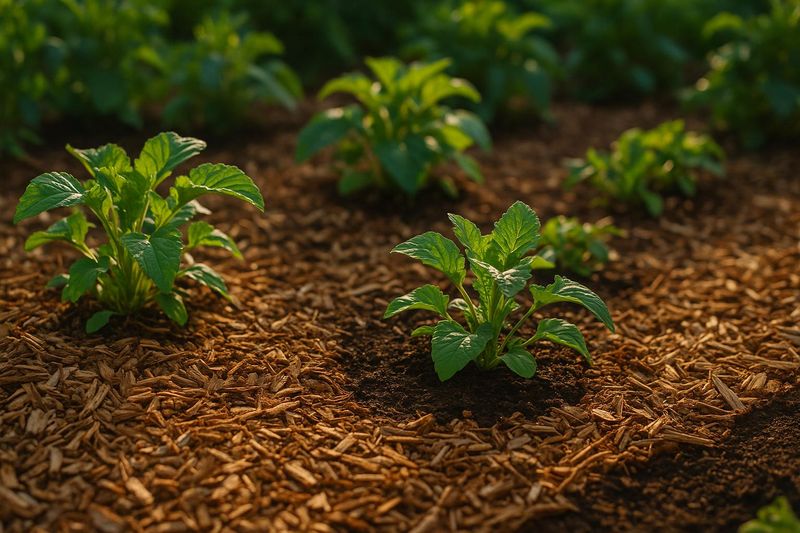
A thick layer of mulch does more for clay soil than most gardeners realize.
On the surface, mulch keeps moisture from evaporating too quickly during North Carolina’s hot summers and prevents the hard, crusty layer that forms when bare clay dries out and seals over.
That sealed surface is one of the main reasons water runs off clay instead of soaking in, so keeping it covered makes a real difference.
As organic mulch breaks down over the growing season, it feeds soil microbes and earthworms that do the quiet work of loosening clay from the inside.
Shredded leaves, wood chips, straw, and pine needles all work well in Piedmont gardens.
Apply a 3- to 4-inch layer around plants, keeping mulch a few inches away from stems to avoid rot. Thinner layers dry out too quickly to provide meaningful benefit.
Mulching also reduces the urge to walk through garden beds, which is one of the biggest contributors to soil compaction. Every footstep on clay soil compresses the particles tighter, undoing the improvement work you have already done.
Designating clear pathways and mulching planting areas heavily encourages gardeners to stay on defined routes.
Over several seasons, consistently mulched beds in North Carolina gardens develop noticeably better soil texture, richer color, and more active earthworm populations than unmulched areas nearby.
8. Adjusting Fertilization For Clay Soils
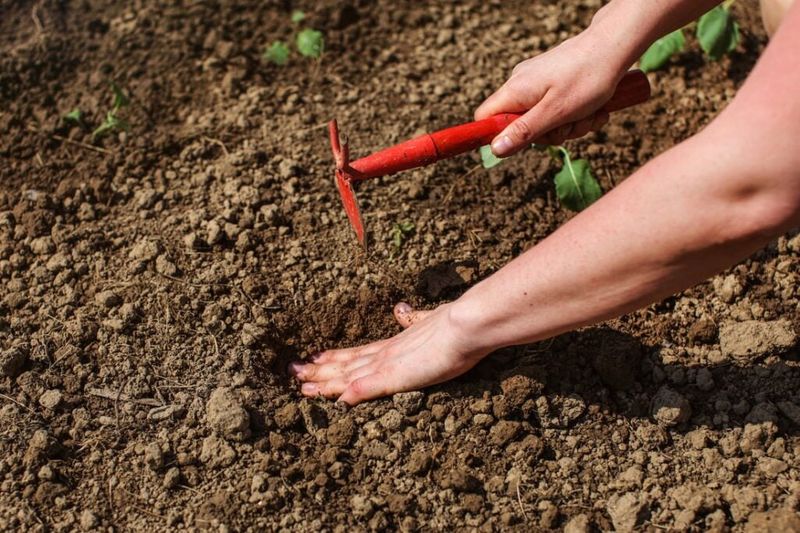
Clay soil holds onto nutrients tightly, which can be both an advantage and a challenge. On the positive side, nutrients are less likely to wash away with rainfall compared to sandy soils.
On the other hand, some nutrients become chemically locked in acidic clay and cannot be absorbed by plant roots even when they are present in the soil. This is why fertilizing clay soil effectively starts with getting the pH right.
Once pH is adjusted to the appropriate range for your crops, most Piedmont gardeners find they need less fertilizer than they expected.
Nitrogen is the most common nutrient that clay soils struggle to release efficiently, especially in cool, wet spring conditions when soil microbes are less active.
Slow-release nitrogen sources, such as compost, blood meal, or balanced organic fertilizers, tend to work better than quick-release synthetic products that can leach out before plants use them.
Phosphorus and potassium are often already adequate in Piedmont clay soils, so over-applying these nutrients can cause imbalances and environmental runoff problems.
Always let soil test results guide your fertilizer choices rather than applying standard rates from a bag label.
Applying the right nutrients at the right time, based on what your soil actually needs, is far more effective than following a generic fertilization schedule.
This targeted approach keeps plants healthy and prevents unnecessary chemical buildup in your North Carolina garden.
9. Planning Plant Selection For Clay-Prone Areas
Working with your soil rather than constantly fighting it is one of the smartest shifts a Piedmont gardener can make.
While you improve clay soil over time with amendments and cover crops, choosing plants that tolerate or even thrive in clay conditions sets you up for success in the short term.
Many native North Carolina plants evolved in Piedmont clay and are genuinely well-adapted to its challenges.
Eastern red cedar, river birch, sweetgum, and various oak species handle clay drainage issues without complaint.
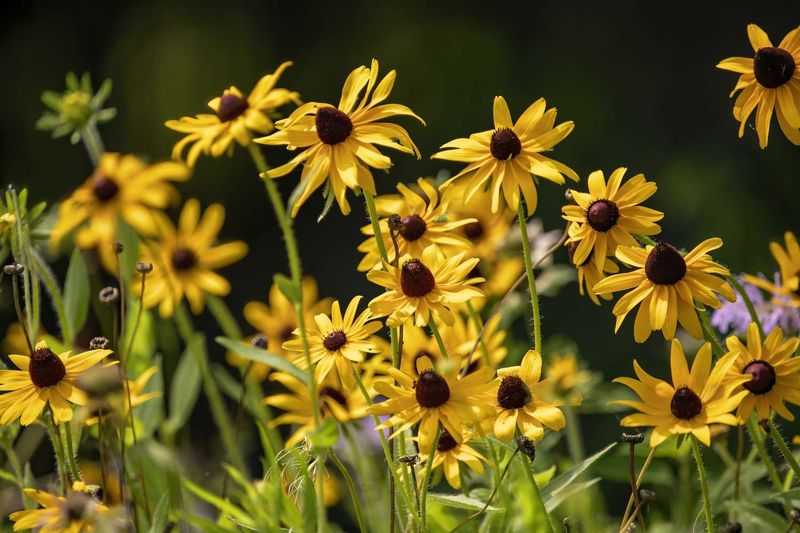
For perennial gardens, coneflowers, black-eyed Susans, Joe-Pye weed, and swamp milkweed all perform reliably in clay-heavy Piedmont soils.
Ornamental grasses like switchgrass and big bluestem add structure and movement while their deep roots gradually improve soil tilth. These plants require far less intervention than vegetables or non-native ornamentals that struggle in dense clay.
For vegetable gardeners, raised beds remain the most practical solution while in-ground soil improves season by season.
If you do grow directly in clay, choose crops with shallower root systems, such as lettuce, kale, and herbs, rather than deep-rooted carrots or parsnips that need loose, friable soil.
Matching your plant list to your actual soil conditions rather than an idealized version of your garden keeps frustration low and success rates high.
North Carolina’s Piedmont offers a rich palette of beautiful, tough plants that reward gardeners who meet them where they are.