How To Join Or Start A Community Garden In Ohio

Ohio neighborhoods often have hidden pockets of green just waiting to be put to use, from small vacant lots to quiet park edges.
Many residents remember the simple joy of tending a few vegetables or flowers as kids, and community gardens bring that experience to adults while creating opportunities to connect with neighbors.
Joining or starting a community garden allows you to grow plants, exchange tips, and connect with neighbors while making good use of shared land.
Local rules, permits, and resources may vary, so understanding what is required helps ensure that your garden flourishes and that everyone involved enjoys the experience.
Whether you’re thinking about signing up for an existing plot or launching a new garden from scratch, these practical steps will guide you in turning open land into a thriving Ohio community space.
It’s a way to share your love of gardening while creating a place that welcomes others and adds life to the neighborhood.
1. Assess Local Community Interest And Goals
Before a single seed goes into the ground, you need to know if your neighbors actually want a community garden. Speaking with local residents is the first step, and you may find that many are interested in a community garden.
Knocking on doors, posting on neighborhood social media groups, or setting up a simple sign-up table at a local event can quickly show you how much interest exists.
In Ohio, many successful gardens started with nothing more than a few curious conversations. Cities like Columbus and Dayton have seen entire garden programs grow from small neighborhood chats.
Once you gather a list of interested people, you can start asking more specific questions, like what kinds of plants people want to grow, how many days a week they can volunteer, and whether they prefer individual plots or shared growing spaces.
Setting clear goals early on saves a lot of headaches later. Some groups want to grow food for personal use, while others aim to donate produce to local food pantries.
Knowing your community’s purpose helps guide every decision after this point. Keep your notes organized and create a simple survey if needed.
The more honest feedback you collect upfront, the stronger your garden’s foundation will be from day one.
2. Form A Planning Committee To Organize Effort
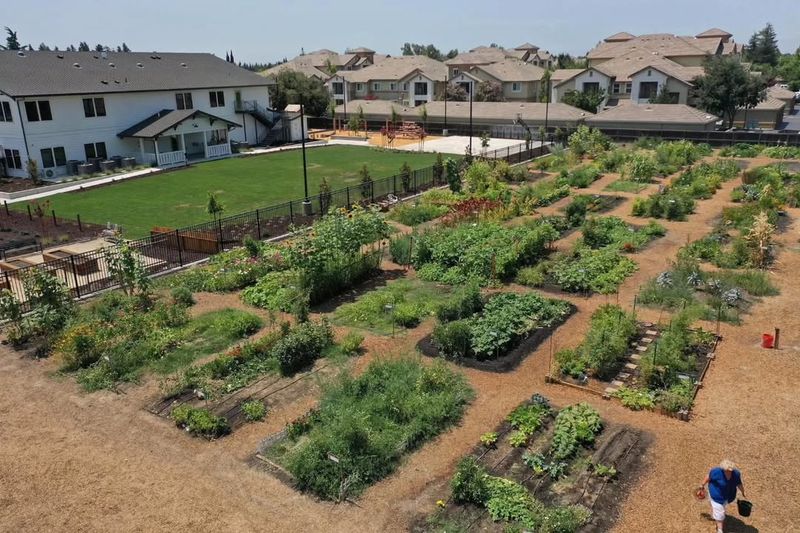
Getting organized early is one of the smartest things a new garden group can do. A planning committee gives your project structure, spreads out the workload, and makes sure no single person burns out trying to do everything alone.
Think of it like building a team before the big game, because everyone plays a different but equally important role.
An effective committee includes members who can manage different responsibilities. You might want someone who is good with budgets and finances, another person who enjoys outreach and communication, and someone with actual gardening experience.
In Ohio, organizations like the Civic Garden Center of Greater Cincinnati recommend forming a committee early so that key decisions are made by a group rather than one overwhelmed individual.
Once your committee is formed, set a regular meeting schedule and use free tools like Google Docs or group chats to stay connected between meetings. Assign clear roles so everyone knows what they are responsible for.
It also helps to create a simple timeline with short-term and long-term goals written out so the whole team stays on the same page. Celebrating small wins along the way, like securing your first donation or finding a potential garden site in your Ohio neighborhood, keeps morale high and momentum moving forward.
3. Find And Secure A Suitable Garden Site
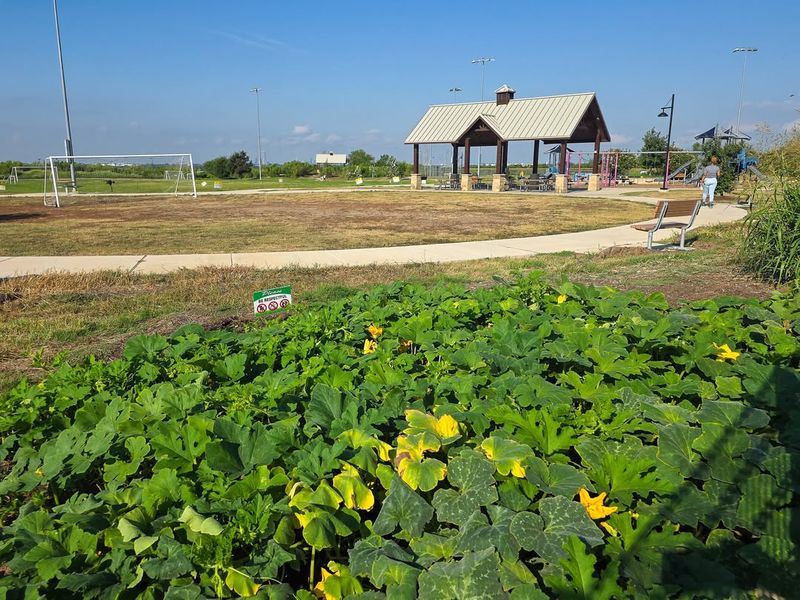
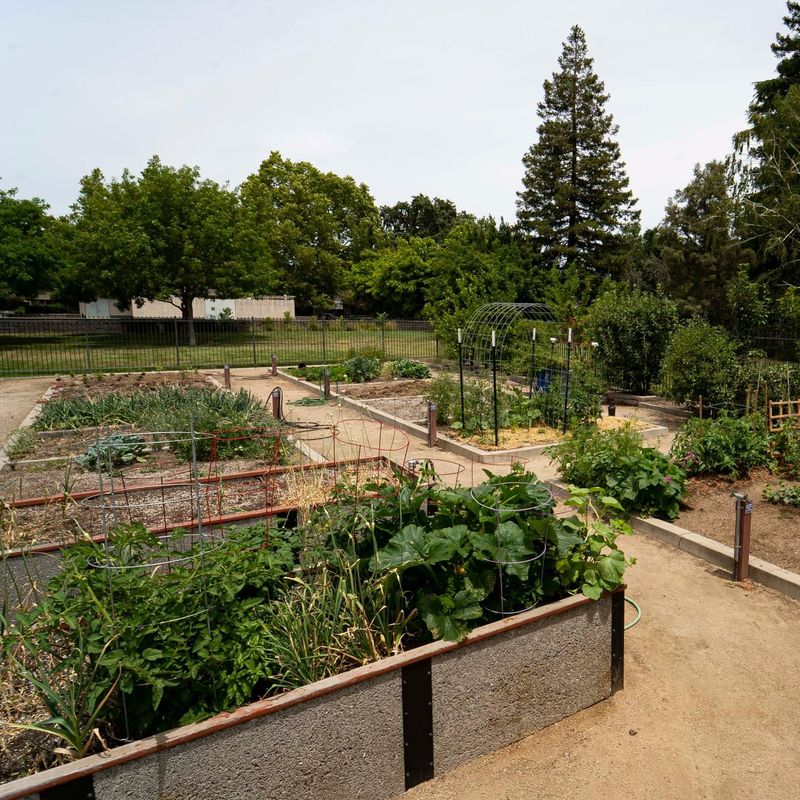
The garden’s location is crucial, so selecting an appropriate site is very important. The ideal site gets at least six to eight hours of direct sunlight each day, has reasonably good soil or space to bring in raised beds, and is easy for community members to reach on foot or by bike.
Water access is also a must, whether from a nearby spigot, rain barrel setup, or a hose connection.
Across Ohio, many community gardens have found success on vacant city-owned lots, unused church property, school grounds, or even strips of land near apartment complexes. The City of Columbus has an active program that allows community groups to use Land Bank lots specifically for gardening.
Checking with your city or county government is a practical first step to finding available land in your area.
Once you identify a promising spot, visit it in person at different times of day to observe the sunlight patterns and look for any drainage issues. Check if the soil has any history of contamination, especially on older urban lots, since raised beds with clean imported soil can solve that problem effectively.
Securing the site might mean signing a lease, getting written permission from a landowner, or applying through a city program. Document everything in writing so your garden group has clear, legal footing before investing time and money into the space.
4. Check Zoning, Permits, And Landowner Permissions
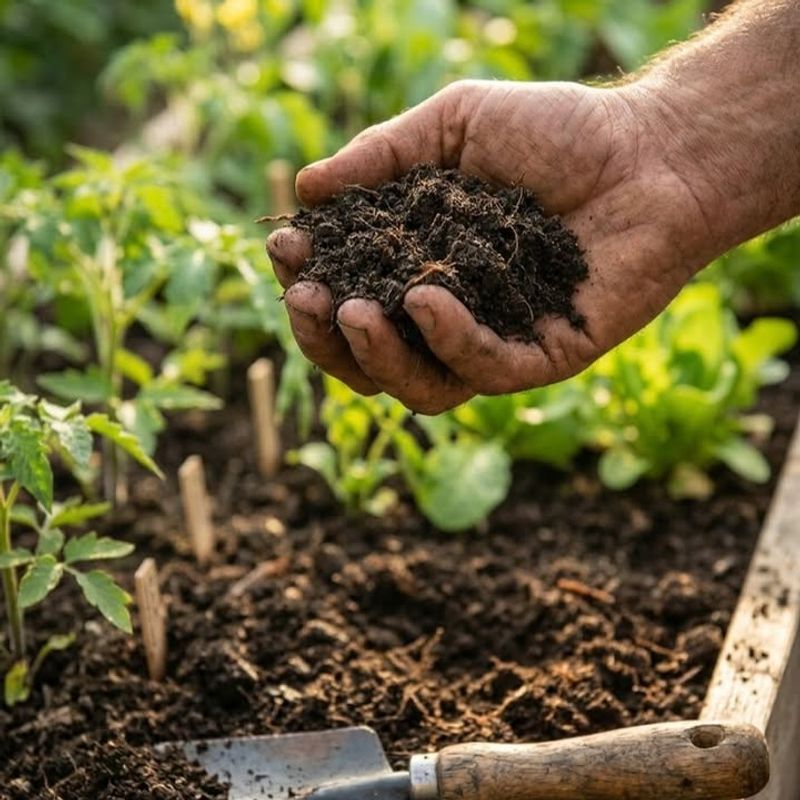
Skipping this step often causes issues later, so arranging legal approvals early is well worth it. Zoning laws in Ohio vary by city and county, and not every piece of land is automatically approved for gardening use.
Before your group spends money on soil, tools, or fencing, confirm that the site is zoned appropriately for a community garden.
Contacting your local planning or zoning office is the best starting point. Staff there can tell you what permits might be required, whether any variances need to be filed, and what the rules are around structures like sheds or fences.
Some Ohio cities, including Cleveland and Cincinnati, have made it easier in recent years to get approval for community gardens, especially on city-owned land.
Landowner permission is equally important and must always be in writing. A verbal agreement is not enough when your group is about to invest significant time and resources.
A formal land use agreement or lease should spell out the length of time your group can use the property, who is responsible for maintenance, and what happens if the arrangement ends. Some Ohio communities work with local nonprofits or land trusts to create longer-term agreements that protect the garden from being removed after just one season.
Taking care of the legal side upfront gives your garden a solid, stable future.
5. Complete Required Training Or Programs
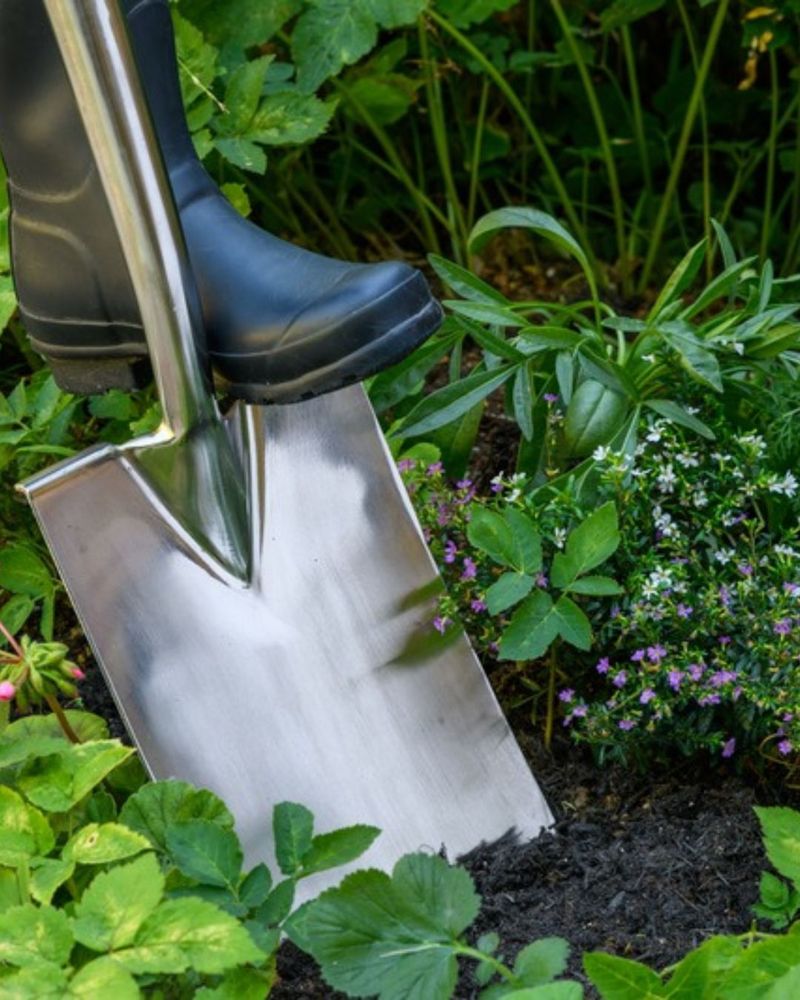
Knowledge is one of the most important tools for any gardener. Many Ohio organizations offer training programs specifically designed to help community garden members grow food successfully and manage shared spaces responsibly.
Taking advantage of these resources can fast-track your group from enthusiastic beginners to confident growers.
The Civic Garden Center of Greater Cincinnati, for example, offers hands-on workshops covering organic vegetable gardening, composting, and regenerative agriculture practices. Ohio State University Extension offices spread throughout the state also provide educational programs tailored to local growing conditions, soil types, and seasonal planting schedules.
These programs are often free or low-cost, making them accessible to garden groups working with tight budgets.
Beyond gardening basics, some training programs cover leadership and garden management skills, which are just as important for keeping a community space running smoothly. Topics like conflict resolution, volunteer coordination, and record-keeping might not sound exciting, but they make a real difference in keeping your Ohio garden organized and welcoming for everyone involved.
Some programs even offer certifications that can strengthen your group’s credibility when applying for grants or partnering with local organizations. Encourage as many committee members and plot holders as possible to attend at least one training session before the first growing season begins.
The more your community knows, the better your garden will grow.
6. Develop A Garden Agreement, Bylaws, And Rules
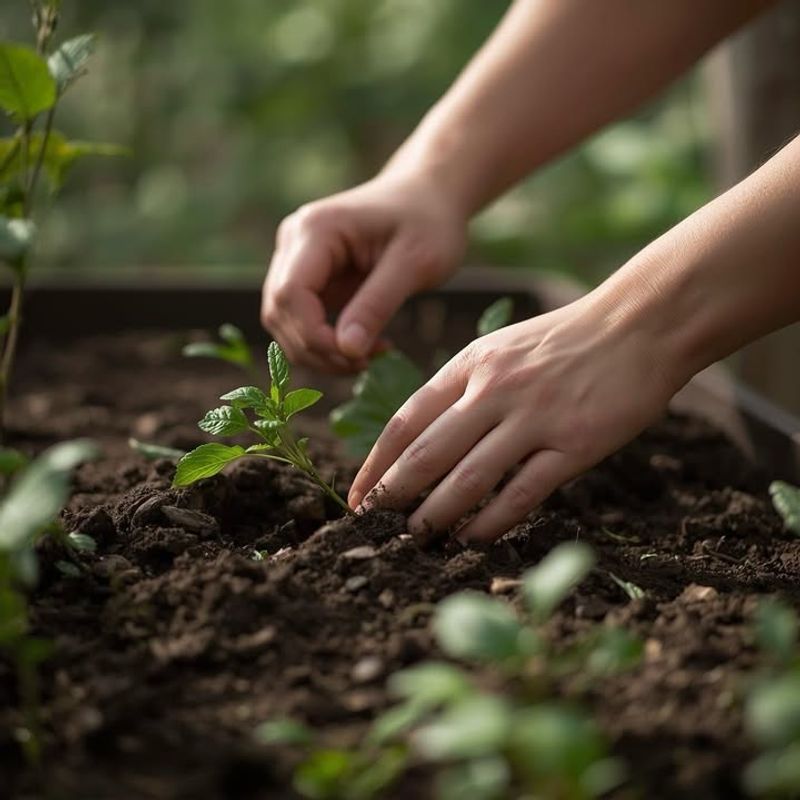
A garden lacking clear rules often leads to confusion. Written agreements, bylaws, and a shared code of conduct help everyone understand what is expected from day one, and they give garden leaders a fair way to handle disagreements when they come up.
Think of these documents as the backbone of your community garden’s culture.
Your garden agreement should cover the basics: plot assignment, annual fees if any apply, maintenance expectations, guest policies, and what happens when someone stops showing up to care for their plot. Bylaws go a step further by outlining how your garden is governed, including how leaders are elected, how meetings are run, and how decisions are made as a group.
Many Ohio community gardens post these rules publicly so all members can reference them at any time.
Keep the language simple and easy to understand so that gardeners of all backgrounds feel included and informed. Avoid overly legal or complicated wording that might discourage people from reading the documents at all.
It also helps to revisit your rules at the start of each growing season to update anything that no longer fits your garden’s needs. Involving the whole membership in that review process builds trust and a stronger sense of shared ownership over the space.
A well-written agreement is one of the best investments your Ohio garden group can make.
7. Apply To Join Or Register With Local Garden Networks
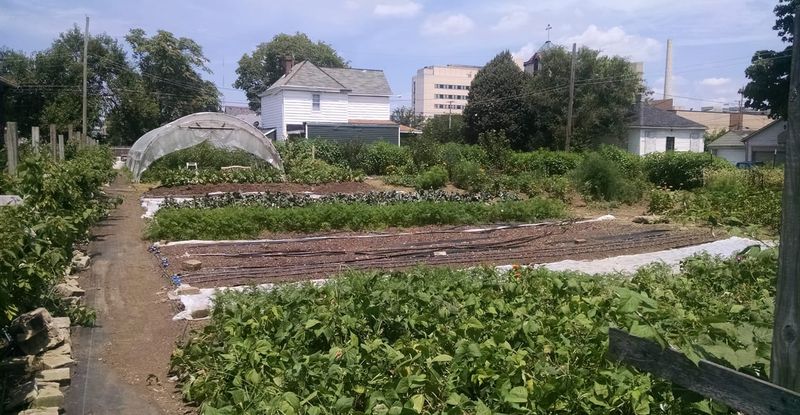
Linking your garden to a network provides access to support, resources, and community that is difficult to establish alone. Ohio has several established garden networks and programs that welcome new members and can provide everything from seeds and soil to grant funding and expert advice.
Registering with these organizations is often free and can dramatically speed up your garden’s growth.
In Cleveland, the Summer Sprout program connects individuals with nearby community gardens through an interactive online map, making it easy for new gardeners to find a plot close to home. Columbus has its own Community Garden Program through the Department of Neighborhoods, which partners with groups to establish gardens on available city land.
Cincinnati gardeners can reach out to the Civic Garden Center for registration support and ongoing resources throughout the growing season.
Joining a statewide or regional network also means you are not figuring things out alone. Fellow garden leaders across Ohio can share what has worked for them, warn you about common pitfalls, and celebrate your successes alongside you.
Many networks host annual gatherings, online forums, or newsletters that keep member gardens informed and inspired. If your goal is to start a brand-new garden, registering early with a local network gives your group instant credibility and access to resources that could take years to build independently.
Take that step and watch your Ohio garden community truly flourish.