How To Keep An Indoor Herb Garden Thriving In Massachusetts Home
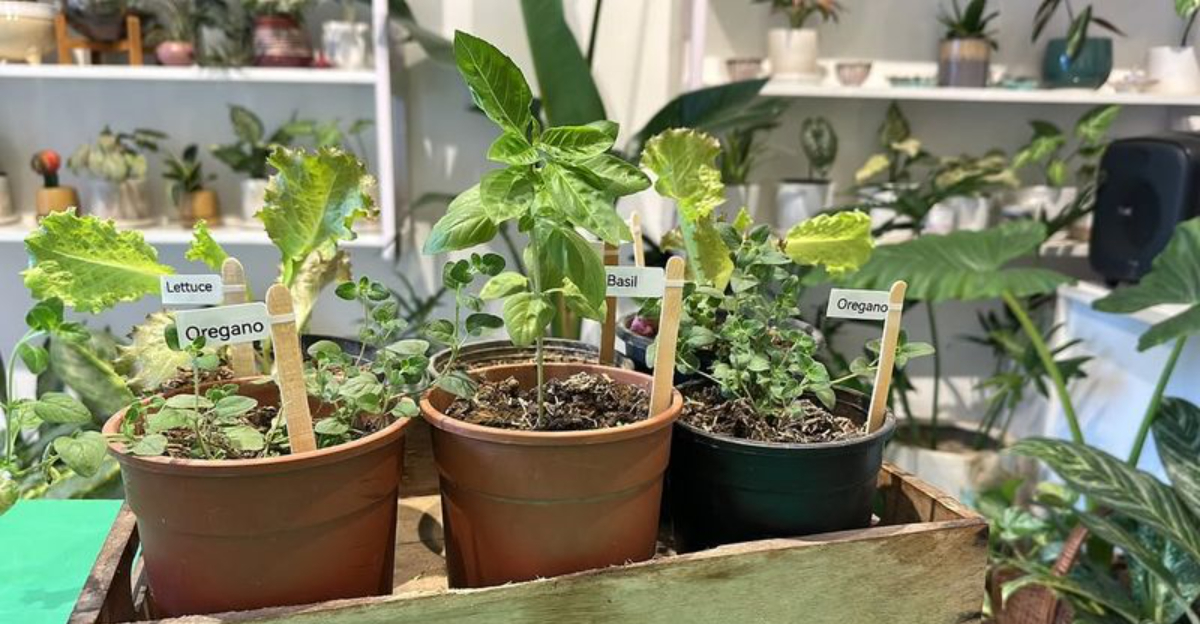
Cold winters and short daylight hours make indoor herb gardening in Massachusetts feel tricky, but the right setup turns it into a year-round win.
Fresh basil, rosemary, and thyme growing on the kitchen counter bring life, flavor, and a small sense of spring even during snowy weeks.
Massachusetts homes often run dry in winter, so paying attention to moisture makes a bigger difference than most people expect.
Light becomes the biggest challenge once days shorten, which is why placement near bright windows matters more than fancy supplies.
When herbs struggle, it’s usually small habits like uneven watering or blocked airflow rather than a lack of effort.
Indoor herbs respond quickly when conditions improve, making every adjustment feel rewarding instead of frustrating. This fast feedback keeps motivation high and helps confidence grow with each new leaf.
Massachusetts heating systems can stress plants, but simple changes help herbs stay strong and aromatic. Rotating pots and checking soil regularly prevents quiet problems from building up.
Once herbs settle into a routine, they start growing steadily and feel surprisingly low-maintenance. That steady growth turns an indoor herb garden into something enjoyed daily, not another chore waiting for attention.
1. Choose the Right Location for Your Herbs
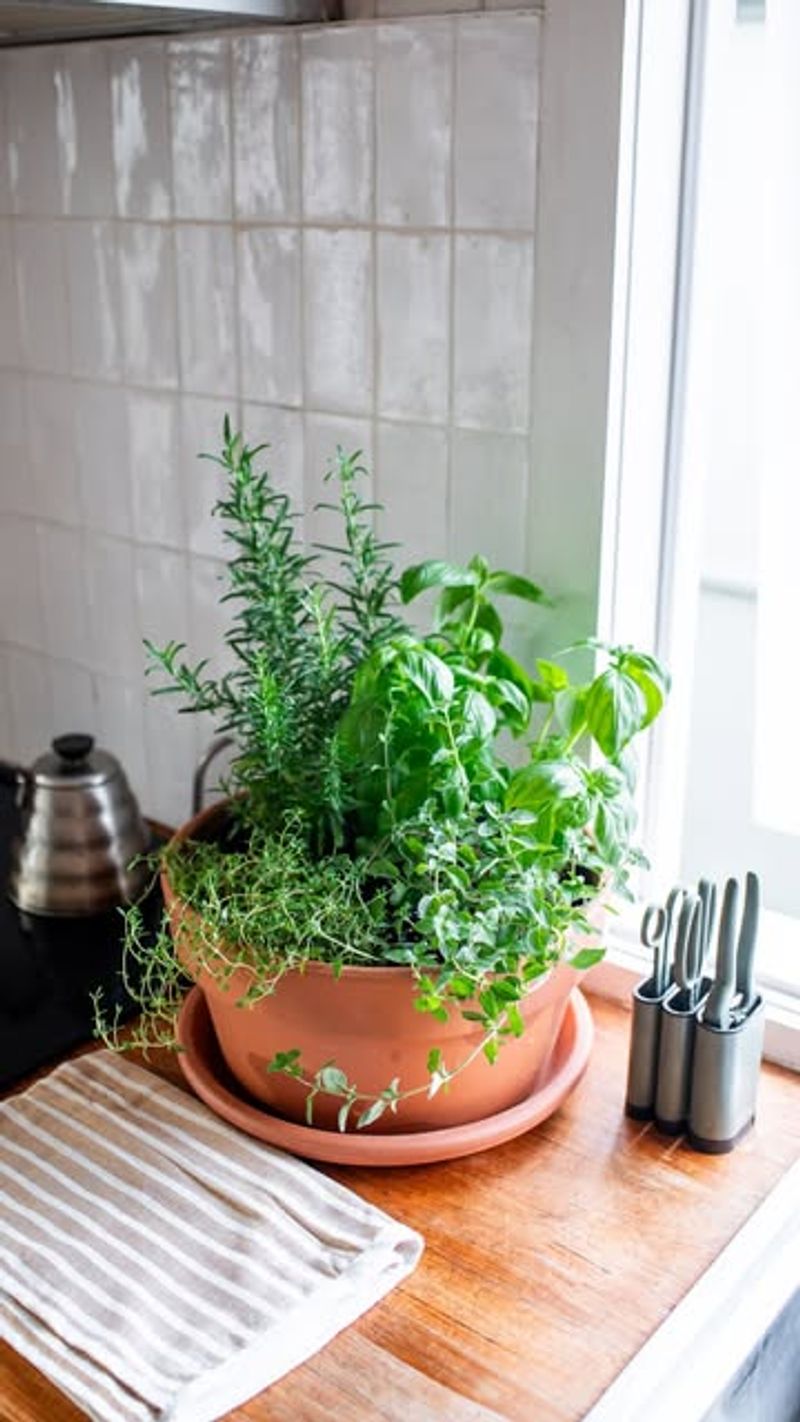
Light availability changes dramatically throughout the year in Massachusetts, so picking the perfect spot for your herbs matters more than you might think. South-facing windows typically offer the most consistent sunlight, which most culinary herbs crave for healthy growth.
Without adequate light, your plants will stretch toward the window and become leggy, producing fewer flavorful leaves.
Basil, rosemary, and thyme need at least six hours of direct sunlight daily to flourish indoors. If your Massachusetts home lacks bright natural light, especially during those cloudy winter months, you might notice slower growth or pale leaves.
Moving plants closer to the glass can help, but watch for cold drafts that can damage tender foliage.
Consider rotating your pots every few days so all sides receive equal exposure.
This simple habit prevents lopsided growth and keeps plants bushy rather than tall and spindly. A sunny kitchen windowsill works wonderfully for most herbs, combining convenience with ideal conditions.
Remember that even the sunniest Massachusetts window in December offers less intensity than summer sun, so adjustments may be necessary as seasons change throughout the year.
Supplemental grow lights can make a noticeable difference when natural daylight falls short during long Massachusetts winters.
Even a small LED light placed a few inches above the herbs helps maintain steady growth and leaf production.
2. Invest in Quality Grow Lights
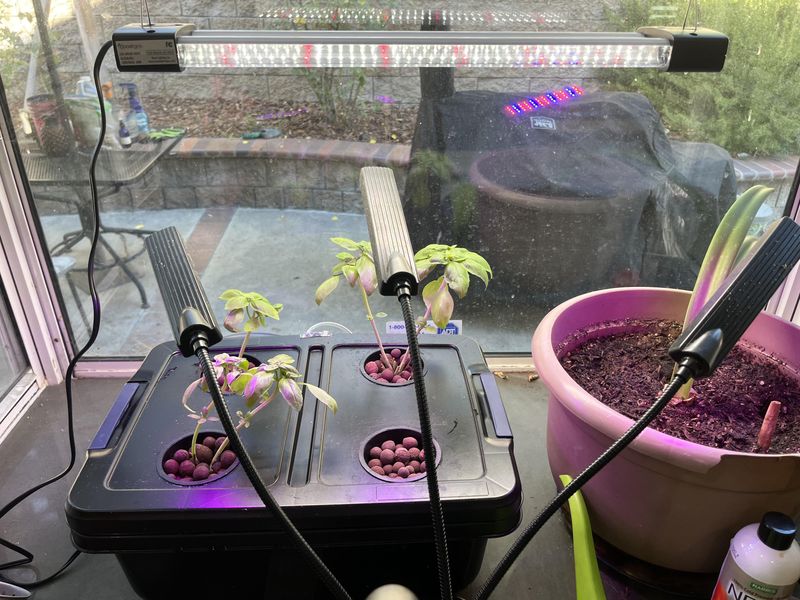
Massachusetts winters bring short days and frequent overcast skies that leave indoor herb gardens struggling for adequate brightness.
Artificial lighting bridges this gap beautifully, allowing your plants to photosynthesize properly even when natural conditions fall short.
Full-spectrum LED grow lights mimic sunlight closely and consume less energy than older bulb types, making them a smart long-term investment.
Position your lights about six to twelve inches above the herb tops, adjusting as plants grow taller. Running them for twelve to sixteen hours daily compensates for weak winter sun that barely reaches through frosted Massachusetts windows.
Many gardeners use timers to automate the process, ensuring consistency without daily effort.
The color temperature of your bulbs also influences plant health significantly.
Look for lights labeled between 5000K and 6500K, which provide the blue wavelengths herbs need for compact, leafy growth.
Red wavelengths encourage flowering, but most culinary herbs taste best before they bloom.
Combining natural window light with supplemental artificial sources creates optimal conditions year-round.
Your Massachusetts herbs will respond with vigorous growth and intense flavors that rival anything grown outdoors during summer months.
3. Water Wisely and Avoid Overwatering
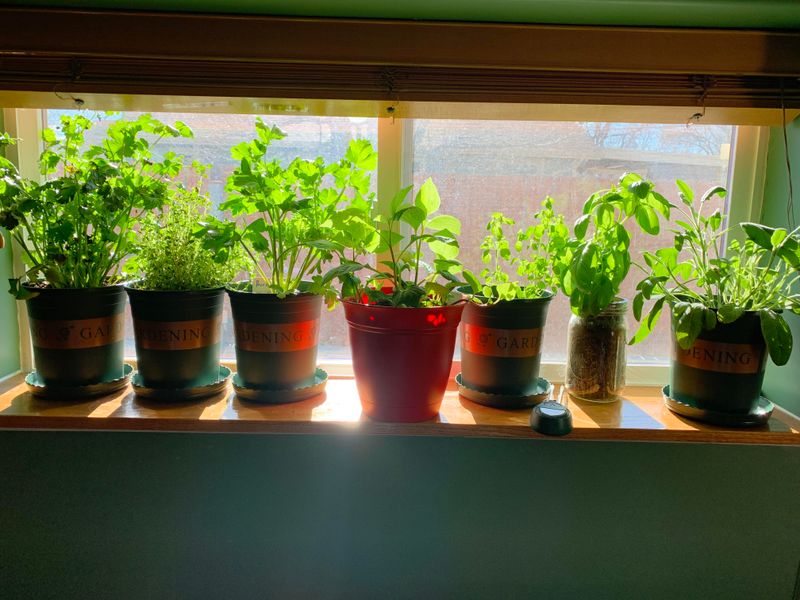
More indoor herbs suffer from too much water than too little, making this one of the trickiest aspects of indoor gardening in Massachusetts homes. Soggy soil suffocates roots and invites fungal problems that quickly weaken plants.
Before reaching for the watering can, always check the soil moisture by sticking your finger about an inch deep into the potting mix.
Most herbs prefer soil that dries slightly between waterings rather than staying constantly damp.
The dry indoor air common in heated Massachusetts homes during winter can make you think plants need more water than they actually do.
Humidity levels and temperature both affect how quickly soil dries, so watering schedules that worked in summer may need adjustment come November.
Drainage holes in every pot are absolutely essential for healthy herb growth.
Excess water must escape freely, preventing root rot that can devastate your entire collection within days. Empty saucers underneath pots after watering so plants never sit in standing liquid.
Different herbs have varying water needs, with rosemary preferring drier conditions while basil enjoys slightly more moisture.
Learning each plant’s preferences helps you provide exactly what it needs throughout the changing seasons in your Massachusetts home.
Watching leaves for early signs of stress often gives better clues than sticking to a fixed watering schedule.
Healthy Massachusetts herbs respond best when watering is guided by soil feel and plant appearance rather than the calendar.
4. Maintain Proper Humidity Levels
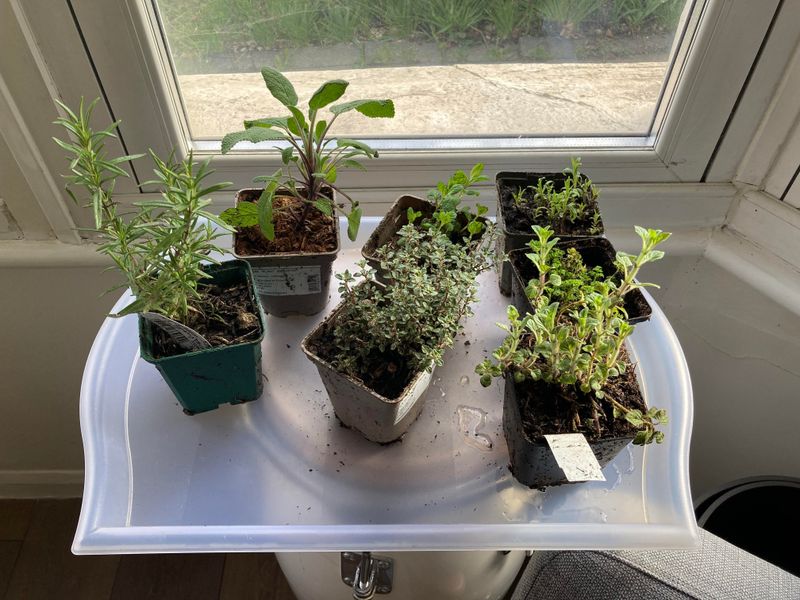
Central heating systems in Massachusetts homes create desert-like conditions that many herbs find stressful during the colder months. Parsley, mint, and cilantro especially appreciate higher humidity than the typical indoor environment provides.
Dry air causes leaf tips to brown and makes plants more vulnerable to pests like spider mites.
Grouping herbs together creates a microclimate where transpiration from multiple plants raises local moisture levels naturally.
Placing pots on trays filled with pebbles and water adds humidity as the liquid evaporates, though pot bottoms should sit above the waterline.
Misting sounds helpful but often does more harm than good, as wet foliage can encourage fungal diseases in stagnant indoor air.
Running a small humidifier near your herb collection offers the most reliable solution for maintaining consistent moisture levels.
Aim for humidity between 40 and 60 percent, which keeps plants comfortable without promoting mold growth on walls or windowsills.
Massachusetts homes with older windows may actually have higher humidity from drafts and condensation, so assess your specific situation before adding moisture.
A simple hygrometer helps you monitor conditions accurately, allowing adjustments based on what your herbs actually experience rather than guesswork about their needs.
5. Use Well-Draining Potting Mix
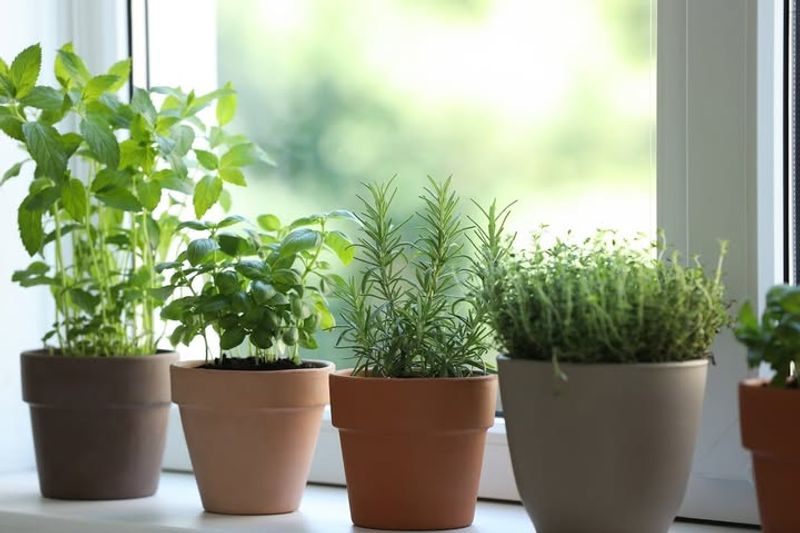
Regular garden soil compacts terribly in containers, creating conditions that most herbs simply cannot tolerate indoors.
Quality potting mix formulated specifically for container growing provides the loose, airy structure that herb roots need to spread and breathe. These mixes typically contain peat moss or coir, perlite, and compost in balanced proportions.
Herbs native to Mediterranean climates, like oregano and thyme, perform best in especially gritty mixes that drain almost immediately after watering.
Adding extra perlite or coarse sand to standard potting soil improves drainage for these varieties.
Massachusetts gardeners often discover that the same mix that worked outdoors in summer needs modification for indoor winter growing, where evaporation rates drop significantly.
Avoid mixes containing moisture-retaining crystals or heavy amounts of vermiculite when growing herbs indoors.
These amendments hold water too long for plants that prefer periods of dryness between waterings.
Fresh potting mix also comes free of weed seeds, insects, and diseases that outdoor soil might harbor.
Replacing the growing medium annually or when repotting ensures your herbs always have access to proper nutrients and structure.
Good drainage combined with appropriate watering creates the foundation for success with indoor herbs throughout every season in your Massachusetts home.
Choosing the right potting mix makes indoor herb care far easier and more forgiving.
Well-structured soil helps Massachusetts herbs stay healthy even when light and watering conditions fluctuate.
6. Fertilize Regularly but Lightly
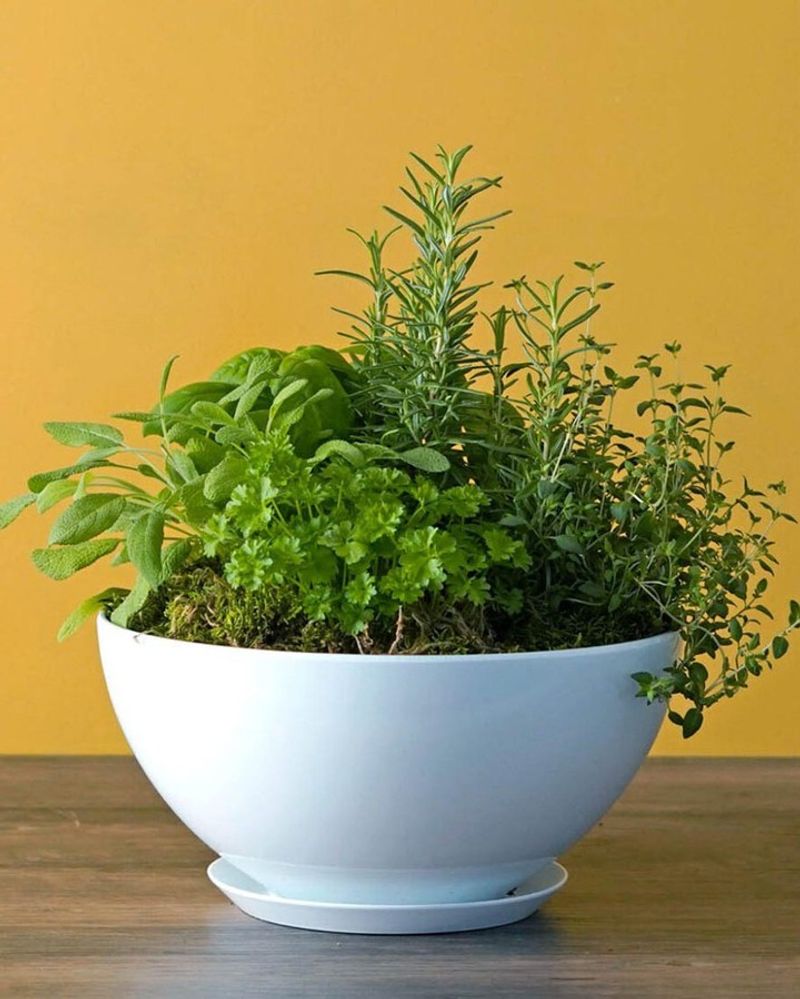
Container-grown herbs exhaust available nutrients much faster than plants growing in outdoor garden beds, making supplemental feeding necessary for continued vigor.
However, too much fertilizer produces lush foliage with diminished flavor, defeating the purpose of growing culinary herbs in your Massachusetts home.
Striking the right balance keeps plants productive without compromising the essential oils that give herbs their distinctive tastes.
Liquid fertilizers diluted to half the recommended strength work well for most indoor herbs when applied every two to four weeks during active growth.
Water-soluble formulas with balanced nitrogen, phosphorus, and potassium ratios support healthy leaves without forcing excessive growth.
During Massachusetts winters, when growth naturally slows due to reduced light, cut back feeding frequency to once monthly or stop entirely.
Organic options like fish emulsion or compost tea provide gentle nutrition that releases slowly over time.
These products rarely cause the fertilizer burn that chemical formulas can inflict when accidentally over-applied.
Yellow lower leaves often signal nutrient deficiency, while dark green foliage with weak stems suggests too much nitrogen.
Observing how your herbs respond to feeding helps you adjust the schedule and strength appropriately.
Remember that plants growing under artificial lights may need more frequent fertilization than those relying solely on natural Massachusetts sunlight.
7. Prune and Harvest Frequently
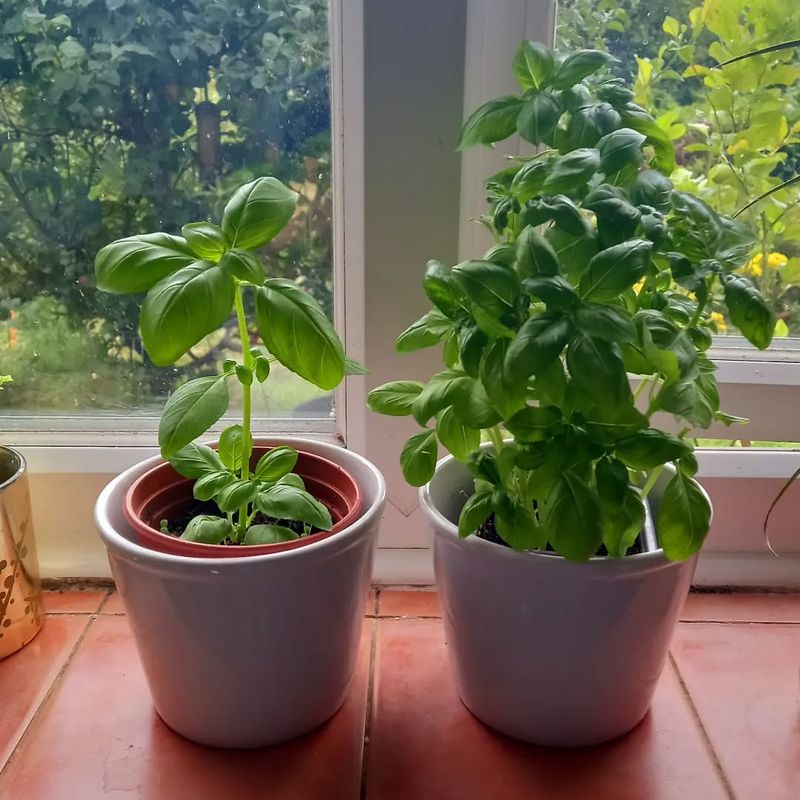
Regular trimming encourages bushier growth and prevents herbs from becoming tall and straggly in the limited light of Massachusetts interiors.
Pinching back growing tips forces plants to branch from lower nodes, creating fuller shapes with more harvestable leaves. Waiting too long between harvests allows herbs to bolt, producing flowers that signal the plant to stop vegetative growth.
Start harvesting once plants reach about six inches tall, removing no more than one-third of the total foliage at any single cutting.
This practice maintains enough leaf surface for photosynthesis while stimulating new growth from dormant buds.
Basil especially benefits from frequent pinching, as it tends toward flowering when left unpruned indoors.
Use clean, sharp scissors or pruning shears to make cuts just above leaf nodes where new branches will emerge.
Morning harvests often capture herbs at peak flavor, when essential oils concentrate in the foliage before daytime heat disperses them.
Even if you do not need herbs for cooking immediately, regular trimming keeps plants compact and productive throughout the year.
Massachusetts gardeners who harvest consistently enjoy better-tasting herbs and healthier plants than those who let herbs grow unchecked between occasional uses.
The trimmings freeze beautifully or dry easily for later use in your favorite recipes.
8. Watch for Common Indoor Pests
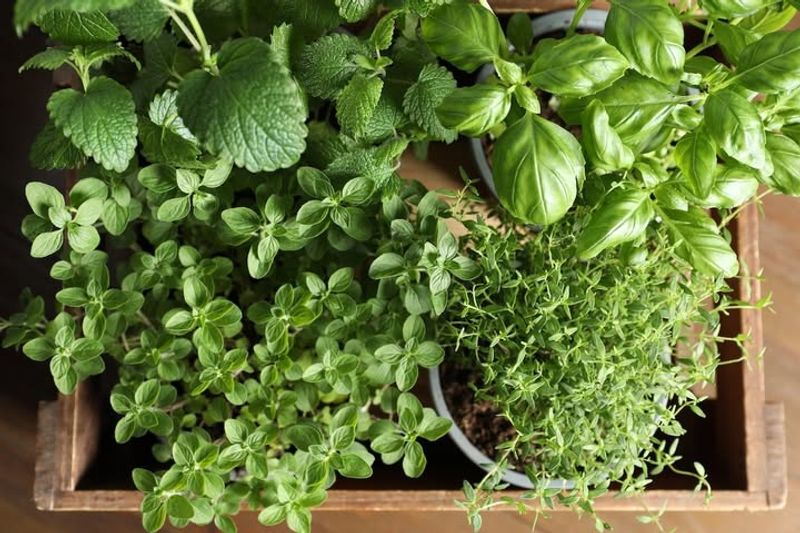
Aphids, spider mites, and fungus gnats find their way into Massachusetts homes more easily than you might expect, hitching rides on new plants or slipping through window screens.
Indoor conditions with dry air and limited natural predators allow pest populations to explode rapidly if left unchecked.
Early detection makes control much simpler than waiting until infestations become severe.
Inspect the undersides of leaves weekly for tiny insects, webbing, or sticky residue that signals pest activity.
Yellow sticky traps catch flying insects and help you monitor population levels before damage becomes obvious.
Isolating new herbs for a week or two before adding them to your main collection prevents introducing problems to healthy plants.
Insecticidal soap sprays offer effective, non-toxic control for most common herb pests when applied thoroughly to all plant surfaces.
Neem oil works well as both a treatment and preventative, though its strong smell may be unpleasant in enclosed
Massachusetts homes. Improving air circulation with a small fan reduces humidity around foliage, making conditions less favorable for pests and diseases.
Avoid chemical pesticides on herbs you plan to eat, as residues can persist through multiple harvests.
Maintaining overall plant health through proper watering, lighting, and nutrition creates the best defense against pest problems in your indoor herb garden.
9. Provide Adequate Air Circulation
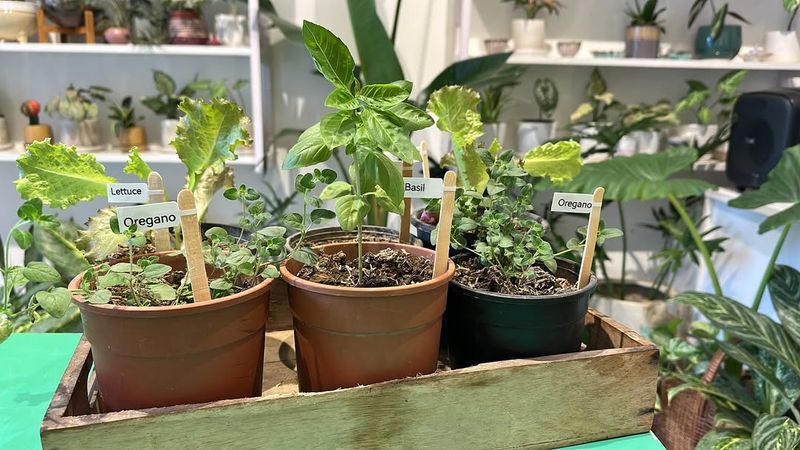
Stagnant air around indoor herbs promotes fungal diseases and creates ideal conditions for pest infestations to flourish in Massachusetts homes.
Plants naturally transpire moisture through their leaves, and without air movement, this humidity accumulates on foliage surfaces.
Powdery mildew and other fungal problems spread quickly in these damp, still environments.
A small oscillating fan running on low speed several hours daily keeps air moving gently around your herb collection without creating harsh drafts.
Position the fan so it does not blow directly on plants but rather circulates air throughout the growing area.
This movement strengthens stems by forcing them to develop more supportive tissue, much like outdoor plants experience from natural breezes.
Opening windows for fresh air exchange works wonderfully during mild Massachusetts weather but becomes impractical once heating season arrives.
The fan solution provides year-round benefits without exposing tender herbs to temperature extremes or outdoor pests.
Proper spacing between pots also improves air circulation, allowing each plant adequate room for healthy development.
Crowding herbs together may save space, but it invites problems that could affect your entire collection.
Good airflow combined with appropriate humidity levels creates an environment where herbs thrive while diseases and pests struggle to gain a foothold in your indoor Massachusetts garden.