How To Keep California Soil Moist Longer Without Overmulching
California soil can dry out with rude efficiency.
One hot inland afternoon, one windy coastal spell, or one week without irrigation can turn a healthy bed into a dusty guessing game.
The instinct is understandable: add more mulch, then add a little more, then keep stacking until the soil disappears under a thick blanket of wood chips.
That can backfire.
Too much mulch may block water, trap moisture against stems, invite pests, or make it harder to see what is happening at the crown of each plant.
The better answer is not one giant layer. It is a smarter system: deeper watering, efficient delivery, improved soil structure, moderate surface cover, and plants that shade the ground naturally.
California gardens are too varied for one universal moisture trick. Clay valleys, sandy slopes, foggy coastlines, and hot foothills all need slightly different habits.
So how do you keep soil damp longer without smothering the garden?
Start below the surface, then protect the moisture you already paid to put there.
1. Water Deeply Instead Of More Often
Shallow watering creates shallow roots.
That is the trap. A quick sprinkle may make the surface look refreshed, but it often leaves the deeper root zone dry. Plants respond by keeping roots near the top of the soil, exactly where California sun, wind, and heat remove moisture fastest.
Deep watering changes that pattern.
A slow, thorough soak encourages roots to grow down into cooler soil, where moisture lasts longer. For many vegetables, perennials, and shrubs, the goal is moisture several inches below the surface, not just a damp crust on top.
Do not judge by the first inch of soil. It may look dry soon after irrigation while deeper soil still holds water. That dry-looking surface can even slow some evaporation from below.
Use a screwdriver, soil probe, or narrow trowel after watering. If the tool slides easily down several inches, water has reached the root zone. If it stops hard near the surface, the irrigation did not go deep enough.
Clay soil needs patience. Water may run off before it soaks in, so shorter cycles with pauses can work better than one long blast.
Sandy soil accepts water fast but loses it quickly. Longer, slower watering helps push moisture deeper where roots have a chance to use it.
Deep watering also reduces the frantic feeling of summer gardening. Instead of chasing every dry surface with a hose, you learn to water with purpose.
The plants grow stronger roots, the soil stays useful longer, and the garden stops depending on constant little sips.
2. Replace Sprays With Drip Lines
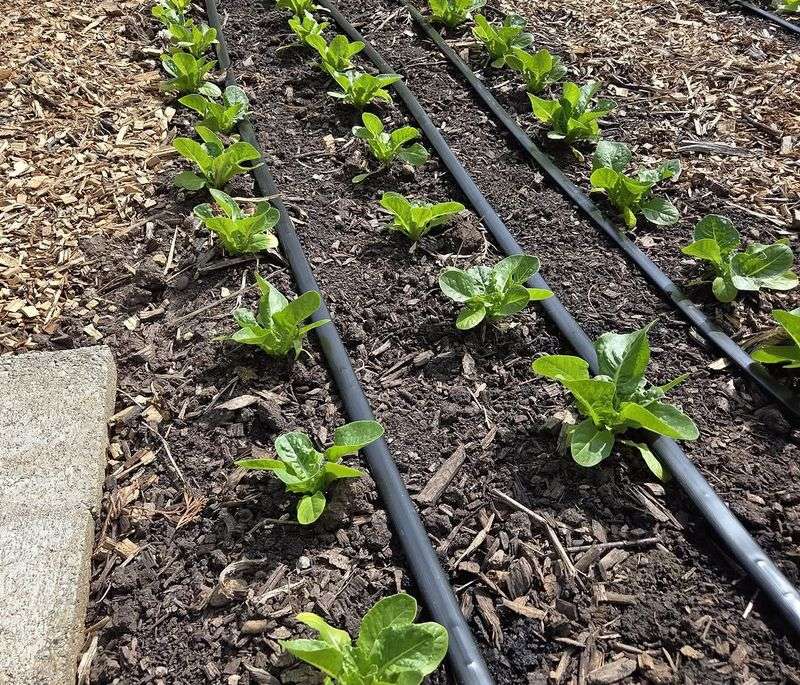
Spray irrigation wastes water in all the most irritating ways.
It blows into paths, wets leaves, mists into hot air, and waters empty spaces that never grew anything on purpose. In a dry California season, that kind of loss adds up fast.
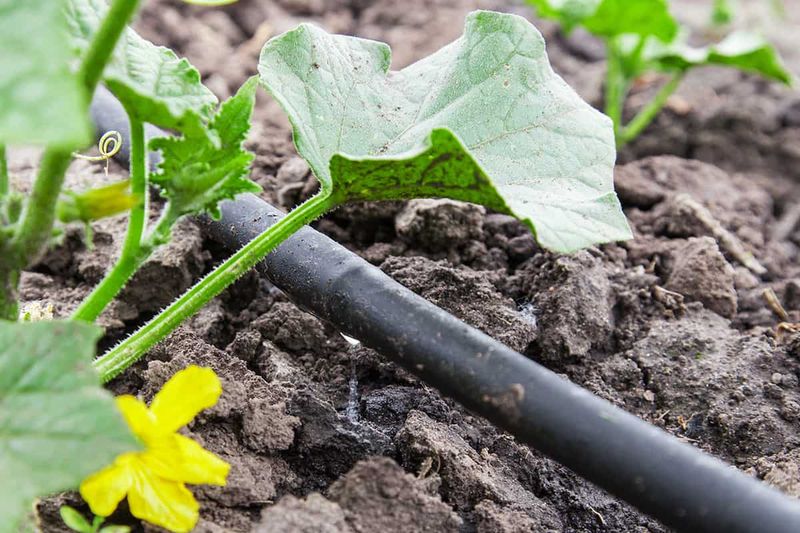
Drip irrigation puts water where the garden actually needs it: near roots.
A drip line, soaker hose, or emitter system delivers slow moisture at soil level. Less water lands on foliage, less evaporates midair, and fewer puddles form on walkways, patios, or bare spots.
Your California Garden Changes Every Week. Your Plan Should Too.
Gardening in California changes quickly throughout the season. Every Friday you’ll receive a simple weekly plan showing exactly what to plant, prune, fertilize, harvest, and protect so you never miss the right timing.
Placement matters. Emitters should sit where active roots can reach the moisture, not pressed right against a trunk or stem. As shrubs and trees grow, roots expand outward, so irrigation should move outward too.
Vegetable beds usually do well with lines running along the crop row. Perennial beds may need emitters around each plant’s root zone.
Trees and large shrubs often need several emitters spread beneath the canopy area rather than one drip point at the base.
Check pressure. Too much pressure can turn a drip system into a tiny sprinkler system, which defeats the purpose. A pressure regulator can keep water moving slowly and evenly.
Inspect monthly. Emitters clog, lines shift, and one dry pocket can stress a plant even when the rest of the bed looks fine.
Cover drip lines with a light mulch layer to reduce evaporation and protect tubing from sun damage. Lift the mulch now and then to confirm water still flows.
Drip irrigation will not make every soil perfect, but it makes moisture easier to aim, easier to conserve, and much less likely to vanish before roots benefit.
3. Check Moisture Below The Surface
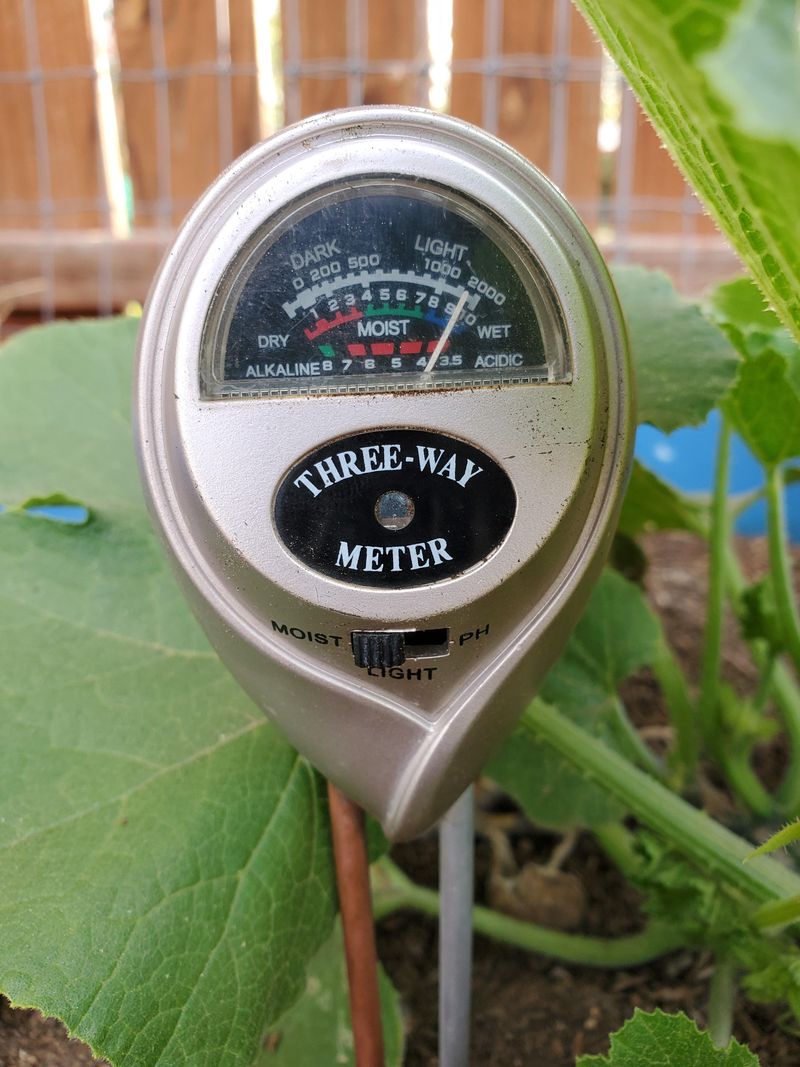
Soil is a terrible liar from above.
A cracked surface can hide damp soil a few inches down. A slightly moist top layer after fog, drizzle, or a light sprinkle can hide a dry root zone underneath.
If you water only by what the surface looks like, you may overwater one week and underwater the next.
Checking deeper keeps the garden honest.
Push a finger two inches into soft soil near the plant. If it feels cool and moist, wait. If it feels warm and dry, the plant may need water soon.
For deeper-rooted plants, use a trowel, screwdriver, soil probe, or moisture meter. Check four to six inches down for many annuals and vegetables, and deeper for shrubs and trees.
This habit matters because California weather shifts. A schedule that worked in June may be too much in October.
A coastal bed under fog may hold moisture longer than a sunny inland bed with the same plants. A mulched clay bed may stay damp while a raised sandy bed dries quickly.
Fixed calendars are convenient, but plants live in real soil, not calendar squares.
Check before watering, especially during seasonal changes, heat waves, and after unexpected rain. You will start learning how long your specific garden holds moisture after a deep soak.
Clay can stay wet in one pocket and dry in another. Sand may dry evenly but quickly. Containers can lose moisture faster than nearby ground beds.
Moisture checks also help prevent overmulching. If deeper soil stays damp, you may not need another layer of chips. You may need patience.
A two-minute check can save water, roots, and a lot of unnecessary garden fuss.
4. Add Compost To Improve Water Holding
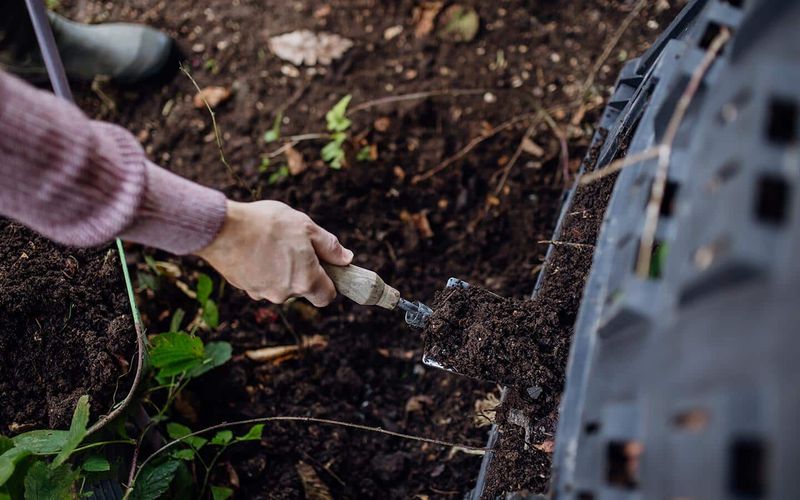
Compost helps soil hold water without burying plants under mulch.
That is its real value in dry-season gardening. Finished compost improves structure, helping water move into the soil and stay available longer. It works differently in different soil types, but both sand and clay can benefit.
In sandy soil, compost helps slow the rush of water through large pore spaces. Instead of draining away almost immediately, moisture has more organic matter to cling to.
In clay soil, compost can help open tight structure over time, making it easier for water and air to move through the root zone. That matters because clay can be both wet and hard to use, especially when compacted.
For a new bed, mix finished compost into the top several inches of soil before planting. Do not overdo it. The goal is better structure, not a soft, overly rich pocket that behaves nothing like the surrounding ground.
For established beds, top-dress instead. Spread a modest layer of compost around plants, keeping it away from stems and crowns. Rain, irrigation, worms, and soil life gradually move it downward.
Compost and mulch are not the same job. Compost improves the soil. Mulch protects the surface.
Using both lightly can work better than using one heavily. A yearly compost top-dressing plus a moderate mulch layer helps the bed hold moisture from within and lose less from above.
Use mature, finished compost. Fresh, unfinished material can tie up nitrogen, smell sour, or create problems near roots.
Compost also supports soil biology, which can improve long-term resilience.
It is not an instant miracle, but season after season, better soil becomes the garden’s best water-saving tool.
5. Keep Mulch Near Three Inches
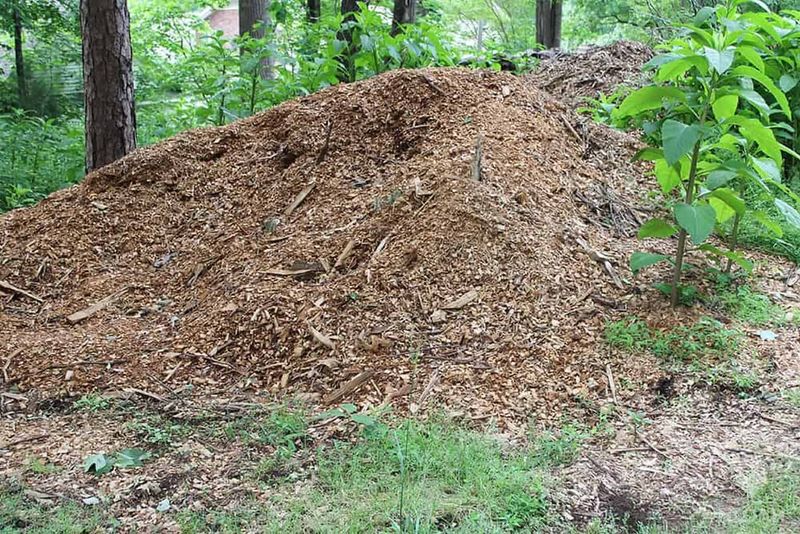
Mulch helps most when it behaves like a cover, not a wall.
A moderate layer protects soil from sun, slows evaporation, reduces crusting, and keeps root zones cooler. Too much can create new problems.
Thick mulch may shed water, stay soggy underneath, hide crown issues, or form a dense mat that blocks air and moisture movement.
For many coarse organic mulches, 2 to 3 inches is enough.
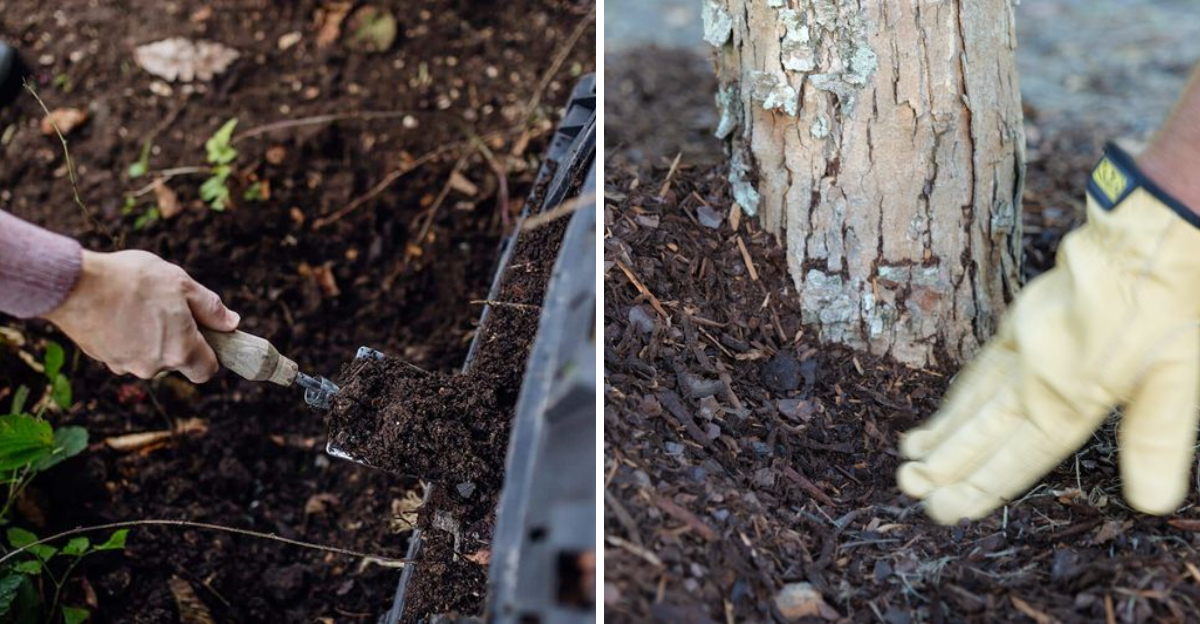
Arborist chips, bark pieces, and coarse shredded wood usually work well in that range. Fine materials such as compost, shredded leaves, or grass clippings can mat faster, so they often need a thinner layer.
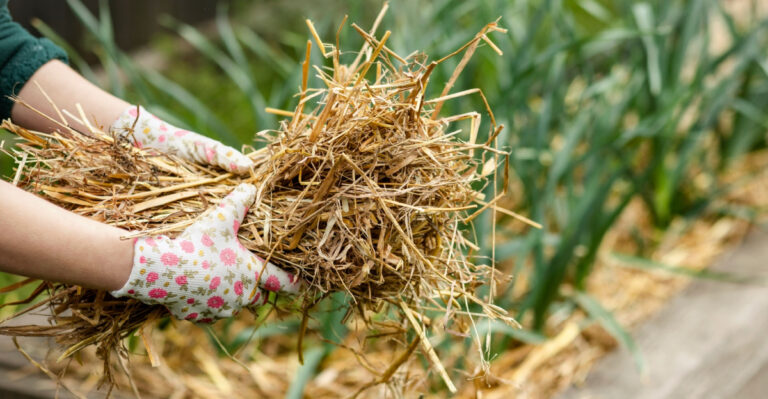
Vegetable beds may use straw or chopped leaves, but those materials break down quickly and may need gentle refreshing rather than heavy stacking.
Before adding more mulch, rake the existing layer. Sometimes the bed does not need more material. It needs the old layer loosened so water can pass through again.
Check after irrigation. Pull mulch aside and see if the soil underneath is actually damp. If the mulch is wet but the soil is dry, the layer may be too thick, too compacted, or water-repelling.
Fire risk also matters in parts of California. Near structures, many homeowners may need noncombustible materials or a defensible-space approach rather than thick organic mulch against the house.
Use gravel, decomposed granite, or other mineral mulch where fire safety and plant choice make sense, especially around drought-tolerant landscapes.
Mulch should support the irrigation plan, not replace it.
Three thoughtful inches can protect soil moisture beautifully. Six careless inches can turn into a problem disguised as good gardening.
6. Pull Mulch Away From Crowns
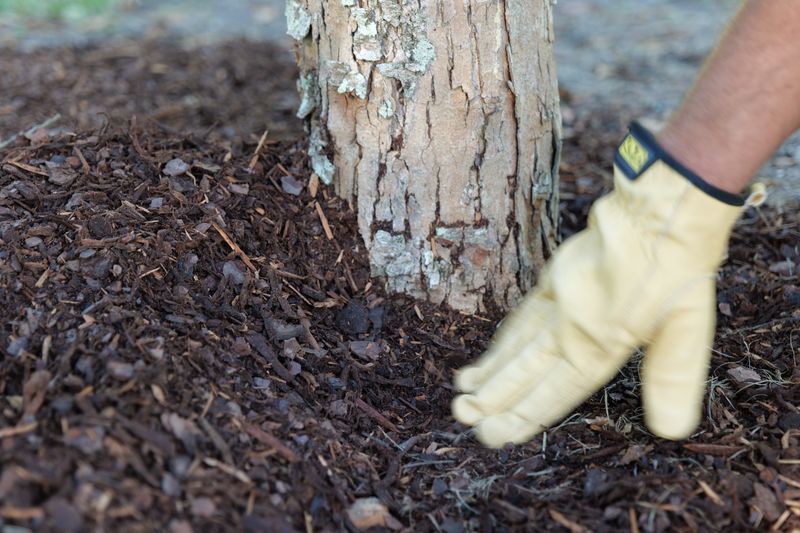
Mulch belongs over soil, not piled against living stems.
The classic volcano shape around trees and shrubs may look tidy from a distance, but it can trap moisture where bark needs air. That damp, hidden zone may invite decay, fungal trouble, pests, and long-term plant stress.
Keep the crown visible.
For trees, pull mulch back so the root flare shows, where the trunk widens into the soil. Burying that flare under mulch or soil can slowly weaken the tree.
For shrubs and perennials, leave several inches of open space around the base. This is especially important for plants adapted to dry summers, including many California natives and Mediterranean herbs.
Lavender, rosemary, sages, buckwheats, manzanitas, and other crown-sensitive plants can resent wet material packed against their stems. A plant that likes dry air around its crown may decline if mulch holds moisture there after irrigation or winter rain.
That open ring also makes inspection easier. You can see stem damage, pest activity, rot, gopher disturbance, or irrigation problems before they become serious.
Do not confuse a clear crown with bare, baked soil everywhere. The open space can be modest. Mulch can still cover the wider root zone while the stem base stays free.
After wind, irrigation, pets, or foot traffic, mulch can creep back toward crowns. Rake it away during routine garden checks.
This is one of the simplest moisture-management habits, and it prevents some of the most avoidable plant losses.
The goal is protected soil with breathing room at the base.
That small gap can keep a water-saving mulch layer from becoming a plant-smothering one.
7. Shade Soil With Living Plants
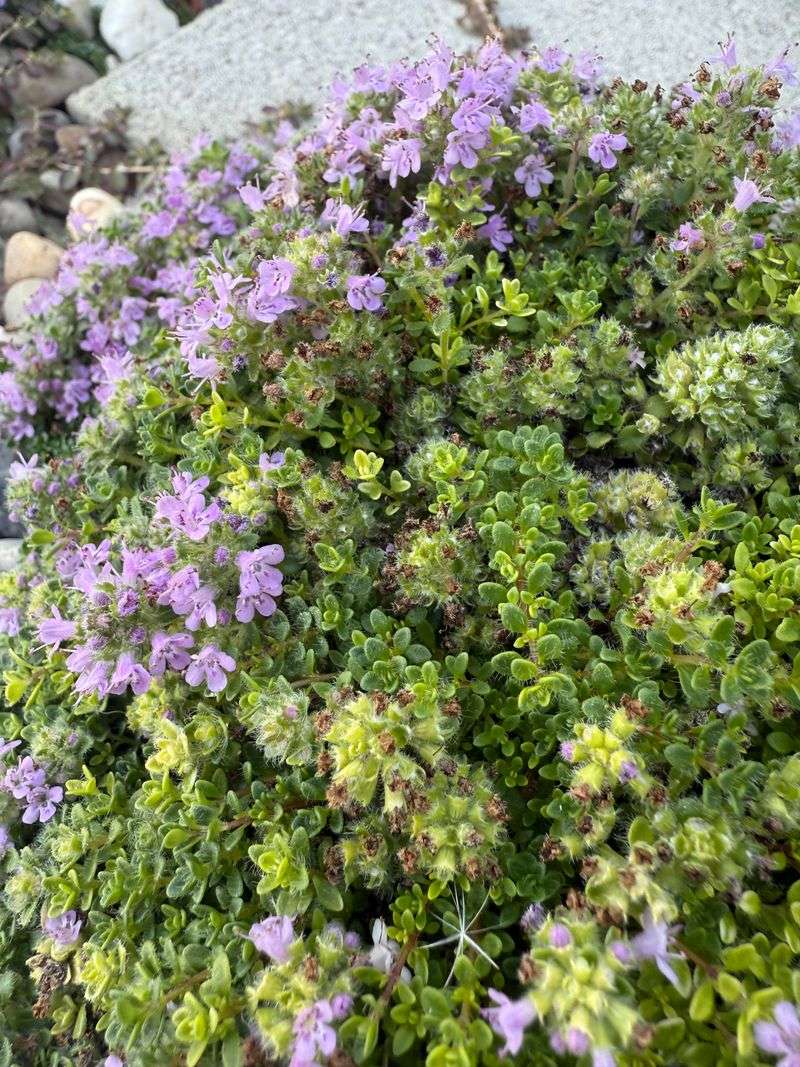
Living shade can protect soil better than another bag of mulch.
Bare ground bakes fast in California sun. When low plants, groundcovers, bunchgrasses, or spreading perennials cover the soil, they reduce direct heat, slow wind at the surface, and help create a cooler microclimate around roots.
This is not the same as crowding every inch. Plants still need airflow and mature space.
The goal is layered coverage. Taller plants cast shade. Lower plants cover gaps. Roots help hold soil structure. Leaf litter and natural debris add organic matter gradually.
Groundcovers can work well where their water needs match the rest of the bed. Creeping thyme, native sedges, low-growing native perennials, and climate-appropriate lawn alternatives may all help shade soil in the right setting.
In vegetable gardens, cover crops can protect soil during off-seasons. A mix of legumes and grasses can reduce erosion, feed soil life, and add organic matter before the next crop cycle.
Do not pair a thirsty groundcover with drought-tolerant shrubs unless you want irrigation conflict. The bed should share one reasonable water rhythm.
Spacing matters too. Plants set at thoughtful distances may knit together over time and shade soil naturally. Plants set too far apart leave hot gaps for years. Plants set too tightly compete, decline, and create disease-prone thickets.
Living mulch can also make a garden look more intentional during dry months. Instead of bare dusty space between plants, you get texture, bloom, and cooler soil.
It takes planning, but once established, a planted surface often outperforms a constantly refreshed mulch layer.
The soil stays shaded because the garden itself is doing part of the work.