How To Keep Chipmunks Out Of Your North Carolina Garden
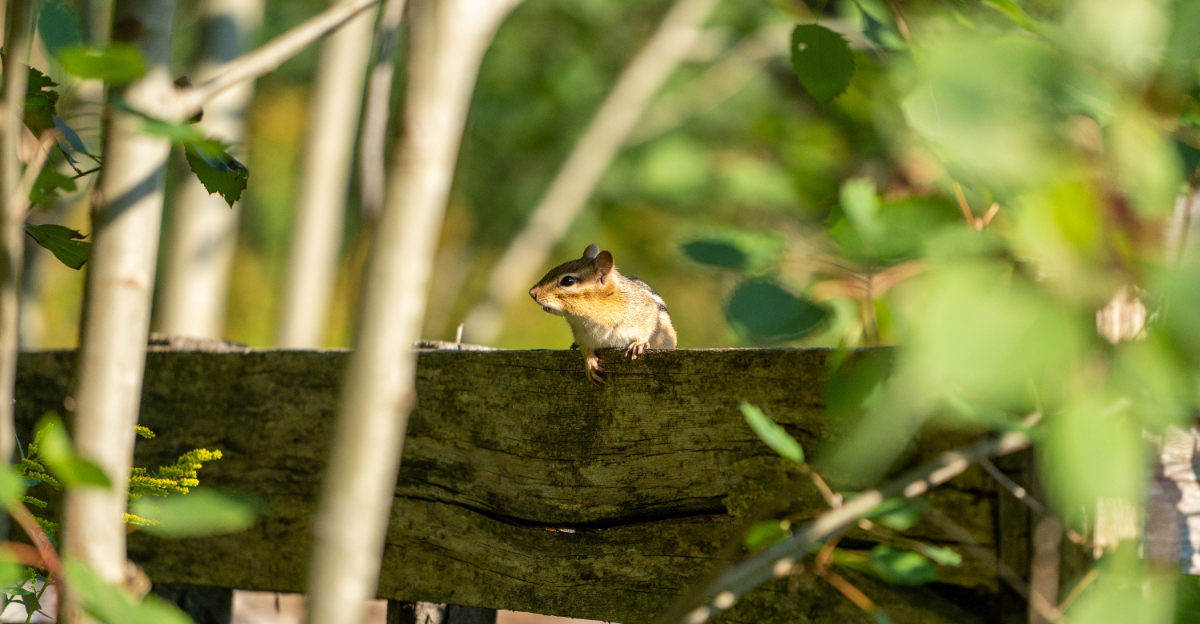
They may look cute and harmless, but chipmunks can turn a peaceful North Carolina garden into a digging zone almost overnight.
One day your beds look perfect, the next you find missing bulbs, chewed seedlings, and small holes where these busy little visitors have been hard at work.
Their tunneling can loosen soil, disturb roots, and even affect drainage, slowly undoing the effort you put into planting and care. The good news is you do not need harsh or harmful methods to protect your space.
Many gardeners are finding success with simple, smart strategies that quietly make gardens less inviting to chipmunks while keeping plants safe and healthy.
With a few thoughtful changes, you can discourage digging, protect young growth, and keep your garden looking full, productive, and beautiful without disrupting the natural balance of your outdoor space.
Install Hardware Cloth Or Wire Fencing
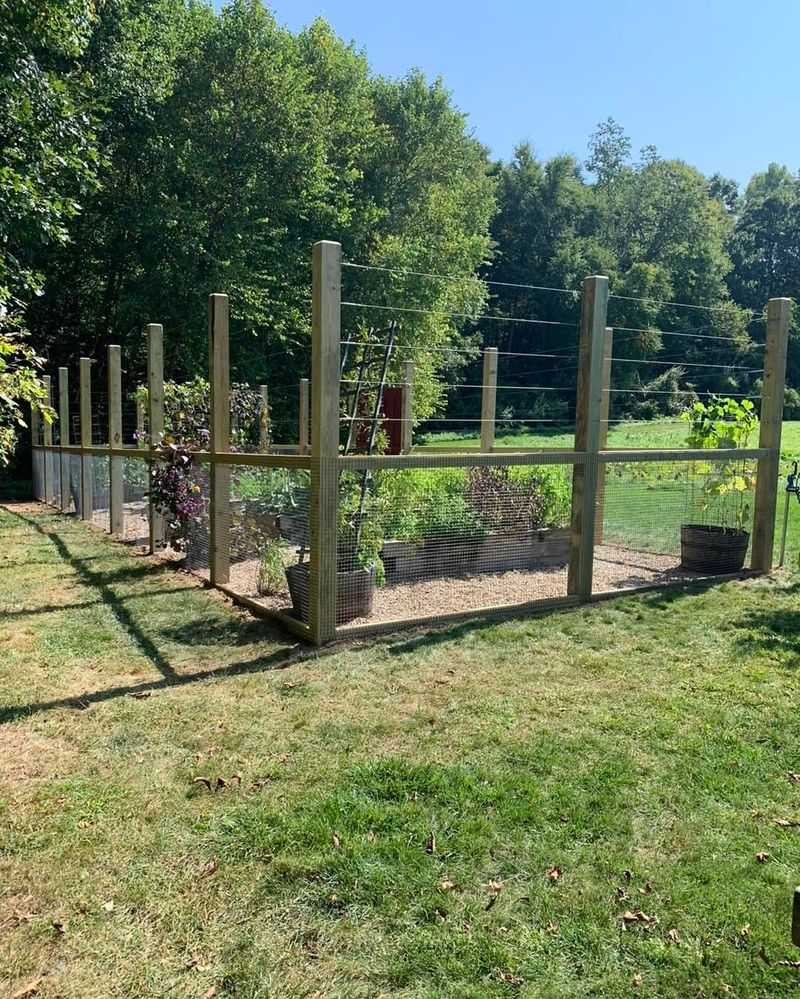
Garden beds need solid protection from persistent diggers. Hardware cloth creates an impenetrable barrier that chipmunks simply cannot breach.
The material comes in rolls and features a tight grid pattern that blocks even the smallest paws. Choose hardware cloth with mesh openings of half an inch or smaller. Larger gaps allow chipmunks to squeeze through or reach their paws inside.
The galvanized steel version resists rust and lasts for years, even through humid North Carolina summers and wet winters.
Install the fencing around the perimeter of your garden beds. Push it several inches into the soil for stability.
You can bend the top edge outward to create an overhang that discourages climbing attempts.
This method works beautifully for vegetable gardens and flower beds alike. Water and sunlight pass through freely while chipmunks stay out.
The mesh also allows air circulation, preventing moisture buildup that could harm plant roots. Secure the fencing with landscape staples or zip ties to support posts. Check the barrier regularly for any gaps or damage.
A well-maintained fence provides season after season of reliable protection without chemicals or complicated maintenance routines.
Use Raised Beds With Buried Fencing
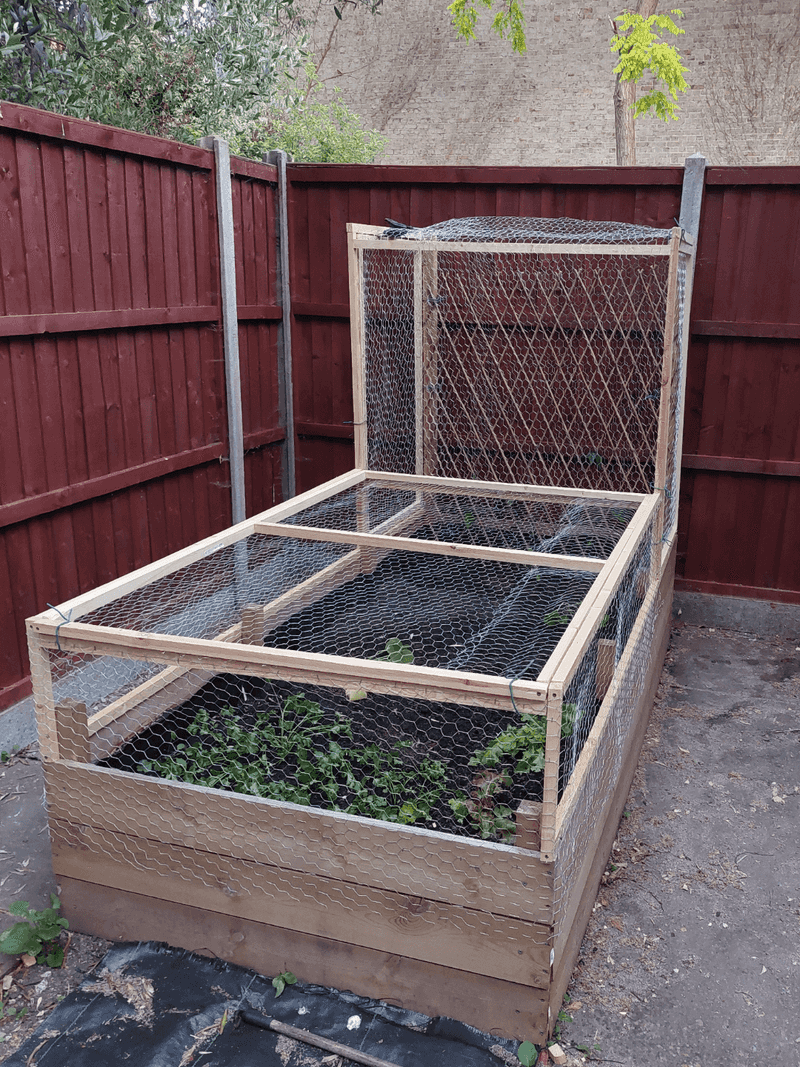
Raised beds offer more than just easier gardening at a comfortable height. When you add buried fencing beneath them, you create a fortress that protects plant roots from underground invaders.
Chipmunks are talented diggers, but they cannot tunnel through properly installed barriers.
Bury hardware cloth or chicken wire six to twelve inches below your raised bed. This depth stops most burrowing attempts.
The mesh should extend across the entire bottom of the bed, creating a solid floor that chipmunks cannot penetrate.
Build your raised bed frame first, then line the bottom with mesh before adding soil. Overlap the edges by several inches if you need multiple pieces. Secure everything with staples or wire to prevent gaps from forming over time.
This technique protects valuable bulbs, tubers, and root vegetables. Carrots, potatoes, and tulip bulbs remain safe underground.
Your plants develop strong root systems without interference from hungry critters searching for snacks.
The buried mesh also prevents moles and voles from accessing your garden from below. You get triple protection with one installation.
Raised beds with buried fencing require initial effort but deliver years of worry-free gardening in North Carolina’s active wildlife environment.
Remove Debris And Brush Near Gardens
Chipmunks love clutter because it provides perfect hiding spots from predators. Leaf piles, brush heaps, and stacked wood create cozy shelters where these critters feel safe.
Your garden becomes much less attractive when you eliminate these convenient hideouts. Start by clearing away fallen leaves regularly, especially near garden borders. Rake them into compost bins instead of leaving piles scattered around.
Move firewood stacks at least twenty feet away from garden areas and elevate them off the ground on racks.
Trim back overgrown shrubs and remove dead branches that create dense thickets. Open spaces feel exposed to chipmunks, making them nervous about venturing across.
They prefer traveling under cover where hawks and other predators cannot spot them easily.
Keep mulch layers thin, around two to three inches maximum. Thick mulch piles become burrowing sites and nesting material sources. Refresh mulch annually and spread it evenly rather than creating deep mounds.
Store garden tools, pots, and supplies in sheds rather than leaving them scattered. Each item left outside becomes potential shelter.
A tidy garden perimeter sends a clear message that your space offers no comfortable accommodations for visiting chipmunks seeking a safe place to nest or hide.
Plant Bulbs In Protective Cages
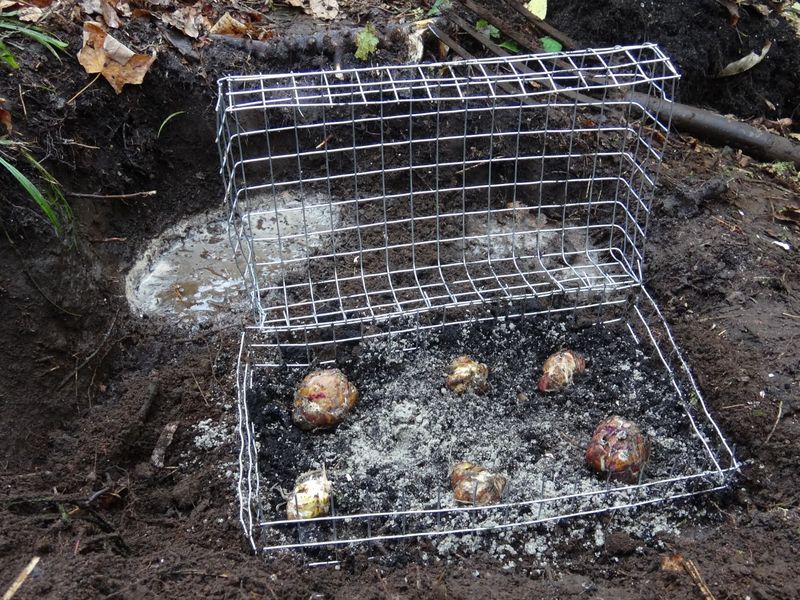
Spring bulbs represent significant investment and anticipation for gorgeous blooms. Watching chipmunks dig them up and carry them away feels incredibly frustrating.
Wire cages solve this problem elegantly while allowing bulbs to grow normally and produce beautiful flowers.
Purchase bulb cages made from galvanized wire or create your own from hardware cloth. The cage should have openings small enough to block chipmunk paws but large enough for shoots to emerge.
Bury each cage with bulbs inside at the proper planting depth. Place tulips, crocuses, and other tempting bulbs inside individual cages or group several together. The wire protects the bulbs during their vulnerable period underground.
Once shoots emerge and grow tall, chipmunks lose interest because the tasty bulb sits safely below.
This method works beautifully for expensive or rare bulb varieties. You can reuse cages year after year, making them a smart long-term investment.
After flowers fade and foliage withers, lift the cages to divide bulbs or leave them in place for perennial protection.
Plastic bulb baskets also work well and cost less than wire versions. They provide similar protection while being easier to handle.
Either option lets you enjoy spectacular spring displays without worrying about chipmunk raids destroying your carefully planned garden design.
Apply Safe Repellents
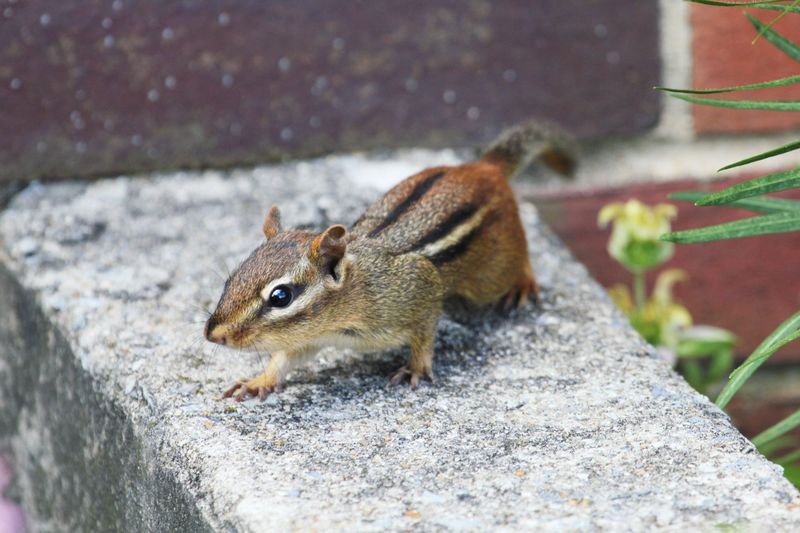
Repellents work by making your garden smell or taste unpleasant to chipmunks without causing them harm. These products trigger natural avoidance behaviors, encouraging critters to seek food elsewhere.
Several safe options exist that protect plants while respecting wildlife. Capsaicin-based sprays use hot pepper extracts that irritate chipmunk noses and mouths. Apply these to plants, bulbs, and soil surfaces where chipmunks dig.
Reapply after rain or heavy watering since moisture washes away the active ingredients. Predator urine products mimic the scent of foxes, coyotes, or bobcats. Chipmunks instinctively avoid areas where predators mark territory.
Soak cotton balls or use granular formulas around garden perimeters. Replace them every few weeks for continued effectiveness.
Garlic and peppermint oil sprays also deter chipmunks naturally. Mix these essential oils with water and spray affected areas.
The strong scents overwhelm their sensitive noses and discourage feeding and digging behaviors.
Always choose products labeled safe for gardens and follow application instructions carefully. Rotate between different repellent types to prevent chipmunks from becoming accustomed to any single scent.
Combining repellents with physical barriers creates the most effective defense strategy for North Carolina gardens facing persistent chipmunk pressure throughout the growing season.
Encourage Natural Predators
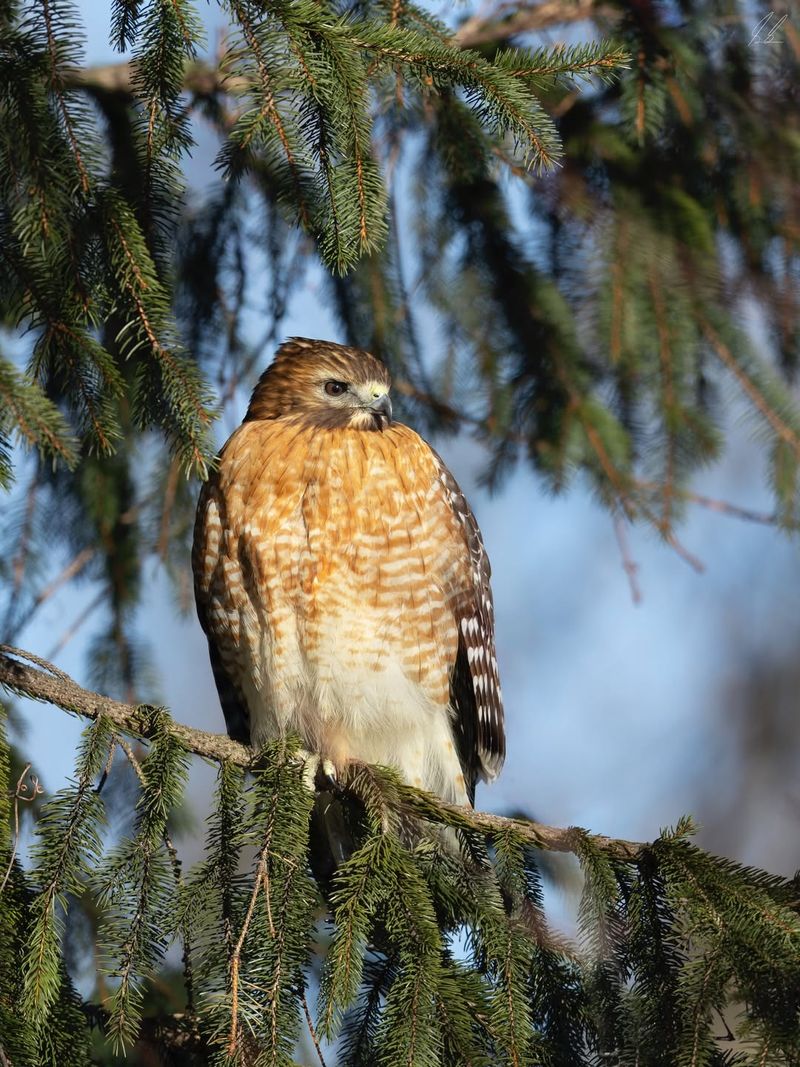
Nature provides excellent chipmunk control through predators that hunt these small rodents. Hawks, owls, foxes, and snakes all consider chipmunks tasty meals.
Creating habitat that attracts these hunters helps maintain balanced wildlife populations without human intervention.
Install owl boxes on tall poles around your property. Barn owls and screech owls hunt actively at dawn and dusk when chipmunks are most active.
A single owl family can consume dozens of rodents weekly, providing natural population control. Leave dead standing trees if they pose no safety hazard. These snags attract woodpeckers and create cavities where owls nest.
Hawks prefer tall perches for scanning open areas, so preserve mature trees around garden edges.
Avoid using rodent poisons that could harm predators eating affected chipmunks. Poisoned prey passes toxins up the food chain, harming beneficial wildlife.
Let natural hunters do their work safely and effectively instead. Create brush piles away from gardens where snakes can shelter. Many snake species eat small rodents and help control populations.
While some people feel nervous around snakes, most North Carolina species are harmless and provide valuable pest management services for gardeners willing to share space with these efficient hunters.
Use Mulches That Discourage Burrowing
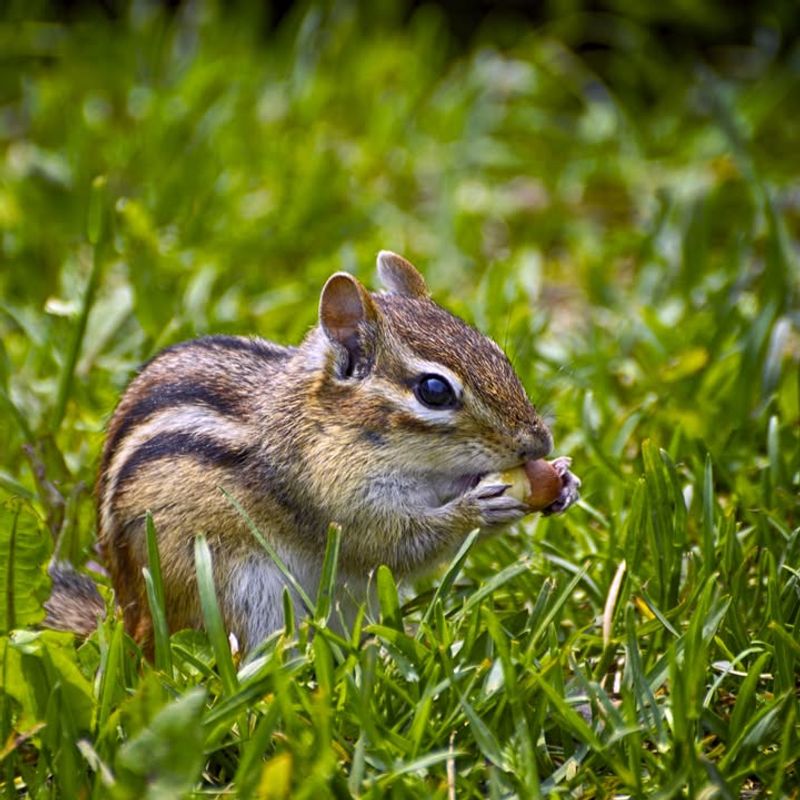
Mulch choice significantly impacts chipmunk activity around your garden. Fine, loose mulches like shredded bark create perfect burrowing material and comfortable nesting spots.
Switching to coarser options makes your garden beds far less appealing to these persistent diggers.
Stone mulch or pea gravel works exceptionally well for discouraging chipmunks. These materials feel uncomfortable under their paws and cannot be moved easily for burrow construction.
The weight and hardness make digging extremely difficult and unrewarding. Pine bark nuggets in larger sizes also deter burrowing better than finely shredded versions. Choose chunks two to three inches across.
They shift and roll when chipmunks try digging, frustrating their efforts and encouraging them to search elsewhere.
Avoid piling any mulch more than three inches deep. Thick layers create cozy insulation that attracts nesting animals.
Spread mulch evenly and refresh it annually rather than adding new layers on top of old decomposing material.
Cocoa hull mulch smells unpleasant to many animals, though it can be toxic to dogs if eaten. Consider your pets before choosing this option.
Rubber mulch made from recycled tires also discourages digging while lasting many years without decomposition or replacement needs in North Carolina gardens.
Keep Bird Feeders Tidy
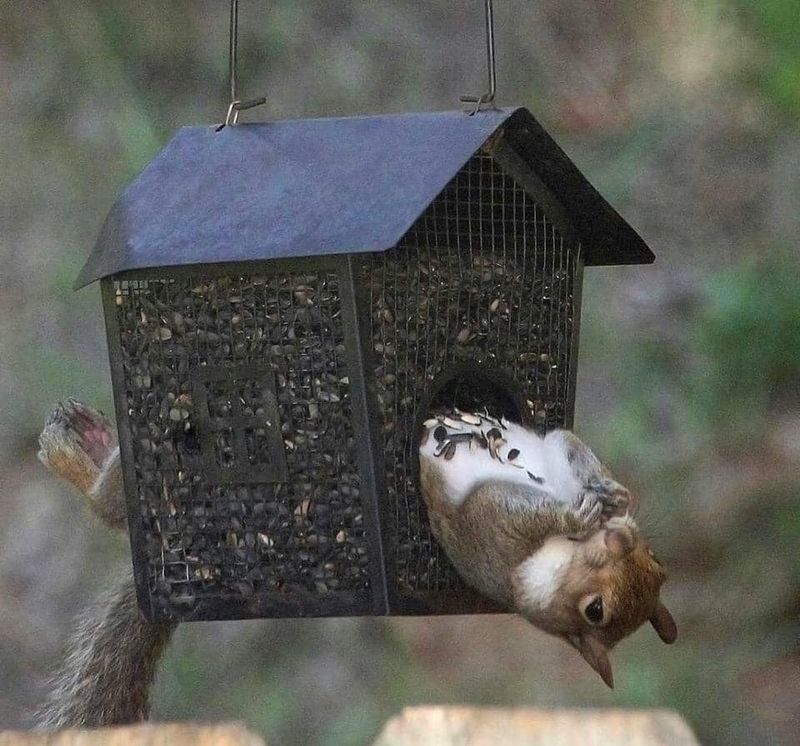
Bird feeders unintentionally create buffets that attract chipmunks from surrounding areas. Spilled seeds accumulate below feeders, offering easy meals that bring critters closer to your garden.
Managing feeders properly reduces this attraction significantly while still supporting backyard birds.
Place trays or platforms beneath feeders to catch falling seeds. Empty these daily and dispose of collected seeds away from garden areas.
This simple step eliminates the primary food source that draws chipmunks into your yard. Choose feeder designs that minimize spillage. Tube feeders with small perches work better than open platform styles.
Weight-activated feeders that close when squirrels or chipmunks climb on also prevent access to seeds.
Switch to seeds that chipmunks find less appealing. Safflower seeds attract cardinals and other songbirds but taste bitter to most rodents.
Nyjer thistle appeals to finches while being ignored by chipmunks searching for easier meals. Move feeders farther from garden areas during peak growing season. Position them at least thirty feet away from vegetable beds and flower borders.
This distance encourages chipmunks to stay near the feeder zone rather than exploring nearby gardens where your prized plants grow and tempting bulbs hide underground waiting for spring.
Install Motion-Activated Deterrents
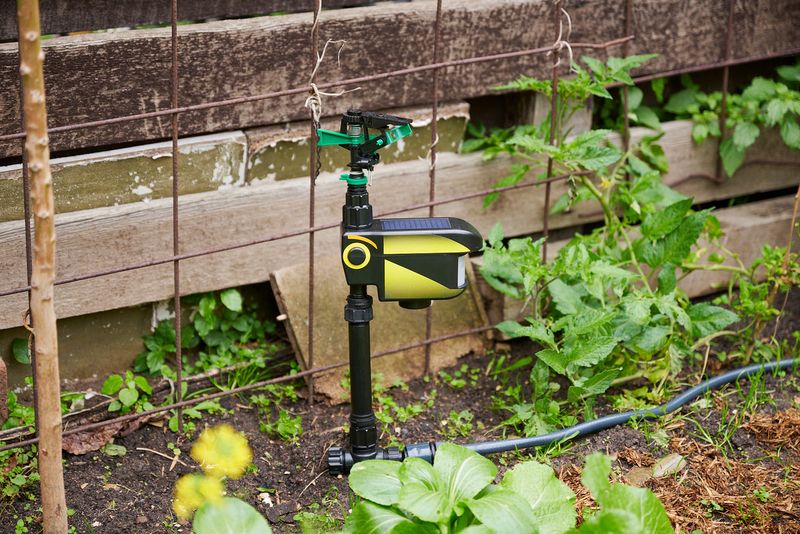
Technology offers humane solutions for discouraging garden visitors without causing harm. Motion-activated devices startle chipmunks with unexpected stimuli, teaching them to associate your garden with unpleasant surprises.
Over time, they learn to avoid the area entirely and seek food elsewhere. Motion-activated sprinklers detect movement and release sudden water bursts. The spray startles chipmunks without hurting them.
Position sprinklers to cover garden entry points and areas where you notice frequent activity or fresh digging.
Ultrasonic devices emit high-frequency sounds that irritate rodents but remain inaudible to humans. Place these around garden perimeters for continuous protection.
Battery-powered versions offer flexible placement without extension cords cluttering your yard. Motion-activated lights work well for deterring nighttime visitors. Sudden brightness triggers flight responses in nocturnal animals.
Solar-powered options charge during the day and activate automatically at dusk for convenient operation.
Rotate device locations every few weeks to prevent chipmunks from learning safe paths around them. Combine motion sensors with other deterrent methods for maximum effectiveness.
The intermittent activation pattern prevents habituation while using minimal water or electricity.
These devices provide season-long protection with little maintenance required, making them excellent choices for busy North Carolina gardeners seeking reliable automated solutions.
Maintain Regular Garden Observation
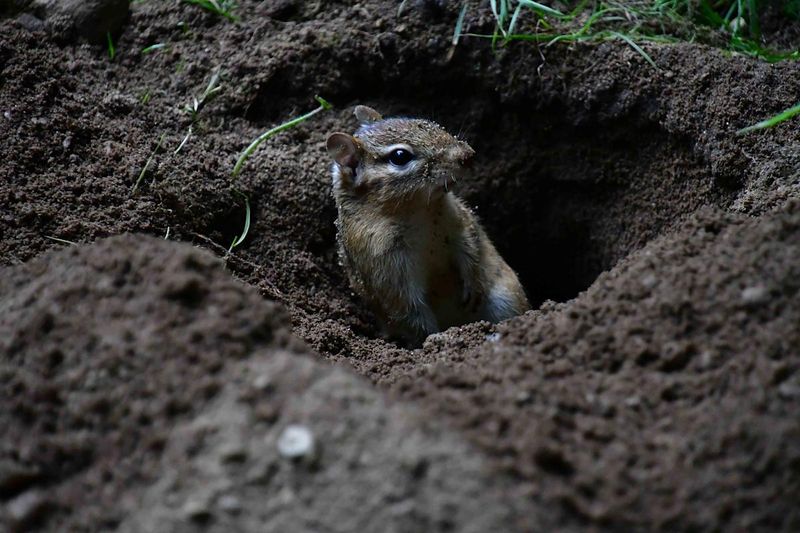
Vigilance prevents small problems from becoming major disasters. Regular garden walks help you spot chipmunk activity early when intervention remains simple and effective.
Daily observation becomes a pleasant routine that connects you with your growing space while protecting your investment.
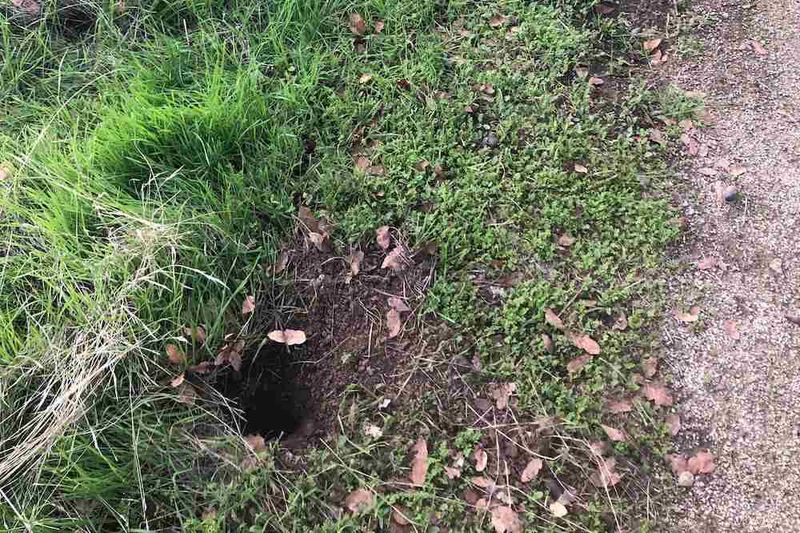
Check for fresh digging around plants each morning. Small holes and disturbed soil indicate recent chipmunk visits. Look for tiny paw prints in soft earth and tunnels along fence lines or under structures.
Inspect bulb planting areas frequently during fall and early spring. These periods see peak chipmunk activity as they cache food for winter or search for spring meals.
Missing plants or scattered soil signals immediate action is needed. Watch for damage patterns on vegetables and fruits. Chipmunks leave distinctive tooth marks different from insect damage or bird pecking.
Identifying the culprit correctly ensures you apply appropriate solutions rather than wasting time on wrong strategies.
Keep a simple garden journal noting when and where you observe chipmunk signs. Patterns emerge showing favorite entry points and preferred feeding spots.
This information helps you target deterrent placement effectively. Early detection allows prompt response before significant damage occurs, keeping your North Carolina garden healthy and productive throughout every growing season.