How To Keep Chipmunks Out Of Your Pennsylvania Garden?
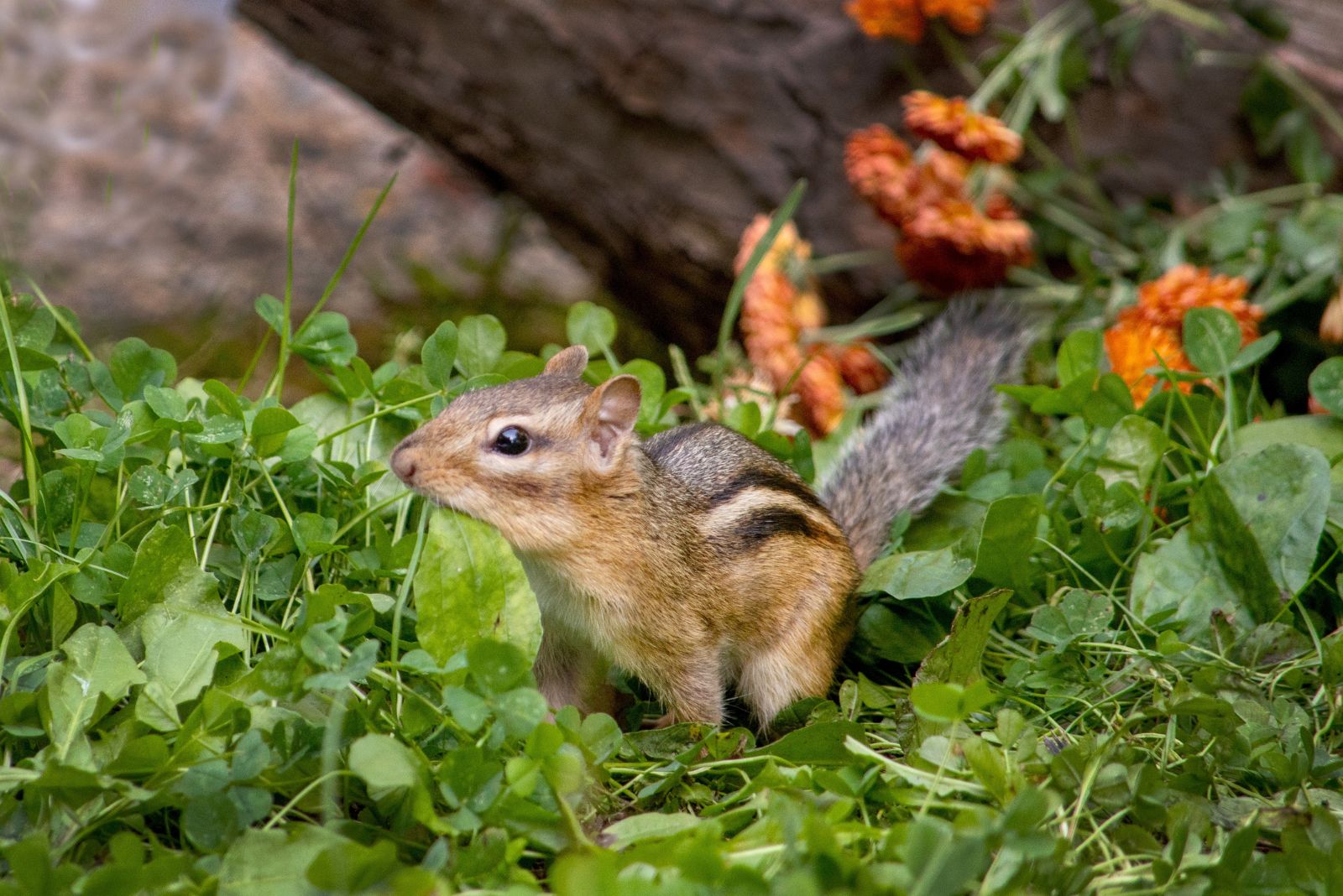
Chipmunks may look cute as they dart across the yard, but in a Pennsylvania garden they can quickly become tiny troublemakers. These energetic diggers love to tunnel under beds, nibble on bulbs, and snack on tender plants just as your garden begins to thrive.
A few small holes can turn into a maze of burrows, leaving roots disturbed and soil uneven. While their playful nature is fun to watch, most gardeners would rather admire them from a distance than deal with the damage they leave behind.
The good news is that keeping chipmunks out does not require harsh measures or constant effort. With a few smart strategies, you can protect your plants, reduce digging, and make your garden less inviting to these busy visitors.
A well planned approach helps you maintain a healthy, productive space while still enjoying the natural wildlife that makes Pennsylvania gardens feel alive and vibrant.
1. Why Chipmunks Invade Pennsylvania Gardens?
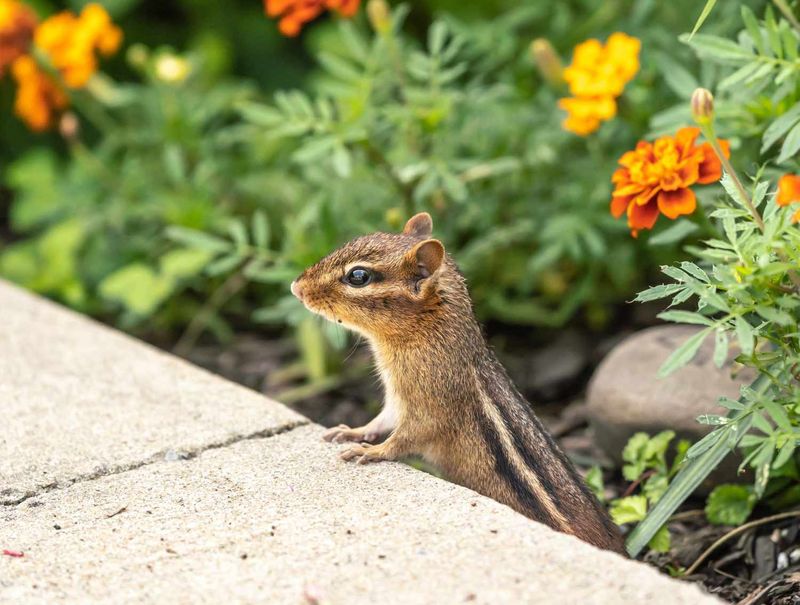
Pennsylvania gardens offer chipmunks everything they need to thrive. Food sources like flower bulbs, seeds, nuts, berries, and young vegetable shoots are irresistible to these hungry critters.
Your carefully planted tulip and crocus bulbs become tasty snacks, while bird feeders provide an endless buffet of sunflower seeds and other treats.
Shelter is another major draw for chipmunks in your yard. Woodpiles, dense shrubs, rock walls, and the spaces beneath decks and sheds create perfect hiding spots from predators.
These areas also serve as ideal locations for building extensive tunnel systems where chipmunks nest and store food for winter.
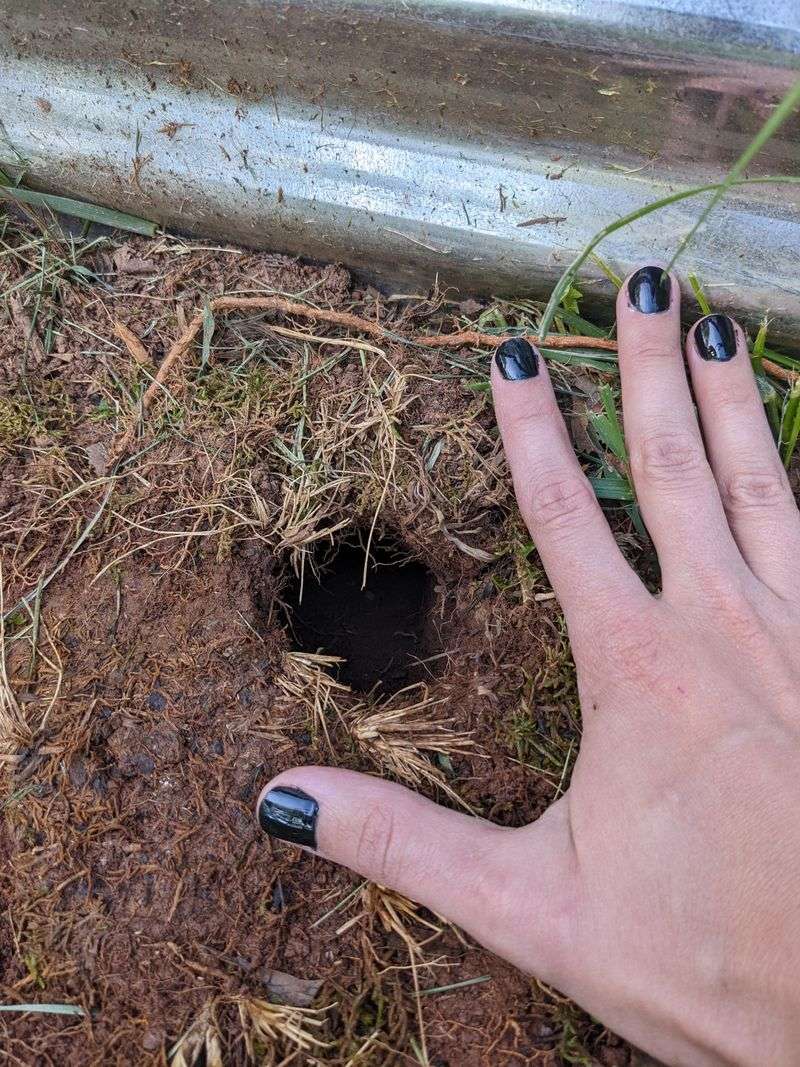
Recognizing the signs of chipmunk activity helps you address problems early. Look for small burrow openings about two inches wide, often hidden under plants or near structures.
You might notice freshly dug soil around your garden beds or discover that newly planted bulbs have vanished overnight. Missing seedlings and nibbled vegetables are also telltale signs.
Chipmunk activity peaks during specific seasons across Pennsylvania. Spring brings increased digging as they emerge from winter and search for food to replenish their energy.
They’re busy gathering nesting materials and establishing territories during these warmer months. Fall triggers another surge of activity when chipmunks frantically collect and store food for the approaching winter.
Understanding these patterns helps you time your prevention efforts effectively. When you know what attracts chipmunks and when they’re most active, you can implement targeted strategies.
Pennsylvania gardeners who recognize these behaviors early can protect their plants before significant damage occurs. Paying attention to seasonal changes and watching for warning signs gives you the advantage in keeping these persistent visitors at bay.
2. Remove Food Sources That Attract Chipmunks
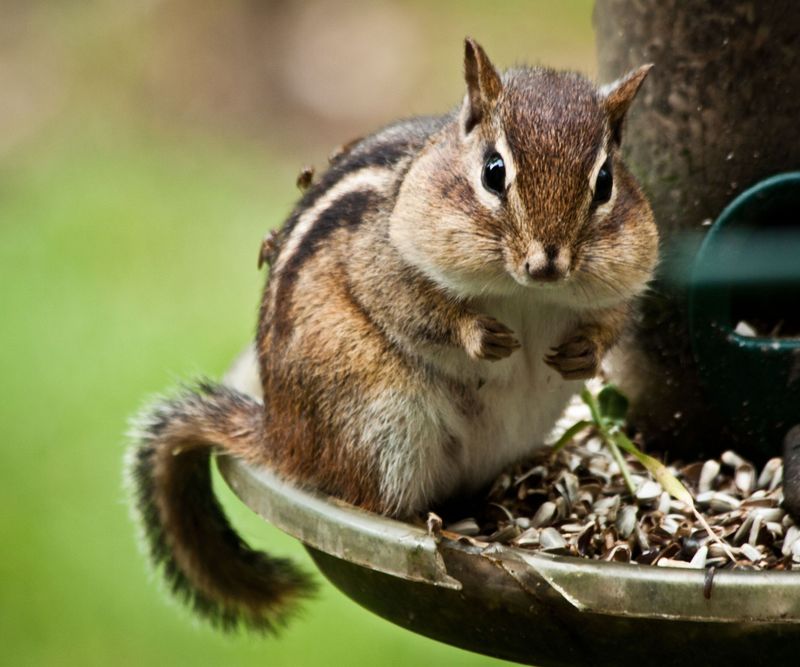
Eliminating available food is one of the most effective ways to discourage chipmunks from settling in your Pennsylvania garden. These opportunistic eaters will take advantage of any easy meal, so removing temptation makes your yard less appealing.
Start by cleaning up fallen seeds, nuts, berries, and fruit that accumulate under trees and shrubs throughout the growing season.
Bird feeders are major chipmunk magnets that require special attention. Position feeders at least ten feet from structures or trees that chipmunks can climb.
Consider using baffles on poles to prevent these acrobatic climbers from reaching the food. Clean up spilled seed daily since even small amounts on the ground will attract hungry visitors.
Protecting bulbs requires planning before you plant them. Chipmunks have an excellent sense of smell and will dig up tulips, crocuses, and other bulbs shortly after planting.
Cover newly planted bulb beds with chicken wire or hardware cloth until the ground freezes. You can also plant bulbs that chipmunks typically avoid, like daffodils and alliums, which contain compounds they find unappealing.
Young vegetable plants and seedlings need extra protection during their vulnerable early stages. Use row covers or netting over tender shoots until plants become established and less attractive to nibblers.
Harvest ripe vegetables and fruits promptly since overripe produce left on plants or fallen on the ground creates an irresistible food source.
Pet food left outdoors is another common attractant that Pennsylvania homeowners often overlook. Feed pets indoors whenever possible, or remove bowls immediately after feeding times.
Even small amounts of kibble can sustain chipmunk populations and encourage them to stick around your property. By consistently removing these food sources throughout the season, you’ll send chipmunks searching for easier dining options elsewhere.
This approach requires diligence but delivers lasting results when combined with other prevention methods.
3. Block Burrows And Hiding Spots
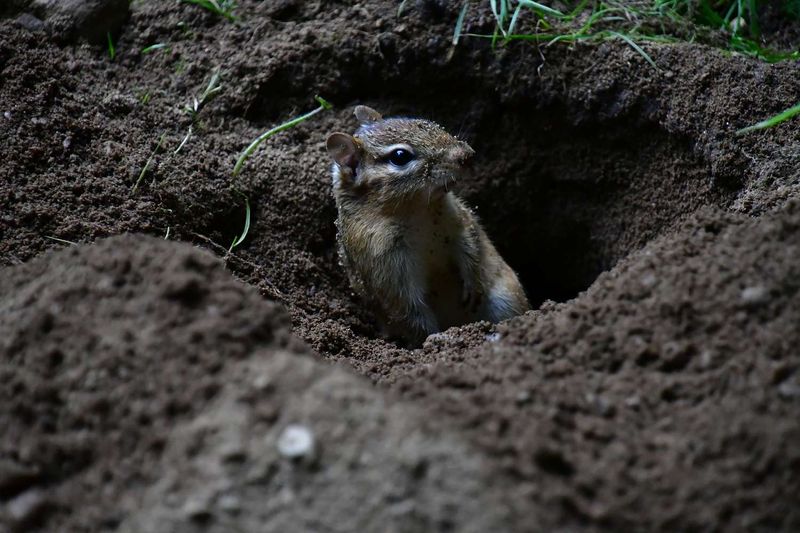
Chipmunks create extensive tunnel systems that can undermine walkways, patios, and garden structures throughout Pennsylvania properties. Locating and addressing these burrows is essential for long-term control.
Walk your property carefully to identify active entrance holes, which typically appear as clean, round openings about two inches across without dirt mounds nearby.
Filling burrows requires the right technique to prevent chipmunks from simply re-opening them. Wait until you’re certain the tunnel is empty, typically during midday when chipmunks are actively foraging above ground.
Use a mixture of soil and gravel rather than loose dirt alone, as the rocks make digging much more difficult for these determined excavators.
For burrows near foundations or under structures, pack the mixture firmly and monitor for several days. If chipmunks reopen the hole, you’ll need to repeat the process and consider adding additional deterrents nearby.
Some Pennsylvania gardeners have success placing a flat stone over filled holes as an extra barrier against re-entry.
Reducing available hiding spots makes your yard far less attractive to chipmunks seeking shelter. Remove brush piles, excess mulch, and dense ground cover near garden beds where chipmunks like to establish their territories.
Stack firewood at least twenty feet from your house and elevate it off the ground on a rack to eliminate cozy hiding spaces underneath.
Check around decks, patios, steps, and shed foundations for gaps that provide access to protected areas beneath these structures. Seal openings with hardware cloth, concrete, or other durable materials that chipmunks cannot chew through.
Pay special attention to corners and edges where materials meet, as these spots often develop small gaps over time.
Maintaining open sight lines throughout your Pennsylvania garden also helps. Trim low-hanging branches and thin out overgrown shrubs to reduce the covered pathways chipmunks prefer when moving around.
This exposure makes them feel vulnerable to predators and encourages them to relocate to safer territory.
4. Use Physical Barriers To Protect Plants
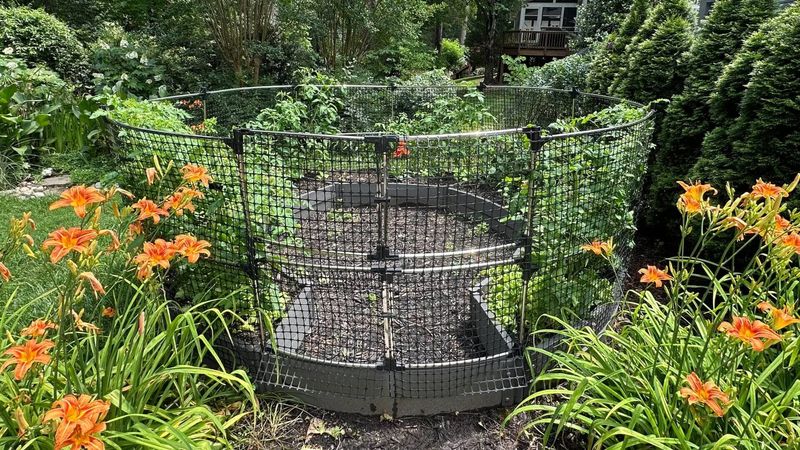
Creating physical barriers gives your Pennsylvania plants reliable protection against persistent chipmunk digging.
Hardware cloth with quarter-inch or half-inch mesh works better than chicken wire because the smaller openings prevent even young chipmunks from squeezing through. This sturdy material resists chewing and lasts for years when properly installed.
For bulb protection, dig your planting holes slightly deeper than usual and line the bottom with hardware cloth before adding soil and bulbs. Place another layer of mesh on top of the bulbs before covering with soil.
This creates a protective cage that allows roots and shoots to grow through while keeping chipmunks from reaching the bulbs themselves.
Garden fencing around vulnerable areas provides broader protection for multiple plants at once. Install fencing that extends at least twelve inches below ground to prevent burrowing underneath.
Above ground, a height of two to three feet is usually sufficient since chipmunks prefer running under barriers rather than climbing over them when easier options exist nearby.
Raised garden beds offer natural advantages against chipmunk damage when constructed properly. Line the bottom of raised beds with hardware cloth before filling with soil to create a protected growing environment.
The elevated sides also make it harder for chipmunks to access plants, especially when beds stand at least eighteen inches high.
Individual plant cages work well for protecting specific high-value specimens in your Pennsylvania garden. Form hardware cloth into cylinders around tomato plants, pepper plants, or prized flowers.
Secure the bottom edges into the soil and ensure the top extends above the plant’s current height to prevent climbing.
Temporary covers over newly seeded areas or transplanted seedlings provide crucial protection during vulnerable early growth stages. Use lightweight row covers, netting, or even inverted laundry baskets weighted down with stones.
Remove these covers once plants become established and less appealing to hungry chipmunks. Remember that physical barriers work best when combined with other prevention strategies for comprehensive garden protection.
5. Try Natural Deterrents Chipmunks Dislike
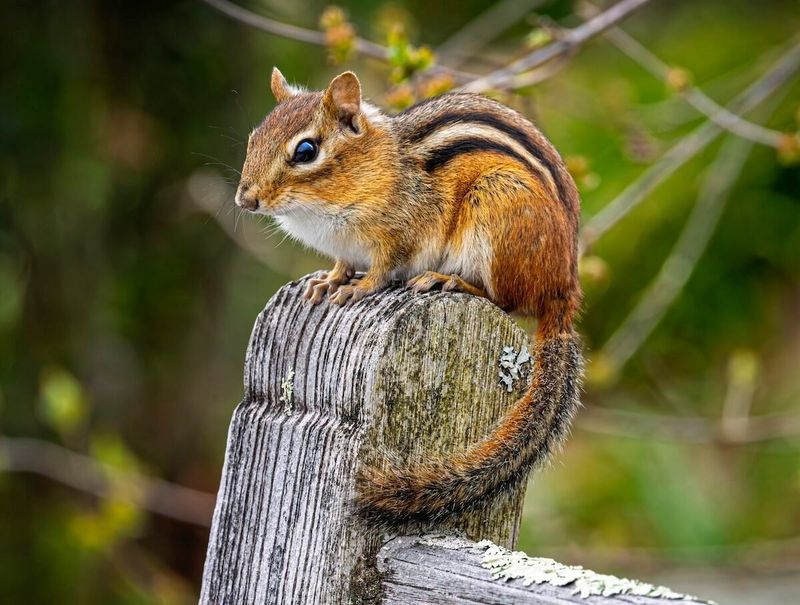
Natural deterrents offer Pennsylvania gardeners chemical-free options for discouraging chipmunks without harming them or your plants. Strong scents that humans find pleasant often repel these sensitive-nosed creatures effectively.
Peppermint oil mixed with water in a spray bottle creates a powerful deterrent when applied around garden borders and problem areas.
Garlic provides another scent-based solution that chipmunks strongly dislike. Crush fresh garlic cloves and steep them in water overnight, then strain and spray the liquid around vulnerable plants.
Reapply after rain or every few days for continued effectiveness. Some gardeners plant garlic and other alliums directly in their beds as living deterrents.
Predator scents trigger chipmunks’ natural fear responses and can convince them your yard isn’t safe. Products containing fox or coyote urine are available at garden centers throughout Pennsylvania.
Apply these around the perimeter of your garden and near burrow entrances. The scent signals danger and often prompts chipmunks to relocate quickly.
Taste deterrents protect bulbs and plants from nibbling when applied directly to foliage and growing areas.
Hot pepper spray made from cayenne powder mixed with water and a few drops of dish soap sticks to leaves and creates an unpleasant burning sensation. Coat bulbs with a commercial taste repellent before planting for added protection.
Motion-activated devices startle chipmunks and create an unpredictable environment they prefer to avoid. Sprinklers that detect movement and spray water work particularly well since chipmunks dislike getting wet.
Position these devices near high-traffic areas and adjust sensitivity to avoid wasting water on leaves blowing in the wind.
Motion-activated lights or ultrasonic devices offer additional options, though results vary among individual chipmunks. The key to success with any natural deterrent is rotation and consistency.
Chipmunks can become accustomed to single methods over time, so alternating between different deterrents maintains their effectiveness.
Apply repellents regularly throughout the growing season and especially after rainfall washes them away for best results in your Pennsylvania garden.
6. Long-Term Prevention For A Chipmunk-Free Garden
Maintaining a chipmunk-free Pennsylvania garden requires ongoing commitment rather than one-time efforts. Consistency in your prevention strategies makes the difference between temporary relief and lasting success.
Regular yard maintenance removes the conditions that attract chipmunks and encourages them to find more suitable habitat elsewhere.
Keep your property tidy by promptly removing fallen fruit, nuts, and seeds throughout the growing season. Rake up debris weekly rather than letting it accumulate into attractive food sources.
Trim grass regularly and pull weeds before they go to seed, eliminating additional food that sustains chipmunk populations around your garden.
Strategic plant selection in problem areas can significantly reduce chipmunk appeal. Replace frequently targeted plants with varieties these critters naturally avoid.
Daffodils, alliums, fritillaria, and hyacinths contain compounds that taste bad to chipmunks. Herbs like rosemary, lavender, and mint also tend to repel them with their strong scents.
Monitor your garden regularly for early warning signs of new chipmunk activity. Check weekly for fresh digging, new burrow openings, or damage to plants.
Addressing problems immediately prevents small issues from becoming major infestations. Walk your property’s perimeter and inspect vulnerable areas where you’ve had trouble before.
Document what works and what doesn’t in your specific Pennsylvania location. Keep notes about which deterrents prove most effective and when chipmunk pressure seems highest.
This information helps you refine your approach over time and prepare for seasonal activity peaks before they arrive.
Reduce shelter opportunities continuously by keeping woodpiles organized and away from garden areas. Remove brush piles promptly and avoid creating new hiding spots with lawn equipment or stored materials.
Maintain clear zones around structures where chipmunks might otherwise establish burrows.
Remember that complete prevention requires patience and multiple strategies working together. No single method provides perfect protection, but combining several approaches creates an environment where chipmunks choose to live elsewhere.
Stay vigilant, remain consistent with your efforts, and adjust tactics as needed for a thriving, chipmunk-free Pennsylvania garden year after year.