How To Keep Deer Away From Your Daylilies In Georgia
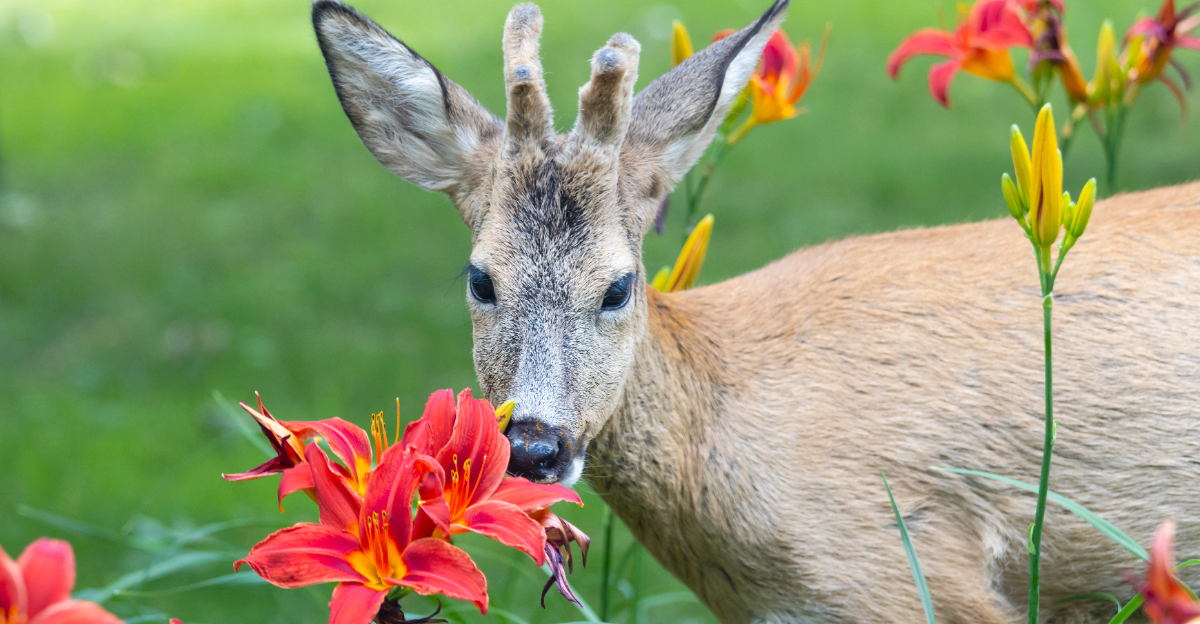
If deer keep chewing down your daylilies in Georgia, you’re not alone. These blooms may be tough in heat and humidity, but to a hungry deer, they’re an easy snack.
One night is all it takes to undo weeks of growth.
The good news is you don’t have to give up on your flowers. A few smart changes can make your yard far less inviting without turning it into a fortress.
The key is knowing what actually works in Georgia’s landscape, not just what sounds good online.
You can protect your daylilies without ruining the look of your garden. And once you put the right plan in place, those blooms can finally stay standing long enough for you to enjoy them.
1. Plant Daylilies Closer To High Activity Areas Deer Avoid
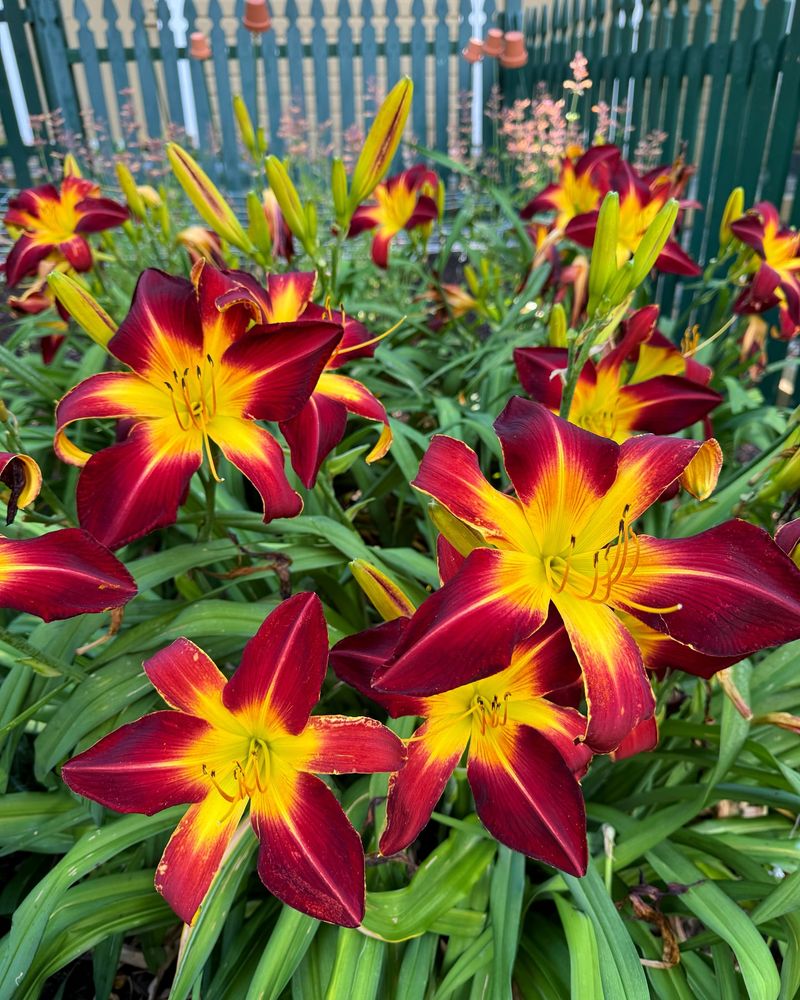
Deer are naturally cautious animals that prefer feeding where they feel safe from threats. Your front walkway, driveway, and porch create constant human presence that makes deer nervous.
By relocating daylilies to these high-traffic zones, you tap into their instinct to avoid areas where people frequently pass through.
Georgia neighborhoods with regular foot traffic, dog walkers, and car movement see significantly less deer browsing near homes.
Beds positioned within twenty feet of your main entrance or garage get visited far less often than those tucked in quiet corners of your property.
The scent trails, noise, and visual activity signal danger to deer, even when nobody is actively outside.
Consider clustering your most prized daylily varieties along paths you use daily. Morning coffee on the porch, evening strolls to the mailbox, and kids playing in the yard all contribute to an environment deer find uncomfortable.
This strategy works particularly well in suburban Georgia communities where homes sit closer together and activity levels stay consistent.
Raised beds near patios or deck areas offer another smart placement option. The elevation combined with proximity to doors and windows creates multiple deterrents at once.
Deer prefer ground-level browsing in secluded spots, not elevated plantings beside glass doors where movement and light patterns change constantly throughout the day.
Pairing this placement strategy with landscape lighting extends protection into evening hours when deer typically feed most actively across Georgia.
2. Use Tall Fencing Because Georgia Deer Can Jump Lower Barriers
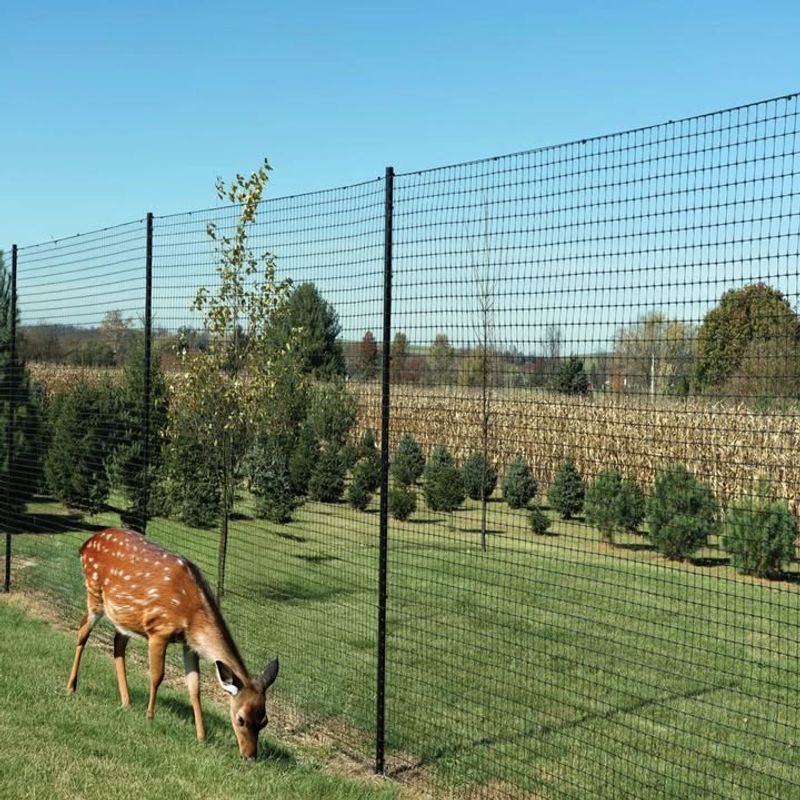
White-tailed deer in Georgia routinely clear obstacles up to six feet when motivated by hunger. That decorative three-foot garden border you installed looks charming but does absolutely nothing to stop determined deer.
Adult deer can leap eight feet vertically when necessary, though they typically avoid fences above seven feet unless severely pressured by food scarcity.
Professional-grade deer fencing starts at seven and a half feet minimum for reliable protection. Black polypropylene mesh fencing works well because it remains nearly invisible from a distance while creating an effective barrier.
Metal welded wire offers more durability but costs significantly more and requires stronger support posts. Both options need secure installation with posts sunk at least two feet deep in Georgia clay soil.
Angled fencing designs provide an alternative approach using slightly shorter heights. By installing a fence at a forty-five-degree angle leaning away from your garden, you create a psychological barrier deer hesitate to challenge.
This method uses the deer’s depth perception against them, making the obstacle appear more difficult than a vertical fence of the same height.
Sloped properties in North Georgia require special attention to fence installation. Deer can use downhill momentum to jump higher, so maintain consistent fence height relative to ground level on both sides.
Gates must close completely without gaps at the bottom where fawns might squeeze through.
Electric fencing adds another layer when properly maintained, though Georgia humidity and vegetation growth require monthly upkeep to prevent shorts in the system.
3. Rotate Scent Repellents Before Georgia’s Spring Rains Wash Them Away
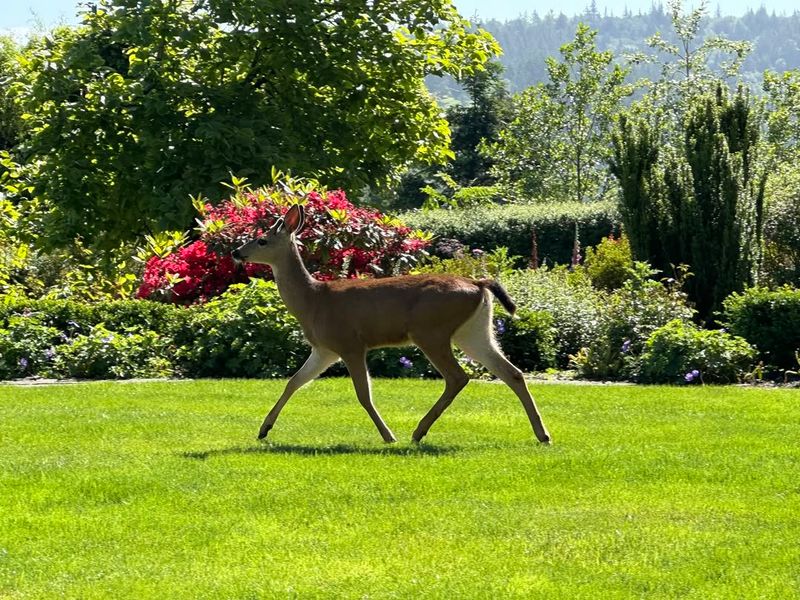
Spring in Georgia means afternoon thunderstorms that can dump two inches of rain in thirty minutes. Those expensive deer repellents you sprayed last week?
Most of them wash away or dilute to uselessness after heavy downpours. Products containing egg solids, garlic oil, or capsaicin need reapplication every seven to ten days during rainy periods, which describes March through May across most of the state.
Smart rotation between different repellent types prevents deer from acclimating to any single scent. Start your season with egg-based products, switch to predator urine formulas after two weeks, then move to botanical oil blends.
Deer learn to ignore familiar smells, but constantly changing scent profiles keeps them guessing and uncomfortable.
Granular repellents last slightly longer than sprays because they release scent gradually as they break down. Scatter them around the perimeter of daylily beds rather than directly on plants.
This creates a scent barrier without coating your flowers in smelly substances. Refresh granules after each significant rain event, not on a calendar schedule.
Georgia gardeners near wooded areas need more aggressive repellent schedules than those in open suburban settings. Deer populations in forested regions grow accustomed to human scents and require stronger, more frequently applied deterrents.
Combining multiple product types simultaneously increases effectiveness, though it also increases your maintenance workload and expense.
Store repellents in cool, dry locations between applications because Georgia heat and humidity degrade active ingredients rapidly. Check expiration dates and replace products that have separated or changed consistency.
4. Spray Early When New Daylily Shoots First Appear
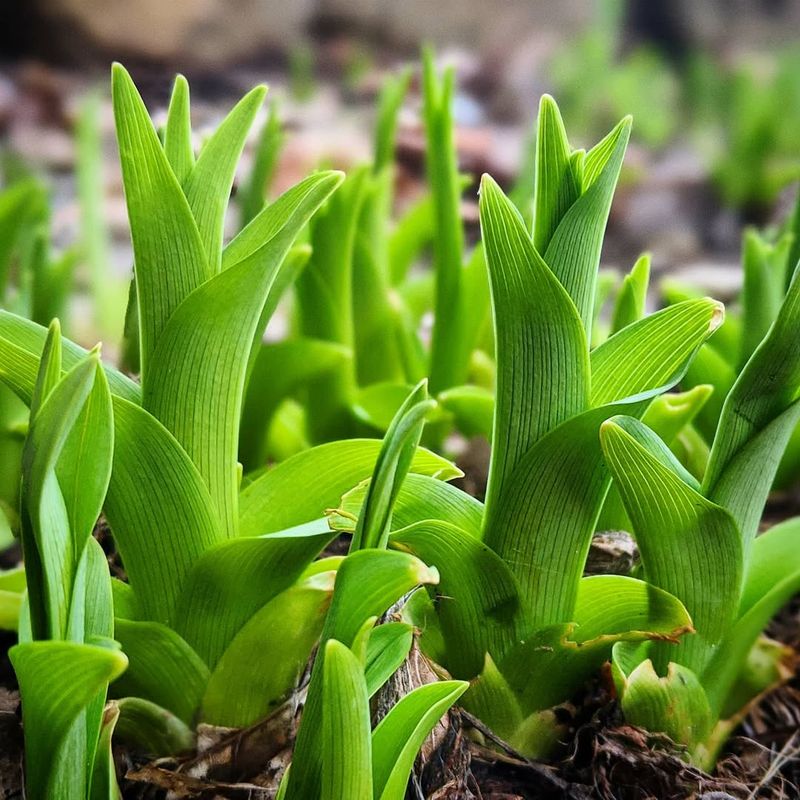
February and March bring the first daylily shoots poking through Georgia soil, and deer notice them immediately.
These tender young leaves contain higher moisture and nutrient concentrations than mature foliage, making them irresistible to hungry deer emerging from winter.
Waiting until you see damage means you have already lost weeks of growth and possibly the entire bloom cycle for affected plants.
Begin your spray program when shoots reach three inches tall, before deer establish feeding patterns in your beds. Once deer learn your yard offers easy meals, they return nightly and bring friends.
Early intervention breaks this cycle before it starts. Apply repellents in late afternoon when rain is unlikely overnight, giving products time to bond with plant tissue.
Focus initial applications on the most vulnerable cultivars. Diploid daylilies with thinner leaves get browsed more heavily than tough tetraploid varieties.
Newer hybrids bred for large blooms often sacrifice the bitter compounds that made older varieties less palatable to wildlife. Your fancy new introductions need extra protection compared to established clumps of old-fashioned varieties.
Georgia’s unpredictable spring weather complicates timing. A warm February can trigger early growth followed by March freezes that damage shoots.
Deer target this stressed foliage because damaged plants release attractive volatile compounds. Increase spray frequency during temperature fluctuation periods when plants are most vulnerable.
Systemic repellents absorbed through roots take two weeks to become effective, so apply them even earlier than contact sprays. These products work from inside the plant, making all tissue taste unpleasant rather than just coating surfaces.
5. Interplant Strongly Scented Herbs Deer Tend To Avoid
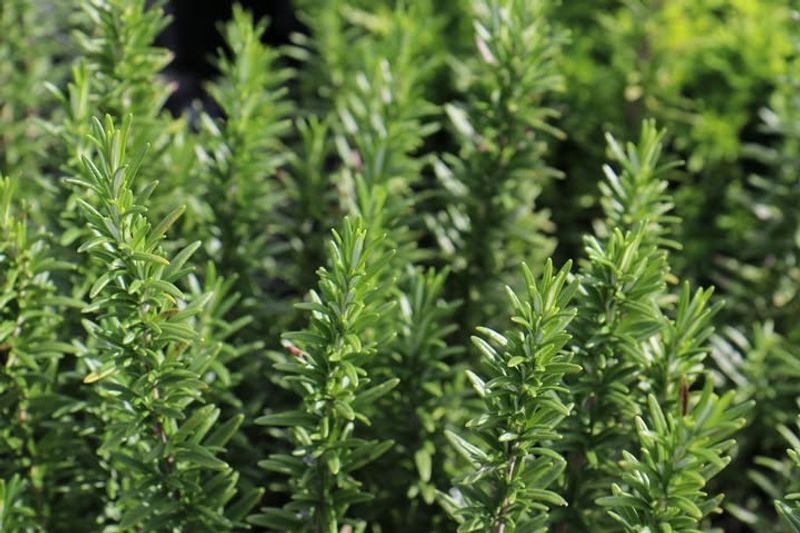
Rosemary bushes tucked between daylily clumps create confusion for browsing deer. The strong aromatic oils mask the appealing scent of your flowers while adding year-round structure to Georgia gardens.
Deer rely heavily on smell to identify food sources, and pungent herbs disrupt their ability to locate preferred plants. This companion planting strategy costs less than commercial repellents and looks better than bare mulch.
Ornamental alliums produce globe-shaped blooms in late spring while their onion-family scent deters casual browsing. Plant them in clusters of five to seven bulbs around the perimeter of daylily beds.
Their tall stems and architectural flowers add visual interest while serving a practical purpose. Georgia gardeners can leave allium bulbs in the ground year-round since winter temperatures rarely threaten them.
Sage varieties handle Georgia heat better than many herbs while offering fuzzy, scented foliage deer dislike. Both culinary and ornamental sages work equally well.
Space plants eighteen inches apart to create a living barrier that fills in by mid-season. The silvery foliage contrasts beautifully with daylily greens while serving as a functional deterrent.
Lavender struggles in Georgia humidity and clay soil but thrives when planted in raised beds with excellent drainage. Its intense fragrance and oil content make it highly effective at repelling deer.
Choose varieties bred for heat tolerance like Phenomenal or Grosso rather than English lavenders that sulk in Southern summers.
Rotate herb plantings every few years to prevent deer from adapting to their presence and learning to browse around them.
6. Avoid Fertilizers That Create Extra-Tender Growth Deer Prefer
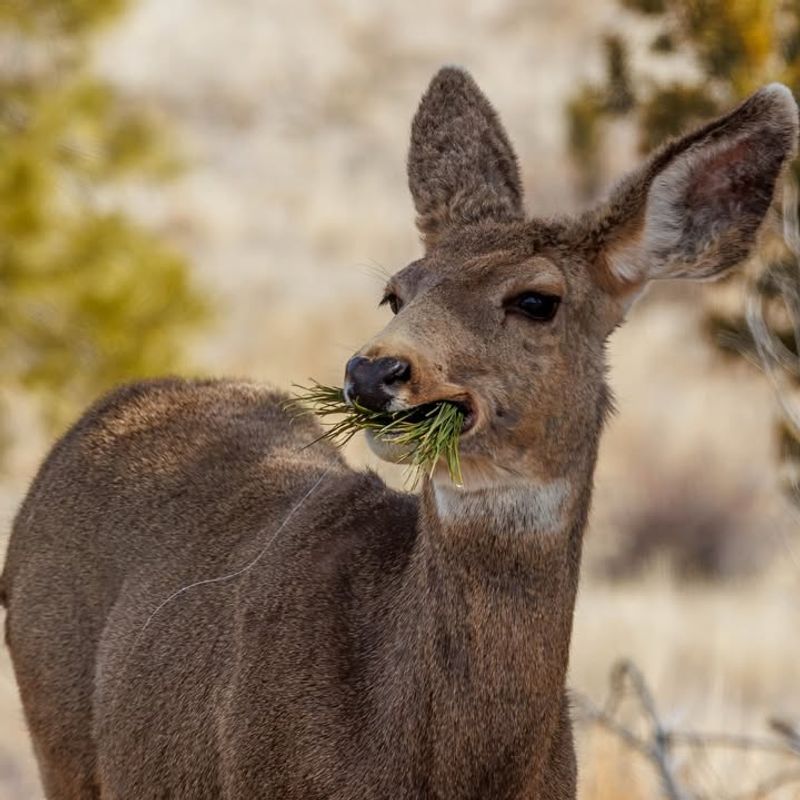
High-nitrogen fertilizers push rapid, lush growth that looks gorgeous for about three days before deer mow it down. Those soft, water-filled leaves contain exactly what hungry deer crave during spring in Georgia.
Professional landscapers learned long ago that heavily fed ornamentals near wooded areas get hammered by wildlife, while moderately fertilized plants suffer less damage despite slower growth rates.
Balanced fertilizers with equal nitrogen-phosphorus-potassium ratios promote stronger cell structure and tougher foliage.
A 10-10-10 formula applied at half the recommended rate gives daylilies adequate nutrition without creating the succulent growth that attracts deer.
Slow-release formulations work even better because they prevent the flush of tender new leaves that follows quick-release products.
Georgia clay soils often contain adequate phosphorus and potassium but lack nitrogen and organic matter. Soil testing through your county extension office reveals actual nutrient needs rather than guessing.
Many gardeners over-fertilize based on product marketing rather than plant requirements, inadvertently creating deer magnets. Test results guide appropriate fertilizer selection and application rates.
Organic fertilizers like composted manure release nutrients gradually and improve soil structure without producing the explosive growth synthetic products cause. They cost more initially but reduce deer pressure while building long-term soil health.
Apply organic amendments in fall so nutrients become available slowly as soil microbes break them down through winter.
Avoid fertilizing daylilies after early June in Georgia. Late-season feeding pushes tender growth into fall when deer actively build fat reserves for winter and browse more aggressively than during summer months.
7. Install Motion Sprinklers In Areas With Repeated Browsing
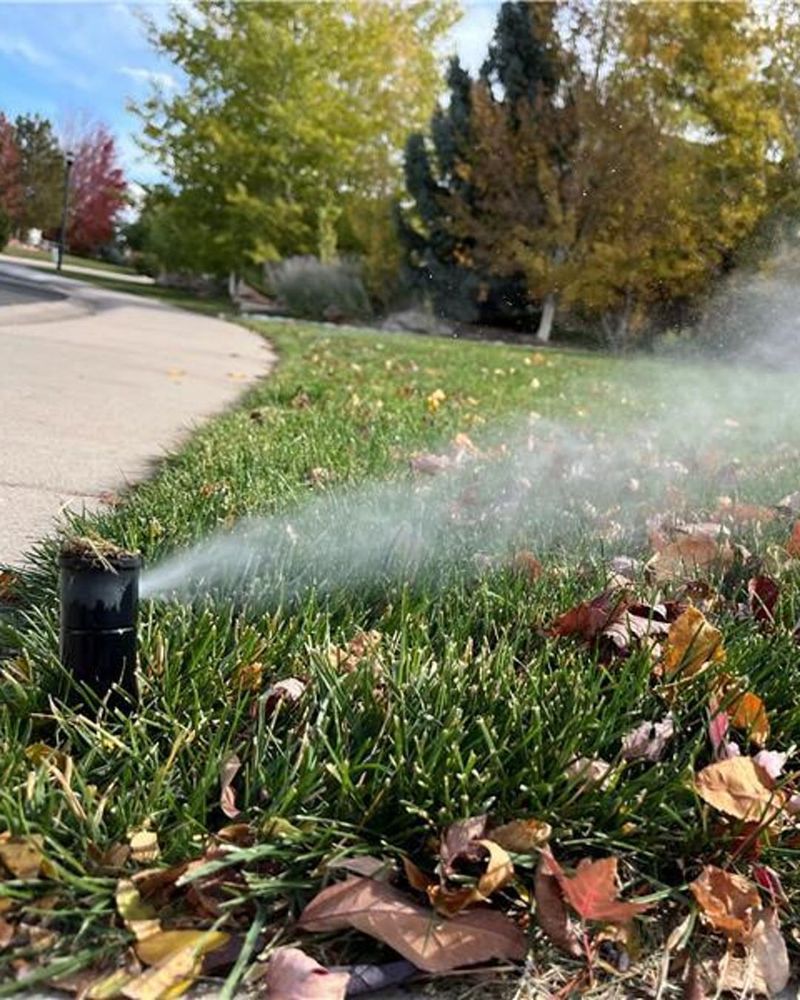
Nothing changes deer behavior faster than an unexpected blast of cold water. Motion-activated sprinklers detect movement through infrared sensors and release a three-second burst that startles deer without harming them.
These devices work particularly well in suburban Georgia neighborhoods where fencing is impractical due to homeowner association restrictions or aesthetic concerns. Deer quickly learn to avoid areas where they have been soaked repeatedly.
Position sprinklers to cover entry points where deer access your property rather than trying to protect every plant. Deer follow predictable paths through yards, entering from wooded areas or neighbors’ unfenced properties.
A single well-placed unit guards multiple beds if you identify their travel routes. Check coverage patterns during daylight by walking through the detection zone to ensure proper aim and range.
Battery-operated models offer flexibility in placement since they require no electrical connection. Solar-charged batteries work reliably in Georgia’s sunny climate, though you should replace backup batteries annually before they fail mid-season.
Connect sprinklers to existing irrigation lines or garden hoses depending on your system design.
Adjust sensitivity settings to avoid triggering on small animals like rabbits or neighborhood cats. Most quality units allow you to modify detection range and spray duration.
Georgia gardeners should also consider seasonal adjustments, increasing sensitivity during peak browsing periods in spring and fall while reducing it during summer when deer pressure typically decreases.
Combine motion sprinklers with other deterrent methods for maximum effectiveness. No single solution works perfectly, but layered strategies create an environment deer find too difficult and unpredictable to bother with regularly.