How To Keep Desert Cottontails Out Of Your Arizona Garden
You put time into your garden, get everything planted just right, and then something starts nibbling overnight. A few leaves go missing, then whole seedlings disappear, and it doesn’t take long to realize you’re not the only one enjoying the space.
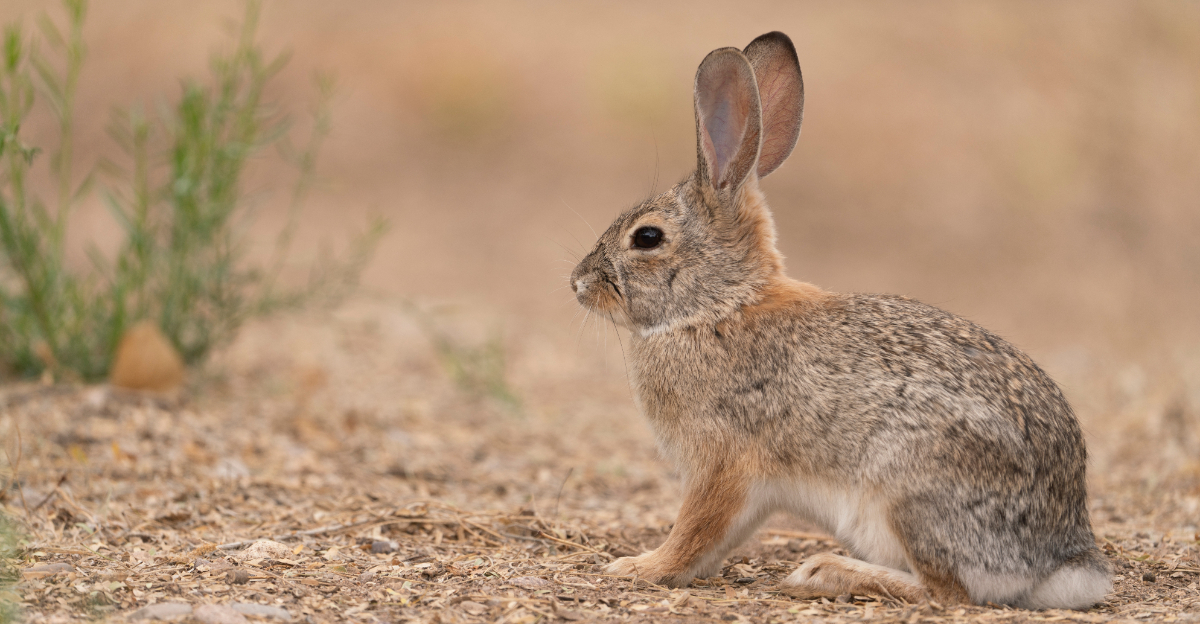
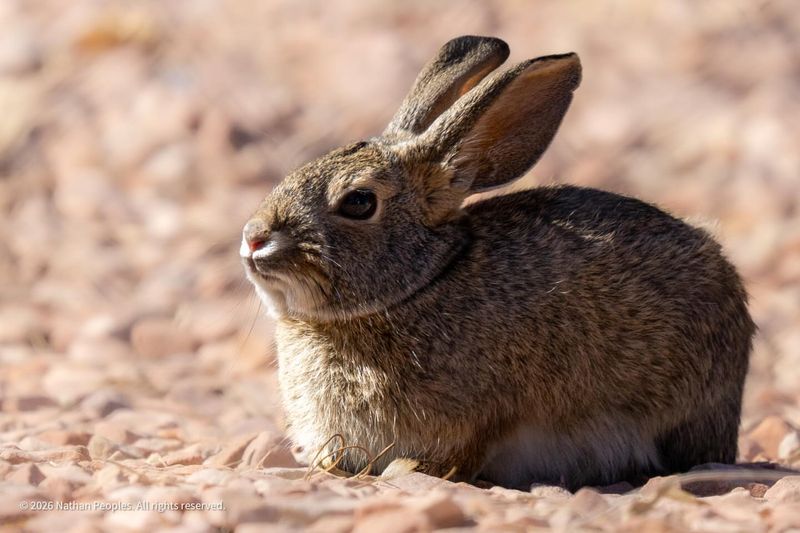
Desert cottontails are a common part of Arizona landscapes, especially in neighborhoods where natural habitat blends with backyard planting. They’re quiet, active at the right times, and drawn to tender growth that’s easy to reach.
Without a few simple adjustments, they can keep coming back to the same spots again and again.
The good news is you don’t have to give up your garden or constantly replant, and a few changes can make a noticeable difference right away.
1. Install Fencing That Desert Cottontails Can’t Slip Through
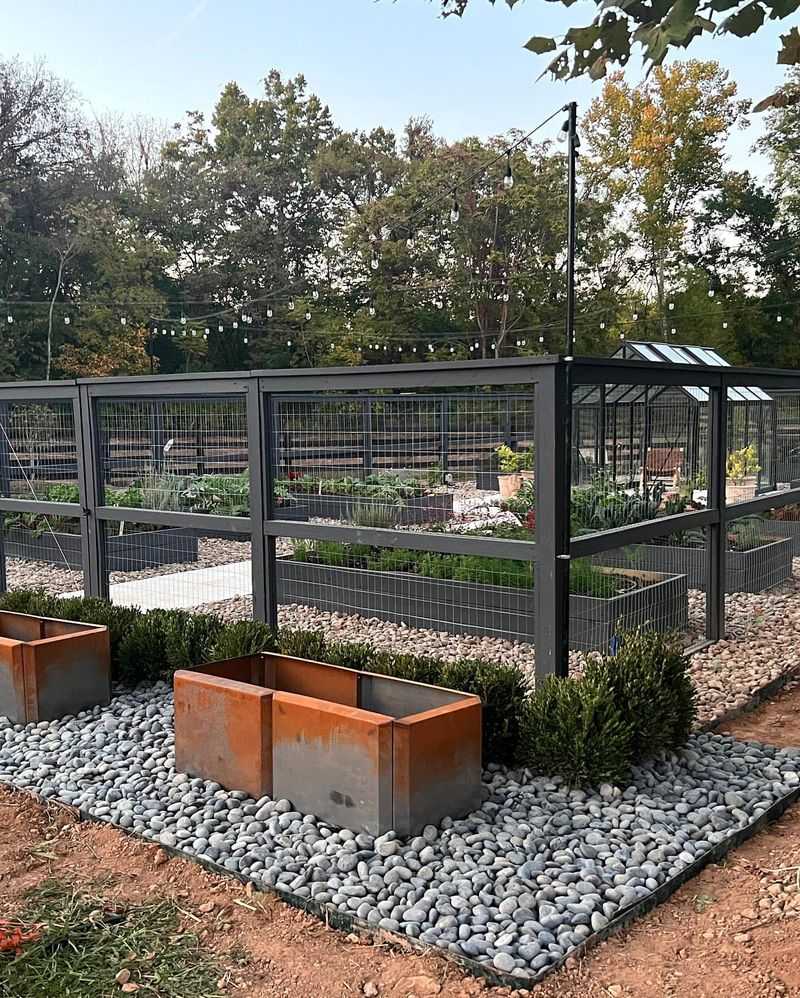
Building a proper barrier around your garden beds creates one of the more dependable ways to reduce damage from cottontails in Arizona. Wire mesh fencing with openings no larger than one inch helps limit access, as adult desert cottontails can squeeze through surprisingly small spaces.
A fence height of about two feet above ground is usually sufficient, since rabbits are more likely to squeeze or dig than jump over taller barriers. Positioning and installation matter just as much as height.
Extending the bottom of the fence several inches below ground helps reduce the chance of rabbits digging underneath. While digging isn’t always their first approach, it can happen when food sources are close and easy to reach.
Materials such as chicken wire or hardware cloth are commonly used and tend to hold up well under Arizona’s sun and seasonal weather changes. Regular checks are still important, especially after wind or rain, since small gaps can develop over time.
Cottontails are persistent and may return to areas where they previously found food, so maintaining the fence helps keep it effective. Even a small opening can become an entry point if left unaddressed.
Adding a simple gate that closes securely can make access easier for you while keeping the barrier consistent. With occasional upkeep and careful installation, fencing provides a practical way to reduce repeated garden visits without relying on constant reapplication methods.
2. Choose Plants Desert Cottontails Tend To Avoid
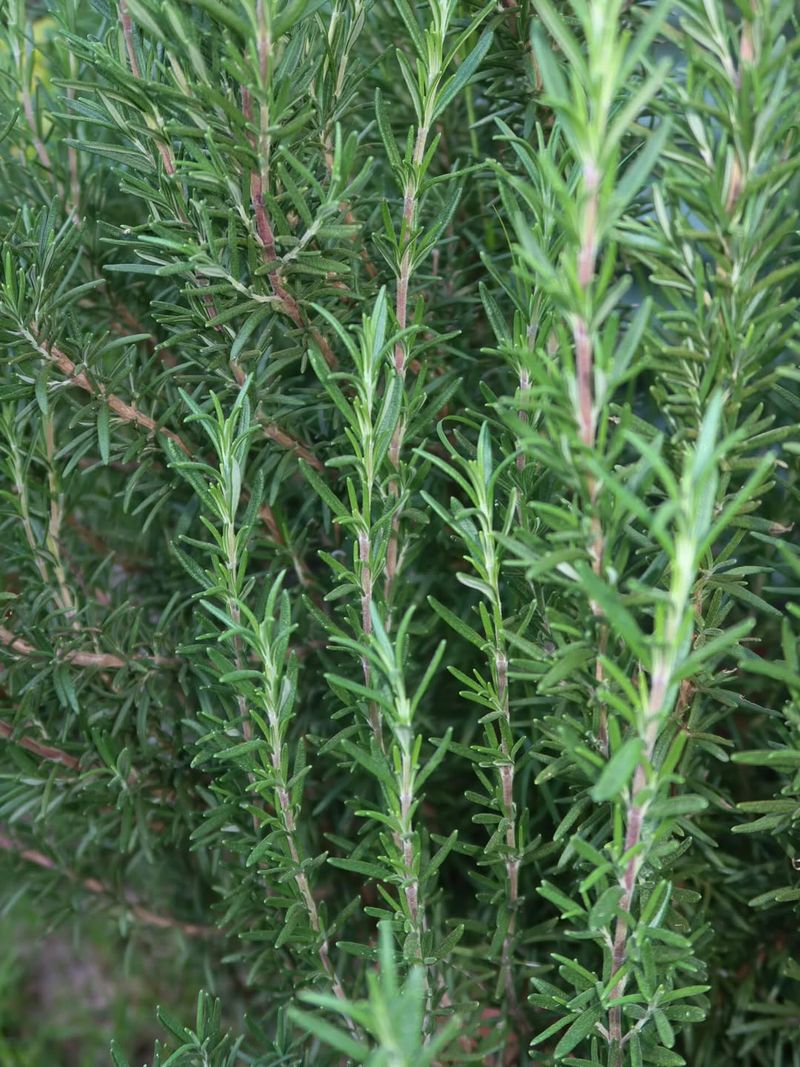
Plant selection can influence how attractive your Arizona garden appears to cottontails, although it does not guarantee complete protection. Some plants are less appealing due to their texture, scent, or taste, which may encourage rabbits to browse elsewhere when other food options are available.
Herbs such as rosemary, lavender, and sage often fall into this category and tend to grow well in Arizona’s climate. Their strong aromas can make them less desirable compared to softer, more tender plants.
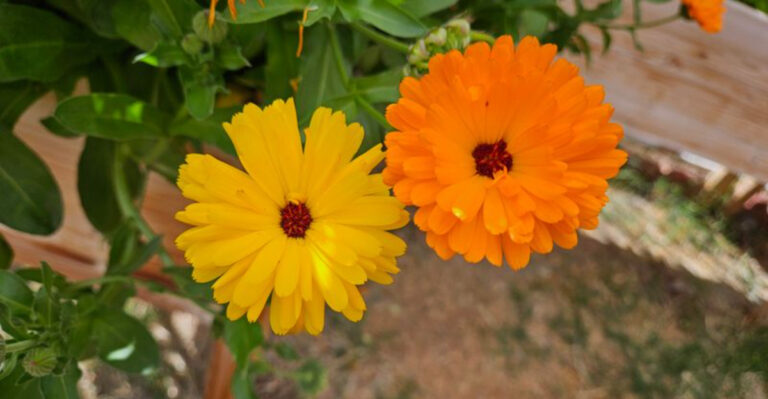
Flowering options like marigolds, snapdragons, and certain geranium varieties are also commonly used in gardens where rabbit activity is a concern. Many gardeners place these around more vulnerable plants to help reduce browsing pressure.
Vegetables such as tomatoes, peppers, and squash are sometimes less targeted than leafy greens, though feeding patterns can vary depending on conditions. Lettuce, beans, and other soft growth often attract more attention and may need additional protection.
Native plants like brittlebush, desert marigold, and penstemon can be useful additions as well. These species are adapted to local conditions and may be less appealing in some situations, while also requiring less water and maintenance.
Combining plant choice with other strategies tends to produce more consistent results. A thoughtful layout that mixes less-preferred plants with protective measures can help reduce repeated visits without relying on a single solution.
3. Remove Shelter Spots Around Your Garden Area
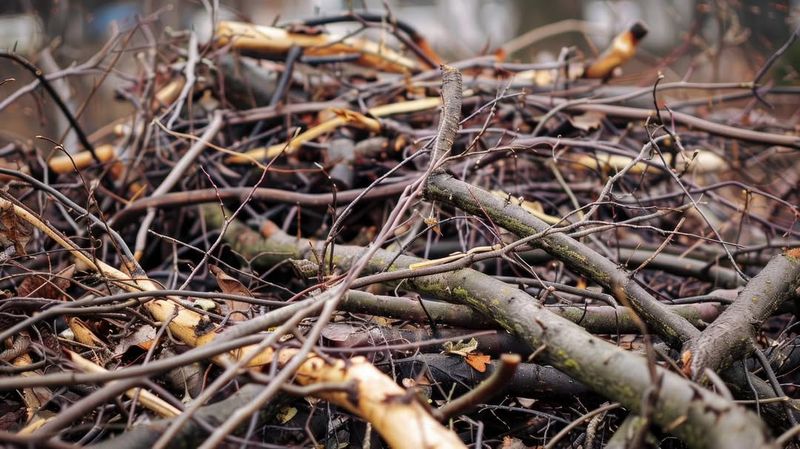
Cottontails feel most comfortable feeding in areas where they can quickly dash to safety if danger appears nearby. Brush piles, low-growing shrubs, wood stacks, and dense groundcover near your garden create perfect hiding spots that encourage rabbits to stick around.
Clearing these sheltered areas within twenty feet of your garden makes cottontails feel exposed and vulnerable, convincing them to feed elsewhere.
Arizona yards often accumulate materials like old pottery, stacked pavers, or decorative rocks that create cozy rabbit hideouts without homeowners realizing it. Walk around your property and identify anywhere a small rabbit could tuck itself away from predators.
Moving these items away from garden areas or reorganizing them to eliminate gaps reduces the overall appeal of your yard to cottontails.
Trimming shrubs so their lowest branches sit at least eighteen inches above ground eliminates the protected spaces underneath where rabbits love to rest during hot Arizona afternoons. Many desert landscaping plants naturally grow with low, dense branches that provide excellent rabbit cover if left unpruned.
Regular maintenance keeps these plants beautiful while making your yard less rabbit-friendly.
Storage sheds, air conditioning units, and other permanent structures can create sheltered areas you cannot remove, so focus on keeping the spaces around them clear and open. Cottontails across Arizona neighborhoods prefer yards offering both food and shelter close together, so removing one element often solves your problem.
This approach works especially well when combined with other deterrent methods for maximum effectiveness.
4. Use Safe Repellents That Deter Frequent Feeding
Repellents can help reduce feeding activity and add another layer of protection to your Arizona garden. Many commercial products are designed specifically for outdoor use and rely on strong scents or tastes that make plants less appealing to rabbits.
Common ingredients include garlic, pepper-based compounds, or scent markers associated with predators. These do not harm cottontails but can make treated areas less inviting, especially when used consistently.
Homemade mixtures using ingredients like cayenne pepper or garlic powder are also used by some gardeners. These are typically applied as sprays on leaves or around garden edges and may need to be refreshed regularly, particularly after watering or rain.
Repellents tend to work best when combined with other approaches. Rabbits may still investigate plants occasionally, especially if food sources are limited, so these products are more effective as part of a broader strategy.
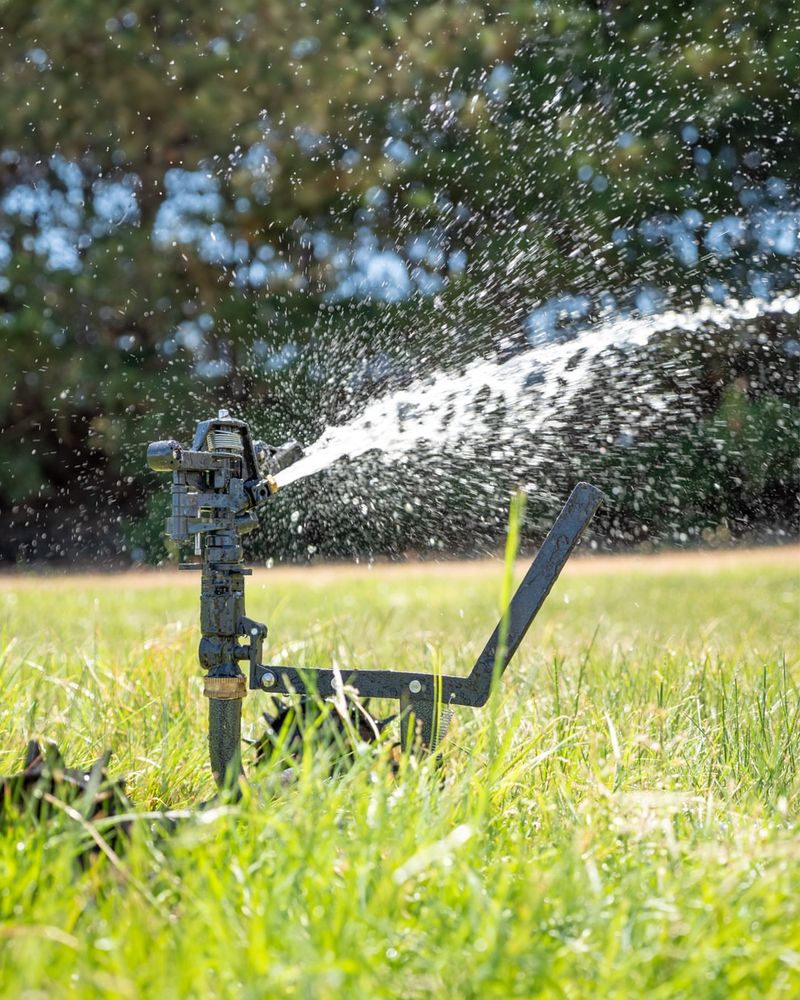
Motion-activated sprinklers provide a different type of deterrent by introducing sudden movement and sound. These devices can interrupt feeding behavior and encourage rabbits to look for quieter areas.
Consistency plays an important role in how well repellents perform. Rotating between different products or methods may help prevent animals from becoming accustomed to a single approach.
Used alongside barriers, plant selection, and good garden maintenance, repellents can contribute to reducing repeated visits over time.
5. Protect Young Plants With Covers Or Barriers
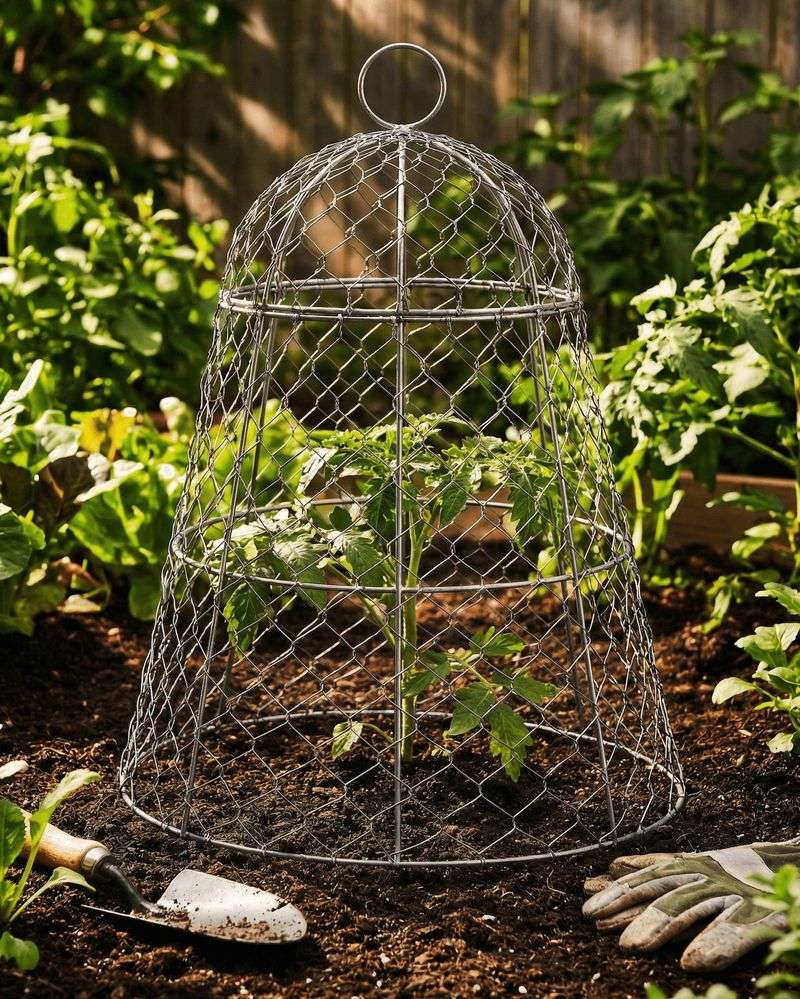
Seedlings and young plants face the highest risk from cottontails since their tender leaves and stems taste especially delicious to hungry rabbits. Individual plant protectors made from wire mesh, plastic bottles with the bottoms cut off, or commercial cloches shield vulnerable plants during their most critical growth period.
These temporary barriers stay in place until plants mature enough to withstand occasional nibbling or develop less appealing tougher leaves.
Row covers made from lightweight fabric allow sunlight and water through while keeping cottontails away from entire sections of vegetables in Arizona gardens. Secure the edges with rocks, soil, or landscape staples so clever rabbits cannot nose their way underneath.
This method works wonderfully for protecting rows of lettuce, beans, or other cottontail favorites without building permanent structures.
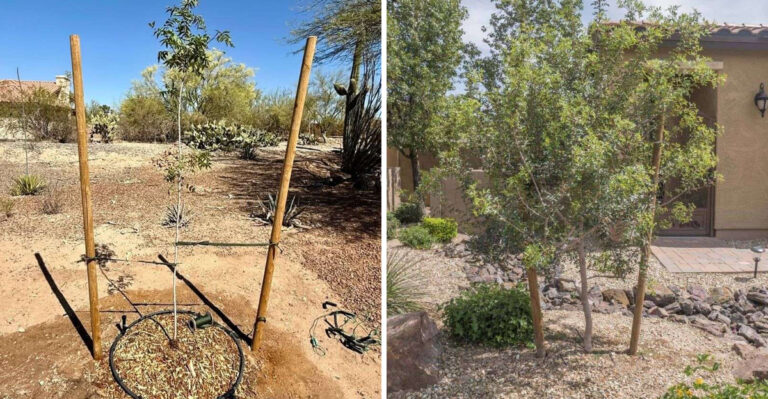
Tree guards wrapped around young fruit tree trunks prevent bark damage that cottontails sometimes cause during Arizona’s cooler months when other food sources become scarce. The plastic or wire guards should extend at least eighteen inches up the trunk since rabbits can reach surprisingly high when standing on their hind legs.
Removing guards once trees mature enough allows the bark to toughen naturally while protecting during vulnerable early years.
Combining individual protectors with other deterrent methods creates multiple defense layers that dramatically reduce rabbit damage in Arizona yards. Young plants need protection most during spring and fall when cottontail populations peak and feeding activity increases.
The extra attention during these critical periods ensures your garden establishes successfully despite persistent rabbit pressure in your neighborhood.
6. Keep Your Garden Clean And Less Inviting
Fallen fruit, scattered seeds, and vegetable scraps left in your Arizona garden create an irresistible buffet that draws cottontails from surrounding areas. Cleaning up promptly after harvesting and removing any damaged produce eliminates easy food sources that encourage rabbits to visit regularly.
A tidy garden sends the message that your yard offers nothing special worth the effort of visiting.
Weeds growing around garden edges provide both food and cover that cottontails appreciate, so maintaining weed-free borders reduces overall appeal. Many common Arizona weeds actually rank high on the cottontail preferred food list, making your unkempt garden edges especially attractive.
Regular weeding takes minimal time but significantly impacts how inviting your space appears to passing rabbits.
Compost piles placed near gardens attract cottontails with their smell of decomposing vegetables and fruit, essentially advertising free meals. Moving compost bins at least thirty feet away from growing areas or using enclosed composting systems prevents this problem entirely.
Covered compost containers also reduce odors that might draw rabbits across your Arizona neighborhood to investigate.
Bird feeders often spill seeds that cottontails happily munch, so positioning feeders away from garden areas or using no-mess seed blends helps avoid this issue. Desert cottontails are opportunistic eaters who take advantage of any food source they encounter while exploring Arizona yards.
Eliminating these secondary attractions makes your property less interesting overall, encouraging rabbits to spend their time elsewhere instead of camping out near your garden.