How To Keep Green Onions Growing Indoors In California All Year
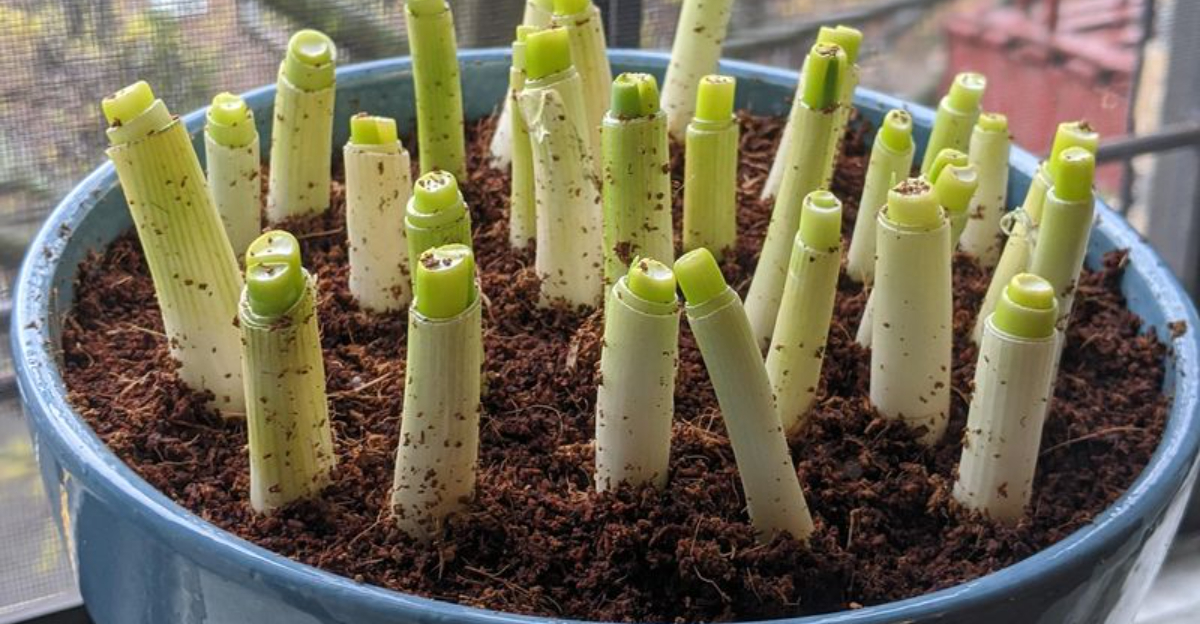
Growing green onions inside your California home means you can enjoy fresh produce without worrying about outdoor space or seasonal changes today.
Indoor gardening lets you harvest crisp green onions whenever you need them for salads, tacos, soups, or any delicious meal you prepare.
California’s mild climate makes it easier to control temperature and light indoors, giving your green onions everything they need to thrive beautifully.
These simple tips will help you grow healthy green onions all year long, even if you have never gardened before in life.
1. Choose The Right Container With Proper Drainage
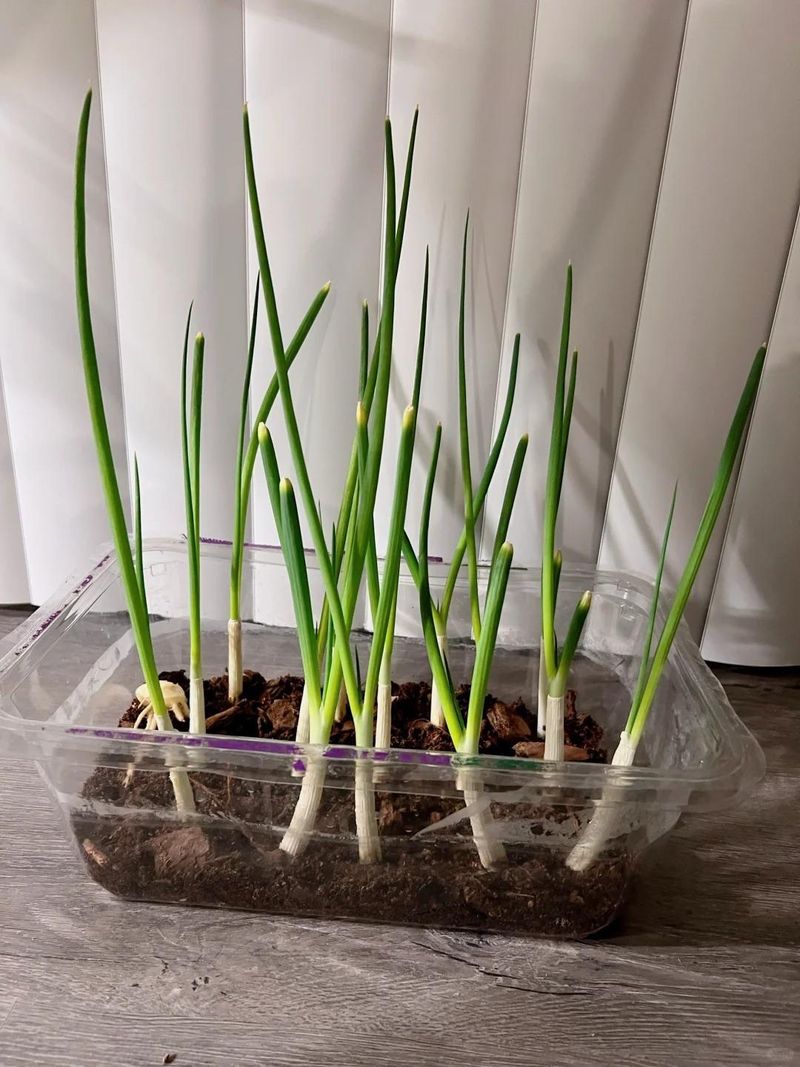
Picking a container with drainage holes prevents water from pooling at the bottom, which can cause roots to rot and plants to struggle.
Green onions have shallow root systems, so containers only need to be about four to six inches deep to provide adequate growing space.
Wider containers work better than narrow ones because they allow you to plant multiple green onion bulbs or cuttings in one convenient spot.
Plastic, ceramic, or terracotta pots all work well as long as they have holes that let excess water escape during each watering session.
California gardeners often reuse takeout containers or yogurt cups by poking holes in the bottom, which saves money and reduces waste effectively.
Placing a saucer or tray underneath the container catches dripping water and protects your windowsill, shelf, or countertop from moisture damage over time.
Make sure the container is clean before planting to avoid introducing pests, mold, or harmful bacteria into your indoor garden environment.
Proper drainage keeps roots healthy and ensures your green onions grow strong, green, and ready to harvest whenever you need them most.
2. Select A Sunny Spot Near A Window
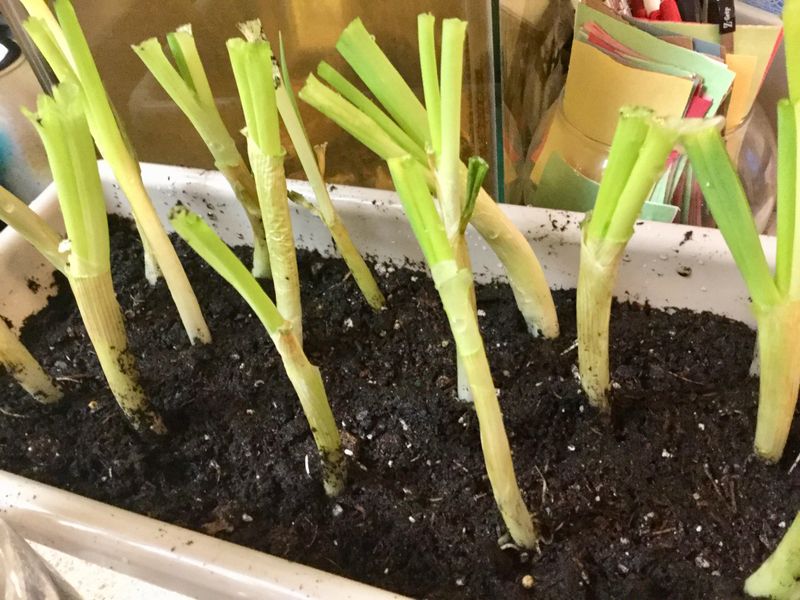
Green onions love bright light and need at least five to six hours of sunlight each day to produce vibrant, flavorful leaves consistently.
South-facing windows in California homes provide the most intense and longest-lasting sunlight, making them ideal spots for your indoor green onion garden.
East-facing windows also work well because they offer gentle morning light that warms plants without scorching delicate leaves during the hottest afternoon hours.
If your home lacks bright windows, consider rotating your containers every few days to ensure all sides receive equal light exposure evenly.
Insufficient light causes green onions to grow tall and pale, a condition called etiolation, which weakens plants and reduces their nutritional value significantly.
Placing plants too far from windows forces them to stretch toward light, resulting in thin, floppy stalks that lack the sturdy texture.
Keep containers within one to two feet of the window for optimal light absorption and healthier growth throughout the entire year.
California’s sunny climate makes indoor growing easier, but cloudy days may require supplemental lighting to maintain consistent growth and vibrant green color.
3. Use Quality Potting Soil For Best Results
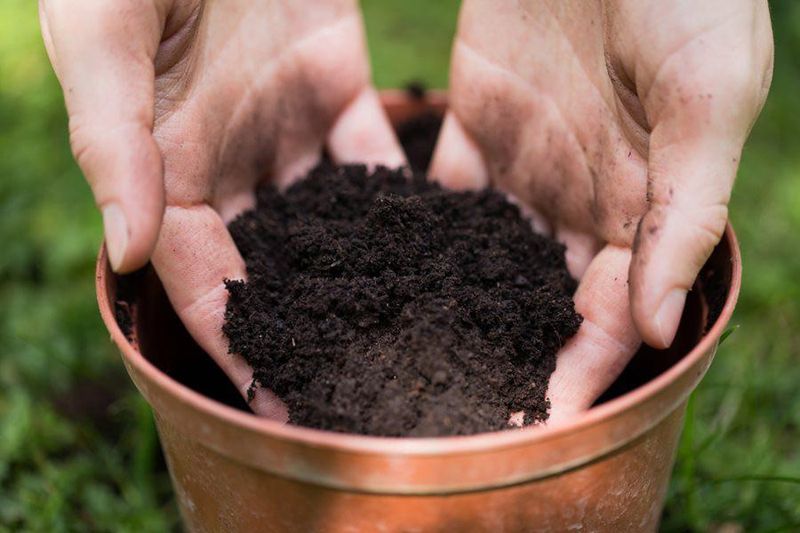
Quality potting soil provides the nutrients, drainage, and structure green onions need to develop strong roots and healthy foliage from the start.
Garden soil from outdoors often contains pests, diseases, or compacted particles that restrict root growth and oxygen flow in confined container spaces indoors.
Potting mixes designed for vegetables or herbs include ingredients like peat moss, coconut coir, perlite, and compost that create a light, fluffy texture.
This texture allows water to drain quickly while retaining enough moisture to keep roots hydrated between watering sessions throughout the growing period.
Organic potting soils enriched with natural fertilizers give green onions a nutrient boost without harsh chemicals that can harm plants or indoor air.
Avoid using soil from your yard because it may contain weed seeds that sprout and compete with your green onions for resources.
Fresh potting mix also reduces the risk of fungal infections or root rot, which can spread quickly in indoor environments with limited airflow.
Investing in a quality potting mix ensures your green onions thrive, taste delicious, and provide fresh harvests all year long in California.
4. Water Consistently But Avoid Overwatering
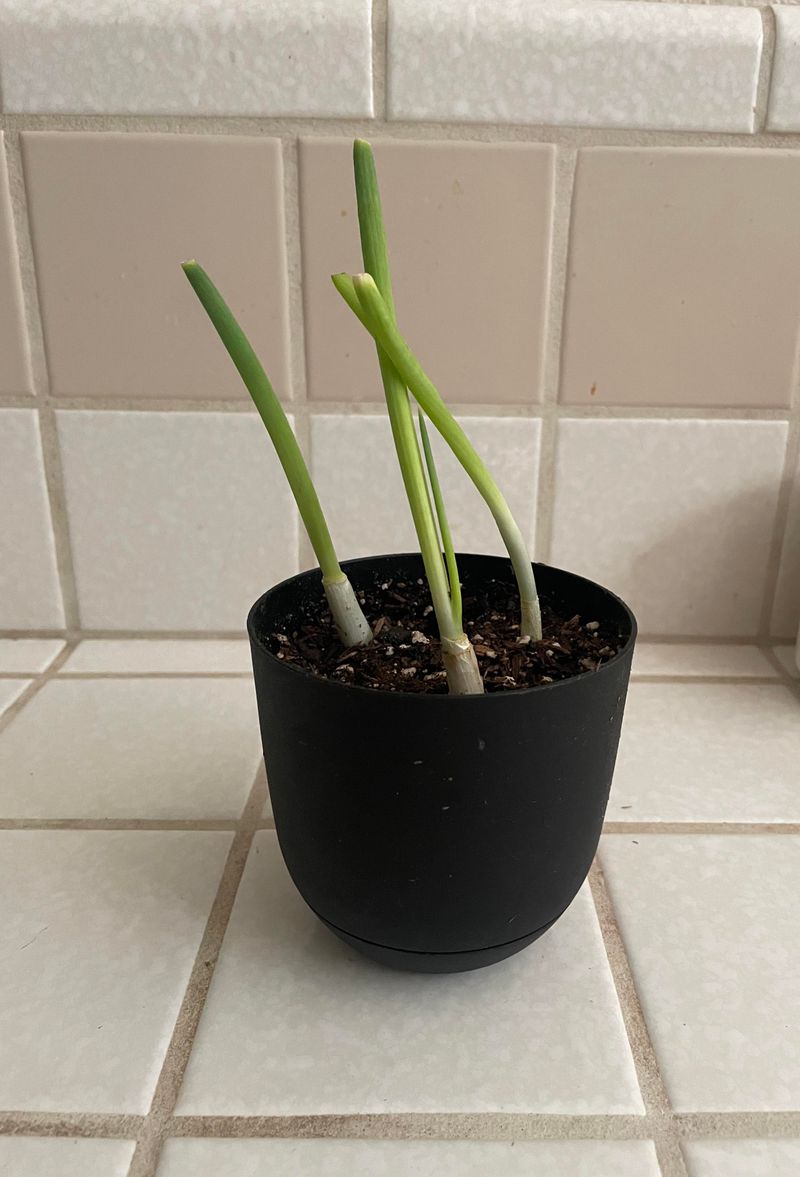
Green onions prefer evenly moist soil but can suffer if roots sit in waterlogged conditions that block oxygen and encourage harmful fungal growth.
Checking soil moisture by sticking your finger about an inch deep helps you determine when plants need water without guessing or overwatering accidentally.
If the soil feels dry at that depth, it’s time to water, but if it feels damp, wait another day or two.
California’s indoor environments can vary in humidity, so watering frequency depends on factors like air circulation, temperature, and the size of your container.
Smaller pots dry out faster than larger ones, so monitor them more closely and adjust your watering schedule to match their needs.
Overwatering causes roots to suffocate and can lead to yellowing leaves, wilting, or a foul smell coming from the soil over time.
Always pour water slowly until it drains from the bottom holes, ensuring the entire root zone receives moisture without creating puddles on top.
Using room-temperature water prevents shocking the roots and helps green onions absorb nutrients more efficiently for steady, healthy growth throughout the year.
5. Maintain Moderate Indoor Temperatures
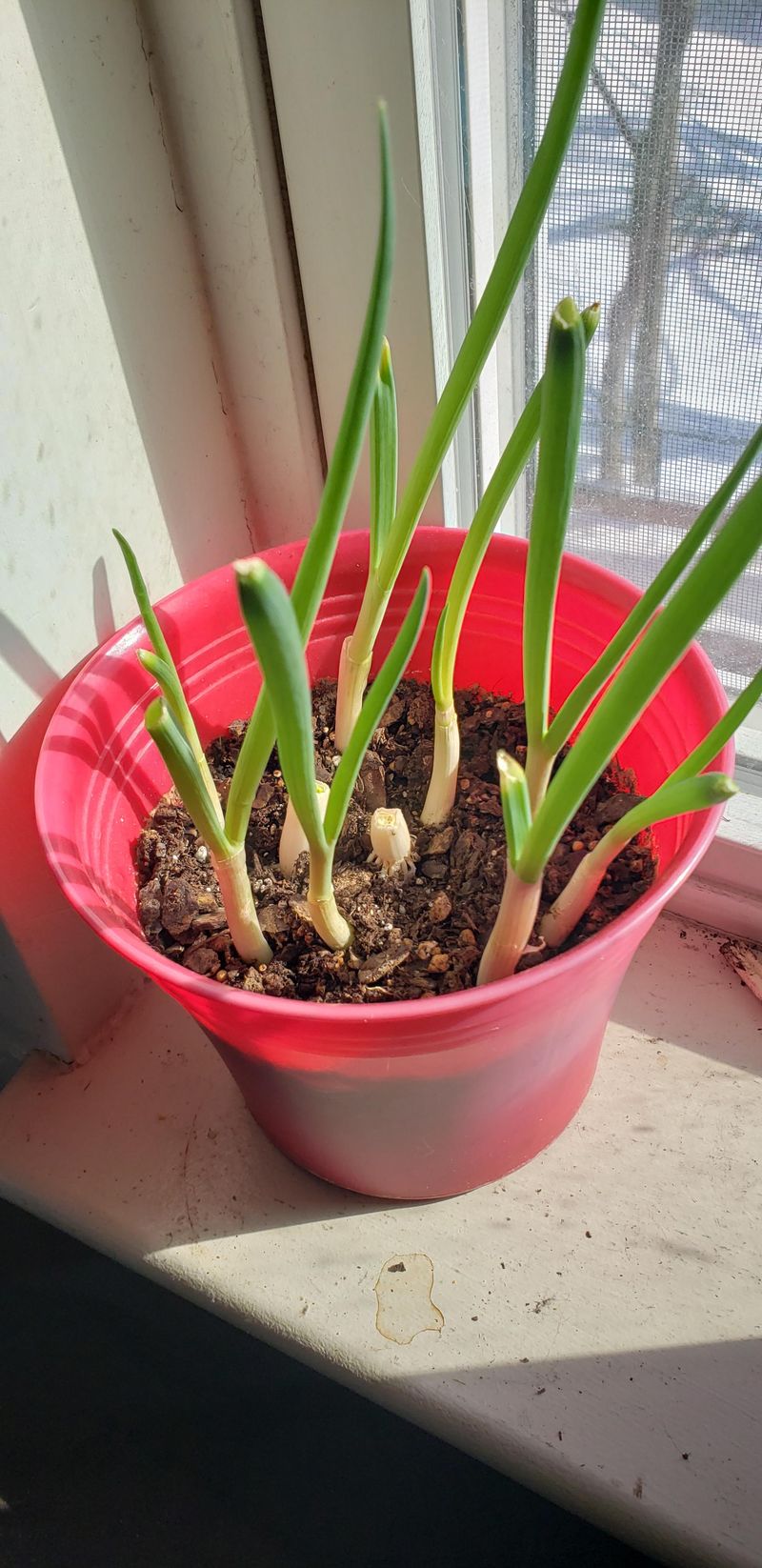
Green onions grow best in temperatures between 60 and 75 degrees Fahrenheit, which matches the comfortable indoor climate of most California homes year-round.
Extreme heat or cold can stress plants, slowing their growth or causing leaves to turn yellow, brown, or brittle over short periods.
Placing containers near heating vents, radiators, or air conditioning units exposes plants to sudden temperature fluctuations that disrupt their natural growth cycles significantly.
California’s mild winters make it easy to maintain stable indoor temperatures, but summer heat can sometimes push rooms above the ideal range.
Using fans to circulate air or closing curtains during peak afternoon sun helps keep indoor temperatures moderate and prevents overheating of plants.
Avoid placing green onions near drafty doors or windows where cold air can seep in during winter nights and chill the soil quickly.
Consistent temperatures encourage steady growth, allowing green onions to produce tender, flavorful leaves without interruption or stress throughout the entire growing season.
Monitoring your home’s temperature and adjusting plant placement as needed ensures your green onions stay healthy, productive, and ready to harvest anytime.
6. Fertilize Every Two To Three Weeks
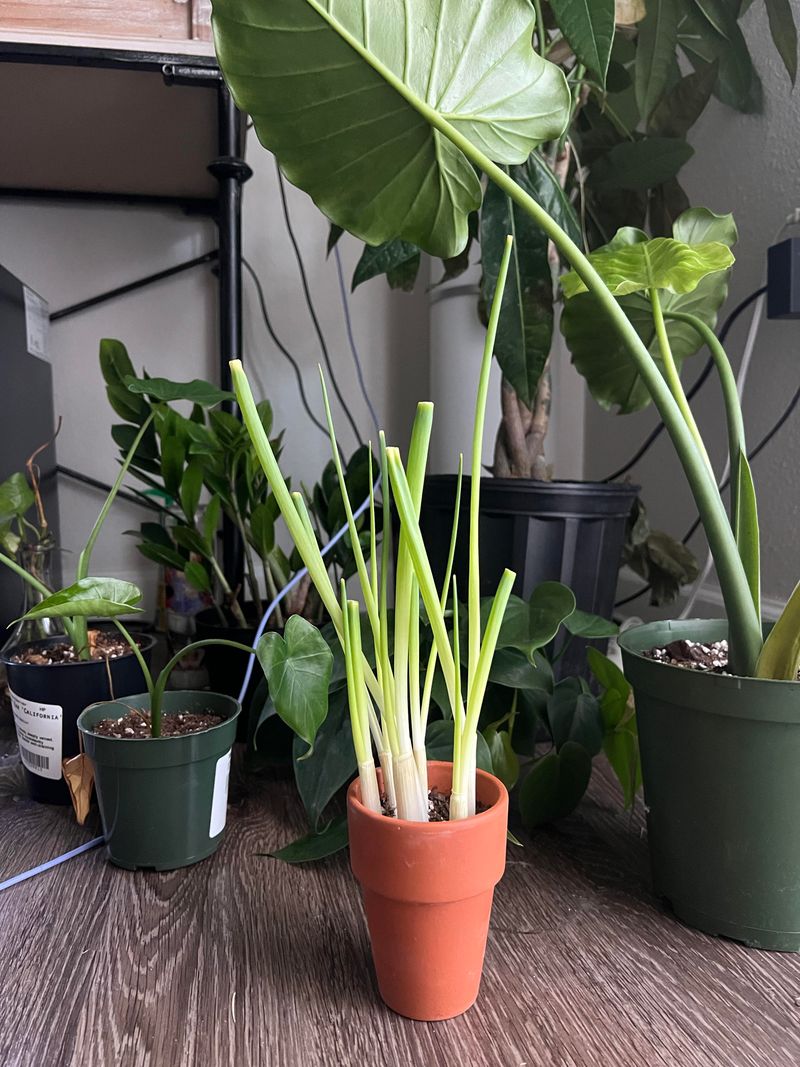
Regular fertilization replenishes nutrients that green onions absorb from potting soil, ensuring continuous growth and vibrant green leaves throughout the growing period.
Liquid fertilizers diluted to half strength work well because they provide a gentle nutrient boost without overwhelming young plants or causing root burn.
Organic options like fish emulsion or seaweed extract offer balanced nutrition and improve soil health, making them excellent choices for indoor gardens.
Apply fertilizer every two to three weeks during active growth, following the instructions on the product label to avoid overfeeding your plants.
Over-fertilizing can cause salt buildup in the soil, which damages roots and leads to yellowing or browning leaf tips over time.
Flushing containers with plain water every few weeks helps remove excess salts and keeps the soil environment healthy for green onions.
California’s tap water is generally safe for plants, but letting it sit overnight allows chlorine to evaporate, reducing potential stress on roots.
Fertilizing consistently ensures your green onions remain productive, flavorful, and ready to harvest whenever you need fresh ingredients for cooking or garnishing dishes.
7. Harvest Regularly To Encourage New Growth
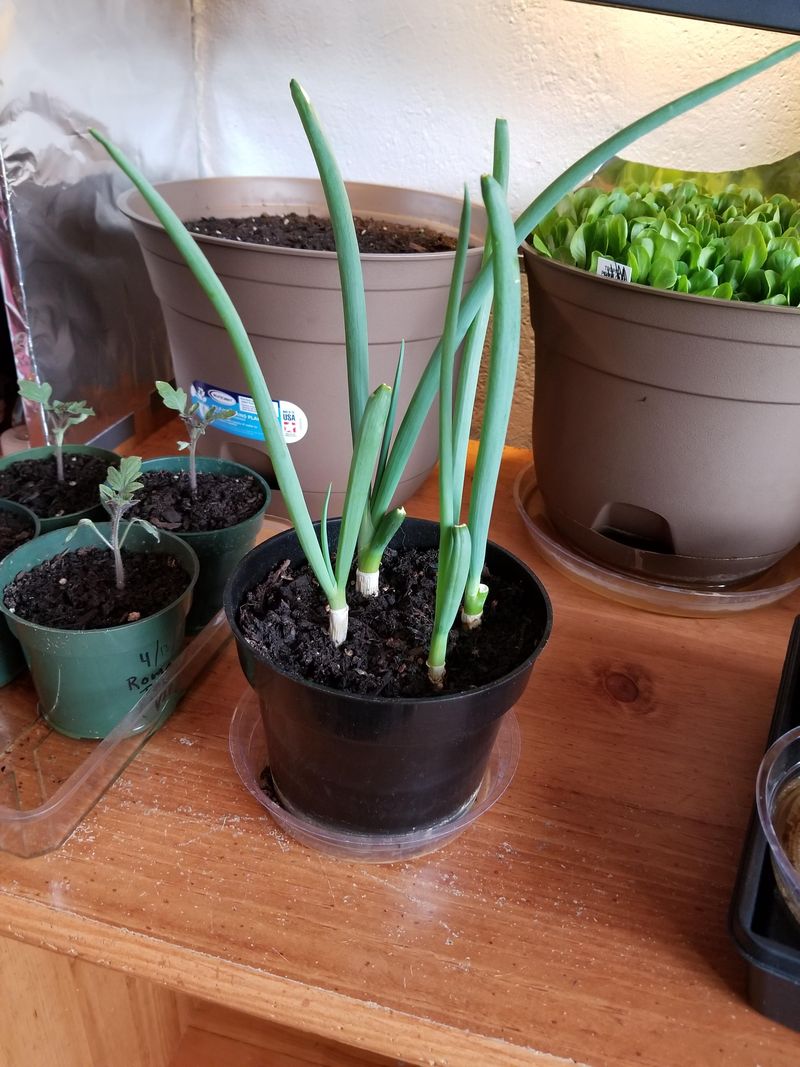
Snipping green onion leaves regularly stimulates plants to produce more foliage, giving you a continuous supply of fresh greens throughout the entire year.
Use clean scissors or garden shears to cut leaves about one inch above the soil line, leaving enough stalk for regrowth.
This method allows the plant to focus energy on producing new shoots rather than flowering, which can make leaves taste bitter.
Harvesting outer leaves first lets inner shoots continue growing, creating a natural rotation that maximizes your yield over time.
Green onions regrow quickly, often within a week or two, so you can harvest small amounts regularly without depleting your indoor garden.
Frequent cutting also prevents plants from becoming too tall and leggy, which can make them unstable and prone to tipping over.
California’s consistent indoor conditions support rapid regrowth, making green onions one of the easiest vegetables to grow and harvest at home.
Avoid removing more than one-third of the plant at once to maintain its health and vigor for future harvests throughout the year.
8. Provide Supplemental Lighting If Needed
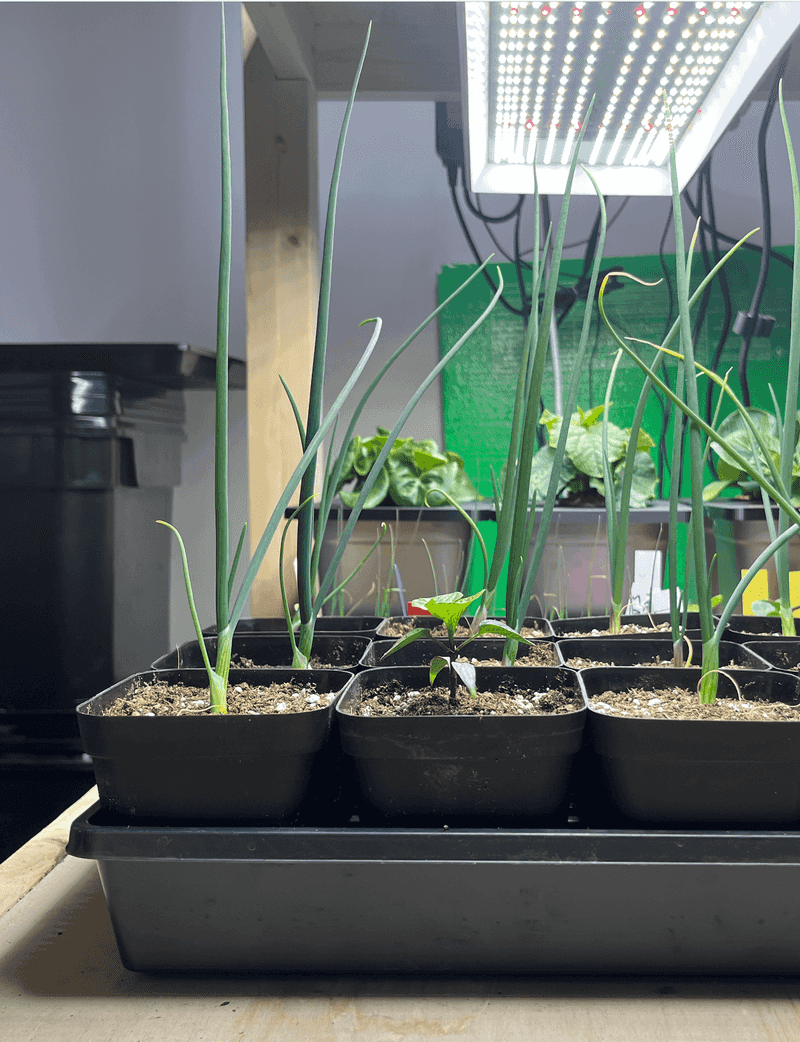
Grow lights compensate for insufficient natural sunlight, especially during cloudy days or in rooms with limited window access throughout the winter season.
LED grow lights are energy-efficient, produce minimal heat, and emit the full spectrum of light that green onions need for photosynthesis and growth.
Position lights about six to twelve inches above the plants and run them for 12 to 14 hours daily to mimic natural daylight.
Timers automate the lighting schedule, ensuring plants receive consistent light without requiring you to remember to turn lights on and off manually.
California homes with bright windows may not need supplemental lighting, but north-facing rooms or spaces far from windows benefit greatly from this addition.
Fluorescent bulbs also work well for green onions, though they may need to be placed closer to plants to provide adequate light intensity.
Combining natural sunlight with grow lights during shorter winter days helps maintain steady growth and prevents plants from becoming weak or pale.
Investing in affordable grow lights expands your indoor gardening options and ensures green onions thrive regardless of your home’s natural lighting conditions year-round.
9. Ensure Proper Air Circulation Around Plants
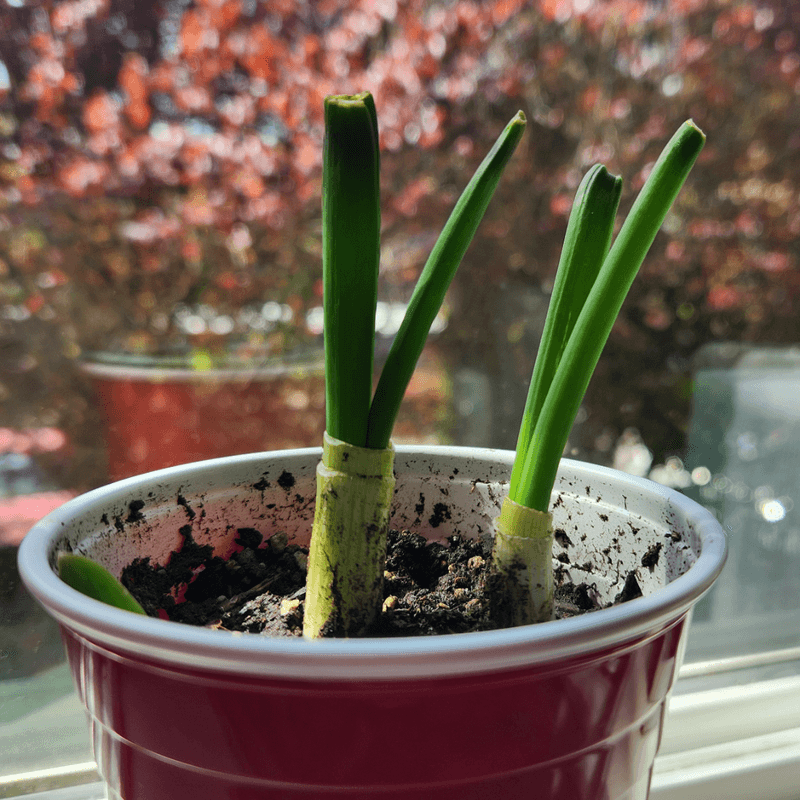
Good air circulation strengthens green onion stems, reduces humidity around leaves, and prevents fungal diseases from taking hold in your indoor garden environment.
Stagnant air creates a damp environment where mold, mildew, and pests like fungus gnats thrive, posing risks to plant health over time.
Placing a small fan near your green onions on a low setting mimics outdoor breezes and encourages stronger, sturdier growth patterns.
Avoid directing strong airflow directly at plants, as this can dry out leaves and soil too quickly, stressing the plants unnecessarily.
Opening windows occasionally allows fresh air to circulate through your home, benefiting both plants and indoor air quality for everyone living there.
California’s mild climate makes it easy to ventilate rooms without exposing plants to extreme temperatures or harsh weather conditions outside.
Spacing containers a few inches apart also improves airflow between plants, reducing the risk of disease spreading from one plant to another.
Proper air circulation keeps green onions healthy, vigorous, and productive, ensuring you enjoy fresh harvests without battling common indoor gardening problems throughout the year.
10. Replant Or Refresh Soil Every Few Months
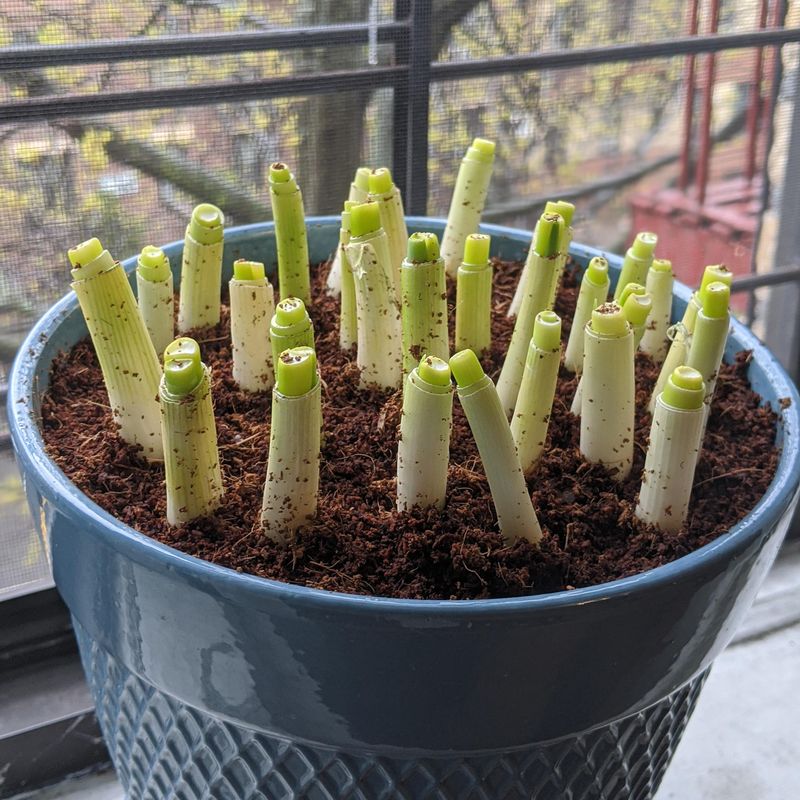
Refreshing potting soil every few months replenishes nutrients, improves drainage, and removes any buildup of salts or organic matter that can hinder growth.
Green onions are fast-growing and can deplete soil nutrients quickly, especially when harvested regularly, so periodic soil changes keep them thriving year-round.
Gently remove plants from their containers, shake off old soil from the roots, and replant them in fresh potting mix to rejuvenate growth.
This process also allows you to inspect roots for signs of rot, pests, or disease and address any issues before they worsen.
California’s year-round growing conditions mean green onions don’t go dormant, so they benefit from consistent care and periodic soil refreshment for optimal health.
If replanting seems too disruptive, top-dressing containers with a thin layer of fresh compost or potting mix provides a nutrient boost.
Rotating plants into new containers every three to four months prevents soil compaction and ensures roots have room to expand and absorb nutrients.
Regular soil maintenance keeps your indoor green onion garden productive, healthy, and ready to supply fresh ingredients for your favorite California recipes anytime.