How To Keep Hyacinths Healthy And Blooming In Michigan Gardens
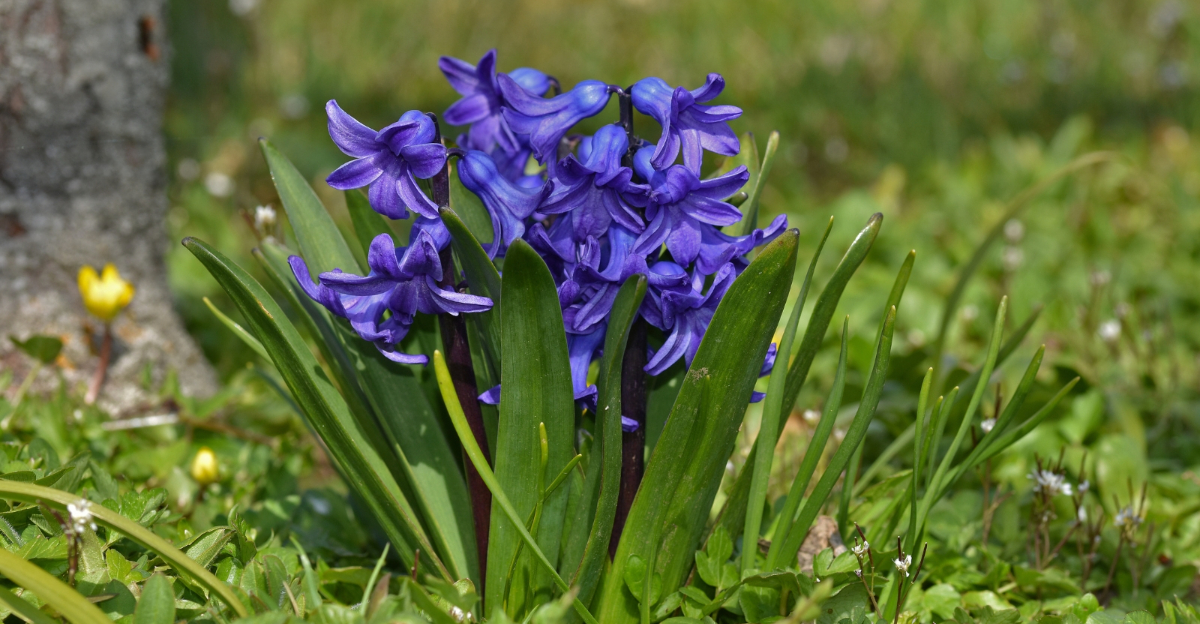
Hyacinths bring an early burst of color to Michigan gardens at a time when much of the landscape is still shaking off winter and waiting for growth to begin.
Cold soil, late frosts, and unpredictable spring temperature swings can quietly interfere with healthy development if care is mistimed or rushed.
Many gardeners assume hyacinths are low effort once planted, but small seasonal habits and timing choices often decide how well they actually perform.
Michigan’s wet springs and heavier soils can stress bulbs long before any problems show above ground. Paying attention early helps prevent weak stems, fading leaves, and disappointing blooms.
Watering, spacing, and sun exposure all influence how hyacinths grow, bloom, and recover from one season to the next.
Fertilizer timing matters far more than quantity in climates where excess moisture can quickly wash nutrients away.
With a thoughtful care approach, hyacinths can return stronger, fuller, and more reliable each spring.
Simple adjustments made throughout the season keep blooms upright, vibrant, and long lasting instead of short lived or sparse.
1. Plant Hyacinth Bulbs At The Right Depth For Michigan Winters
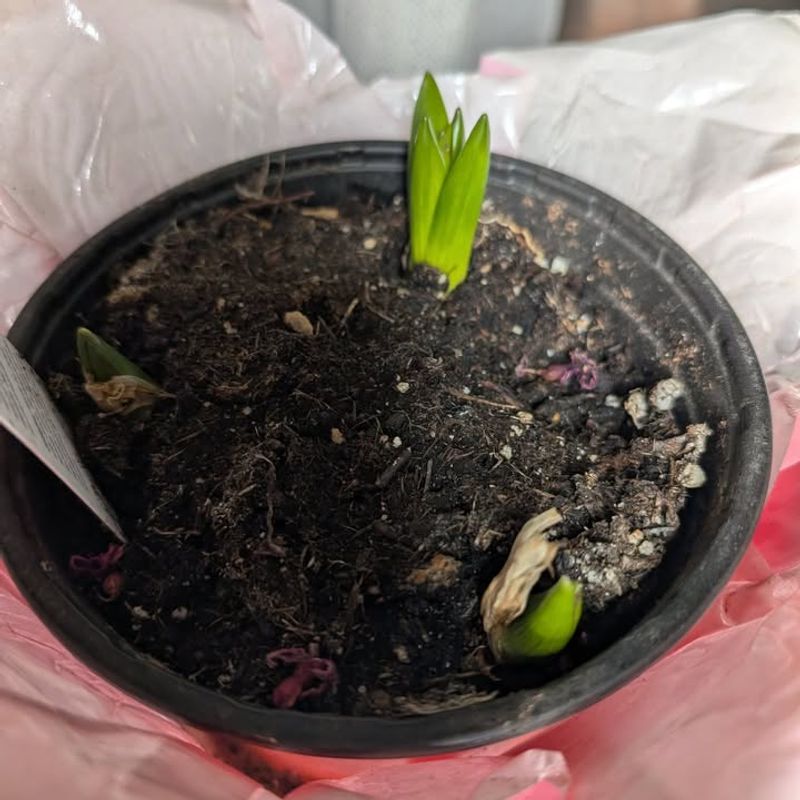
Proper planting depth makes all the difference when preparing hyacinth bulbs for Michigan’s harsh winter conditions. Bulbs planted too shallow risk exposure to freezing temperatures that can damage their delicate interior structures.
On the other hand, burying them too deep may delay spring emergence or weaken the shoots as they struggle to reach sunlight.
Most gardening experts recommend planting hyacinth bulbs about six to eight inches below the soil surface in Michigan. This depth provides enough insulation from the coldest winter temperatures while still allowing shoots to emerge quickly when spring arrives.
The soil acts as a natural blanket, protecting the bulbs from temperature fluctuations that occur during freeze-thaw cycles.
Michigan gardeners should measure from the base of the bulb, not the tip, to ensure accuracy. A simple ruler or measuring tape can help achieve consistent depth across your planting area.
Bulbs planted at uniform depths tend to bloom at the same time, creating a more impressive visual display.
Timing matters just as much as depth when planting hyacinths in Michigan. Late September through early November is ideal, giving bulbs time to establish roots before the ground freezes solid.
Early planting allows roots to anchor firmly, which helps the bulb absorb nutrients and moisture more efficiently.
Sandy or loose soils may require slightly deeper planting to compensate for their tendency to shift and settle over winter. Clay-heavy soils, common in many Michigan regions, hold moisture longer and may need slightly shallower planting to prevent waterlogging.
Adjusting depth based on soil type ensures better survival rates.
Adding a layer of mulch after planting provides extra insulation without affecting planting depth. Two to three inches of shredded leaves or straw works well in Michigan gardens.
This protective layer moderates soil temperature and reduces the risk of frost heaving, which can push bulbs closer to the surface.
2. Choose Well-Drained Soil To Prevent Winter Moisture Issues
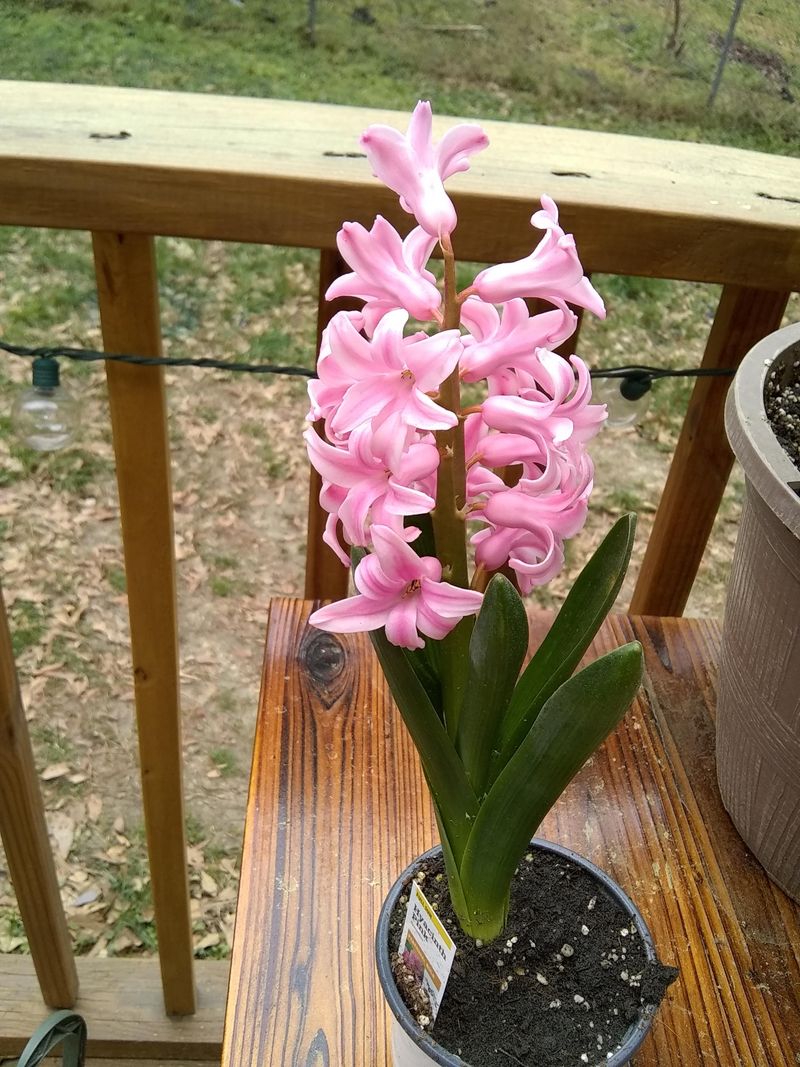
Hyacinth bulbs are particularly sensitive to soggy conditions, especially during Michigan’s wet spring thaw periods. Excess moisture trapped around bulbs creates an environment where rot can develop quickly, destroying bulbs before they have a chance to bloom.
Well-drained soil allows water to move through rather than pooling around vulnerable bulb tissue.
Michigan’s clay-heavy soils present unique challenges for gardeners trying to grow hyacinths successfully. These dense soils hold water much longer than sandy or loamy types, increasing the risk of bulb rot during winter and early spring.
Amending clay soil with organic matter improves drainage significantly.
Compost, aged manure, or peat moss mixed into the planting area lightens heavy soil and creates air pockets that facilitate water movement. A ratio of one part amendment to two parts native soil works well for most Michigan gardens.
Mixing thoroughly ensures consistent drainage throughout the root zone.
Raised beds offer an excellent solution for areas with persistent drainage problems in Michigan yards. Elevating the planting surface by six to twelve inches allows excess water to drain away from bulbs naturally.
This approach works particularly well in low-lying areas prone to standing water.
Testing drainage before planting saves disappointment later when bulbs fail to emerge in spring. A simple test involves digging a hole about twelve inches deep, filling it with water, and observing how quickly it drains.
If water remains after twenty-four hours, drainage improvements are necessary.
3. Give Hyacinths Full Sun Before Trees Leaf Out
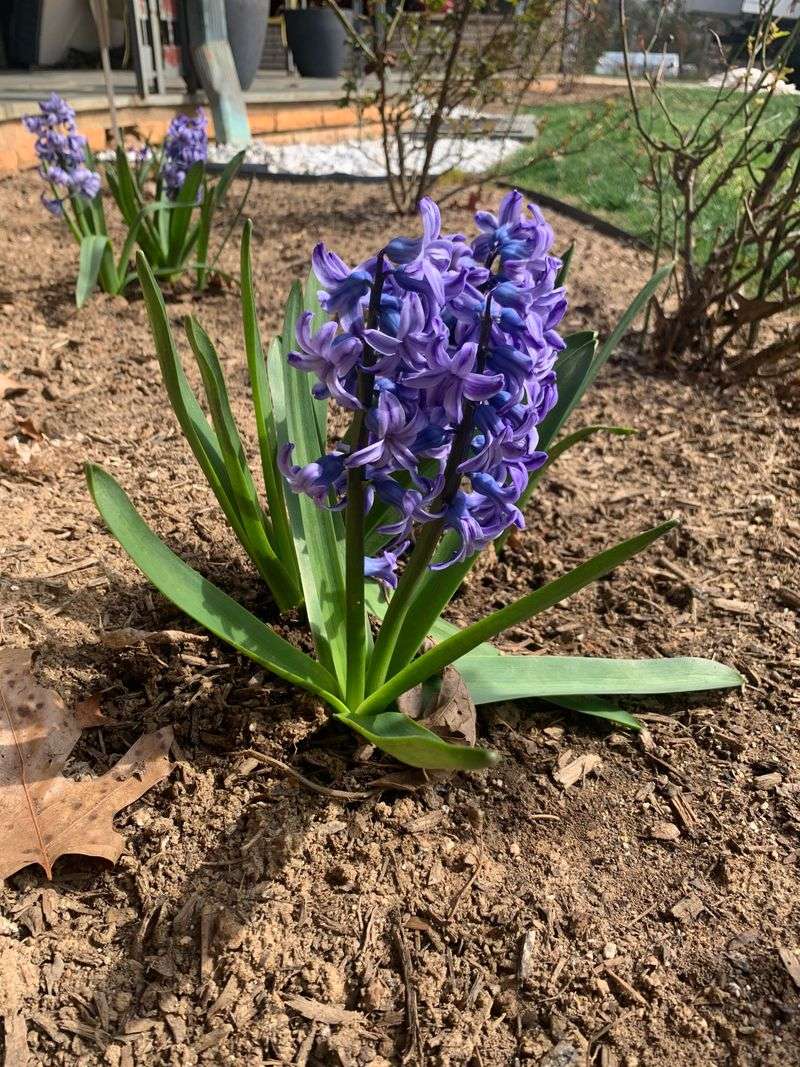
Early spring sunshine provides critical energy that hyacinths need to produce their spectacular blooms in Michigan gardens. Before deciduous trees develop their full canopy, hyacinths can soak up maximum sunlight during their most active growth period.
This window of opportunity is relatively brief but incredibly important for flower development.
Positioning hyacinth bulbs where they receive at least six hours of direct sunlight during early spring ensures robust growth in Michigan. South-facing locations typically offer the most consistent sun exposure during March and April.
Eastern exposures work well too, capturing morning light when temperatures are coolest.
Many Michigan gardeners successfully plant hyacinths beneath deciduous trees that remain bare until late spring. This strategy takes advantage of the open canopy during the bulb’s bloom period while providing light shade during summer dormancy.
Oaks, maples, and ash trees work particularly well for this approach.
Shade from evergreen trees or structures creates poor growing conditions for hyacinths in Michigan landscapes. These permanent shade sources block sunlight year-round, preventing bulbs from gathering enough energy to bloom properly.
Flowers may be sparse or absent entirely in deeply shaded locations.
Observing your garden’s light patterns during early spring helps identify the best spots for hyacinths in Michigan. Shadows shift as the sun’s angle changes throughout the season, so timing your observations for March and April provides the most accurate information.
Taking photos at different times of day can help document sun exposure.
4. Avoid Overwatering During Cool Spring Weather
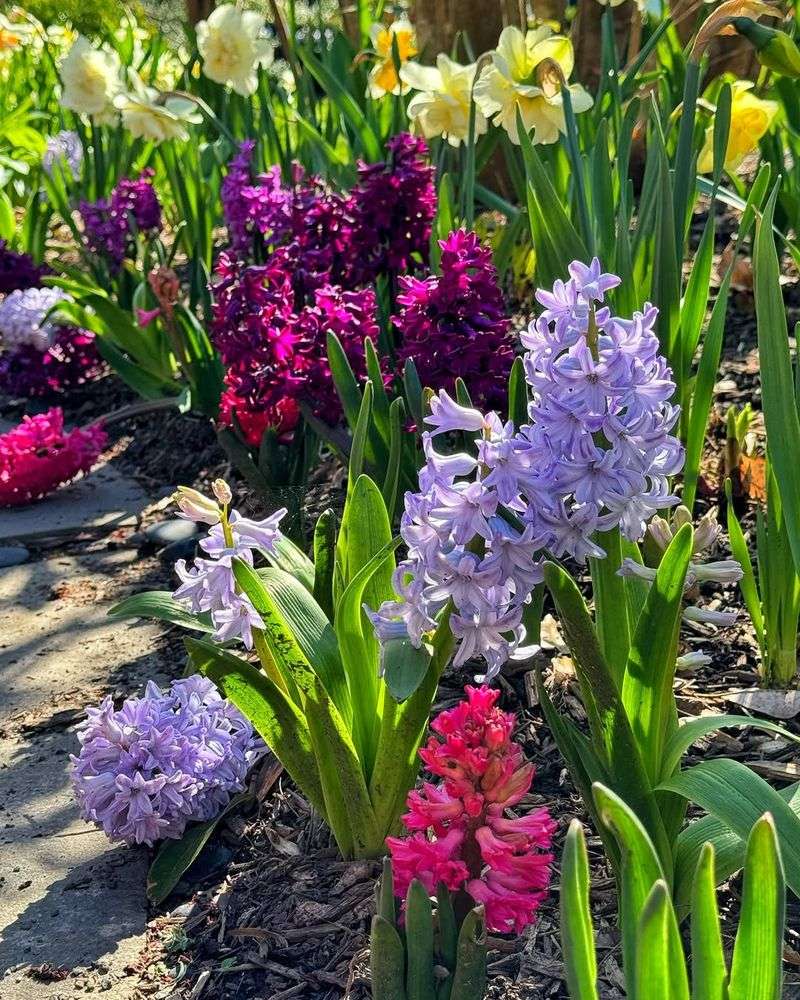
Michigan’s cool, damp spring conditions often provide more than enough moisture for hyacinths without any supplemental watering. Rainfall combined with melting snow typically saturates the soil, giving bulbs all the water they need for healthy growth.
Adding extra water during this period can actually harm rather than help your plants.
Hyacinth roots function most efficiently when soil moisture remains consistent but never waterlogged in Michigan gardens. Excessive watering displaces oxygen in the soil, essentially suffocating roots and preventing them from absorbing nutrients properly.
This stress weakens plants and can lead to stunted growth or bloom failure.
Cool temperatures slow evaporation rates significantly, meaning water remains in Michigan soil much longer than during warmer months. What might seem like a light watering can actually create soggy conditions that persist for days.
Patience often serves gardeners better than frequent watering during spring.
Checking soil moisture by hand provides the most reliable information for Michigan gardeners growing hyacinths. Insert your finger about two inches into the soil near the bulbs.
If it feels moist or cool to the touch, no watering is necessary regardless of how the surface appears.
Morning watering, when absolutely necessary, allows excess moisture to evaporate during the day in Michigan gardens. Evening watering leaves soil wet overnight, creating conditions that favor fungal growth and rot.
Timing makes a significant difference in how plants respond to supplemental moisture.
Newly planted bulbs in fall require more careful attention to watering than established bulbs in spring across Michigan. Fall planting occurs when soil is drier, so initial watering helps settle soil around bulbs.
5. Protect Emerging Shoots From Late Michigan Frosts
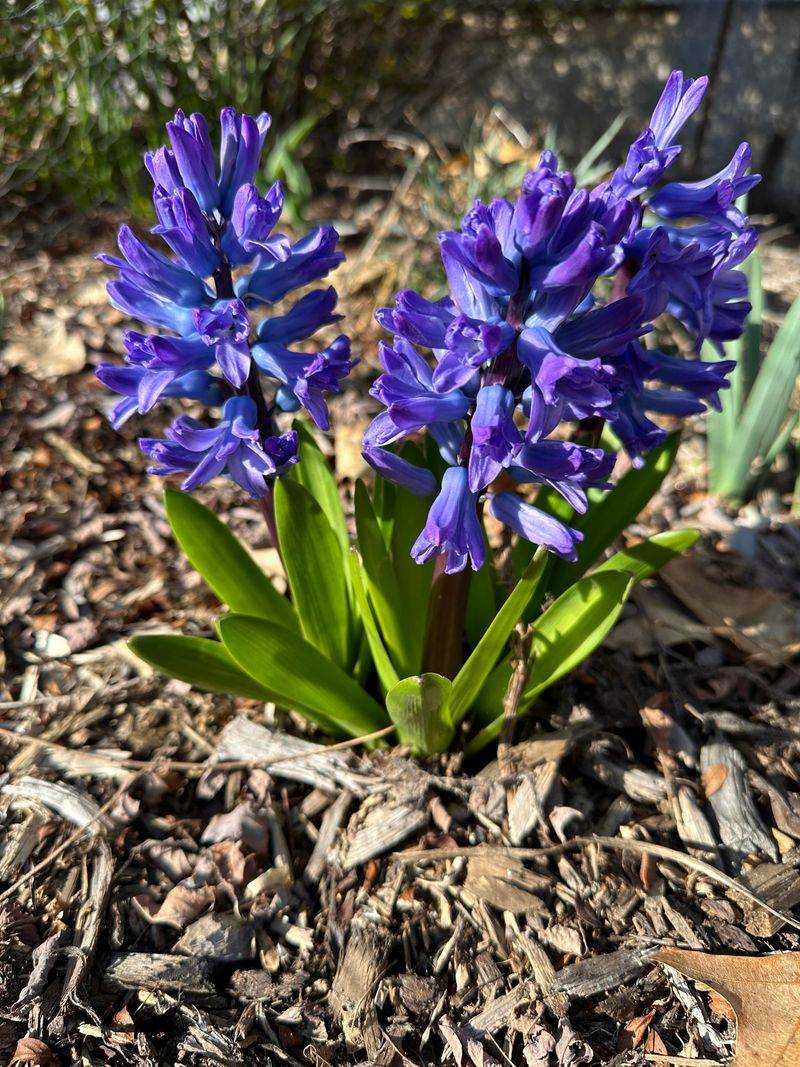
Late-season frosts pose a real threat to hyacinth shoots that emerge during Michigan’s unpredictable spring weather. Tender new growth can suffer damage when temperatures suddenly plunge below freezing after several warm days.
Blackened or wilted shoot tips indicate frost injury that may reduce bloom quality or delay flowering.
Covering hyacinths with lightweight fabric provides effective protection during frost warnings in Michigan gardens. Old sheets, burlap, or commercial frost blankets work well for this purpose.
Draping material over plants in the evening and removing it the next morning prevents cold damage without requiring permanent structures.
Plastic sheeting should be avoided for frost protection on hyacinths in Michigan because it doesn’t breathe like fabric. Condensation can form underneath plastic, potentially causing more harm than the frost itself.
If plastic is your only option, ensure it doesn’t touch the foliage directly.
Mulch pulled up around emerging shoots offers some insulation against light frosts in Michigan gardens. A few inches of loose straw or shredded leaves can protect shoots during brief cold snaps.
This method works best for temperatures that dip just slightly below freezing rather than hard freezes.
Location within your Michigan yard influences how severely frost affects hyacinths. Low-lying areas where cold air settles experience more intense freezing than higher ground.
Planting on slopes or elevated areas reduces frost risk naturally.
6. Remove Spent Blooms Without Cutting Back Healthy Leaves
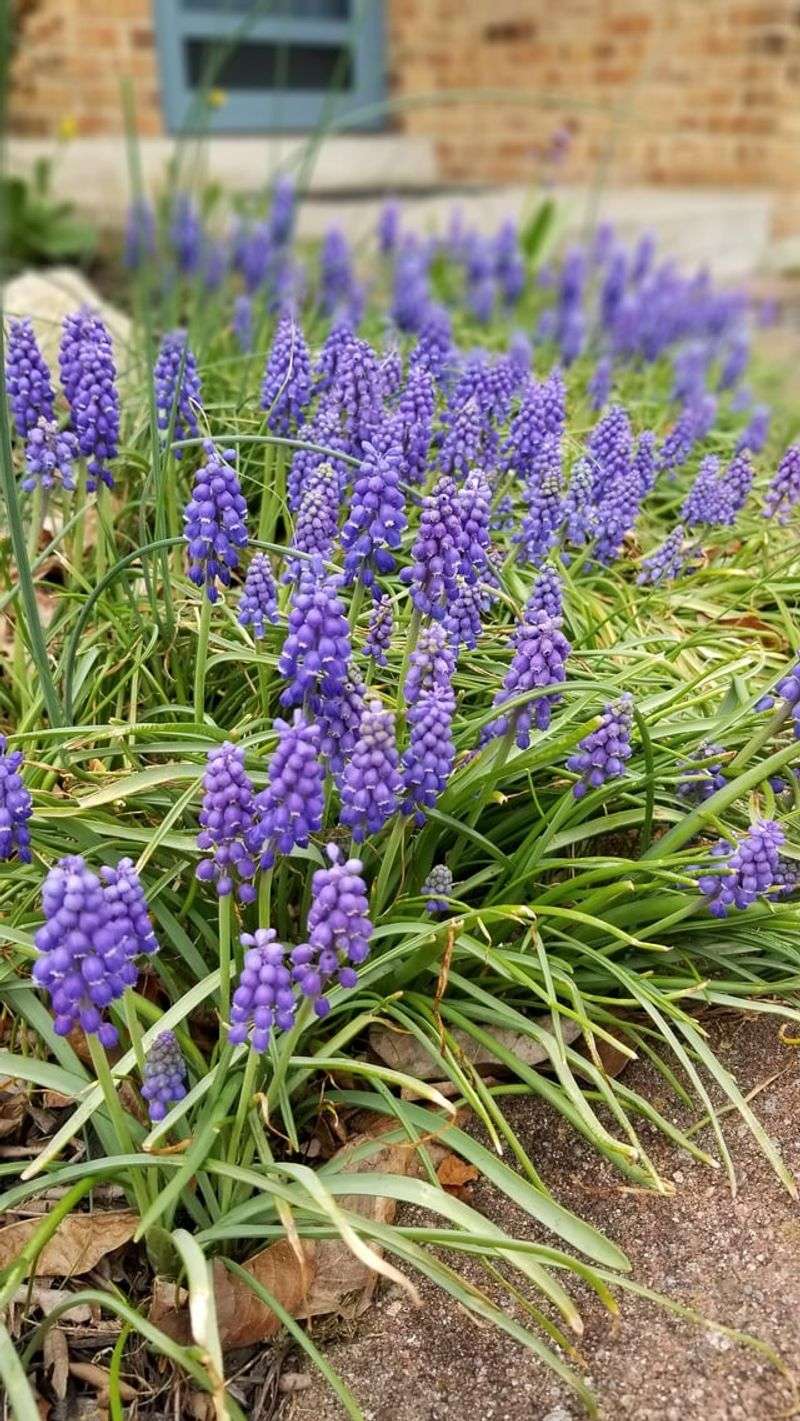
Hyacinth flowers eventually fade after their spectacular spring display in Michigan gardens, but the foliage continues playing a vital role. Leaves manufacture food through photosynthesis, storing energy in the bulb for next year’s growth cycle.
Removing foliage too early starves the bulb and weakens future flowering potential.
Snipping off faded flower heads prevents energy waste on seed production in Michigan hyacinth plantings. This process, called deadheading, redirects the plant’s resources toward bulb strengthening rather than seed development.
A clean cut just below the flower cluster is all that’s needed.
Leaving the thick flower stem attached to the foliage allows continued photosynthesis in Michigan gardens. While the stem isn’t as efficient as leaves, it still contributes to the bulb’s energy reserves.
Some gardeners prefer removing stems for aesthetic reasons, but leaving them provides marginal benefits.
Healthy hyacinth leaves should remain intact for at least six weeks after blooming ends in Michigan. This timeframe allows adequate energy transfer to the bulb for strong performance the following year.
Counting from the last petal drop helps track when removal might be appropriate.
Foliage gradually yellows and withers naturally as the bulb completes its annual cycle in Michigan gardens. This visual change signals that the leaves have finished their work and energy transfer is complete.
Only then should foliage be removed without harming the bulb.
7. Let Foliage Fade Naturally After Flowering
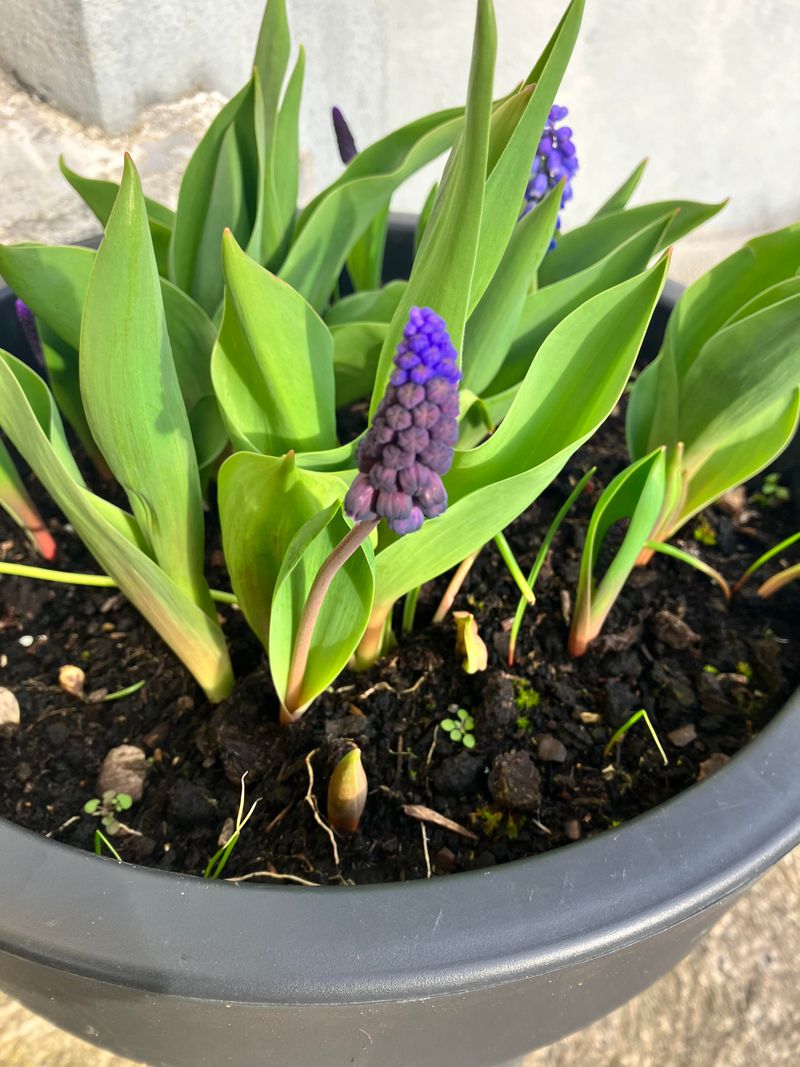
Allowing hyacinth leaves to complete their natural cycle is essential for sustained bulb health in Michigan gardens. The ripening process takes several weeks as leaves gradually transfer stored nutrients back into the bulb.
Interrupting this process by cutting foliage prematurely compromises the bulb’s ability to bloom well the following year.
Michigan gardeners sometimes feel tempted to remove yellowing foliage for aesthetic reasons, but patience yields better long-term results. The temporary untidiness is a small price to pay for vigorous future blooms.
Understanding this trade-off helps gardeners resist the urge to tidy up too soon.
Leaf color changes from vibrant green to pale yellow, then tan as the process completes in Michigan hyacinth plantings. These color shifts indicate that chlorophyll is breaking down and nutrients are moving into the bulb.
Each stage represents progress toward completing the annual growth cycle.
Texture changes accompany color shifts as hyacinth foliage matures in Michigan gardens. Leaves become softer and more pliable as they approach the end of their functional period.
Eventually, they become papery and brittle, signaling that removal is safe.
Strategic garden design minimizes the visual impact of declining hyacinth foliage in Michigan landscapes. Placing bulbs behind later-emerging perennials or among spreading groundcovers provides natural camouflage.
This planning ahead makes the waiting period less noticeable.
8. Feed Lightly After Bloom To Support Next Year’s Flowers
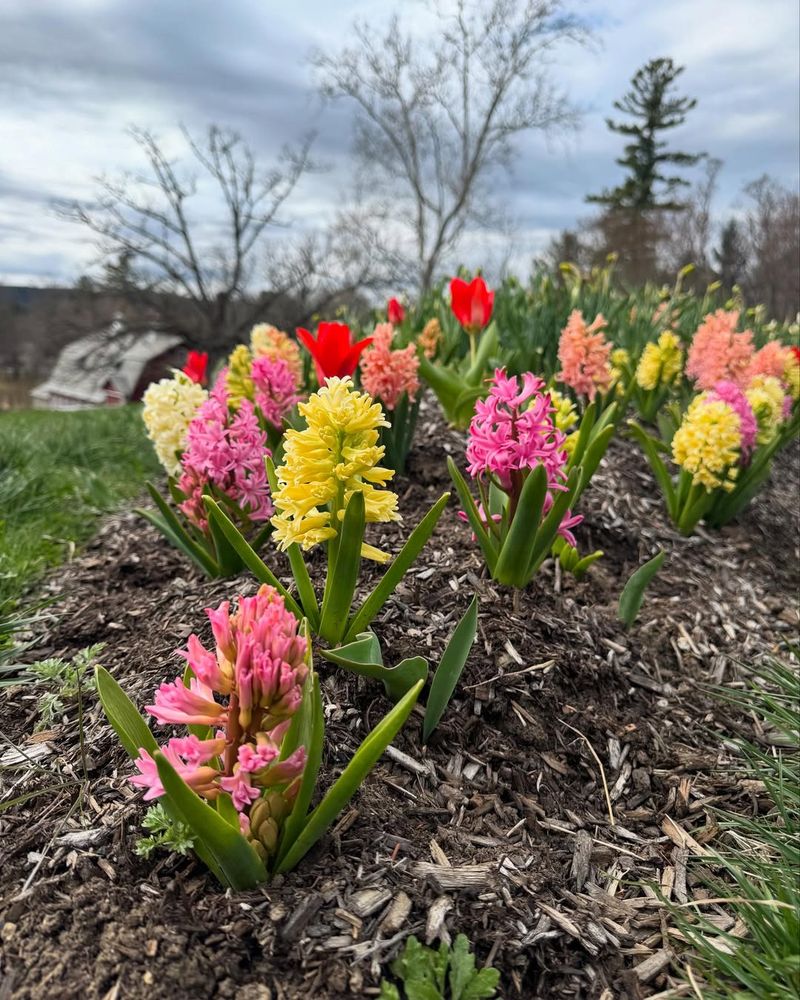
Post-bloom fertilization gives hyacinth bulbs a nutritional boost that supports next season’s performance in Michigan gardens. This feeding occurs while foliage is still green and actively photosynthesizing, allowing leaves to process nutrients and transfer them to the bulb.
Timing this application correctly maximizes its benefit.
Balanced fertilizers with equal nitrogen, phosphorus, and potassium ratios work well for hyacinths in Michigan. A formula like 10-10-10 provides all necessary nutrients without over-emphasizing any single element.
Slow-release granular products offer sustained feeding over several weeks.
Applying fertilizer immediately after flowers fade ensures nutrients are available when hyacinths need them most in Michigan gardens. Sprinkling granules around the base of plants and watering them in gently carries nutrients into the root zone.
Avoid direct contact between fertilizer and foliage to prevent burning.
Liquid fertilizers offer an alternative to granular products for feeding hyacinths in Michigan. Diluted to half the recommended strength, liquid formulas provide gentle nutrition that bulbs can absorb quickly.
This method works particularly well for container-grown hyacinths.
Organic options like compost tea or fish emulsion supply nutrients while improving soil health in Michigan gardens. These natural fertilizers release nutrients slowly, reducing the risk of over-feeding.
They also support beneficial soil microorganisms that aid nutrient uptake.
Bone meal provides phosphorus that specifically supports root development and flower formation in Michigan hyacinth plantings. Scratching a small amount into the soil surface around bulbs delivers this important nutrient where it’s needed.
Phosphorus moves slowly through soil, so annual applications maintain adequate levels.
9. Divide And Replant Crowded Bulbs Every Few Years
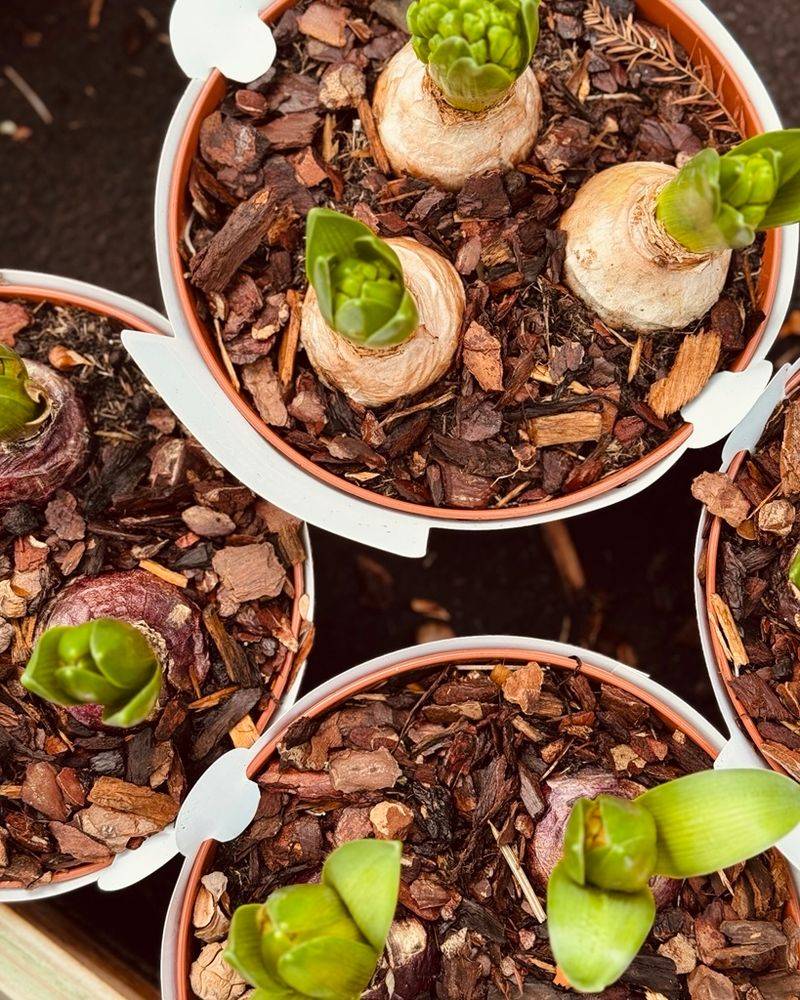
Hyacinth bulbs multiply over time, producing smaller offset bulbs that eventually crowd the planting area in Michigan gardens. This natural reproduction leads to competition for nutrients, water, and space.
Overcrowded conditions result in smaller blooms and reduced flowering as bulbs struggle for resources.
Lifting and dividing hyacinth clumps every three to four years maintains vigorous growth in Michigan plantings. This interval allows bulbs to multiply sufficiently to make division worthwhile without becoming so crowded that performance declines noticeably.
Observing bloom size and quantity helps determine optimal timing.
Late summer provides the ideal window for dividing hyacinths in Michigan gardens. Bulbs are dormant during this period, making them less vulnerable to transplant stress.
Completing this task by early September allows time for root establishment before winter arrives.
Carefully digging around the bulb clump prevents damage during lifting in Michigan gardens. A garden fork works better than a spade for this task, as its tines are less likely to slice through bulbs.
Inserting the fork several inches away from where you expect bulbs to be provides a safety margin.
Gently separating individual bulbs by hand works better than cutting them apart in Michigan hyacinth divisions. Pulling offset bulbs away from the mother bulb preserves the natural separation point, reducing injury risk.
Damaged bulbs are more susceptible to rot and disease.
Inspecting bulbs during division allows removal of any that show signs of rot or damage in Michigan gardens. Soft spots, discoloration, or foul odors indicate problems that could spread to healthy bulbs.