How To Keep Indoor Plants Hydrated During Nevada’s Dry Winter Air
Nevada’s winter months bring bone-chilling temperatures outside, but inside your home, the air becomes incredibly dry thanks to constant heating.
This arid indoor environment can wreak havoc on your beloved houseplants, causing wilted leaves, brown tips, and stressed greenery.
Your plants need extra attention during these harsh months to survive and flourish despite the challenging conditions.
With the right strategies, you can create a comfortable, humid haven for your indoor garden even when Nevada’s winter air feels like a desert.
These practical solutions will help your plants stay lush, vibrant, and healthy throughout the coldest season.
Group Your Plants Together For Shared Humidity
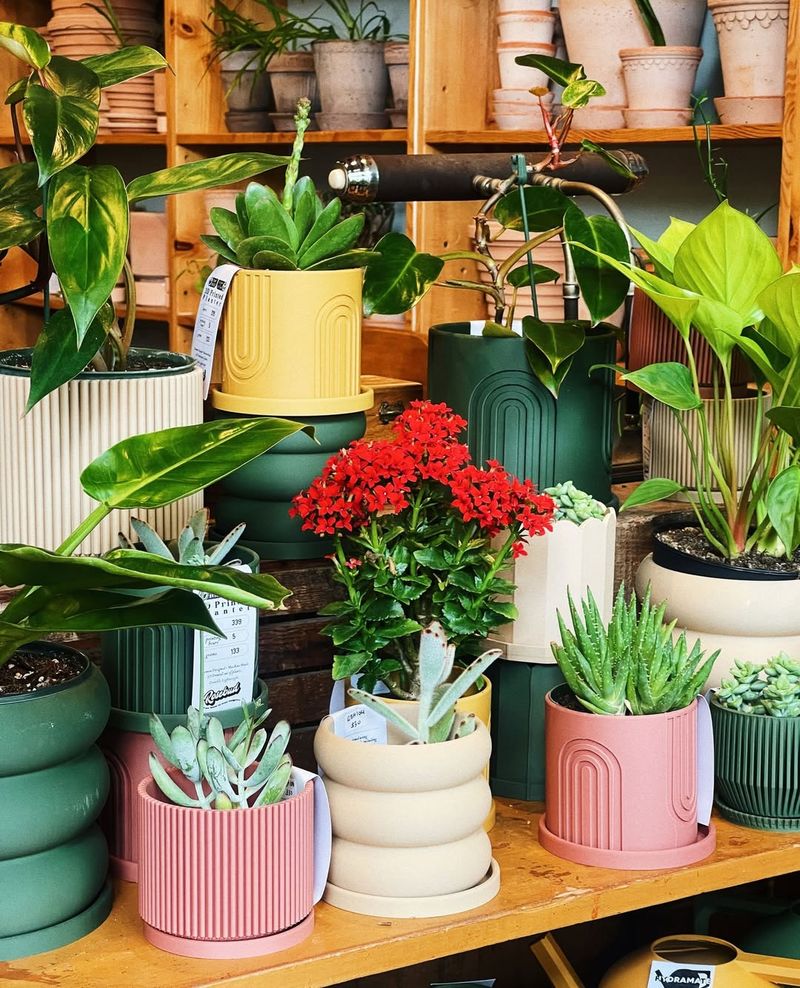
Creating a mini jungle in one corner of your home does more than look beautiful—it actually helps your plants breathe easier.
When you cluster several plants close together, they create their own microclimate through a process called transpiration.
Each plant releases moisture through tiny pores in its leaves, and when grouped, this collective moisture benefits all nearby greenery.
This natural humidity boost becomes especially valuable during Nevada’s brutal winter months when indoor air turns uncomfortably dry.
Position your plant collection on a large tray or table where they can share space without crowding each other’s growth.
Make sure each plant still receives adequate light based on its individual needs.
The shared moisture helps prevent crispy leaf edges and keeps foliage looking fresh and vibrant.
This strategy works particularly well for tropical plants that crave higher humidity levels.
You’ll notice your plants looking perkier and healthier when they support each other through the dry season.
This simple arrangement mimics how plants grow naturally in forests, where they benefit from communal moisture and protection from harsh environmental conditions throughout challenging weather.
Invest In A Quality Humidifier For Consistent Moisture
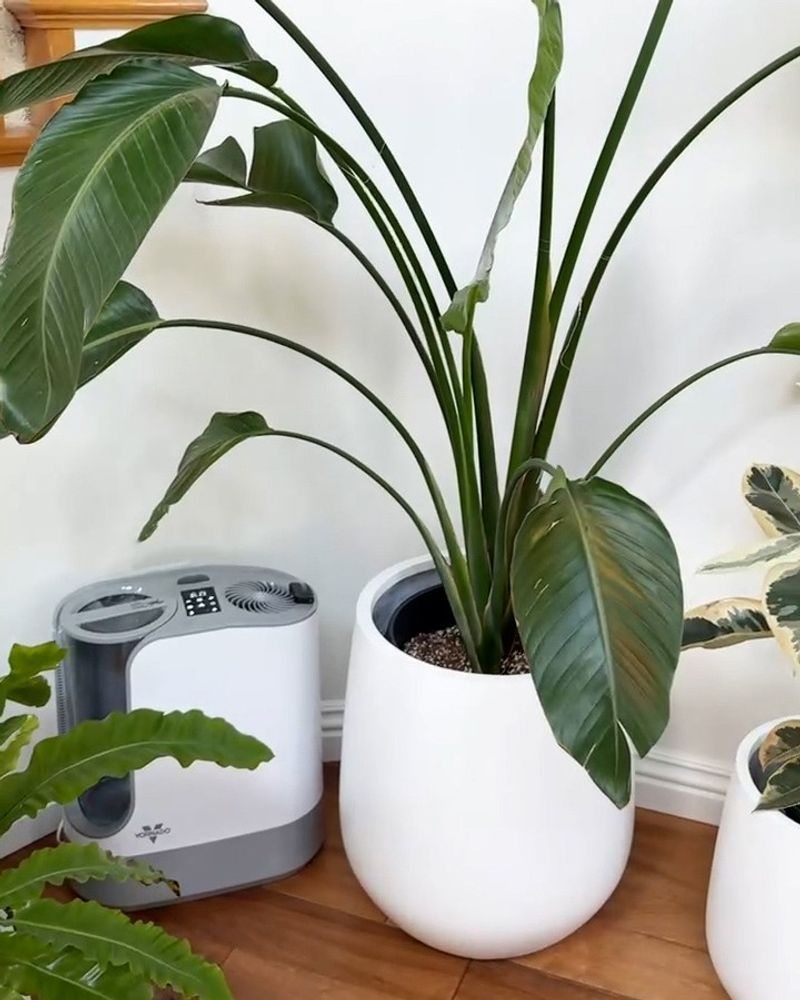
Nothing beats the reliability of a good humidifier when battling Nevada’s desert-dry winter air inside your home.
These devices add essential moisture back into the atmosphere, creating an environment where both you and your plants can thrive comfortably.
Cool-mist humidifiers work wonderfully for plant care because they don’t create temperature fluctuations that might stress sensitive varieties.
Place your humidifier in the room where you keep most of your houseplants for maximum benefit.
Aim for maintaining indoor humidity levels between 40 and 60 percent, which suits most common houseplants perfectly.
Many modern humidifiers come with built-in hygrometers that measure moisture levels automatically.
Running your humidifier consistently throughout winter months prevents the crispy, brown leaf tips that signal moisture stress.
Remember to clean your humidifier regularly according to manufacturer instructions to prevent mold and bacteria buildup.
The investment pays off quickly when you see your plants maintaining their glossy, healthy appearance despite harsh outdoor conditions.
Your tropical plants like ferns, calatheas, and orchids will especially appreciate this extra humidity boost.
Some Nevada residents find running humidifiers benefits their own skin and respiratory comfort too, making it a win-win solution for the entire household during dry seasons.
Use Pebble Trays To Create Localized Humidity Zones
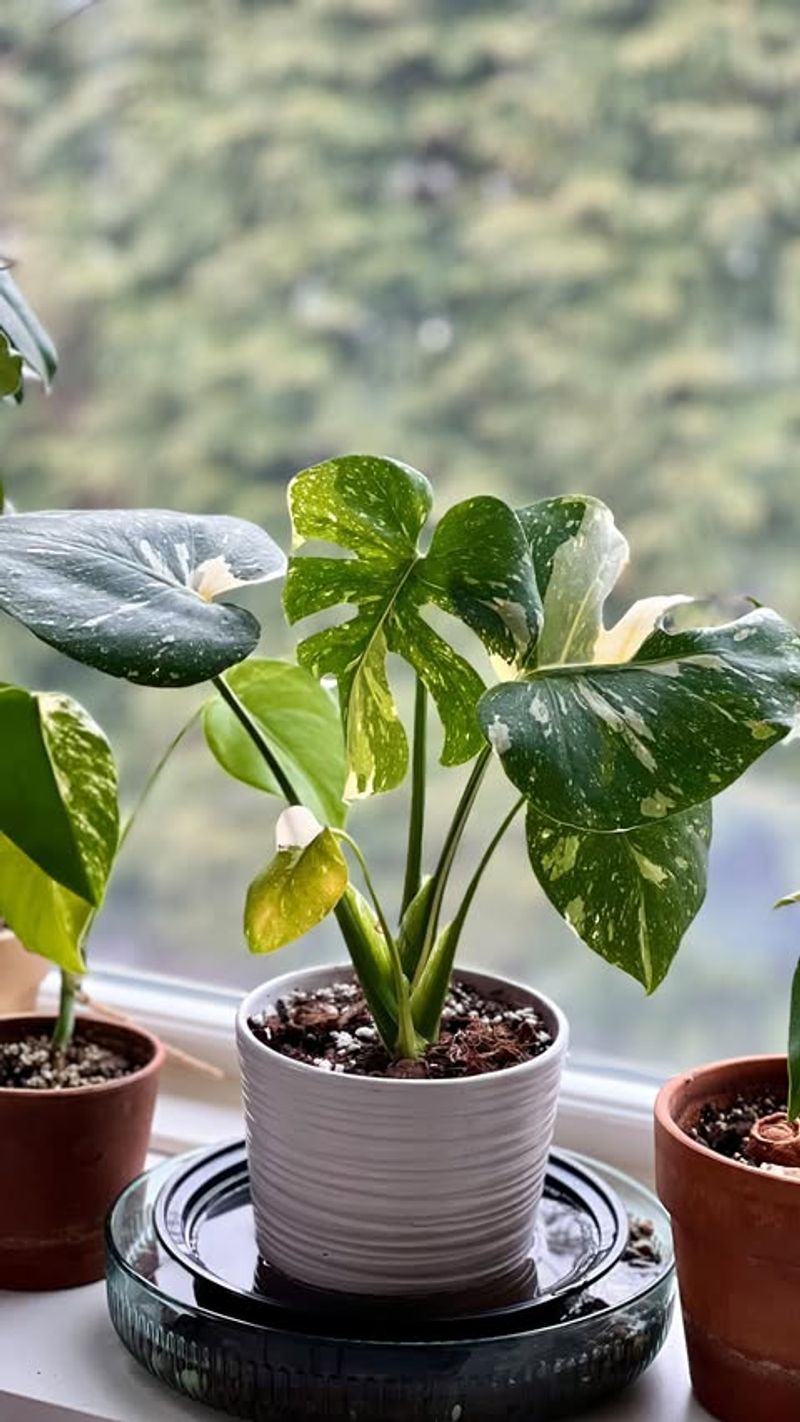
This old-fashioned trick remains one of the most effective and affordable ways to boost humidity around individual plants.
Fill a shallow tray or saucer with small pebbles or decorative stones, then add water until it reaches just below the top of the stones.
Set your potted plant on top of the pebbles, making sure the pot bottom sits above the waterline to prevent root rot.
As the water evaporates from the tray, it creates a humid microclimate directly around your plant’s foliage.
This method works especially well for plants sitting on windowsills or shelves where you can’t easily group multiple plants together.
You’ll need to refill the water regularly as it evaporates, especially in Nevada’s extremely dry winter conditions.
The evaporation rate actually indicates how dry your indoor air has become.
Consider using decorative stones or colored pebbles that complement your home decor while serving this practical purpose.
Multiple pebble trays throughout your home create humid zones in different locations.
This approach gives you flexibility to spread plants around your living space while still providing them with necessary moisture.
Many plant enthusiasts in Nevada swear by this simple, inexpensive solution that requires minimal maintenance but delivers noticeable results for plant health and appearance.
Mist Your Plants Regularly With Room-Temperature Water
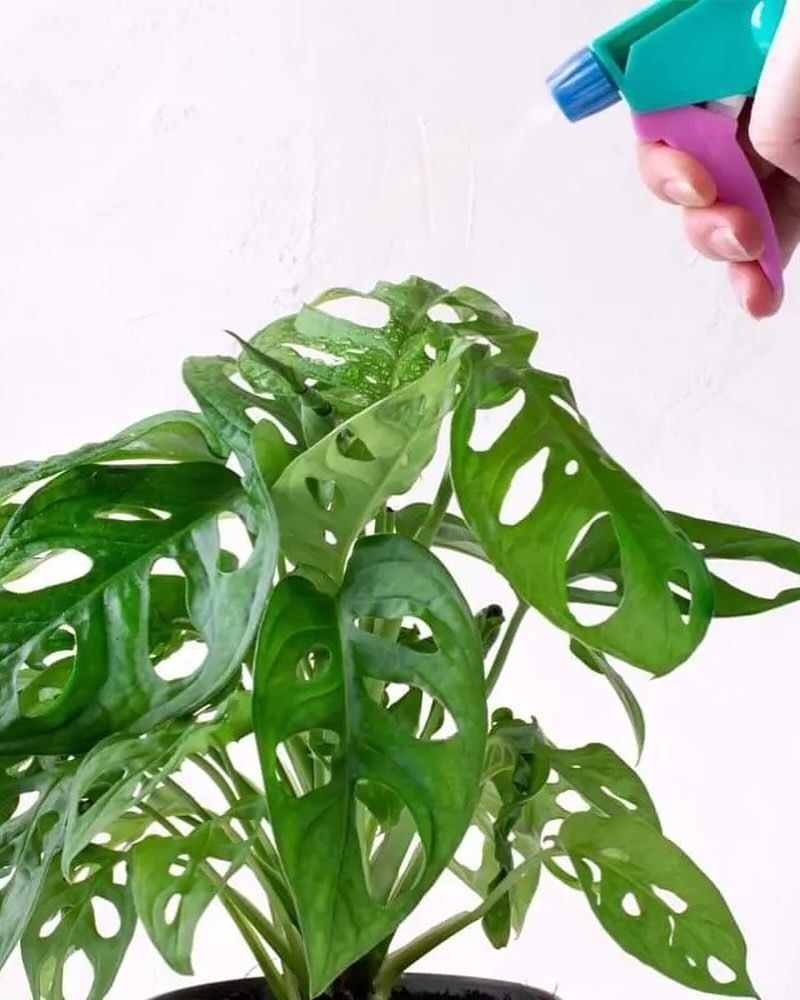
Grabbing a spray bottle and giving your plants a gentle misting provides quick relief from dry air stress.
This practice temporarily increases humidity around leaves while also cleaning dust from foliage surfaces.
Use room-temperature or slightly warm water rather than cold water, which can shock sensitive plants.
Early morning misting works best because it gives leaves time to dry before nightfall, reducing the risk of fungal problems.
Focus your spray on the undersides of leaves where plants absorb moisture most efficiently through their stomata.
Plants with fuzzy leaves like African violets should be misted cautiously or not at all, as water droplets can cause spotting.
During Nevada’s winter, you might need to mist moisture-loving plants daily or even twice daily depending on your home’s dryness.
Keep your spray bottle filled and ready near your plant collection for convenient daily care.
While misting alone won’t solve severe humidity problems, it provides supplemental moisture that helps plants cope with challenging conditions.
Some plant owners add a tiny drop of liquid fertilizer to their misting water once monthly for a foliar feeding boost.
This hands-on care routine also gives you regular opportunities to inspect your plants closely for any signs of pests or health issues that need attention.
Place Plants In Naturally Humid Rooms Like Bathrooms
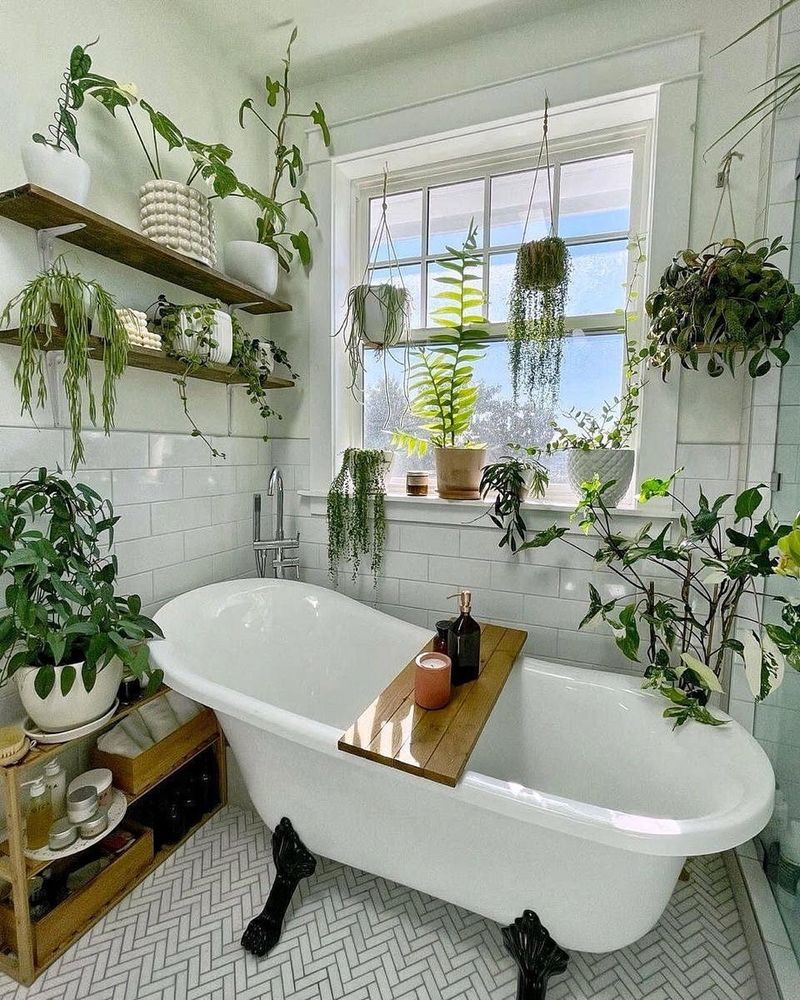
Your bathroom naturally becomes the most humid room in your home thanks to regular showers and baths that release generous amounts of steam.
Taking advantage of this built-in moisture source makes perfect sense for plants that struggle with Nevada’s dry winter air.
Many houseplants absolutely thrive in bathroom environments, especially ferns, pothos, orchids, and peace lilies.
Make sure your bathroom has adequate light, either from a window or from bright artificial lighting.
The combination of humidity and warmth in bathrooms mimics tropical conditions that many popular houseplants originally come from.
Even if your bathroom doesn’t have windows, low-light tolerant plants can flourish under LED grow lights or bright vanity lighting.
The steam from your morning shower provides regular humidity boosts that would require a humidifier in other rooms.
This placement strategy works particularly well for smaller plants that fit comfortably on countertops, shelves, or window ledges.
Kitchen environments also offer higher humidity from cooking activities, making them another good option for moisture-loving plants.
Just ensure plants stay away from direct heat sources like stoves or heating vents that could dry them out despite the room’s general humidity.
Rotating plants between bathrooms and other rooms gives all your greenery occasional humidity vacations during particularly harsh dry spells in Nevada winters.
Water Correctly Without Overcompensating For Dry Air
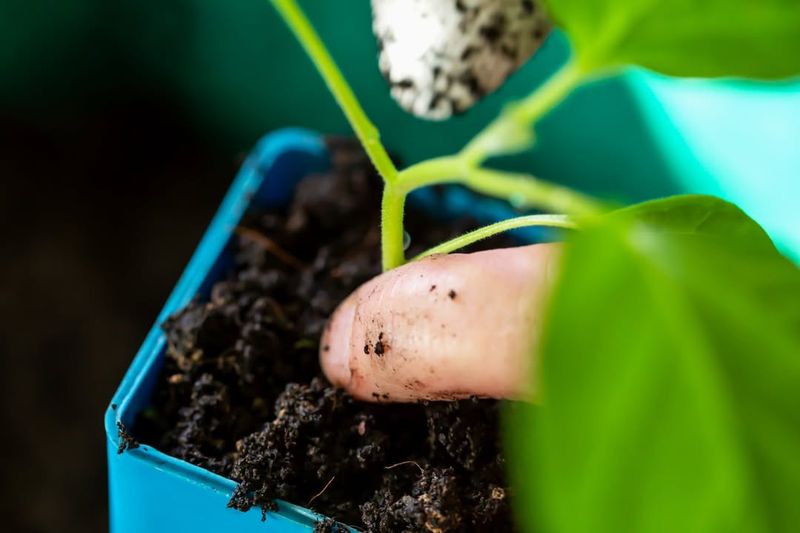
Many well-meaning plant parents accidentally overwater their plants while trying to combat dry air, creating more problems than they solve.
Dry air affects foliage primarily, while overwatering damages roots and can lead to rot and fungal issues.
Check soil moisture before watering by sticking your finger about two inches deep into the potting mix.
Water only when the soil feels dry at that depth for most common houseplants.
Some desert-adapted plants like succulents and cacti need even longer dry periods between waterings, even during Nevada winters.
Pour water slowly until it drains from the bottom holes, ensuring the entire root ball gets moistened evenly.
Empty drainage saucers after about fifteen minutes so plants don’t sit in standing water.
Winter’s dry air might actually mean some plants need less frequent watering because lower light levels slow their growth and water uptake.
Pay attention to each plant’s individual signals rather than following a rigid watering schedule.
Wilting from underwatering looks different from wilting caused by root rot from overwatering, so learn to recognize the signs.
Using moisture meters takes the guesswork out of watering decisions if you feel uncertain about soil conditions.
Proper watering practices combined with humidity-boosting strategies give your plants the best chance of thriving throughout Nevada’s challenging winter season.
Avoid Placing Plants Near Heating Vents Or Radiators
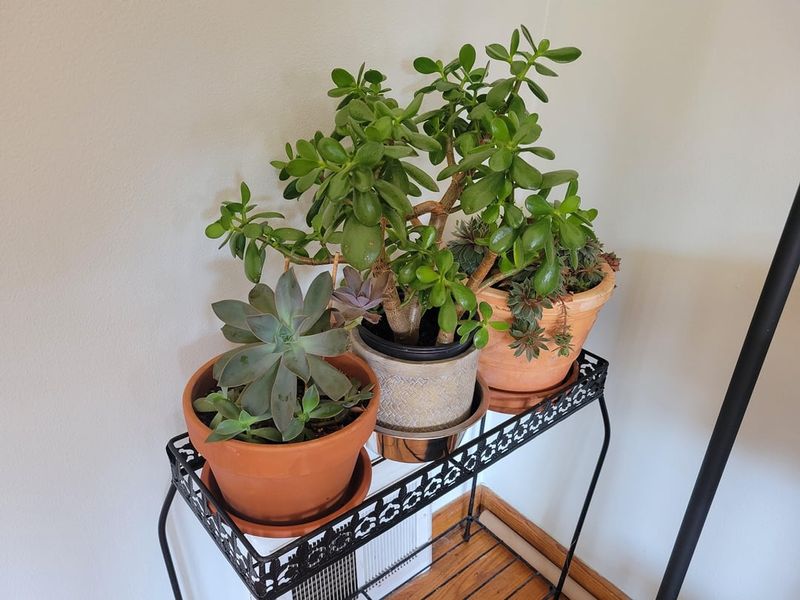
Heating systems that keep your Nevada home comfortable during winter create invisible danger zones for your houseplants.
Hot, dry air blasting directly onto plant foliage causes rapid moisture loss that leads to crispy leaves and stressed plants.
Even plants positioned a few feet from heating vents can suffer from the constant stream of dehydrating air.
Walk around your home with your hand extended to feel where warm air currents flow from vents and registers.
Move plants away from these areas to locations with more stable temperature and humidity conditions.
Radiators present similar problems, creating hot, dry zones that make it nearly impossible for plants to maintain adequate moisture.
The combination of heat and dryness essentially turns these areas into mini deserts inside your home.
If you have limited space and must keep plants near heating sources, consider using a humidifier nearby to counteract the drying effect.
Rotating plants away from problematic spots during the coldest months when heating runs constantly gives them a better chance of survival.
Windows near heating vents create particularly challenging conditions with cold glass on one side and hot air on the other.
Pay attention to which plants show stress symptoms like brown leaf edges or drooping, as these signs often indicate placement problems.
Finding the right location for each plant makes a tremendous difference in how well they handle Nevada’s harsh winter indoor conditions.
Choose Naturally Drought-Tolerant Plant Varieties For Easier Care
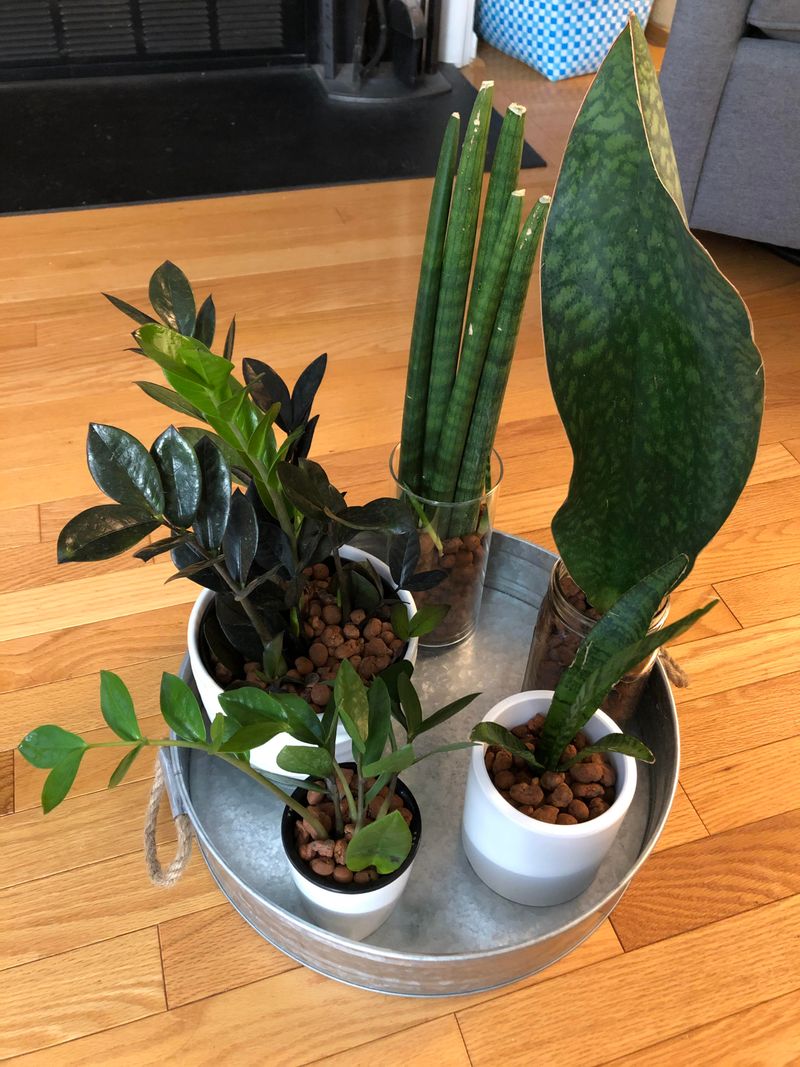
Working with your environment rather than against it makes plant care infinitely easier during Nevada’s dry winter months.
Selecting plants that naturally tolerate low humidity reduces your maintenance workload while ensuring healthier, happier greenery.
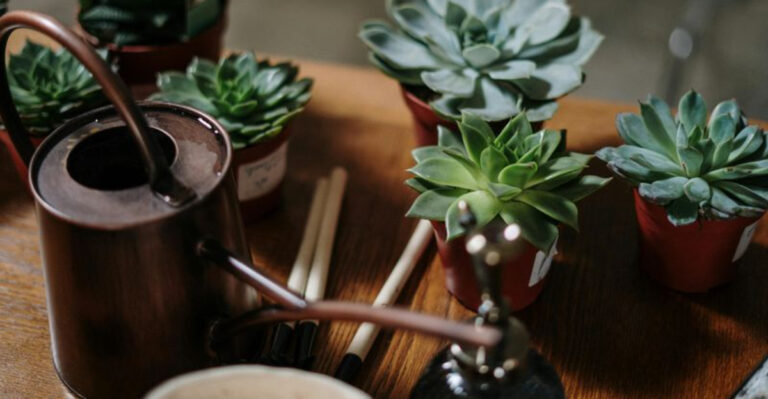
Succulents like jade plants, aloe vera, and echeveria actually prefer dry air and infrequent watering.
Snake plants have earned their reputation as nearly indestructible houseplants that tolerate neglect and dry conditions beautifully.
ZZ plants store water in their thick rhizomes, allowing them to survive extended periods without humidity or frequent watering.
Ponytail palms, despite their tropical appearance, come from dry regions and handle low humidity exceptionally well.
Spider plants adapt remarkably well to various humidity levels, making them perfect for beginners in dry climates.
These resilient varieties still benefit from occasional misting and proper care, but they won’t suffer dramatically if conditions aren’t perfect.
Mixing drought-tolerant plants with more humidity-loving varieties gives you a diverse collection that’s easier to maintain overall.
You can focus your humidity-boosting efforts on the needier plants while letting the tough ones handle Nevada’s dry air independently.
Many attractive, interesting plants fall into the drought-tolerant category, so you won’t sacrifice beauty for practicality.
Building your collection around naturally resilient species sets you up for success rather than constant struggle against environmental challenges throughout the winter season.
Monitor Humidity Levels With An Accurate Hygrometer
You can’t manage what you don’t measure, and this principle applies perfectly to indoor humidity control for plant health.
Inexpensive digital hygrometers take the guesswork out of determining whether your home’s air moisture levels support healthy plant growth.
Most houseplants prefer humidity between 40 and 60 percent, though some tropical varieties prefer even higher levels.
Nevada’s winter indoor humidity often drops below 20 percent without intervention, which stresses even tolerant plants.
Place hygrometers in different rooms to understand humidity variations throughout your home.
Basements typically have higher humidity than upper floors, while rooms with fireplaces tend to be exceptionally dry.
Checking your hygrometer readings helps you decide when to run humidifiers or increase other moisture-boosting strategies.
Some advanced models track humidity over time, showing you patterns and helping you optimize your plant care routine.
Understanding your home’s specific conditions allows you to choose appropriate plants and care strategies rather than following generic advice.
You might discover that certain rooms maintain adequate humidity naturally while others need significant help.
This information helps you place plants strategically where they’ll thrive with minimal extra effort.
Many Nevada plant enthusiasts find that monitoring humidity becomes second nature once they understand how dramatically it affects plant health and appearance throughout the challenging winter months.
Create A Terrarium For Plants Requiring Extreme Humidity
Some plants simply can’t tolerate Nevada’s harsh winter air no matter how many humidity tricks you employ throughout your home.
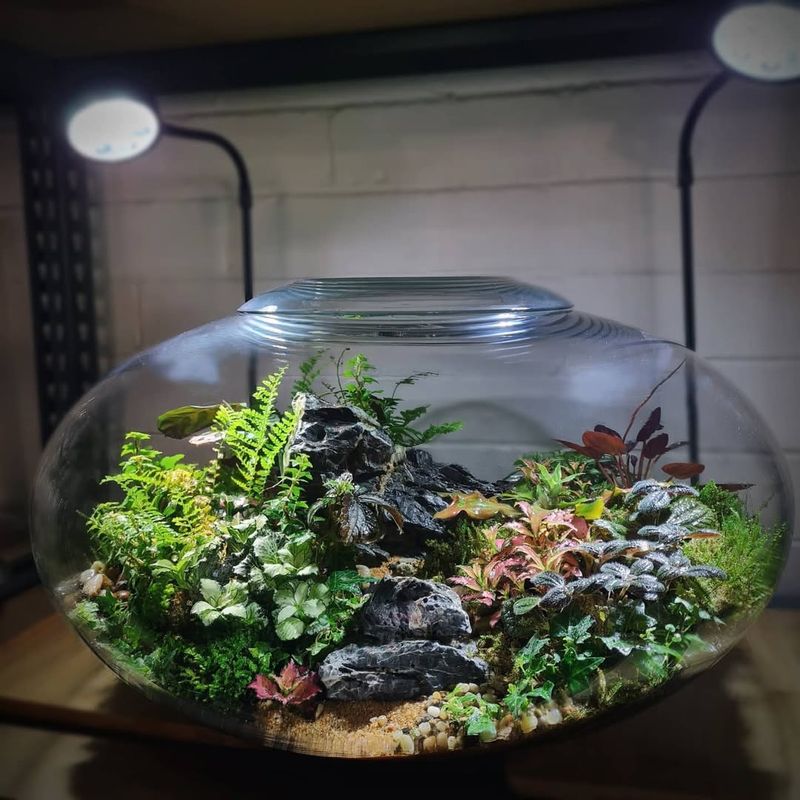
Building a terrarium creates a self-contained ecosystem where humidity-loving plants thrive in their own perfect microclimate.
Glass containers trap moisture that evaporates from soil and leaves, maintaining consistently high humidity without constant intervention.
Closed terrariums work beautifully for ferns, mosses, fittonias, and other plants that demand tropical conditions.
Start with a clear glass container that has either a lid or a narrow opening that limits moisture escape.
Layer drainage materials, activated charcoal, and quality potting mix before adding your chosen plants.
Once established, closed terrariums require minimal watering—sometimes only once every few months.
Open terrariums provide moderate humidity boosts while allowing more air circulation for plants that need some ventilation.
Position your terrarium in bright, indirect light rather than direct sun, which can overheat the enclosed space.
The glass magnifies light, so even low-light plants receive adequate illumination in terrarium settings.
Terrariums also serve as beautiful decorative elements that showcase your plants like living art pieces.
This approach lets you grow delicate, humidity-dependent species that would otherwise struggle or perish in your home’s dry winter air.
Many Nevada plant lovers find that terrariums satisfy their desire to grow challenging plants while keeping maintenance requirements refreshingly simple throughout the year.