How To Keep Winter Flowers Thriving In Michigan Homes This Season
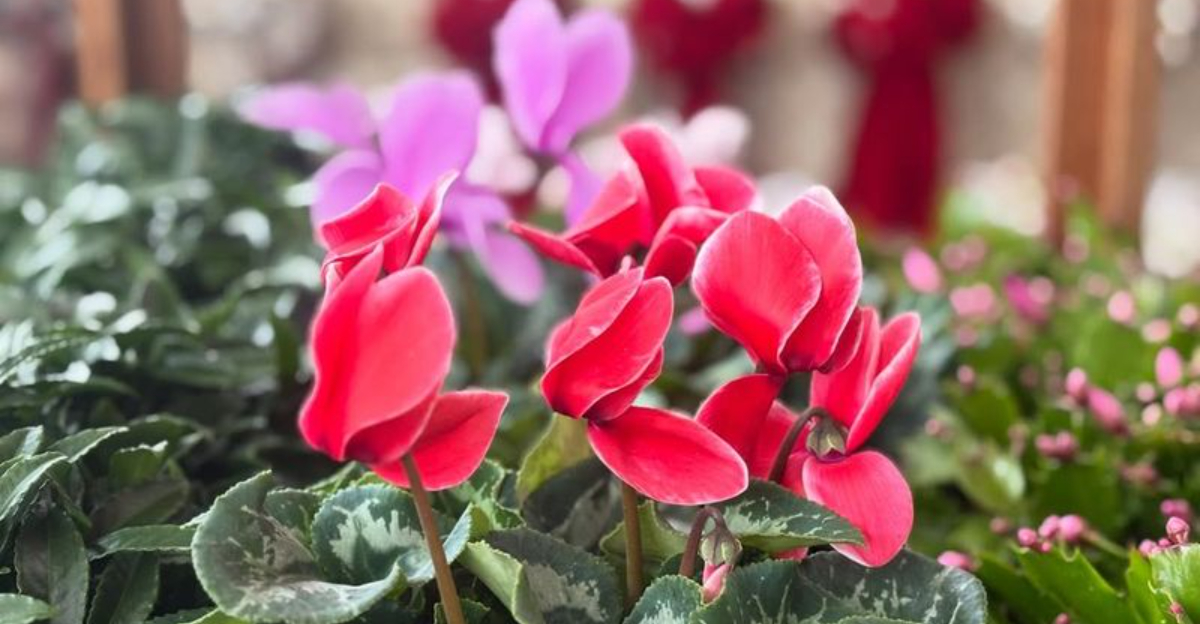
Winter in Michigan can dim the outdoors, but inside the home, winter flowers can steal the show with color and charm that outshine the cold.
These blooms stand tall through short days and frosty nights, bringing warmth to windowsills and tabletops as snow piles up outside.
Still, the season asks a lot from indoor plants.
Dry furnace air, drafty corners, and limited sunlight can make even the toughest flowers feel out of sorts.
The good news is that a few thoughtful habits can keep them in top form.
Soft light, steady moisture, and a cozy spot away from harsh temperature swings help each bloom hold its shape and color.
Over time, the flowers begin to settle in, showing off bright petals and fresh growth as if winter never touched them.
With a gentle hand and a bit of know-how, Michigan homes can glow with living color all season long, turning the cold months into a time of quiet, blooming beauty.
1. Find The Perfect Sunny Spot For Maximum Light Exposure

Light becomes precious during Michigan winters when the sun sets early and clouds dominate the sky.
Your flowering plants need as much natural brightness as possible to stay healthy and produce blooms.
South-facing windows offer the best light exposure throughout the day, making them ideal locations for most winter flowers.
Moving your plants closer to windows helps them soak up every available ray of sunshine.
However, be careful about cold drafts that can sneak through window frames and chill delicate roots.
A thin curtain or placing plants a few inches back from the glass can protect them while still providing adequate light.
Michigan’s short winter days mean your flowers might not get enough natural light even in the best spots.
Consider adding a grow light to supplement sunlight, especially for blooming plants like African violets or orchids.
These affordable lights can extend the “daylight” your plants receive by several hours.
Rotate your flowering plants every few days so all sides get equal light exposure.
Plants naturally lean toward light sources, and turning them prevents lopsided growth.
This simple habit keeps your flowers looking balanced and encourages even blooming around the entire plant.
Watch for signs that your flowers aren’t getting enough light, such as stretching stems, pale leaves, or fewer blooms.
If you notice these problems in your Michigan home, move the plant to a brighter location or add artificial lighting.
Adequate light is the foundation for keeping winter flowers vibrant and thriving throughout the cold season.
2. Master The Art Of Proper Winter Watering Techniques
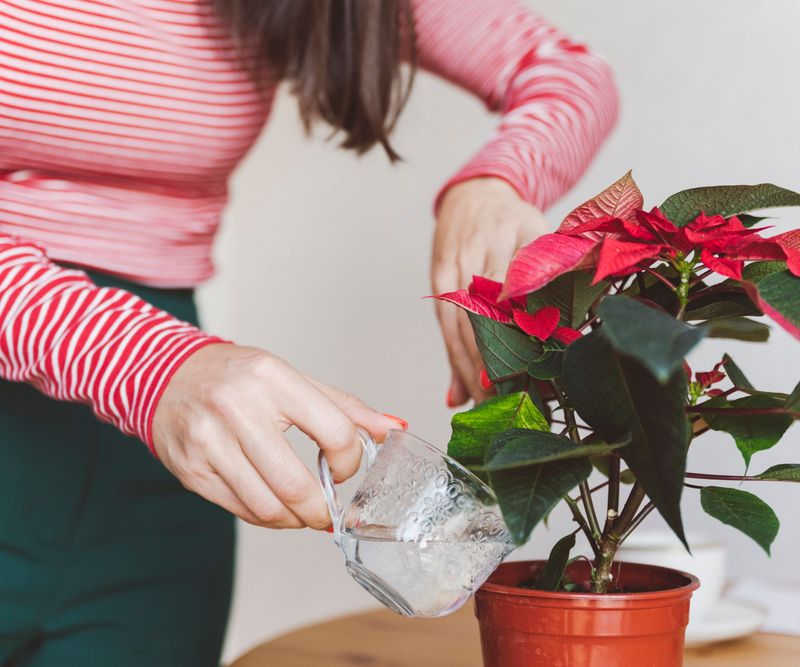
Watering winter flowers requires a completely different approach than summer care.
Indoor heating systems in Michigan homes create dry air that affects how quickly soil dries out.
Most people make the mistake of overwatering during winter, which can cause root rot and other serious problems for flowering plants.
Check the soil moisture before adding water by sticking your finger about an inch deep into the potting mix.
If it feels dry at that depth, it’s time to water.
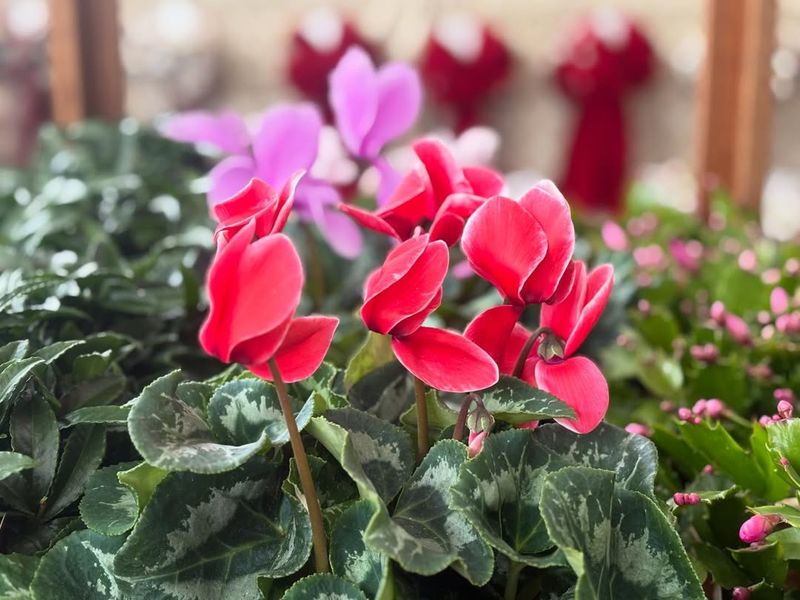
Many winter bloomers like cyclamen and Christmas cactus prefer their soil to dry out slightly between waterings, while others need consistently moist conditions.
Room temperature water works best for winter flowers since cold water can shock the roots.
Let tap water sit out for a few hours before using it, which also allows chlorine to evaporate.
Pour water slowly until it drains from the bottom holes, ensuring the entire root system gets moisture.
Michigan’s heated homes often have humidity levels below 30 percent, which is too dry for many flowering plants.
Grouping plants together creates a microclimate with higher humidity as they release moisture through their leaves.
You can also place pots on trays filled with pebbles and water, making sure the pot bottoms don’t touch the water directly.
Different winter flowers have unique watering needs, so research your specific plants.
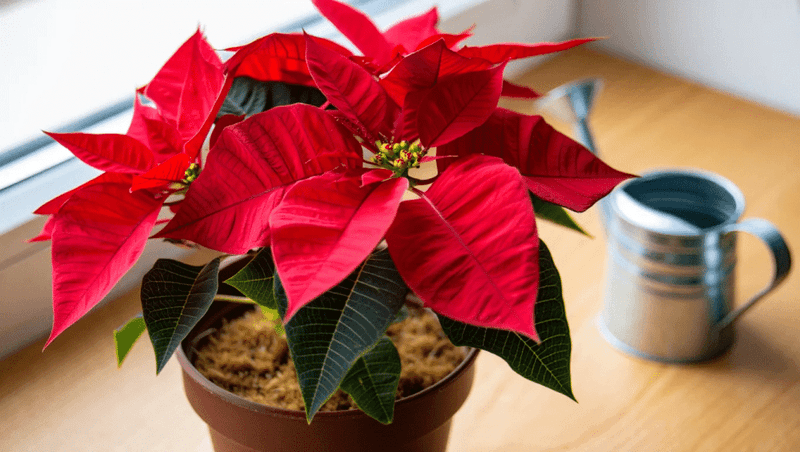
Poinsettias hate soggy soil, while paperwhites need consistent moisture.
Adjusting your watering routine based on each plant’s preferences helps them produce beautiful blooms throughout Michigan’s long winter months.
3. Maintain Ideal Temperature And Avoid Dramatic Fluctuations
Temperature stability matters more than most people realize when growing winter flowers indoors.
Michigan homes experience significant temperature swings, especially near exterior walls and windows where cold seeps through.
Most flowering houseplants prefer temperatures between 65 and 75 degrees Fahrenheit during the day, with slightly cooler nights.
Avoid placing your winter blooms near heating vents, radiators, or fireplaces where hot, dry air blows directly on them.
This intense heat dries out flowers quickly and shortens their blooming period.
Similarly, keep plants away from frequently opened exterior doors where cold blasts can shock delicate foliage and buds.
Nighttime temperature drops are natural and actually beneficial for many winter flowers.
Plants like cyclamen and Christmas cactus bloom better when they experience cooler temperatures at night, ideally around 55 to 60 degrees.
A spare bedroom or enclosed porch in your Michigan home might provide these perfect conditions.
Watch out for cold windowsills during Michigan’s frigid nights when temperatures outside plummet below zero.
The glass becomes extremely cold, and this chill radiates to nearby plants.
Moving flowers away from windows at night or using insulating window treatments protects them from temperature stress.
Some winter bloomers are tougher than others when it comes to temperature tolerance.
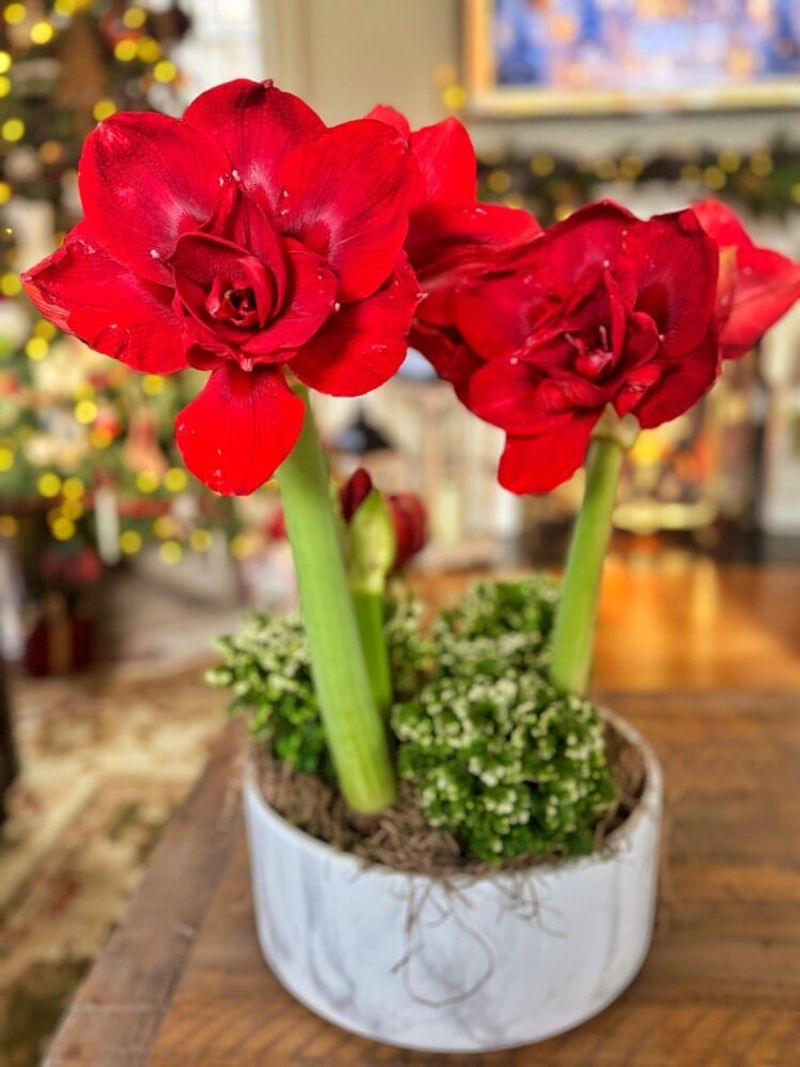
Amaryllis and paperwhites handle typical home temperatures well, while orchids can be fussier.
Understanding your specific plants’ temperature preferences and providing stable conditions helps them thrive and produce stunning flowers despite the harsh Michigan winter outside your windows.
4. Feed Your Flowering Plants With Appropriate Nutrients
Winter flowers need nutrients to produce and maintain their beautiful blooms, but feeding requirements change during the colder months.
Many houseplants enter a rest period during winter, but actively blooming varieties still need regular fertilization.
The key is understanding which plants are actively growing and which are dormant in your Michigan home.
Flowering plants benefit from fertilizers higher in phosphorus, the middle number in the fertilizer ratio.
This nutrient supports bloom production and helps flowers last longer.
Look for formulas labeled for blooming plants, and follow package directions carefully since too much fertilizer can damage roots and prevent flowering.
Reduce fertilizing frequency during winter compared to summer growing seasons.
Most winter bloomers do well with half-strength fertilizer applied every two to three weeks.
Overfeeding during Michigan’s dark winter months causes more harm than good, leading to weak growth and fewer flowers.
Liquid fertilizers work wonderfully for winter flowers because they’re easy to control and distribute evenly.
Mix the fertilizer with water according to instructions, and apply it when you would normally water your plants.
This method ensures nutrients reach the roots without building up salts in the soil.
Some winter flowers have specific nutritional needs that differ from general houseplants.
Orchids, for example, require special orchid fertilizer with different ratios.
African violets bloom best with fertilizer designed for their needs.
Research your particular plants to provide the right nutrients, helping them produce gorgeous flowers that brighten your Michigan home throughout the winter season.
5. Increase Humidity Levels To Combat Dry Indoor Air
Dry air ranks as one of the biggest challenges for winter flowers in Michigan homes.
Furnaces and heating systems remove moisture from indoor air, creating desert-like conditions that stress flowering plants.
Many winter bloomers come from naturally humid environments and struggle when humidity drops below 40 percent.
A simple humidity tray provides an easy solution without requiring expensive equipment.
Fill a shallow tray with pebbles or gravel, add water until it reaches just below the top of the stones, then place your potted flowers on top.
As water evaporates, it creates a humid microclimate around your plants.
Grouping flowering plants together naturally increases humidity since plants release moisture through their leaves in a process called transpiration.
Creating a small indoor garden display in your Michigan home not only looks beautiful but also helps all the plants thrive.
Just make sure air can still circulate between them to prevent fungal problems.
Misting flowers with water seems helpful but actually provides only temporary relief lasting just minutes.
Instead, consider investing in a small humidifier for rooms where you keep winter bloomers.
These devices maintain consistent humidity levels and benefit both your plants and your own comfort during Michigan’s dry winter months.
Bathrooms and kitchens naturally have higher humidity from showers and cooking, making them potential spots for humidity-loving flowers.
However, make sure these rooms still provide adequate light for blooming plants.
Monitoring humidity with an inexpensive hygrometer helps you understand conditions and make adjustments to keep your winter flowers looking fresh and vibrant.
6. Protect Plants From Cold Drafts And Air Currents
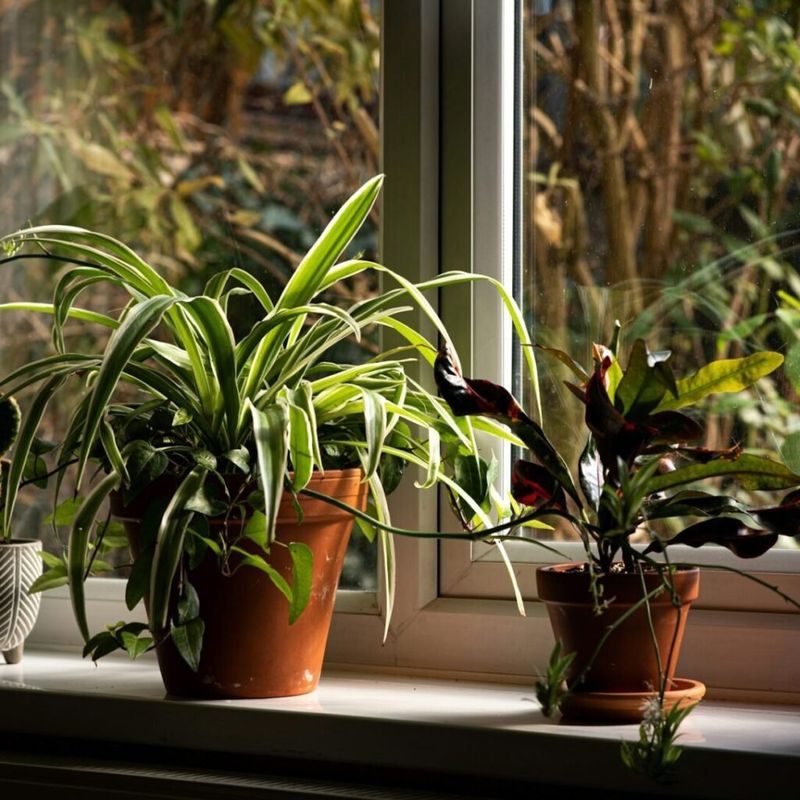
Cold drafts sneak into Michigan homes through various spots, creating invisible threats to your winter flowers.
Even small temperature drops from drafts can stress plants, causing buds to drop and leaves to wilt.
Identifying and avoiding these problem areas keeps your flowering plants comfortable and blooming beautifully.
Windows and exterior doors are the most common sources of cold drafts during Michigan winters.
Check for air leaks by holding your hand near window frames and door edges on a windy day.
If you feel cold air flowing in, either weatherstrip these areas or move your flowers to warmer locations away from the drafts.
Ceiling fans and air vents create air currents that might seem harmless but can actually stress flowering plants.
Constant air movement dries out flowers faster and can cause temperature fluctuations.
Position your winter blooms away from direct airflow while still ensuring they get good general air circulation to prevent fungal issues.
Hallways connecting to garages or unheated areas often have temperature variations that affect nearby plants.
Michigan homeowners sometimes forget these transitional spaces can be much colder than main living areas.
Keep your flowering plants in consistently heated rooms where temperatures stay stable throughout the day and night.
Storm windows and heavy curtains help insulate your Michigan home and protect plants near windows from cold.
Closing curtains at night creates an extra barrier between frigid outdoor temperatures and your indoor flowers.
During extreme cold snaps, consider moving your most delicate bloomers to interior rooms until temperatures moderate, ensuring they stay healthy and continue flowering.
7. Deadhead Spent Blooms And Maintain Regular Grooming
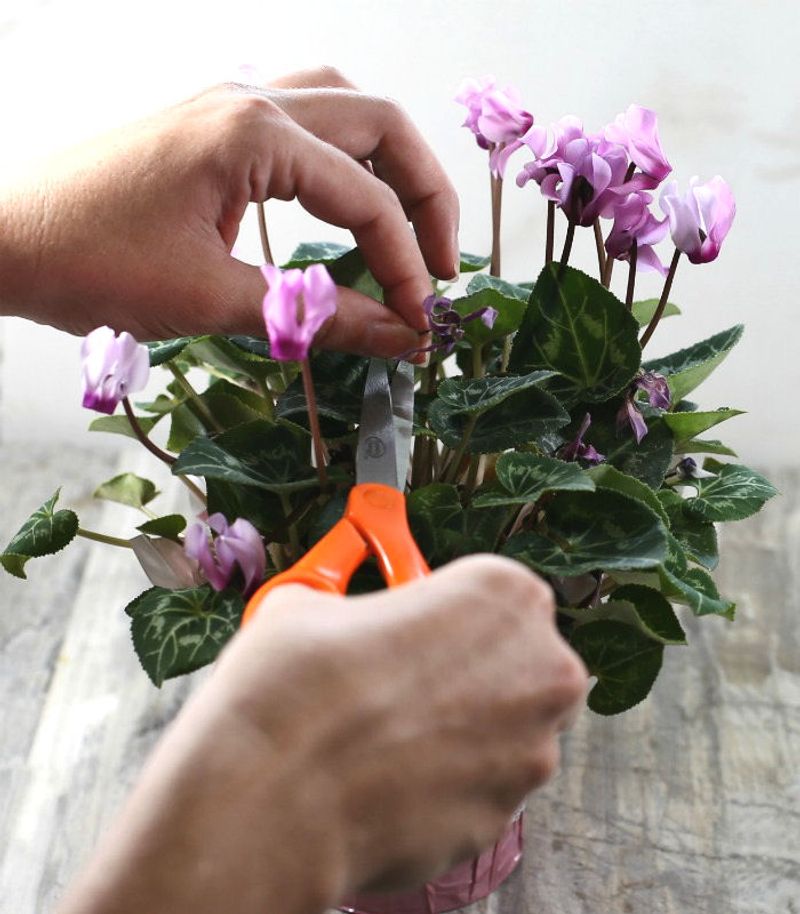
Regular grooming keeps winter flowers looking their best and encourages continued blooming throughout Michigan’s long cold season.
Spent flowers drain energy from plants as they try to produce seeds, so removing them redirects that energy into creating new buds.
This simple maintenance task takes just minutes but makes a huge difference in your plants’ appearance and performance.
Pinch off faded flowers where they meet the stem, using your fingers or clean scissors.
For plants with multiple blooms on one stem, like orchids, wait until all flowers on that spike fade before cutting.
Different plants have different deadheading methods, so learn the proper technique for each variety in your Michigan home.
Yellow or brown leaves should be removed promptly since they can harbor pests and diseases.
Gently pull away dry foliage or snip it off with clean scissors.
Keeping your winter flowers tidy improves air circulation around the plants and helps you spot any problems like pests or disease early.
Dust accumulates on leaves during winter when windows stay closed in Michigan homes.
Dirty leaves can’t photosynthesize efficiently, which weakens plants and reduces flowering.
Wipe large leaves with a damp cloth every few weeks, or give smaller plants a gentle shower in the sink using room-temperature water.
Inspect your winter flowers carefully during grooming sessions, looking for signs of pests like aphids, spider mites, or whiteflies.
Catching problems early makes them easier to treat.
Regular maintenance keeps your flowering plants healthy, attractive, and blooming continuously, bringing color and life to your Michigan home throughout the entire winter season.