How To Keep Young Plants Steady When Arizona Heat Hits
Arizona heat does not give young plants time to adjust. One sudden rise in temperature can turn healthy growth into stress almost overnight.
You see it fast. Leaves soften, color fades, and growth pauses even though planting felt perfect days earlier.
Young plants react before anything else in the yard because their roots still lack depth and balance. In Arizona, that early vulnerability matters more than soil type or fertilizer.
Keeping plants steady during heat starts before damage appears. Shade timing, moisture control, and surface protection decide whether roots stay active or shut down.
Small actions taken early help plants stay upright, hydrated, and responsive instead of shocked.
When heat settles in, those prepared plants continue forward while others stall and struggle.
1. Gradual Sun Exposure Prevents Early Shock
Jumping straight from indoor growing conditions to full Arizona sun is like throwing someone who has never exercised into a marathon. Plants need time to build up their defenses against intense ultraviolet rays and heat.
When you first move seedlings outside, their leaves haven’t developed the protective waxy coatings and thickened cell walls that help them handle direct sunlight.
Start by placing your young plants in a spot that gets morning sun but afternoon shade for about three to five days. Morning light in Arizona is gentler and gives plants energy without overwhelming them.
After that initial period, gradually increase their sun exposure by an hour or two each day.
This hardening-off process lets plants adjust their internal chemistry and physical structure. Their leaves will thicken slightly, and they’ll start producing compounds that act like natural sunscreen.
Watch for signs that you’re moving too fast, such as bleached or brown patches on leaves, which means the tissue got sunburned.
In Arizona’s desert climate, this gradual transition matters even more than in milder regions. The combination of intense UV radiation, low humidity, and high temperatures creates a triple threat.
Taking two weeks to fully acclimate your plants might seem slow, but it prevents setbacks that could take months to overcome.
Your patience during this phase pays off with stronger, more resilient plants.
2. Deep Watering Encourages Strong Root Growth
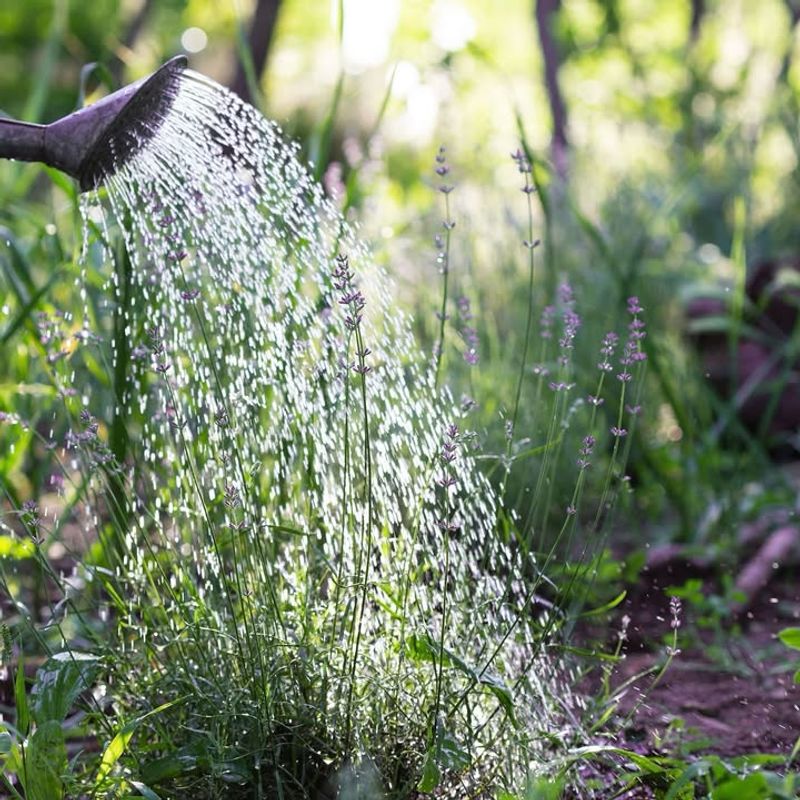
Surface watering might seem like it’s helping, but it actually trains roots to stay shallow where they’re most vulnerable. Young plants in Arizona need their roots to reach down where soil stays cooler and moisture lingers longer.
Shallow roots dry out within hours when temperatures hit triple digits, leaving plants stressed and struggling.
Instead of frequent light sprinklings, water less often but soak the soil thoroughly each time. For young plants, this means applying water slowly until it penetrates six to eight inches deep.
You can check this by digging a small hole a few inches away from the plant an hour after watering.
Deep watering creates a moisture gradient that roots naturally follow downward. As they chase that water deeper into the ground, they anchor the plant more securely and access resources that surface roots miss.
This root development makes plants dramatically more heat-tolerant because they’re not depending entirely on the top few inches of scorching soil.
In Phoenix and other Arizona cities, the key is watering slowly enough that the soil absorbs it rather than running off. Sandy desert soils drain quickly, while clay soils need even slower application.
Consider using a soaker hose or drip irrigation on a low setting.
The goal is encouraging roots to grow down a little more each week until they’re established enough to handle the heat independently.
3. Mulch Shields Shallow Roots From Rapid Heat Swings
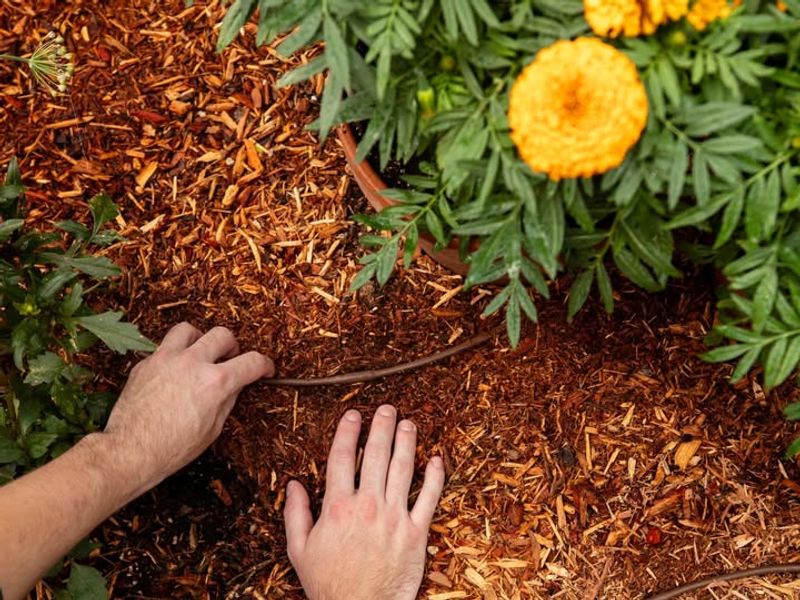
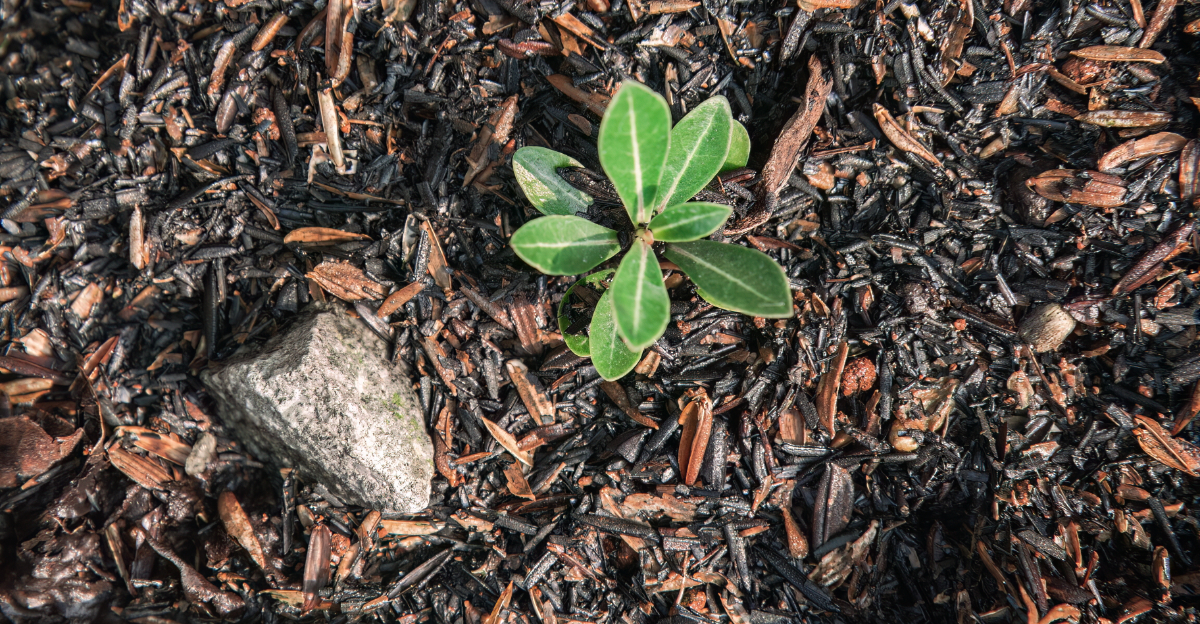
Bare soil in Arizona acts like a frying pan under the summer sun, and young plant roots sitting just beneath the surface feel every degree of that heat. Soil temperatures can swing wildly from morning to afternoon, stressing plants that are trying to establish themselves.
A layer of mulch changes everything by creating an insulating barrier that moderates these temperature extremes.
Apply two to three inches of organic mulch around your young plants, keeping it a few inches away from the stems to prevent rot. Wood chips, shredded bark, or even dried grass clippings work well.
This layer blocks direct sunlight from hitting the soil, which can lower soil surface temperatures by 10 to 15 degrees on the hottest days.
Mulch also slows water evaporation dramatically, which matters enormously in Arizona’s dry climate. Without mulch, moisture disappears from the top few inches of soil within hours.
With it, that same soil stays workable and moist much longer, giving roots constant access to water. This means less frequent watering and less stress on your plants.
As organic mulch breaks down over time, it actually improves your soil by adding nutrients and organic matter. In desert soils that are often lacking in these components, this bonus benefit helps young plants grow stronger.
Refresh your mulch layer every few months as it decomposes, especially during Tucson’s and Phoenix’s intense summer months when it breaks down faster.
4. Temporary Shade Reduces Midday Stress
Even sun-loving plants can struggle with Arizona’s midday intensity when they’re young and tender. Between 11 AM and 4 PM, the combination of overhead sun angle and extreme heat creates conditions that overwhelm immature plants.
Their small size means they heat up quickly, and their underdeveloped root systems can’t pull up water fast enough to keep pace with moisture loss through their leaves.
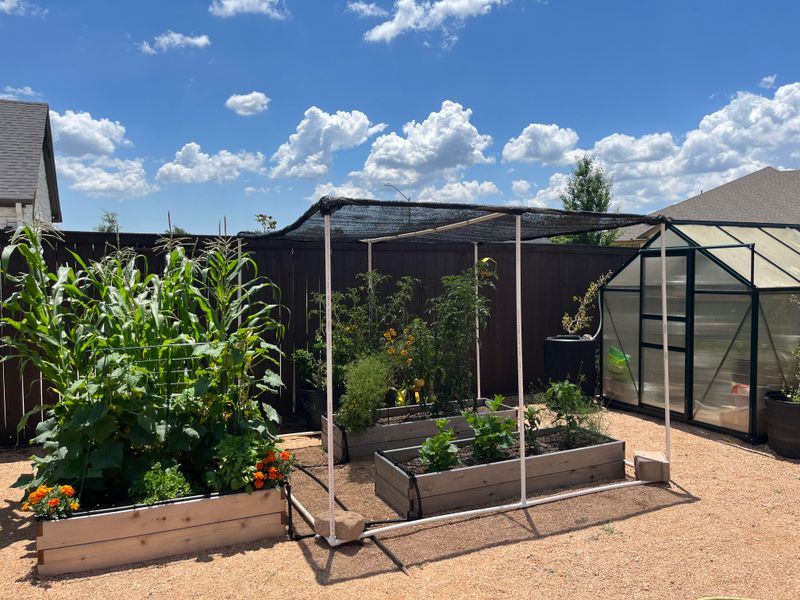
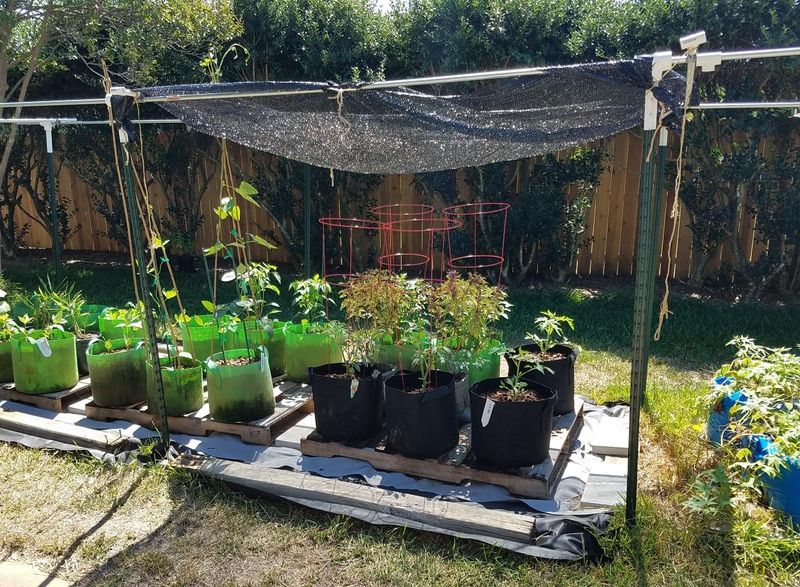
Setting up temporary shade during these peak hours gives young plants a fighting chance. Shade cloth with 30 to 50 percent coverage works perfectly, filtering out the harshest rays while still allowing plenty of light for photosynthesis.
You can drape it over simple frames made from PVC pipe or wooden stakes positioned on the south and west sides of your plants.
The beauty of temporary shade is that you can remove it as plants mature and become more heat-tolerant. Most vegetables and flowers need this protection for their first four to six weeks in the ground during Arizona summers.
After that, their larger root systems and tougher leaves can handle full exposure.
Some gardeners use old bed sheets or burlap as budget-friendly alternatives to commercial shade cloth. Just make sure whatever material you choose allows air circulation, because trapping heat under solid covers defeats the purpose.
Position your shade structures so they block the intense afternoon sun while allowing gentler morning light through.
This approach has helped countless Arizona gardeners successfully establish plants during the challenging summer months.
5. Morning Watering Helps Plants Handle Afternoon Heat
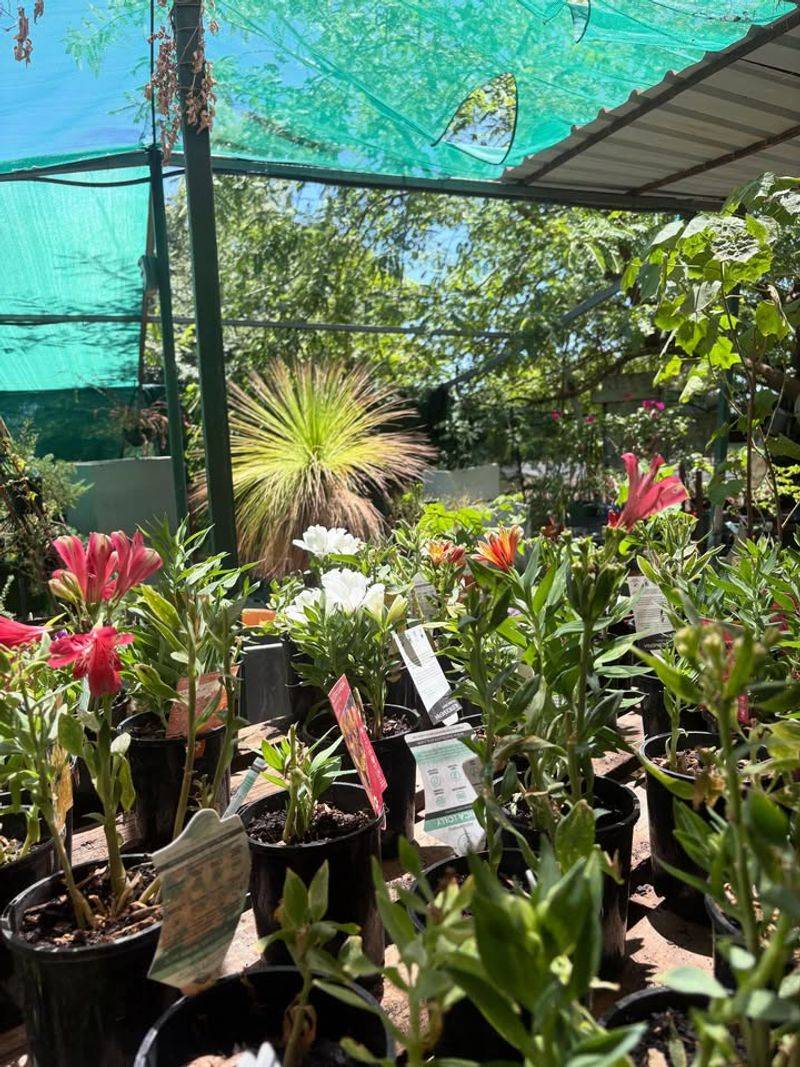
Timing your watering makes a bigger difference than most people realize, especially in Arizona where afternoon temperatures can climb 30 degrees higher than morning lows. When you water early in the day, plants have time to absorb that moisture and fill their cells before the real heat arrives.
Think of it as giving them a full tank of gas before a long journey.
Watering between 5 AM and 8 AM is ideal because temperatures are cooler, humidity is slightly higher, and there’s less wind. These conditions mean more water actually reaches the roots instead of evaporating into the air.
Plants take up this water and use it to cool themselves through transpiration when afternoon temperatures soar.
Evening watering might seem logical since it’s also cool, but it creates problems in Arizona’s climate. Wet foliage overnight can encourage fungal diseases, and in some areas, nighttime is when certain pests are most active.
More importantly, plants watered in the evening sit in moisture during the coolest part of the day when they need it least, then face afternoon heat with depleted reserves.
Young plants especially benefit from morning watering because their smaller root systems hold less water overall. By the time Phoenix or Tucson hits 110 degrees in the afternoon, morning-watered plants have had hours to distribute moisture throughout their tissues.
This preparation helps them maintain cell pressure and continue growing even under stress.
Consistent morning watering establishes a routine that supports steady, healthy development through Arizona’s toughest months.
6. Wind Protection Keeps Tender Growth From Drying Out
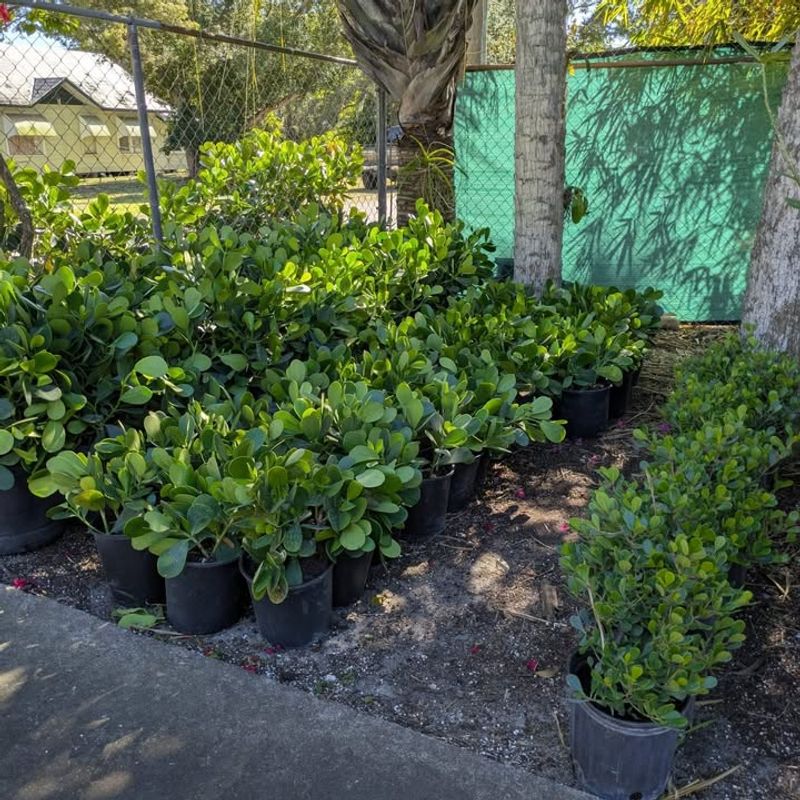
Arizona’s summer winds are sneaky culprits that stress young plants in ways that aren’t immediately obvious. Hot, dry winds strip moisture from leaves faster than roots can replace it, even when soil moisture is adequate.
Young plants with tender new growth are particularly vulnerable because their leaves are thinner and less protected than mature foliage.
Wind also increases the rate of transpiration, which is how plants lose water through tiny pores in their leaves. On a calm day, this process stays balanced, but when hot winds blow across Arizona gardens, transpiration accelerates dramatically.
Young plants can’t regulate this process as efficiently as established ones, leading to wilting and stunted growth.
Creating windbreaks around vulnerable plants helps them conserve moisture and energy. Simple barriers like temporary fencing, lattice panels, or even strategically placed containers can reduce wind speed significantly.
Position these barriers on the prevailing wind side, which in most Arizona locations comes from the south or southwest during summer months.
The windbreak doesn’t need to block airflow completely, which could create stagnant, hot air pockets. Instead, it should slow the wind down, reducing its drying effect while still allowing some air circulation.
This balance helps young plants maintain healthy moisture levels without overheating. Many Arizona gardeners notice dramatic improvements in plant vigor simply by adding wind protection during the establishment phase.
Once plants grow larger and their root systems deepen, they become naturally more wind-resistant and the temporary barriers can come down.
7. Soil Quality Matters More Than Fertilizer Early On
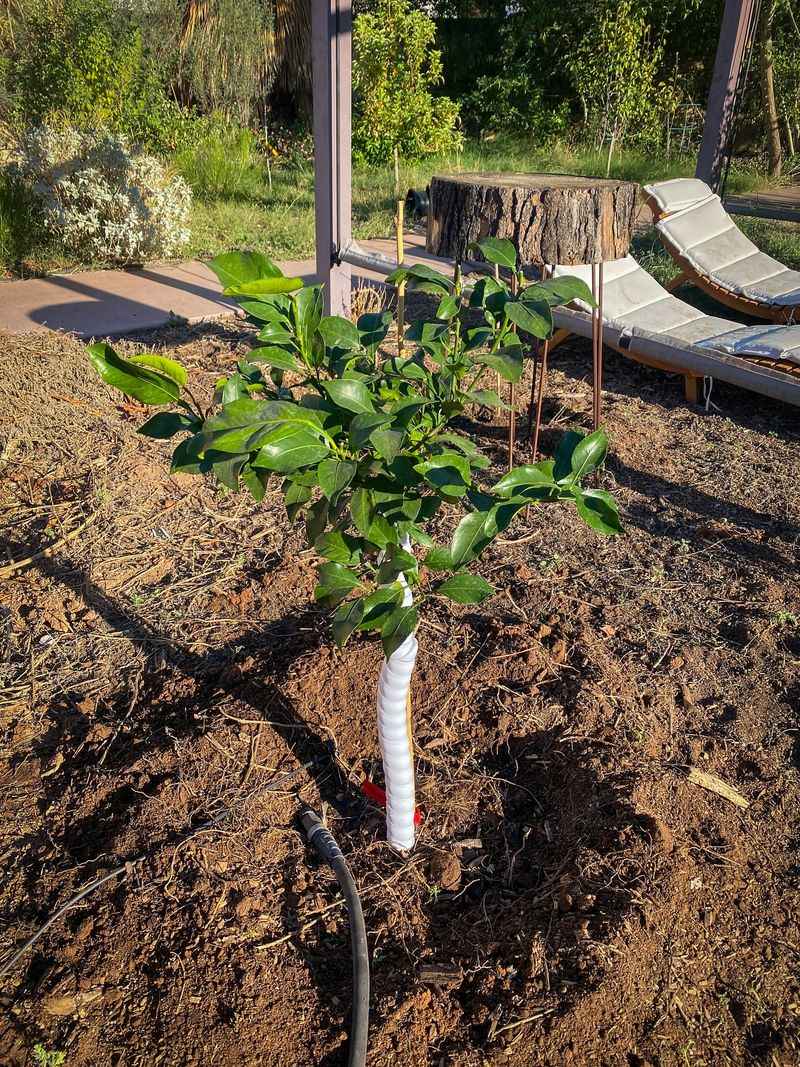
Many gardeners reach for fertilizer when young plants struggle in Arizona heat, but that’s usually not what they need. Pushing leafy growth with nitrogen fertilizers actually makes plants more vulnerable because all that tender new foliage loses water rapidly.
What young plants really need is soil that holds moisture, drains excess water, and stays cooler during extreme heat.
Arizona’s native soils are often sandy, rocky, or heavy clay, none of which are ideal for young plants trying to establish roots. Sandy soils drain too quickly and hold little moisture or nutrients.
Clay soils stay waterlogged when wet but crack and become rock-hard when dry. Both extremes stress young plants during the critical establishment period.
Improving soil quality with compost or aged manure makes an enormous difference. These organic materials increase water-holding capacity in sandy soils and improve drainage in clay soils.
They also add beneficial microorganisms that help roots absorb nutrients more efficiently. Work several inches of compost into the planting area before setting out young plants.
Good soil structure matters more than fertility during the first several weeks after planting. Roots need to spread easily through the soil, finding pockets of moisture and air.
Once plants are established and showing vigorous growth, then light fertilization makes sense. Until then, focus on creating the best possible soil environment in your Phoenix, Tucson, or other Arizona garden.
This foundation approach prevents the boom-and-bust cycle that comes from fertilizing stressed plants, leading to steadier, healthier growth even through the hottest months.
8. Observation Helps You Adjust Before Damage Sets In
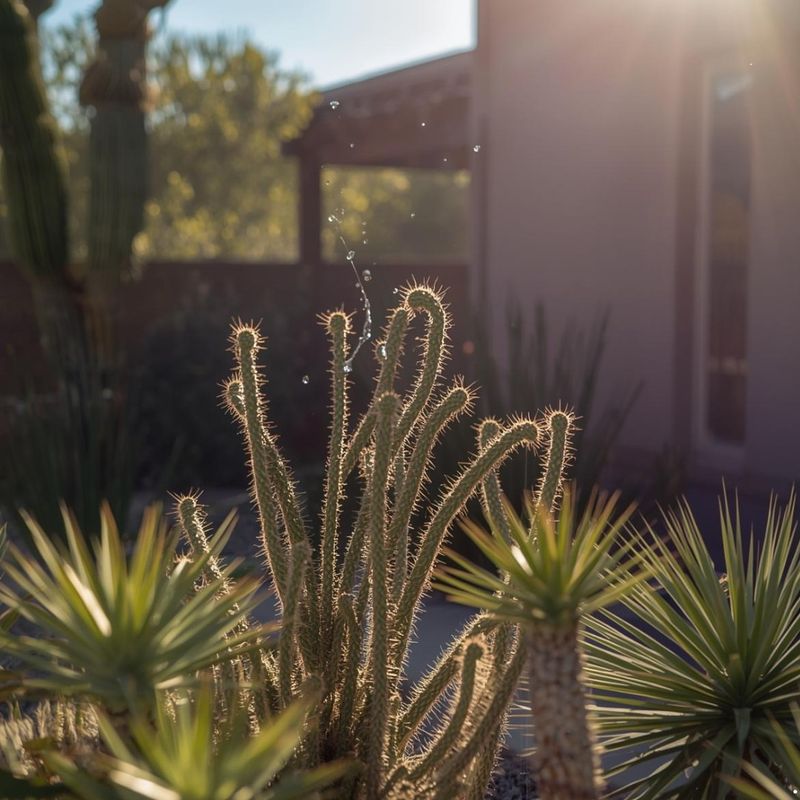
Plants communicate their needs constantly if you know what to look for, and catching problems early makes all the difference in Arizona’s unforgiving climate. Young plants show stress signals before serious damage occurs, giving you a window to make adjustments.
Checking your plants daily during the establishment phase takes just a few minutes but prevents major setbacks.
Wilting in the morning or evening indicates serious water stress, since plants should recover overnight when temperatures drop. Leaf edges turning brown or crispy means either too much sun, too little water, or damaging wind.
Yellowing lower leaves often signal overwatering or poor drainage. Slow or stunted growth despite adequate water usually points to soil problems or root stress from heat.
Pay attention to patterns across your garden. If all your young plants struggle, the issue is likely environmental such as extreme heat, inadequate shade, or poor soil.
If only certain plants show problems, those specific varieties might not be well-suited to Arizona conditions or might need different care than their neighbors.
Keep simple notes about what you observe and what adjustments you make. This record becomes invaluable for future planting seasons in your Arizona garden.
You’ll learn which techniques work best for your specific location, soil type, and microclimate. Some neighborhoods in Phoenix experience more wind, while certain areas of Tucson get more intense afternoon sun.
Observation helps you customize these eight tips to your unique situation, turning general guidelines into a personalized strategy that keeps your young plants thriving through the summer heat.