How To Keep Your Desert Plants Thriving In North Phoenix, Arizona
Some plants look fine one day and suddenly start struggling the next, especially under the intense sun and dry air in North Phoenix, Arizona. It does not take much for leaves to fade, soil to dry out too fast, or growth to slow down when conditions turn harsh.
Even hardy desert plants can show signs of stress if something small is off.
That is why small adjustments can make a noticeable difference. A slight change in placement, watering timing, or soil setup often helps plants stay steady instead of slipping into decline.
The challenge is knowing what actually matters in this climate and what can be ignored.
If plants have started to look tired, or if keeping them consistent has been frustrating, there are a few key things worth paying attention to right now. Getting those details right can completely change how desert plants handle the heat.
1. Use Well-Draining Soil To Prevent Root Stress In Heat
Soggy roots in 110-degree heat is a recipe for root stress that most plants cannot recover from. North Phoenix soil tends to be alkaline, rocky, and low in organic matter, which actually works in your favor as long as drainage is solid.
Caliche is a hard calcium carbonate layer found in many North Phoenix yards, sitting anywhere from a few inches to a couple of feet below the surface. It blocks drainage like a plug in a bathtub.
Before planting anything, use a metal rod or dig a test hole and fill it with water. If it doesn’t drain within an hour, you’ve hit caliche and you’ll need to break through it or build a raised planting area above it.
For most desert plants, a mix of native soil combined with decomposed granite or coarse sand improves drainage without changing the soil profile too dramatically. You’re not trying to create a vegetable garden bed here.
You’re trying to mimic what these plants would naturally grow in across the Sonoran Desert.
Container plants need extra attention to drainage. Pots sitting in North Phoenix sun heat up fast, and if water pools at the bottom, roots suffer quickly.
Always use containers with drainage holes and a coarse potting mix made for cacti and succulents.
Planting slightly above grade, meaning a few inches higher than the surrounding soil, also helps water move away from the root zone naturally. Small adjustments like that add up and keep plants healthier through long stretches of intense heat.
2. Water Deeply But Less Often To Build Strong Root Systems
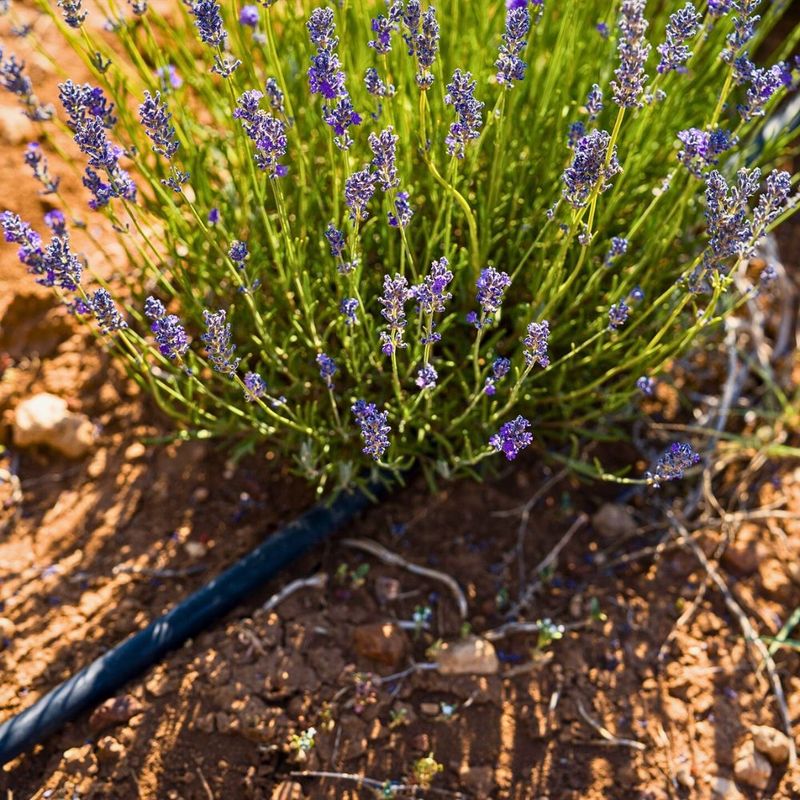
Shallow watering might seem like enough, but it actually does more harm than good out here. When water only reaches the top inch or two of soil, roots stay near the surface where they get cooked by the heat radiating off the ground.
Deep, infrequent watering pushes roots to follow moisture downward into cooler soil layers. In North Phoenix, that means running your drip system long enough for water to soak 12 to 18 inches deep, then letting the soil dry out before watering again.
Established desert trees like Palo Verde and Desert Willow typically need watering every 7 to 10 days during peak summer heat.
Early morning is the best time to water, ideally between 4 and 6 AM. Watering at that hour reduces evaporation significantly and gives roots time to absorb moisture before the afternoon sun cranks up.
Avoid evening watering if you can, since damp soil overnight can invite fungal issues in warmer months.
Drip irrigation is far more efficient than overhead sprinklers for desert plants. It delivers water directly to the root zone without wasting it on foliage or hardscape.
Emitters placed 12 to 18 inches from the base of each plant, not right at the trunk, encourage roots to spread outward and anchor the plant better in our loose, sandy soil.
Checking your system monthly for clogged or misaligned emitters keeps everything running the way it should, especially heading into summer in North Phoenix.
3. Provide Afternoon Shade For Plants Sensitive To Intense Sun
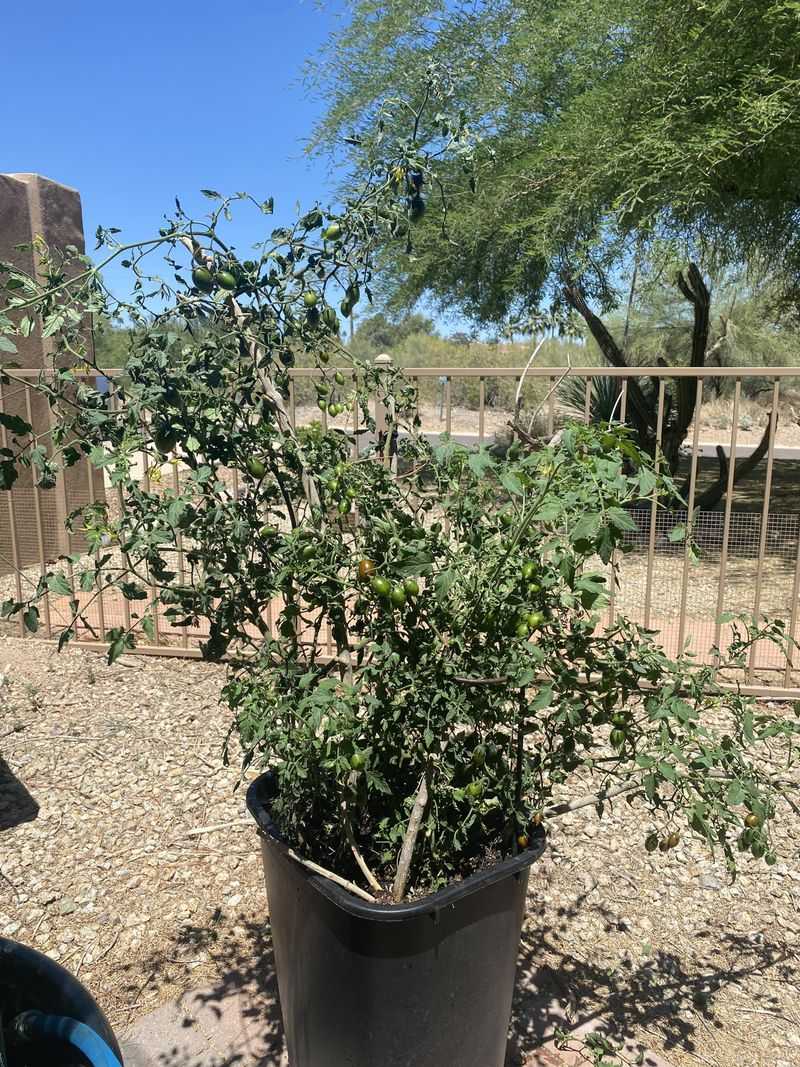
Full sun in North Phoenix during July and August is not the same as full sun anywhere else. Between 1 PM and 5 PM, solar intensity and reflected heat off pavement and walls can push temperatures at ground level well past what’s shown on the thermometer.
Even sun-loving desert plants can show signs of stress when exposed to that kind of sustained afternoon heat, especially younger plants that haven’t had time to fully develop.
Positioning sensitive species on the east side of your home, a wall, or a larger plant gives them morning sun while blocking the most brutal afternoon exposure.
Shade cloth is a practical tool during the hottest weeks of the year. A 30 to 40 percent shade cloth draped over vulnerable plants provides enough relief without cutting out too much light.
It’s especially useful for plants in containers that can’t be moved once they’re established in a spot.
Larger native trees do double duty here. Palo Verde and Desert Willow both cast filtered, dappled shade that protects smaller understory plants without blocking sunlight entirely.
Planting them strategically on the west or southwest side of your garden creates a natural buffer against afternoon sun.
Walls and fences also affect how much heat your plants absorb. South and west-facing block walls radiate stored heat into the evening, which can stress plants positioned too close.
Keeping heat-sensitive plants a few feet away from those surfaces makes a noticeable difference throughout the North Phoenix summer season.
4. Choose Native And Heat-Adapted Plants That Handle Extreme Conditions
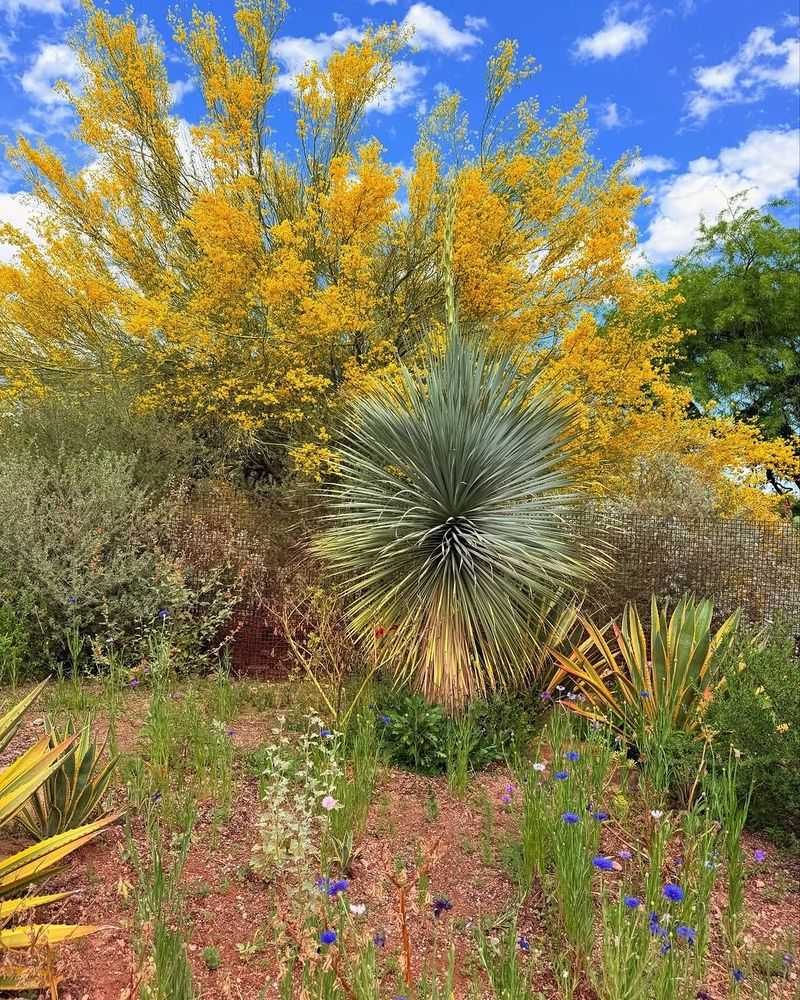
Not every plant belongs in North Phoenix, and your yard will tell you that pretty fast. Picking plants that are already built for this climate is the single smartest thing you can do before you dig a single hole.
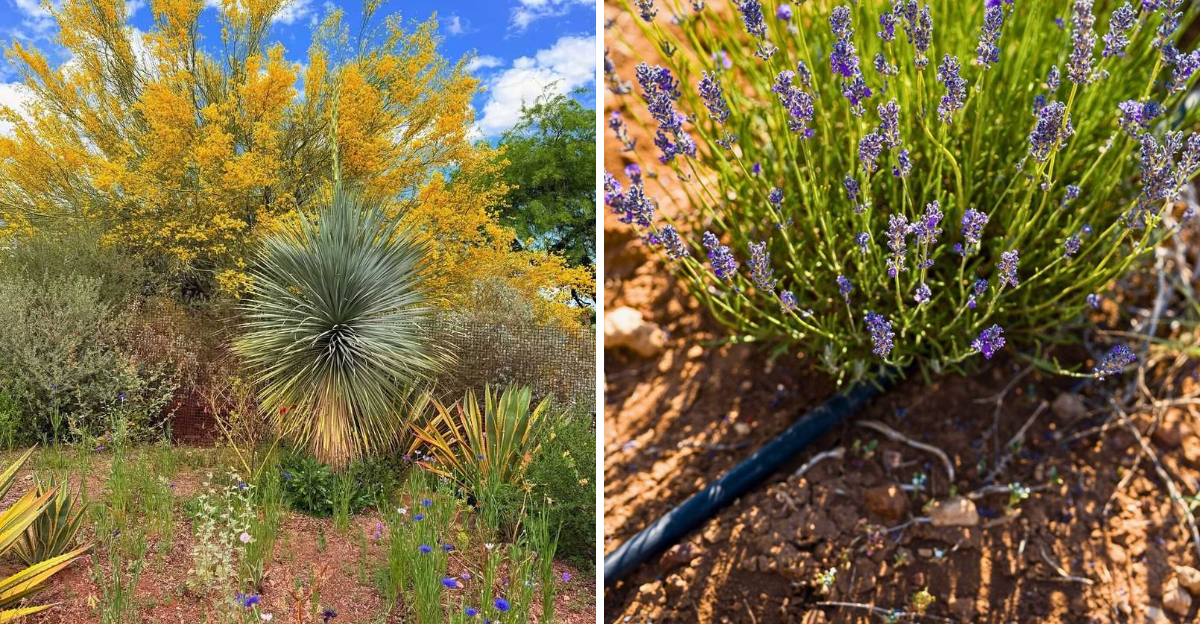
Native plants like Palo Verde, Desert Willow, and Brittlebush have spent thousands of years adapting to the Sonoran Desert’s brutal summers, rocky soil, and unpredictable rainfall.
They don’t need a lot of fussing over because they already know how to handle the heat.
Penstemon species bring pops of red and purple to your garden while pulling in hummingbirds without asking for much in return.
Desert Marigold is another solid choice for North Phoenix yards. It blooms in cheerful yellow almost year-round and handles drought stretches without showing signs of stress.
Agave and saguaro are obvious classics, but don’t overlook smaller natives like globe mallow and fairy duster, which add texture and color without needing extra care.
One thing worth knowing: plants sold at big-box stores are not always suited for our specific region. Sourcing plants from a local nursery familiar with North Phoenix conditions makes a real difference.
Ask specifically about heat tolerance above 110 degrees, not just general desert hardiness.
When you start with the right plants, everything else becomes easier. Watering schedules are simpler, soil problems shrink, and you spend less time troubleshooting.
Building your garden around what naturally belongs here is the foundation everything else rests on.
5. Apply Mulch To Help Soil Hold Moisture And Stay Cooler
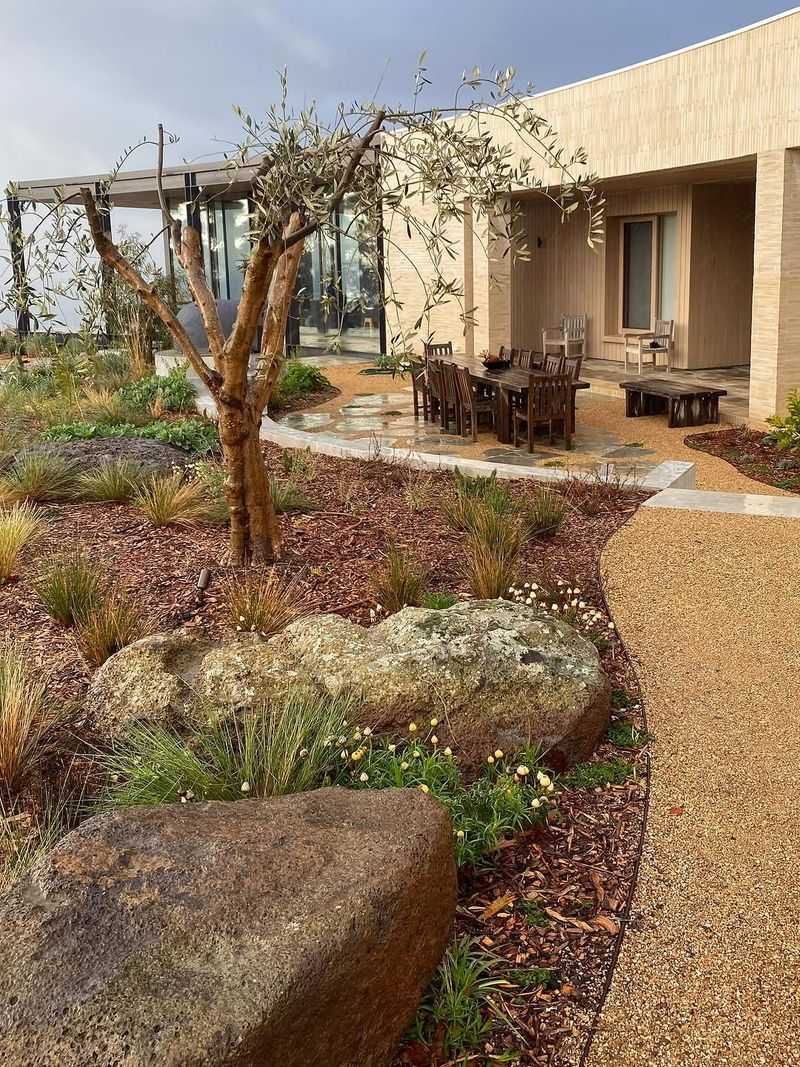
Bare soil in a North Phoenix summer heats up to temperatures that would surprise most people. Soil surface temps can exceed 160 degrees on a hot July afternoon, and that heat radiates upward and stresses roots sitting just below the surface.
A 3 to 4 inch layer of mulch acts as insulation, keeping soil temperatures significantly cooler and slowing down moisture evaporation between watering sessions. Decomposed granite is the most common choice in North Phoenix landscapes and it fits the desert aesthetic naturally.
Organic mulch like wood chips also works well and breaks down slowly to add a small amount of nutrients over time.
Keep mulch pulled back a couple of inches from the base of each plant. Piling it against the trunk or stem traps moisture against the plant and can cause issues over time, especially during monsoon season when humidity spikes unexpectedly.
Mulching around drip emitters helps those areas retain moisture longer, which means roots can access water even hours after your irrigation cycle ends.
In a climate where every drop counts, that extended moisture window makes a real difference in how plants perform through summer.
Refreshing your mulch layer once a year, typically in early spring before temperatures start climbing, keeps it effective. Decomposed granite doesn’t break down much, but it does compact and thin out over time.
Organic mulch breaks down faster and needs replenishing more often, especially in North Phoenix where heat accelerates decomposition. Either way, keeping that layer intact is one of the easiest wins in desert gardening.
6. Adjust Watering As Temperatures Rise Through Spring And Summer
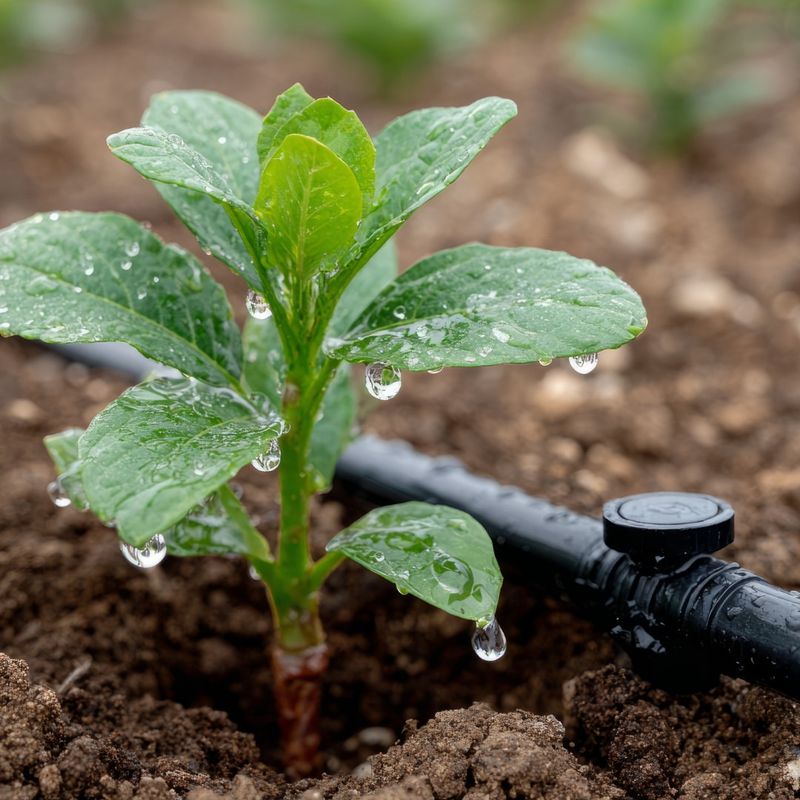
Watering schedules that worked fine in March will leave your plants struggling by June if you don’t update them.
North Phoenix temperatures can jump 30 degrees between early spring and peak summer, and soil moisture evaporates at a completely different rate as that shift happens.
A smart irrigation controller takes a lot of the guesswork out of this. Controllers that adjust based on local weather data automatically increase run times as temperatures climb and pull back when cooler or rainy periods arrive.
Several North Phoenix gardeners swear by them for keeping plants stable without micromanaging every schedule change manually.
If you’re running a manual timer, plan to revisit your schedule at least once a month from April through September. A good rule of thumb: when daytime highs consistently hit 100 degrees, increase watering frequency by about 25 percent.
When sustained heat above 108 degrees arrives, bump it up again and check soil moisture by hand every few days.
Pay attention to individual plant signals too. Slight leaf curl or a dull, matte appearance on normally glossy leaves can mean a plant needs water sooner than your schedule allows.
Desert plants communicate stress subtly, and catching those signals early gives you room to respond before anything serious develops.
Don’t forget to scale watering back in fall. October through November is when North Phoenix temperatures drop quickly, and overwatering during that transition causes its own set of problems.
Matching your irrigation to what the season actually demands keeps your plants in good shape year-round.
7. Watch For Early Signs Of Heat Stress And Act Early
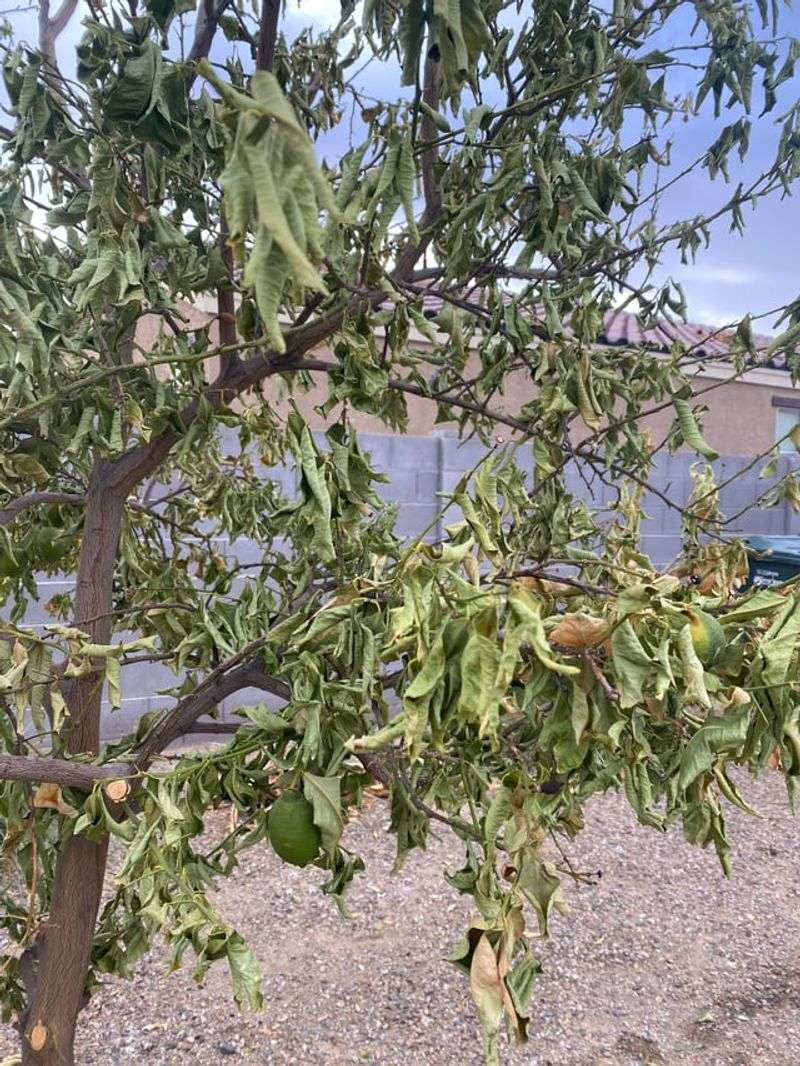
Plants in North Phoenix don’t always give obvious warnings before heat stress becomes a serious problem. Knowing what to look for before things get bad is what separates gardeners who lose plants every summer from those who don’t.
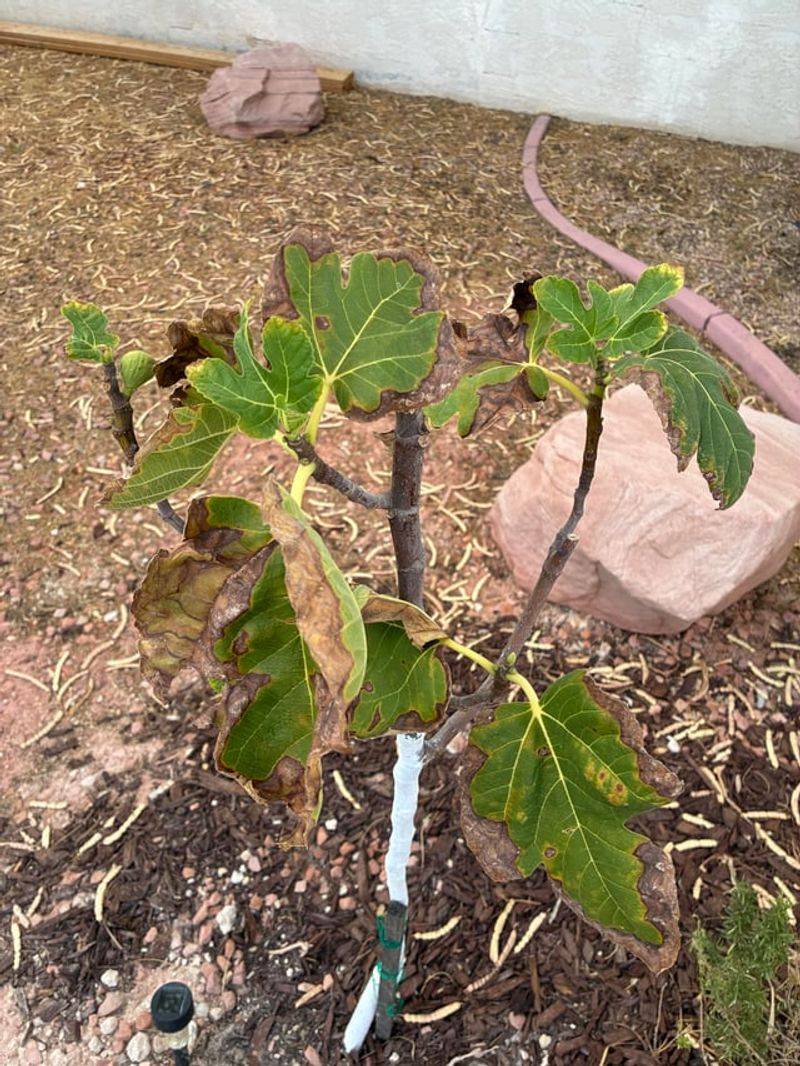
Leaf curl is usually the first sign. When leaves roll inward along the edges, the plant is trying to reduce the surface area exposed to sun and heat.
It’s a survival response, and catching it early means you can often fix the problem with a watering adjustment or some temporary shade cloth before permanent damage sets in.
Yellowing leaves that appear bleached or washed out, especially on the side of the plant facing west, point to sun scorch. Wilting that doesn’t recover after evening temperatures drop is another signal worth taking seriously.
Healthy desert plants typically perk back up once nighttime temps fall below 90 degrees. If yours aren’t, something is off.
Root problems caused by overwatering show up similarly to heat stress, which confuses a lot of people. Before adding more water, stick a finger or a moisture probe 4 to 6 inches into the soil near the root zone.
If it still feels damp, water is not the issue and adding more will make things worse.
Checking plants every few days during peak North Phoenix summer heat builds awareness fast. You start to recognize what healthy looks like for each species, and deviations stand out clearly.
Early action is almost always simpler and more effective than trying to fix a plant that’s been struggling for weeks without attention.