How To Know A Groundhog Is Already Living In Your Pennsylvania Garden

A Pennsylvania garden can look calm on the surface, yet sometimes trouble brews just below the soil.
Groundhogs move in quietly and settle down fast, often before anyone realizes they have a new tenant.
One day the garden looks fine, and the next it feels like something has flipped the script.
Groundhogs are creatures of habit.
Once they find a spot with good cover and easy meals, they dig in and stick around.
They leave behind signs that speak louder than footprints if you know how to read them.
Chewed stems, flattened plants, and fresh burrow entrances all tell a story that many gardeners miss at first glance.
Ignoring those clues only gives the problem more room to grow.
Catching the signs early makes all the difference.
A garden feels less stressful when you understand what is happening beneath your feet.
Paying attention turns confusion into clarity and helps protect the hard work poured into every bed and row.
A groundhog may be stubborn, but knowledge gives you the upper hand before your garden becomes its personal buffet.
1. Large Burrow Entrances Around Your Property
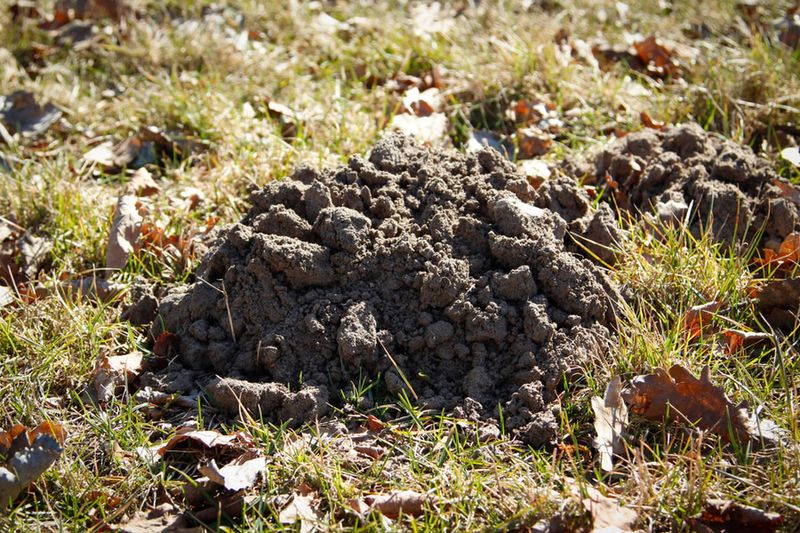
Burrow openings are often the most obvious clue that a groundhog has claimed your Pennsylvania garden as its territory.
These entrance holes typically measure between 10 to 12 inches in diameter, which is considerably larger than those created by rabbits or other small animals.
You’ll usually find them along fence lines, under sheds, beneath decks, or near rock piles where groundhogs feel protected.
A groundhog burrow system can be surprisingly complex, with multiple entrances and exits spread across your property.
The main entrance often has a large mound of freshly excavated dirt piled nearby, while secondary escape holes might be more hidden and lack the telltale dirt pile.
Groundhogs are strategic architects, and they design their homes with emergency exits in case predators come calling.
Pennsylvania groundhogs prefer locations with good drainage and visibility, so they can watch for threats while sunbathing near their burrows.
If you notice several large holes appearing in your yard, especially during spring when groundhogs emerge from hibernation, you likely have a resident woodchuck.
These burrows can extend 20 to 30 feet underground and may have multiple chambers for sleeping, storing food, and even a separate bathroom area.
Checking around the perimeter of your garden regularly will help you spot new burrow activity early.
Fresh dirt, worn paths leading to the holes, and nearby damaged plants all point to an active groundhog den underneath your Pennsylvania property.
2. Chewed Or Missing Vegetables And Plants
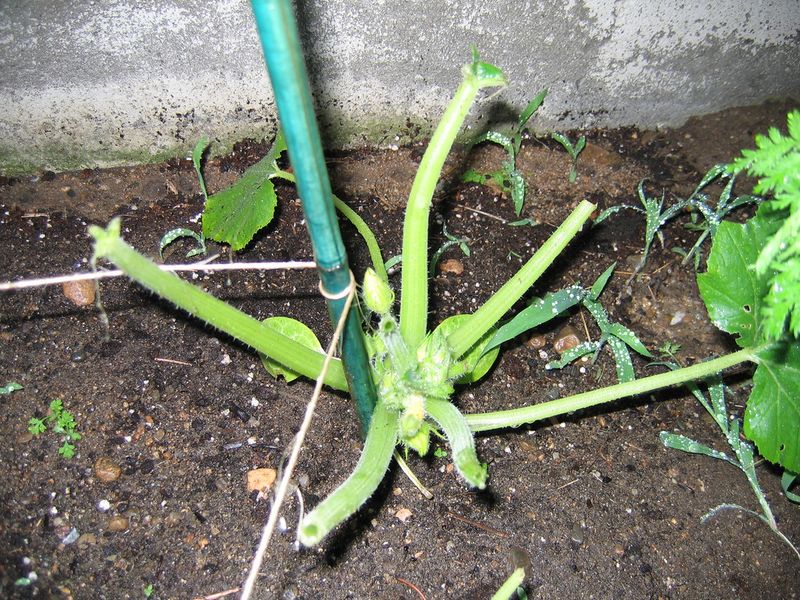
Groundhogs are herbivores with hearty appetites, and your Pennsylvania garden offers an all-you-can-eat salad bar they simply cannot resist.
If you’re finding that your lettuce has been nibbled down to stubs, your bean plants have vanished overnight, or your prized tomatoes have bite marks, a groundhog is probably the culprit.
Unlike deer that browse from above, groundhogs feed closer to the ground and often leave behind jagged edges on leaves and stems.
These garden raiders especially love tender young plants, leafy greens, peas, beans, squash, and melons.
They’ll also munch on flowers like impatiens, petunias, and pansies if vegetables aren’t available.
In Pennsylvania gardens, groundhogs become most active during early morning and late afternoon hours, so damage often appears suddenly between your daily garden checks.
What makes groundhog damage distinctive is the pattern and location.
They tend to focus on plants closest to their burrow entrances, creating a clear path of destruction leading away from their den.
You might notice that entire rows of seedlings disappear while plants farther away remain untouched.
This selective feeding pattern happens because groundhogs prefer to stay close to safety while dining.
Another telltale sign is that groundhogs often sit while eating, leaving behind flattened areas in your garden beds.
If you’re experiencing consistent crop loss despite no visible pests during the day, consider setting up a camera to catch your groundhog visitor red-handed during its preferred feeding times.
3. Trampled Garden Beds And Flattened Grass Paths
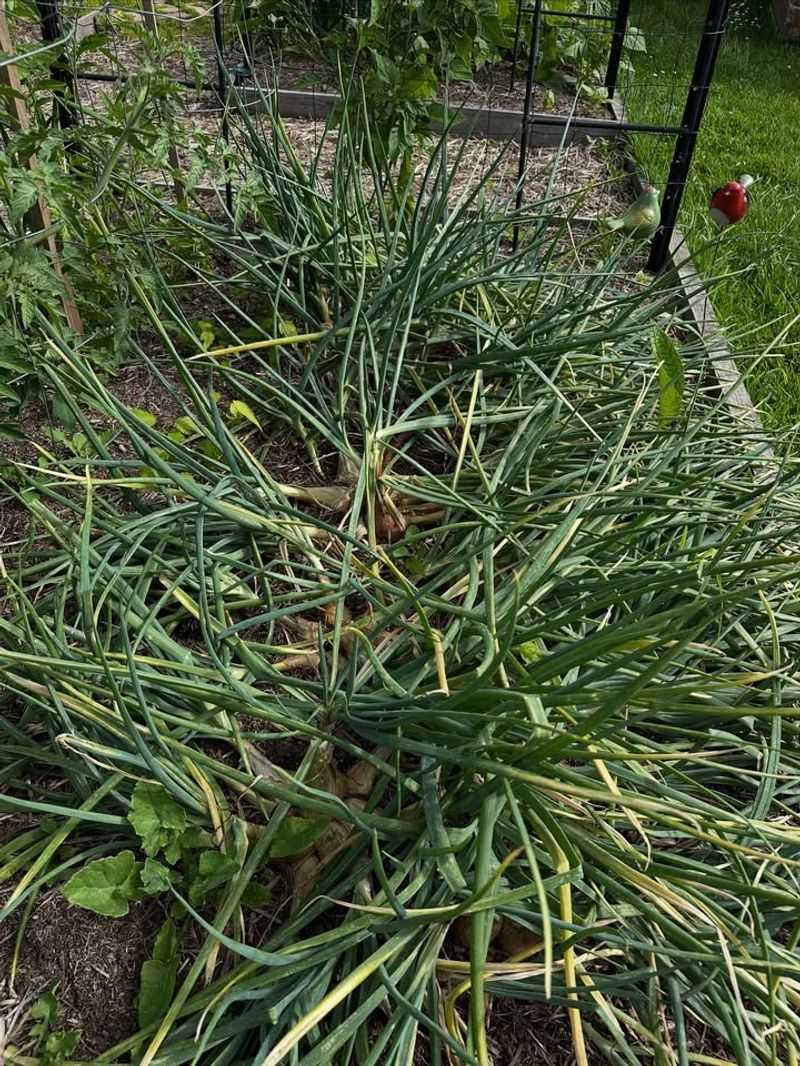
Groundhogs are creatures of habit, and once they establish a home in your Pennsylvania garden, they create regular travel routes between their burrow and favorite feeding spots.
These pathways appear as flattened strips of grass or trampled areas through your garden beds.
Unlike random animal traffic, groundhog trails are consistent and become more pronounced over time as the animal uses the same route repeatedly.
The paths typically measure about six to eight inches wide, matching the groundhog’s stocky body shape.
You’ll often notice these trails leading from burrow entrances directly to vegetable patches, compost piles, or other food sources.
In taller grass, the routes become especially visible as the vegetation gets pressed down and worn away with continued use.
Pennsylvania homeowners often mistake these trails for damage caused by neighborhood cats or dogs, but groundhog paths have distinctive characteristics.
They’re lower to the ground than dog paths, more direct in routing, and usually connect specific points rather than wandering randomly.
During wet weather, you might even spot muddy paw prints along these routes, which can help confirm your visitor’s identity.
Garden beds suffer additional damage when groundhogs waddle through them repeatedly, crushing delicate plants and compacting soil.
If you notice your mulch has been displaced along certain routes or your ornamental grasses look permanently bent in specific areas, groundhogs are likely using your garden as their personal highway system.
Observing these pathways can actually help you locate burrow entrances you might have missed initially.
4. Distinctive Droppings Near Feeding Areas

Finding animal droppings in your Pennsylvania garden might not be pleasant, but it’s actually one of the most reliable ways to confirm a groundhog’s presence.
Groundhog scat has distinctive characteristics that set it apart from other common garden visitors.
The droppings are typically medium-sized, cylindrical pellets that measure about half an inch to three-quarters of an inch in length, with a dark brown to black color when fresh.
Unlike deer pellets which are usually scattered randomly, groundhog droppings often appear in small clusters near feeding areas or along their travel paths.
Interestingly, groundhogs are quite tidy animals and often designate specific bathroom areas away from their main burrow chambers.
However, you’ll still find scattered droppings throughout your garden, especially near their favorite munching spots.
The composition of groundhog scat can give you additional clues about what they’ve been eating from your Pennsylvania garden.
Since groundhogs are strict vegetarians, their droppings typically contain visible plant material and have a fibrous texture.
During summer months when fresh vegetation is abundant, the droppings might appear slightly softer and greener in color.
If you’re unsure whether droppings belong to a groundhog or another animal, consider the location and quantity.
Groundhog scat near large burrow entrances, combined with garden damage and worn pathways, creates a clear picture.
Rabbit droppings are smaller and more perfectly round, while raccoon scat is usually larger and may contain non-plant materials.
Regularly checking for fresh droppings helps you monitor whether your groundhog problem is ongoing or if the animal has relocated.
5. Scratching Or Digging Marks On Wooden Structures
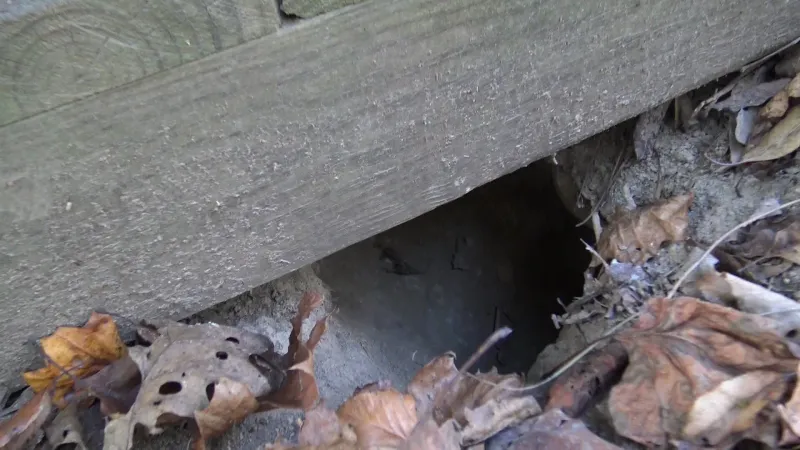
Pennsylvania groundhogs don’t limit their activities to just digging burrows and eating plants.
They also leave behind evidence of their presence on wooden structures throughout your garden area.
If you notice fresh scratch marks on shed walls, deck supports, or fence posts, particularly near ground level, a groundhog might be the responsible party.
These marks appear as parallel grooves created by their strong, sharp claws.
Groundhogs often dig beneath wooden structures like sheds, decks, and porches because these locations provide excellent protection for their burrow systems.
As they excavate underneath, they may scratch and claw at wooden supports, leaving visible damage.
You might find wood shavings or splinters scattered near these areas, along with displaced soil that indicates recent digging activity.
Garden steps, raised bed frames, and wooden borders also show signs of groundhog activity.
These animals sometimes gnaw on wood to keep their continuously growing teeth trimmed, though they prefer bark from trees and shrubs.
If you spot gnaw marks combined with claw scratches on wooden garden features, you’re likely dealing with an established groundhog resident.
The damage pattern differs from other Pennsylvania wildlife.
Squirrels create smaller, more delicate marks higher up on structures, while raccoons leave broader claw marks and tend to damage areas near garbage or food sources.
Groundhog scratches concentrate near ground level and often appear alongside burrow entrances or underneath elevated structures.
Inspecting the base of all wooden garden structures regularly helps you catch groundhog activity before they cause structural concerns by undermining foundations with their extensive tunnel systems.
6. Disturbed Mulch And Exposed Plant Roots

Walking through your Pennsylvania garden and finding mulch scattered everywhere with plant roots suddenly exposed is frustrating, and groundhogs are often behind this messy destruction.
These powerful diggers use their strong front paws to move surprising amounts of soil and mulch while foraging for tasty roots, grubs, or simply expanding their burrow systems.
What was once a neat, well-maintained garden bed can quickly look like a construction zone.
Groundhogs don’t dig randomly.
They’re usually searching for something specific, whether it’s creating a new burrow entrance, hunting for insects, or accessing the tender roots of your plants.
You’ll notice that disturbed areas often appear near existing burrow holes or along their regular pathways.
The excavation style is also distinctive, with mulch and soil thrown backward in small piles, creating a scattered mess rather than neat mounds.
Garden borders and the base of plants seem particularly attractive to groundhogs.
They’ll dig around foundation plantings, uproot newly planted flowers, and disturb vegetable garden edges.
In Pennsylvania, this activity increases during spring when groundhogs are most active after emerging from hibernation and during late summer when they’re fattening up for winter.
The exposed roots left behind by groundhog digging can seriously stress your plants, leaving them vulnerable to disease and drought.
If you’re constantly finding your carefully applied mulch displaced and your plants leaning at odd angles with visible root systems, you’ve got a groundhog problem.
Repeated digging in the same areas suggests the animal has established territory and feels comfortable enough to keep returning to your garden despite your efforts to maintain it.
7. Daytime Sightings Of The Animal Itself
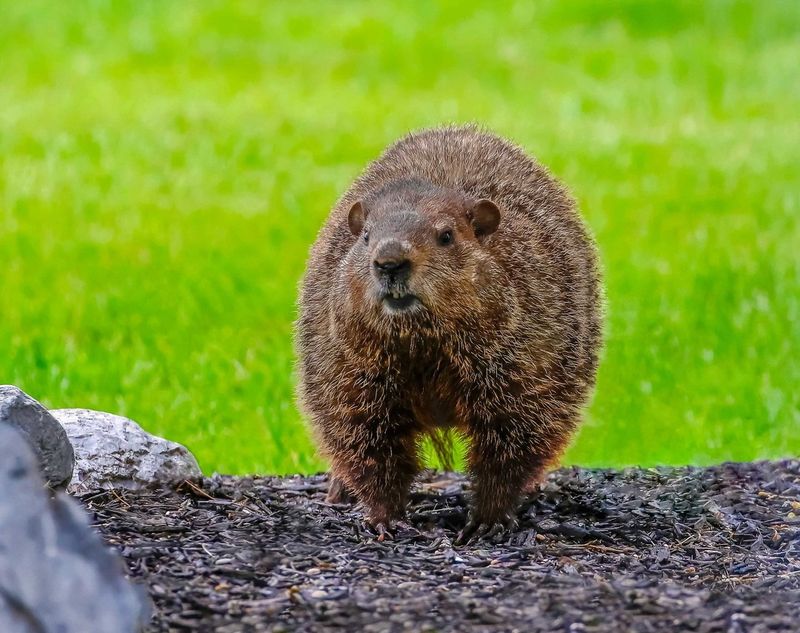
Sometimes the most obvious sign that a groundhog lives in your Pennsylvania garden is actually seeing the animal itself waddling around your property.
Unlike many garden pests that operate under cover of darkness, groundhogs are diurnal, meaning they’re most active during daylight hours.
If you spot a stocky, brownish-gray rodent about the size of a large cat lounging near your vegetables or sitting upright like a prairie dog, you’ve definitely got a groundhog resident.
Groundhogs typically emerge from their burrows during mid-morning and late afternoon to feed, sun themselves, and survey their territory.
Pennsylvania homeowners often catch them munching contentedly on garden vegetables, seemingly unbothered by human presence.
These animals can become quite bold, especially if they’ve lived on your property for a while without being disturbed.
They may freeze when spotted, whistle loudly as an alarm call, or waddle quickly back to their burrow entrance.
Physical identification is straightforward.
Groundhogs have chunky bodies covered in grizzled brown fur, short legs, small rounded ears, and a medium-length bushy tail.
Adults typically weigh between 5 and 14 pounds, making them substantially larger than squirrels or rabbits.
Their distinctive posture when alert, standing upright on their hind legs to watch for danger, is a characteristic behavior you won’t see from other common garden animals.
If you’re seeing the same groundhog repeatedly in your Pennsylvania garden, especially near the same locations, it has definitely established a home on your property.
Multiple sightings throughout the day suggest the animal feels secure and has likely created an extensive burrow system nearby.
Taking note of when and where you spot your groundhog visitor helps you understand its routine and take appropriate management steps.