How To Know A Skunk Visited Your Ohio Yard Unnoticed
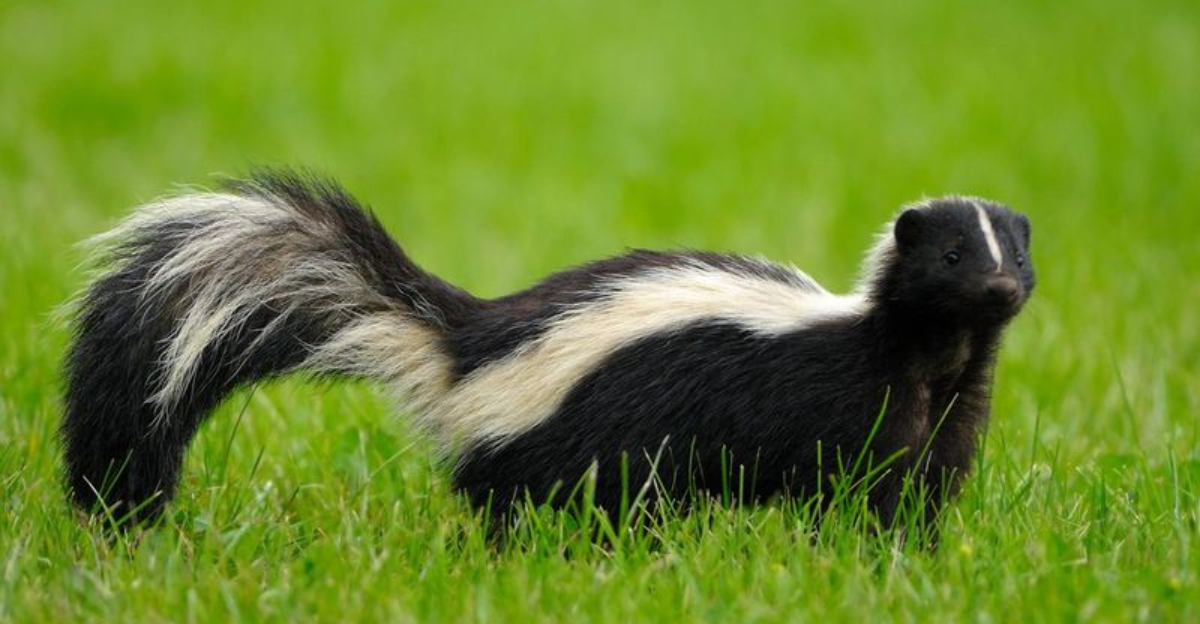
A quiet Ohio yard can hold more secrets than you might think.
One moment the grass looks untouched, and the next a few small clues hint that a nighttime visitor slipped through without making a fuss.
Skunks move with soft steps and cool confidence, gliding across lawns like they own the place.
They avoid trouble, keep to themselves, and vanish before sunrise, leaving only faint signs that something stirred while the world slept.
A patch of dug-up soil, a trail in the dew, or a tipped-over bowl might be the yard’s way of whispering the truth.
These little hints can feel easy to overlook, yet each one paints part of a bigger picture.
When those details stack up, the story becomes clear.
A skunk paid a quiet visit and moved along without asking for permission.
With a sharp eye and steady patience, anyone can read the signs and spot the path this shy wanderer took.
1. Small Cone-Shaped Holes In Your Lawn
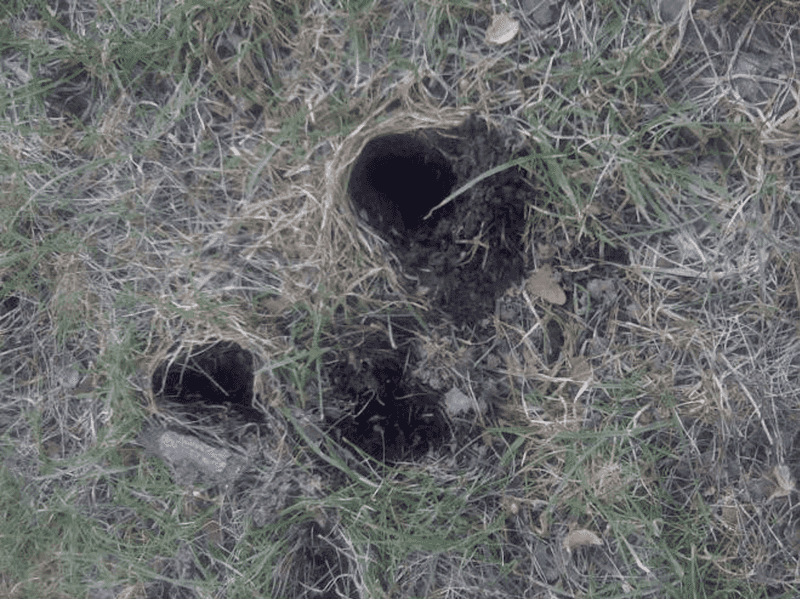
Your perfectly manicured Ohio lawn might suddenly show mysterious shallow holes that weren’t there yesterday.
Skunks create distinctive cone-shaped divots, typically about three to four inches wide, as they search for grubs, beetles, and other tasty insects hiding beneath the grass.
Unlike other digging animals, skunks use their strong front claws to create neat, funnel-like excavations rather than large messy piles of dirt.
These holes often appear in clusters across your yard, especially in areas where the soil stays moist and insect populations thrive.
Spring and fall bring peak digging activity when grubs live closest to the surface.
Ohio’s climate creates perfect conditions for these underground insects, which unfortunately attracts hungry skunks to residential properties throughout the state.
The damage might seem frustrating, but skunks actually provide pest control benefits by eating insects that could harm your lawn.
However, their digging can create an unsightly appearance and uneven ground that poses tripping hazards.
If you notice these characteristic holes appearing regularly, you’ve definitely had nocturnal skunk visitors exploring your property for midnight snacks.
2. Faint Musky Odor Lingering Around Your Property

That subtle strange smell drifting through your Ohio backyard might not be your imagination.
Skunks constantly emit a mild musky scent even when they haven’t sprayed, marking their territory as they explore neighborhood yards.
This odor differs significantly from the overwhelming stench of a full defensive spray, instead presenting as an earthy, slightly unpleasant aroma that hangs in the air.
You’ll most likely notice this smell early in the morning when dew and humidity trap odors close to the ground.
Areas where skunks traveled, such as along fence lines, near sheds, or around garbage storage areas, often retain this distinctive scent for several hours after the animal has moved on.
Ohio’s humid summer nights make these odors especially noticeable.
The scent serves as a calling card, informing other animals about skunk presence in the territory.
If you detect this musky smell regularly in specific spots around your yard, skunks have likely established a routine path through your property.
While not as offensive as a direct spray, this lingering odor provides clear evidence of recent skunk activity in your outdoor spaces.
3. Disturbed Garbage Cans And Scattered Trash

Waking up to find your trash cans tipped over or lids askew suggests nocturnal visitors paid your Ohio home a visit.
Skunks possess surprising strength and determination when food smells tempt them, easily knocking over unsecured bins or prying open loose-fitting lids.
Unlike raccoons who create absolute chaos, skunks tend to be somewhat tidier scavengers, though they still leave evidence of their nighttime buffet.
Look for specific patterns in the mess they create.
Skunks typically focus on food waste, ignoring paper products and other non-edible items that raccoons might scatter everywhere.
You might notice small paw prints in spilled liquids or soft dirt near the garbage area.
Ohio residents often report finding trash disturbances during warmer months when skunks actively forage to build up fat reserves.
The mess appears particularly bad if your garbage contains meat scraps, pet food remnants, or sweet-smelling items that attract these opportunistic feeders.
Securing your trash with bungee cords or storing bins in garages overnight prevents these incidents.
Repeated garbage disturbances combined with other signs strongly indicate skunks have identified your property as a reliable food source worth visiting regularly.
4. Tracks With Five Toes And Visible Claw Marks
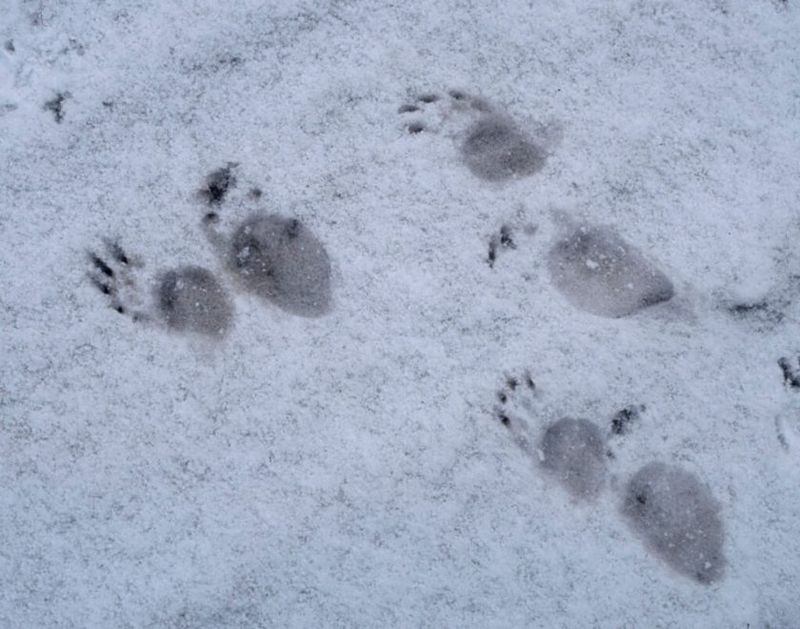
Muddy areas, soft garden soil, or dusty surfaces around your Ohio property might reveal distinctive skunk footprints.
Each print shows five toes arranged in a semi-circular pattern with prominent claw marks extending beyond the toe pads.
Front paws measure roughly one to one and a half inches wide, while back paws appear slightly larger and more elongated.
The tracks often form a distinctive walking pattern where prints appear close together, reflecting the skunk’s waddling gait.
Fresh tracks show clear detail in the toe pads and connecting palm pad, creating an almost hand-like appearance.
Ohio’s clay-rich soil captures these impressions beautifully, especially after light rain softens the ground without washing prints away completely.
Finding these tracks near garden beds, along fence lines, or around building foundations confirms skunk travel routes through your yard.
The claw marks distinguish skunk prints from cat tracks, which rarely show claws and have only four visible toe pads.
Photographing tracks you find helps with positive identification and documents the frequency of visits.
Multiple sets of tracks might indicate a mother traveling with her young during spring and summer months when Ohio skunks raise their families.
5. Damage To Your Garden Or Flower Beds
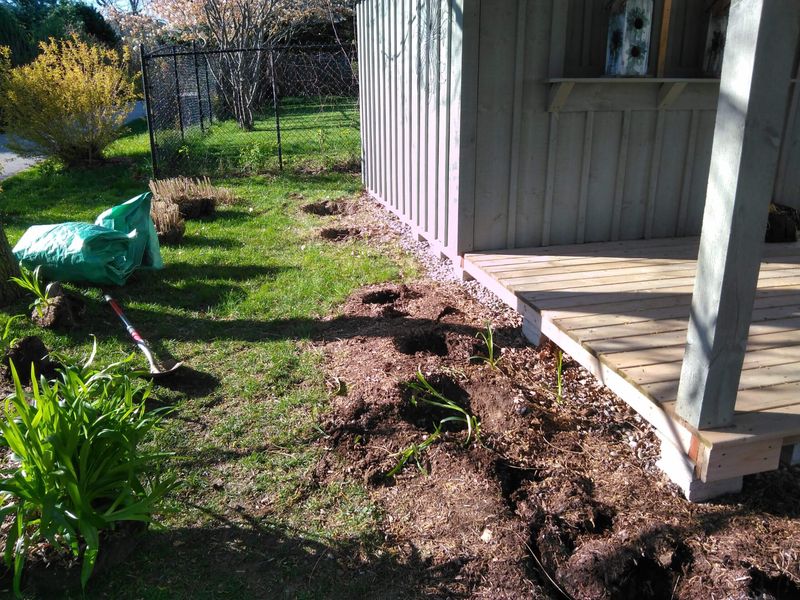
Ohio gardeners sometimes discover their carefully tended flower beds or vegetable gardens looking mysteriously disheveled overnight.
Skunks dig through mulch and soil searching for insects, grubs, and occasionally plant roots or fallen fruit.
The damage appears different from rabbit or deer browsing since skunks focus on ground-level disturbances rather than eating plant foliage or stems.
You might notice overturned mulch, scattered soil, or small excavations around plant bases where skunks investigated potential food sources.
They particularly target areas where Japanese beetles, cutworms, or other garden pests congregate.
While this behavior actually helps control harmful insects, the resulting mess frustrates homeowners who value neat garden aesthetics.
Ohio’s diverse garden environments provide abundant opportunities for skunk foraging throughout the growing season.
Corn patches often attract skunks who enjoy eating fallen kernels and hunting insects attracted to decomposing plant matter.
Berry bushes with dropped fruit also draw these opportunistic feeders.
If your garden shows repeated overnight disturbances concentrated in specific areas, skunks have likely discovered a productive feeding spot.
The damage typically appears less extensive than what raccoons or groundhogs create, offering another clue to the culprit’s identity.
6. Hollowed-Out Spaces Under Decks Or Sheds
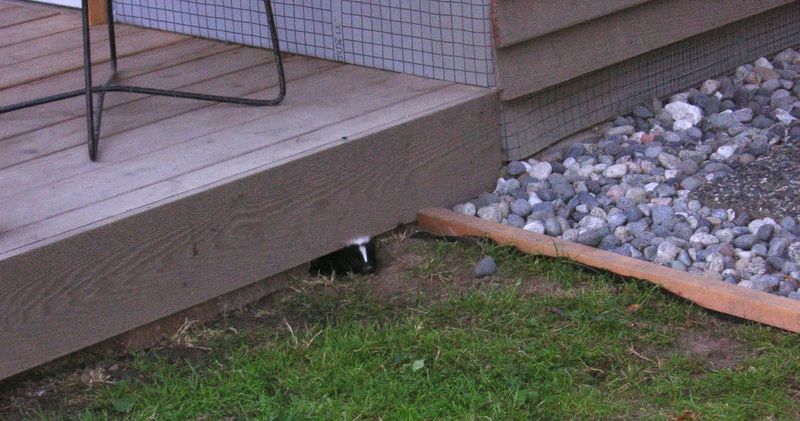
That gap beneath your deck or shed might house more than just stored garden tools.
Skunks actively seek protected spaces for denning, especially during Ohio’s cold winters or when raising young in spring.
They excavate existing openings or squeeze through surprisingly small gaps to create cozy underground shelters.
Female skunks particularly favor these locations for giving birth and raising kits from late April through June.
Signs of skunk denning include freshly disturbed soil near foundation openings, matted grass leading to entrance holes, or that telltale musky odor concentrated in one area.
You might notice the opening measures about four to six inches in diameter, just large enough for an adult skunk to pass through comfortably.
Ohio properties with older structures often have gaps that skunks find irresistible.
Listen carefully during early evening hours when skunks emerge to forage, or just before dawn when they return home.
Rustling sounds or soft chittering noises might reveal active occupation.
Skunks generally keep their dens remarkably clean, so you won’t see much debris or waste near entrances.
If you suspect a den exists beneath your structure, professional wildlife removal services can safely relocate the animals and seal entry points to prevent future occupation.
7. Missing Pet Food Left Outside Overnight

Did that bowl of cat food disappear mysteriously overnight?
Skunks absolutely love easy meals, and pet food left on porches, patios, or in open garages creates an irresistible buffet.
These clever animals quickly learn household routines, returning night after night once they discover this reliable food source.
Ohio residents who feed outdoor cats or leave dog bowls outside often unknowingly attract skunks to their immediate living areas.
The evidence might seem subtle at first.
Perhaps you notice the bowl completely empty when you expected leftovers, or you find it moved several feet from its original location.
Sometimes you’ll see small paw prints in spilled kibble or water dishes knocked over during the nighttime feast.
Skunks eat surprisingly neatly compared to raccoons, often leaving the bowl relatively undisturbed aside from being empty.
This behavior creates problems beyond just feeding wildlife.
Regular visits to porches bring skunks dangerously close to doorways where surprise encounters might trigger defensive spraying.
The habit also encourages skunks to investigate other aspects of your property, potentially leading to denning under structures or increased digging in your lawn.
Bringing pet food indoors at night eliminates this attraction and helps keep skunks at a more comfortable distance from your Ohio home.
8. Evidence Of Insect Population Reduction
Sometimes skunk visits bring unexpected benefits that Ohio homeowners might not immediately recognize.
If your lawn previously suffered from grub damage, beetle infestations, or other insect problems that suddenly improved, skunks might deserve the credit.
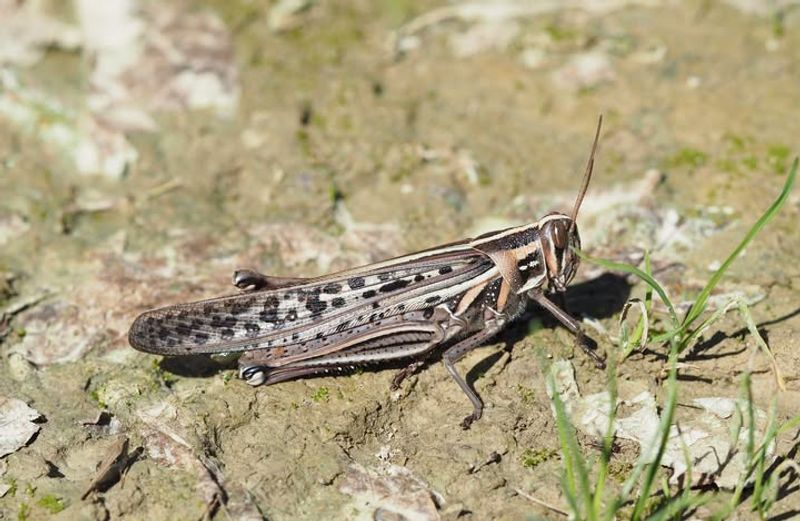
These animals consume enormous quantities of lawn pests, including Japanese beetle larvae, cutworms, grasshoppers, and various other insects that damage grass and garden plants.
Professional pest control treatments cost hundreds of dollars annually, yet a visiting skunk provides this service completely free while hunting for dinner.
The trade-off involves accepting some temporary lawn disturbance from their digging activities.
However, many Ohio residents consider this minor inconvenience worthwhile compared to the extensive damage unchecked insect populations cause.
Healthy lawns naturally recover quickly from shallow skunk excavations.
You might notice fewer adult beetles flying around outdoor lights during summer evenings, or observe that grass previously showing brown patches now grows thick and green.
These improvements suggest something reduced the underground insect population that was harming your lawn.
Combined with other signs like cone-shaped holes or tracks, improving turf health indicates skunks have been working as nighttime pest control specialists.
Rather than viewing them solely as nuisances, consider appreciating the ecological service these misunderstood animals provide throughout Ohio neighborhoods.