How To Maintain Cyclamen Indoors During Maryland Winter
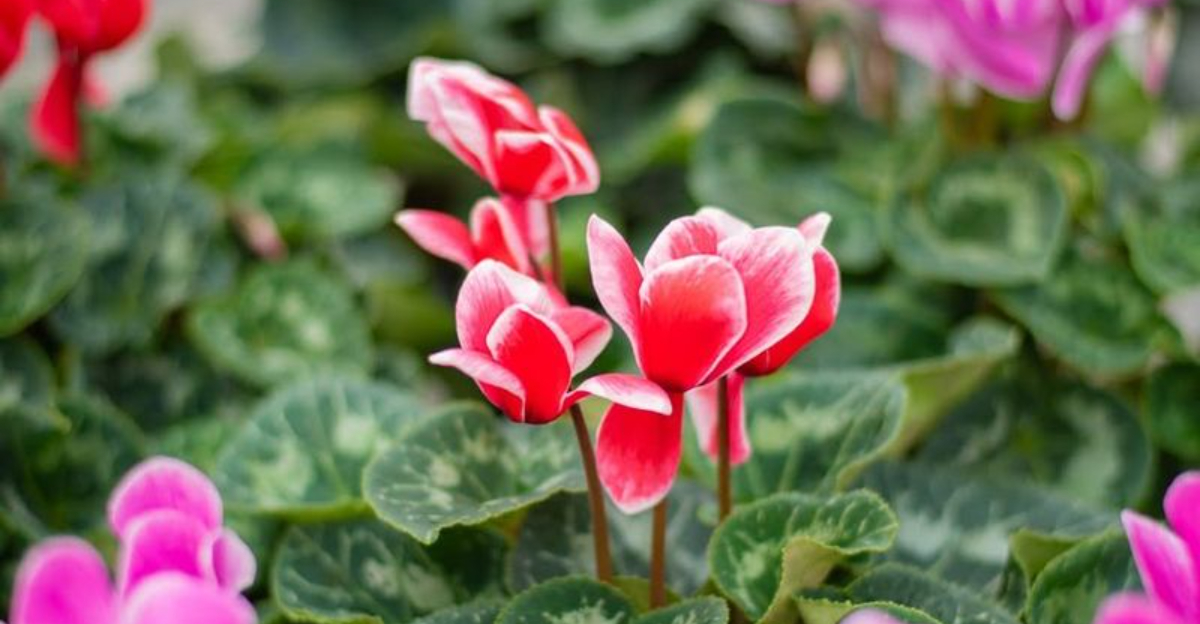
Cyclamen add welcome color when Maryland winters feel cold and gray, but keeping them healthy indoors takes a careful touch.
These plants are sensitive and respond fast when conditions drift off course.
Too much heat, dry air, or poor light can cause drooping leaves and fading blooms before you know it.
Winter in Maryland often means constant heating and low humidity, which works against what cyclamen prefer.
They thrive in cooler rooms with steady moisture and gentle light.
A space that feels cozy to people may feel overwhelming to this plant.
Even small mistakes can lead to stress that shows quickly.
With a few smart adjustments, cyclamen can do well indoors all winter.
Watching temperature, watering with care, and choosing the right spot helps flowers last longer and leaves stay firm.
When treated right, cyclamen reward that effort with lasting color and charm, bringing life and brightness to Maryland homes during the heart of winter.
1. Keep Temperatures Cool And Consistent
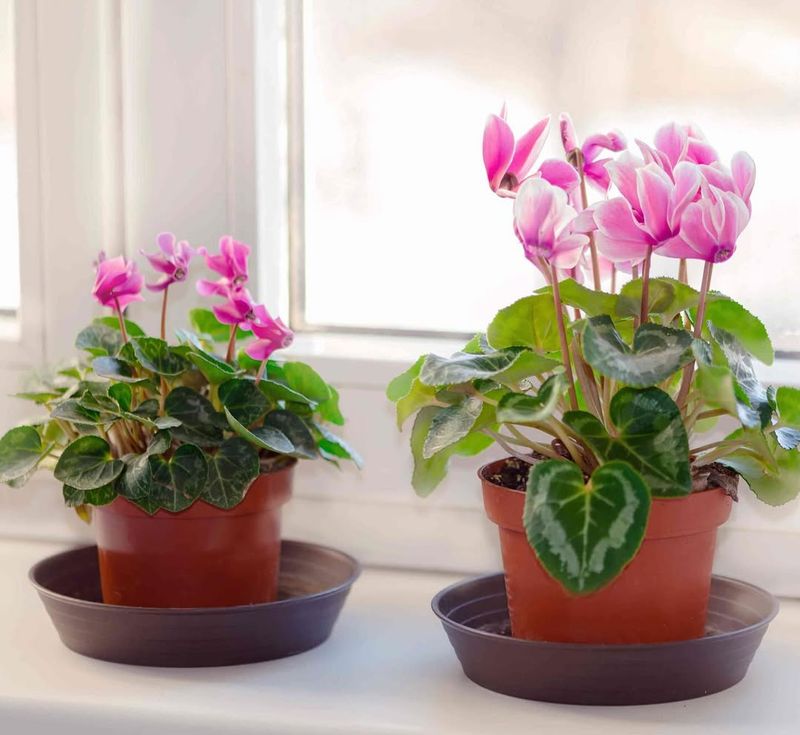
Cyclamen absolutely love cool conditions, which makes them somewhat unusual among houseplants.
Most indoor plants prefer warmth, but cyclamen actually thrive when temperatures stay between 50 and 65 degrees Fahrenheit.
Maryland homes often get too warm for these plants during winter when heating systems run constantly.
Finding the coolest spot in your Maryland home becomes essential for cyclamen success.
Unheated sunrooms, enclosed porches, or rooms where you keep the thermostat lower work perfectly.
Bedrooms often stay cooler than living areas, making them ideal locations.
Avoid placing your cyclamen near heating vents, radiators, or fireplaces, as the warm air will cause the flowers to fade quickly and the plant to decline.
Nighttime temperatures can drop even lower without harming your cyclamen, and they actually prefer this temperature variation.
A room that cools down to the high 40s at night mimics their natural Mediterranean habitat.
This temperature preference explains why cyclamen often struggle in overheated apartments or homes where thermostats stay set above 70 degrees.
Temperature consistency matters almost as much as the actual temperature range.
Sudden temperature swings stress cyclamen and can cause bud drop or leaf yellowing.
Keep your plant away from drafty windows or doors that open frequently to cold outdoor air in Maryland.
The goal is providing steady coolness rather than dramatic hot-to-cold changes that shock the plant’s system and interrupt its blooming cycle throughout the winter months.
2. Water From The Bottom Carefully
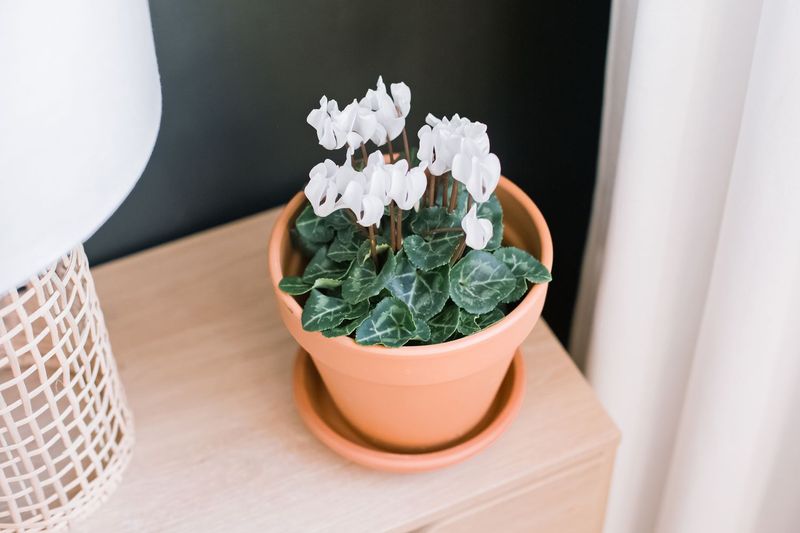
Watering cyclamen requires a completely different approach than most houseplants, and getting it wrong ranks as the number one reason these plants fail indoors.
The tuber at the plant’s base is extremely susceptible to rot when water sits on its surface.
Traditional top watering often leads to problems because water pools around the crown where leaves and stems emerge.
Bottom watering solves this issue elegantly and safely.
Place your potted cyclamen in a shallow dish or saucer filled with room-temperature water.
Let the plant sit for about 20 to 30 minutes, allowing the soil to absorb moisture from below through the drainage holes.
The water travels upward through capillary action, hydrating the roots without wetting the sensitive tuber surface.
After the soaking period, remove the pot from the water dish and let excess moisture drain completely.
Never let your cyclamen sit in standing water for hours, as this creates the soggy conditions that lead to root problems.
Maryland’s dry winter indoor air means you might need to water every few days, but always check soil moisture first.
Stick your finger about an inch into the soil before watering.
If it feels moist, wait another day or two.
Cyclamen prefer their soil to dry slightly between waterings rather than staying constantly wet.
Room-temperature water works best since cold water can shock the roots.
This bottom-watering method takes a bit more effort than simply pouring water on top, but it dramatically increases your chances of keeping a healthy, blooming cyclamen throughout Maryland’s long winter season.
3. Provide Bright Indirect Sunlight
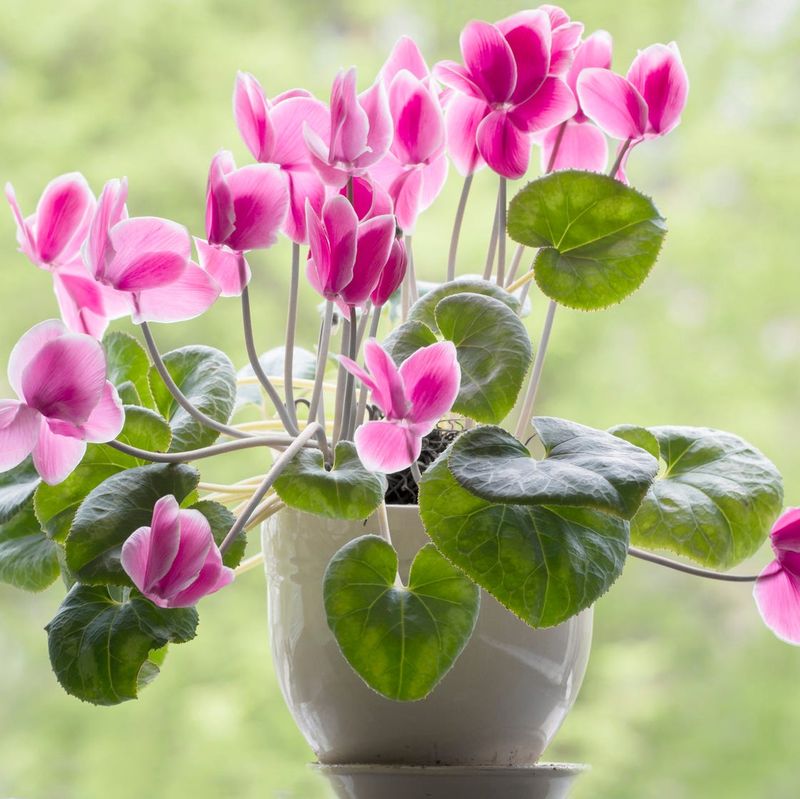
Light requirements for cyclamen can be tricky during Maryland winters when daylight hours shrink and the sun hangs lower in the sky.
These plants need plenty of bright light to keep producing their cheerful flowers, but direct sun can scorch their delicate petals and leaves.
Finding the sweet spot between too much and too little light makes all the difference.
East-facing windows work beautifully for cyclamen in Maryland homes during winter months.
Morning sun is gentler than afternoon rays, and the bright indirect light that fills east-facing rooms for the rest of the day suits cyclamen perfectly.
North-facing windows might not provide enough light intensity, especially during December and January when Maryland experiences its shortest days.
South and west windows can work if you filter the direct sunlight with sheer curtains or position the plant a few feet back from the glass.
Watch your cyclamen for signs of too much sun, including faded flower colors, brown leaf edges, or wilting despite adequate watering.
If you notice these symptoms, move the plant slightly further from the window or add light filtering.
Rotating your cyclamen every few days ensures all sides receive equal light exposure and the plant grows evenly rather than leaning toward the window.
Maryland’s cloudy winter days actually benefit cyclamen since overcast conditions provide perfect diffused light.
On sunny days, monitor your plant more closely for signs of stress.
Adequate light keeps cyclamen blooming continuously, while insufficient light causes the plant to produce fewer flowers and develop weak, stretched growth that looks unhealthy and unattractive throughout the winter season.
4. Increase Humidity Around The Plant
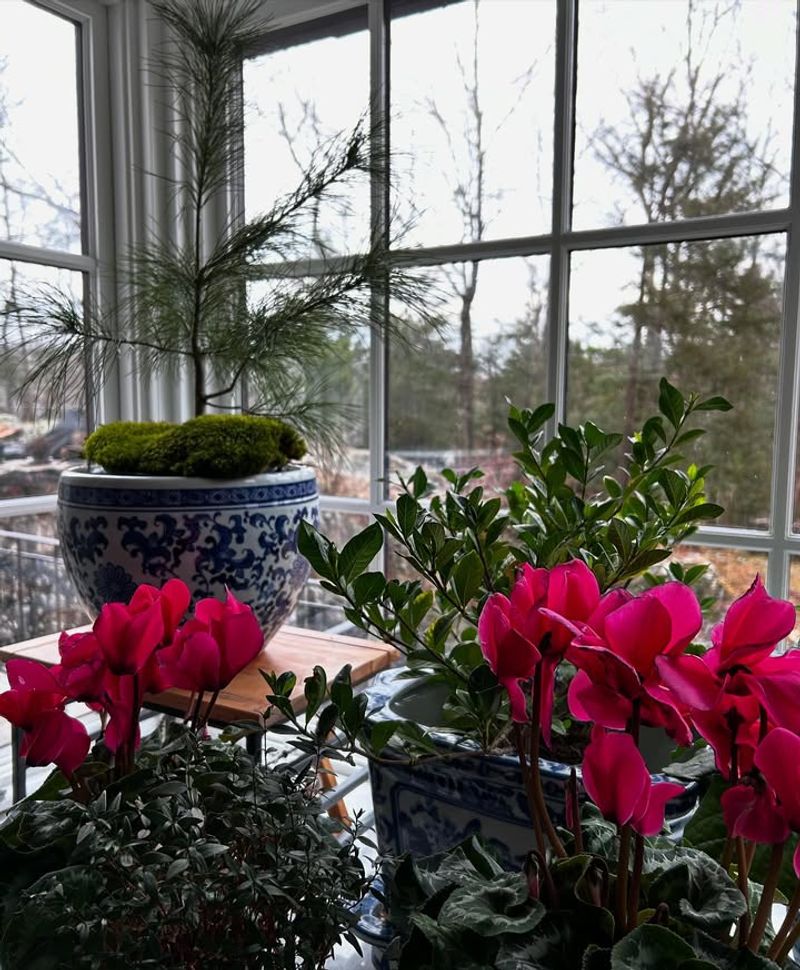
Maryland winters bring painfully dry air indoors when heating systems run constantly, creating desert-like conditions that cyclamen find uncomfortable.
These Mediterranean natives prefer moderate humidity levels around 50 to 60 percent, while heated homes often drop to 20 or 30 percent humidity.
Low humidity causes leaf edges to brown, flowers to fade quickly, and buds to fail before opening.
Creating a humidity tray offers the simplest solution for increasing moisture around your cyclamen.
Fill a shallow tray or saucer with pebbles or small stones, then add water until it reaches just below the top of the pebbles.
Set your potted cyclamen on top of the pebbles, making sure the pot bottom doesn’t sit directly in water.
As the water evaporates, it creates a humid microclimate around the plant.
Grouping several houseplants together also raises humidity since plants release moisture through their leaves.
Place your cyclamen near other humidity-loving plants to create a beneficial environment for all of them.
However, make sure air can still circulate between plants to prevent fungal issues.
Avoid misting cyclamen leaves directly, as water droplets sitting on the fuzzy foliage can encourage disease problems.
Room humidifiers work wonderfully if you want to raise humidity throughout your Maryland home during winter.
Running a humidifier benefits not just your plants but also your family’s comfort, reducing dry skin, static electricity, and respiratory irritation.
Check humidity levels with an inexpensive hygrometer to ensure you’re providing adequate moisture without creating conditions that are too damp, which could encourage mold growth in your home.
5. Remove Faded Flowers And Yellow Leaves
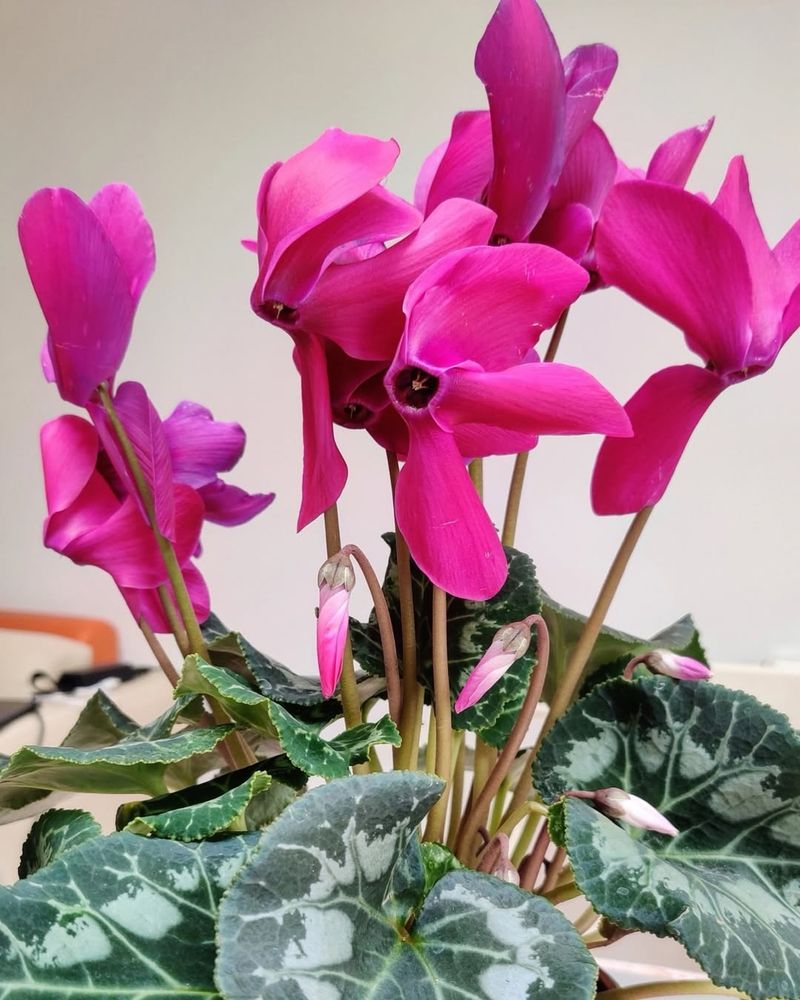
Regular grooming keeps cyclamen looking attractive and encourages continuous flowering throughout Maryland’s winter months.
Faded flowers and yellowing leaves don’t just look messy; they also drain energy from the plant that could go toward producing fresh blooms.
Developing a simple maintenance routine takes just a few minutes each week but makes a dramatic difference in your plant’s appearance and performance.
When cyclamen flowers fade and begin to droop, remove them promptly using a specific technique.
Rather than cutting the stem with scissors, grasp the flower stem near its base where it emerges from the tuber.
Give it a firm, quick tug with a slight twisting motion.
The entire stem should pull away cleanly from the tuber.
This method prevents leaving stem stubs that could rot and cause problems at the plant’s crown.
Yellow or brown leaves require the same removal technique.
Grab the leaf stem at its base and pull with that twisting motion until it releases from the tuber.
Removing declining foliage prevents disease issues and keeps the plant’s energy focused on healthy growth.
Check your cyclamen every few days for flowers past their prime or leaves showing signs of aging.
After grooming sessions, dispose of the removed plant material rather than leaving it on the soil surface where it might harbor pests or disease.
This regular attention keeps your cyclamen compact and tidy while promoting the production of new flower buds.
Maryland’s long winter season means your cyclamen could bloom for three or four months with proper care, and consistent deadheading maximizes this extended flowering period, filling your home with color when outdoor gardens lie dormant under snow and ice.
6. Feed With Diluted Fertilizer Monthly
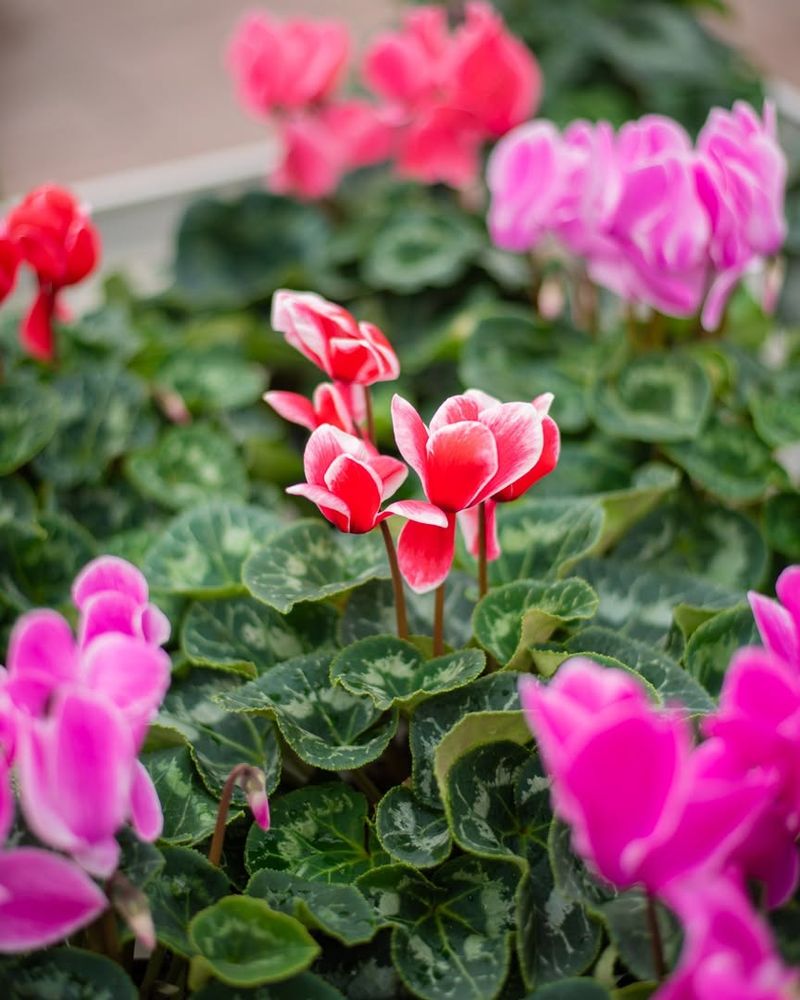
Cyclamen plants work hard during winter, continuously producing flowers and foliage while most outdoor plants in Maryland rest dormant.
This active growth requires nutrients, but cyclamen are sensitive to fertilizer and can be damaged by too much feeding.
Understanding their modest nutritional needs helps you provide support without overwhelming these delicate plants.
Choose a balanced, water-soluble houseplant fertilizer with equal numbers like 10-10-10 or 20-20-20.
During the blooming period from late fall through early spring, feed your cyclamen once every three to four weeks.
The key is using fertilizer at half the strength recommended on the package label.
Mix the diluted fertilizer with room-temperature water and apply it using your bottom-watering technique.
Timing your fertilizer applications matters as much as the concentration.
Feed your cyclamen only when the plant is actively growing and blooming.
If your plant seems to slow down or take a rest period, skip the fertilizer until you see new growth resuming.
Never fertilize a dry plant, as this can burn the roots.
Always water first with plain water, then apply diluted fertilizer a day or two later.
Overfertilizing causes more problems than underfeeding with cyclamen.
Too much fertilizer leads to excessive leaf growth at the expense of flowers, salt buildup in the soil, and burned leaf edges.
If you notice white crusty deposits on the soil surface, flush the pot thoroughly with plain water several times to remove accumulated salts.
Maryland’s municipal water sometimes contains minerals that can build up in potting soil, so occasional flushing helps even without fertilizer issues.
Light, infrequent feeding keeps your cyclamen healthy and blooming beautifully throughout the entire winter season.
7. Ensure Proper Air Circulation
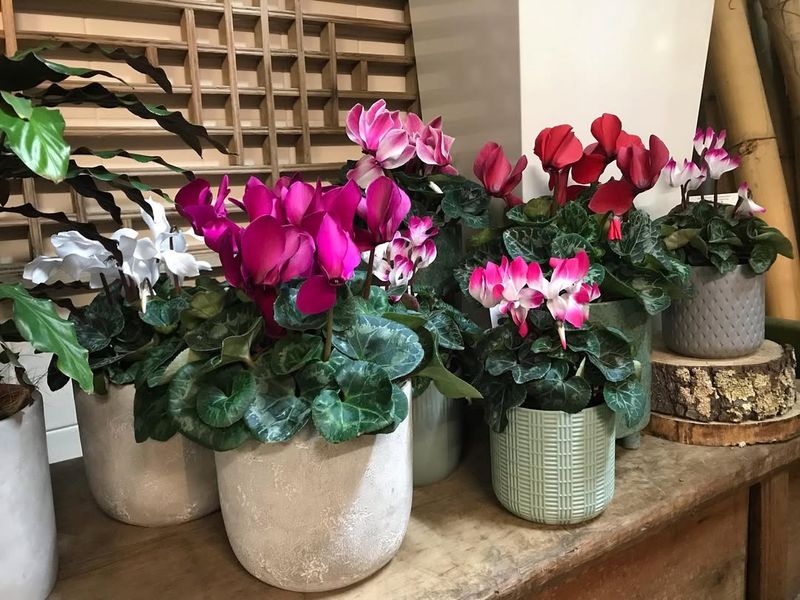
Air circulation often gets overlooked in winter plant care, but it plays a crucial role in keeping cyclamen healthy throughout Maryland’s cold months.
Stagnant air creates conditions where fungal diseases thrive, particularly when combined with the cool, humid environment cyclamen prefer.
Finding the balance between good air movement and avoiding cold drafts requires some attention to your plant’s placement.
Position your cyclamen where air can flow around it naturally without creating strong drafts.
Rooms with ceiling fans running on low speed work well, as do locations near frequently used doorways where gentle air movement occurs regularly.
The goal is preventing air from sitting still around the plant’s foliage while avoiding harsh gusts that could stress or damage the delicate flowers.
Avoid placing cyclamen in corners or tight spaces where air can’t circulate freely.
If you group plants together for humidity benefits, leave enough space between them so air can move through the collection.
Crowded conditions combined with high humidity create perfect conditions for gray mold and other fungal problems that plague cyclamen.
Cold drafts from doors, windows, or air conditioning vents pose different problems than stagnant air.
Sudden cold air blasts can cause flower buds to drop or leaves to develop brown spots.
Check for drafts by holding your hand near your cyclamen on a windy Maryland winter day.
If you feel cold air movement, relocate the plant to a more protected spot.
Good air circulation without extreme drafts keeps foliage dry and healthy, reduces disease pressure, and helps regulate the cool temperatures cyclamen love.
This careful attention to air movement contributes significantly to long-term success with these beautiful winter-blooming houseplants in your Maryland home.
8. Watch For Common Pest Problems
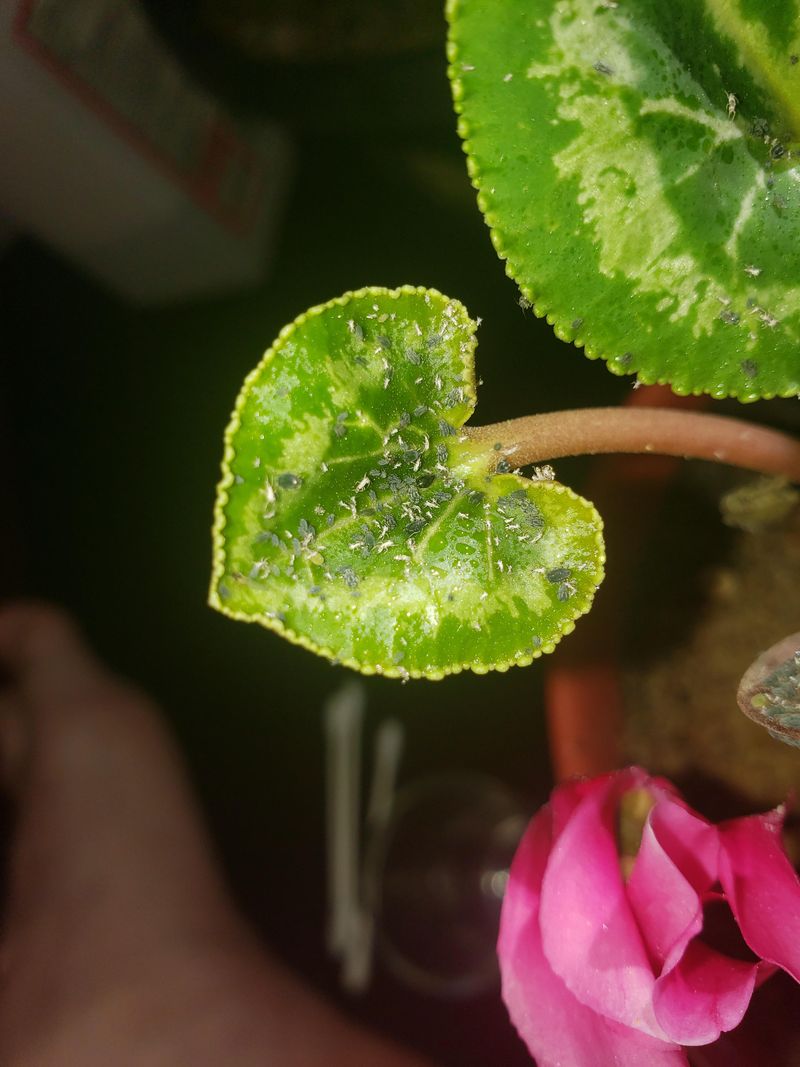
Even though you’re growing cyclamen indoors during Maryland’s winter, pests can still find and attack your plants.
Warm, dry indoor conditions actually favor certain pests, and cyclamen’s tender foliage makes an attractive target.
Learning to spot early signs of pest problems allows you to address issues before they become serious and compromise your plant’s health.
Spider mites rank as the most common pest problem for indoor cyclamen during winter.
These tiny creatures thrive in the dry air of heated Maryland homes.
Look for fine webbing between leaves and stems, or hold a white paper under the plant and tap the leaves gently.
Tiny moving specks on the paper indicate spider mites.
Yellowing leaves with stippled patterns also suggest mite damage.
Aphids sometimes appear on cyclamen, clustering on new growth and flower buds.
These small, soft-bodied insects can be green, black, or pink.
They suck plant juices and leave behind sticky honeydew that attracts mold.
Inspect new growth regularly, especially the undersides of young leaves where aphids like to hide.
Fungus gnats may appear if you overwater your cyclamen or if the potting soil stays too moist.
These small flying insects are more annoying than harmful to the plant, but their presence indicates watering adjustments are needed.
Treatment for most cyclamen pests starts with isolation to prevent spread to other houseplants.
Washing the plant gently with room-temperature water removes many pests.
For persistent problems, insecticidal soap works safely on cyclamen.
Apply treatments in the evening when temperatures are coolest, and never spray plants in direct sunlight.
Regular inspection and quick action keep pest problems minimal, ensuring your cyclamen stays healthy and beautiful throughout Maryland’s entire winter season.