How To Make Your Oregon Spider Plant Grow Bushier
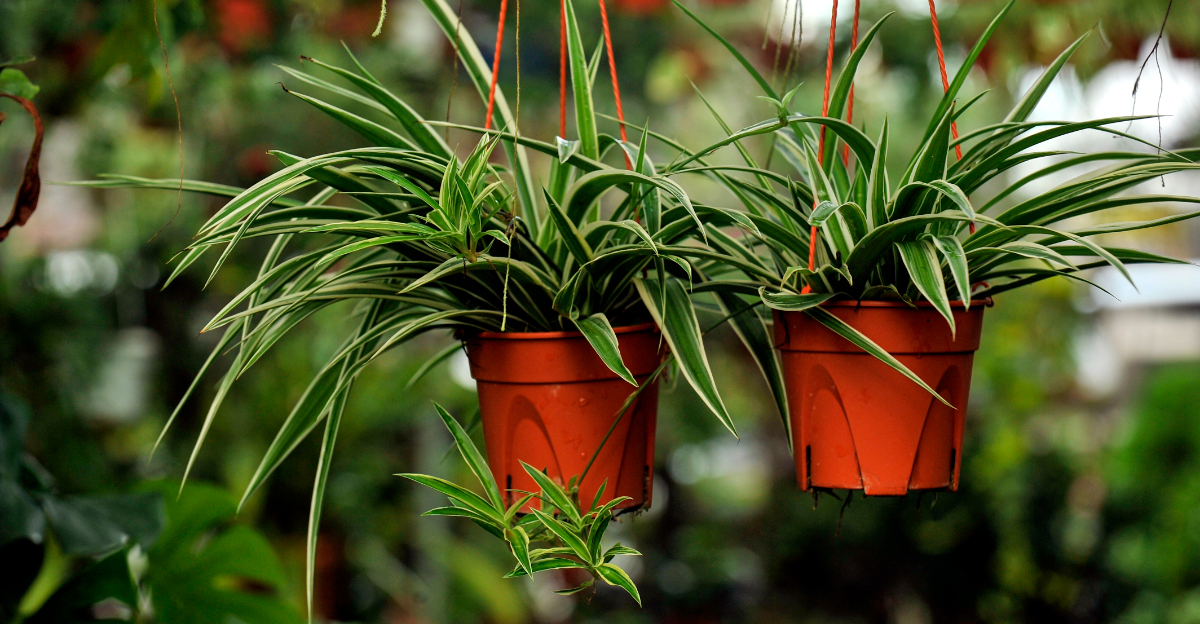
Spider plants love to grow, but they don’t always grow the way you want. In many Oregon homes, these popular houseplants stretch out, thin down, and lose that full, lush look everyone loves.
The good news is bushier growth isn’t about buying new plants or using fancy products. It’s about giving your spider plant the right signals to produce more shoots and thicker foliage.
Light direction, trimming habits, pot size, and watering patterns all play a role. Small adjustments can trigger noticeable changes in just a few weeks.
With the right approach, your spider plant can shift from leggy and sparse to full and overflowing. Get ready to turn those long strands into a dense, healthy display that looks great in any room.
1. Give It Bright Indirect Light
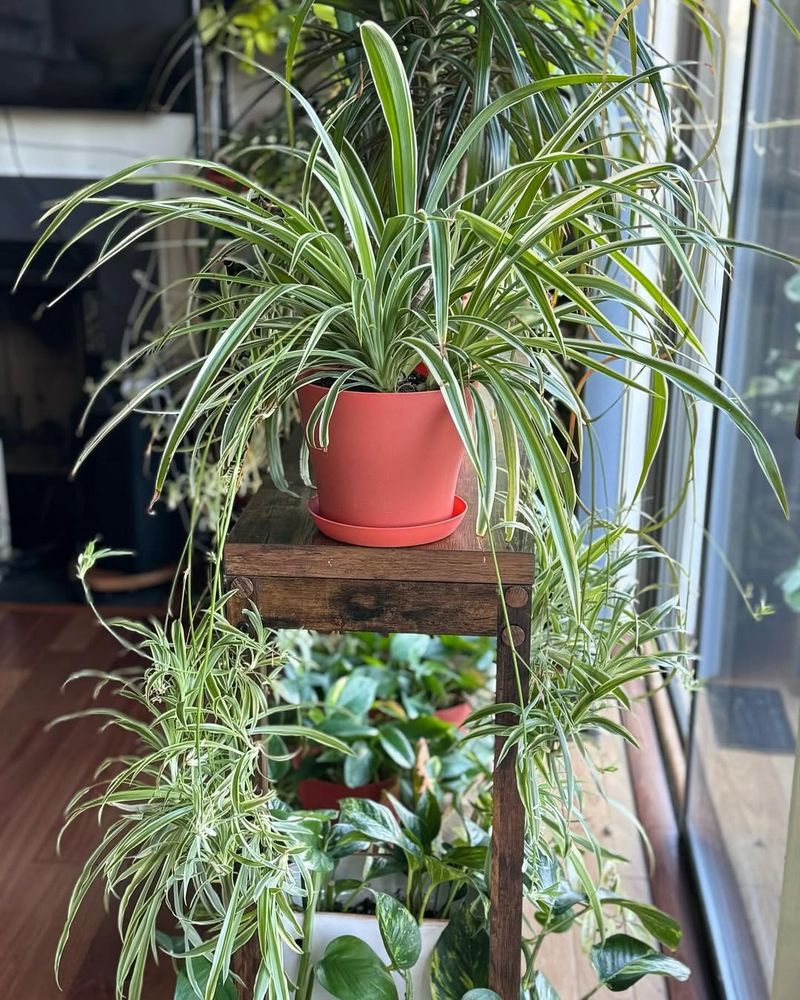
Light makes all the difference when you want a spider plant that’s packed with leaves instead of stretched out and sparse. Spider plants naturally grow fuller when they receive plenty of bright, filtered sunlight throughout the day.
In Oregon, where cloudy days are common, finding the right spot becomes even more important for keeping your plant compact and bushy.
Place your spider plant near an east or west-facing window where it can soak up gentle morning or afternoon rays without getting scorched.
Direct sunlight can bleach the leaves and cause brown tips, so a sheer curtain works perfectly to diffuse harsh rays. If you notice your plant leaning toward the light or developing long, thin leaves, it’s telling you it needs more brightness.
During Oregon’s gray winter months, consider supplementing with a grow light to maintain that lush appearance. Even a simple LED grow bulb in a desk lamp can make a noticeable difference.
Your spider plant will respond by producing tighter, more abundant foliage instead of reaching desperately for distant light sources. The result is a plant that looks professionally grown rather than stretched and straggly.
2. Rotate The Pot Regularly
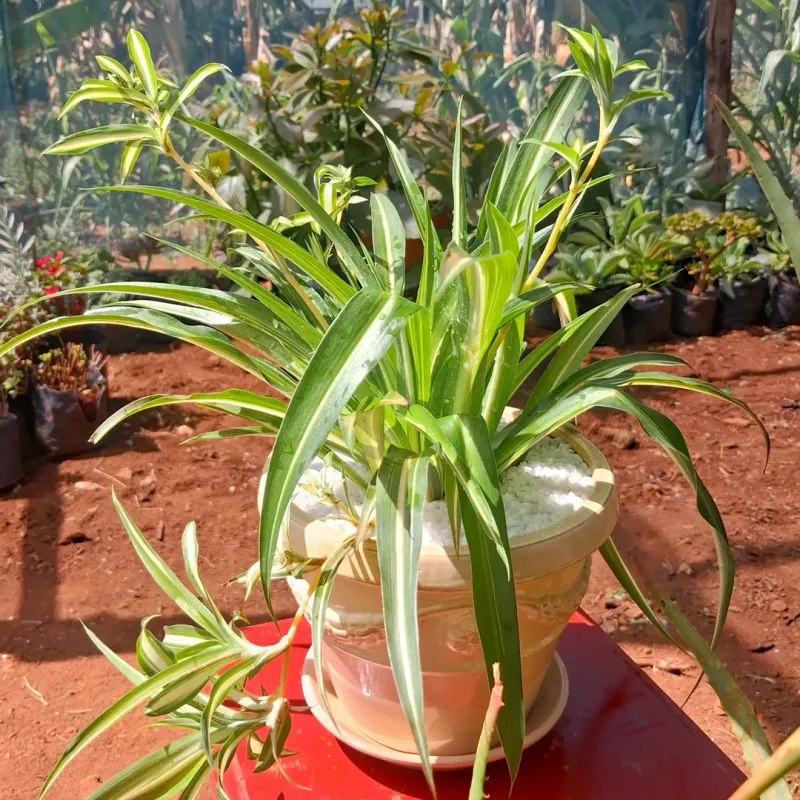
Plants are like sunbathers who need to turn over to avoid getting burned on one side. Your spider plant will naturally grow toward whatever light source it can find, which means one side gets bushy while the other stays thin and underdeveloped.
Rotating your pot every week or two ensures all sides get equal light exposure, promoting balanced, even growth all around. Make it part of your routine when you water or check on your plants.
Simply turn the pot a quarter turn each time so different sections face the window. This simple habit prevents your spider plant from becoming lopsided and encourages it to fill out uniformly.
Many Oregon plant owners forget this step because their plants seem fine at first, but over time the difference becomes obvious. You’ll notice new growth emerging from all angles rather than just the side facing the light.
The plant develops a fuller, more symmetrical shape that looks attractive from every direction. This is especially helpful if your spider plant sits on a pedestal or hangs where people see it from multiple sides.
Consistent rotation also prevents stems from becoming permanently bent toward the light, which can’t be easily corrected later.
3. Trim Leggy Growth
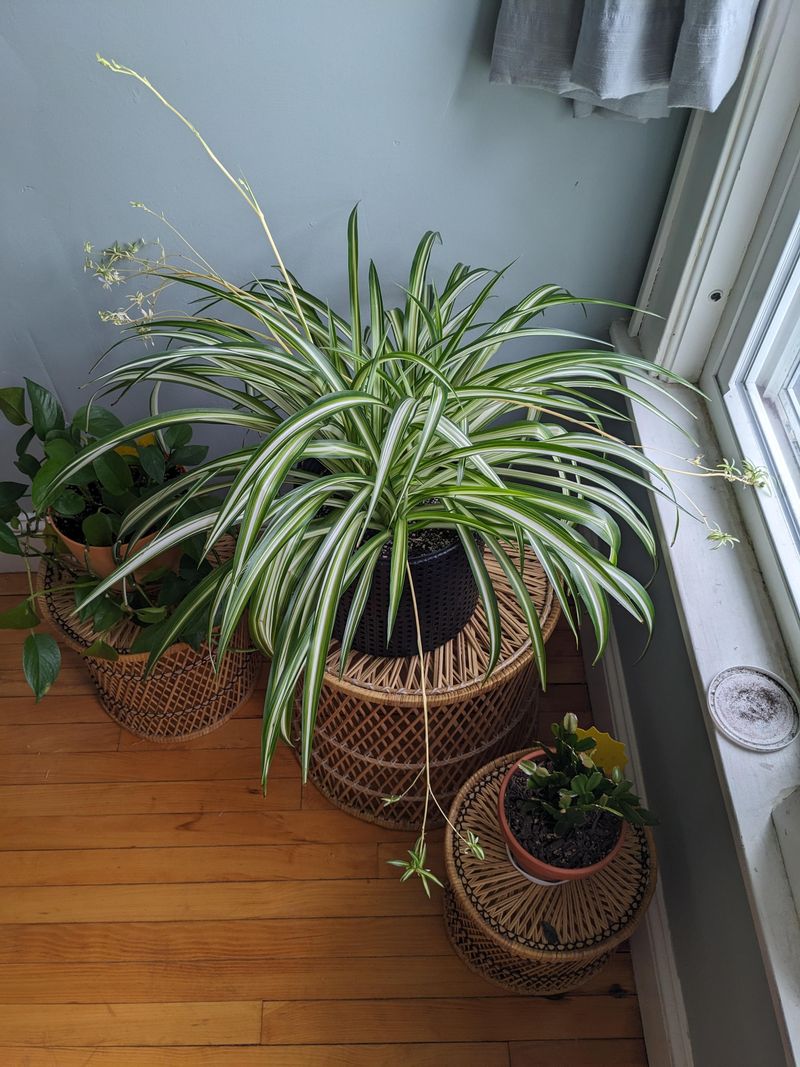
Sometimes your spider plant needs a haircut to look its best. Leggy stems are those long, stretched-out shoots with leaves spaced far apart that make your plant look sparse and unhealthy.
Trimming these back encourages your spider plant to put energy into producing fuller, bushier growth closer to the base instead of wasting resources on weak, elongated stems. Use clean, sharp scissors or pruning shears to cut leggy stems back to the base of the plant.
Don’t be afraid to be aggressive with your pruning. Spider plants are incredibly resilient and will bounce back quickly with denser foliage.
Focus on removing the longest, thinnest stems first, especially those that don’t have many leaves or look pale and weak. After trimming, your Oregon spider plant might look a bit bare initially, but within a few weeks you’ll see fresh new shoots emerging.
These new growths tend to be shorter and fuller, creating that bushy appearance you’re after. Regular maintenance trimming every few months keeps your plant looking compact and healthy.
Many Oregon gardeners find that spring is the perfect time for a more thorough pruning session when plants naturally want to grow vigorously.
4. Repot When Rootbound
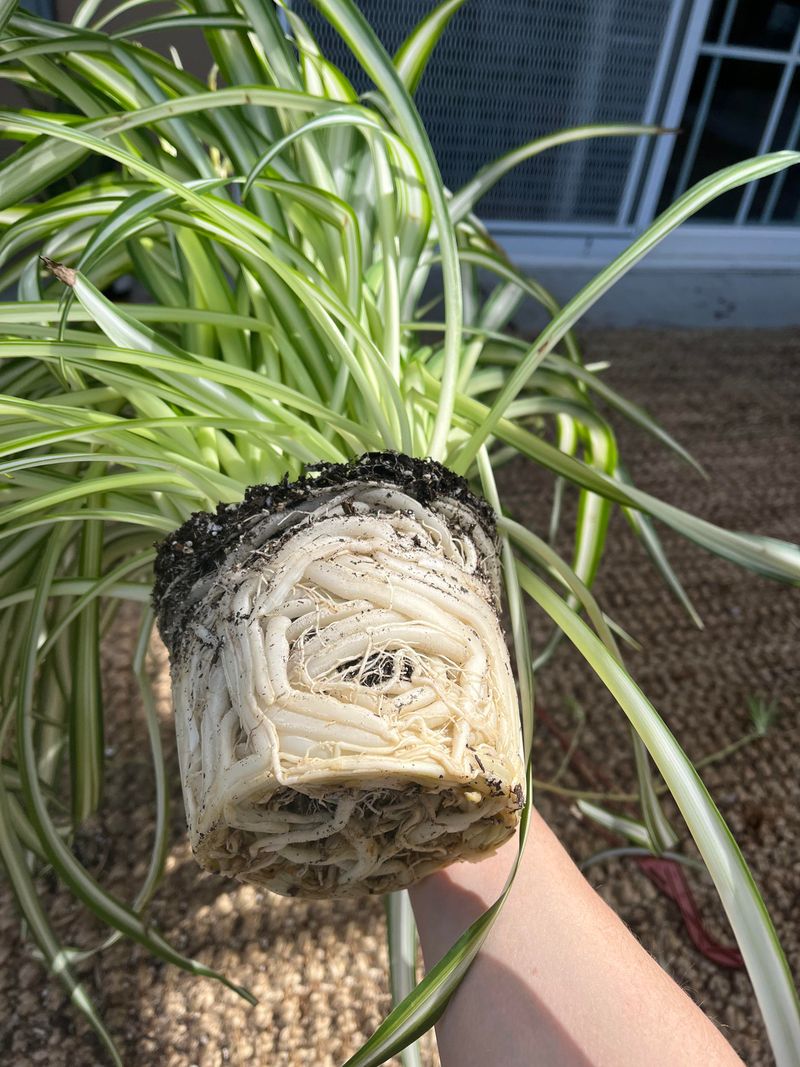
Cramped roots mean cramped growth above the soil line. When your spider plant’s roots have filled every available space in the pot, they start circling around and around with nowhere to go.
This rootbound condition limits the plant’s ability to take up water and nutrients, which directly affects how full and bushy the foliage can become.
Check your spider plant by gently lifting it from its pot or looking at drainage holes where roots might be poking through.
If you see thick, tangled roots circling the pot’s interior or coming out the bottom, it’s time for a bigger home. Oregon’s moderate climate means spider plants can grow quite vigorously, often needing repotting every year or two.
Choose a pot that’s about two inches larger in diameter than the current one. Gently loosen the root ball and trim away any brown or mushy roots before placing it in fresh potting mix.
The extra space allows roots to spread out and absorb more nutrients, which translates to more vigorous leaf production above.
Within weeks of repotting, you’ll typically notice an explosion of new growth as your plant takes advantage of its expanded living quarters and fresh soil.
5. Use Well-Draining Soil
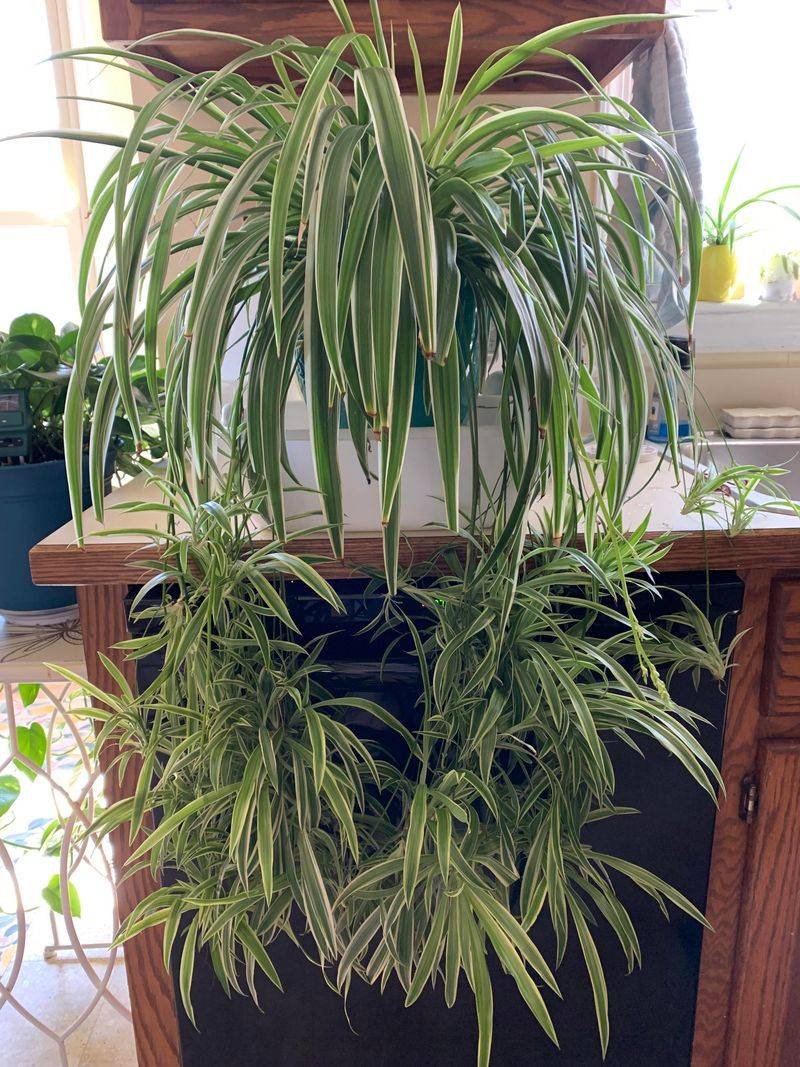
Your soil choice affects everything from root health to how bushy your plant can become. Spider plants hate sitting in soggy soil, which can lead to root rot and stunted growth.
Well-draining soil allows excess water to flow through quickly while still retaining enough moisture for the roots to access. This balance is crucial for encouraging the vigorous growth that leads to fuller foliage.
Look for a quality potting mix that contains perlite, vermiculite, or coarse sand to improve drainage. You can also create your own blend by mixing regular potting soil with about 20-30% perlite.
In Oregon, where humidity can be high during certain seasons, good drainage becomes even more important to prevent waterlogged conditions that slow growth and cause problems.
The right soil texture allows roots to breathe and expand easily, which supports more leaf production above ground.
Compacted or heavy soil restricts root growth and keeps your spider plant from reaching its full bushy potential. When you repot, always use fresh soil rather than reusing old potting mix that may have broken down and lost its drainage properties.
Your spider plant will reward you with denser, healthier growth when its roots are happy in well-aerated soil.
6. Feed Lightly During Spring
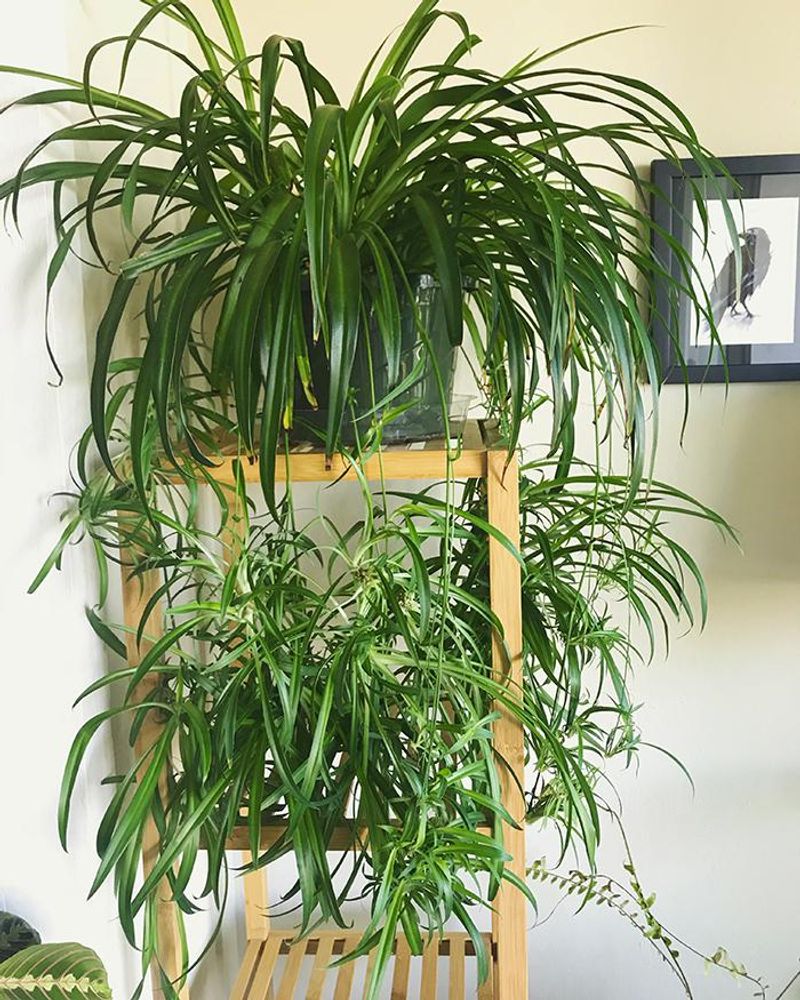
Nutrition plays a supporting role in creating that coveted bushy appearance. Spider plants aren’t heavy feeders, but a light boost of fertilizer during their active growing season helps them produce more leaves and fuller growth.
Spring is when your Oregon spider plant naturally wants to push out new shoots, making it the perfect time to provide some extra nutrients.
Choose a balanced, water-soluble houseplant fertilizer and dilute it to half the recommended strength.
Apply it once a month from March through August when your plant is actively growing. Overfeeding can actually harm spider plants, causing brown leaf tips and encouraging weak, leggy growth instead of the compact bushiness you want.
Less is definitely more with these adaptable plants. The extra nutrients support the production of chlorophyll and protein, which translates to greener, more abundant foliage.
You’ll notice your spider plant putting out new leaves more quickly and developing those attractive arching stems that make the plant look full and healthy.
During fall and winter in Oregon, skip the fertilizer entirely as your plant naturally slows down its growth.
Resume feeding when you see new growth emerging in spring for the best results.
7. Water Only When Top Soil Dries
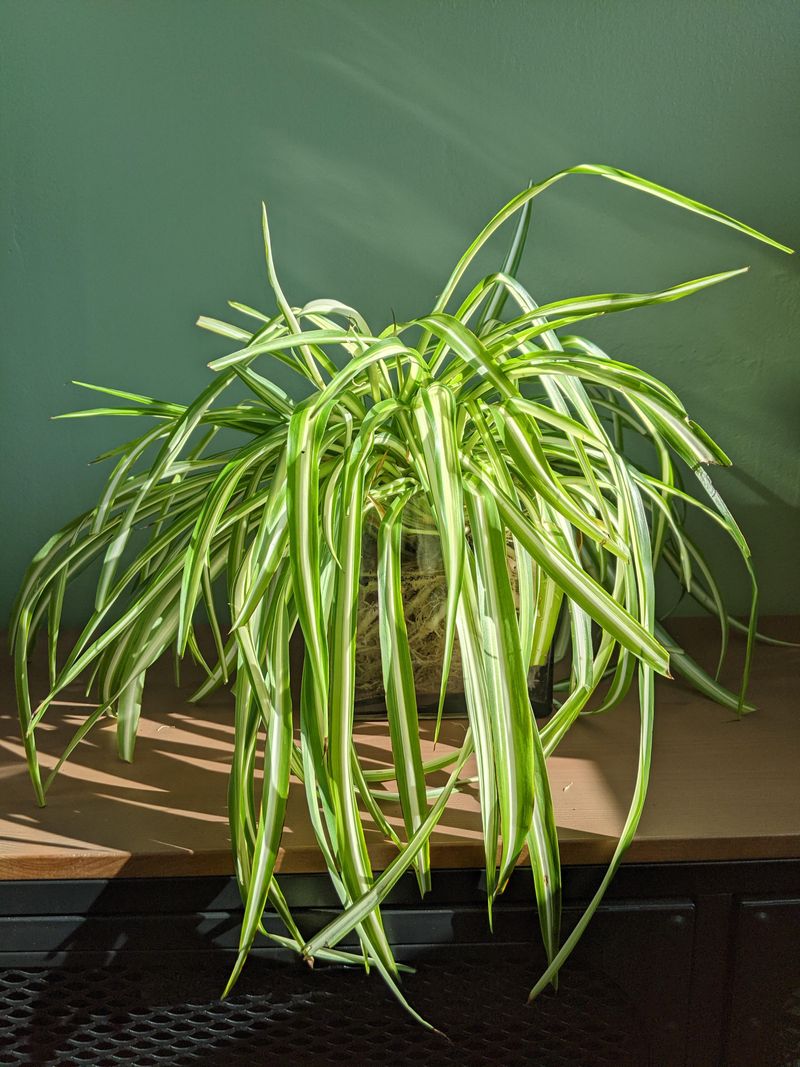
Watering habits can make or break your efforts to grow a bushier spider plant. These plants prefer a cycle of slightly drying out between waterings rather than staying constantly moist.
Allowing the top inch or two of soil to dry encourages roots to grow deeper and stronger as they search for water, which supports more robust foliage growth above the soil line. Stick your finger into the soil before watering to check moisture levels.
If the top inch feels dry, it’s time to water thoroughly until excess drains from the bottom. If it still feels damp, wait another day or two.
Oregon’s climate can vary greatly between the wet coastal areas and drier inland regions, so your watering schedule should match your local conditions rather than following a rigid calendar.
Overwatering is one of the most common mistakes that leads to thin, unhealthy growth.
When roots sit in waterlogged soil, they can’t function properly to support lush foliage. Conversely, letting your plant dry out completely too often will stress it and cause leaf tips to brown.
Finding that sweet spot of consistent but not excessive moisture helps your spider plant focus its energy on producing the dense, cascading foliage that makes these plants so attractive in Oregon homes.