How To Make Your Oregon Yard Wildlife-Friendly Without Attracting Problems
Wanting more wildlife in your yard sounds great in theory, until raccoons knock over your trash, squirrels dig up your pots, or something mysterious keeps rearranging your garden overnight.
In Oregon, where wildlife is everywhere, finding that balance can feel a little tricky.
You want birds, pollinators, and helpful critters… just not the kind that turn your yard into a late-night hangout.
The good news is you don’t have to choose between a quiet yard and a wildlife-friendly one. With a few smart choices, you can create a space that supports native animals without inviting chaos.
It’s less about adding “more” and more about setting things up the right way.
Small changes, like how you plant, water, and manage food sources, make a big difference. When done well, your yard becomes a safe stop for beneficial wildlife while still staying clean, calm, and easy to maintain.
And yes, it’s possible to enjoy birds and butterflies without dealing with constant mess or damage.
If you’ve ever wanted to help local wildlife but worried about what might come with it, you’re not alone. Many Oregon homeowners are figuring this out right now.
With the right approach, you can create a yard that feels alive and welcoming, without turning into a wildlife problem zone.
Choose Native Oregon Plants That Feed Wildlife Selectively
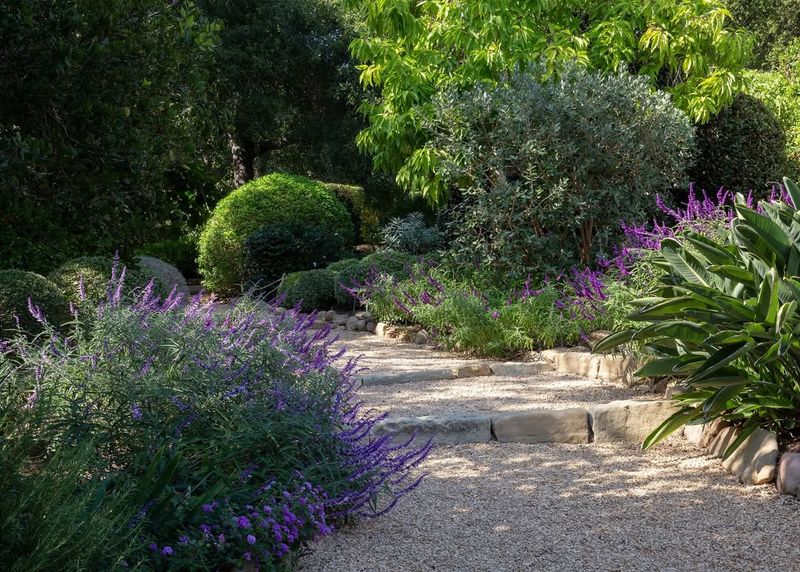
Native plants form the foundation of any wildlife-friendly yard because they’ve evolved alongside local animals for thousands of years.
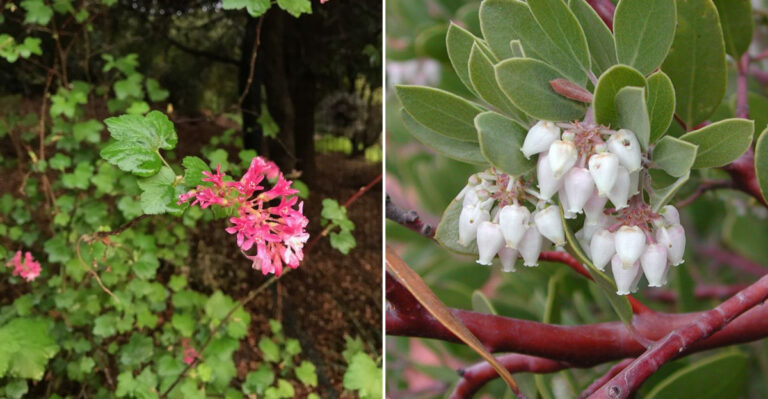
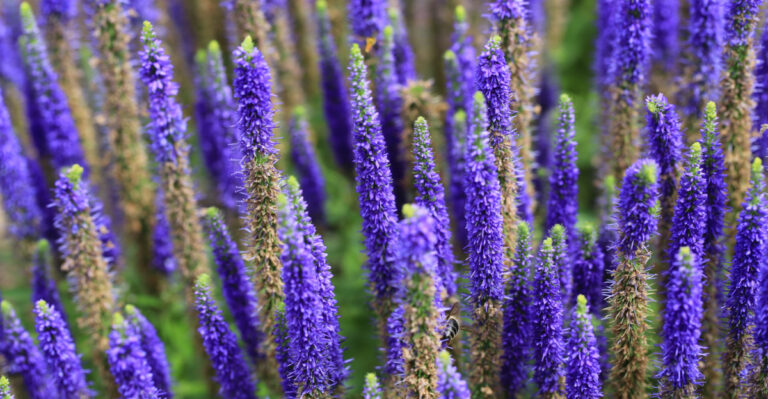
Oregon grape, red-flowering currant, and oceanspray attract hummingbirds and butterflies without drawing deer like a magnet.
These shrubs provide berries and nectar that native birds absolutely love, but their leaves aren’t as tasty to browsing animals.
When you plant species that naturally belong in Oregon, you’re supporting the entire food chain in a balanced way. Native bees need native flowers for pollen, and songbirds need native insects that feed on those plants.
This creates a healthy ecosystem right in your yard without requiring you to constantly battle invasive species or deal with plants that spread uncontrollably.
Avoid planting species that deer find irresistible, like roses and hostas, near areas where you don’t want them browsing. Instead, choose plants with strong scents or fuzzy leaves that deer typically avoid.
Lavender, sage, and yarrow all do well in Oregon and don’t tempt larger mammals.
Consider your region’s specific climate too. Coastal yards can handle different plants than those in the Willamette Valley or Central Oregon.
Local nurseries can guide you toward native species that thrive in your exact area while supporting the wildlife you want to encourage. Proper plant selection prevents many problems before they start.
Install Bird Feeders With Smart Placement And Maintenance
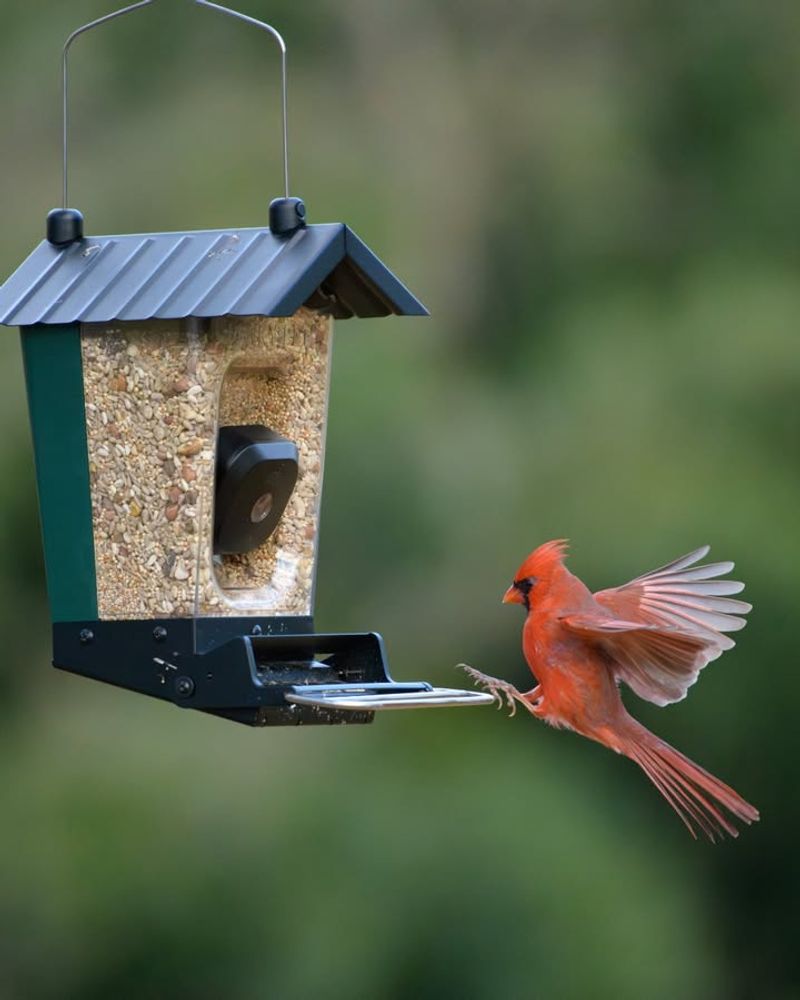
Bird feeders bring joy and activity to your yard, but their placement matters more than most people realize.
Hanging feeders at least six feet off the ground and ten feet away from structures prevents squirrels and rats from treating them like an all-you-can-eat buffet.
Use baffles on poles to stop climbing animals from reaching the seed.
Regular cleaning prevents disease spread among birds and reduces the smell that attracts unwanted mammals.
Wash feeders with a diluted bleach solution every two weeks and let them dry completely before refilling.
This simple habit keeps your feathered friends healthy and reduces the chances that raccoons will investigate the area.
Choose feeders designed for specific birds you want to attract. Tube feeders with small perches favor finches and chickadees, while platform feeders welcome jays and towhees.
Avoid ground feeding, which creates a mess that attracts rodents and larger scavengers during nighttime hours.
Only put out as much seed as birds can consume in a day or two. Old, wet seed grows mold and becomes a health hazard.
Store extra seed in metal containers with tight lids, never in bags that mice can chew through. During summer months, consider reducing or removing feeders since natural food sources are abundant and bears become more active in many Oregon areas.
Create Water Features That Don’t Become Pest Magnets
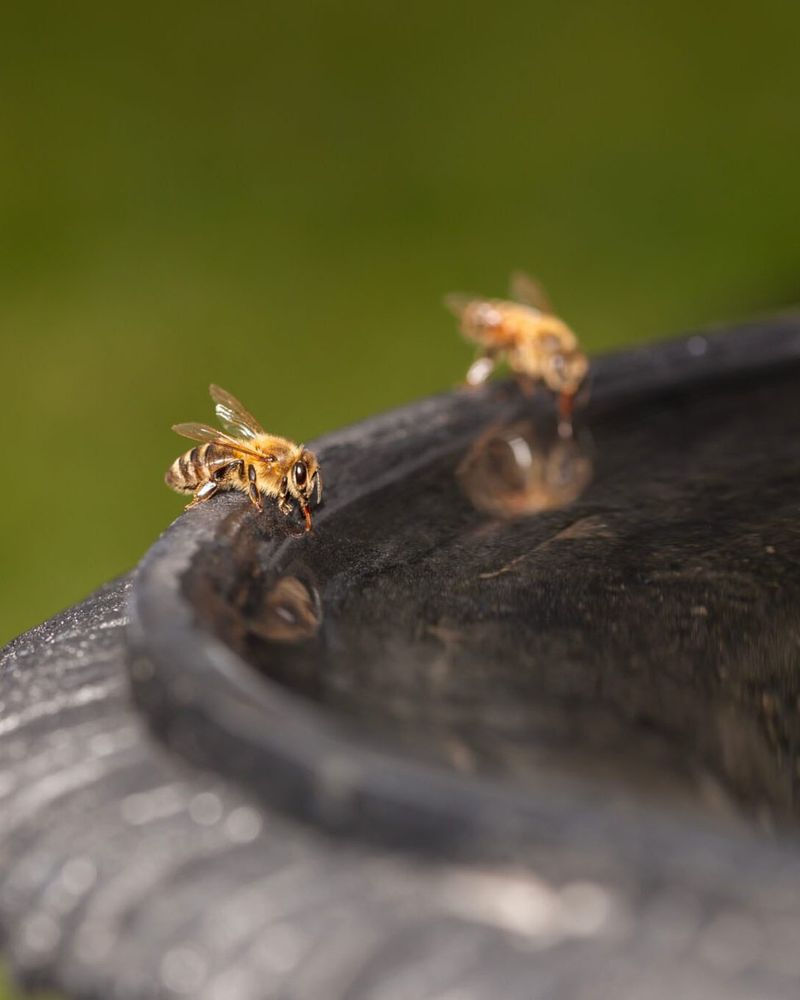
Water attracts every type of wildlife, so designing your water feature carefully determines whether you get dragonflies or raccoon problems.
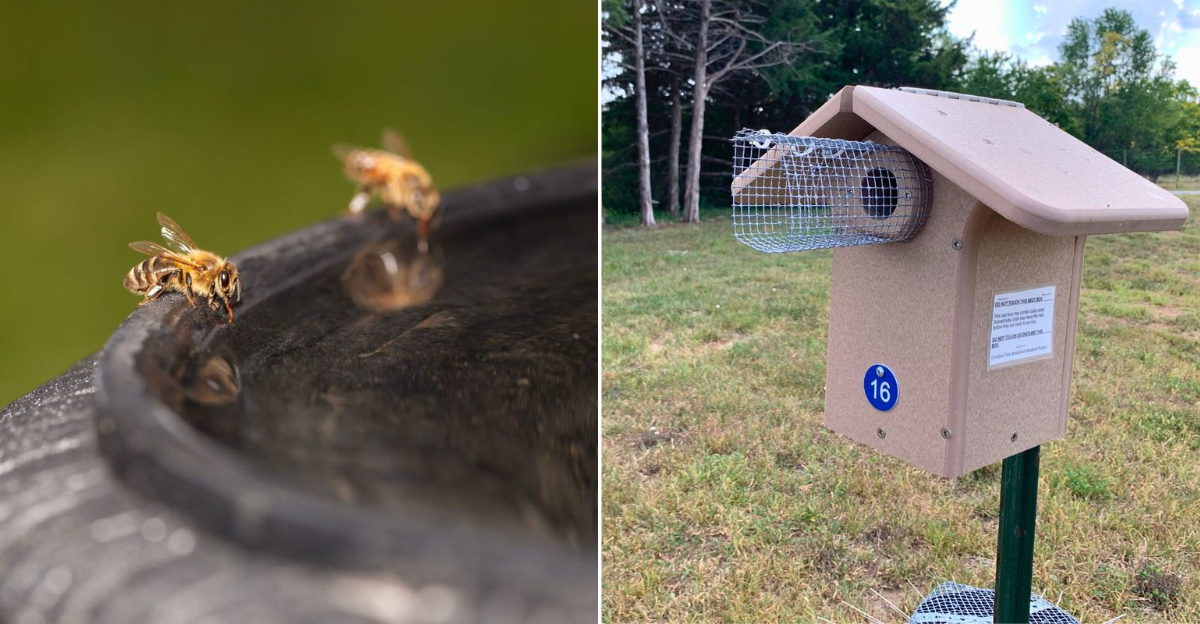
Shallow birdbaths with regularly changed water provide drinking spots for birds without creating standing water where mosquitoes breed.
Change the water every two to three days, especially during warm weather.
Adding a small solar fountain or bubbler keeps water moving, which prevents mosquito larvae from developing and makes the sound more attractive to birds. Moving water also stays cleaner longer and won’t freeze as quickly during Oregon’s mild winters.
Birds actually prefer shallow water, just an inch or two deep, where they can safely bathe and drink.
Avoid creating large ponds without proper planning, as they can attract geese, which leave droppings everywhere, or become breeding grounds for mosquitoes if not maintained.
If you want a pond, include fish that eat mosquito larvae and install netting if geese become a problem.
Position water features away from dense shrubs where predators might hide while waiting for birds.
During dry Oregon summers, water becomes especially valuable to wildlife. Providing clean drinking spots helps birds, butterflies, and beneficial insects while giving you control over where water is available.
This prevents animals from seeking water in less convenient places, like your outdoor pet bowls or decorative containers.
Manage Compost Bins To Feed Soil, Not Scavengers
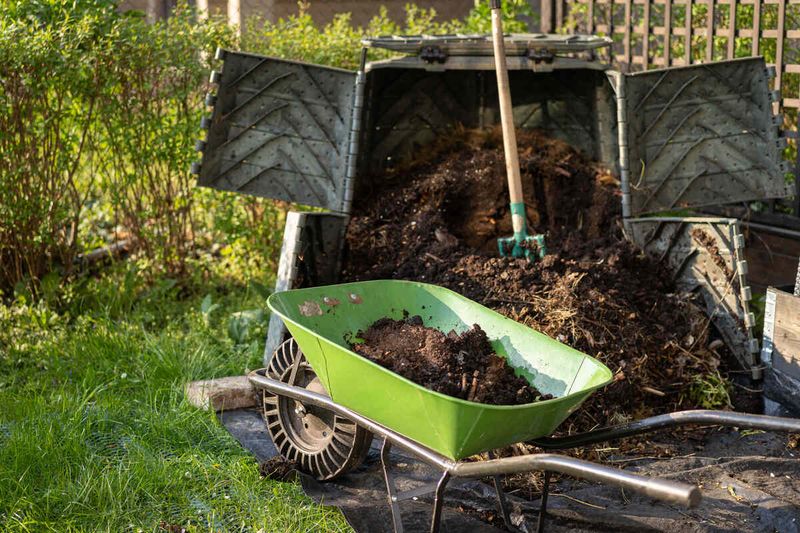
Composting benefits your garden tremendously, but an open pile basically advertises free food to every raccoon, opossum, and rat in the neighborhood. Use enclosed compost bins with secure lids that latch properly.
Tumbling composters work especially well because they’re completely sealed and can be spun to mix contents without opening them.
Never compost meat, dairy, oils, or cooked foods, which smell strongly and attract carnivores and omnivores from surprising distances. Stick to vegetable scraps, fruit peels, coffee grounds, and yard waste.
Even with plant-based materials, bury fresh additions under existing compost or a layer of leaves to reduce odors.
Position your compost bin on a hard surface or use hardware cloth underneath to prevent rodents from burrowing up from below. Keep the bin at least twenty feet from your house and any areas where you spend time outdoors.
This distance protects your living spaces if animals do investigate the compost.
Hot composting, which reaches high temperatures through proper carbon-to-nitrogen ratios, breaks down materials faster and produces less odor. Turn your compost regularly and maintain proper moisture levels.
A well-managed compost bin shouldn’t smell bad at all. If yours does, you’re probably adding the wrong materials or have too much moisture, both of which attract unwanted wildlife visitors.
Build Brush Piles And Habitat Structures Strategically
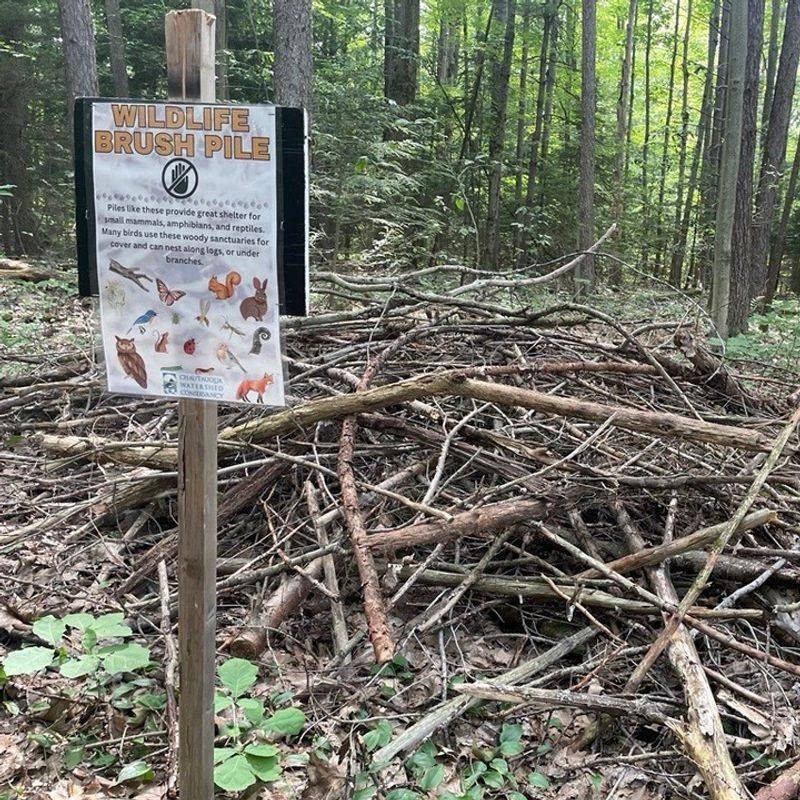
Brush piles provide essential shelter for small mammals, ground-nesting birds, and beneficial insects, but location determines whether they help or create problems.
Place these habitat features in back corners of your property, away from your home’s foundation and outdoor living areas.
This gives wildlife the cover they need while keeping them at a comfortable distance from human activity.
Start with larger branches on the bottom and layer smaller twigs and leaves on top, creating air spaces throughout.
These gaps shelter wrens, sparrows, and towhees while providing hunting grounds for beneficial predators like garter snakes that control slugs and insects.
Lizards also appreciate brush piles for basking spots and protection from larger predators.
Avoid making brush piles too large or too close to structures where they might harbor animals you don’t want near your house. A pile about four feet wide and three feet tall provides plenty of habitat without becoming a raccoon apartment complex.
Add to it gradually as you prune shrubs and trees throughout the year.
Consider creating rock piles too, which offer similar benefits with different habitat qualities. Rocks warm in the sun, attracting butterflies and lizards, while the spaces between stones shelter ground beetles and other beneficial insects.
Position these features where you can observe wildlife from a distance but where animals won’t feel pressured by constant human presence.
Fence Gardens Without Blocking All Wildlife Movement
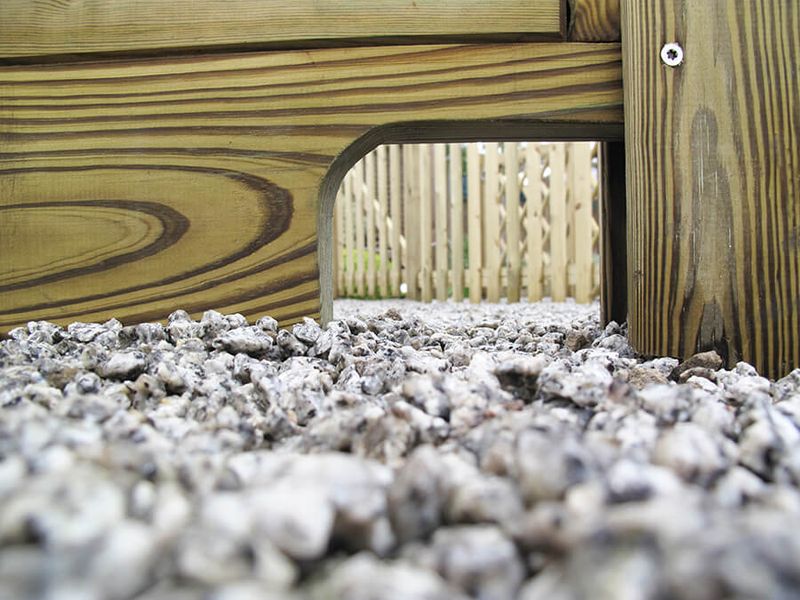
Protecting your vegetables from deer and rabbits requires fencing, but you can design barriers that keep out browsers while allowing smaller beneficial wildlife to pass through. Raised beds with chicken wire covers let pollinators in while keeping rabbits out.
For larger garden areas, a fence at least eight feet tall discourages deer, though they can jump lower barriers if motivated enough.
Bury fencing six inches underground and bend it outward in an L-shape to prevent rabbits and other diggers from tunneling underneath. Use wire mesh with openings small enough that young rabbits can’t squeeze through, typically one inch or smaller.
Secure the bottom edge with landscape staples or stones.
Consider leaving small gaps at ground level, about four inches square, that allow beneficial animals like toads and garter snakes to enter your garden while keeping out larger animals. These predators help control slugs, insects, and rodents naturally.
You want them working for you inside the fence.
Electric fencing works well for serious deer pressure, though it requires more maintenance and care around children and pets.
Some Oregon gardeners use motion-activated sprinklers instead, which startle deer without harming them.
Combining several deterrent methods usually works better than relying on just one approach, especially in areas with high wildlife populations.
Time Fruit Harvests And Clean Up Promptly
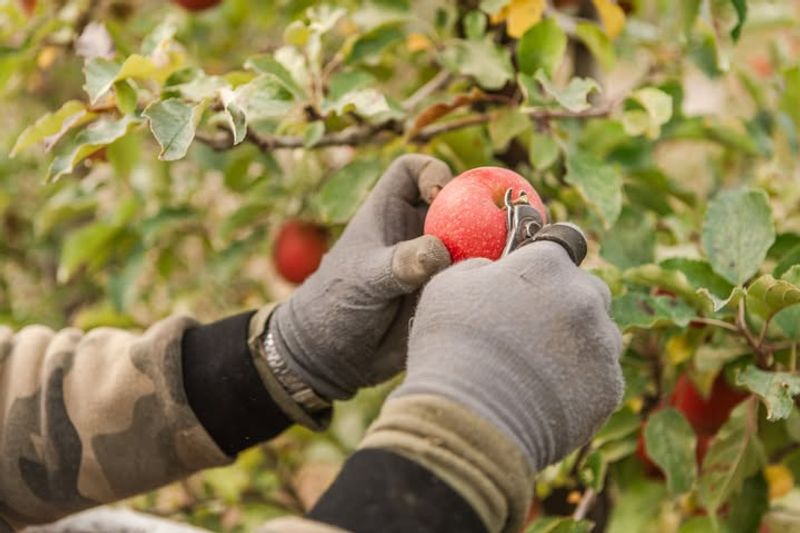
Fruit trees attract wonderful wildlife like cedar waxwings and orioles, but fallen fruit brings bears, raccoons, and rats. Harvest fruit as soon as it ripens rather than leaving it to drop naturally.
Check trees daily during peak season and pick up any fallen fruit immediately, preferably twice per day if bears are active in your area.
Many Oregon communities, especially in foothills and rural areas, have bear activity during summer and fall when natural food sources vary. Even suburban neighborhoods can see bears following fruit sources.
A single apple tree with fruit littering the ground can draw bears from miles away, creating dangerous situations for everyone in the neighborhood.
If you can’t keep up with harvest and cleanup, consider removing fruit trees or choosing varieties that produce less fruit.
Ornamental flowering trees provide beauty and support pollinators without creating the same wildlife management challenges.
Some people share harvesting duties with neighbors or local gleaning organizations that pick fruit for food banks.
Compost fallen fruit in enclosed bins only, never in open piles where the sweet smell advertises its location. Better yet, bury it deeply in active compost where decomposition happens quickly.
During bear season in many Oregon areas, some experts recommend not composting fruit at all. Instead, bag it and dispose of it in bear-resistant garbage containers or take it to a composting facility.
Provide Nesting Boxes With Predator Guards
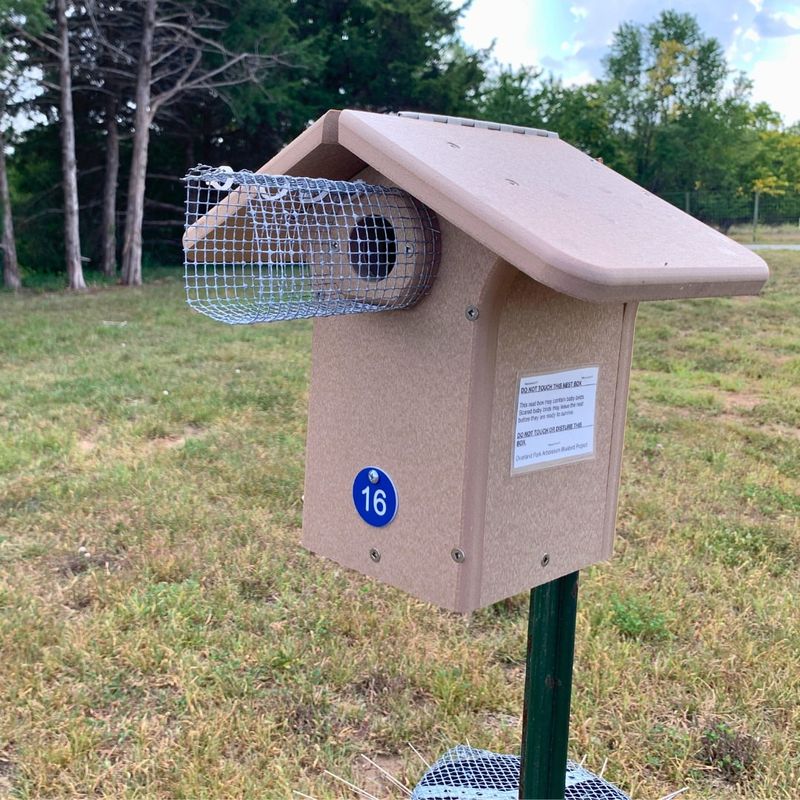
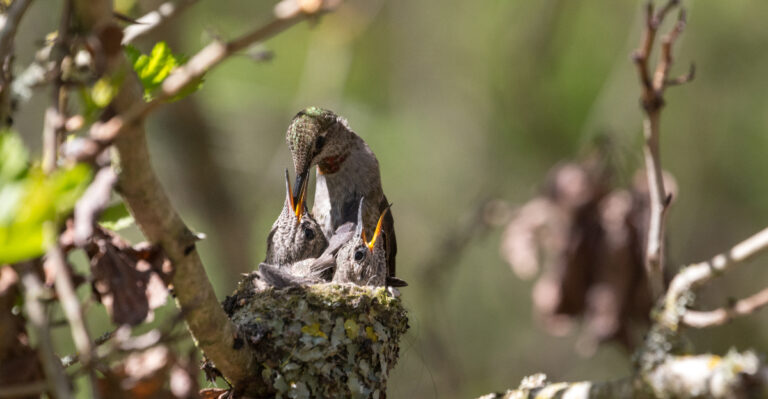
Nesting boxes give cavity-nesting birds like chickadees, nuthatches, and bluebirds safe places to raise their young, especially in newer neighborhoods where old trees with natural cavities are scarce.
Mount boxes on metal poles rather than trees, making it harder for predators like raccoons and cats to reach them.
Install metal guards around entrance holes to prevent squirrels from enlarging them.
Position boxes at least five feet off the ground and face entrances away from prevailing winds and afternoon sun.
Space multiple boxes at least twenty-five feet apart because most species are territorial during nesting season.
Different birds prefer different entrance hole sizes, so research which species live in your area before buying or building boxes.
Clean out old nests after each breeding season, typically in late fall or early winter. This prevents parasites from building up and gives birds clean spaces for the next season.
Some species raise multiple broods per year, so check boxes periodically but avoid disturbing active nests with eggs or young birds inside.
Add predator guards below boxes, which are cone-shaped or cylindrical barriers that prevent climbing animals from reaching the entrance. These simple additions dramatically increase nesting success.
Also consider placing boxes away from bird feeders, since the activity around feeders can attract predators and make nesting birds nervous about their safety.
Store Garbage And Pet Food Securely
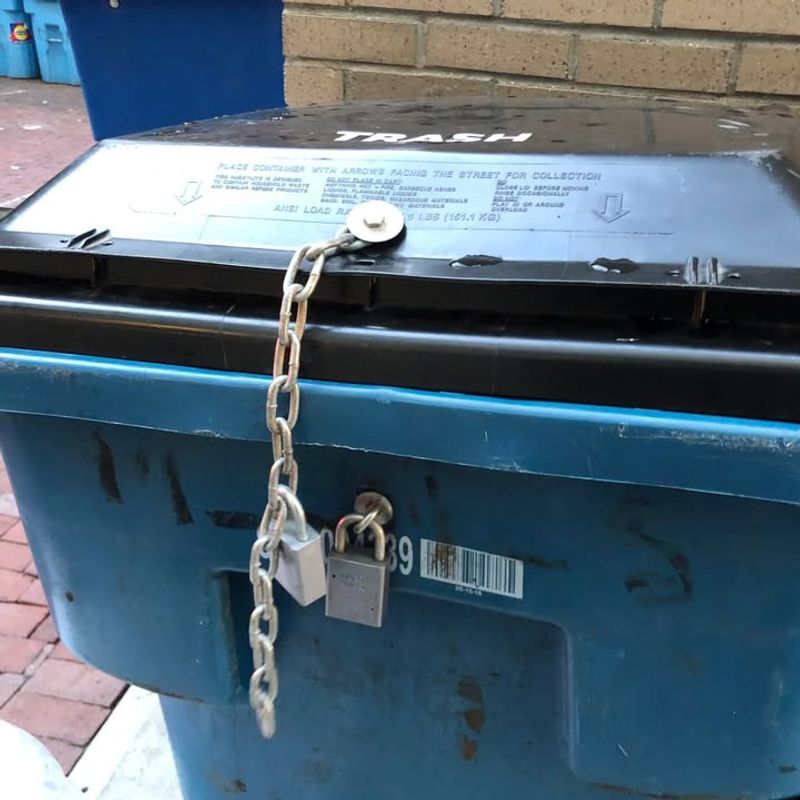
Garbage and pet food are like wildlife magnets that attract every opportunistic feeder in the area.
Store garbage in containers with locking lids, either in a garage or shed until collection day, or use bear-resistant bins if you live in an area with bear activity.
Never leave garbage bags outside overnight, even for a few hours.
Feed pets indoors whenever possible, or pick up bowls immediately after outdoor feeding.
Leaving pet food outside overnight practically invites raccoons, opossums, and rats to set up residence near your home.
These animals are smart and will return repeatedly once they learn your property offers easy meals.
If you feed outdoor cats, put out only as much food as they’ll eat in one sitting and remove bowls afterward.
Automatic feeders that dispense small amounts on timers can help, but they still need monitoring.
Pet food left outside also attracts skunks, which you definitely don’t want digging under your deck or spraying when surprised.
Store bags of pet food and birdseed in metal containers with tight lids, never in garages or sheds in their original bags. Mice and rats can smell food through plastic and paper and will chew through to reach it.
Once rodents establish themselves in storage areas, they’re difficult to remove and can cause significant damage to structures and belongings.
Embrace Imperfection And Natural Balance
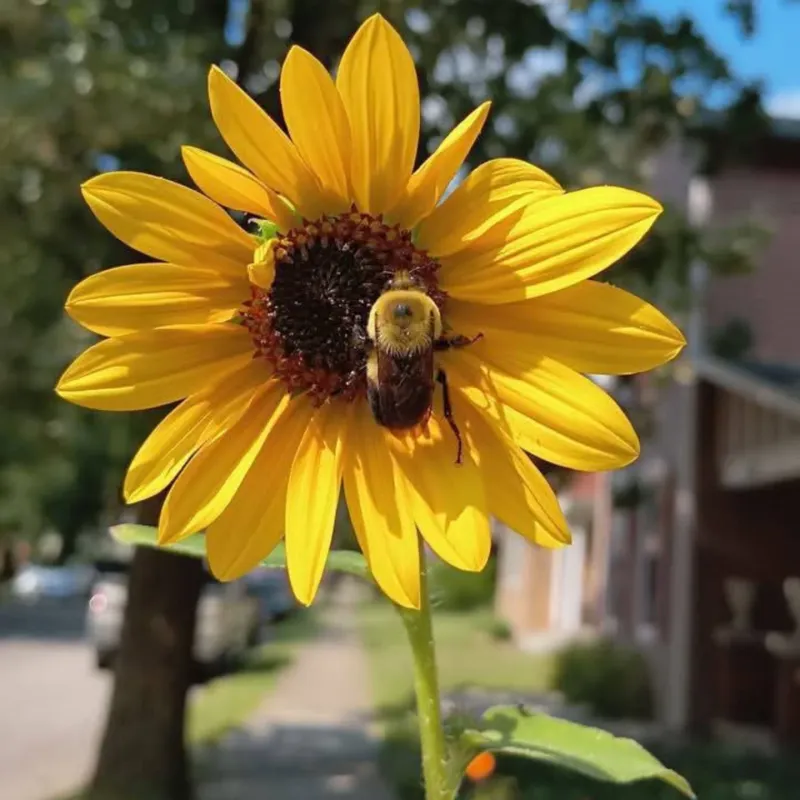
A perfectly manicured lawn offers little to wildlife, while a yard with diverse plant heights, some leaf litter, and natural areas supports countless beneficial species. Allow some areas to grow a bit wild with native grasses and wildflowers.
These spaces provide essential habitat for ground-nesting bees, butterflies, and other pollinators that Oregon’s ecosystem depends on.
Leaving some fallen leaves under shrubs and in garden beds creates habitat for overwintering insects, many of which are important food sources for birds during spring.
Native bees and beneficial insects often spend winter as pupae in plant stems and leaf litter.
Cleaning up every leaf and cutting down all plant stalks in fall removes these essential habitats.
Tolerate some plant damage from caterpillars and other insects because they feed birds and transform into butterflies. Not every bug is a pest.
Most insects in your yard are either beneficial or neutral, and the ones that munch on plants are often providing food for the wildlife you want to attract.
Balance is the key to success. You don’t need a completely wild yard to support wildlife, but you also can’t have a sterile landscape and expect nature to thrive.
Find the middle ground that works for your lifestyle while providing food, water, and shelter for beneficial species.
Small changes make big differences for wildlife without creating problems you’ll regret later.