How To Move Potted Succulents Under Cover Before November Storms In California
A plant built to survive months of drought can turn to mush after one soggy week. That irony gets me every single fall.
Those fat leaves hold water like tiny canteens. When the soil stays cold and wet, the roots run short on oxygen, and rot fungi move in fast.
In California, most of the year’s rain usually arrives between November and March. Personally, I love hearing that first storm on the roof, but my patio pots do not share my joy.
You need a plan before the clouds roll in. Moving a few containers takes maybe an hour, and it can save plants you have babied for years.
So which pots should move first, where should they go, and how do you haul a heavy one without hurting your back? I have some answers that surprised me.
That First Soaking Storm Hits Potted Succulents Harder Than Garden Beds
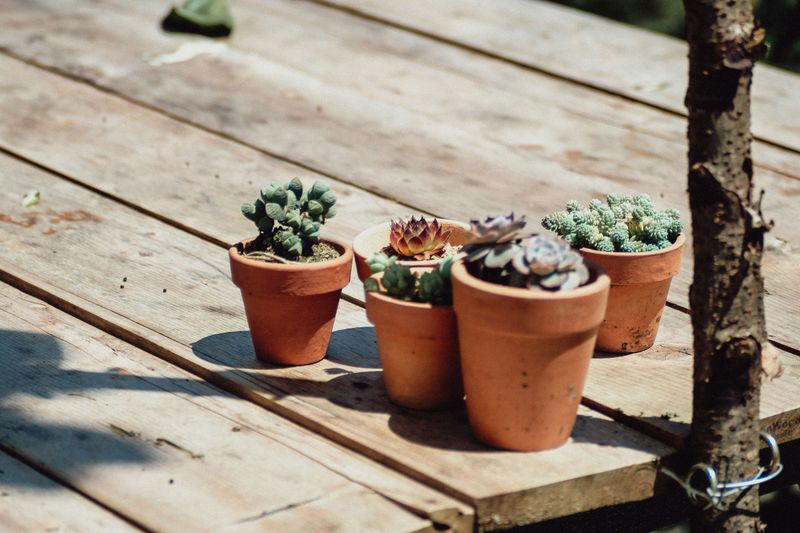
Rain is not the villain here. A pot is. Garden soil lets water spread out and drain away, but a container traps moisture in a small space with nowhere else to go.
Succulents in the ground often shrug off a storm. The same plant in a pot can sit in wet mix for days, especially if a saucer underneath holds a little puddle.
Roots need air as much as water. When every pore in the soil fills with water, roots start to suffocate, and fungi that cause root rot get a head start.
Cool weather makes things worse. Short, cloudy November days slow evaporation, so a pot that dried in two days in July might stay wet for a week now.
Many popular succulents also slow their growth in winter. A sleepy plant uses very little water, so extra moisture just lingers around the roots.
I find it helpful to think of each pot as a bathtub with a small drain. One light shower is fine, but back-to-back storms can overwhelm it.
Knowing this changes your whole approach. Your goal is not to keep plants bone dry forever, just to stop them from sitting soaked through the long rainy stretch ahead.
A Covered Patio Or Deep Eave Makes The Best Rainy Season Shelter
My favorite storm hideout is the strip of patio tucked under the roofline. It stays dry, gets decent light, and lets breezes move through.
Good shelter has three things going for it. It blocks direct rain, lets in plenty of bright light, and allows air to circulate around the pots.
Covered porches, deep eaves, carports, and open pergolas with a solid top all work well. Check where water drips off the roof edge first, since a gutter overflow can soak pots you thought were safe.
Light matters more than people expect. Succulents parked in a dark garage for weeks can stretch and fade, a problem called etiolation.
A garage works for a few stormy days, not the whole winter. Bring the plants back to brighter shelter once the worst weather passes.
Indoors is an option for small pots. Place them near your sunniest window, and keep them away from heater vents, which can dry leaves unevenly.
Leave some space between containers too. Crowded pots trap humidity, and damp still air invites mold and pests like mealybugs to settle in during the gray months.
Wheel Heavy Succulent Pots With A Plant Dolly Instead Of Your Back
Ask any gardener who has bear-hugged a ceramic pot full of damp soil. That thing weighs more than it looks, and backs complain for days.
Rolling plant caddies are my best friend in the fall. Slide one under a big container early in the season, and it glides to shelter whenever the forecast turns.
Hand trucks and garden carts handle the true heavyweights. Tilt the pot gently, slip the lip of the truck underneath, and strap it in if the path is bumpy.
Timing helps a lot. Move pots before the rain starts, while the soil is dry and lighter, and skip watering for a few days ahead of the move.
Lift from the base of the container, not the rim and never by the plant. Agaves and spiny cacti deserve thick gloves, and wrapping them in an old towel or newspaper protects both of you.
Bring a friend for anything you cannot lift comfortably. Two people and a sturdy tarp can slide a big pot across pavement with very little strain.
Once the pots arrive, set them on level ground and nestle them close so a gusty storm cannot tip anything over.
Echeveria Rosettes And Cactus Pots Should Move First
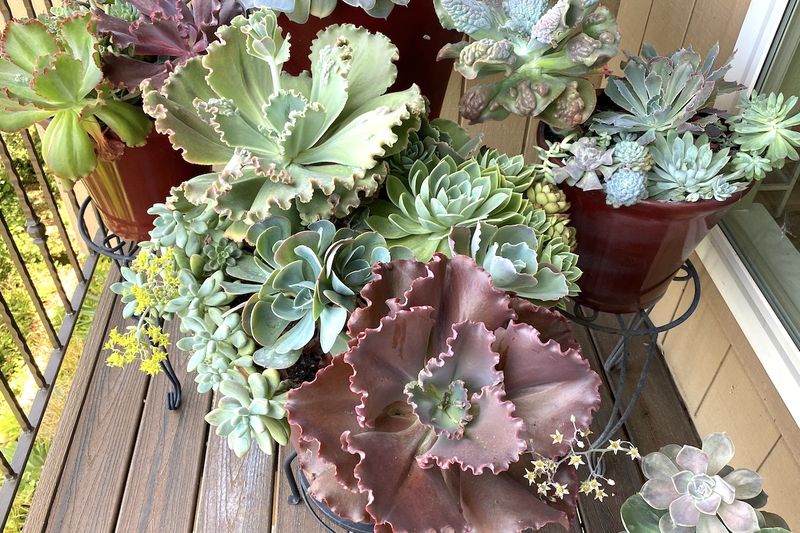
Some succulents handle wet winters with style. Others start sulking after one weekend of drizzle, and I learned to sort them early.
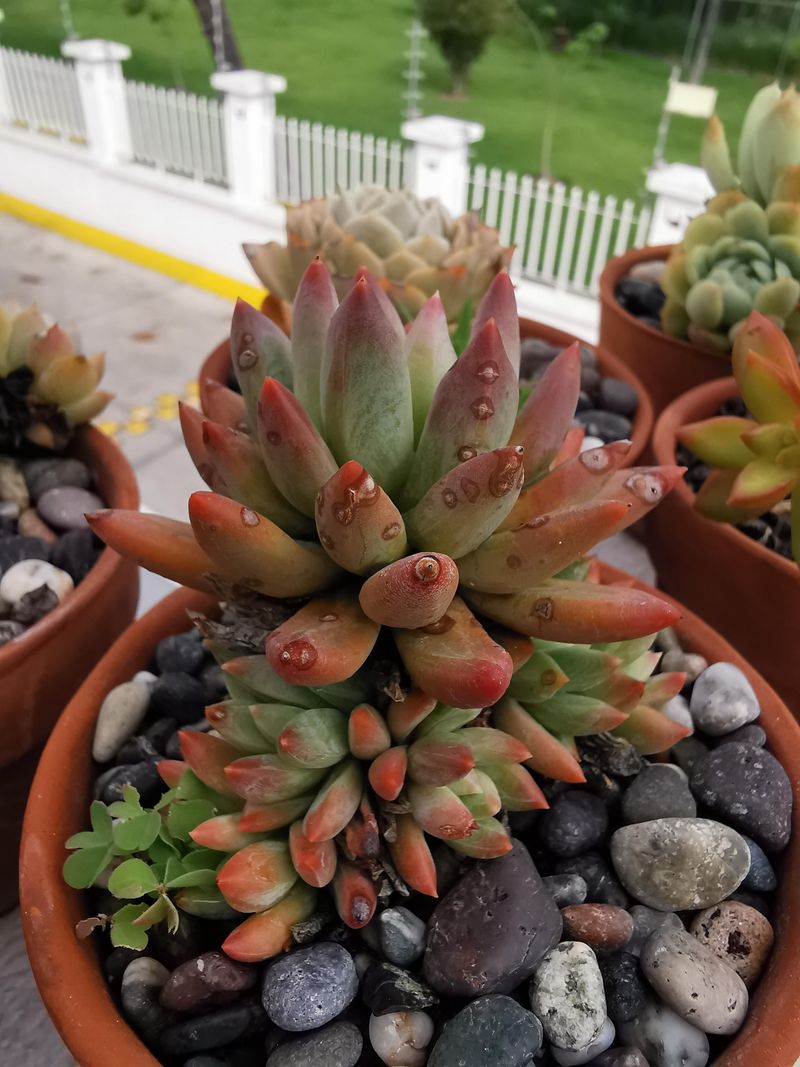
Echeverias top my move-first list. Their tight rosettes catch water in the center, and that trapped moisture can start rot in the crown.
Many cacti, agaves, and other warm-season growers rest during cooler months. Sleepy plants drink little, so soggy soil sits around their roots far too long.
Aeoniums play by different rules. These cool-season growers wake up in fall and grow through winter, so they often enjoy rain in a fast-draining pot.
Aloes, jade plants, and many sedums are fairly tough too. They still need drainage, but they rarely need emergency rescue unless storms stack up for days.
California natives like many dudleyas come from places that get winter rain. A lot of growers leave them outside, though they like to sit tilted so water runs off their leaves.
When space under cover is limited, move small pots, prized plants, and fresh cuttings first. Young plants and recent propagations have tender roots and the least room for error during a wet stretch.
Gritty Soil And Big Drainage Holes Give Your Pots A Fighting Chance
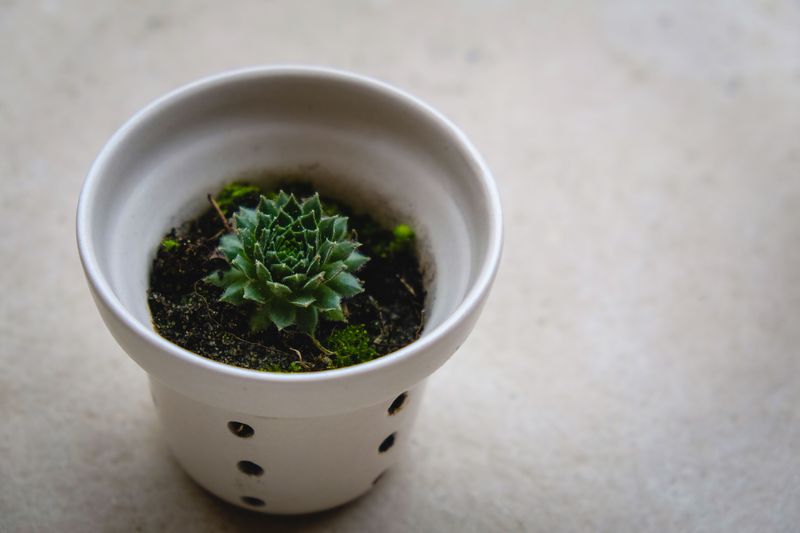
Shelter helps, but drainage is the real foundation. A pot with gritty soil and an open hole forgives a surprise storm much better.
Look under every container before November. Each one needs at least one drainage hole, and decorative pots without holes should hold a draining nursery pot inside instead.
Regular potting soil holds too much water for succulents. Use a cactus and succulent mix, and stir in extra pumice or perlite to open it up even more.
Many experienced growers aim for roughly half mineral grit. Pumice is popular in California because it is light, porous, and does not break down quickly.
Terracotta breathes better than glazed ceramic or plastic. Water escapes through its walls, so soil dries a bit faster after rain.
Skip the old trick of adding gravel at the bottom. Research shows it actually raises the wet zone higher in the pot instead of improving drainage.
Pot feet or simple bricks lift containers off the ground. That small gap lets water drain freely and keeps pots from sitting in puddles, which is a quick fix you can do this weekend.
Patio Umbrellas And Rain Covers Rescue Pots Too Big To Budge
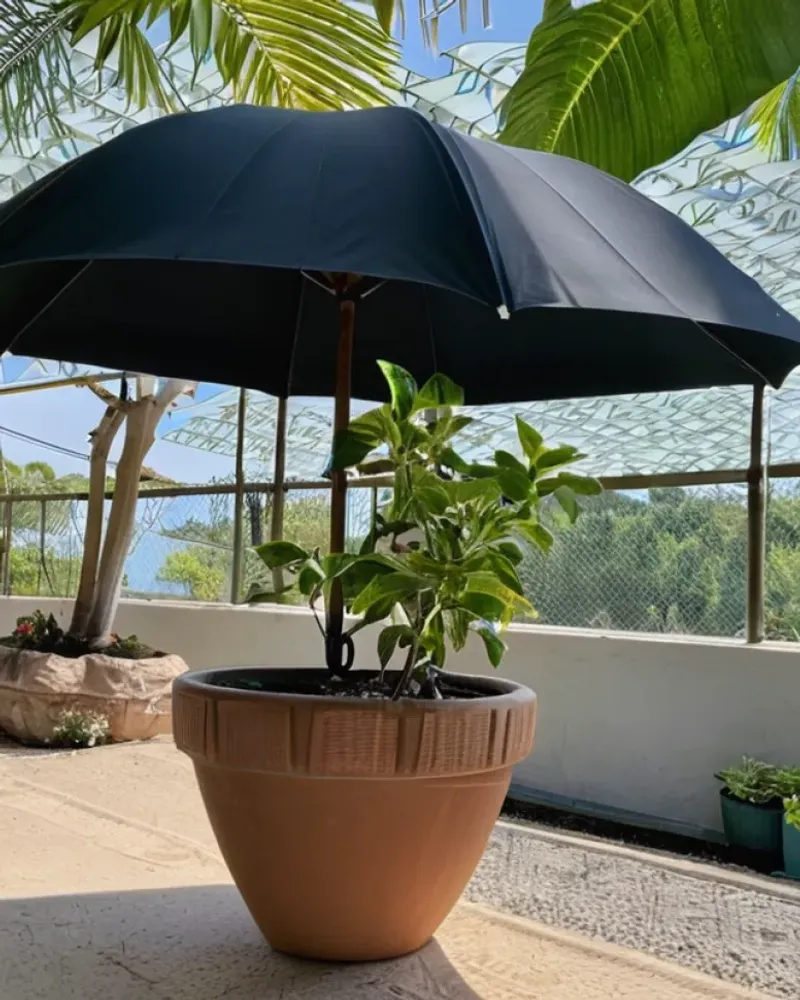
Some pots are simply staying put. I have a stone planter with an agave that would take three people and a prayer to move.
For giants like that, bring the roof to them. A sturdy patio umbrella angled over the pot sheds most rain and still lets light through around the edges.
Clear plastic or polycarbonate sheets work too. Prop one on stakes or a small frame so it sits above the plant, leaving the sides open for airflow.
Avoid wrapping plastic directly over leaves. Trapped humidity can cause rot and scorch spots once the sun pops back out.
Frost cloth is a different tool. It helps on cold nights in inland valleys, but it soaks up water and offers little protection from heavy rain.
Secure every cover well. November storms can bring strong gusts, and a flying umbrella is a hazard to plants, windows, and people.
Pull covers off between storms. Sunshine and fresh air help soil dry, and plants do better with regular light than with weeks under shade. Think of covers as rain jackets, worn only when the weather calls for them.
Mushy Translucent Leaves Warn You Rot Has Started
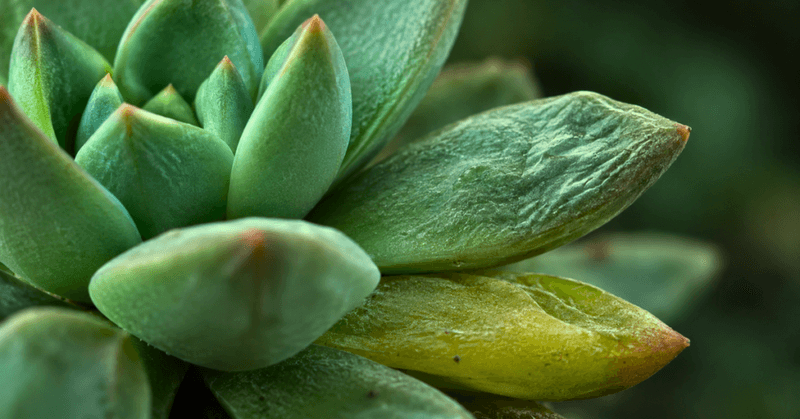
Squeeze test time. Healthy succulent leaves feel firm, almost like a grape that is not yet ripe.
Trouble shows up as soft, see-through, or yellowing leaves, often starting near the base. Leaves that drop at the slightest touch are another big warning.
Black or brown patches on the stem mean rot has moved deeper. A sour or musty smell from the soil usually confirms it.
Act quickly once you spot these signs. Slide the plant out of its pot and check the roots, which should look pale and firm rather than dark and slimy.
Trim off mushy roots and stems with clean, sharp scissors. Let the plant rest in a dry, shady spot for a few days so cuts can callus.
Repot into fresh, dry, gritty mix and hold off on water for about a week. That pause gives new roots time to form without fresh moisture.
If the stem is too far gone, take healthy cuttings or leaves from the top. Succulents propagate easily, so a struggling plant can still give you a fresh start for spring.