How To Prepare Flower Beds In April In North Carolina Without Overworking Soil
April in North Carolina has a way of pulling gardeners outside the second the sun shows up. The soil feels warmer, plants are waking up, and it seems like the perfect time to dig in.
But spring rains can leave beds wetter than they look, and jumping in too soon can do more harm than good.
Across the state, from heavy Piedmont clay to sandy coastal soils and loamy mountain beds, each reacts differently to early work.
Taking a slower, more careful approach this month can help protect soil structure and set your flower beds up for a stronger, more productive season.
1. Check Soil Moisture Before Stepping Into Beds
Wet spring soil in North Carolina is one of the most deceptive things a gardener can face.
The surface might look ready to work, but just a few inches below, the ground can hold far more moisture than you’d expect, especially after the frequent April rain events that move through the Piedmont and coastal regions.
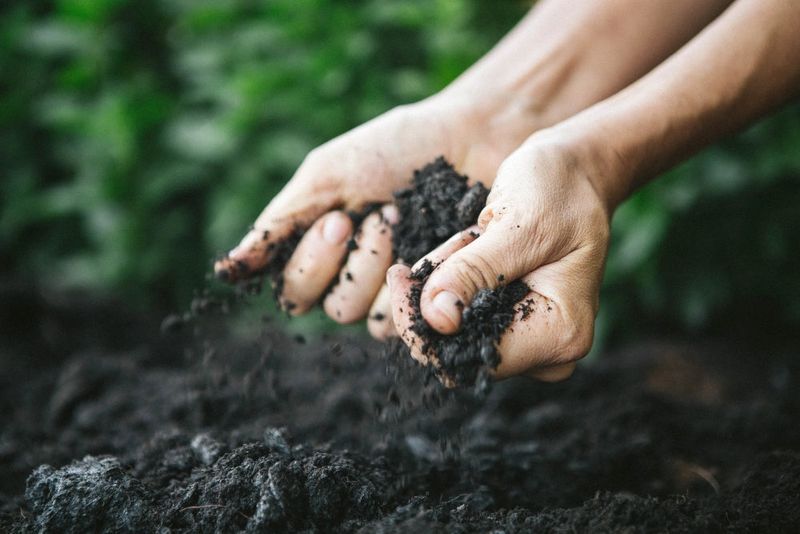
A quick hand test tells you a lot. Grab a small handful of soil and squeeze it firmly.
If it forms a tight, slick ball that holds its shape without crumbling at all, the soil is still too wet. Wait another day or two and try again.
Soil that crumbles apart when you open your hand is ready to be worked without risk of compaction.
Rushing past this step is one of the most common mistakes North Carolina gardeners make in early spring, and it can cause structural damage that takes an entire season to recover from.
Taking two minutes to check moisture before stepping into beds can save weeks of frustration later.
2. Avoid Working Wet Soil To Prevent Compaction
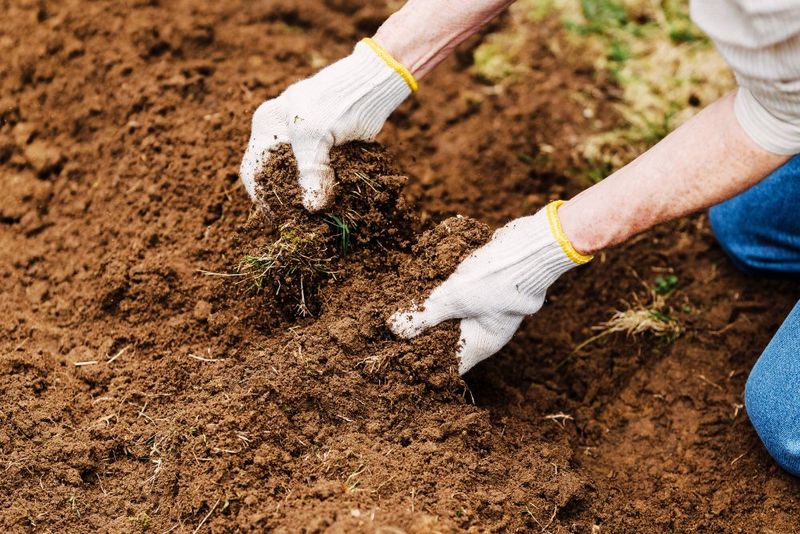
Clay soils across the North Carolina Piedmont are especially vulnerable in April, and working them while they’re still wet can squeeze out the air pockets that plant roots depend on.
Once soil particles get pressed together under foot traffic or tool pressure, that compacted layer becomes a barrier that water and roots struggle to push through.
Compaction is frustrating because it doesn’t always show up immediately.
Your beds might look fine in April, but by July you may notice poor drainage, shallow rooting, and plants that seem to stall out despite regular watering.
The damage happened months earlier when the soil was pushed past its limits.
Sandy soils along North Carolina’s Coastal Plain are less prone to compaction but still benefit from being worked at the right moisture level.
Loamy soils in the western part of the state tend to be more forgiving, but no soil type is completely immune.
Giving wet soil a few extra days to drain before working it is one of the lowest-effort, highest-reward decisions you can make for your flower beds this spring.
3. Clear Winter Debris Without Disturbing Soil Structure
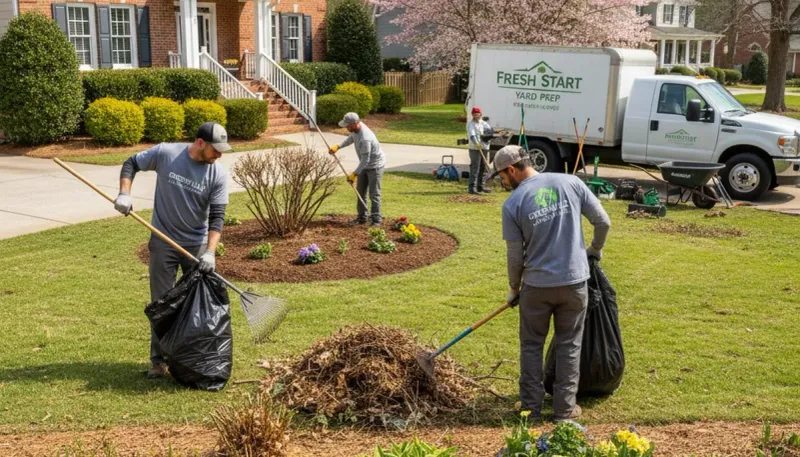
Clearing out winter debris is one of the first visible tasks of the April gardening season, and it’s easy to get carried away with it.
Spent leaves, broken stems, and matted organic material from last fall need to come out, but the way you remove them matters more than most gardeners realize.
Raking too aggressively or using heavy tools to scrape down to bare soil can disturb the top layer where beneficial fungi, earthworms, and microorganisms are most active.
These organisms spent all winter building a quiet community just below the surface, and rough handling in spring can set that biological activity back significantly.
A light hand rake or even gloved hands work well for pulling debris away from crowns of perennials that are just starting to push new growth.
North Carolina’s mild winters mean many perennials never fully go dormant, so checking for green growth before raking aggressively is worth the extra moment.
Pile removed debris into a compost bin rather than bagging it – over time, it becomes a free soil amendment that can go right back into the beds that produced it.
4. Add Compost To Improve Soil Without Heavy Tilling
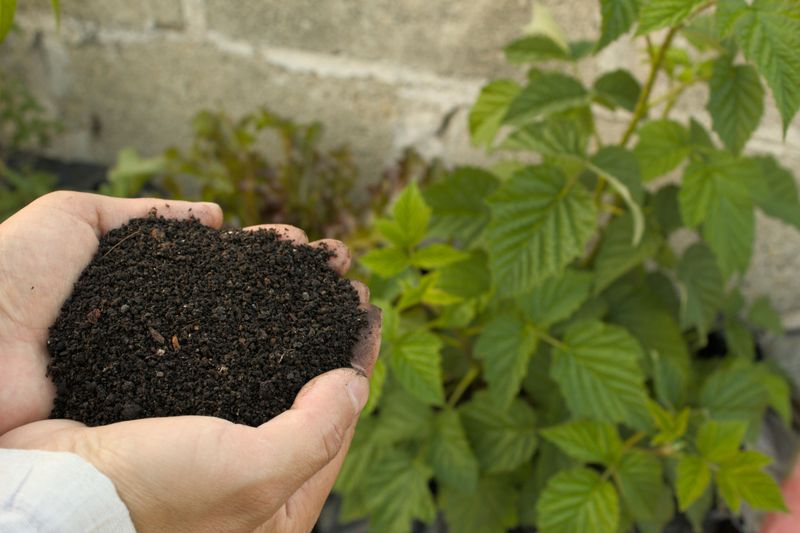
Compost is one of the most reliable tools a North Carolina gardener has for improving soil health without disrupting its natural structure.
Rather than turning the entire bed over, spreading a two-to-three inch layer of finished compost across the surface and working it lightly into the top inch or two delivers real benefits without the downsides of deep tilling.
Over time, earthworms and soil organisms pull that organic matter downward on their own, improving drainage in clay-heavy Piedmont soils and boosting water retention in the sandier soils of the eastern part of the state.
Both outcomes are valuable, and both happen without you picking up a rototiller.
Finished compost also introduces a diverse population of beneficial microbes that help break down nutrients into forms plant roots can actually use.
If you don’t have homemade compost ready, bagged compost from a local garden center works well.
Look for products that list finished or aged compost on the label rather than raw wood chips or partially decomposed materials, which can temporarily tie up nitrogen in the soil as they continue breaking down.
5. Loosen The Top Layer Gently Instead Of Deep Digging
Deep digging sounds productive, but in most established flower beds it does more harm than good.
Turning soil more than a few inches down brings weed seeds up to the surface where they can germinate, disrupts the layered structure that soil naturally develops over time, and can slice through the root systems of perennials that are already waking up.
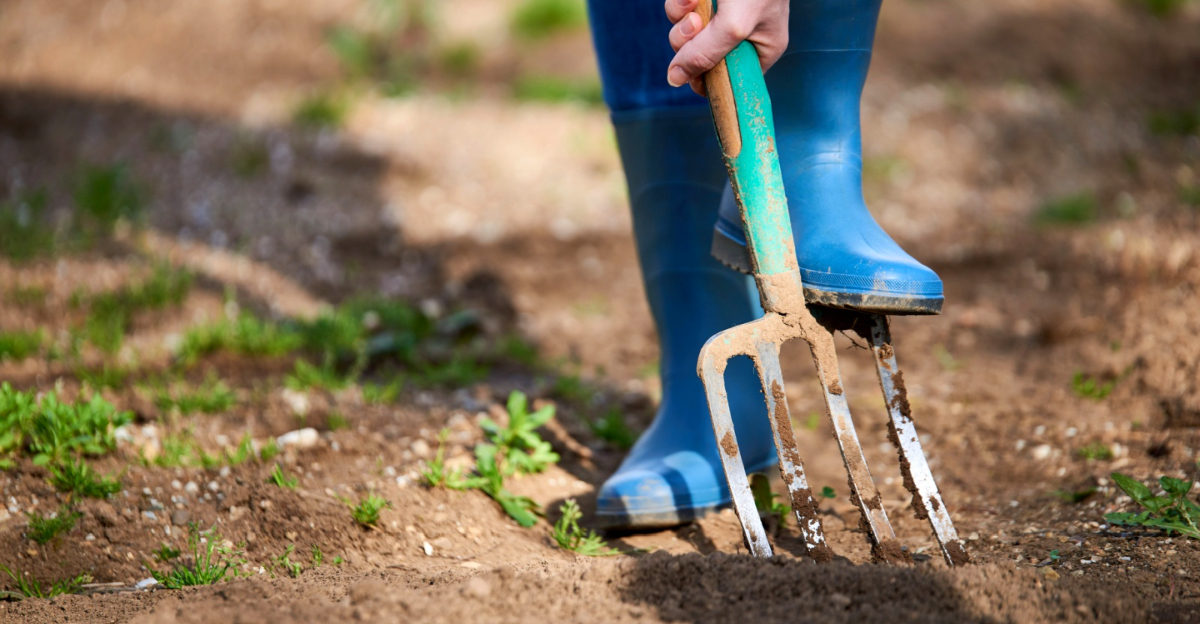
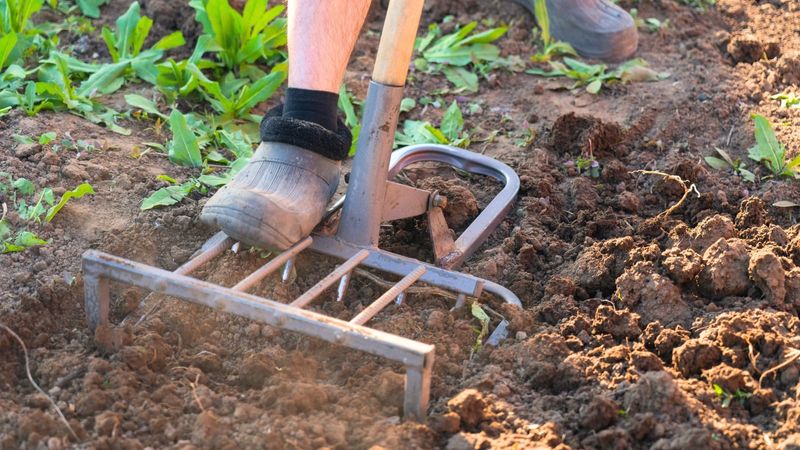
A broadfork or standard garden fork used with a gentle rocking motion is a much better tool for April bed prep in North Carolina.
Push the tines in, lean back slightly to lift and loosen the soil, and let it fall back without fully flipping it over.
That action breaks up any surface crust and introduces air without wholesale disruption.
In beds where you’re planting annuals from transplants, loosening the top four to six inches is usually plenty. Roots from most bedding plants don’t need much more depth than that to get established.
The goal is to create a soil environment that’s receptive to new roots, not to recreate the bed from scratch every spring. Working with the soil rather than against it tends to produce noticeably better results by midsummer.
6. Test Soil And Adjust Nutrients As Needed
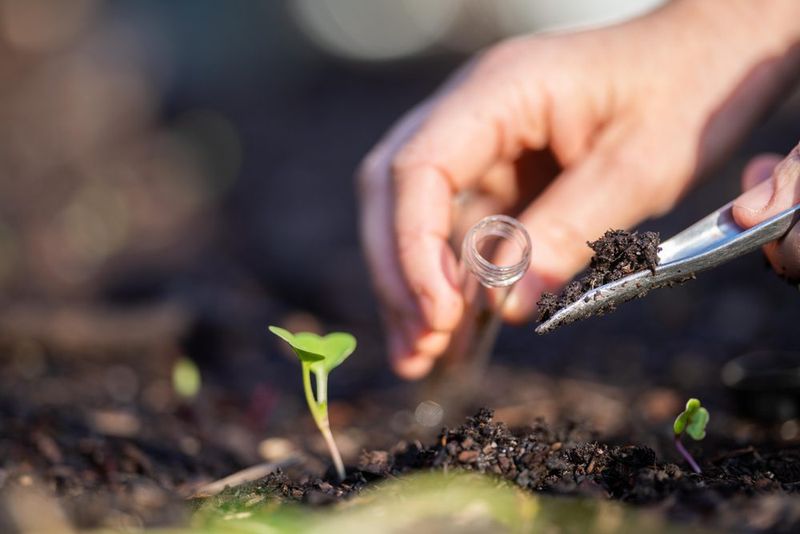
Guessing at soil fertility is one of the more expensive habits a gardener can develop over time.
Applying fertilizers or amendments without knowing your soil’s actual nutrient levels and pH can lead to imbalances that either lock nutrients out of reach for plant roots or push certain elements so high they become toxic to sensitive plants.
April is a practical time to run a soil test in North Carolina because results give you clear guidance before the main planting season kicks into gear.
Basic test kits are available at many garden centers and give a reasonable snapshot of pH and major nutrient levels.
For more detailed analysis, sending a sample to a certified soil testing lab provides deeper insight.
North Carolina soils tend to run acidic, particularly in the Piedmont and Mountain regions, and many flowering plants prefer a pH somewhere in the 6.0 to 6.8 range.
If your test shows low pH, ground limestone worked into the top few inches can help bring it up gradually.
If phosphorus or potassium levels come back low, a targeted fertilizer addition makes more sense than a broad application of everything at once. Precision beats guesswork every time.
7. Refresh Mulch To Protect Soil And Retain Moisture
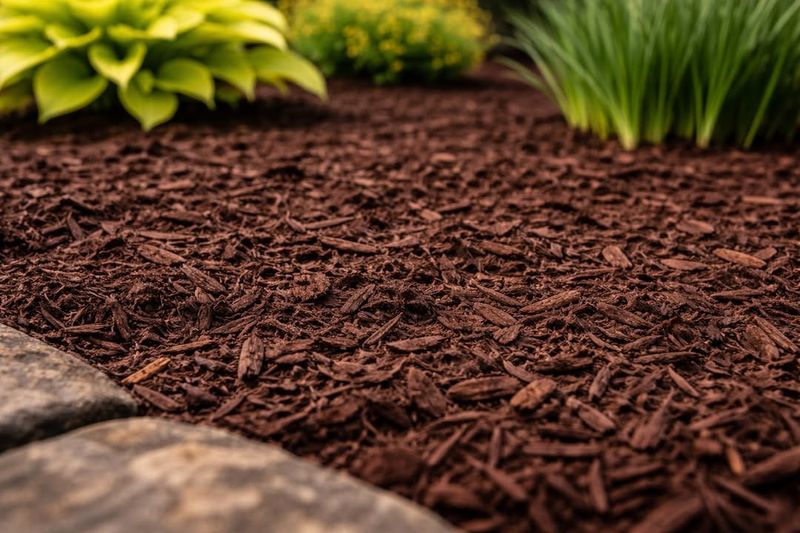
Mulch does a lot of quiet, important work in a flower bed. A fresh two-to-three inch layer applied in April helps regulate soil temperature during the swing between cool nights and warm afternoons that characterizes spring across much of North Carolina.
That temperature buffering reduces stress on newly planted annuals and emerging perennials alike.
Beyond temperature, mulch slows moisture evaporation from the soil surface, which becomes increasingly valuable as North Carolina moves toward the drier stretches of late spring and early summer.
Beds that hold moisture well need less frequent watering, and consistent soil moisture supports steadier, healthier root development compared to the wet-dry cycles that bare soil creates.
Pull old mulch back slightly before adding fresh material to check for signs of fungal growth or insect activity underneath.
A thin layer of old mulch breaking down at the soil surface is normal and actually beneficial – it adds organic matter as it decomposes.
Just avoid piling new mulch directly against plant stems or crowns, which can trap moisture and encourage rot.
Keeping mulch a couple of inches away from stems gives plants room to breathe while still getting the protective benefits.
8. Define Bed Edges For A Clean And Manageable Layout
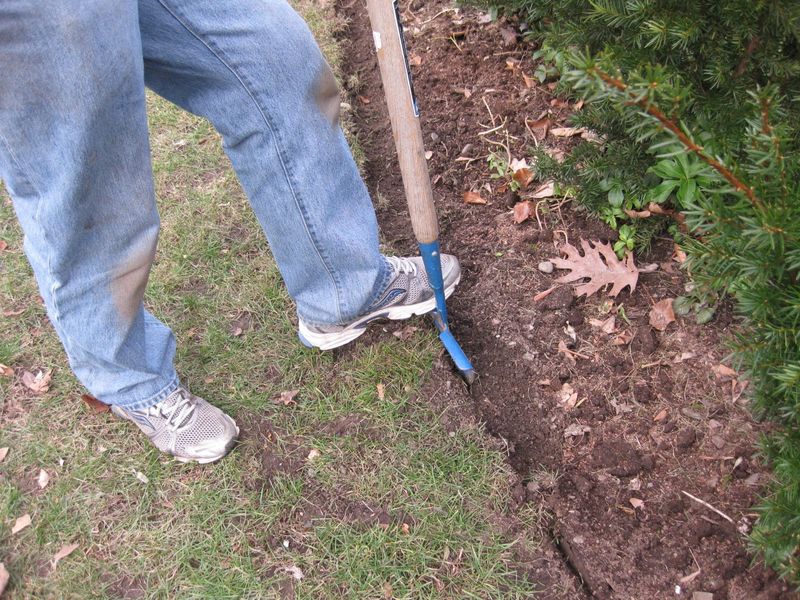
Crisp bed edges do more than just make a garden look tidy.
A well-defined edge creates a physical barrier that slows the creeping spread of lawn grasses and aggressive weeds into your flower beds, reducing the maintenance burden significantly as the season progresses.
April’s still-soft soil makes edging easier than almost any other time of year.
A half-moon edger or a sharp flat spade cuts cleanly through the transition zone between lawn and bed, and the resulting trench gives you a clear line to maintain through the summer with just a quick pass every few weeks.
Redefining edges also gives you a chance to reassess the overall shape and size of your beds.
North Carolina’s spring growth can be surprisingly fast, and a bed that felt spacious last fall can feel crowded by June if you haven’t planned for expansion.
Widening a bed slightly now, while the ground is workable and plants are still small, is far less disruptive than trying to do it mid-season.
A clean layout also makes spacing new transplants easier and helps you avoid accidentally stepping on emerging perennial shoots during planting.
9. Plan Planting Around North Carolina’s Last Frost Timing
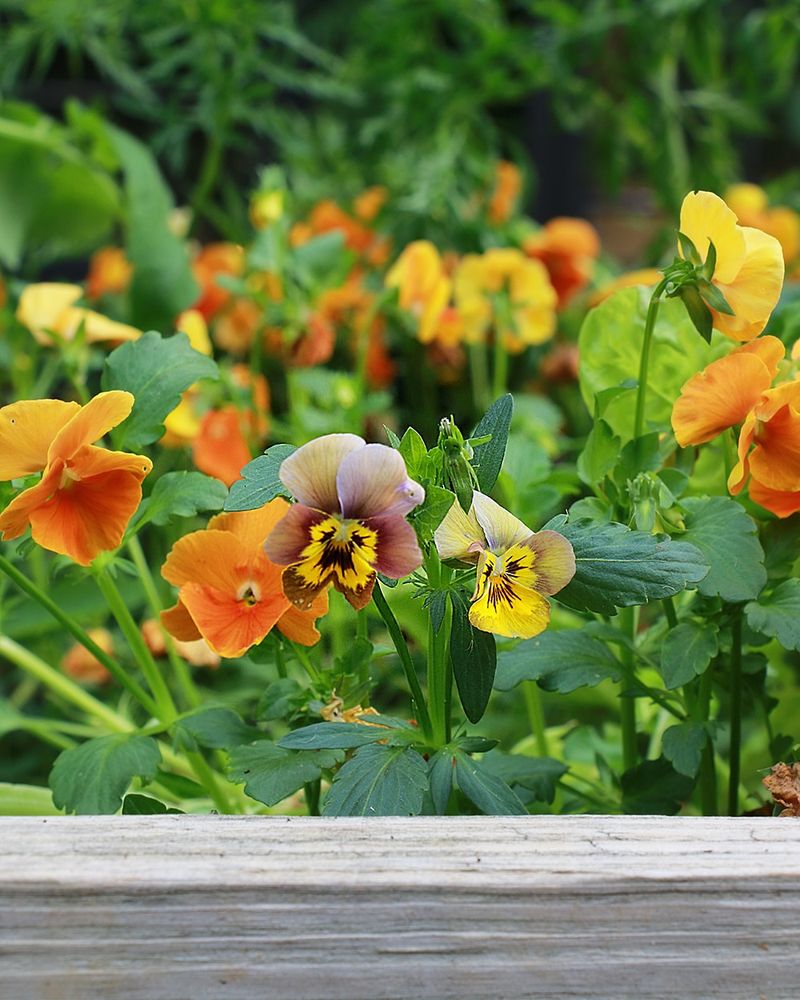
Frost timing in North Carolina varies more than many gardeners expect, and it’s one of the most practical factors to account for when planning an April flower bed.
The state’s geography creates a wide range of last frost dates – coastal areas around Wilmington may see their last frost as early as late February or early March, while the Mountain region around Asheville can see frost well into April or even early May.
Planting tender annuals like impatiens, begonias, or petunias before your area’s average last frost date is a gamble that sometimes pays off and sometimes costs you a flat of plants overnight.
Checking local frost date averages for your specific county gives a much more reliable baseline than going by what a neighbor two counties away is planting.
Cold-tolerant options like snapdragons, pansies, and dianthus can go in earlier and actually prefer the cooler soil temperatures of early April.
Saving tender tropicals and warm-season annuals for a week or two after your expected last frost date gives them the soil warmth they need to establish quickly.
Staggering your planting timeline based on plant hardiness rather than calendar date alone leads to stronger, more resilient beds throughout the season.