How To Prepare Garden Beds For Spring In Pennsylvania
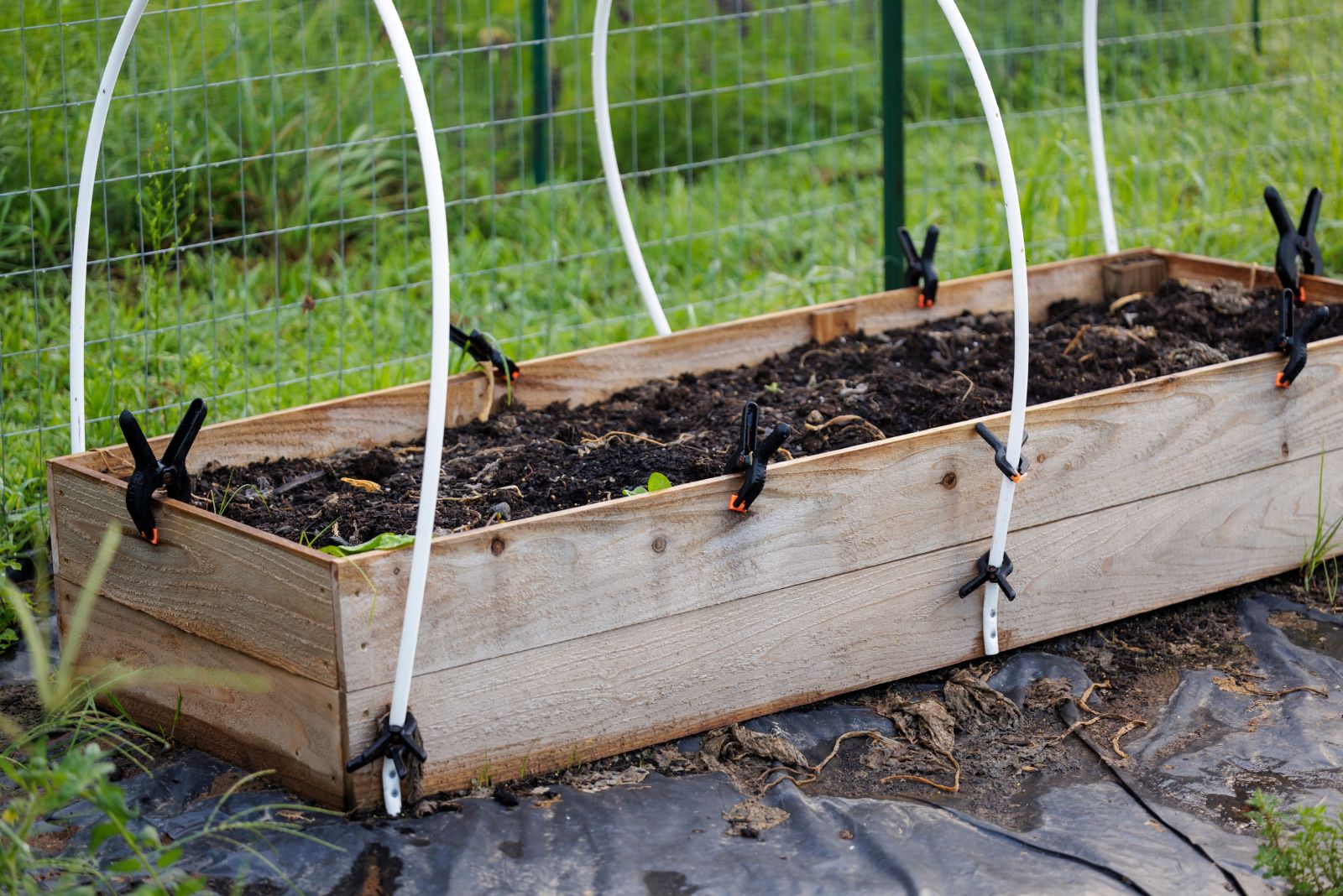
Is your garden bed ready to wake up after winter? Early spring in Pennsylvania may still feel chilly, but it’s the perfect time to get ahead on prepping your beds for a season full of growth and color.
A little effort now sets the stage for stronger plants, fewer weeds, and healthier soil when warmer weather finally arrives. Don’t worry, you don’t need to overhaul your entire yard.
Just a few smart steps, like clearing out dead leaves, loosening the soil, and mixing in compost, can make a huge difference.
Whether you’re planning veggies, flowers, or native plants, prepping your beds the right way gives roots room to grow and helps moisture soak in properly.
It’s also a great chance to spot and fix any drainage problems before your plants go in. Ready to start the season strong? Here’s how Pennsylvania gardeners can prepare their garden beds for spring success.
1. Clear Away Winter Debris And Dry Plant Material
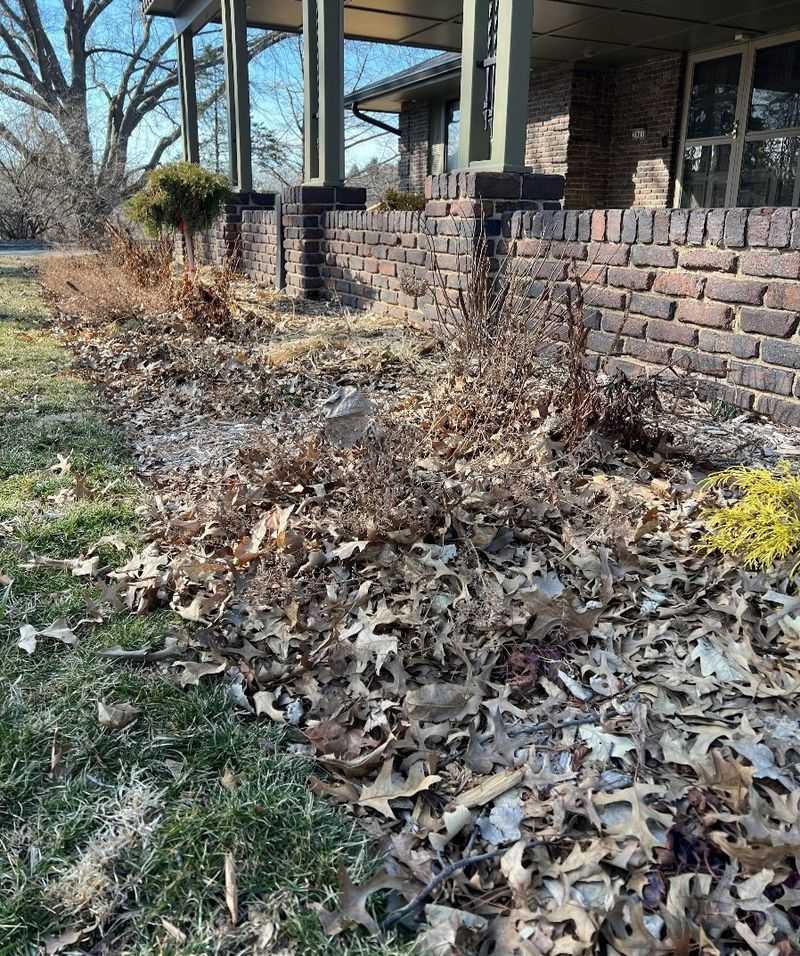
Winter leaves behind a mess in Pennsylvania gardens. Dry leaves, broken branches, and last year’s plant stalks pile up over the cold months.
Clearing this material away might seem like simple housekeeping, but it actually protects your spring plants from diseases and pests that hide in old debris. Start by removing all the visible dry plant material from your beds.
Use a rake to gather leaves and twigs, then pull out any remaining stalks from last season. Pennsylvania gardens often have oak and maple leaves that take longer to break down, so don’t leave them sitting on your beds where they can mat down and block water.
Watch for any signs of disease on the old plant material. Black spots, fuzzy mold, or unusual discoloration mean those plants had problems last year.
Bag up diseased material and throw it away instead of composting it, since some diseases survive the winter and spread to new plants. Check around the edges of your beds too.
Weeds start growing early in Pennsylvania, especially in milder winters. Pull out any green weeds you spot now before they set seed and create bigger problems later.
The soil is usually soft enough in early spring to pull weeds easily, roots and all. Once everything is cleared away, you’ll see the actual condition of your soil.
This clean slate makes the next preparation steps much easier and more effective for your Pennsylvania garden beds.
2. Test And Amend Your Soil For Pennsylvania Conditions
Pennsylvania soil varies wildly across the state. Eastern Pennsylvania tends toward clay, while western areas might have more loam.
Testing your soil tells you exactly what your garden needs instead of guessing and wasting money on amendments that don’t help. Get a soil test kit from your local Penn State Extension office or a garden center.
These kits measure pH levels and nutrient content. Pennsylvania soil often runs acidic, which some plants love but others struggle with.
The test results show whether you need to adjust pH and which nutrients are missing. Most vegetables grow best in soil with a pH between 6.0 and 7.0.
If your test shows the soil is too acidic, add lime to raise the pH. Too alkaline soil needs sulfur to bring the pH down.
Follow the test recommendations carefully since adding too much of either creates new problems. Pennsylvania’s clay soils need organic matter to improve drainage and texture.
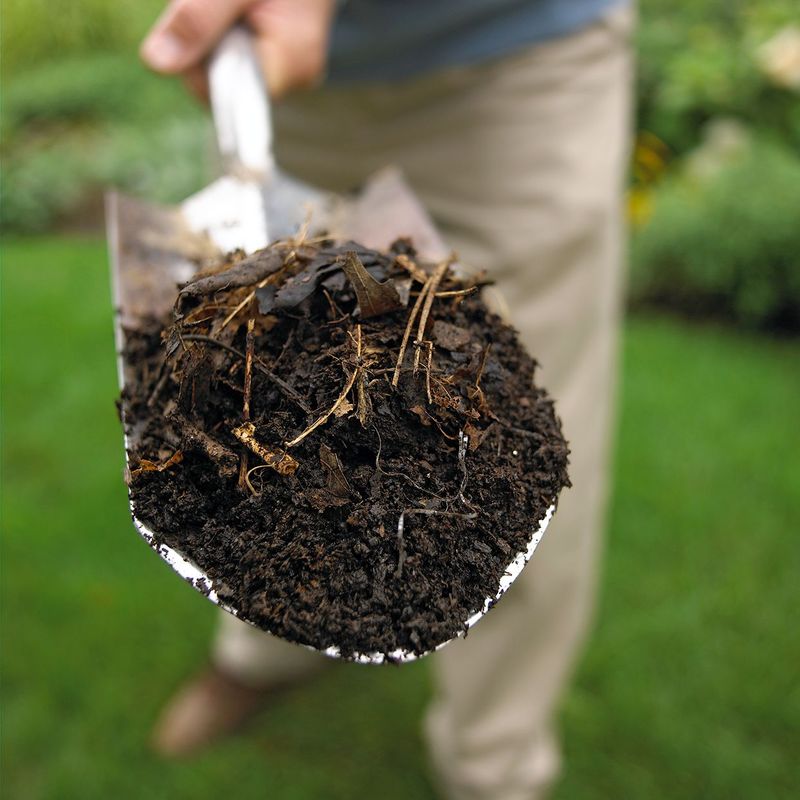
Spread a two to three inch layer of compost over your beds. Work it into the top six to eight inches of soil using a garden fork or tiller.
Compost adds nutrients, improves soil structure, and helps clay soil drain better during Pennsylvania’s wet springs. Sandy soils in some Pennsylvania areas need organic matter too, but for different reasons.
Compost helps sandy soil hold onto water and nutrients instead of letting them wash away. Mix in the same amount of compost, working it thoroughly through the existing soil for best results.
3. Add Fresh Compost And Organic Fertilizers
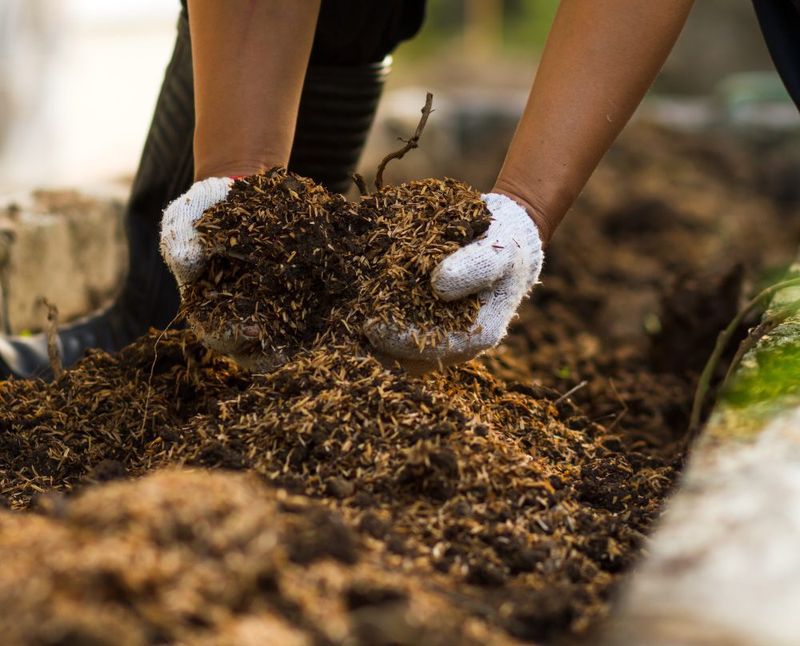
Fresh compost works like magic for Pennsylvania gardens. Beyond improving soil structure, it feeds beneficial microbes that help plants absorb nutrients.
Spring is the perfect time to add a new layer since you want those nutrients available when you start planting. Spread compost two to three inches deep across your entire bed.
You can use homemade compost if you’ve been maintaining a pile, or buy bagged compost from garden centers. Pennsylvania has several local compost suppliers who create quality products from regional materials.
Local compost often works better because it’s made from plants that grew in similar conditions. Work the compost into the top few inches of soil rather than leaving it sitting on the surface.
This mixing helps nutrients reach plant roots faster and prevents the compost from forming a water-resistant crust. Use a garden fork to turn the soil gently, breaking up clumps as you go.
Consider adding organic fertilizers based on your soil test results. Blood meal adds nitrogen for leafy growth, bone meal provides phosphorus for strong roots, and greensand supplies potassium for overall plant health.
Pennsylvania gardens growing tomatoes and peppers benefit especially from balanced organic fertilizers. Avoid synthetic fertilizers in spring if possible.
They release nutrients too quickly, and spring rains in Pennsylvania can wash them away before plants use them. Organic fertilizers release nutrients slowly over time, matching how plants actually grow and reducing waste.
4. Plan And Mark Out Your Planting Layout
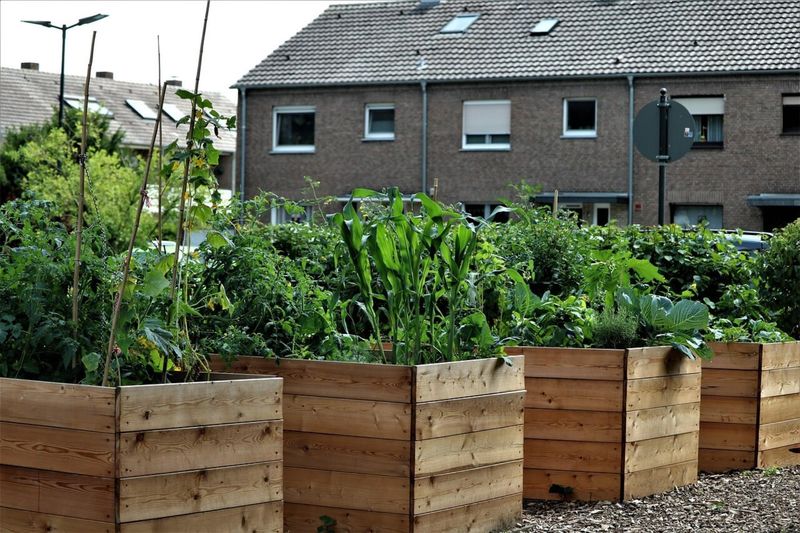
Smart planning prevents crowded plants and wasted space. Before you put a single seed in the ground, sketch out where everything will grow.
Pennsylvania’s growing season runs roughly from late April to October, giving you time for succession planting if you plan ahead. Consider how big each plant grows at maturity.
Tomatoes need two to three feet between plants, while lettuce only needs six inches. Mark these spaces in your bed using stakes and string, or draw lines in the soil with a stick.
This visual guide keeps you from planting too close together. Think about sun exposure across your bed.
Tall plants like corn or trellised beans can shade shorter plants if you’re not careful. Put tall crops on the north side of your bed so they don’t block sun from reaching smaller plants.
Pennsylvania’s sun angle changes through the season, but this basic rule helps. Group plants with similar water needs together.
Tomatoes and peppers both like consistent moisture, while herbs prefer drier conditions. This grouping makes watering easier and prevents overwatering some plants while underwatering others.
Pennsylvania summers can swing between wet and dry periods, so efficient watering matters. Leave paths between planting areas if your bed is wide.
You need to reach the center without stepping on the soil, which compacts it and damages plant roots. Paths about 18 inches wide work well for most Pennsylvania gardeners and keep your soil loose and healthy.
5. Install Supports And Trellises Before Planting
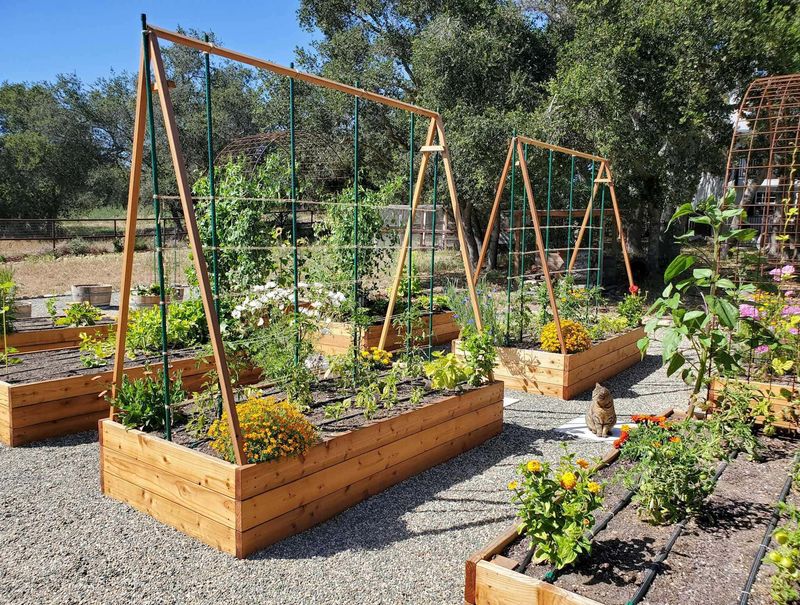
Putting up supports now saves plants later. Trying to add stakes or trellises after plants are growing damages roots and breaks stems.
Pennsylvania gardeners who skip this step end up with tomatoes sprawling on the ground and beans with nowhere to climb. Tomato cages go in first since they take up the most space.
Push them at least six inches into the soil so they don’t tip over when plants get heavy with fruit. Pennsylvania thunderstorms pack strong winds that knock over poorly anchored cages.
Choose sturdy metal cages over flimsy wire ones that collapse under the weight of healthy tomato plants. Trellises for beans, peas, and cucumbers need solid anchoring too.
Pound stakes two feet into the ground at each end of the row, then stretch strong twine or wire between them. Some Pennsylvania gardeners prefer cattle panels arched over beds, creating tunnels that support vining crops on both sides.
Pepper plants benefit from individual stakes even though they’re shorter than tomatoes. Pennsylvania wind and heavy rain can snap pepper branches, especially when they’re loaded with fruit.
Place a stake next to each pepper planting spot now, ready to tie plants as they grow. Consider adding row covers or hoop supports for early spring planting.
Pennsylvania’s last frost date varies from mid-April in the southeast to mid-May in northern areas. Having hoops in place lets you quickly cover tender plants when late frost threatens, protecting your early investment.
6. Mulch Beds To Conserve Moisture And Prevent Weeds
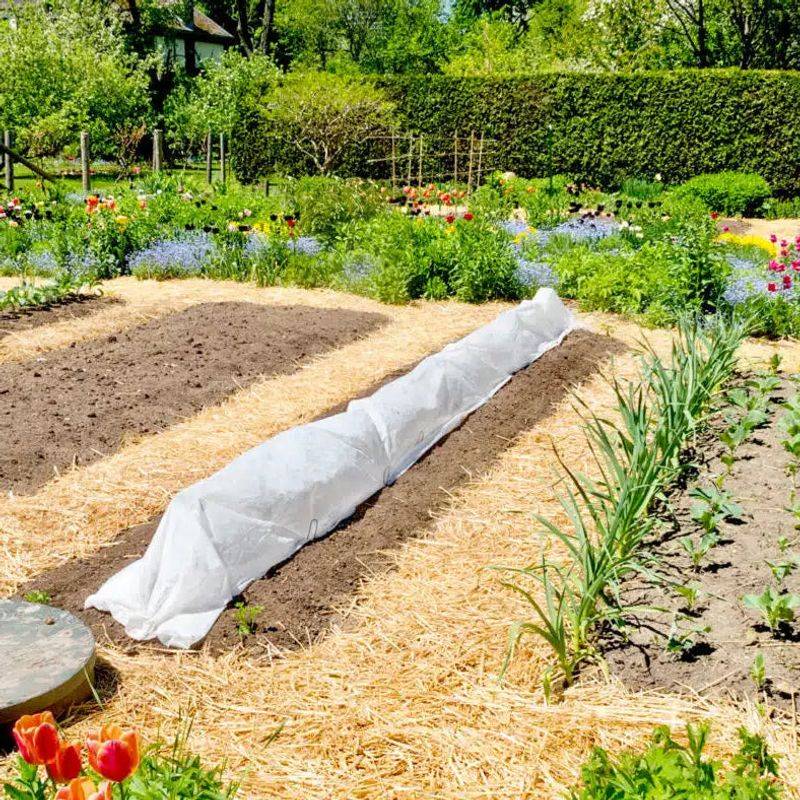
Mulch is your secret weapon against Pennsylvania’s unpredictable spring weather. A good mulch layer keeps soil temperature steady, holds in moisture during dry spells, and blocks weeds before they start.
Applying mulch before planting means it’s ready to work as soon as your plants go in the ground. Choose organic mulches that break down over time and improve soil.
Straw works wonderfully for vegetable gardens, staying loose enough that water penetrates easily. Shredded leaves from fall cleanup make excellent free mulch for Pennsylvania gardeners.
Wood chips work for perennial beds but avoid them in vegetable gardens since they tie up nitrogen as they decompose. Wait until soil warms up before mulching in Pennsylvania.
Early April soil is often still cold from winter, and mulch holds that cold in place. Let the sun warm your beds for a week or two after preparation, then add mulch once soil temperature reaches at least 60 degrees.
Spread mulch two to three inches deep around plants, keeping it away from stems. Mulch piled against plant stems holds moisture that encourages rot and provides hiding spots for slugs.
Leave a two-inch gap around each plant stem while covering the rest of the soil thoroughly. Replenish mulch through the growing season as it breaks down.
Pennsylvania’s humid summers decompose organic mulch faster than in drier climates. Adding fresh mulch in June keeps weeds suppressed and maintains moisture conservation through the hottest months when your garden needs it most.