How To Prevent Overwatering Houseplants In California During December

December in California brings cooler nights, shorter days, and houseplants that slow their pace.
While outdoor gardens may rest, indoor plants still rely on good judgment, especially when it comes to water.
Many plant problems during this time come from too much care instead of too little.
When growth slows, roots sit in damp soil longer, and trouble can creep in before anyone notices.
Overwatering is a common pitfall as routines stay the same but plant needs change.
Soil that once dried quickly can stay wet for days, cutting off air to roots and inviting rot.
Leaves may yellow, droop, or fall, sending mixed signals that often lead to even more watering.
It becomes a slippery slope that is hard to spot until damage is done.
California’s mild winters can be misleading, making it easy to forget that houseplants still feel the seasonal shift.
Paying attention to light, temperature, and soil moisture helps keep plants on an even keel.
With a few smart adjustments, houseplants stay healthy through December and come out strong when longer days return.
1. Check Soil Moisture Before Each Watering

Sticking your finger about two inches deep into the soil tells you everything you need to know about whether your plant needs water.
California homes in December often have unpredictable indoor temperatures because some days feel warm while others get chilly, making it hard to follow a strict watering schedule.
Your plants respond to these changes differently than they would in summer heat.
Dry soil at that two-inch depth means it’s time to water, while damp or moist soil indicates your plant still has plenty of moisture.
Different houseplants have different preferences, so research your specific varieties to understand their needs.
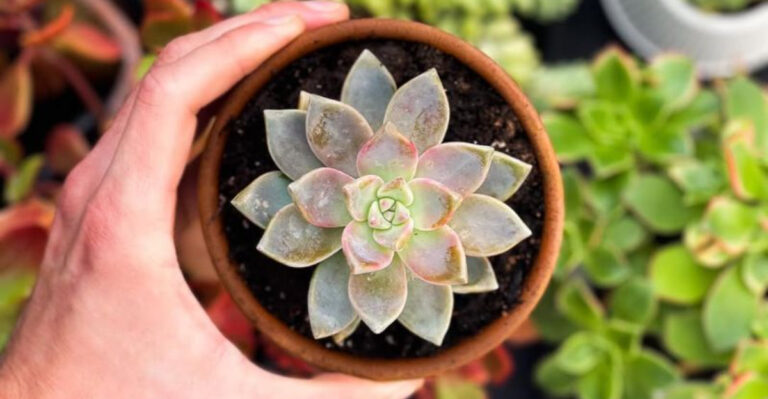
Succulents and cacti prefer bone-dry soil between waterings, while ferns like consistent moisture without being soggy.
Using the finger test prevents you from watering based on a calendar alone, which can lead to overwatering during California’s mild December weather.
Some weeks might be cooler and cloudier, slowing evaporation rates significantly.
Other weeks could bring warm Santa Ana winds that dry things out faster.
This simple technique takes just seconds but saves your plants from sitting in waterlogged soil.
Roots need oxygen to function properly, and saturated soil pushes out all the air pockets.
Checking before watering becomes a helpful habit that protects your houseplants from the most common winter problem that indoor gardeners face throughout California.
2. Reduce Watering Frequency During Winter Months
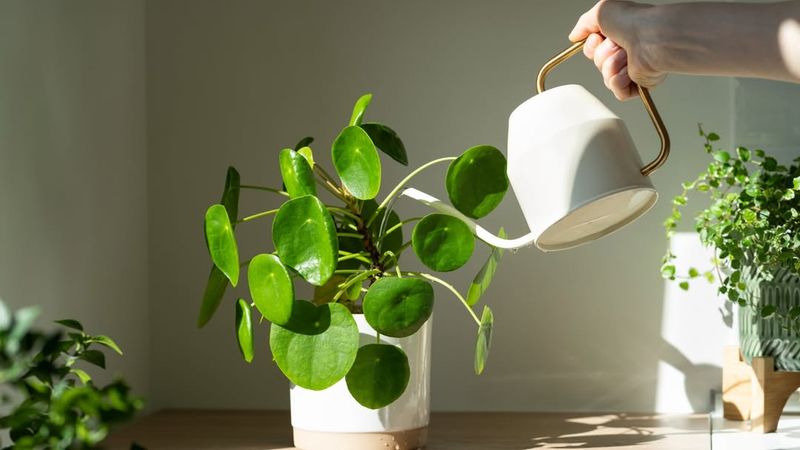
Winter changes everything about how houseplants use water because they naturally slow down their growth when daylight hours shrink.
Most indoor plants that thrived with weekly watering during summer might only need water every ten to fourteen days in December across California.
Growth hormones in plants respond to light levels, and less light means less photosynthesis and reduced water consumption.
Your watering schedule from August or September no longer applies once December arrives with its shorter days and cooler temperatures.
California doesn’t experience harsh freezing winters like other states, but the reduced sunlight still triggers plants to enter a semi-dormant phase.
Indoor heating systems can complicate things by creating dry air, but that doesn’t mean the soil dries out faster.
Cutting back on how often you water prevents moisture from accumulating around roots and causing problems.
Watch your plants closely rather than following the same routine you used during warmer months.
Yellow leaves, mushy stems, or a musty smell from the soil all signal too much water.
Many California plant owners make the mistake of maintaining summer watering habits straight through December.
Adjusting your frequency based on seasonal changes keeps roots healthy and prevents common overwatering issues.
Each plant species has unique requirements, so observe how quickly soil dries out and adjust accordingly for best results during these cooler months.
3. Improve Drainage With Proper Pot Selection
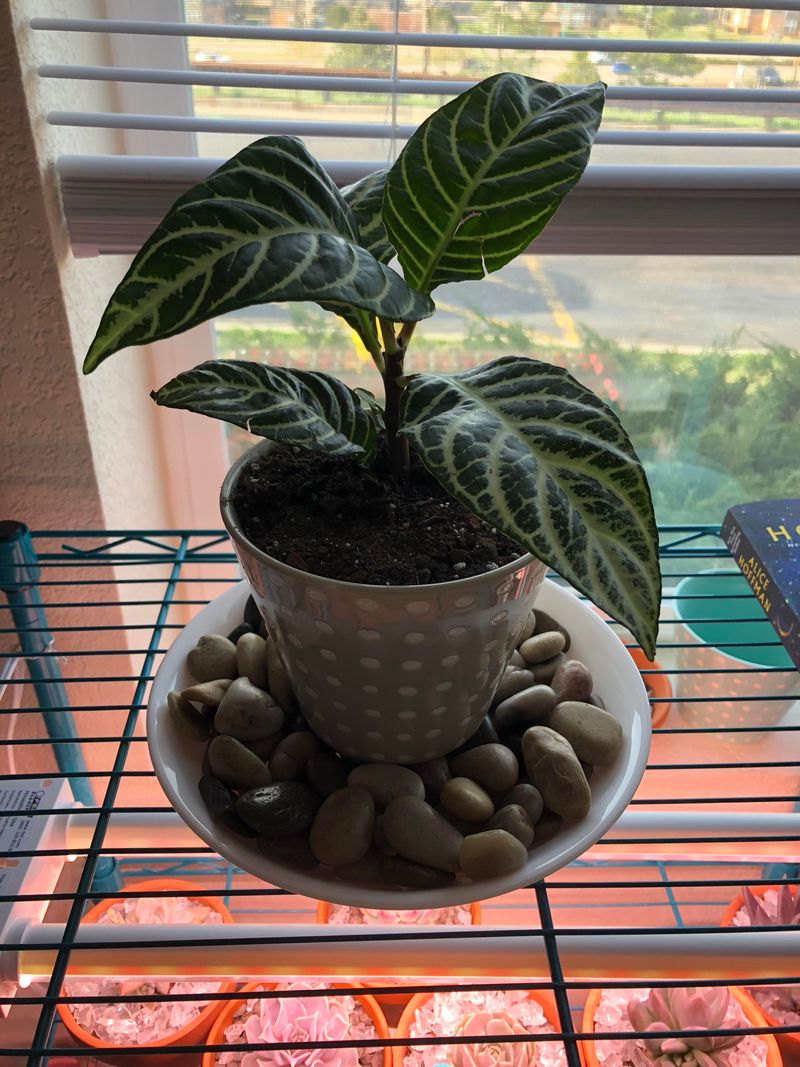
Pots with drainage holes at the bottom rank as the single most important feature for preventing water buildup around roots.
Excess water needs somewhere to escape, and without proper drainage, your houseplants sit in soggy conditions that lead to root rot and other moisture-related problems.
California’s December weather can be unpredictable, making good drainage even more crucial for plant health.
Terracotta pots work wonderfully because they’re porous and allow moisture to evaporate through the sides as well as the drainage holes.
Plastic containers can work fine too, as long as they have adequate holes punched in the bottom.
Decorative pots without drainage should only be used as outer covers, with your plant sitting in a properly draining inner pot that can be lifted out.
Adding a layer of pebbles or broken pottery pieces at the bottom of pots creates additional space for water to collect away from roots.
This old gardening trick helps even in December when California homes might have inconsistent indoor temperatures.
Saucers underneath pots catch overflow, but remember to empty them thirty minutes after watering.
Choosing the right pot size matters too because oversized containers hold more soil and retain moisture longer than necessary.
Your houseplants should fit comfortably with about an inch of space around the root ball.
Proper pot selection combined with good drainage holes gives your plants the best chance to thrive throughout December and beyond.
4. Monitor Indoor Humidity Levels Carefully
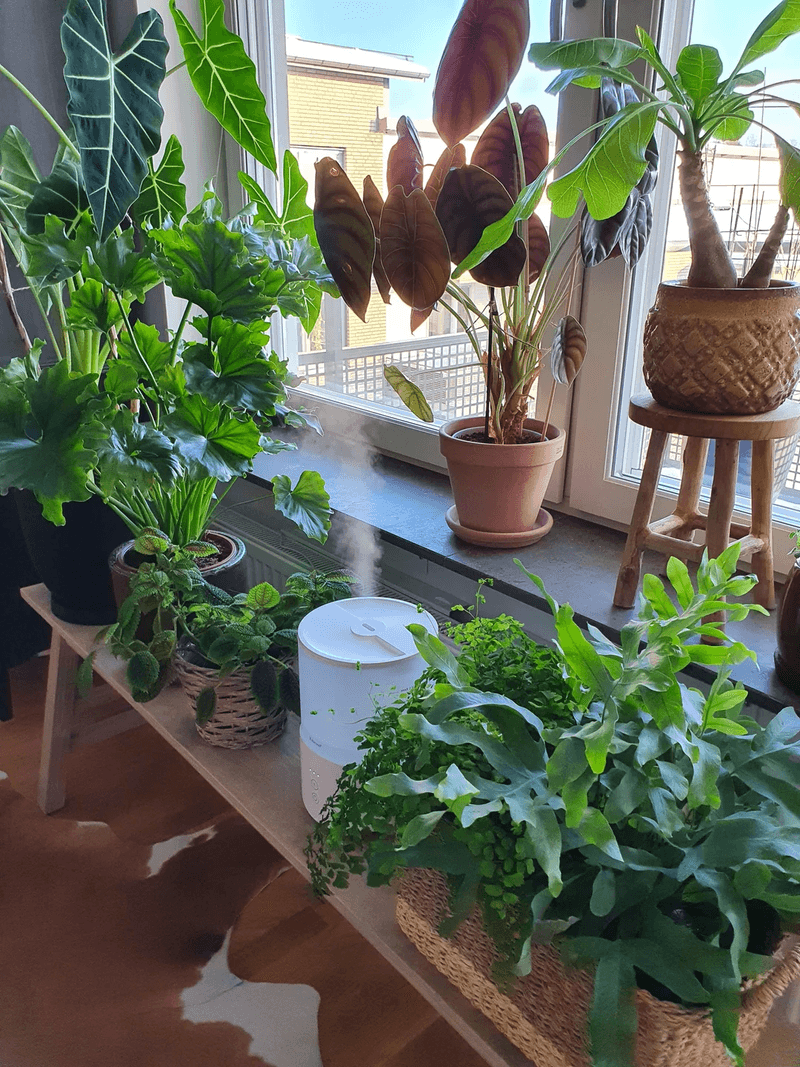
Indoor humidity affects how quickly water evaporates from soil and how much moisture your houseplants lose through their leaves.
December in California can bring drier air, especially when heaters run regularly to combat cooler temperatures.
Understanding humidity helps you water appropriately without overdoing it.
A simple hygrometer costs less than fifteen dollars and tells you exactly what’s happening with moisture levels in your home.
Most houseplants prefer humidity between 40 and 60 percent, though some tropical varieties enjoy even higher levels.
Low humidity makes leaves release more water vapor, which might tempt you to water more frequently than necessary.
Grouping plants together creates a micro-environment where they share moisture through transpiration, raising humidity naturally around them.
Pebble trays filled with water placed beneath pots also increase local humidity without waterlogging the soil.
These strategies work particularly well in California homes during December when indoor heating can dry out the air.
High humidity combined with overwatering creates the perfect conditions for fungal growth and root problems.
Balance becomes key when managing moisture both in the air and in the soil.
Monitoring with a hygrometer removes the guesswork and helps you make informed decisions.
California’s coastal areas naturally have higher humidity than inland regions, so your watering needs might differ based on where you live.
Paying attention to these environmental factors prevents overwatering mistakes that commonly happen when plant owners focus only on soil moisture.
5. Adjust For Reduced Sunlight Exposure
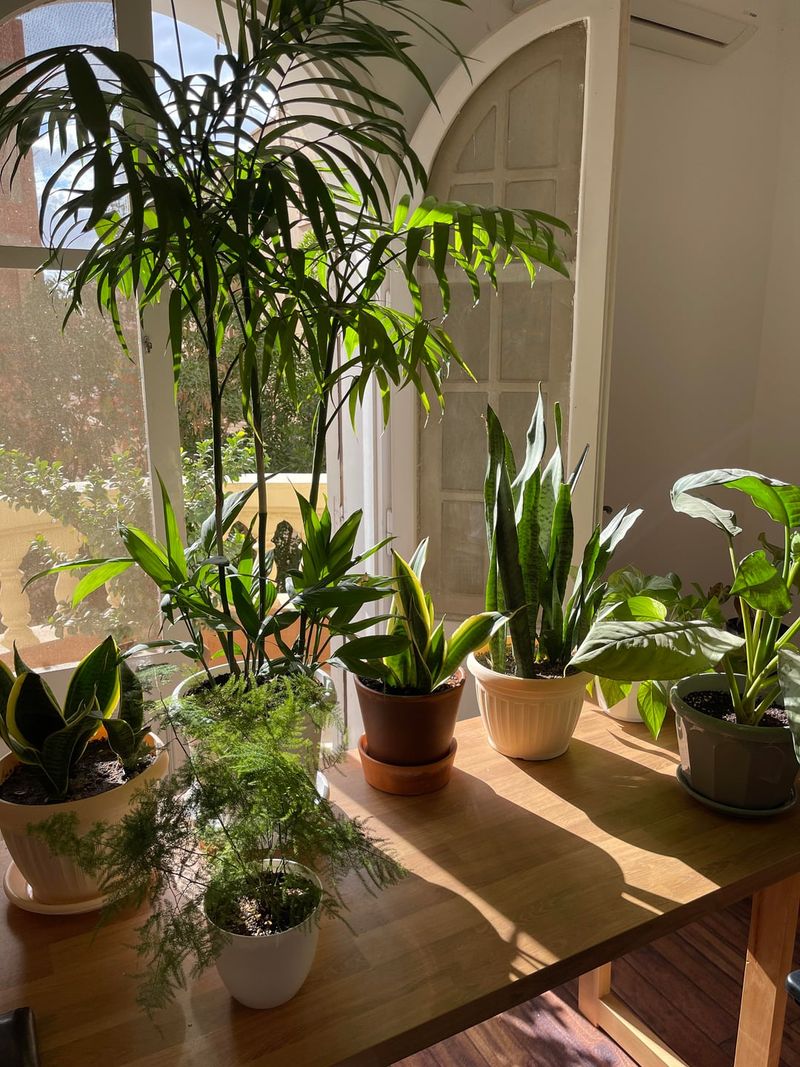
Shorter December days mean your houseplants receive significantly less light energy for photosynthesis, which directly impacts how much water they can process.
Plants use water as part of the photosynthesis process, so reduced light naturally means reduced water needs.
California still gets decent winter sun compared to northern states, but the angle changes and days shorten considerably.
South-facing windows provide the brightest light during December, while north-facing windows offer the least intensity.
Moving plants closer to windows can help them make the most of available sunlight.
However, brighter light near windows doesn’t automatically mean plants need more water because cooler temperatures near glass can slow evaporation.
Photosynthesis rates drop by roughly half during winter months for most houseplants, meaning they simply don’t use water as quickly as they did in July or August.
Overwatering happens easily when people don’t account for this seasonal shift in plant metabolism.
Your fiddle leaf fig or pothos that drank water eagerly in summer now sips it slowly throughout December.
California’s cloud cover increases during winter storms, further reducing the already limited daylight hours.
On particularly gray weeks, your plants might need even less water than usual.
Watch for signs of stress like drooping leaves, but make sure you’re not misreading thirst for overwatering symptoms.
Adapting your care routine to match available sunlight prevents moisture problems and keeps your indoor garden thriving through California’s winter season.
6. Use A Moisture Meter For Accurate Readings
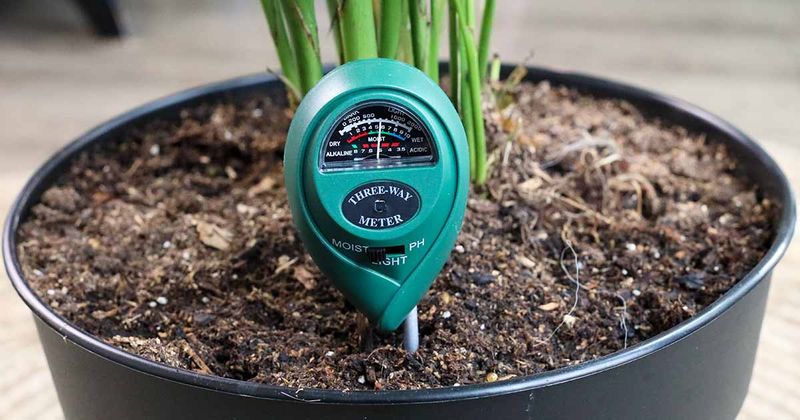
Technology takes the guesswork out of watering decisions with moisture meters that measure water content deep in the soil where your fingers can’t reach.
These affordable tools cost between ten and twenty dollars and provide instant feedback about whether your houseplants actually need water.
California plant enthusiasts find them especially helpful during December when watering needs become less predictable.
Insert the probe into soil at different spots around the pot to get an accurate average reading since moisture levels can vary throughout the container.
Most meters show readings on a scale from dry to wet, with ideal levels varying by plant type.
Succulents should read on the dry end before watering, while moisture-loving plants like peace lilies can tolerate readings in the medium range.
Relying on visual cues alone can be misleading because the top layer of soil might look dry while deeper layers remain saturated.
This commonly happens in California homes during December when indoor heating dries out surface soil quickly.
Moisture meters reveal what’s really happening at root level where it matters most.
Battery-operated digital meters offer precise measurements, while analog versions with simple needle displays work perfectly fine for basic monitoring.
Either option helps prevent overwatering by showing you actual conditions rather than making you guess.
Testing soil before each watering session creates a reliable routine.
Some advanced meters also measure light levels and pH, giving you comprehensive information about your plant’s growing conditions throughout December and beyond.
7. Choose Appropriate Soil Mix For Better Drainage
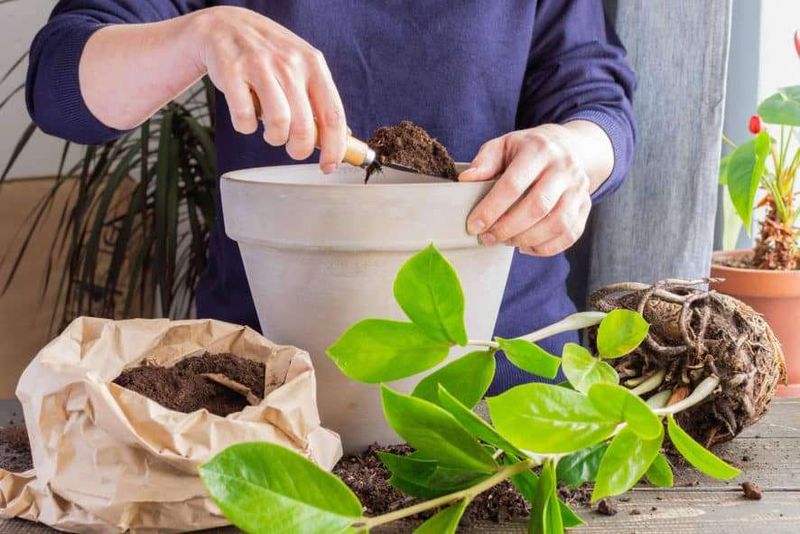
Soil composition determines how quickly water drains through the pot and how long moisture stays available to roots.
Heavy, dense potting mixes retain water much longer than light, airy blends that allow excess moisture to flow through easily.
December in California calls for well-draining soil that prevents water from pooling around roots during the cooler, slower-growing season.
Standard potting soil works fine for many houseplants, but amending it with perlite, pumice, or orchid bark improves drainage considerably.
Adding about twenty to thirty percent of these materials creates air pockets that help roots breathe while still holding appropriate moisture.
Succulents and cacti need even grittier mixes with fifty percent or more drainage material.
Avoid using garden soil indoors because it compacts easily and drains poorly in containers, creating perfect conditions for overwatering problems.
Quality houseplant potting mixes contain ingredients like peat moss, coco coir, and compost that balance water retention with drainage.
California gardeners can find excellent pre-mixed options at local nurseries that understand regional growing conditions.
Soil breaks down over time and becomes compacted, losing its drainage properties even if it started out perfect.
Repotting every year or two with fresh mix keeps your houseplants healthy and prevents moisture problems.
December actually makes a decent time for repotting in California since temperatures stay moderate.
Matching soil type to your specific plants prevents both overwatering and underwatering throughout the year, but especially during winter when growth slows and water needs decrease significantly.
8. Watch For Warning Signs Of Overwatering
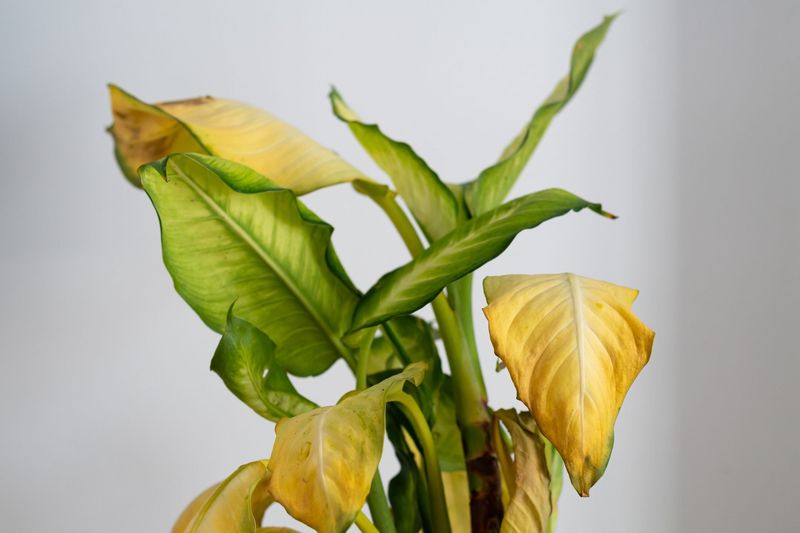
Learning to recognize overwatering symptoms helps you catch problems early before they become serious issues for your houseplants.
Yellow leaves rank as the most common sign, especially when they feel soft and mushy rather than dry and crispy.
California plant owners often see these symptoms appear in December when they haven’t adjusted their watering routine from summer habits.
Wilting can indicate either too much or too little water, which confuses many people into watering more when they should actually water less.
Check the soil first because wilting from overwatering happens when roots can’t function properly in waterlogged conditions.
Mushy stems near the soil line signal serious root rot that requires immediate attention.
A sour or musty smell coming from the pot indicates anaerobic bacteria growing in oxygen-deprived soil that’s stayed too wet.
Fungus gnats flying around your plants also suggest overly moist conditions that these pests love.
Both problems occur more frequently during December when California houseplants use less water but owners maintain warm-weather watering schedules.
Brown leaf tips can result from several issues, but when combined with yellowing and soft stems, overwatering becomes the likely culprit.
Mold or algae growing on the soil surface definitely means too much moisture.
Catching these warning signs early allows you to adjust your care routine before damage becomes irreversible.
Prevention beats treatment every time, so staying alert to these symptoms throughout December keeps your indoor garden healthy and thriving despite the seasonal changes affecting California houseplants.