How To Prevent Pre-Chilled Bulbs From Sprouting Too Soon In Arizona
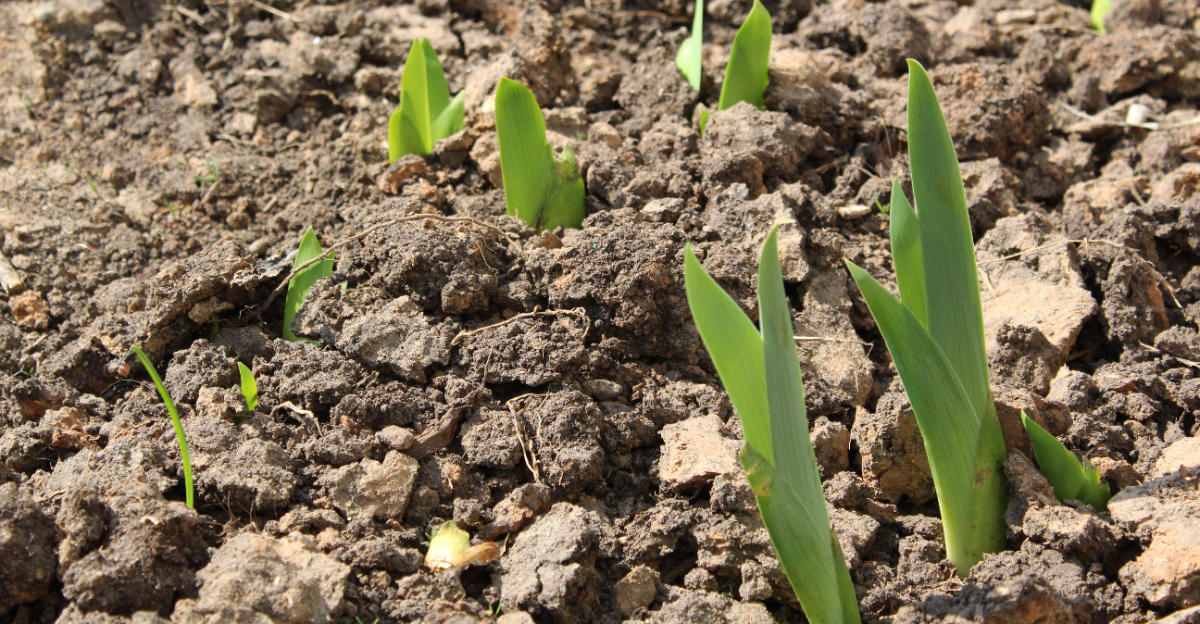
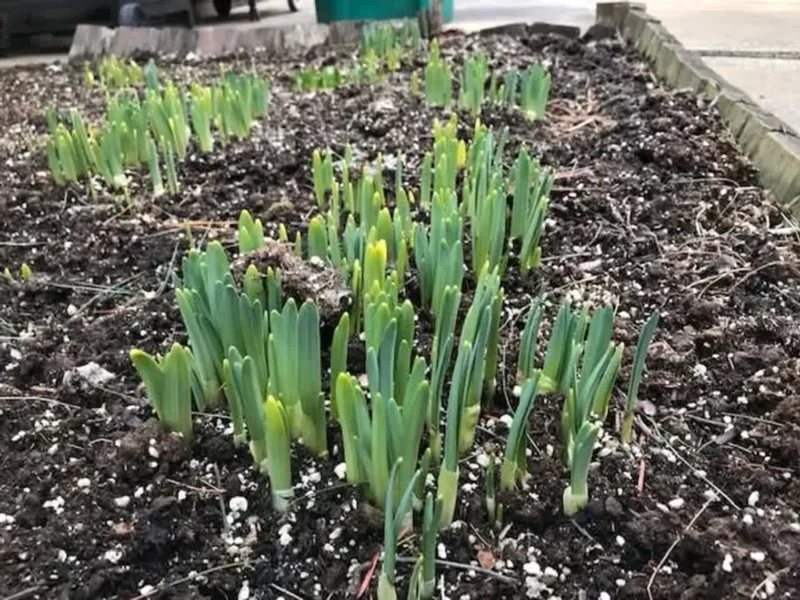
Your pre-chilled bulbs were supposed to stay dormant a little longer, yet tiny green shoots are already pushing up before Arizona weather has truly settled.
That early growth might look exciting at first, but sudden warmth followed by another cool spell can leave tender stems exposed and blooms weakened before they even get started.
It is tempting to move them into full sun, water more often, or assume the season has officially begun. Acting too quickly can actually speed things up even more and shorten the show you were hoping for.
Pre-chilled bulbs respond fast to shifts in light and temperature, especially in Arizona’s unpredictable late winter. Managing timing carefully now can protect buds, preserve energy, and help those flowers open when conditions are finally on their side.
1. Arizona’s Warm Winter Spells Can Break Dormancy Too Early
Phoenix winters fool plenty of plants, and bulbs are no exception. One week you’re wearing a jacket, the next you’re back in shorts because it hit 78 degrees at lunchtime.
Bulbs planted in the ground sense that warmth and assume spring has arrived early.
Desert areas like Tucson and Mesa experience wild temperature swings between December and February. Nighttime might drop to 45 degrees, but by midday the thermometer climbs into the low 70s.
That kind of fluctuation confuses dormant bulbs, triggering biochemical changes that start growth processes.
Once a bulb begins breaking dormancy, it commits energy to pushing up shoots and forming roots. If cold snaps return after that process begins, the emerging growth can suffer damage or simply stall out.
The bulb exhausts stored energy without producing a strong bloom.
Low desert gardeners in Maricopa County deal with this challenge every season. The solution involves careful timing and strategic placement.
Planting bulbs in shadier spots or on the north side of structures helps buffer them from afternoon heat spikes.
Mulching also insulates soil and moderates temperature swings. A two-inch layer of shredded bark or straw keeps the ground cooler during warm spells.
Monitoring local weather forecasts during planting season gives you an edge, allowing you to delay planting if a prolonged warm period is predicted. Arizona’s climate demands more attention to detail, but the payoff is vibrant spring color when you get the timing right.
2. Pre-Chilled Bulbs Still Need Consistent Cold To Stay Dormant
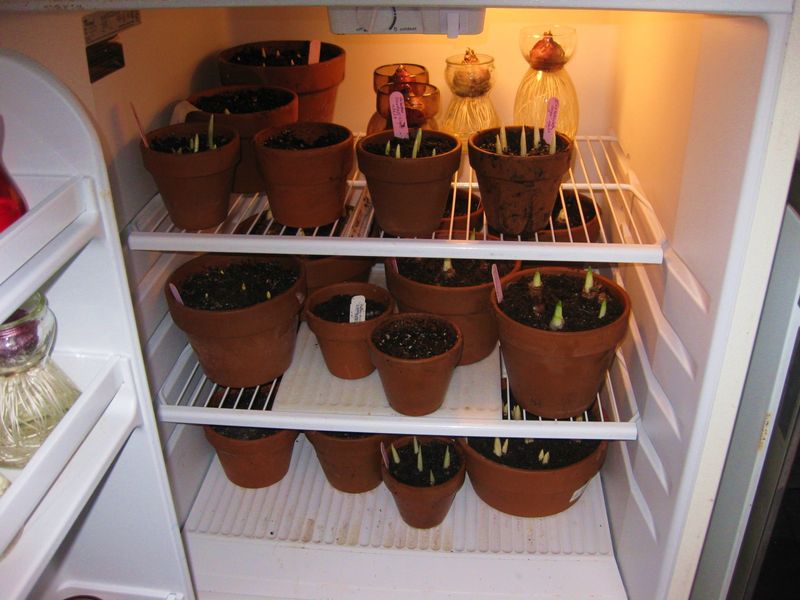
Refrigerating bulbs mimics the natural winter chill they’d experience in colder states. Tulips, hyacinths, and some daffodil varieties require this artificial cold period before they’ll bloom properly in Arizona.
However, the chilling process isn’t finished just because you bought pre-chilled bulbs from a nursery.
Exposure to warmth immediately begins reversing that dormancy. Leaving bulbs on a kitchen counter for even a few days starts internal changes.
Enzymes activate, moisture levels shift, and the bulb prepares to grow.
Consistent refrigeration at 40 to 45 degrees maintains dormancy until you’re ready to plant. Store bulbs in paper bags with ventilation holes, never in plastic, which traps moisture and encourages mold.
Keep them away from ripening fruit, especially apples, which release ethylene gas that damages bulbs.
If you’re ordering bulbs online for Arizona planting, time delivery so you can refrigerate them immediately upon arrival. Don’t let them sit in a hot mailbox or garage.
The moment they warm up, dormancy weakens.
Some Tucson gardeners keep bulbs refrigerated until late December, extending the cold treatment beyond what the supplier provided. This extra chilling compensates for Arizona’s lack of natural winter cold.
Check bulbs weekly while they’re stored. Discard any that feel soft, show mold, or have started sprouting prematurely.
Maintaining that cold chain from purchase through planting gives you the best shot at preventing early sprouting and ensures your bulbs have enough stored energy to produce full, healthy blooms come spring.
3. Soil Temperatures Above 60°F Signal Bulbs To Start Growing
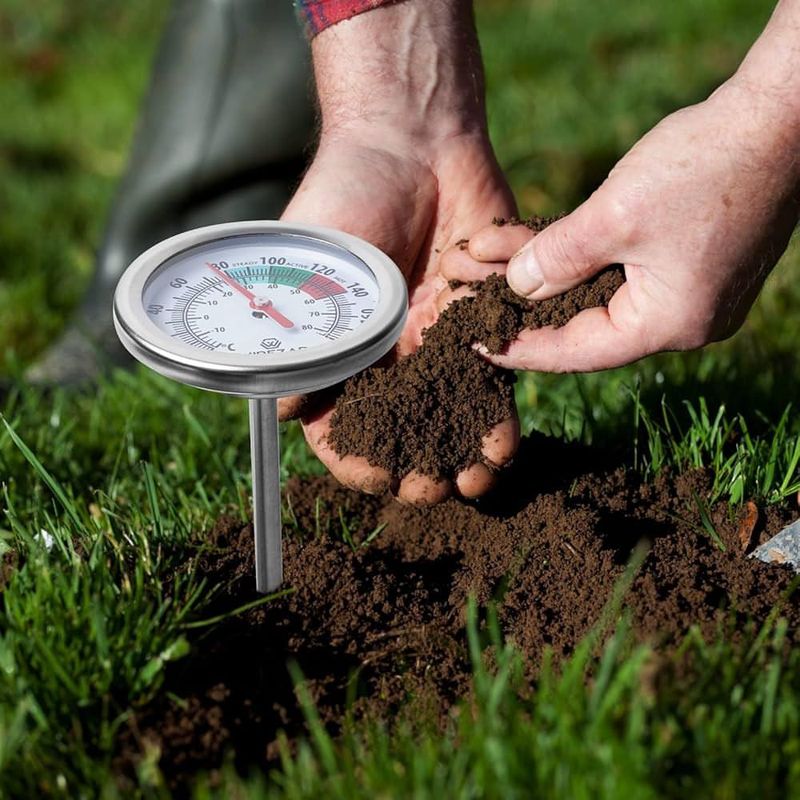
Air temperature gets all the attention, but soil temperature runs the show underground. Bulbs respond directly to the warmth surrounding them in the dirt, not what the weather app says.
When soil hits 60 degrees or higher, roots activate and shoots begin pushing upward.
Arizona soil warms up fast after sunny days, especially in raised beds or areas with southern exposure. Dark mulch and bare ground absorb heat quickly.
Even if nighttime air temperatures stay cool, the soil may remain warm enough to trigger growth.
Using a soil thermometer takes the guesswork out of planting decisions. Stick the probe four to six inches deep, where the bulbs will sit, and check readings in the morning before the sun heats things up.
If soil temperature consistently reads above 60 degrees, wait before planting.
Scottsdale and other low desert locations often don’t see soil temperatures drop reliably until late December or even January. Planting in November, a common timing elsewhere, risks early sprouting because the ground hasn’t cooled enough.
Patience pays off here.
Amending soil with compost can help moderate temperature fluctuations slightly, though it won’t overcome persistent warmth. Choosing planting sites with afternoon shade also keeps soil cooler.
North-facing beds or spots under deciduous trees that have lost their leaves work well.
Once you plant, continue monitoring soil temperature during warm spells. If an unexpected heat wave hits and soil warms significantly, reduce watering to avoid compounding the problem.
Keeping soil on the cooler, drier side helps bulbs stay dormant longer, giving you better bloom results when spring truly arrives in Arizona.
4. Overwatering In Warm Soil Accelerates Early Shoot Development
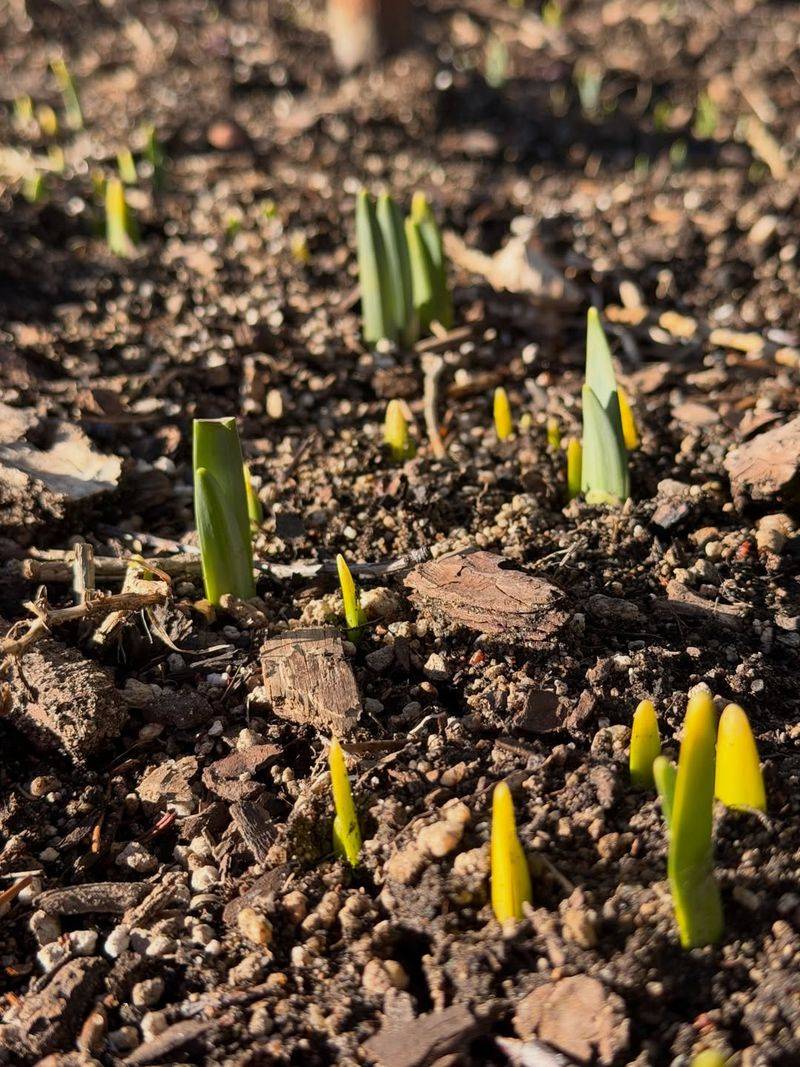
Moisture combined with warmth creates the perfect conditions for bulbs to wake up and start growing. Overwatering freshly planted bulbs in Arizona’s mild winter soil practically begs them to sprout ahead of schedule.
Wet, warm environments also invite rot and fungal problems that weaken or destroy bulbs entirely.
After planting, bulbs need just enough water to settle soil around them and initiate root development. That’s it.
Drenching the bed repeatedly or running irrigation systems on summer schedules pushes bulbs into active growth mode.
Light watering once at planting time, followed by minimal moisture until consistent cool weather arrives, keeps bulbs calm. Arizona’s dry winter air means you won’t need to water often.
Check soil moisture by feeling it a few inches down; if it’s still slightly damp, skip watering.
Gilbert and Chandler gardeners often struggle with automatic irrigation systems that don’t adjust for winter. Bulbs planted in zones that receive regular watering meant for other plants will sprout prematurely.
Consider hand-watering bulb areas separately or installing a shutoff valve for those zones during winter months.
When warm spells hit and you’re tempted to water, resist unless soil is bone dry. Bulbs are remarkably drought-tolerant while dormant.
They’re storing energy and waiting for the right conditions, not actively growing and demanding moisture.
If green shoots appear too soon due to overwatering, don’t flood them trying to correct the mistake. Pull back on water immediately.
Let soil dry out somewhat between any future watering. The shoots may still develop, but you’ll avoid rot and give the bulb the best chance to recover and bloom, even if timing isn’t perfect.
5. Planting Too Early In The Low Desert Increases Sprouting Risk
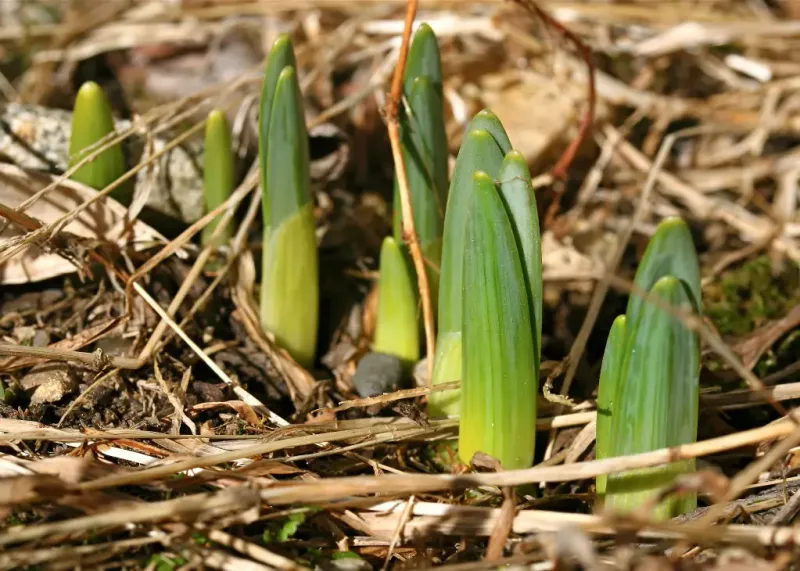
November planting works beautifully in Colorado or Michigan. In Phoenix, it’s a recipe for frustration.
The low desert simply hasn’t cooled down enough by early winter for bulbs to stay dormant reliably. Jumping the gun means watching sad green shoots poke up during Christmas week instead of waiting for spring.
Soil and air temperatures in November often hover in ranges that encourage growth. Days are still pleasant, nights are mild, and bulbs interpret these conditions as spring.
Waiting until late December or even mid-January dramatically reduces the risk of premature sprouting.
Yes, this feels counterintuitive. Gardeners in other regions have bulbs in the ground by Halloween.
Arizona requires a mindset shift. Think of late December as your true planting season for spring bulbs.
Tempe and Mesa gardeners who plant in January often report better bloom results than those who plant earlier. The bulbs experience more consistent cold, soil stays cooler, and growth timing aligns better with actual spring weather.
Your blooms may appear slightly later, but they’ll be stronger and more vibrant.
If you’re anxious to get started, prepare beds in November but hold off on actual planting. Amend soil, clear weeds, and have everything ready.
Keep your pre-chilled bulbs in the refrigerator until late December. This way you can plant quickly when conditions are right without scrambling to prep beds in the middle of the holidays.
Tracking temperature trends in your specific Arizona neighborhood helps refine timing. Some microclimates cool faster than others.
A few extra weeks of patience at planting time translates to significantly better spring blooms and fewer headaches dealing with premature growth.
6. Insufficient Natural Chill Hours Make Timing More Critical In Arizona
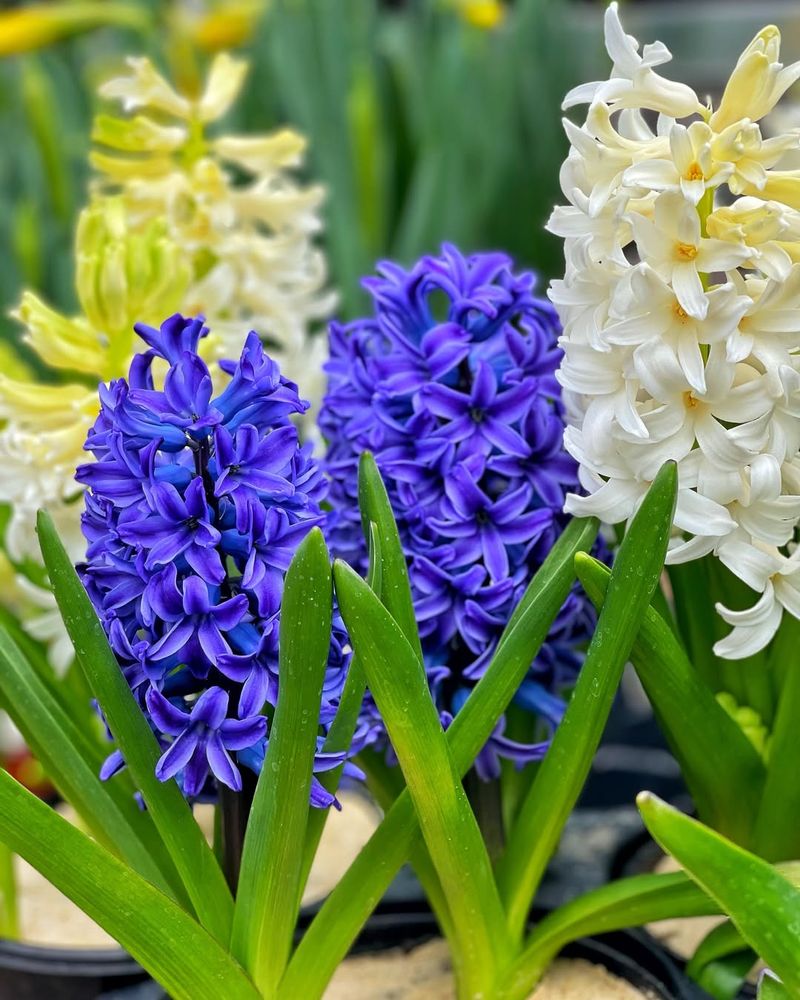
Bulbs evolved in climates with long, cold winters. They need extended periods below 45 degrees to complete dormancy and prepare for spring growth.
Arizona’s low desert provides nowhere near the chill hours bulbs naturally require, which is why pre-chilling exists in the first place.
Chill hours measure cumulative time spent in cold temperature ranges. Tulips need 12 to 16 weeks of chilling.
Hyacinths require similar periods. Phoenix averages far fewer natural chill hours than bulbs need, even in the coldest winters.
Pre-chilling in refrigerators compensates for this deficit, but it also means your margin for error shrinks. In Minnesota, bulbs get months of natural cold even if planting timing isn’t perfect.
In Arizona, you’re working with artificial chilling followed by a narrow window of cool-enough outdoor conditions.
This makes every decision more critical. Planting too early wastes the chilling you provided.
Planting too late doesn’t give bulbs enough time to establish roots before warm weather returns. The sweet spot is small.
Flagstaff and higher elevation Arizona areas have more natural chill hours and can follow more traditional planting schedules. But in Yuma, Casa Grande, and other low desert zones, precision matters.
Some Arizona gardeners experiment with extending refrigeration time beyond standard recommendations, giving bulbs extra chilling to compensate for the lack of natural cold. Adding two to four extra weeks in the refrigerator can improve results.
Keep detailed notes each season about what worked, adjusting your approach based on actual bloom performance. Arizona bulb gardening is part science, part art, and timing is your most powerful tool.
7. Quick Action Steps If Green Shoots Appear Too Soon
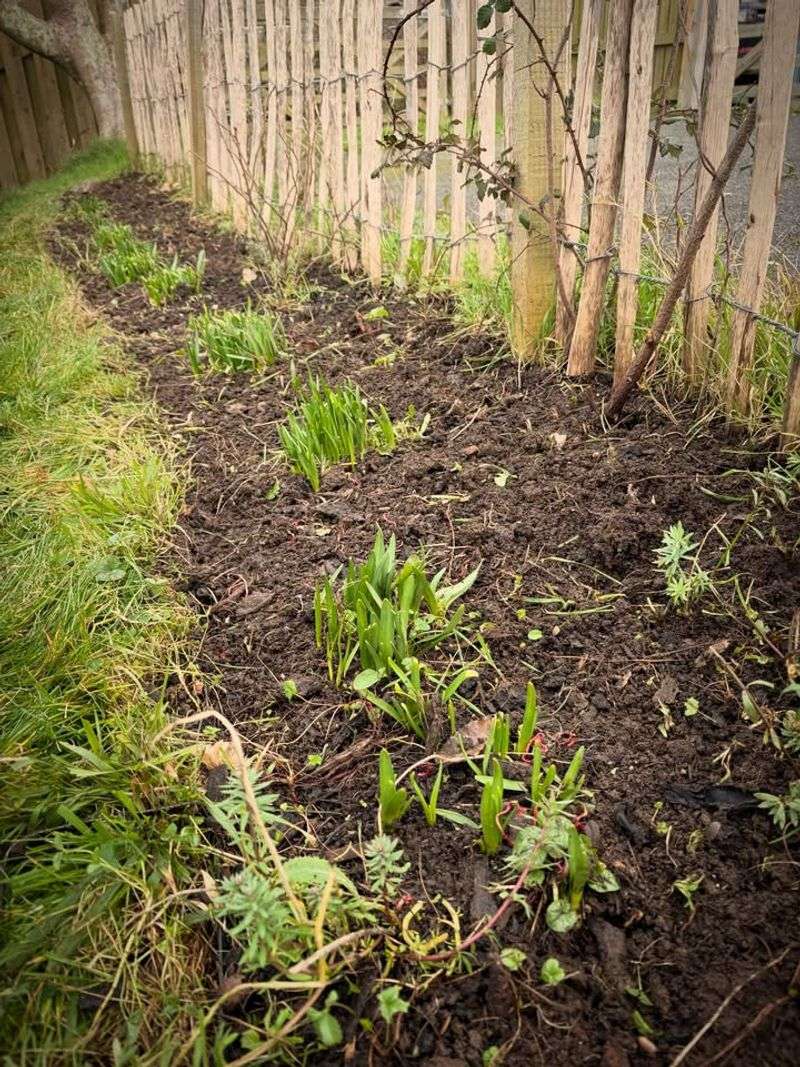
Spotting green shoots in January can trigger panic, but early sprouting isn’t a total disaster. Quick, calm action gives bulbs a fighting chance to still produce blooms.
First, resist the urge to dig them up. Disturbing bulbs mid-growth causes more harm than the early sprouting itself.
Add a two to three inch layer of mulch immediately if you haven’t already. Shredded bark, straw, or even a light layer of compost insulates soil and moderates temperature swings.
This won’t reverse sprouting, but it protects emerging growth from temperature extremes.
Cut back on watering significantly. Early shoots don’t need much moisture, and wet soil combined with warm temperatures accelerates problems.
Let the soil dry out more than you normally would. Water only if plants show signs of stress or soil becomes completely dry.
If frost threatens, cover sprouted areas with frost cloth or even cardboard boxes overnight. Early shoots are tender and vulnerable.
Protecting them from freezing temperatures prevents damage that could ruin bloom potential entirely. Remove covers during the day to allow light and air circulation.
Avoid fertilizing early-sprouted bulbs. They’re already stressed, and pushing growth with fertilizer can exhaust remaining energy reserves.
Wait until blooms actually form before considering any supplemental feeding.
Monitor closely but don’t fuss constantly. Bulbs are tougher than they look.
Many will still bloom despite early sprouting, though flowers may be smaller or appear on shorter stems. Accept that this season might not be perfect, but use the experience to refine your timing next year.
Arizona gardening involves learning curves, and even experienced gardeners deal with occasional early sprouting. Stay calm, protect what you can, and plan better timing for next season’s bulbs.