How To Prevent Succulents From Stretching In Washington State Winter Light
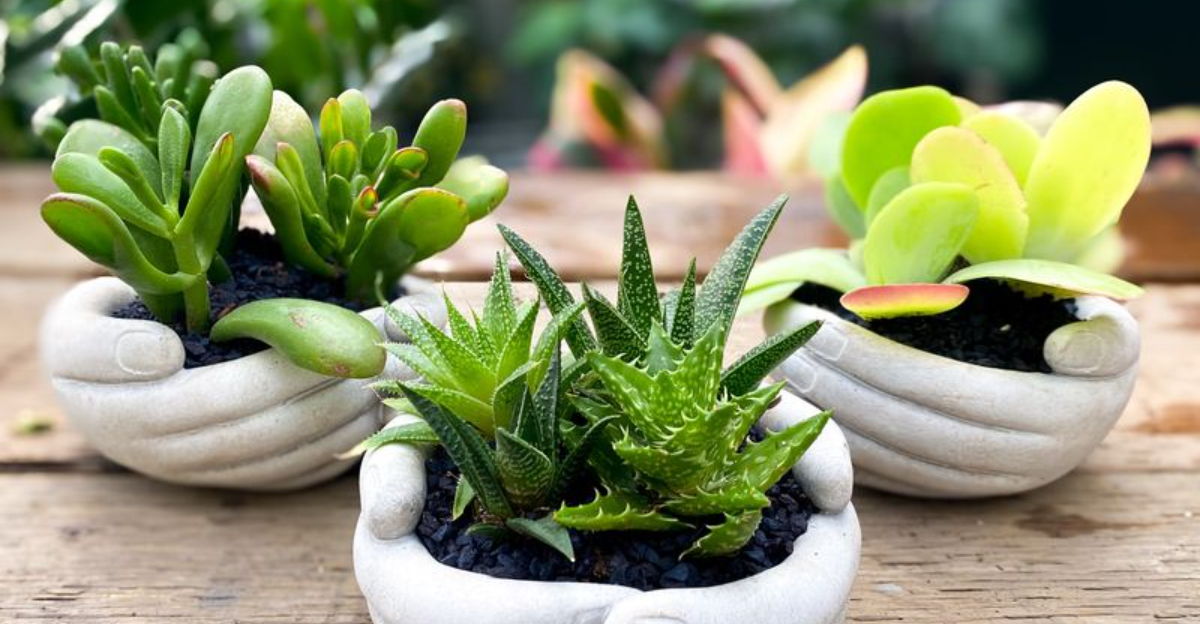
Washington State winters can take even the toughest succulents for a wild ride.
Short days, gray skies, and dim light push these sun-loving plants to reach and stretch as they hunt for every bit of brightness they can find.
A compact succulent can suddenly shoot upward like it has someplace urgent to be, losing that tidy shape gardeners love.
The good news is that this winter wobble can be managed with a little know-how and a careful eye.
By giving your plants the right kind of light, the right spot in the house, and a smart watering rhythm, you can help them stay stout and steady through the darkest months.
Small adjustments often make the biggest difference, keeping your succulents from growing long necks or leaning toward the nearest window.
With the right approach, those winter days no longer spell trouble.
Your plants can hold their shape, keep their color, and come through the season looking fresh and full.
1. Position Your Succulents Near South-Facing Windows
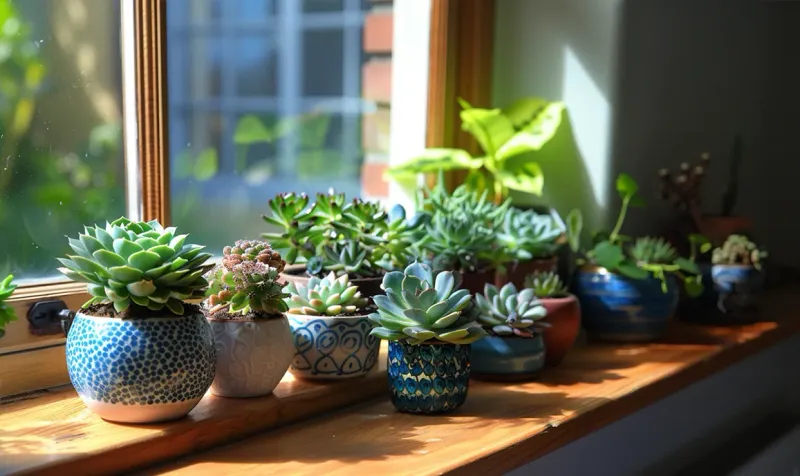
South-facing windows provide the most consistent light during Washington State’s cloudy winter months.
Placing your succulents within two feet of these windows maximizes their exposure to whatever natural sunlight breaks through the clouds.
Even on overcast days, south-facing spots receive more ambient light than other window orientations.
Clean your windows regularly to remove dirt and grime that blocks precious winter rays.
Every bit of light counts when you’re dealing with Seattle’s notorious gray skies.
Consider removing heavy curtains or blinds that might obstruct light during daytime hours.
Rotate your succulents every few days to ensure all sides receive equal light exposure.
This simple habit prevents one-sided growth and keeps your plants symmetrical.
If you notice your succulents leaning toward the window, that’s a clear sign they’re searching for more light.
Washington winters are particularly challenging because daylight hours shrink dramatically between November and February.
South-facing windows become even more critical during this period.
Monitor your plants closely and watch for early signs of stretching, such as increased spacing between leaves or lighter coloration, so you can adjust their position quickly.
2. Invest In Quality Grow Lights For Consistent Illumination
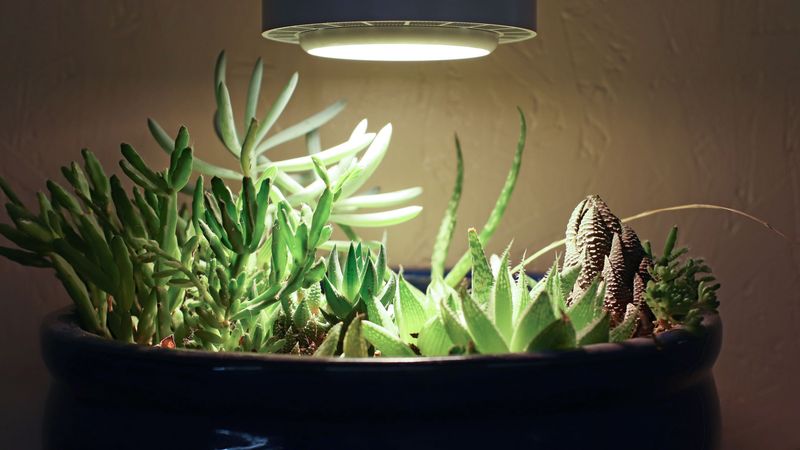
Grow lights become essential equipment for Washington State succulent enthusiasts during winter.
Natural daylight simply isn’t sufficient most days, making artificial lighting a game-changer.
Full-spectrum LED grow lights mimic natural sunlight and provide the wavelengths succulents need for healthy, compact growth.
Position grow lights six to twelve inches above your succulents for optimal results.
Keep them on for twelve to fourteen hours daily to compensate for the short winter days common throughout Washington.
Timer switches automate this process, ensuring your plants receive consistent light even when you’re away from home.
LED grow lights are energy-efficient and don’t generate excessive heat, making them safe for indoor use.
They cost more initially than regular bulbs but last significantly longer and consume less electricity.
Many succulent growers in Seattle and Spokane consider them indispensable tools for winter plant care.
Different succulents have varying light requirements, so research your specific varieties.
Some need more intense light than others.
Adjustable grow lights let you customize brightness levels and distance based on your collection’s needs, preventing both stretching and light burn issues.
3. Reduce Watering Frequency During Winter Months
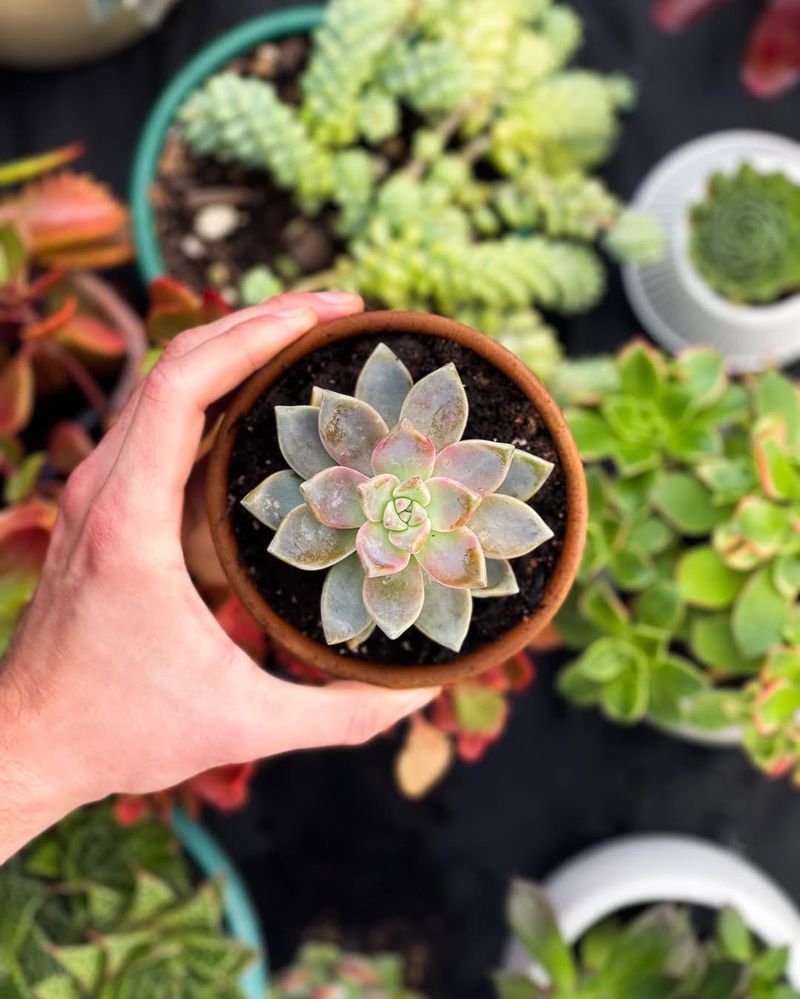
Cutting back on water naturally slows succulent growth during Washington’s dark winter season.
When plants receive less light, their metabolic processes slow down considerably, meaning they need far less moisture.
Overwatering combined with low light creates the perfect conditions for stretching and other problems.
Check soil moisture before watering by sticking your finger about an inch deep into the soil.
Only water when the soil feels completely dry.
Washington State’s higher humidity levels mean succulents retain moisture longer than in drier climates, so adjust your schedule accordingly.
Winter watering might happen only once every three to four weeks, compared to weekly watering during summer.
This dramatic reduction matches the plant’s dormant state and limited light availability.
Signs of thirst include slightly wrinkled leaves, but stretched growth indicates too much water relative to available light.
Temperature also affects watering needs, and Washington homes often stay cooler in winter.
Cold soil takes longer to dry out, increasing the risk of root rot if you water too frequently.
Err on the side of underwatering rather than overwatering, as succulents are remarkably resilient to drought conditions.
4. Choose Compact Succulent Varieties That Tolerate Lower Light
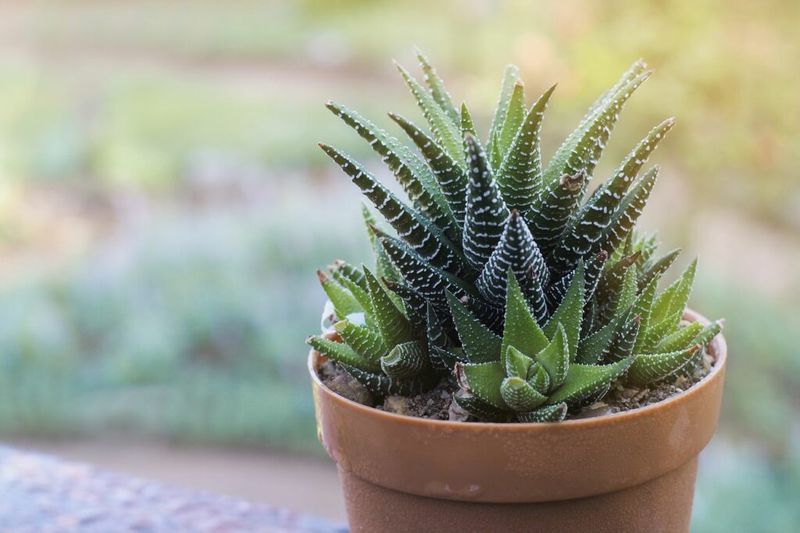
Not all succulents respond to Washington State’s winter light shortage in the same way.
Selecting varieties naturally adapted to lower light conditions makes your job much easier.
Haworthias, for example, thrive in partial shade and handle winter conditions better than sun-demanding varieties like Echeveria.
Gasteria and some Aloe species also perform well with less intense light.
These varieties evolved in shadier natural habitats and don’t stretch as aggressively when light levels drop.
Building your collection around these tougher varieties reduces winter maintenance stress considerably.
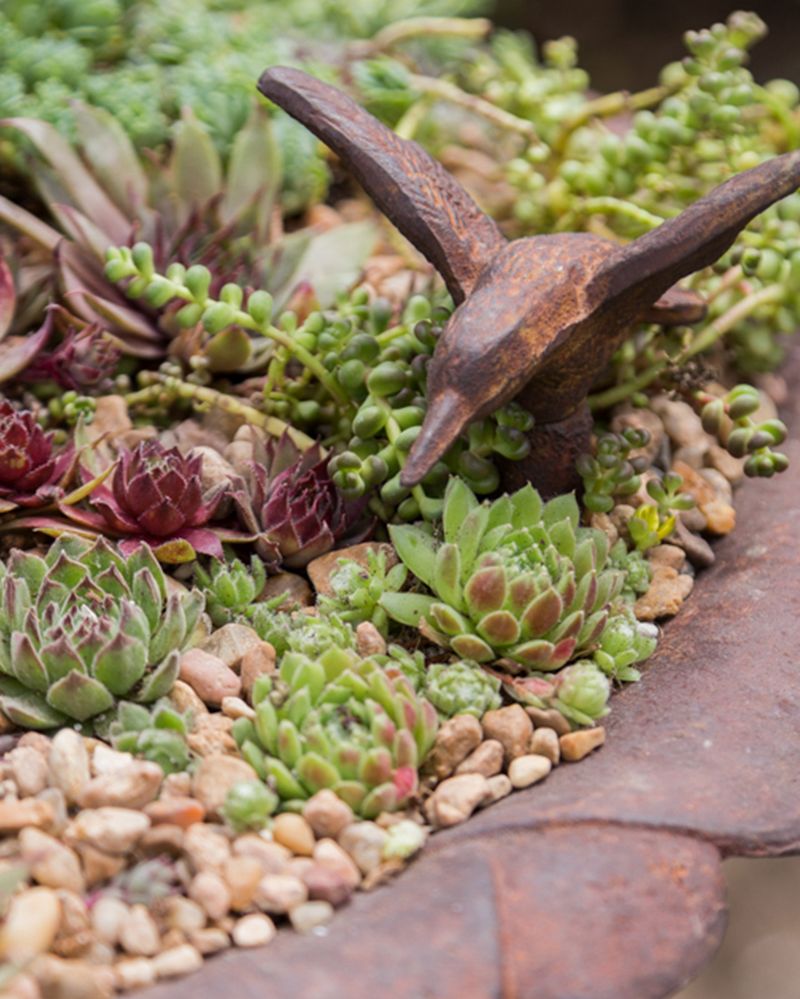
Sempervivum, commonly called hens and chicks, can even survive outdoors in many Washington locations.
They’re incredibly cold-hardy and tolerate the region’s wet winters better than most succulents.
If you want year-round outdoor succulents in the Pacific Northwest, these are your best bet.
Research each plant’s light requirements before purchasing.
Many nurseries in Washington carry succulents suited to local conditions, and staff can offer regional advice.
Mixing light-tolerant varieties with your more demanding plants creates a diverse collection that survives winter without excessive stretching across your entire succulent family.
5. Maintain Cooler Temperatures To Slow Growth Naturally
Cooler temperatures naturally slow succulent metabolism, which helps prevent stretching when light is limited.
Washington State homes often cool down during winter anyway, creating ideal conditions if you manage it correctly.
Keeping succulents in rooms that stay between fifty-five and sixty-five degrees Fahrenheit encourages dormancy.
Avoid placing succulents near heating vents or radiators that create warm microclimates.
Heat combined with low light accelerates stretching because plants grow faster in warmth while searching for adequate light.
Cooler spots near windows work perfectly, as long as plants don’t touch cold glass directly.
Many succulent species naturally go dormant during winter in their native habitats.
Mimicking these conditions in your Washington home keeps plants compact and healthy.
They’ll resume vigorous growth when spring arrives and daylight hours increase again.
Unheated sunrooms or enclosed porches work wonderfully for cold-hardy succulents during winter.
Just ensure temperatures don’t drop below freezing for extended periods.
The combination of cool temperatures and maximum available light creates the perfect environment for preventing winter stretch throughout the rainy season that defines Washington winters.
6. Supplement With Reflective Surfaces To Maximize Available Light
Mirrors and reflective surfaces dramatically increase the light your succulents receive during Washington’s gloomy winter days.
Positioning a mirror behind your plants bounces light back onto them, essentially doubling their exposure.
White walls and light-colored surfaces also enhance ambient brightness in your growing area.
Aluminum foil or reflective grow tent material works even better than regular mirrors.
These materials reflect more of the light spectrum that plants actually use for photosynthesis.
Create a simple reflective backdrop by attaching foil to cardboard and placing it behind your succulent display.
This strategy proves especially valuable in apartments or homes with limited window space.
Every photon of light becomes precious when you’re working with Washington’s winter cloudiness.
Even small improvements in light availability can prevent stretching and keep your succulents looking their best.
Combine reflective surfaces with south-facing windows for maximum impact.
The reflected light reaches parts of your plants that would otherwise remain in shadow.
This technique costs almost nothing but delivers noticeable results, making it popular among budget-conscious succulent enthusiasts throughout the Pacific Northwest region.
7. Prune And Propagate Stretched Growth Before Winter Begins
Prevention starts before winter actually arrives in Washington State.
Late summer and early fall are perfect times to prune any stretched growth from previous seasons.
Cutting back leggy stems encourages compact new growth while light levels are still adequate for recovery.
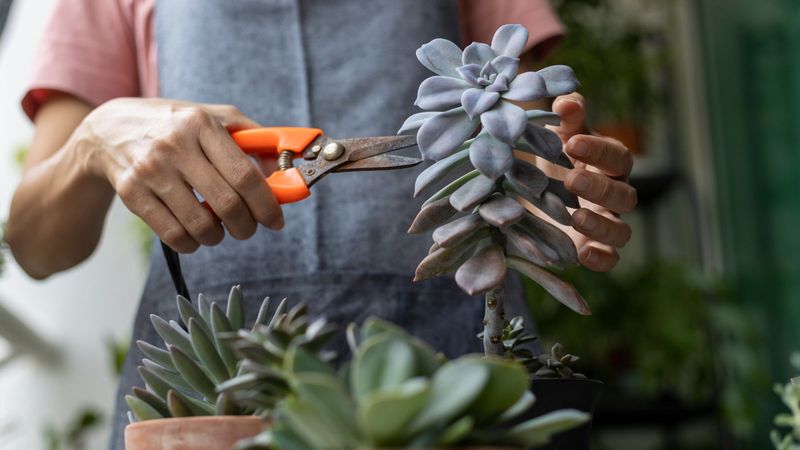
Use clean, sharp scissors or pruning shears to remove stretched portions.
Make cuts just above a leaf node where new growth can emerge.
These cuttings become propagation material, allowing you to grow new plants from what you remove.
Let cut stems dry for several days before planting them in well-draining soil.
Many succulents root easily from cuttings, giving you backup plants or gifts for fellow enthusiasts.
This process refreshes your collection and ensures you enter winter with healthy, compact plants.
Washington’s mild autumn weather provides ideal conditions for succulents to recover from pruning before winter stress begins.
Plants establish strong root systems and compact growth patterns while temperatures remain moderate.
By the time dark winter days arrive, your succulents are in peak condition to resist stretching, having already developed the sturdy structure they need to survive until spring returns.
8. Monitor And Adjust Plant Placement Throughout The Season
Washington State’s winter light conditions change constantly as storm systems move through the region.
What works in November might not provide enough light by January when days are shortest.
Successful succulent care requires ongoing observation and willingness to move plants as needed.
Watch for early warning signs of stretching, including increased space between leaves and paler coloration.
Catching these symptoms early allows you to adjust before significant damage occurs.
Moving a plant closer to a window or adding supplemental lighting can reverse early stretching.
Keep notes about which locations work best for different succulent varieties in your home.
This information becomes invaluable year after year, helping you optimize placement faster each winter.
Photography also helps track changes over time and identify problems before they become obvious.
Don’t hesitate to experiment with different spots throughout your home.
Sometimes unexpected locations provide better light than assumed.
A west-facing window might work better than expected on clearer winter days.
Flexibility and attentiveness make the difference between succulents that merely survive Washington winters and those that thrive beautifully despite the challenging conditions outside.