How To Protect Bulbs From Squirrels In Michigan Spring Gardens
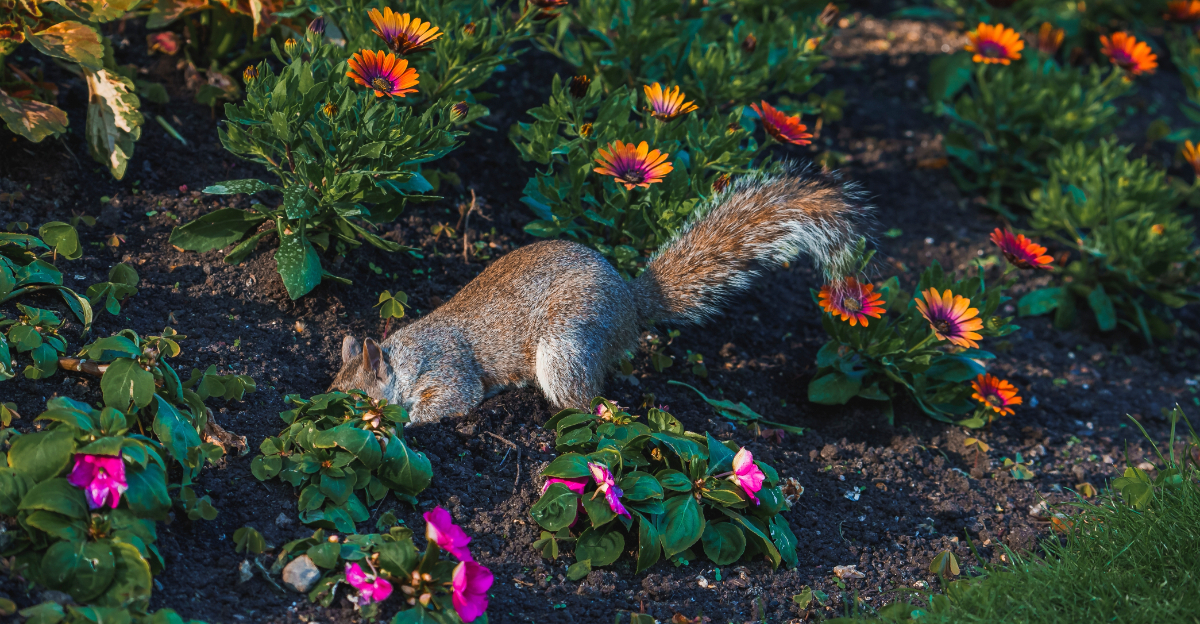
Spring can be frustrating for Michigan gardeners who plant bulbs and then watch squirrels dig them up like hidden treasure.
Just when the garden starts looking hopeful, small holes appear, fresh soil gets tossed around, and bulbs vanish before they ever get the chance to bloom.
Squirrels are especially active in spring because they are searching for food and checking spots where they remember burying things earlier. Soft garden beds make their job even easier.
Some bulbs seem to attract them more than others, which can turn one flower bed into a favorite target. The good news is that you do not have to give up on bulbs or keep starting over.
A few simple steps can make your garden much less tempting and help protect the flowers you have been waiting to see. With the right approach, your spring beds can stay colorful instead of becoming a squirrel digging zone.
1. Cover Newly Planted Bulbs With Wire Mesh
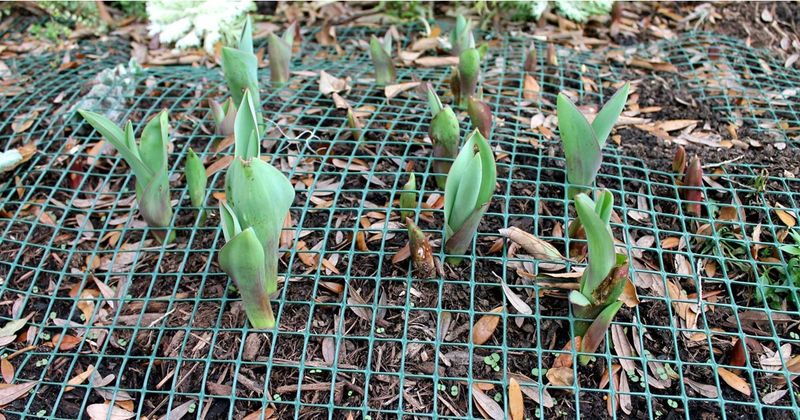
Wire mesh might just be the most reliable trick in a Michigan gardener’s toolkit when it comes to keeping squirrels away from freshly planted bulbs.
Hardware cloth or chicken wire laid flat over the soil creates a physical barrier that squirrels simply cannot dig through.
It is affordable, easy to find at most garden centers, and works incredibly well season after season.
Squirrels are most active digging during fall and early spring, which happens to be exactly when gardeners are planting tulips and other spring bulbs. Placing the mesh directly on the soil surface right after planting stops them before they even get started.
You can secure the edges with garden stakes or heavy rocks to keep everything firmly in place through wind and rain.
The best part about this method is that it does not harm your plants at all. Once your bulb shoots start pushing through the soil in spring, you simply lift and remove the mesh.
The shoots grow right through the openings without any trouble. Cut the mesh into sections ahead of time so it is easy to store and reuse for many seasons.
Michigan gardeners who use this method consistently report far less digging damage compared to those who skip it entirely.
2. Plant Bulbs At The Correct Depth
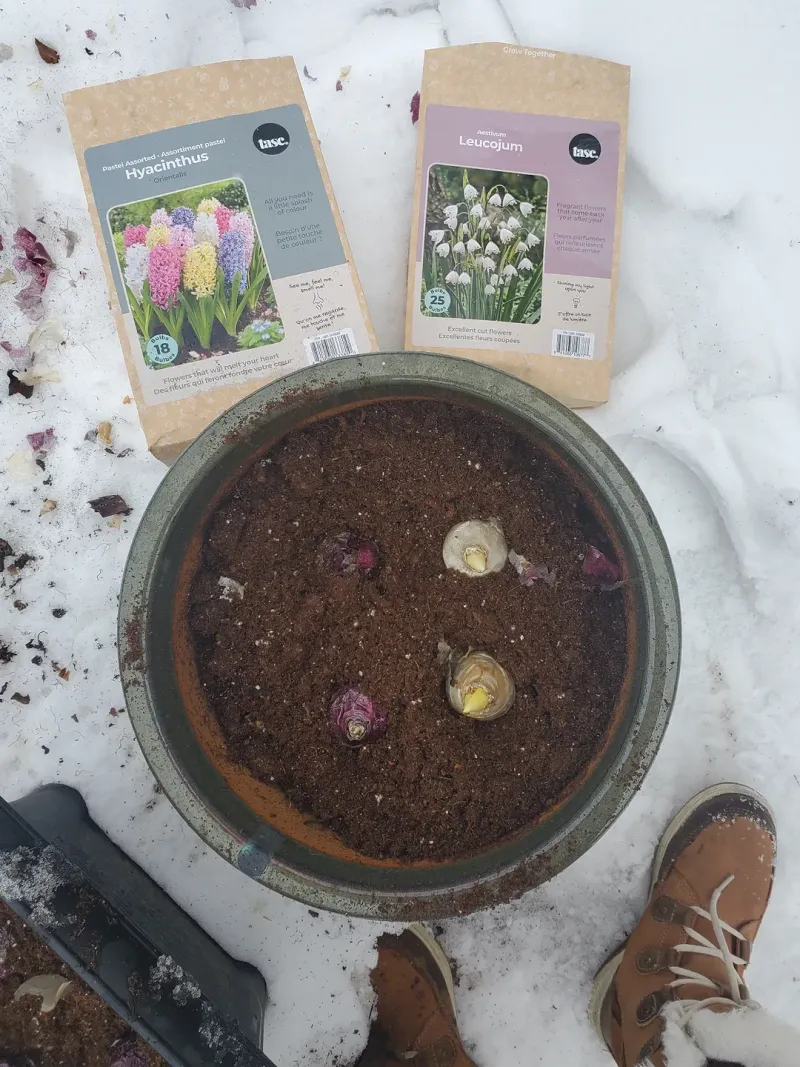
Planting depth is one of those simple details that makes a surprisingly big difference when it comes to protecting your bulbs.
Most spring-blooming bulbs should be planted at a depth of two to three times their own height, which for tulips often means going six to eight inches down into the soil.
That extra depth puts your bulbs well out of reach for most squirrels digging around Michigan garden beds.
Squirrels tend to dig only a few inches deep when searching for food. They rely heavily on scent to find buried items, but the deeper a bulb is planted, the harder it becomes for them to detect it through the soil.
Combining correct depth with other protective strategies gives your bulbs the best possible chance of surviving the season untouched.
Always check the planting instructions on the bulb packaging before you plant, since different varieties have different depth requirements. Tulips and hyacinths generally do well at six to eight inches, while smaller bulbs like crocuses go a bit shallower.
Using a bulb planter tool makes it easy to achieve consistent depth across your entire Michigan garden. This one simple habit, done right every fall, pays off with a beautiful and undisturbed display of color each spring.
3. Use Gravel Or Grit In Planting Holes
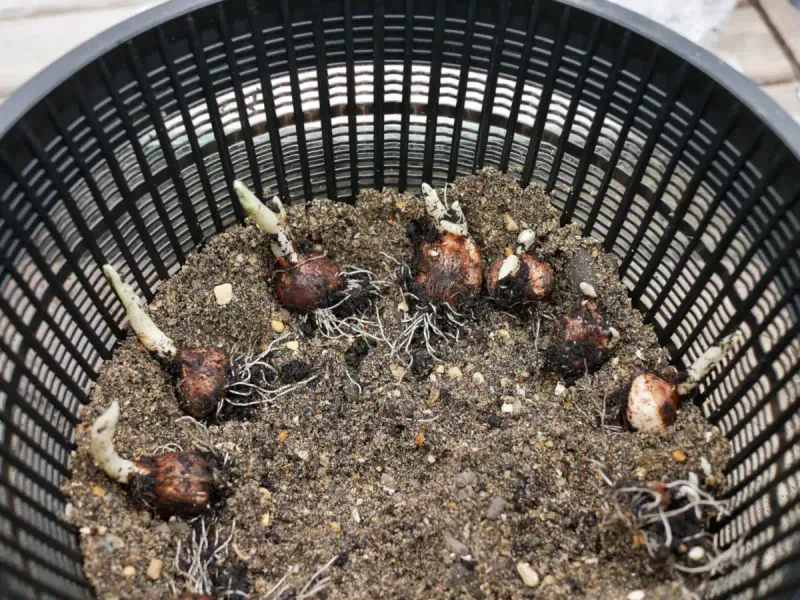
Squirrels have soft, sensitive paws, and they strongly prefer digging through loose, fluffy soil. Adding a layer of coarse gravel, crushed oyster shells, or chicken grit directly above your bulbs creates a texture that is uncomfortable and uninviting for them to dig through.
It is a surprisingly simple trick that works really well in Michigan gardens where squirrel pressure can be intense.
After placing your bulbs at the proper depth, pour a generous layer of grit or coarse gravel into the hole before covering everything with soil. The rough material sits right above the bulb, acting like a scratchy shield that discourages digging.
Squirrels will often start to dig, feel the uncomfortable texture, and quickly move on to easier targets nearby.
Chicken grit is easy to find at farm supply stores and garden centers throughout Michigan, making it a very accessible option for most gardeners.
Crushed oyster shells work in a similar way and can even add a small amount of calcium to the soil over time, which some plants appreciate.
You do not need a thick layer for this to be effective. Just two to three inches of grit placed above the bulb is usually enough to send squirrels searching elsewhere, leaving your spring garden beautifully intact when the warmer months finally arrive.
4. Choose Less Attractive Bulbs
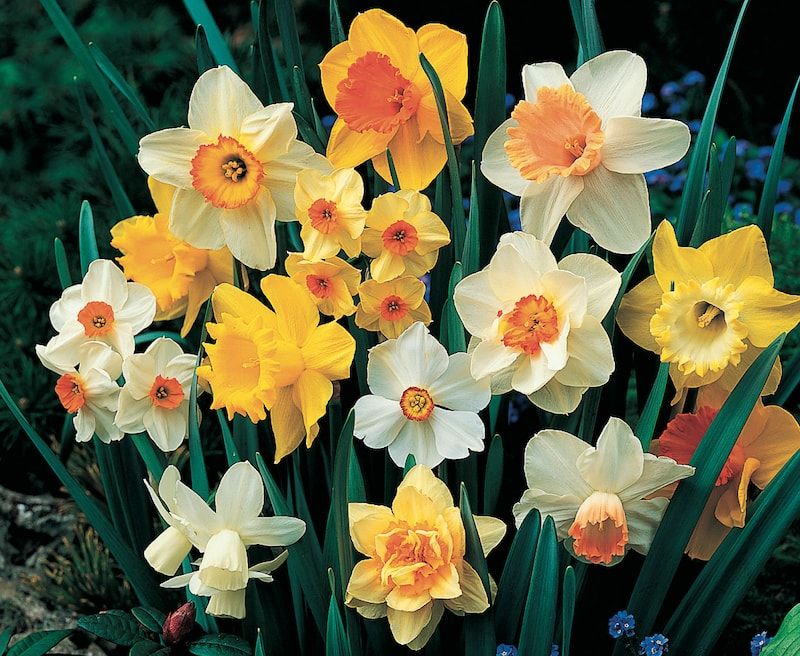
Not every bulb is equally appealing to squirrels, and that is genuinely great news for Michigan gardeners who want a low-maintenance solution.
Daffodils, also known as Narcissus, contain a naturally occurring compound that makes them unpalatable and even mildly toxic to squirrels.
Snowdrops, or Galanthus nivalis, are another reliable choice that squirrels tend to leave completely alone.
Alliums, fritillaries, and grape hyacinths are also well-known for being far less tempting to squirrels than tulips or crocuses. Planting a mix of these squirrel-resistant varieties throughout your Michigan garden does not mean sacrificing beauty at all.
Many of these options produce stunning, colorful blooms that rival the most popular spring flowers in terms of visual impact and garden appeal.
Interplanting squirrel-resistant bulbs alongside more vulnerable ones can also help protect the entire bed. Squirrels that encounter daffodils while searching for tulips may simply give up and move on.
Over time, you can gradually shift your garden toward more resistant varieties while still enjoying plenty of color and variety each spring. Michigan garden centers typically carry a wide selection of these bulbs every fall, making it easy to stock up before the ground freezes.
Choosing the right bulbs from the start is one of the smartest, most effortless ways to stay ahead of the squirrel problem.
5. Mulch Lightly After Planting
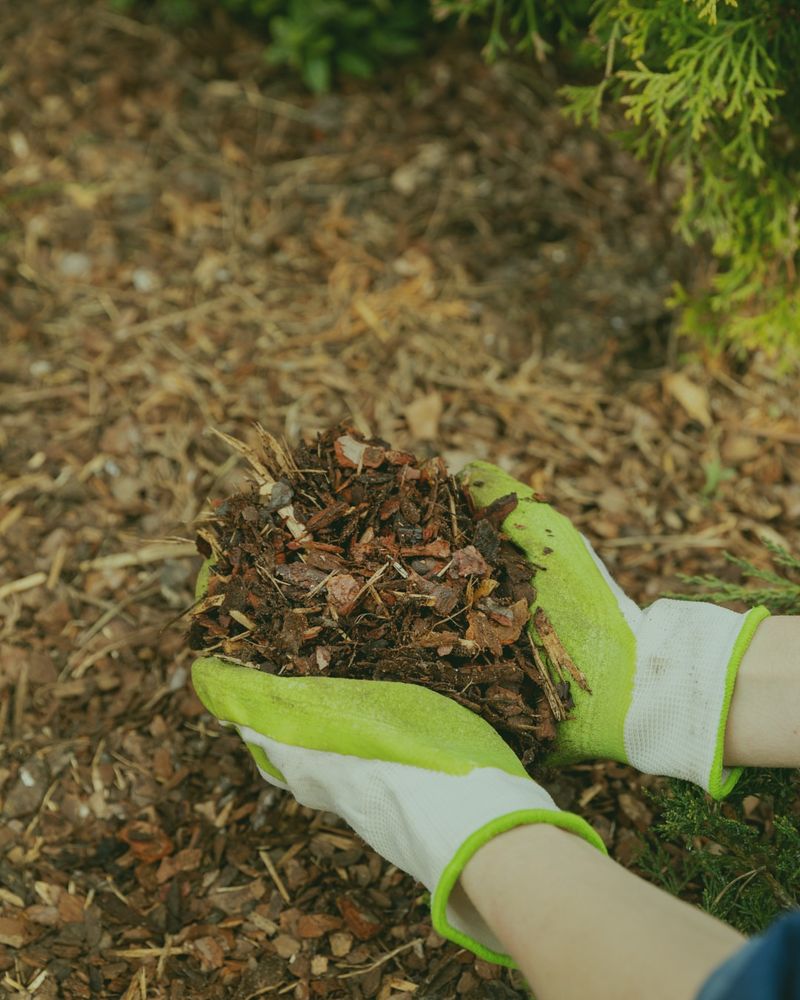
Freshly turned soil is like a flashing neon sign to a squirrel. The disturbed earth looks different, smells different, and practically invites them to start digging.
Applying a light layer of mulch right after planting helps disguise that freshly dug look and reduces the scent trail that attracts squirrels to your Michigan garden beds in the first place.
The key word here is light. A thin layer of shredded leaves, wood chips, or straw, about one to two inches thick, is all you really need at planting time.
Going too thick with the mulch right away can actually backfire. Dense mulch creates a soft, loose layer that makes it even easier for squirrels to dig down toward your bulbs rather than harder.
Mulch also offers real benefits beyond squirrel deterrence. It helps regulate soil temperature through Michigan’s unpredictable fall and winter weather, retains moisture around the bulbs, and breaks down over time to improve soil quality.
In early spring, as your bulb shoots begin emerging, you can add a slightly thicker layer of mulch to help suppress weeds. Just keep it away from the base of the emerging shoots so they have room to grow freely.
A little mulch goes a long way toward protecting and nurturing your spring garden all at once.
6. Use Temporary Covers Or Cloches
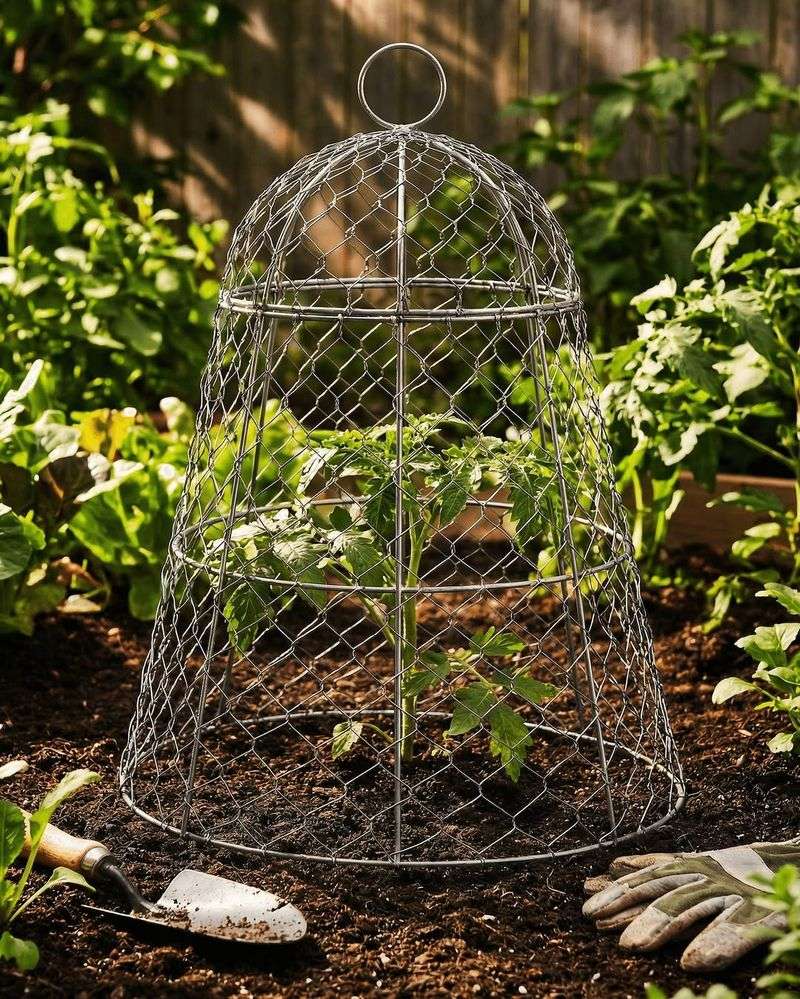
Sometimes the most effective protection is also the most visible. Placing row covers, garden netting, or simple cloches directly over your freshly planted bulb beds creates a physical obstacle that squirrels find frustrating and difficult to work around.
Early spring in Michigan is when squirrels are especially hungry after a long winter, making them more persistent than usual in searching for buried food.
Row covers made from lightweight garden fabric are widely available at garden centers and online. They let sunlight, air, and moisture pass through while keeping squirrels out.
Netting works in a similar way and can be secured tightly around the edges with garden staples or heavy stones to prevent squirrels from lifting the corners and sneaking underneath.
Garden cloches, which are small dome-shaped covers placed over individual plants or planting spots, are another practical option for protecting smaller areas or prized bulb varieties.
They are especially handy for protecting tulips and crocuses, which squirrels seem to target most aggressively.
Once your bulb shoots are a few inches tall and well established, you can remove the covers entirely without any worry.
Many Michigan gardeners keep a set of row covers on hand year after year, using them not only for squirrel protection but also to shield early emerging plants from late spring frosts that are common across the state.
7. Avoid Leaving Bulb Debris On The Surface
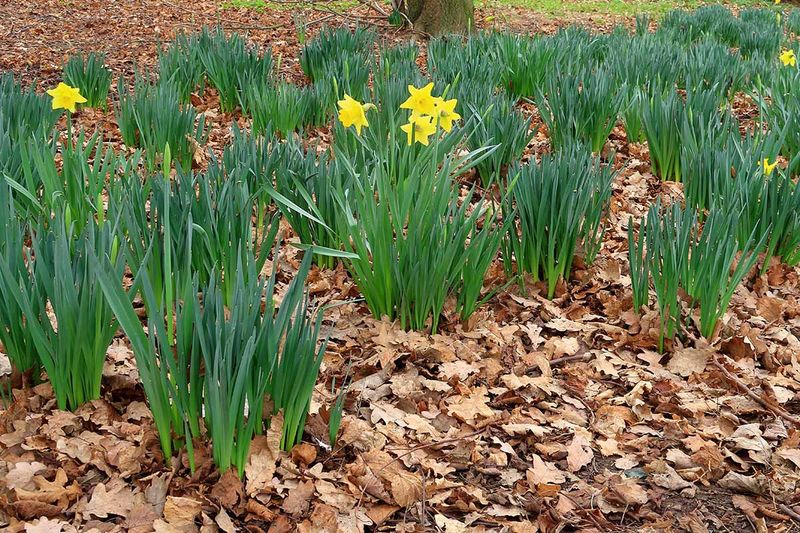
Here is something many gardeners overlook completely: the papery outer skins that fall off bulbs during planting are a surprisingly strong squirrel attractant. Those dry flakes carry the scent of the bulb, and squirrels can pick up on that smell from a remarkable distance.
Leaving bulb debris scattered across the soil surface is basically an open invitation for squirrels to start investigating your freshly planted Michigan garden bed.
After planting, take a few extra minutes to collect all the loose bulb skins, broken pieces, and any other plant material left on the ground. Drop everything into a bag or compost bin well away from the garden.
Then smooth the soil surface with a rake or your hands so it looks as undisturbed and natural as possible. The less visual and scent-based evidence of recent digging, the better.
This cleanup step takes only a few minutes, but it can make a real difference in how much squirrel activity you see near your bulb beds. Squirrels that cannot detect a strong scent trail are far less motivated to dig in a particular spot.
Pairing this habit with other protective strategies like wire mesh or correct planting depth creates a layered defense that is much harder for squirrels to overcome. Michigan gardeners who are tidy after planting consistently report fewer issues with squirrel digging throughout the season.
8. Plant Bulbs Among Established Plants
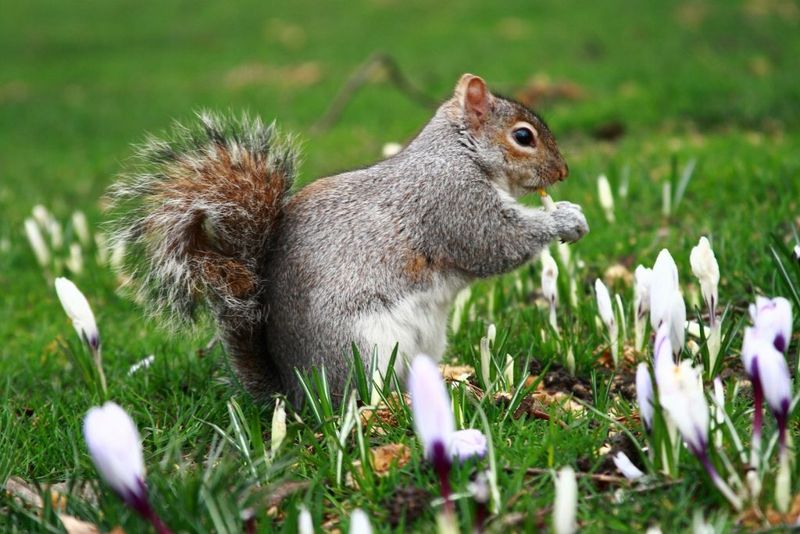
Open, freshly dug soil stands out in a garden like a blank canvas, and squirrels notice it immediately. Planting your bulbs within established garden beds, dense groundcovers, or among existing perennials makes them far less visible and accessible to curious squirrels.
The existing root systems and plant material already present in those beds create a natural obstacle that discourages casual digging.
Michigan gardeners who tuck bulbs into the spaces between hostas, ornamental grasses, or low-growing groundcovers often find that those bulbs survive the winter with far less interference.
The surrounding plants hide the signs of recent planting and make the soil surface look continuous and undisturbed.
Squirrels are opportunistic animals and tend to focus their energy where digging is easiest and most rewarding.
You do not need to sacrifice your garden design to make this work. Many spring bulbs naturalize beautifully among perennials and groundcovers, creating layered displays of color that look intentional and polished.
Planting tulips among daylilies, for example, allows the tulips to bloom in spring while the daylilies fill in the space as the season progresses. It is a smart, practical strategy that doubles as great garden design.
For Michigan gardeners dealing with persistent squirrel pressure, integrating bulbs into established plantings is one of the most natural and visually appealing solutions available.
9. Water And Firm The Soil After Planting
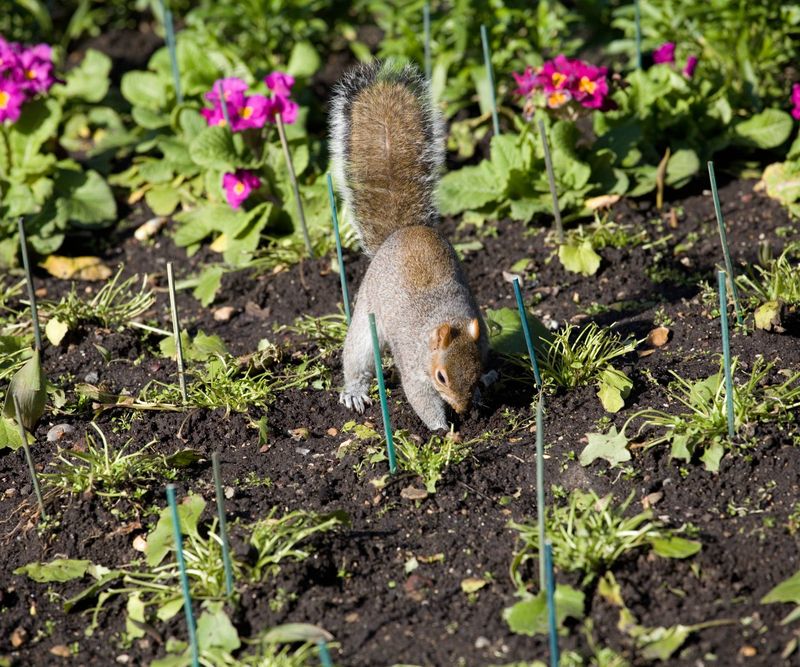
Watering your bulbs right after planting is good gardening practice for many reasons, but it also plays a surprisingly useful role in deterring squirrels. When you water thoroughly, the soil settles and firms up around the bulbs, closing air pockets and compacting the surface.
This makes the ground feel more solid and less like freshly disturbed earth, which is exactly what squirrels are attracted to when they go searching for buried food in Michigan gardens.
Along with watering, take a moment to press the soil surface down firmly with your hands or the flat side of a trowel. Compacted soil is noticeably harder for squirrels to dig through quickly, and it also reduces the amount of scent released from the freshly turned earth below.
Less scent means less squirrel interest, which means more of your bulbs stay exactly where you planted them.
This simple step takes less than a minute per planting area, but it adds a meaningful layer of protection when combined with other strategies. Watering also encourages bulbs to settle into their new environment and begin establishing roots before the Michigan ground freezes for winter.
Bulbs that are well-settled and surrounded by firm, moist soil are also better positioned to produce strong, healthy shoots come spring. It is one of those small habits that quietly delivers big results across the entire growing season.