How To Protect Emerging Hostas From Spring Wildlife Damage In Michigan
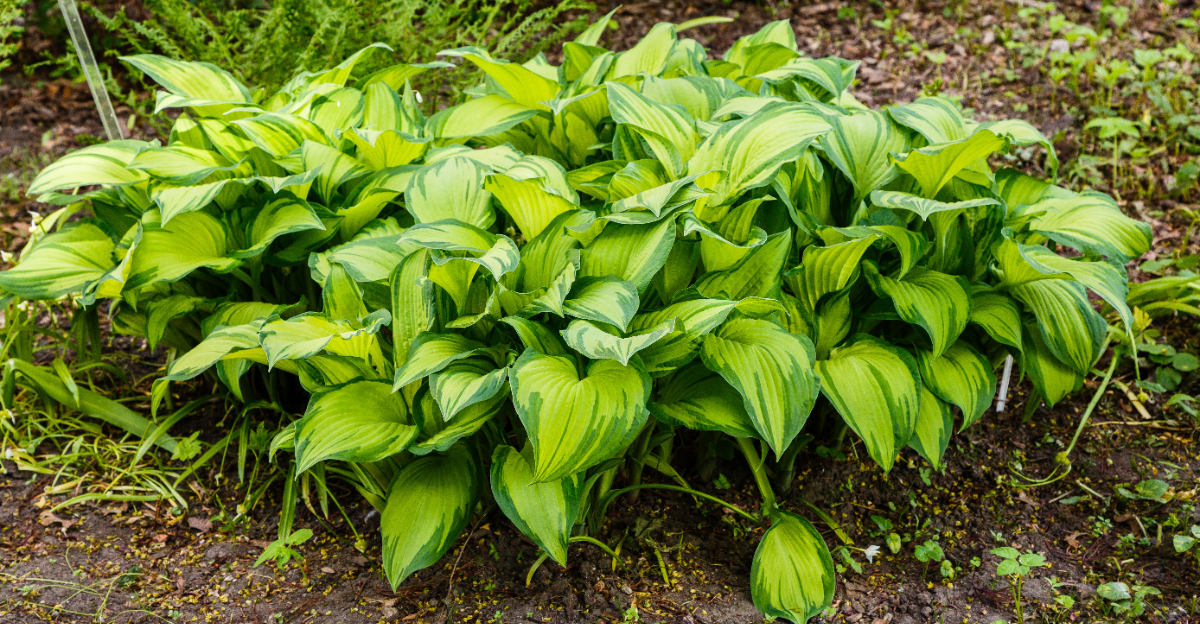
Hostas are one of the first plants to pop up in Michigan gardens each spring, and those fresh green shoots are hard to miss. After a long winter, it is exciting to see them pushing through the soil and coming back to life.
But they are not the only ones paying attention. As temperatures rise, hungry wildlife begins to search for easy food, and tender hosta leaves are often at the top of the list.
It can be frustrating to watch new growth disappear almost overnight, especially when your plants were just getting started. Deer, rabbits, and other small animals are quick to take advantage of these early greens.
The good news is that you do not have to give up on growing hostas. With the right steps taken early in the season, you can protect those young plants and give them a chance to grow strong.
Once you know what to watch for, keeping your hostas safe becomes much easier.
1. Start Protection Early As Shoots Emerge
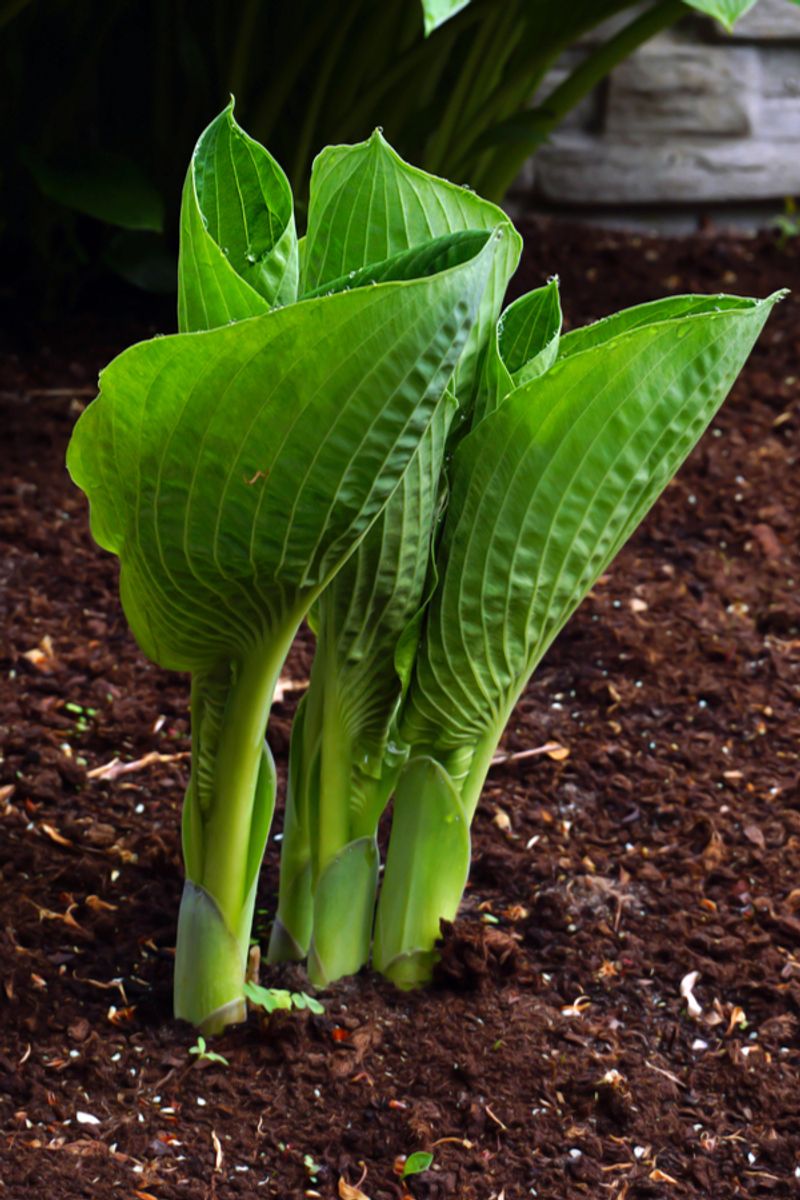
Something almost magical happens in a Michigan garden when the first hosta tips push through cold soil in April. Those tiny, tightly rolled shoots are packed with new energy, and unfortunately, deer and rabbits notice them just as fast as you do.
Acting early, before any real damage occurs, is the single most powerful habit a Michigan gardener can build.
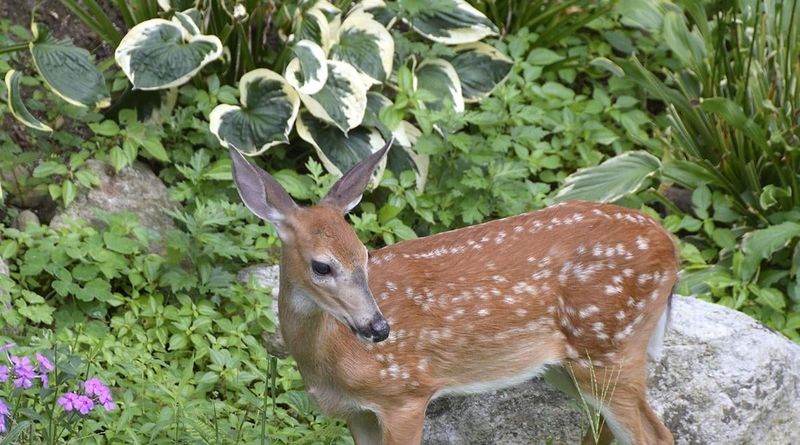
Deer tend to target hostas right after snowmelt when other food sources are still scarce across the state. Rabbits are equally bold in early spring, nibbling shoots down to nothing overnight without much warning at all.
Knowing this pattern helps you stay one step ahead instead of reacting after the plants are already damaged.
Watch the soil closely once temperatures stay consistently above freezing, usually in late March or early April across most of Michigan. The moment you spot the first rounded tips breaking the surface, that is your signal to act.
Setting up protection before wildlife even discovers the plants is far more effective than trying to fix the situation afterward. A little early effort saves weeks of frustration and gives your hostas the clean, strong start they deserve for a great growing season.
2. Use Physical Barriers For Reliable Protection
Few things beat a solid physical barrier when it comes to keeping deer and rabbits away from your hostas in Michigan. Wire cages, garden fencing, and mesh covers create a simple but highly effective layer of defense that wildlife simply cannot push through.
The best part is that these solutions work around the clock without any extra effort from you.
For deer protection, a fence needs to be at least eight feet tall since deer are surprisingly capable jumpers when motivated by hunger.
For rabbits, a low chicken wire fence about two feet high works well, especially when the bottom edge is staked firmly into the ground to prevent digging underneath.
Placing barriers before shoots fully emerge gives you the best results.
Wire cages work especially well for individual hosta clumps and are easy to remove once the plants grow large enough to be less appealing to wildlife. Make sure any mesh openings are small enough to block rabbit access, roughly one inch or smaller is ideal.
Secure the cage edges with garden stakes so animals cannot tip them over or push them aside.
Michigan gardeners who use physical barriers consistently report far less spring damage compared to those who rely on repellents alone, making this one of the most dependable options available for protecting your garden.
3. Apply Repellents Before Damage Begins
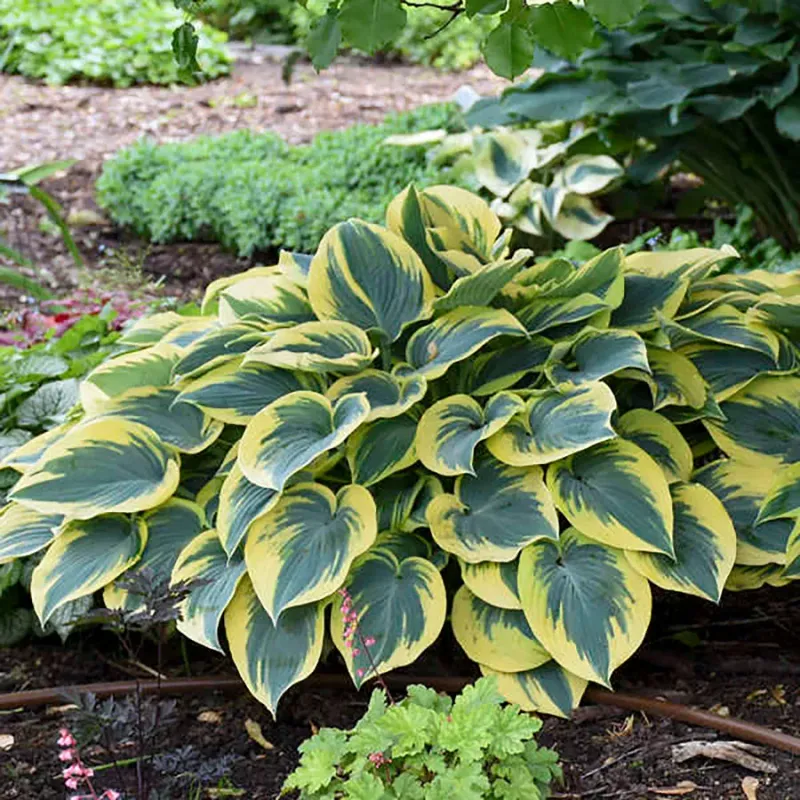
Repellents work best when applied before animals ever take their first bite, not after they have already discovered a tasty food source.
Many Michigan gardeners make the mistake of waiting until they see chewed leaves, but by then the feeding habit is already established and much harder to break.
Getting repellent on your hostas early in the season sets the right tone from the start.
Scent-based repellents use strong odors like putrescent egg solids or garlic to make the area unappealing to deer and rabbits. Taste-based options contain ingredients like capsaicin that create an unpleasant experience the moment an animal tries to feed.
Both types are widely available at Michigan garden centers and work well when used consistently throughout the spring season.
Spring rain is one of the biggest challenges with repellents because it washes the product off the leaves faster than expected. Reapplying every seven to ten days, or immediately after a heavy rainfall, keeps the deterrent effect strong and reliable.
Some products are labeled as rain-resistant, which can reduce how often you need to reapply during Michigan’s notoriously wet April and May weather.
Rotating between different repellent types also helps prevent animals from getting used to a single scent or taste over time, keeping your hosta protection fresh and effective all season long.
4. Reduce Nearby Cover That Attracts Small Animals
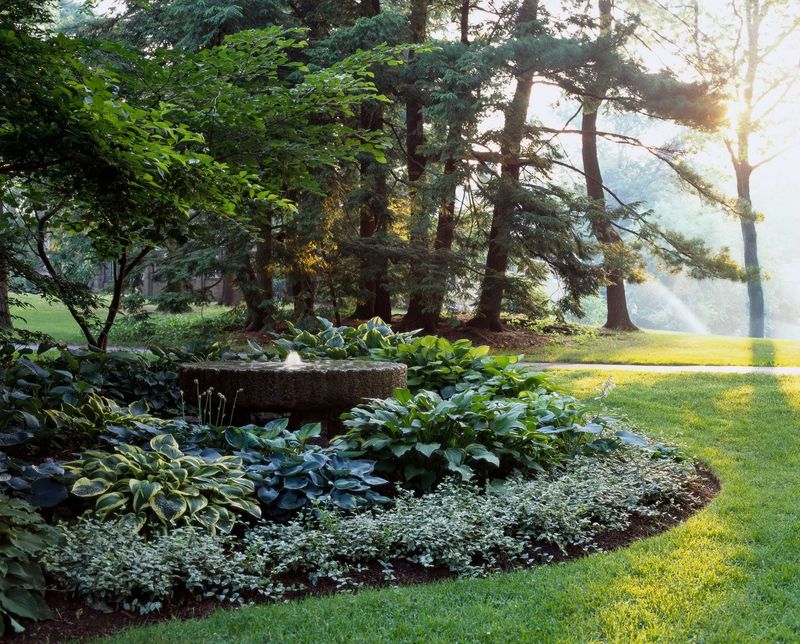
Rabbits and other small animals do not wander far from cover when they feed, so your garden layout plays a bigger role in wildlife activity than most people realize.
Dense brush piles, overgrown shrub edges, and thick groundcovers near your hosta beds essentially create a welcome mat for hungry spring visitors.
Cleaning up these areas before the season starts can noticeably reduce how often animals visit your plants.
Brush piles left over from fall cleanup are especially common in Michigan yards and provide perfect hiding spots for rabbits throughout the winter and into spring.
Removing or relocating these piles away from your garden beds takes away the shelter that small animals depend on when feeding nearby.
Even trimming back dense shrubs along garden borders makes the area feel more exposed and less inviting to cautious animals.
Weedy edges and unmaintained fence lines are also worth addressing before hostas emerge in spring.
Animals use these corridors to travel through yards while staying hidden, and a clear open space between wild areas and your garden creates a natural hesitation point.
You do not need a perfectly manicured yard to make a difference, just reducing the thickest cover closest to your hostas is enough.
Michigan gardeners who manage their yard edges consistently tend to see less repeated feeding pressure on their spring plants compared to those who leave heavy cover in place.
5. Avoid Heavy Mulch Right Against New Growth
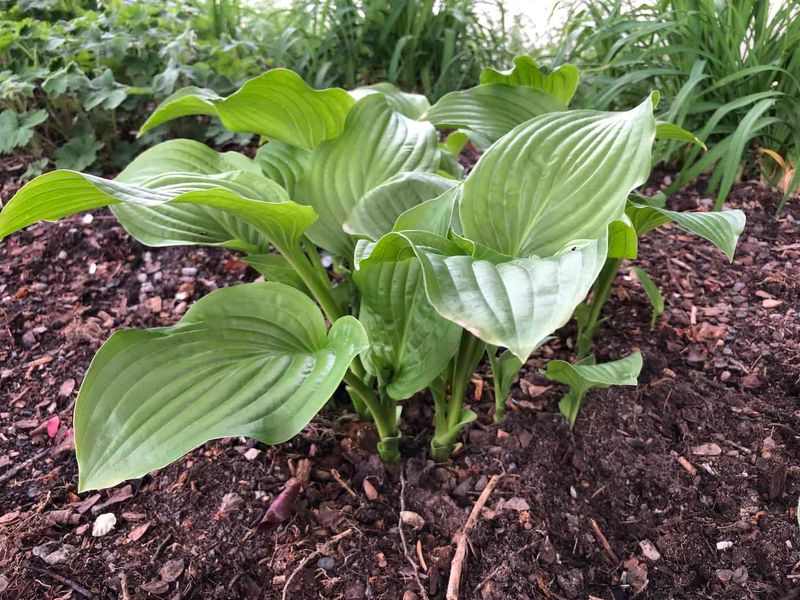
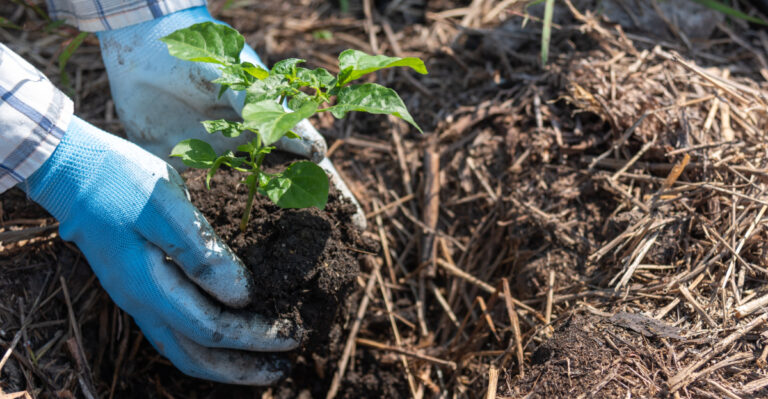
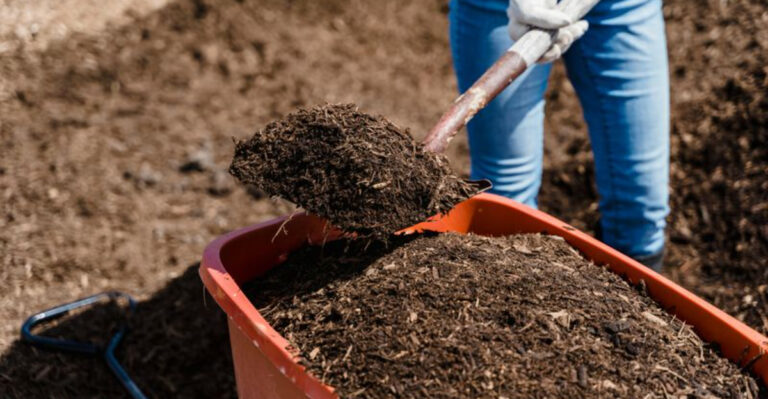
Mulch is a fantastic tool for moisture retention and temperature regulation, but too much of it right up against new hosta growth can cause unexpected problems in spring.
Thick mulch piled close to the crown creates a cozy, hidden environment that small animals like voles and mice absolutely love.
These creatures can nibble on emerging shoots without ever being visible from above, making it tricky to catch them in the act.
Slugs are another issue that heavy mulch can encourage around hostas, especially in the damp Michigan spring climate.
Moisture trapped under thick layers of mulch near new growth creates the perfect conditions for slugs to shelter during the day and feed on tender leaves at night.
Keeping the mulch layer thinner, around two to three inches maximum, and pulling it back slightly from the crown reduces this risk considerably.
A good rule of thumb is to leave a clear two-inch gap between the mulch edge and the base of each emerging hosta.
This small adjustment keeps the crown visible, reduces hiding spots for small animals, and allows you to spot early signs of feeding damage much more easily.
Michigan gardeners often find that simply adjusting their mulching habits in spring, without removing it entirely, makes a meaningful difference in how much wildlife activity occurs right around their most vulnerable plants during the early growing season.
6. Use Temporary Netting During Peak Spring Feeding
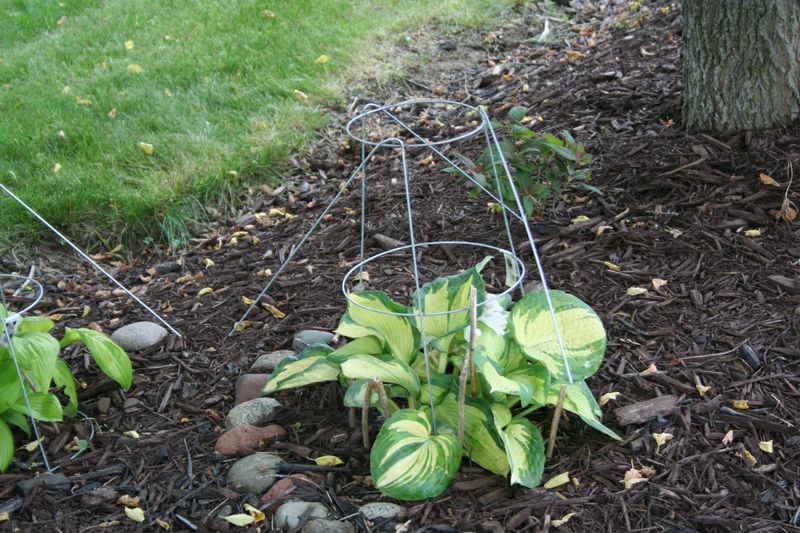
Temporary netting is one of the most underrated tools in a Michigan gardener’s spring toolkit, and it works surprisingly well when used at the right time.
The peak feeding window for deer and rabbits in Michigan typically runs from late March through mid-May, when natural food sources are still limited and new plant growth is everywhere.
Covering your hostas with lightweight garden netting during this period gives them a protected window to grow stronger and larger.
Garden netting is affordable, easy to find at local Michigan hardware or garden stores, and simple to install over individual plants or entire garden beds. Use garden stakes or hoops to keep the netting lifted off the leaves so it does not press down on the emerging shoots as they grow.
Securing the edges with landscape staples or rocks prevents deer from nosing underneath and rabbits from squeezing through gaps along the ground.
One thing to keep in mind is that netting should be checked regularly to make sure no animals have become tangled in it, and it should be removed or lifted once the plants reach a size where feeding pressure naturally decreases.
Most Michigan gardeners find that hostas are far less targeted once the leaves fully unfurl and toughen up by late May.
Using netting for just those critical early weeks can be the difference between a thriving hosta bed and one that spends the whole summer trying to recover from repeated spring damage.
7. Plant In Visible, Open Areas When Possible
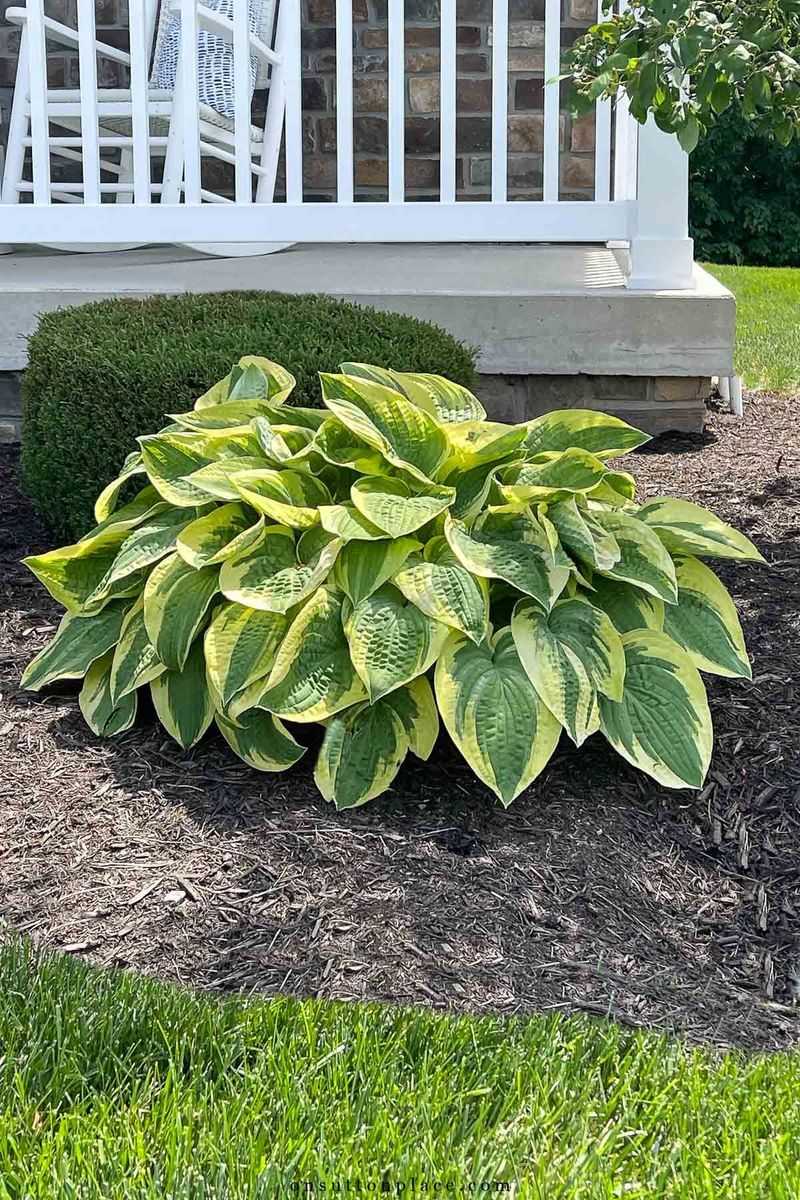
Where you plant your hostas in the yard matters more than most gardeners initially expect, especially in areas of Michigan where deer and rabbit populations are high. Animals are naturally cautious and prefer to feed in spots where they feel sheltered and hidden from view.
Placing hostas in open, well-visible areas of your yard creates a sense of exposure that many animals prefer to avoid.
Beds positioned near the center of a lawn, along a frequently used walkway, or close to the house tend to see less wildlife activity than beds tucked along a tree line or hidden behind dense shrubs.
Human activity and scent near those areas also acts as a natural deterrent throughout the day. Michigan backyards that border wooded areas or fields are especially worth thinking about when choosing hosta placement.
You do not always have complete control over where hostas can grow since they need shade to thrive, but even small adjustments in positioning can reduce feeding frequency over time.
Choosing a spot that gets dappled light from overhead trees rather than dense cover from surrounding shrubs gives you the shade hostas need while keeping the planting area more open and visible.
Thinking about garden layout as part of your overall wildlife strategy is a smart, long-term approach that complements all your other protection efforts throughout the Michigan spring gardening season.
8. Monitor Daily During Early Spring Growth
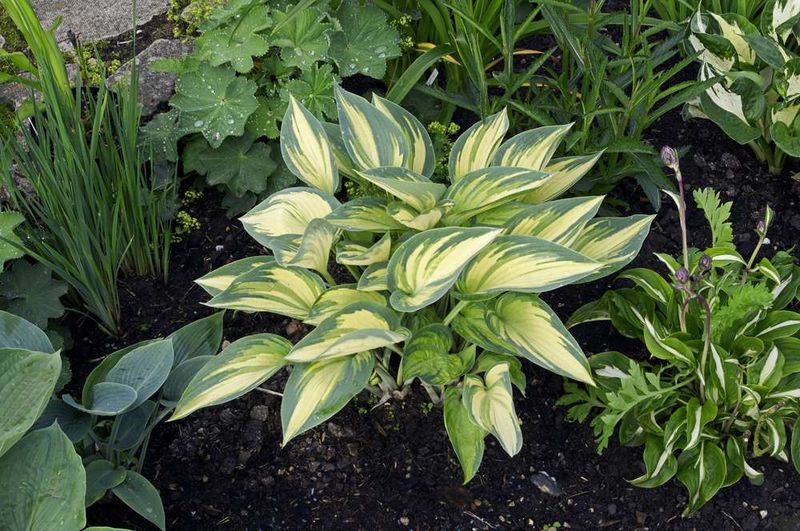
Spending just a few minutes in your garden each morning during early spring can make an enormous difference in how well your hostas survive the season.
Wildlife feeding can happen surprisingly fast, and a clump of hostas that looked perfect yesterday can look completely stripped by the next morning.
Regular monitoring gives you the chance to catch problems early and respond before serious damage accumulates.
Look for clean, angled cuts on emerging shoots, which are a telltale sign of rabbit activity in Michigan gardens. Ragged, torn edges on larger leaves point more toward deer feeding.
Slime trails on the soil or leaves indicate slug activity, which tends to peak during cool, wet Michigan spring nights when conditions are ideal for these pests to move around freely.
Keeping a simple garden journal or even snapping a quick phone photo every few days helps you track changes over time and notice patterns in when and where feeding occurs.
If you spot fresh damage, that is your cue to add or refresh repellents, adjust barriers, or install netting before the problem gets worse.
Michigan’s spring wildlife season is relatively short, typically just six to eight weeks of high feeding pressure, so staying attentive during that window gives your hostas the best possible chance to grow strong, healthy, and full through the rest of the gardening season ahead.