How To Protect Evergreen Shrubs In Colorado From Harsh Winter Burn
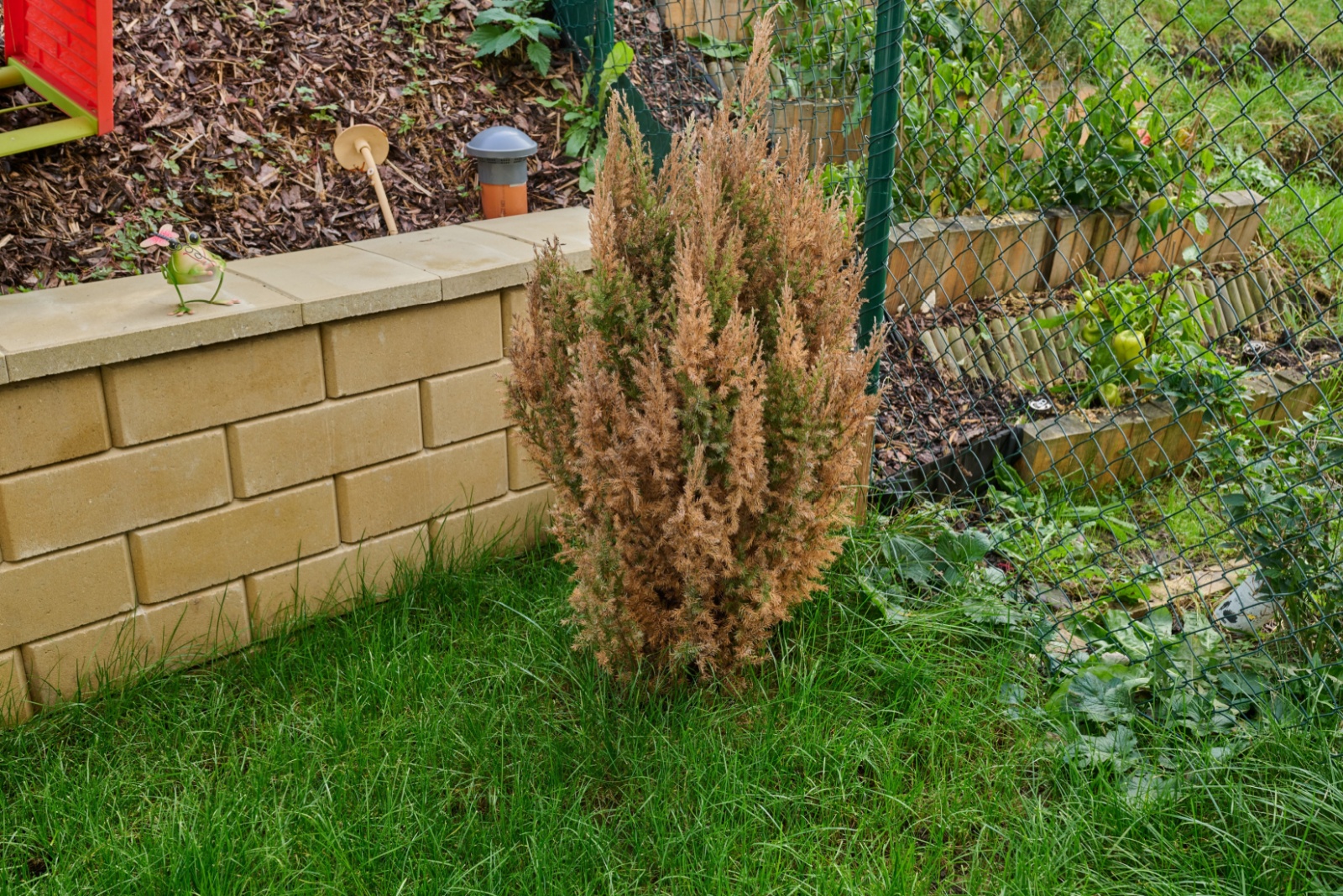
Colorado winters can be brutal on evergreen shrubs.
The combination of freezing temperatures, strong winds, and intense sunlight creates a perfect storm for winter burn.
This condition happens when evergreens lose moisture faster than their roots can replace it from frozen soil.
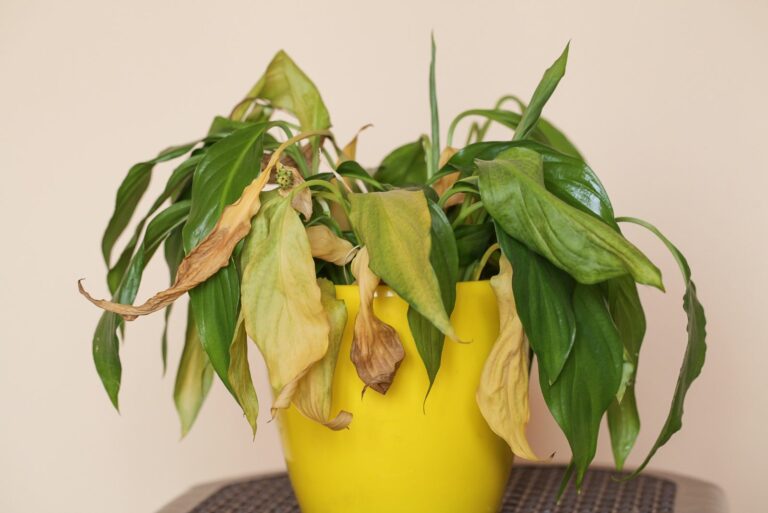
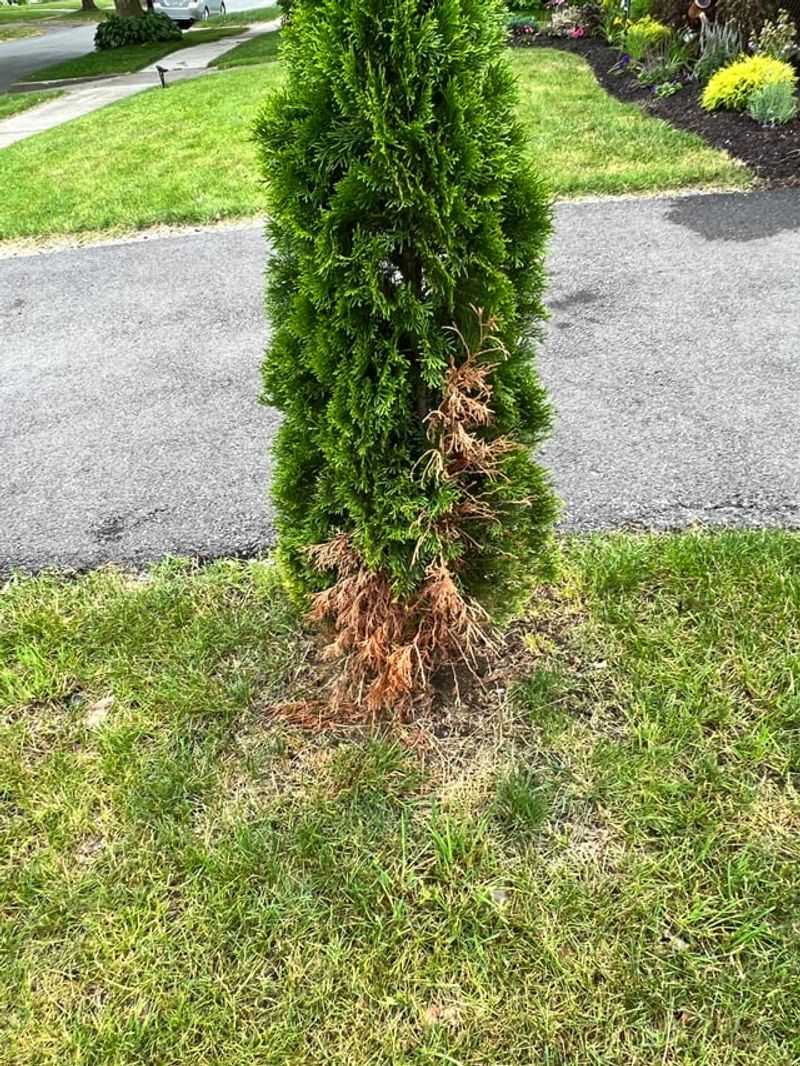
Brown, crispy foliage appears on your once-vibrant shrubs, and the damage can last well into spring.
Fortunately, you can take steps to shield your evergreens from this harsh reality.
Colorado gardeners face unique challenges because of the state’s high altitude, low humidity, and unpredictable weather patterns.
Your junipers, yews, and arborvitae need extra attention to survive the cold months looking healthy.
Protection strategies range from simple watering schedules to physical barriers against wind and sun.
Each method plays a vital role in keeping your landscape beautiful through winter.
Many homeowners assume their evergreens can handle winter on their own, but that assumption often leads to disappointment.
The good news is that preventing winter burn requires just a bit of planning and effort.
With the right techniques, your shrubs will emerge from winter ready to thrive in spring.
1. Water Deeply Before The Ground Freezes
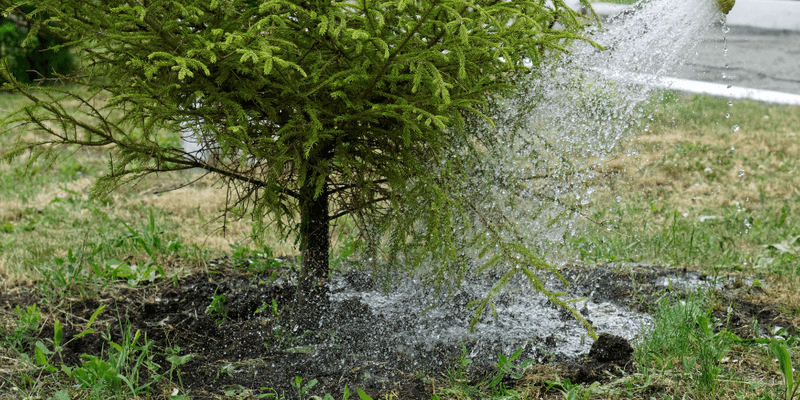
Proper hydration before winter arrives makes all the difference for your evergreens.
Roots need moisture stored in the soil to feed the foliage throughout the cold months.
When the ground freezes, water becomes locked away and unavailable to the plant.
Focus on deep watering sessions during late fall, especially during dry spells.
Aim to soak the soil to a depth of twelve inches around each shrub.
This ensures the entire root zone has access to moisture reserves.
Colorado’s dry climate means you cannot rely on natural precipitation alone.
Even in winter, evergreens continue to lose water through their needles.
Without adequate soil moisture, they cannot replace what they lose.
Water on days when temperatures rise above freezing and the ground remains soft.
Early morning works best so the water has time to soak in before evening frost.
Continue this practice until the ground becomes too hard to absorb water.
A well-hydrated shrub enters winter with a full tank, so to speak.
This simple step dramatically reduces the risk of winter burn.
Think of it as giving your plants a survival advantage against harsh conditions.
Mulch around the base helps retain soil moisture longer.
This combination of deep watering and mulch creates ideal conditions for winter survival.
2. Apply Anti-Desiccant Spray To Foliage
Anti-desiccant sprays create a protective coating on evergreen needles.
This invisible barrier slows down moisture loss from the foliage.
Colorado’s dry air and bright winter sun can quickly strip moisture from unprotected plants.
Apply the spray on a mild day when temperatures stay above forty degrees.
Choose a calm day without wind to ensure even coverage.
The product needs time to dry properly before freezing temperatures return.
Coat all sides of the shrub thoroughly, paying attention to the sunny side.
South and west-facing portions of your evergreens face the most intense exposure.
These areas benefit most from the protective film.
Most products require reapplication every four to six weeks throughout winter.
Check the label for specific timing recommendations.
A second application in mid-winter reinforces protection during the harshest months.
Some gardeners notice an immediate difference in foliage color and health.
Treated shrubs maintain their rich green hue while untreated ones fade to brown.
This method works especially well for newly planted evergreens still establishing their root systems.
Brands vary in effectiveness, so research before purchasing.
Garden centers in Colorado typically stock reliable options suited to local conditions.
The investment pays off when your shrubs emerge from winter undamaged.
3. Install Burlap Windbreaks Around Shrubs
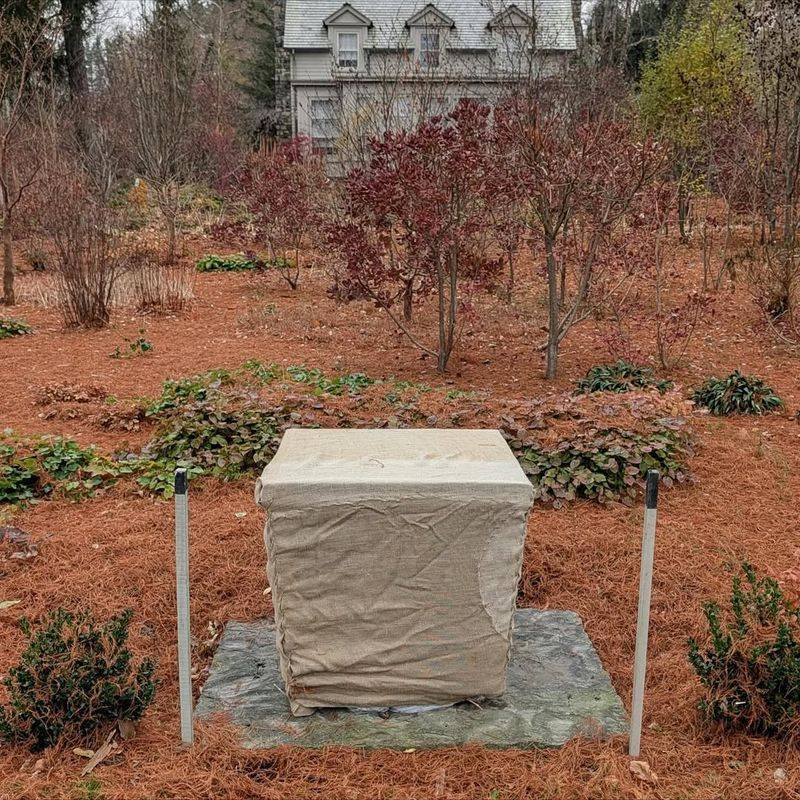
Wind whips across Colorado’s open spaces with relentless force during winter.
Evergreens exposed to constant wind lose moisture at an accelerated rate.
Burlap screens provide an effective shield against these drying gusts.
Position stakes on the windward side of your shrubs, typically the west or northwest.
Attach burlap to the stakes, creating a barrier between the wind and your plants.
The screen should stand taller than the shrubs for maximum protection.
Avoid wrapping burlap directly around the branches.
Tight wrapping traps moisture and can encourage fungal problems.
A freestanding screen works better because it allows air circulation while blocking harsh winds.
Natural burlap breathes better than synthetic materials.
It filters wind without creating a sealed environment.
Synthetic fabrics can trap heat on sunny days, causing temperature fluctuations that stress plants.
Secure the burlap firmly so winter storms cannot tear it down.
Use twine or zip ties to fasten it to the stakes.
Check the barriers periodically throughout winter to ensure they remain intact.
This old-fashioned method has protected evergreens for generations.
Gardeners appreciate its simplicity and effectiveness.
Your shrubs will thank you by maintaining their healthy appearance through the coldest months.
4. Mulch The Root Zone Generously
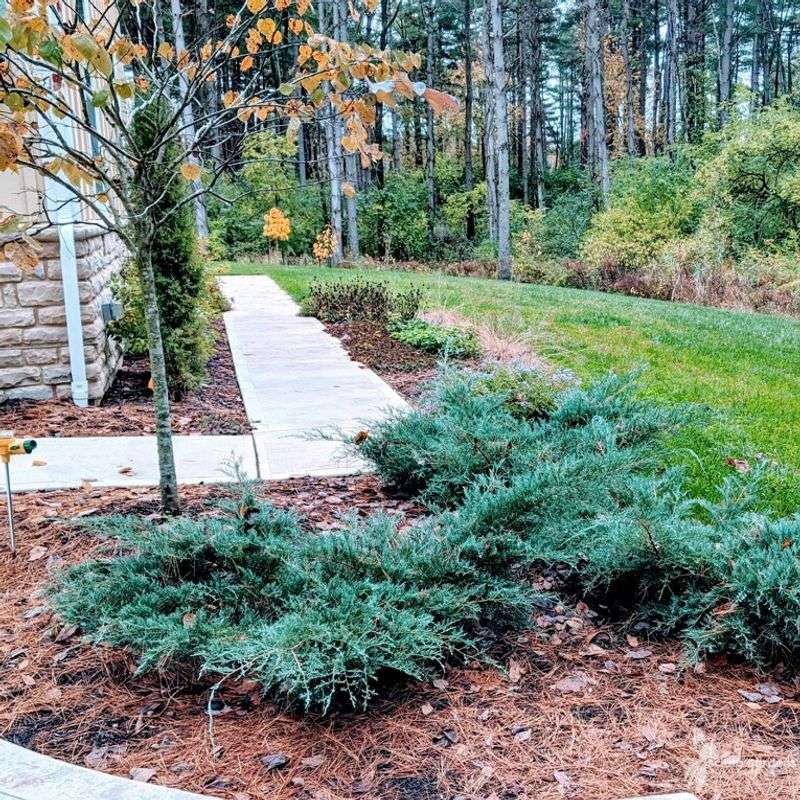
Root protection matters just as much as foliage care.
A generous layer of mulch insulates the soil and moderates temperature swings.
Colorado’s temperature can drop dramatically overnight, stressing plant roots.
Spread three to four inches of organic mulch around each shrub.
Wood chips, shredded bark, or pine needles all work well.
Extend the mulch out to the drip line, covering the entire root zone.
Keep mulch a few inches away from the trunk or main stems.
Direct contact with woody tissue can encourage rot and pest problems.
Create a donut shape rather than a volcano pile against the plant.
Mulch slows water evaporation from the soil surface.
This helps maintain consistent moisture levels throughout winter.
Roots access this moisture when they need it most.
Organic mulch also breaks down slowly, improving soil quality over time.
As it decomposes, it adds nutrients and improves soil structure.
This creates healthier growing conditions for your evergreens.
Apply fresh mulch in late fall before the ground freezes solid.
This timing gives you the best protection for the entire winter season.
Your evergreens will have a cozy blanket protecting their roots from extreme cold.
Come spring, the mulch continues to benefit your plants by suppressing weeds and conserving moisture.
5. Provide Shade Cloth On The South Side
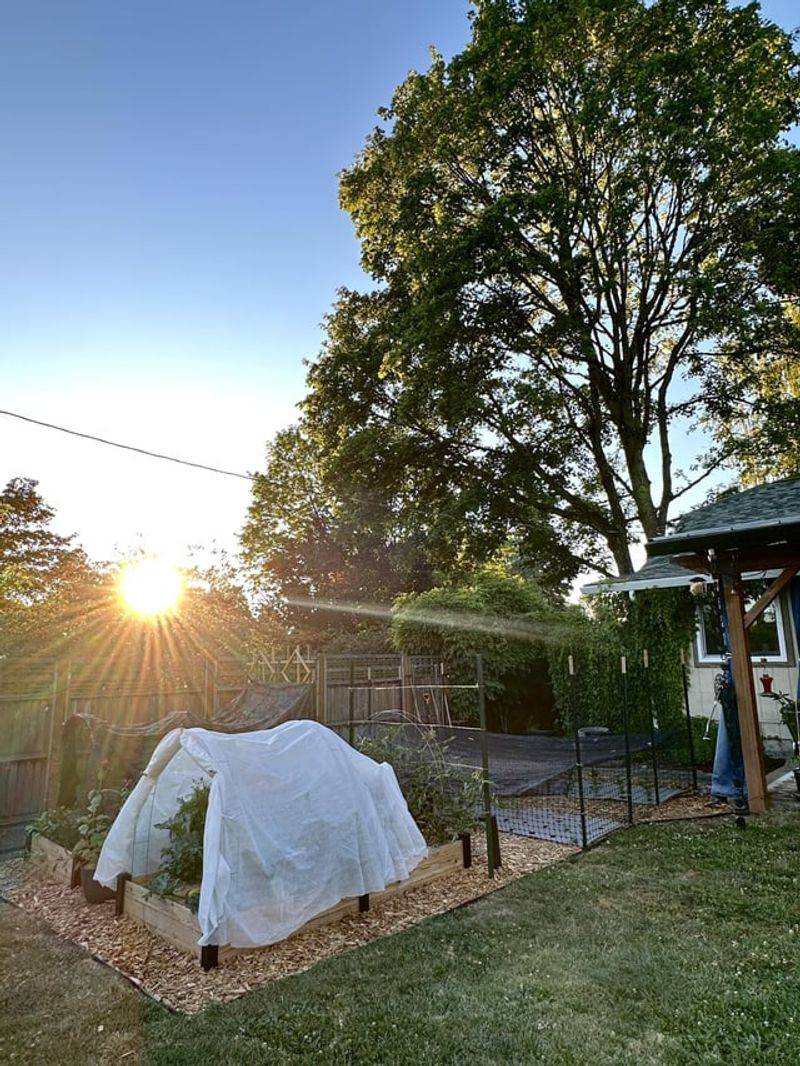
Bright winter sunshine might seem harmless, but it causes serious problems for evergreens.
Intense light warms the needles, triggering them to release moisture.
Meanwhile, frozen roots cannot replace that lost water.
South-facing sides of shrubs receive the most direct sunlight.
These areas show winter burn symptoms first.
Shade cloth reduces light intensity without blocking it completely.
Install a frame or support system on the sunny side of your plants.
Attach shade cloth rated at thirty to fifty percent coverage.
This allows some light through while reducing the intensity.
Position the cloth several inches away from the foliage.
Air needs to circulate freely between the cloth and the shrub.
Good airflow prevents moisture buildup and fungal issues.
White or light-colored shade cloth works best for winter use.
Dark colors absorb too much heat and can create temperature problems.
Light colors reflect excess radiation while providing protection.
Colorado’s high altitude means more intense UV radiation reaches your garden.
Evergreens at elevation face greater sun stress than those at lower altitudes.
Shade protection becomes even more critical in mountain communities.
Remove the shade cloth in early spring when temperatures moderate.
Your shrubs need full sun once active growth resumes.
This temporary protection makes a lasting difference in plant health.
6. Select Cold-Hardy Evergreen Varieties

Not all evergreens handle Colorado winters equally well.
Some species naturally resist winter burn better than others.
Choosing adapted varieties sets you up for success from the start.
Native Colorado evergreens evolved to handle local conditions.
Rocky Mountain juniper and common juniper both tolerate extreme cold and dry winds.
These tough plants rarely show winter damage.
Certain pine species also perform reliably in harsh climates.
Mugo pine and limber pine handle Colorado winters without much fuss.
Their needles resist desiccation better than more tender species.
Avoid evergreens bred for milder climates.
Rhododendrons and some holly varieties struggle in Colorado’s conditions.
Even with protection, they often suffer significant winter damage.
Check hardiness zones before purchasing new shrubs.
Colorado spans zones three through seven, depending on elevation and location.
Select plants rated for at least one zone colder than your actual zone.
Local nurseries typically stock varieties proven to succeed in the area.
Staff can recommend specific cultivars with excellent winter performance.
Their experience saves you from costly mistakes.
Planting adapted species reduces your workload significantly.
Hardy evergreens need less intervention to survive winter.
You can enjoy beautiful landscaping without constant worry about winter damage.
7. Avoid Fertilizing In Late Summer And Fall
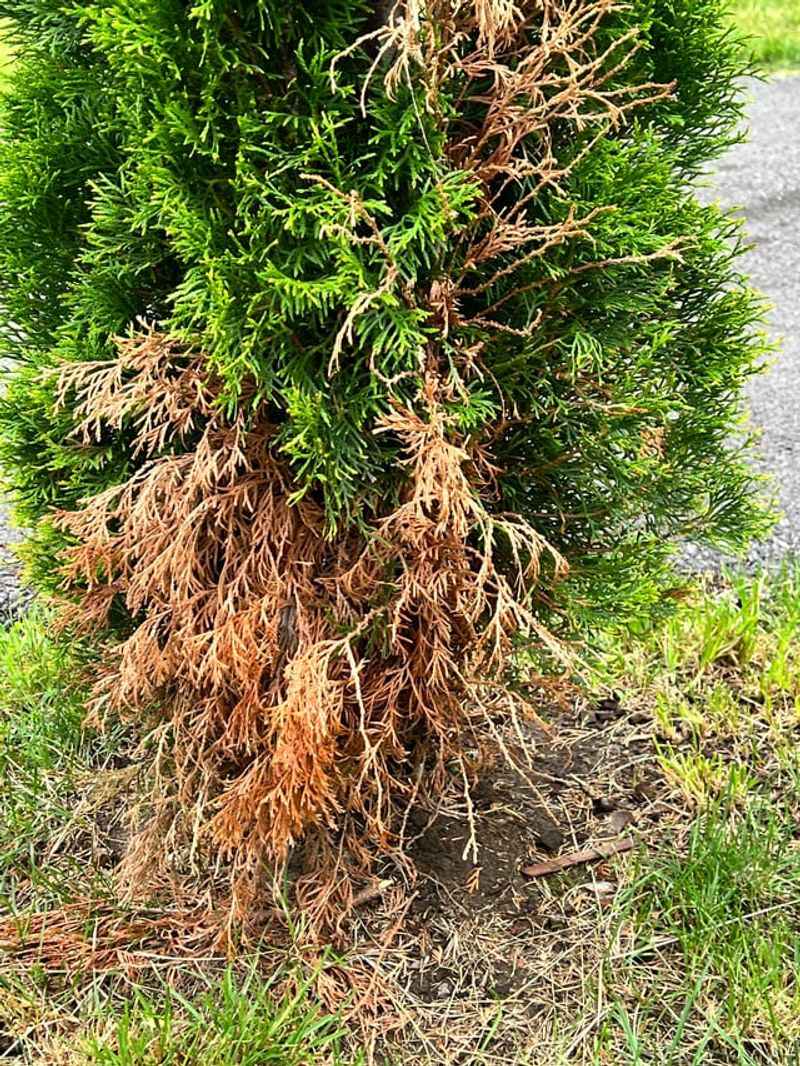
Timing your fertilizer applications correctly prevents winter problems.
Late-season feeding encourages tender new growth.
This fresh growth lacks the hardiness to survive freezing temperatures.
Stop fertilizing evergreens by mid-July in most Colorado locations.
Mountain areas with shorter growing seasons should stop even earlier.
This gives plants time to harden off before cold weather arrives.
Hardening off is the process where plant tissues toughen up.
Cell walls thicken and water content decreases slightly.
These changes help plants withstand freezing without tissue damage.
Nitrogen fertilizers pose the biggest risk when applied late.
Nitrogen pushes rapid green growth that remains vulnerable to cold.
Avoid any high-nitrogen products after early summer.
Phosphorus and potassium support root development and winter hardiness.
A fall application of low-nitrogen fertilizer can actually help.
Look for formulas specifically designed for fall feeding.
Well-established evergreens often need minimal fertilization anyway.
Over-feeding creates more problems than it solves.
Focus on proper watering and mulching instead of heavy fertilization.
Your shrubs should enter winter in a dormant or semi-dormant state.
Active growth at the wrong time leaves them vulnerable to injury.
Strategic fertilizer timing supports natural seasonal rhythms and improves winter survival rates significantly.
8. Monitor And Water During Warm Winter Spells
Colorado winters bring surprisingly warm days mixed with frigid stretches.
These temperature swings create opportunities for supplemental watering.
Evergreens continue to lose moisture even during winter months.
Check soil moisture on mild days when temperatures climb above freezing.
Push your finger into the soil near the shrub roots.
Dry soil indicates your plants need water.
Water during the warmest part of the day, typically mid-afternoon.
This allows time for water to soak in before evening temperatures drop.
Frozen water does your plants no good.
Focus on the root zone rather than spraying the foliage.
Wet needles can freeze overnight, causing additional stress.
Soil watering delivers moisture where plants need it most.
January and February often bring extended dry periods in Colorado.
These months can be particularly hard on evergreens.
A few strategic watering sessions during warm spells make a huge difference.
Wind strips moisture from both soil and foliage.
After windy periods, check your shrubs for signs of stress.
Dull or grayish foliage suggests the plant needs water.
Pay special attention to evergreens in exposed locations.
Plants near driveways or on windy hillsides dry out faster.
These specimens benefit most from winter watering.
Consistent monitoring throughout winter helps you catch problems before serious damage occurs.