How To Protect Hydrangeas In Oregon After A Late Frost
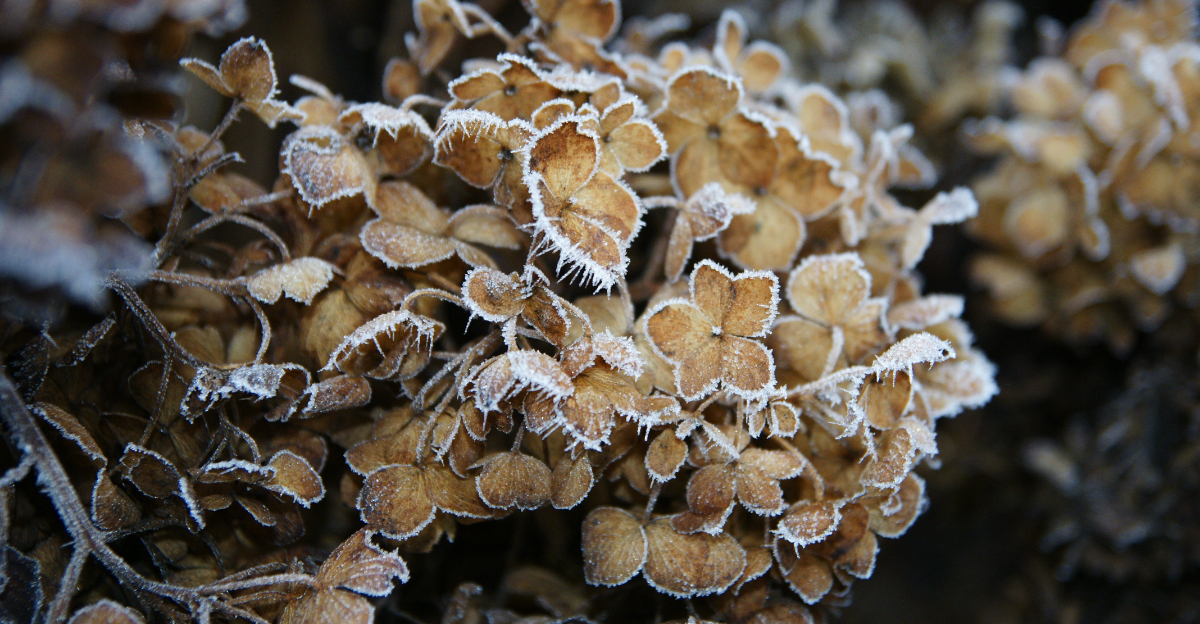
Late frosts are a familiar spring surprise in many parts of Oregon. Just when hydrangeas start pushing out fresh green growth, a sudden chilly night can sweep in and leave gardeners nervously checking their plants the next morning.
Those tender new buds may look strong, but cold temperatures can damage them faster than you might expect.
Hydrangeas are especially vulnerable during early spring because their developing buds are already preparing for the season’s blooms.
A single frosty night can affect those buds and reduce flowering later on, which is frustrating after waiting all winter for the garden to wake up.
The good news is that a late frost doesn’t have to ruin the show. With a few simple protective steps, you can help shield your hydrangeas during cold snaps and give them a better chance to keep growing without missing their chance to bloom.
1. Check For Damage First
Before you do anything else, take a slow walk through your garden and look closely at your hydrangeas. Frost damage can show up in a few different ways.
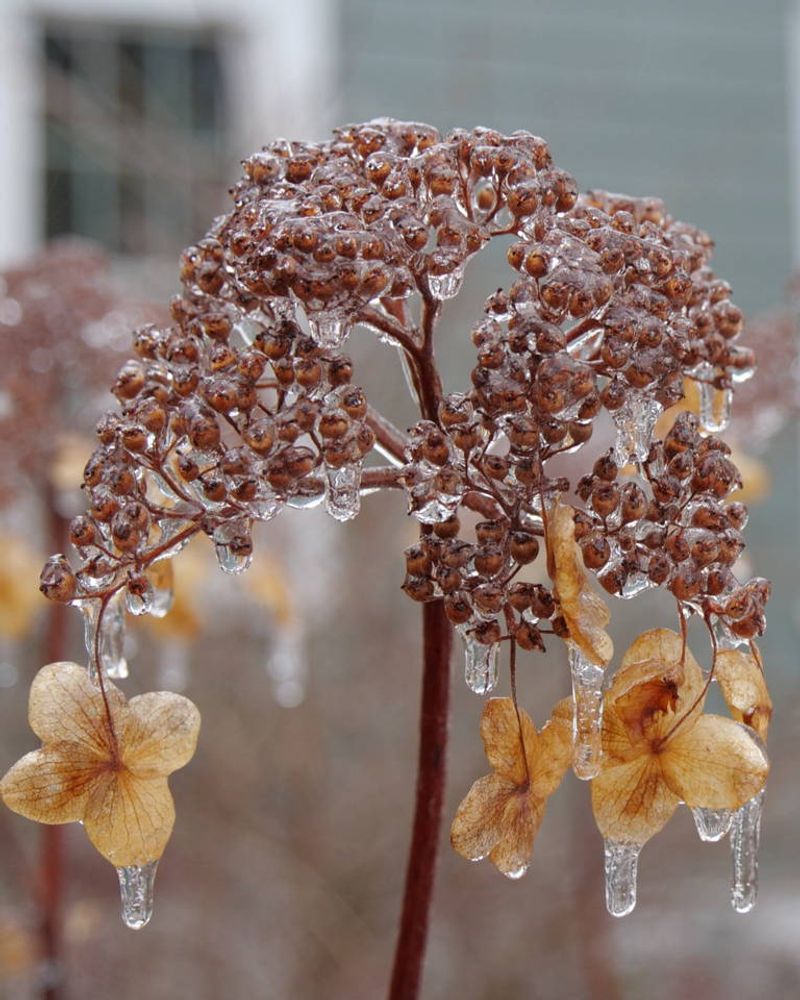
You might notice leaves that look dark, mushy, or wilted. Stems may appear blackened or feel soft when you press them gently.
Not all damage is visible right away. Sometimes it takes a day or two after a frost for the full effects to show up on your plants.
Be patient and check again after 48 hours before making any big decisions about pruning or treatment.
In Oregon, late frosts can happen even in April and May, especially in higher-elevation areas or inland valleys. Knowing exactly what you are dealing with helps you respond the right way.
Look at both the tips of the stems and the base of the plant. Healthy green wood at the base is a great sign that your hydrangea has plenty of life left in it.
Take notes or photos so you can track how the plant recovers over the next few weeks.
2. Cover Plants On Cold Nights
When the weather forecast shows freezing temperatures on the way, covering your hydrangeas is one of the fastest and most effective ways to protect them. Think of it like tucking your plants in for a cold night.
A simple cover traps warmth close to the plant and blocks the biting wind.
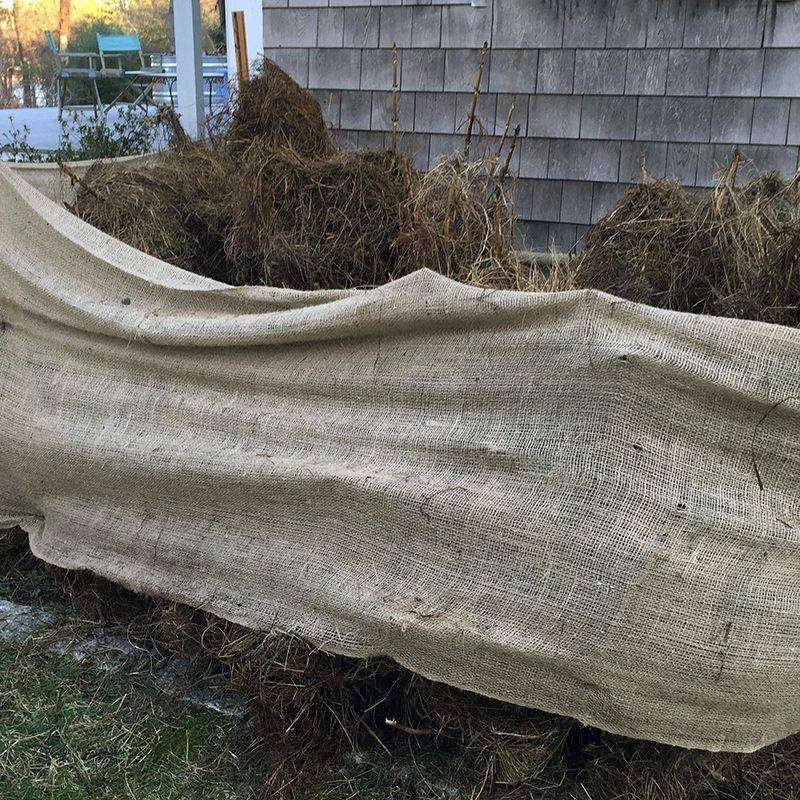
Use breathable materials like burlap, old bedsheets, or frost cloth. Avoid plastic bags or tarps that do not allow air to flow, since trapped moisture can actually cause more harm than the cold itself.
Make sure the cover reaches all the way down to the ground so heat from the soil can rise up and stay inside.
Oregon winters and springs can bring unexpected cold snaps, so it helps to keep your covering materials nearby and ready to use quickly. Set them up in the evening before temperatures drop and remove them in the morning once the air warms up.
Leaving covers on during sunny daytime hours can overheat your plants. With just a little bit of planning and the right materials, covering your hydrangeas on cold nights can make a huge difference in how well they survive and grow through the season.
3. Protect Tender New Buds
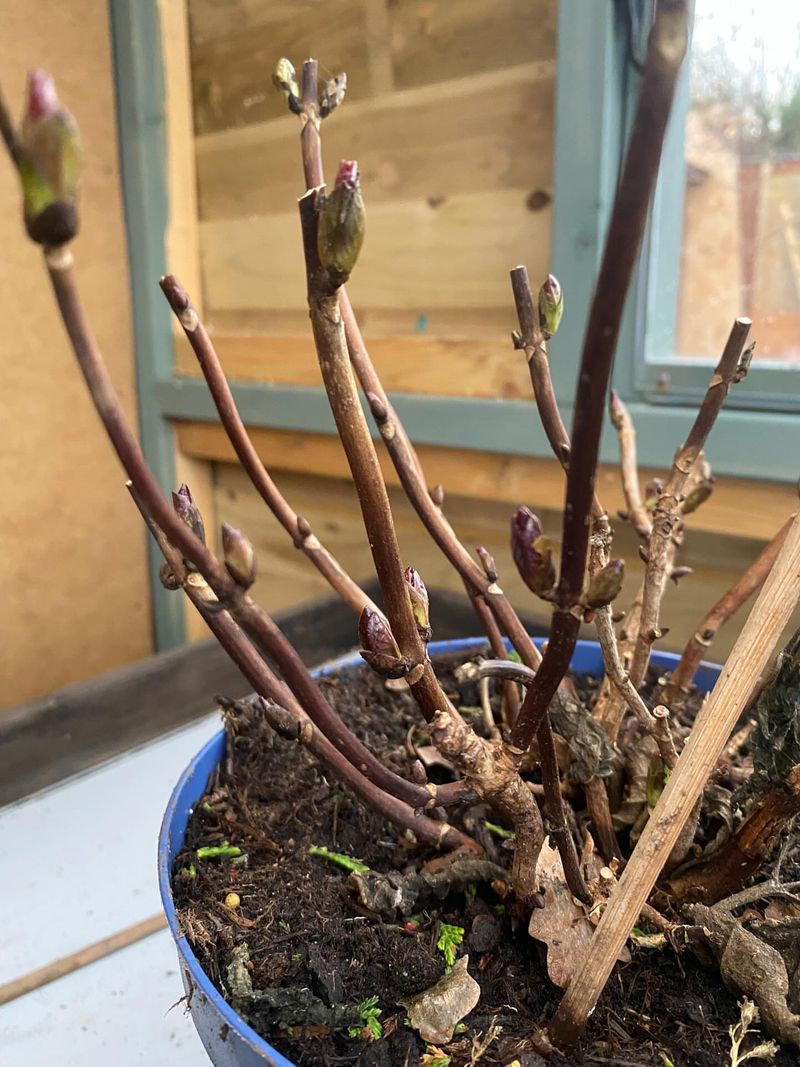
Fresh new buds are the most vulnerable part of a hydrangea after a late frost. Those tiny green tips that signal new growth are full of water and plant tissue that freezes easily.
Once they are damaged, they may not be able to develop into the full blooms you were hoping for this season.
One smart trick is to gently mist the buds with water early in the morning after a frost. This might sound counterintuitive, but it actually helps the ice melt slowly and reduces the shock to the plant tissue.
Do this before the sun hits the plant directly.
You can also use small foam cups or overturned plastic containers to cover individual buds on especially cold nights. This works well for plants that have just started pushing out new growth.
In Oregon, gardeners in the Willamette Valley often see late frosts even after a warm spell, so staying alert during early spring is really important.
Protecting those tender buds early on gives your hydrangeas a much better shot at producing the big, colorful blooms that make them such a beloved garden plant throughout the Pacific Northwest.
4. Add Mulch For Root Protection
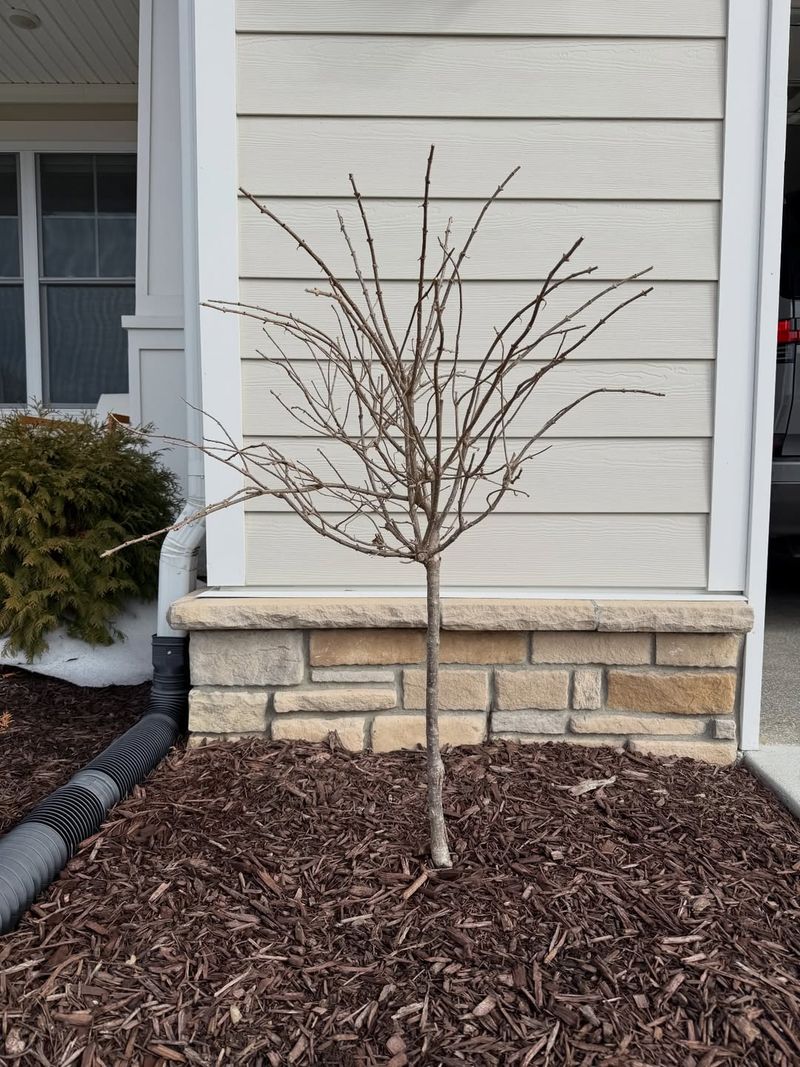
Mulch is one of the most underrated tools in a gardener’s toolkit, especially when late frosts are in the forecast. Spreading a two to three inch layer of organic mulch around the base of your hydrangeas helps keep the soil temperature steady.
When the ground stays warmer, the roots are less likely to suffer damage from freezing air above.
Good mulch options include bark chips, pine straw, shredded leaves, or straw. Spread it in a wide circle around the base of the plant, but keep it a few inches away from the actual stem.
Piling mulch directly against the stem can trap moisture and lead to rot.
Oregon’s rainy climate means mulch also helps manage water levels in the soil. It keeps roots from getting waterlogged during heavy spring rains while still holding onto enough moisture to protect against cold snaps.
Mulching is a simple step that pays off in a big way. You do not need special tools or a lot of time.
Just grab a bag of bark mulch from your local Oregon garden center and spread it around your plants before the next cold night hits. Your hydrangeas will thank you come summer blooming season.
5. Prune Only The Damaged Stems
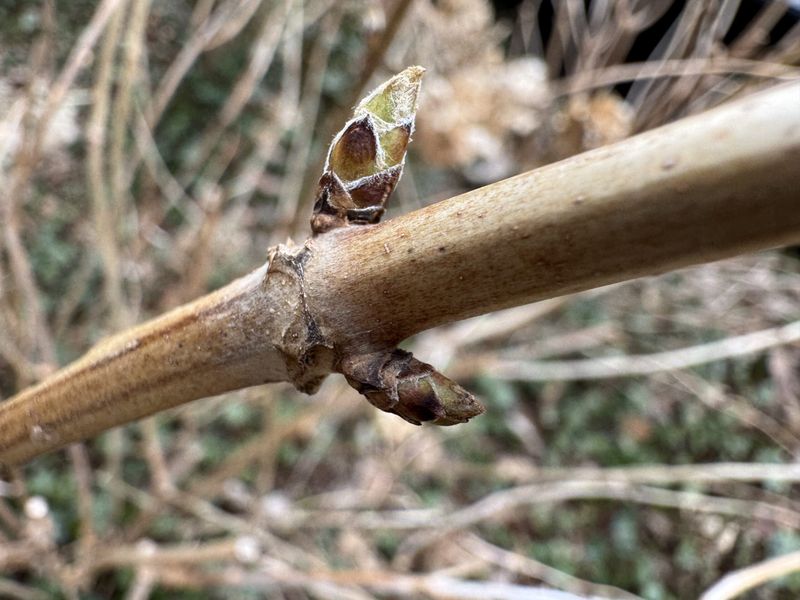
After a late frost, it can be really tempting to grab your pruning shears and cut everything back right away. Try to hold off on that urge.
Cutting too early and too aggressively can remove stems that might still recover and produce blooms later in the season.
Instead, wait a week or two after the frost event before pruning. Then use the scratch test to check each stem.
Scratch a small spot on the bark with your fingernail. If you see green underneath, the stem is still alive and should be left alone.
If the inside looks brown or dry, that stem is truly damaged and can be removed.
Only cut back the stems that show clear signs of damage. Make your cuts just above a healthy bud or leaf node using clean, sharp pruning shears.
In Oregon, where late frosts can occur well into spring, being cautious with pruning helps ensure you do not accidentally remove next season’s flower buds. Many hydrangea varieties bloom on old wood, meaning the buds were set the previous year.
Pruning them away would mean no flowers at all this year. Take your time and prune with purpose rather than panic.
6. Water Plants Before A Frost
Here is a gardening tip that surprises a lot of people: watering your hydrangeas deeply before a frost actually helps protect them. Moist soil holds heat much better than dry soil does.
As the temperature drops overnight, that stored warmth in the soil slowly releases and keeps the root zone a little warmer.
Give your hydrangeas a good, deep watering the afternoon before a frost is expected. You want the water to soak several inches into the ground, not just wet the surface.
Avoid watering the leaves or stems directly, since wet foliage can freeze and cause more damage during a hard frost.
This tip is especially useful during Oregon’s tricky spring season, when warm days can fool plants into new growth and then a sudden cold night hits without much warning.
Making watering a regular habit in early spring means your plants are always in a better position to handle whatever the weather throws at them.
Deep watering also encourages roots to grow downward, which makes the whole plant more stable and resilient over time. It is a small step that takes only a few minutes but can make a real difference in how your hydrangeas hold up through cold snaps.
7. Use Garden Fabric For Extra Warmth
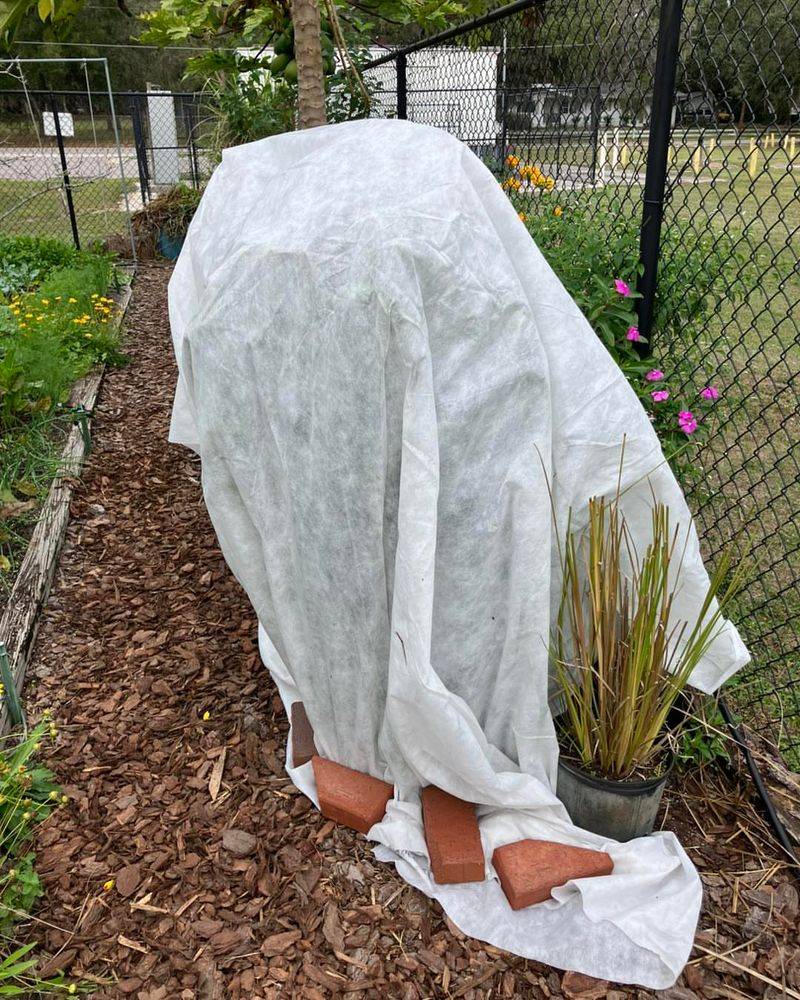
Garden frost fabric, sometimes called row cover or frost cloth, is a lightweight material designed specifically to protect plants from cold temperatures.
It lets air, light, and moisture pass through while trapping just enough warmth to keep plants safe on a chilly night.
For hydrangeas in Oregon, it is a smart investment that you will use year after year.
Frost cloth comes in different weights. A medium-weight fabric works well for most late frost situations.
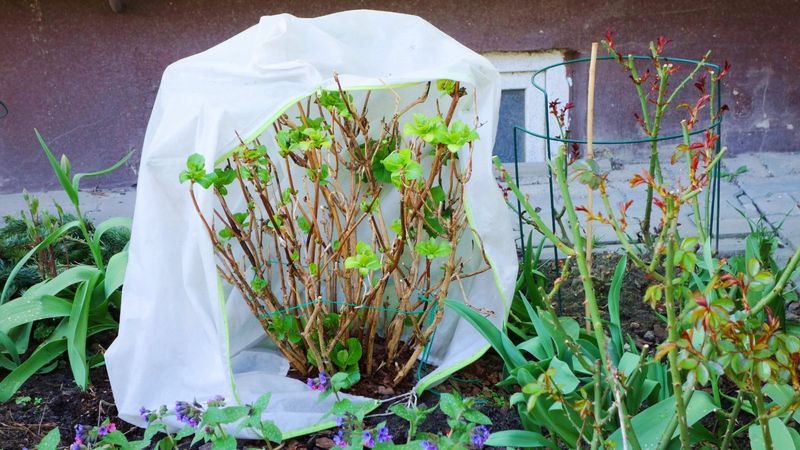
Drape it loosely over your hydrangeas so the plant has a little room to breathe underneath. Use garden stakes or rocks to hold the edges down so wind does not blow it off during the night.
One of the best things about frost cloth is how reusable it is. Fold it up and store it after each use, and it will last for several seasons.
Oregon gardeners who deal with unpredictable spring weather often keep a roll of frost cloth in the shed all season long, ready to deploy at a moment’s notice.
Unlike some other protection methods, frost cloth is easy to put on and take off quickly, which matters a lot when the weather forecast changes overnight.
It is one of the most reliable tools you can have in your cold-weather gardening kit.
8. Wait For New Growth To Appear
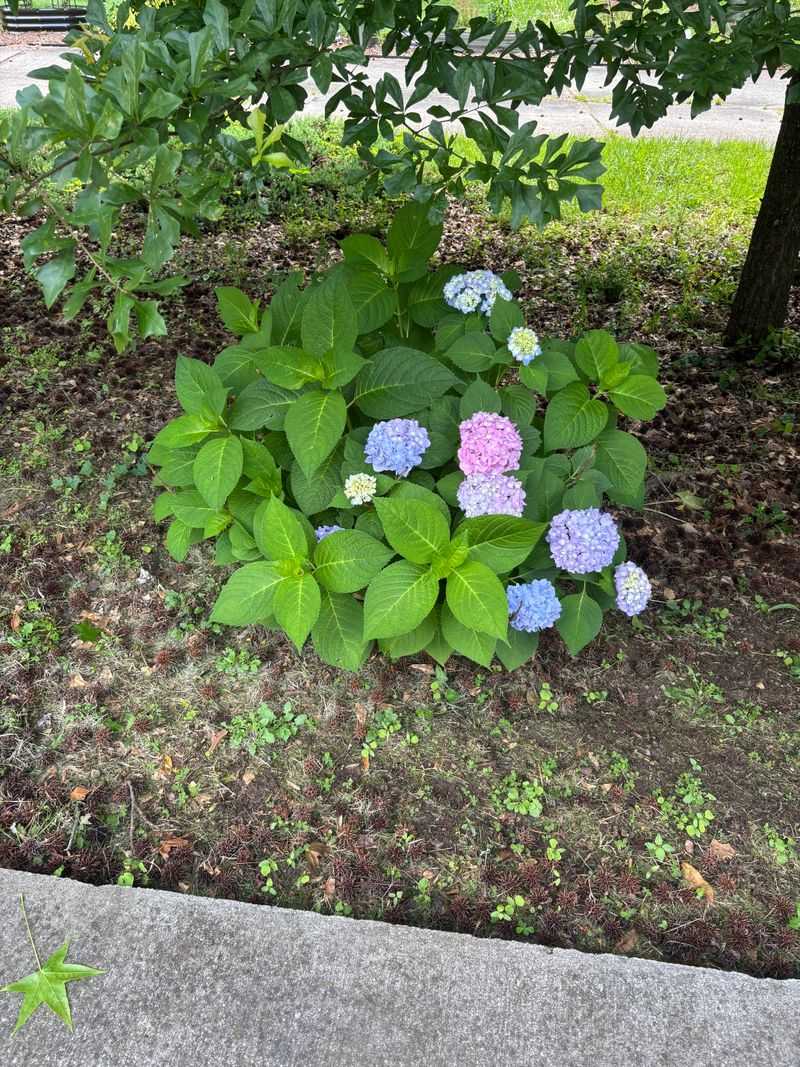
Patience is honestly one of the best things you can offer your hydrangeas after a late frost. It can feel worrying to look at a plant that seems brown and damaged, but hydrangeas are remarkably tough.
Many Oregon gardeners have been surprised to see their plants bounce back beautifully after what looked like serious frost damage.
Give your hydrangeas at least two to four weeks before deciding they are beyond recovery. During that time, watch carefully for signs of new growth.
Fresh green leaves pushing out from the base or along the stems are a clear sign that the plant is recovering well. Those new shoots are worth celebrating.
Resist the urge to overwater or over-fertilize during this waiting period. Too much of either can actually stress a plant that is already working hard to recover.
Keep the soil consistently moist but not soggy, and hold off on fertilizer until you see steady new growth.
Across Oregon, experienced gardeners will tell you that spring is full of surprises, and hydrangeas that looked rough in March or April can be covered in gorgeous blooms by July.
Trust the process, keep an eye on your plants, and let nature do its thing.