How To Protect Leafy Greens For Winter Harvests In Washington State
Winter harvesting leafy greens in Washington State can feel tricky, especially when cold snaps and constant moisture test even the toughest plants.
With the right protection in place, kale, spinach, and chard keep growing slowly instead of giving up when temperatures dip.
Small adjustments made before winter fully settles often make the difference between bare beds and fresh greens still coming in when most gardens look finished.
1. Cold Frames Shield Plants From Harsh Weather
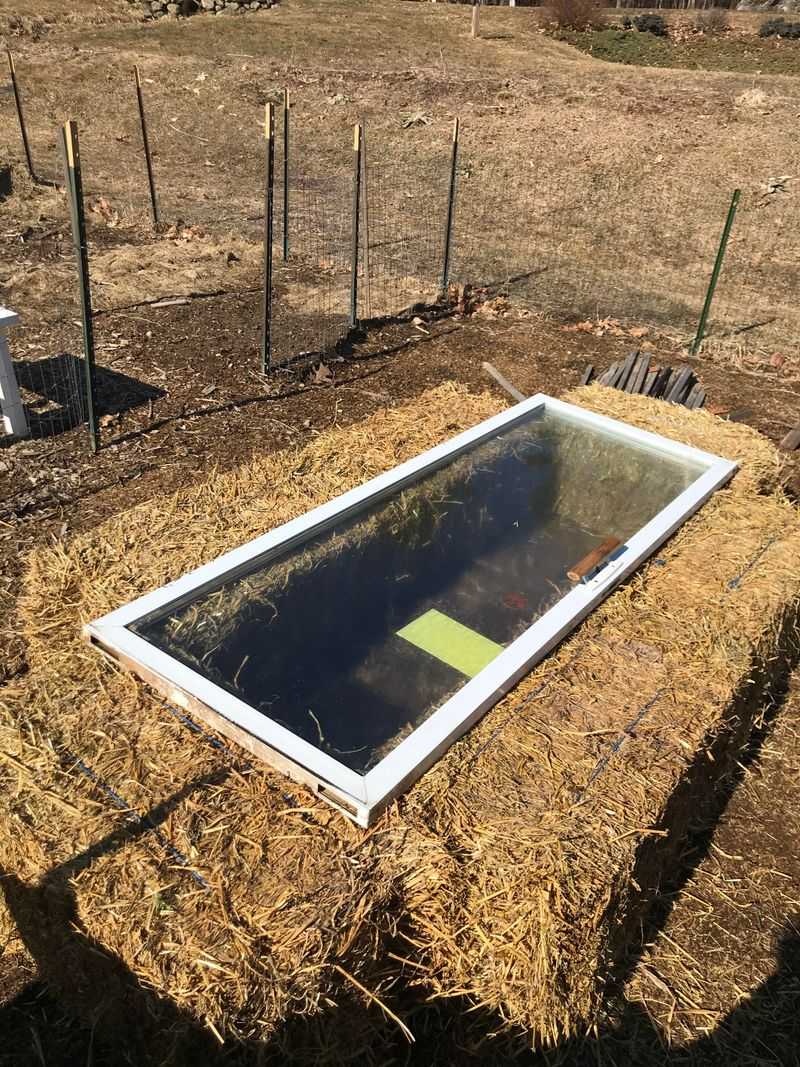
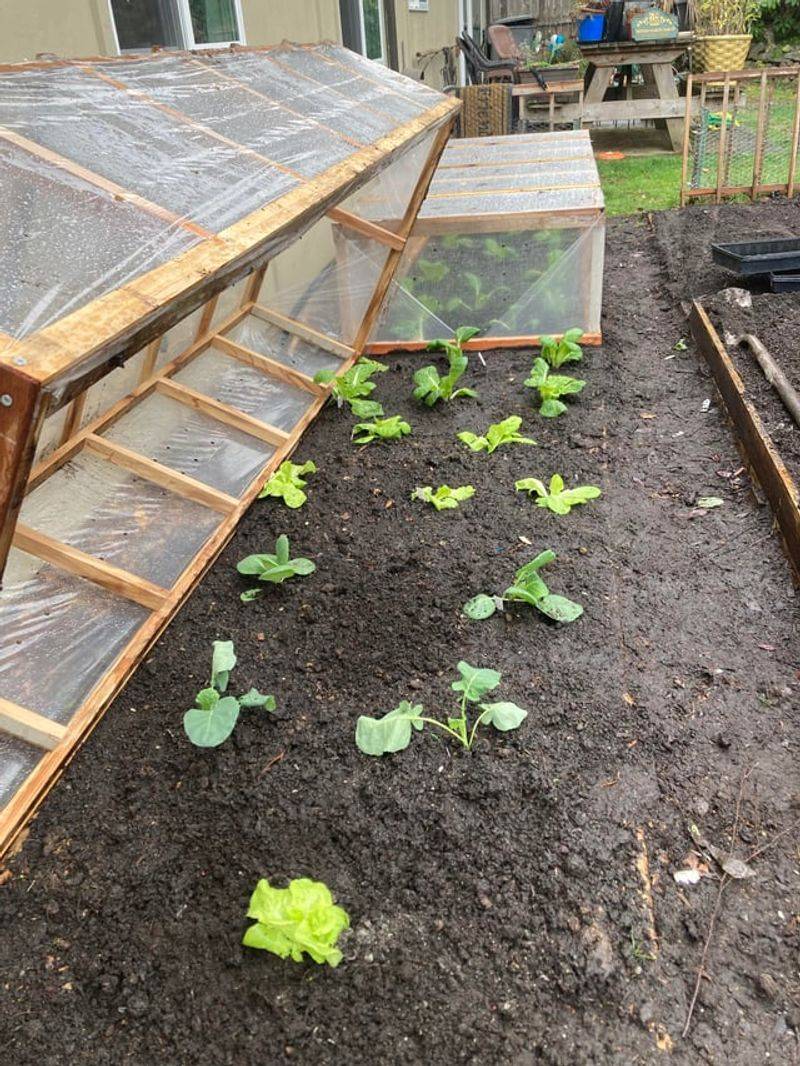
Cold frames work like magic boxes that trap warmth around your plants while blocking icy winds that sweep across Washington gardens during December and January.
Building one requires just a few wooden boards and an old window or clear plastic sheet, making this protection method affordable for most home gardeners.
Place your cold frame in a sunny spot facing south to capture maximum daylight hours, which remain limited during Pacific Northwest winters when clouds often dominate.
Leafy greens like spinach, kale, and lettuce thrive inside these structures because temperatures stay several degrees warmer than the surrounding air outside the frame.
Remember to open the lid on sunny afternoons to prevent overheating, as even winter sunshine can raise temperatures too high for tender leaves in Washington State.
Closing the frame before sunset traps that collected warmth overnight, creating a cozy microclimate that keeps frost from damaging your precious greens during coldest hours.
This simple structure extends your growing season by weeks or even months, providing fresh harvests when grocery store produce costs rise dramatically throughout winter.
2. Row Covers Create Protective Barriers Against Frost

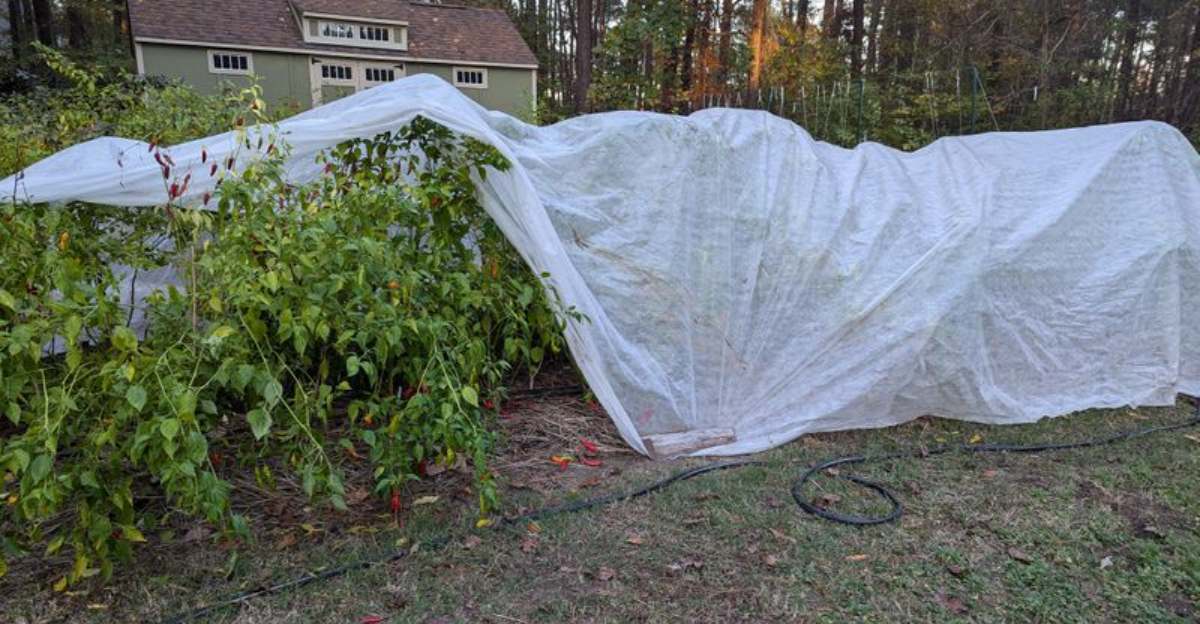
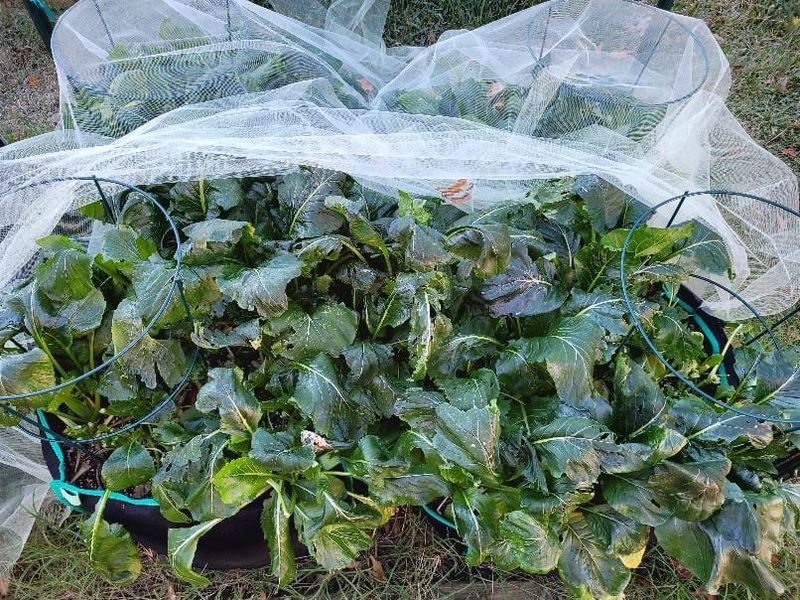
Lightweight fabric row covers float directly over your greens, creating a gentle shield that blocks freezing temperatures while allowing sunlight and rain to reach plants below.
These breathable materials come in various thicknesses, with heavier versions providing more protection during especially cold nights common throughout Washington’s inland valleys and mountain foothills.
Draping the fabric over simple hoops made from PVC pipe or wire creates a tunnel that prevents material from crushing delicate leaves underneath its weight.
Secure the edges with rocks, boards, or landscape staples to prevent strong winds from blowing your covers away during Pacific Northwest storms that arrive frequently.
Row covers prove especially useful for protecting young seedlings and tender varieties that struggle when temperatures plummet below twenty-five degrees Fahrenheit in Washington gardens.
You can leave lighter covers in place for weeks without removing them, as plants continue growing underneath while staying safe from unexpected cold snaps.
This method costs less than building permanent structures and stores easily when spring arrives, making it perfect for gardeners with limited budgets or storage space.
3. Mulch Insulates Soil and Protects Root Systems
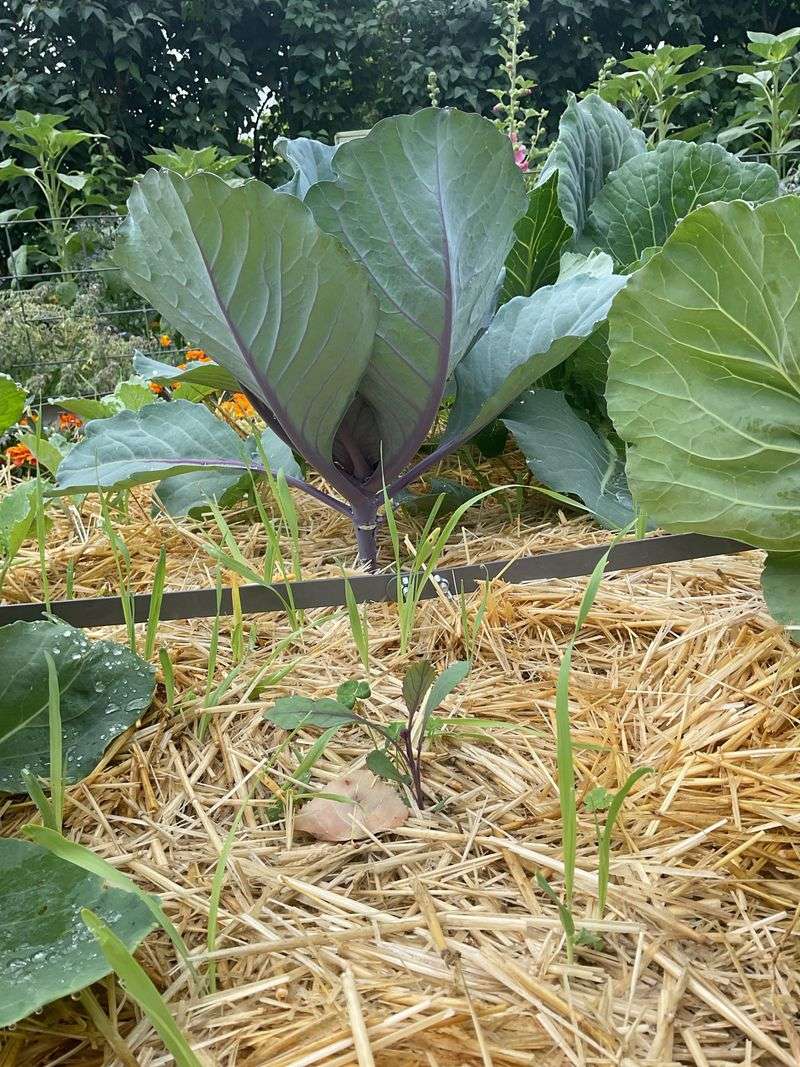
Spreading a thick layer of organic mulch around your leafy greens acts like a warm blanket, keeping soil temperatures stable even when Washington air turns bitterly cold.
Straw, shredded leaves, or wood chips work wonderfully as mulch materials, each providing insulation while slowly breaking down to enrich your garden soil over time.
Apply mulch about three to four inches deep around plants, being careful not to pile material directly against stems where moisture might encourage rot problems.
Insulated soil stays warmer longer into winter and warms up faster in early spring, giving your greens a head start compared to bare ground conditions.
Mulch also prevents repeated freezing and thawing cycles that can push plants out of the ground, exposing roots to damaging cold air throughout Washington winters.
This protection method requires minimal effort once applied and actually improves your garden’s health by adding organic matter that feeds beneficial soil organisms year after year.
Many Washington gardeners find free mulch materials from local tree trimming services or collect fallen leaves from neighborhood trees each autumn for their gardens.
4. Hoop Houses Extend Growing Seasons Dramatically
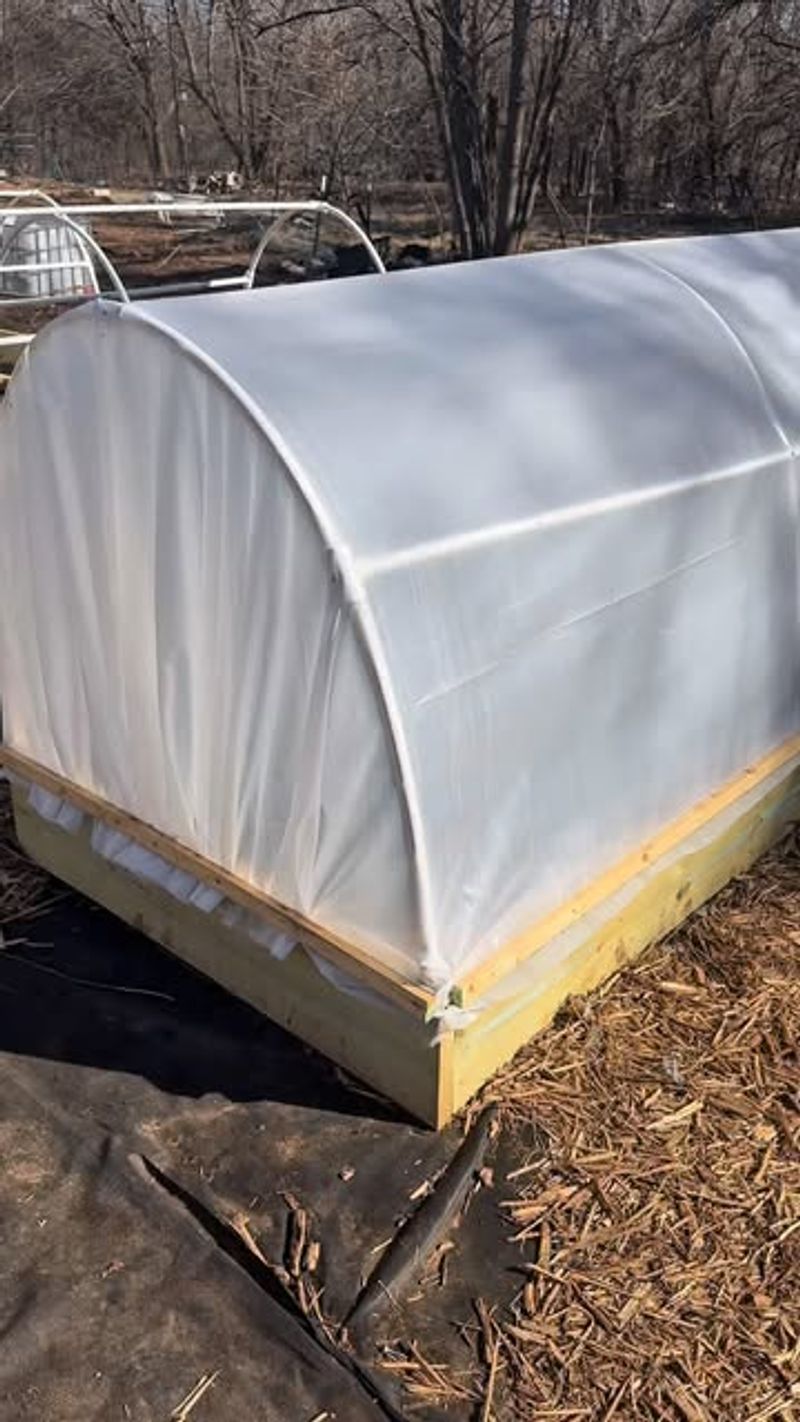
Hoop houses resemble miniature greenhouses, using curved metal or PVC pipes covered with clear plastic to create protected growing spaces perfect for Washington’s mild winters.
These structures can be small enough to cover a single raised bed or large enough to walk inside, depending on your garden size and budget.
Building a basic hoop house takes just a weekend, and the investment pays off quickly when you harvest fresh greens throughout months when neighbors’ gardens lie dormant.
Temperature control becomes easier inside hoop houses compared to open gardens, as you can roll up sides during warm days and close everything tightly overnight.
Leafy greens grow remarkably well under these conditions, often producing more tender leaves than outdoor plants while staying protected from heavy rains that plague Washington winters.
Snow slides off rounded tops naturally, preventing accumulation that might collapse flat covers or damage plants underneath with excessive weight during occasional Pacific Northwest snowstorms.
Ventilation remains important even in winter, so install doors or roll-up sides that allow air circulation on milder days when temperatures rise above forty degrees.
5. Cloches Provide Individual Plant Protection
Cloches are individual covers placed over single plants or small groups, offering targeted protection for your most valuable or vulnerable greens during Washington’s coldest nights.
Traditional glass cloches look beautiful but can be expensive, while homemade versions using milk jugs or plastic bottles work just as effectively for budget-conscious gardeners.
Cut the bottom off a clear plastic container and place it over your plant, pushing edges slightly into soil to anchor it against winds.
Remove caps from bottle tops to allow some air circulation, preventing moisture buildup that could encourage fungal diseases on leaves trapped inside these mini greenhouses.
Cloches warm up quickly on sunny days, so monitor temperatures and remove covers temporarily if plants appear stressed from excessive heat even during winter months.
This method works brilliantly for protecting transplants you set out early or for safeguarding special varieties that cost more than standard greens available at Washington nurseries.
Collect and reuse containers throughout the season, creating a free protection system that reduces waste while keeping your garden productive when temperatures drop unexpectedly overnight.
6. Strategic Planting Locations Reduce Cold Exposure
Choosing the right spot for your winter greens makes a tremendous difference in how well they survive Washington’s chilly months without requiring elaborate protection structures.
South-facing locations receive maximum sunlight during short winter days, helping plants photosynthesize efficiently and stay warmer than those planted in shadier northern exposures.
Planting near walls, fences, or buildings creates microclimates where structures block wind and radiate stored heat back toward your greens during cold nighttime hours.
Avoid low-lying areas where cold air settles naturally, as these frost pockets can be several degrees colder than spots just a few feet higher.
Evergreen trees or shrubs on the north side of your garden provide windbreaks that shield tender plants from harsh arctic blasts that occasionally sweep through Washington.
Raised beds warm up faster than ground-level gardens because soil sits higher above cold earth, giving roots better growing conditions throughout winter in the Pacific Northwest.
Observing your yard throughout one full year helps you identify the warmest, most protected spots perfect for situating your winter greens garden in future seasons.
7. Cold-Hardy Varieties Withstand Freezing Temperatures Naturally
Selecting vegetable varieties bred specifically for cold tolerance gives you a huge advantage when growing leafy greens through Washington winters without complicated protection systems.
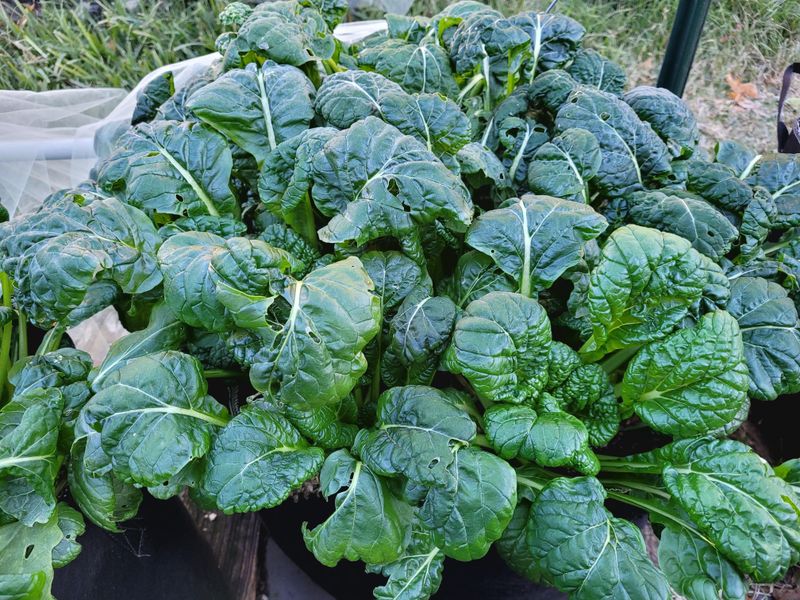
Kale, spinach, mache, and certain lettuces can survive temperatures well below freezing, continuing to grow slowly even when snow covers the ground around them.
Seed catalogs and nurseries often label cold-hardy varieties clearly, making it easy to choose plants that match your region’s specific winter conditions in the Pacific Northwest.
Some greens actually taste sweeter after experiencing frost, as plants convert starches to sugars that act as natural antifreeze within their cells during cold weather.
Planting a diverse mix of varieties ensures you’ll have something to harvest even if unexpected weather patterns affect certain types more severely than others.
Starting seeds in late summer or early fall gives plants time to establish strong root systems before winter arrives, making them more resilient to Washington’s cold.
Experimenting with different varieties each year helps you discover which ones perform best in your specific microclimate, building knowledge that makes future winters even more productive.
8. Watering Strategies Prevent Freeze Damage
Proper watering techniques during winter months help protect your leafy greens from freeze damage while preventing root problems caused by overly wet soil in Washington gardens.
Water plants during morning hours so foliage dries before nighttime temperatures drop, reducing the risk of ice crystals forming on leaves and damaging delicate tissues.
Moist soil holds heat better than dry soil, so keeping roots adequately hydrated helps maintain warmer temperatures around plant bases throughout cold Pacific Northwest nights.
Reduce watering frequency during winter compared to summer schedules, as plants grow slower and soil doesn’t dry out as quickly in cool, cloudy conditions.
Avoid overhead watering when freezing temperatures are predicted, as wet leaves are more susceptible to frost damage than dry foliage in Washington’s variable winter weather.
Check soil moisture by feeling the top inch of soil with your finger rather than following a rigid schedule, adjusting based on recent rainfall and temperature patterns.
Proper drainage becomes critical during winter, so ensure your beds don’t collect standing water that can freeze and damage roots or encourage diseases in soggy conditions.