How To Protect Young Evergreen Shrubs In Colorado From Winter Burn
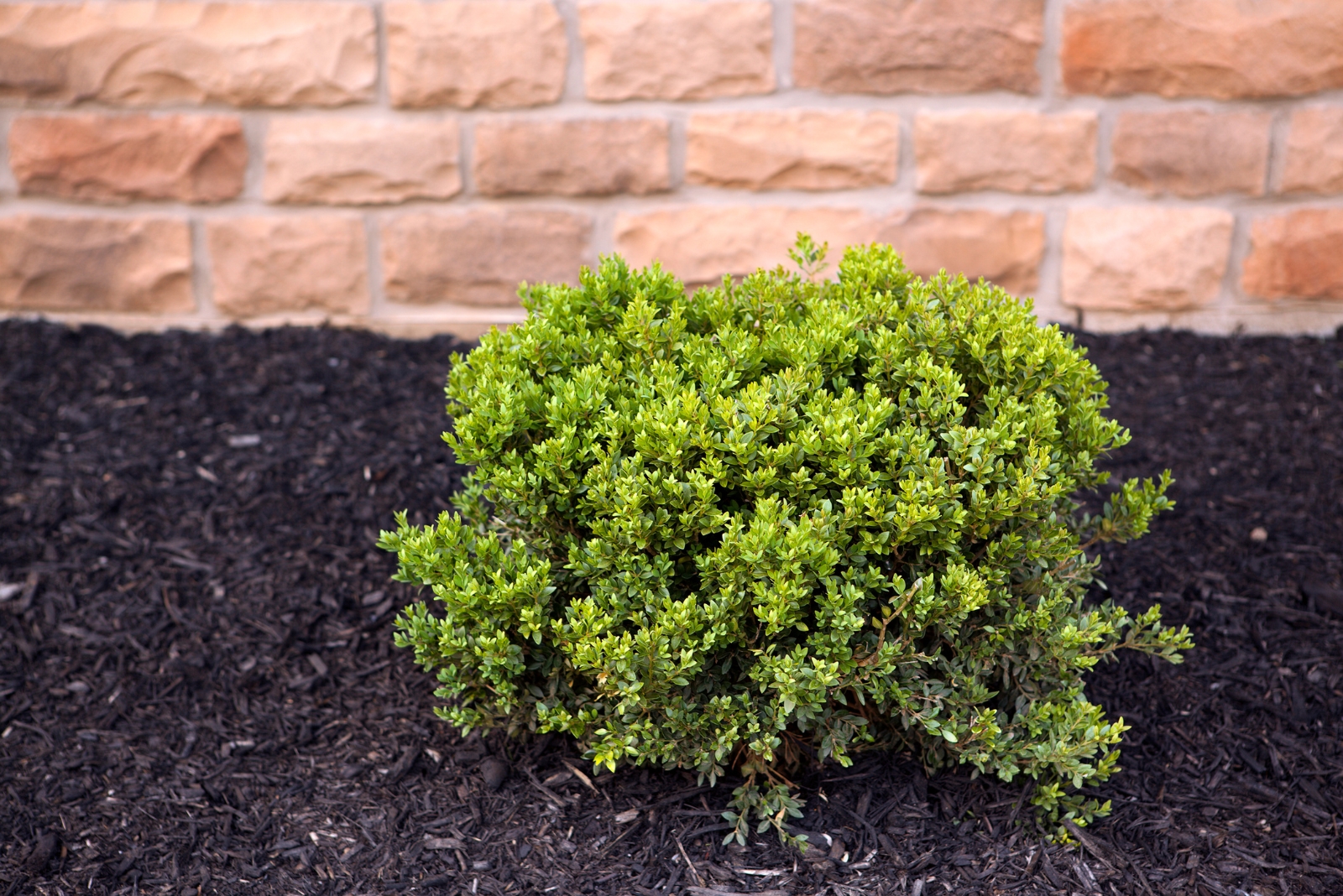
Colorado winters can be tough on young evergreen shrubs, especially when the harsh winds and bright sun team up to cause winter burn.
This condition happens when evergreens lose moisture faster than their roots can replace it, leaving needles brown and damaged.
Young shrubs are especially vulnerable because their root systems haven’t fully developed yet.
The good news is that with some smart planning and simple protective measures, you can keep your evergreens healthy and vibrant all winter long.
Whether you’re growing junipers, pines, or spruces, these strategies will help your plants survive Colorado’s challenging climate.
Taking action before winter arrives makes all the difference in protecting your investment and ensuring your landscape stays beautiful year after year.
Water Deeply Before The Ground Freezes
Hydration is your first line of defense against winter burn in Colorado.
When evergreens enter winter with plenty of moisture stored in their tissues, they can better withstand the drying effects of cold winds and intense sunlight.
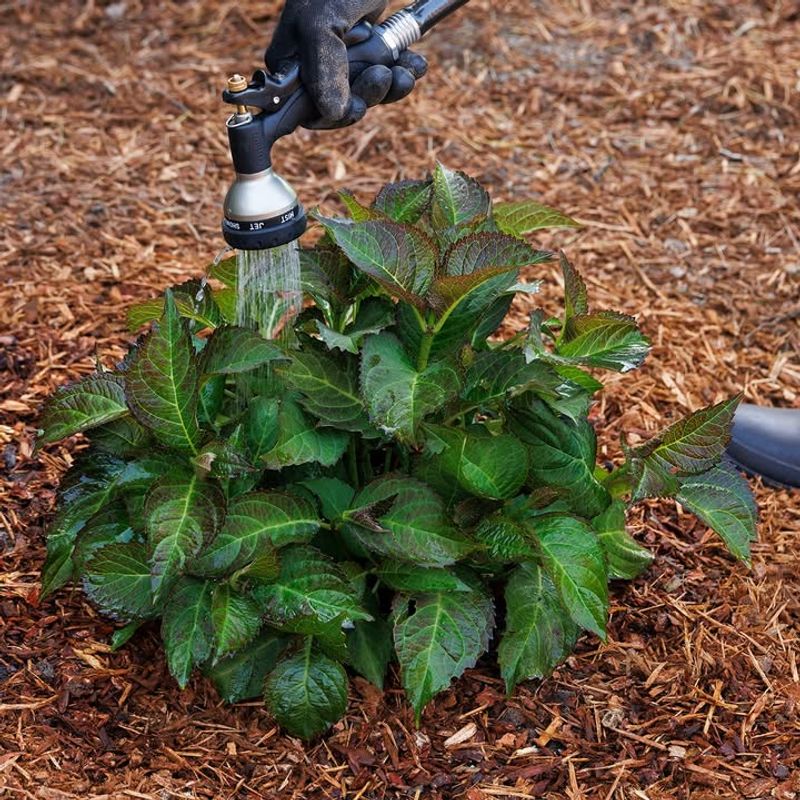
Start watering your young shrubs thoroughly in late fall, continuing until the ground freezes solid.
Aim to provide about one inch of water per week during dry autumn periods.
Focus on the root zone, which extends slightly beyond the drip line of the branches.
Deep watering encourages roots to grow deeper into the soil, making plants more resilient.
Shallow watering only wets the surface and doesn’t help much when winter stress hits.
In Colorado, fall can be surprisingly dry, so don’t assume natural precipitation will be enough.
Check soil moisture by digging down a few inches with your finger or a trowel.
If the soil feels dry, it’s time to water again.
Well-hydrated shrubs have a much better chance of keeping their needles green and healthy throughout the harsh winter months.
This simple step costs little but delivers big results for your landscape investment.
Apply A Thick Layer Of Organic Mulch
Mulching acts like a cozy blanket for your shrub’s root system during Colorado’s unpredictable winters.
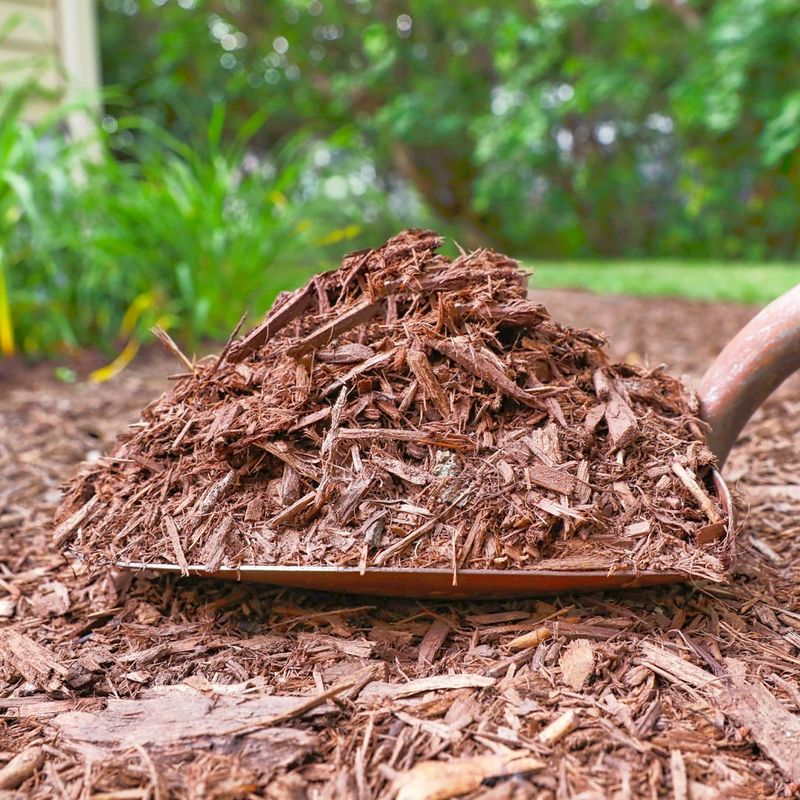
Organic materials such as wood chips, shredded bark, or pine needles work wonderfully for this purpose.
Spread a layer about three to four inches thick around the base of each young evergreen.
Make sure to keep the mulch a few inches away from the trunk to prevent moisture buildup and potential rot.
Mulch serves multiple important functions in protecting your plants.
It insulates the soil, keeping root temperatures more stable even when air temperatures swing wildly.
This layer also helps retain soil moisture, which is crucial since evergreens continue losing water through their needles all winter long.
Additionally, mulch reduces the freeze-thaw cycles that can heave young plants out of the ground and damage their roots.
In Colorado’s dry climate, mulch also slows down moisture evaporation from the soil surface.
Apply your mulch in late fall after the ground has cooled but before it freezes completely.
Refresh the mulch layer each year as the organic material breaks down and enriches your soil.
This affordable practice delivers lasting benefits for your evergreen shrubs.
Install Windbreaks Or Burlap Screens
Colorado’s notorious winter winds can strip moisture from evergreen needles faster than roots can replace it.
Creating a physical barrier between your young shrubs and these drying winds makes a tremendous difference.
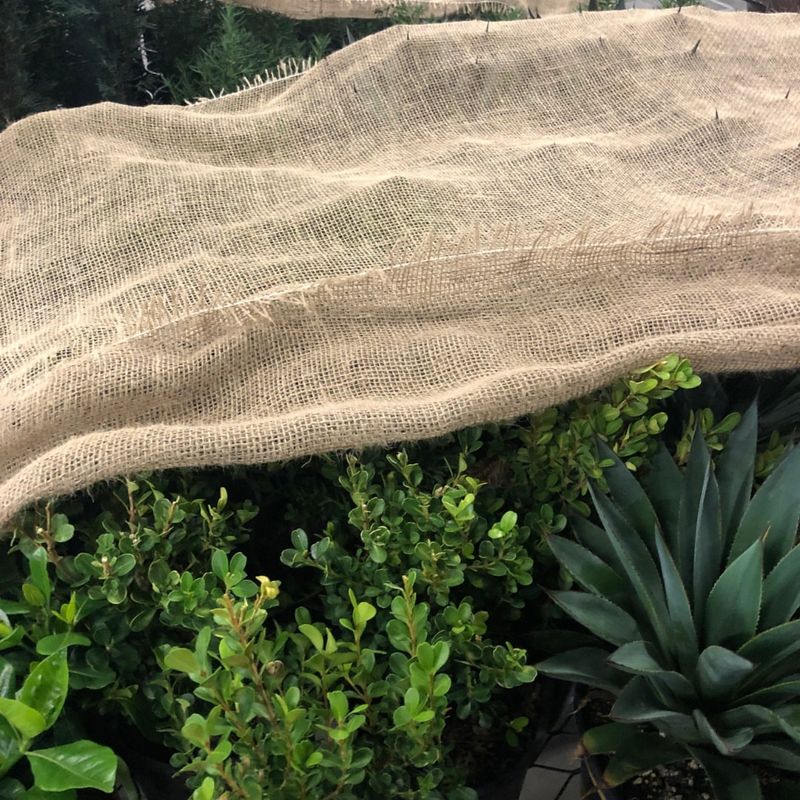
Burlap screens are the most popular option because they block wind while still allowing some air circulation.
Drive wooden stakes into the ground on the windward side of your shrubs, then staple burlap to create a protective wall.
Make the screen tall enough to shield the entire plant, and extend it a foot or two beyond the shrub’s width on each side.
You can also use snow fencing or other breathable materials if burlap isn’t available.
Avoid using plastic sheeting, which traps heat and moisture and can actually harm your plants.
Position your barriers in late fall before the worst weather arrives.
In Colorado, prevailing winds typically come from the west or northwest, so focus your protection efforts there.
These windbreaks are especially important for shrubs planted in exposed locations without natural shelter from buildings or larger trees.
The screen doesn’t need to be fancy or permanent—just functional enough to reduce wind speed around your vulnerable evergreens.
Remove the barriers in spring once harsh weather passes.
Use Anti-Desiccant Sprays On Foliage

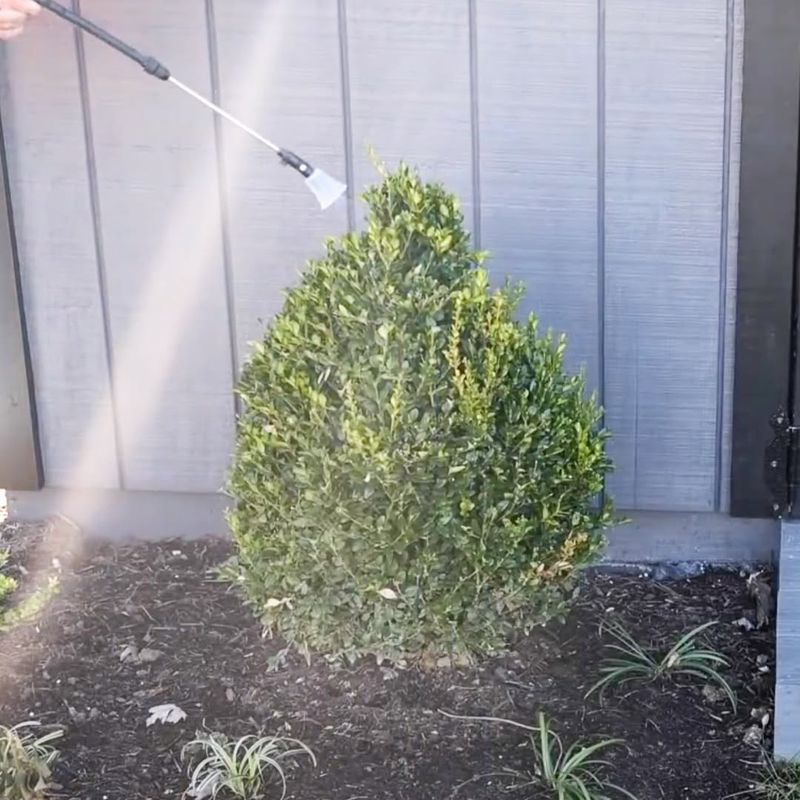
Anti-desiccant sprays create a protective coating on evergreen needles that slows moisture loss during winter.
These products contain waxy substances that form a thin film over the foliage without blocking the pores plants need for respiration.
The result is reduced water loss while still allowing essential gas exchange to occur.
Apply anti-desiccants in late fall when temperatures are above freezing, ideally between forty and fifty degrees Fahrenheit.
Spray thoroughly, coating all needle surfaces until they glisten but don’t drip.
Most products require a second application about four to six weeks after the first for maximum protection.
Read the label carefully and follow timing recommendations specific to your chosen product.
In Colorado, late November and late December often provide suitable application windows.
Anti-desiccants work best when combined with other protection methods like proper watering and windbreaks.
They’re particularly helpful for newly planted evergreens that haven’t established strong root systems yet.
Reapply if weather conditions wash away the coating before spring arrives.
While these sprays aren’t a magic solution, they provide an extra layer of defense against Colorado’s harsh winter conditions.
Choose products specifically labeled for use on evergreens, and always test on a small area first if you’re concerned about plant sensitivity.
Choose The Right Planting Location Initially
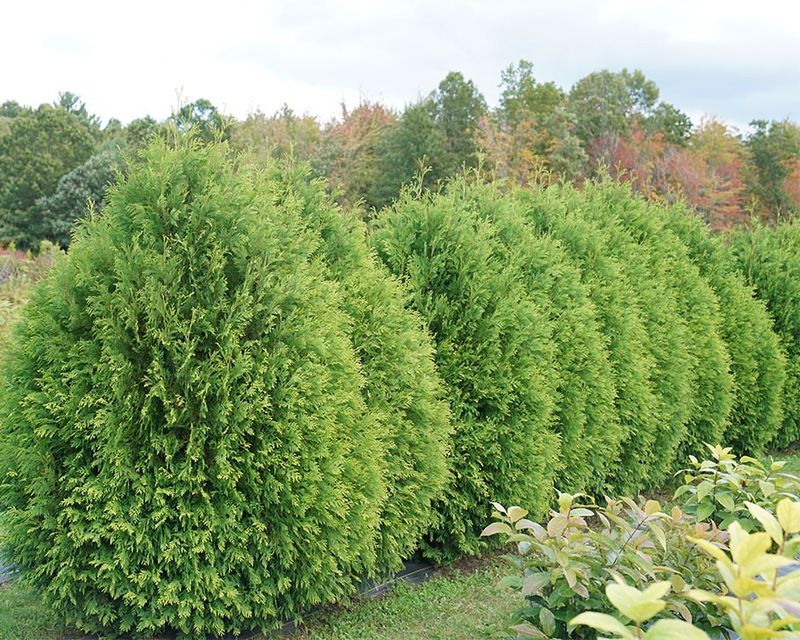
Prevention starts long before winter arrives—it begins the moment you decide where to plant your evergreens.
Location dramatically affects how much winter stress your shrubs will experience in Colorado.
Sites on the south or southwest side of buildings receive intense winter sun, which can heat up foliage during the day.
When temperatures drop at night, this rapid temperature change stresses plants and accelerates moisture loss.
North or east-facing locations typically experience less extreme temperature fluctuations and reduced sun exposure.
Areas with natural windbreaks from fences, walls, or larger trees offer valuable protection from Colorado’s drying winds.
Avoid planting in low spots where cold air settles, creating frost pockets that can damage tender growth.
Also steer clear of areas where snow slides off roofs, which can break branches and bury young shrubs.
Consider the microclimate of your property before planting.
Walk around during different times of day and in various seasons to understand sun patterns and wind corridors.
If you’re planting in an exposed location, commit to providing extra protection measures each winter.
Sometimes moving a struggling shrub to a better location is worth the effort.
Smart site selection reduces the need for intensive winter protection and gives your evergreens their best chance at thriving in Colorado’s challenging climate.
Select Cold-Hardy Evergreen Varieties
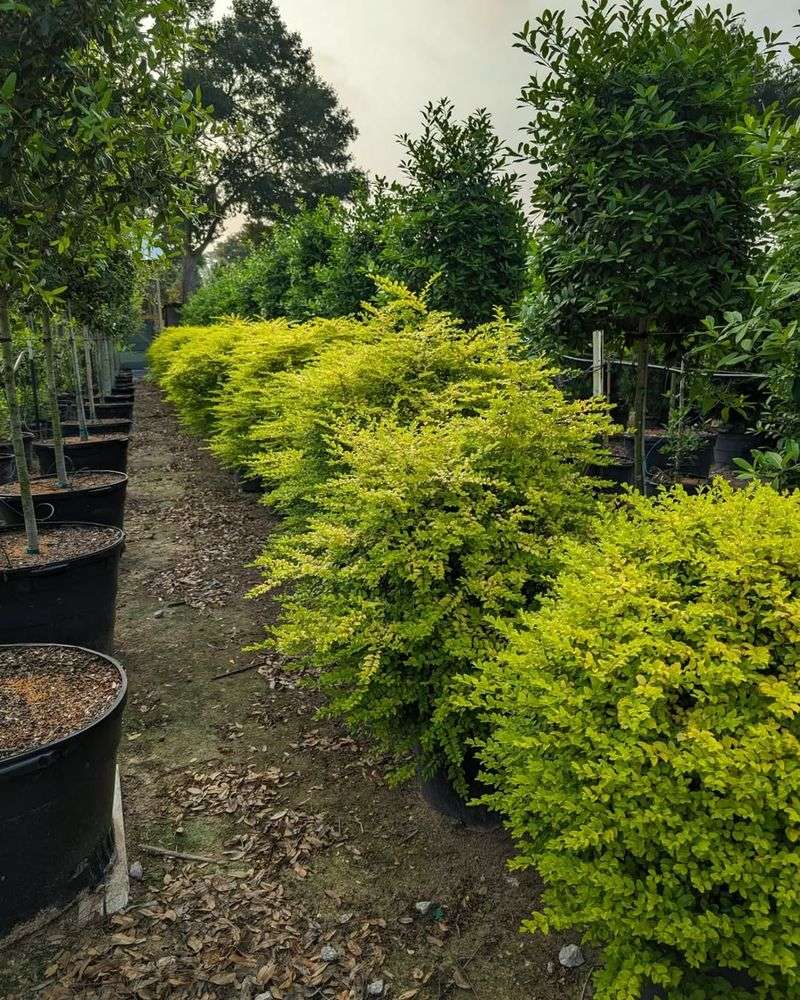
Not all evergreens handle Colorado winters equally well, so choosing the right species is critical.
Native and adapted varieties have evolved to tolerate the state’s temperature extremes, intense sunlight, and low humidity.
Rocky Mountain juniper, for example, thrives in Colorado conditions and rarely suffers winter burn.
Bristlecone pine and limber pine are other excellent native choices that laugh at harsh winters.
Mugo pine, though not native, adapts well and stays compact, making it perfect for smaller spaces.
Before purchasing any evergreen, check its hardiness zone rating and compare it to your specific Colorado location.
The state spans zones 3 through 7, so what works in Denver might struggle in the mountains.
Visit local nurseries that specialize in plants suited to Colorado rather than buying from general big-box stores.
Ask about each variety’s track record with winter burn in your area.
Some popular evergreens from other regions simply aren’t tough enough for Colorado’s climate.
Arborvitae, for instance, often struggles here despite being common in wetter climates.
Investing in proven performers saves you frustration and money in the long run.
When you start with shrubs genetically equipped to handle Colorado winters, you’ve already won half the battle against winter burn before you even plant.
Avoid Late-Season Fertilization
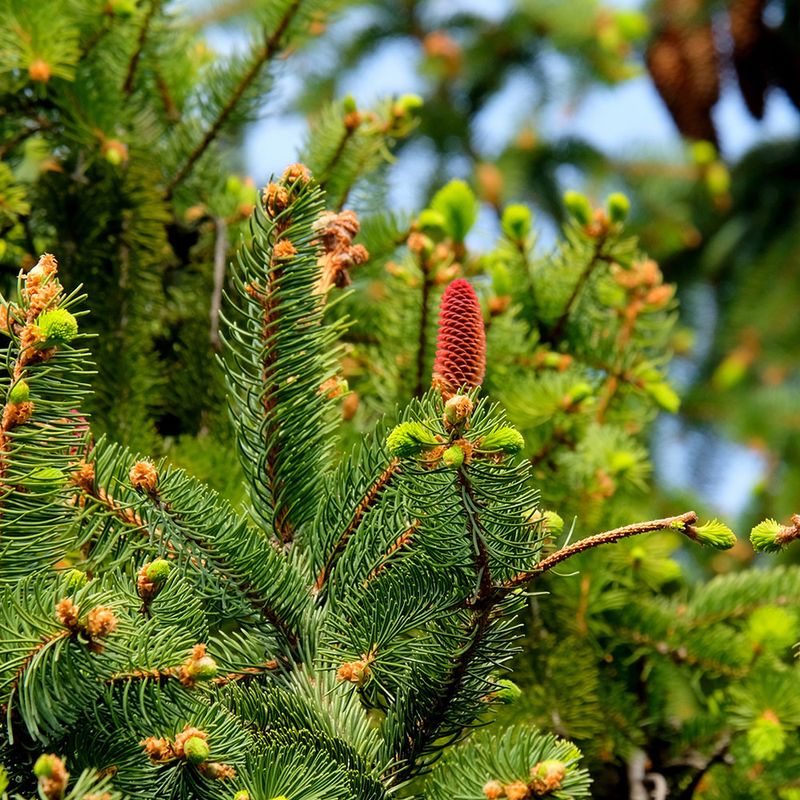
Timing your fertilization correctly can make the difference between a shrub that hardens off properly and one vulnerable to winter damage.
Fertilizing too late in the growing season encourages tender new growth that won’t have time to toughen up before winter.
This soft growth is especially susceptible to winter burn and cold injury in Colorado.
Stop fertilizing your young evergreens by mid-July at the latest.
This gives plants time to slow their growth and begin the hardening process that prepares them for winter.
During this hardening period, cell walls thicken and plants adjust their internal chemistry to withstand freezing temperatures.
Nitrogen is the main nutrient that stimulates new growth, so be especially careful about nitrogen-rich fertilizers in late summer and fall.
If you’ve been feeding your lawn near your evergreens, be aware that shrubs can absorb nitrogen from lawn fertilizer applications too.
Consider creating a fertilizer-free buffer zone around sensitive evergreens in late summer.
Early spring is a much better time for fertilizing, giving plants the entire growing season to use nutrients and mature properly.
In Colorado’s short growing season, this timing discipline becomes even more important.
Plants that enter winter in a semi-dormant state with mature foliage handle the stress much better than those still actively growing.
Patience with fertilizer pays off in healthier, more resilient evergreen shrubs.
Provide Supplemental Winter Watering
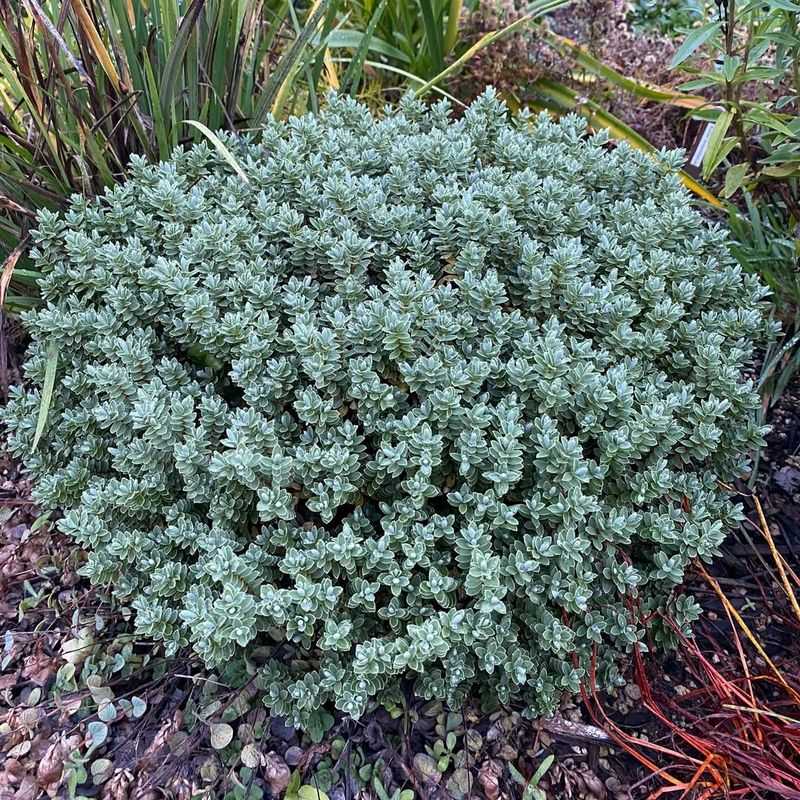
Winter watering might seem strange, but it’s essential for evergreen survival in Colorado’s dry climate.
Unlike deciduous plants that shut down completely, evergreens continue losing moisture through their needles all winter long.
When the ground freezes, roots can’t absorb replacement moisture even though the plant keeps losing it.
This imbalance causes winter burn, leaving needles brown and crispy.
During warm spells when temperatures rise above freezing and the ground thaws, take advantage of the opportunity to water.
Colorado typically experiences several of these warm periods throughout winter.
Water midday when temperatures are highest and the ground is most receptive.
Focus on the root zone, applying water slowly so it soaks in rather than running off frozen ground.
Young shrubs need this supplemental moisture more than established plants because their root systems are smaller and shallower.
Check soil moisture before watering—if it’s already wet, skip the watering to avoid overwatering issues.
Evergreens in sunny, exposed, or windy locations need more frequent winter watering than those in sheltered spots.
Even a monthly winter watering during warm periods can dramatically reduce spring damage.
This practice is especially important during dry winters when natural precipitation is minimal.
Colorado’s low humidity and frequent sunshine make winter watering not just helpful but often necessary for young evergreen health.
Prune Damaged Growth In Early Spring
Even with excellent protection, some winter damage may occur on young evergreens in Colorado.
Early spring is the perfect time to assess damage and remove affected branches.
Wait until new growth begins emerging so you can clearly see what survived and what didn’t.
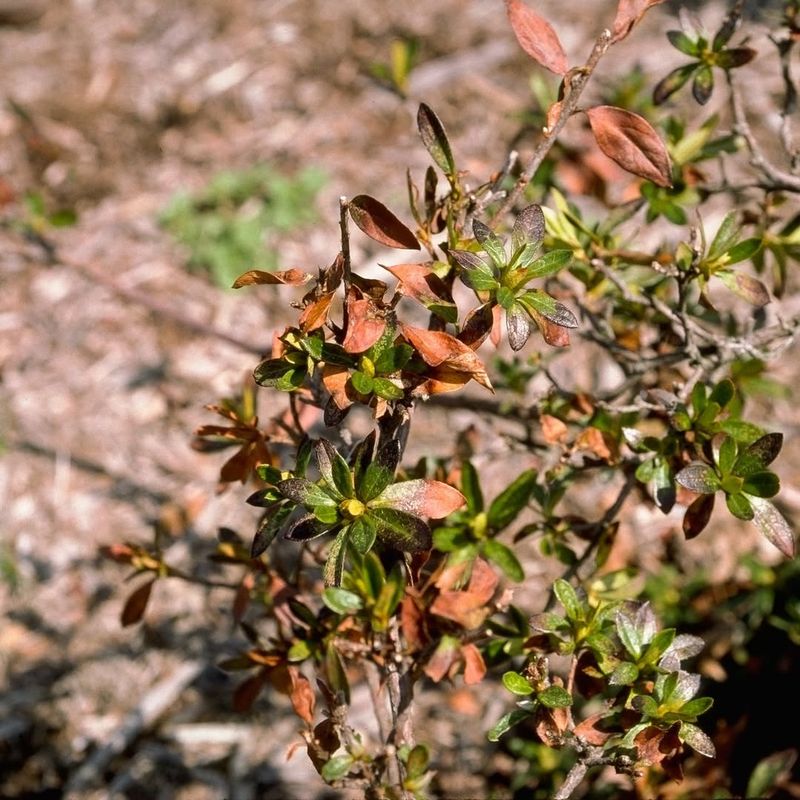
Brown or bronze needles that don’t green up once spring arrives should be pruned away.
Use clean, sharp pruning shears to make cuts just above healthy growth or back to the main stem.
Remove entire branches only if they’re completely brown with no signs of life.
Sometimes branches that look damaged will surprise you by pushing out new growth from dormant buds.
Give your shrubs a few weeks of warm weather before making final pruning decisions.
Prune conservatively at first—you can always remove more later if needed.
Proper pruning helps your evergreen direct energy into healthy growth rather than trying to support damaged tissue.
It also improves appearance and prevents disease organisms from colonizing damaged areas.
In Colorado, late April through early May typically provides the right timing for this work.
Dispose of pruned material away from healthy plants to prevent potential disease spread.
After pruning, continue providing good care including proper watering to help your shrubs recover.
Most young evergreens bounce back surprisingly well from moderate winter damage when given appropriate spring care and attention.
Monitor And Adjust Protection Methods Annually
Winter protection isn’t a one-size-fits-all or set-it-and-forget-it proposition in Colorado.
Each winter brings different challenges, and your shrubs’ needs change as they mature.
Keep notes about what protection methods you used each year and how well they worked.
Did certain shrubs show more damage than others despite similar protection?
Were there particularly harsh periods when your barriers failed or proved insufficient?
This information helps you refine your approach for future winters.
As your evergreens grow and their root systems expand, they’ll naturally become more resilient and need less intensive protection.
A three-year-old shrub requires different care than one you just planted last spring.
Pay attention to changing conditions on your property too.
Perhaps a new fence now provides windbreak where none existed before, or maybe you removed a tree that previously offered shelter.
Colorado weather patterns also vary significantly from year to year.
Dry winters demand more supplemental watering, while snowy winters might reduce that need.
Experiment with different combinations of protection methods to find what works best for your specific situation.
Don’t be afraid to try new approaches if your current methods aren’t delivering the results you want.
Successful evergreen care in Colorado requires observation, flexibility, and a willingness to adapt your strategies based on real-world results in your unique landscape.