How To Prune Blueberries In Oregon For A Bigger Harvest
Blueberry bushes don’t ask for much, but a little smart pruning can make a big difference when harvest season rolls around.
Many Oregon gardeners are surprised to learn that skipping this step often leads to smaller berries, crowded branches, and bushes that slowly lose their productivity. A quick trim at the right time helps the plant focus its energy where it matters most.
Late winter and early spring are perfect moments to take a closer look at your blueberry bushes. While the plants are still dormant, it’s easier to see the structure of the branches and decide what should stay and what needs to go.
Think of it as giving the bush a fresh start before the growing season really kicks in. With the right approach, pruning encourages stronger growth, better airflow, and bigger clusters of fruit. A few careful cuts now can lead to a much more rewarding harvest later.
1. Start With The Right Timing
Timing is everything when it comes to pruning blueberries in Oregon. The best window falls during the dormant period, which usually runs from late December through March.
During this time, the plant is resting and has not yet started pushing out new buds.
Pruning during dormancy is smart because you can clearly see the structure of the bush without leaves in the way. It also gives the plant time to recover before the growing season kicks off.
Oregon gardeners have a slight advantage here because the mild winters keep the ground workable for most of the season.
If you wait too long and buds begin to swell, you risk cutting off future fruit. Pruning too early in fall can also cause problems because the plant may not have fully gone dormant yet.
Mark your calendar and make pruning a yearly habit. Consistent annual pruning keeps your bushes productive for decades.
A little effort each winter pays off in a big way come summer harvest time.
2. Remove Damaged Wood
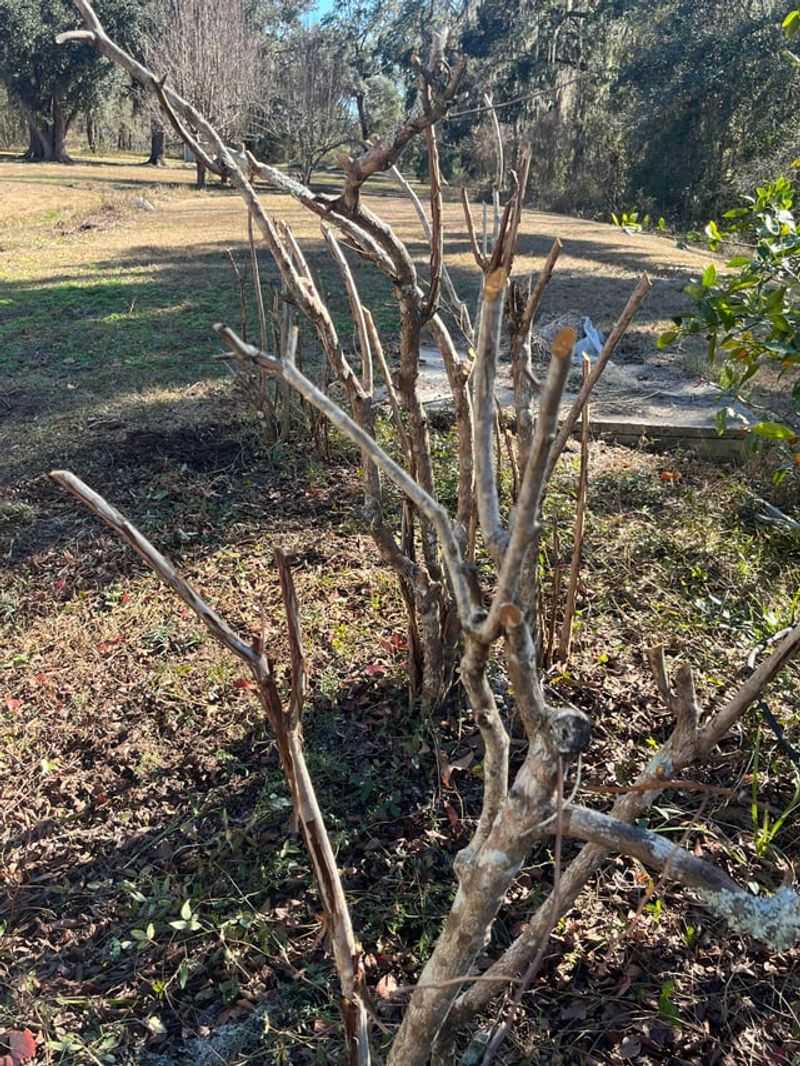
Every good pruning session starts with a walk around each bush looking for wood that is clearly no longer healthy. Withered branches tend to look dry, brittle, and gray.
They may also have cracked or peeling bark that sets them apart from the living wood nearby.
Damaged wood can happen for several reasons in Oregon. Heavy rain, wind, or frost can all leave branches broken or bent at odd angles.
Diseased wood may show dark spots, cankers, or unusual discoloration that spreads if left unchecked.
Always remove this type of wood first before making any other cuts. It gives you a cleaner picture of what the plant actually looks like underneath all that clutter.
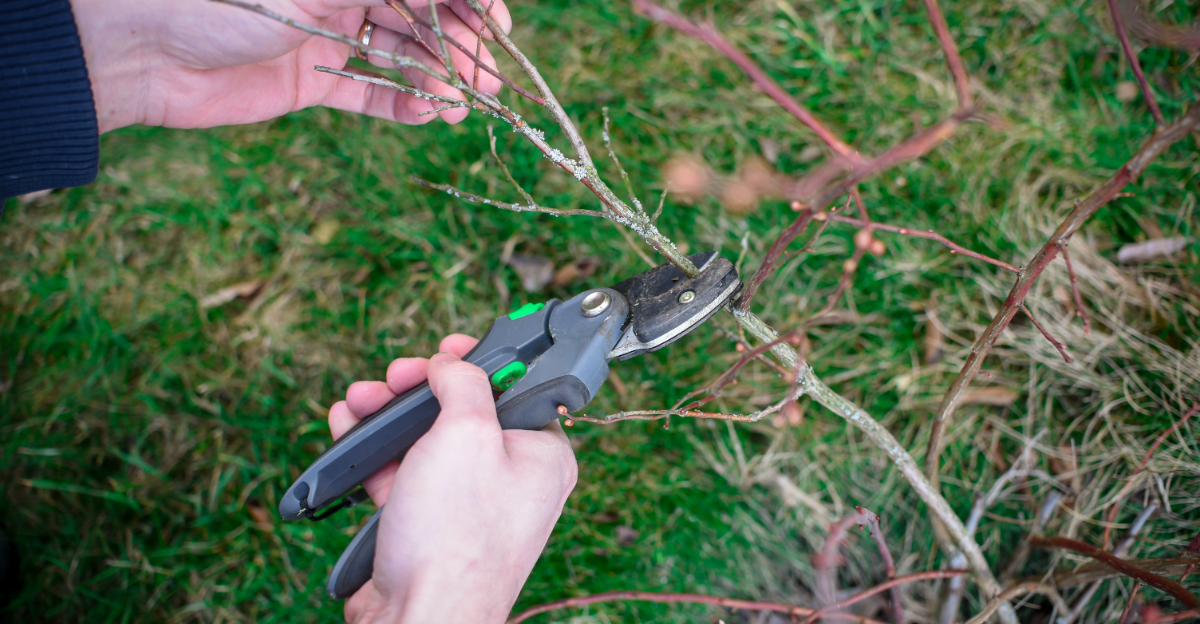
Use sharp bypass pruners or loppers so you make clean cuts instead of crushing the branch.
Clean cuts heal faster and reduce the chance of disease entering the plant. Wipe your tools with a diluted bleach solution between bushes to avoid spreading any problems from one plant to another.
This simple habit keeps your entire Oregon blueberry patch healthier over the long run.
3. Cut Out Weak, Spindly Growth
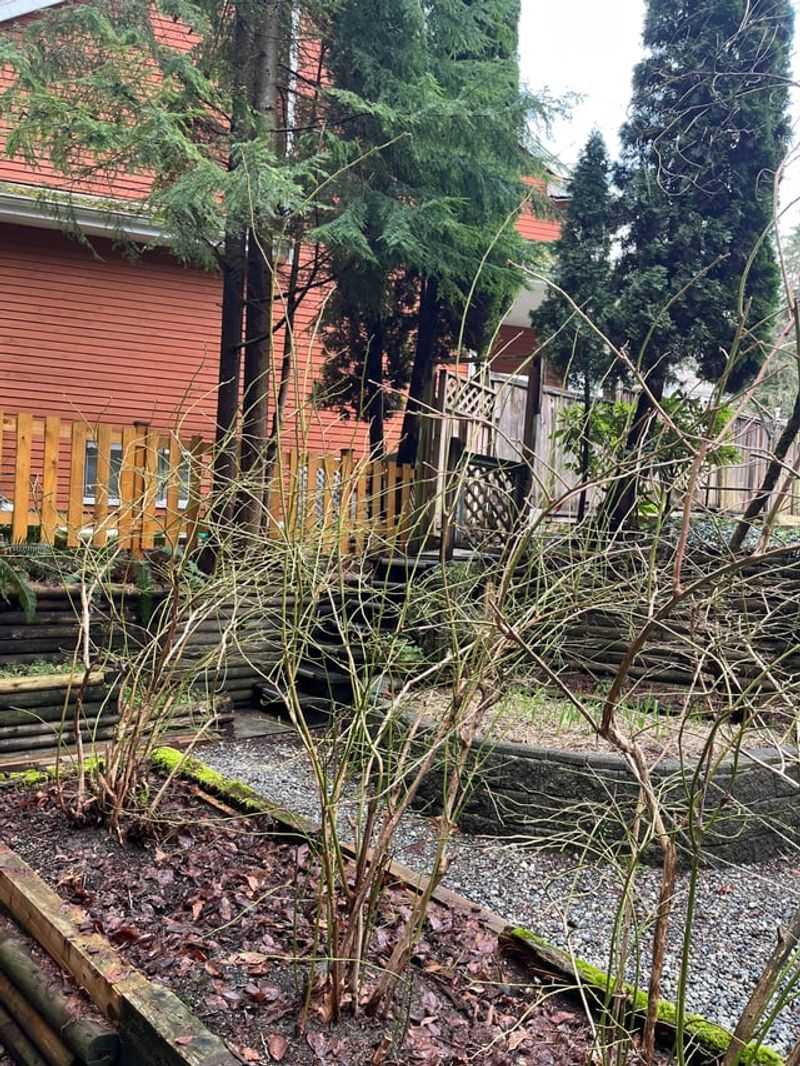
Not all growth on a blueberry bush is worth keeping. Thin, spindly shoots that are about the width of a pencil or smaller are usually not strong enough to support fruit.
They pull energy away from the parts of the plant that actually produce a good harvest.
You will often find these weak shoots crowded near the base of the plant or growing in the shaded interior of the bush. They tend to look pale and floppy compared to the thicker, more upright canes.
Removing them is one of the easiest ways to redirect the plant’s energy toward stronger, more productive growth.
Oregon blueberry growers who skip this step often end up with bushes that look full but produce small or sparse fruit. The plant is simply spreading itself too thin.
By cutting out the weak stuff, you allow the strong canes to thrive and produce bigger berries.
Focus on removing shoots that are clearly thinner than a standard pencil. If a shoot wobbles when you touch it, that is a good sign it should go.
Your bush will look less full immediately after, but the results by harvest time will speak for themselves.
4. Open Up The Center
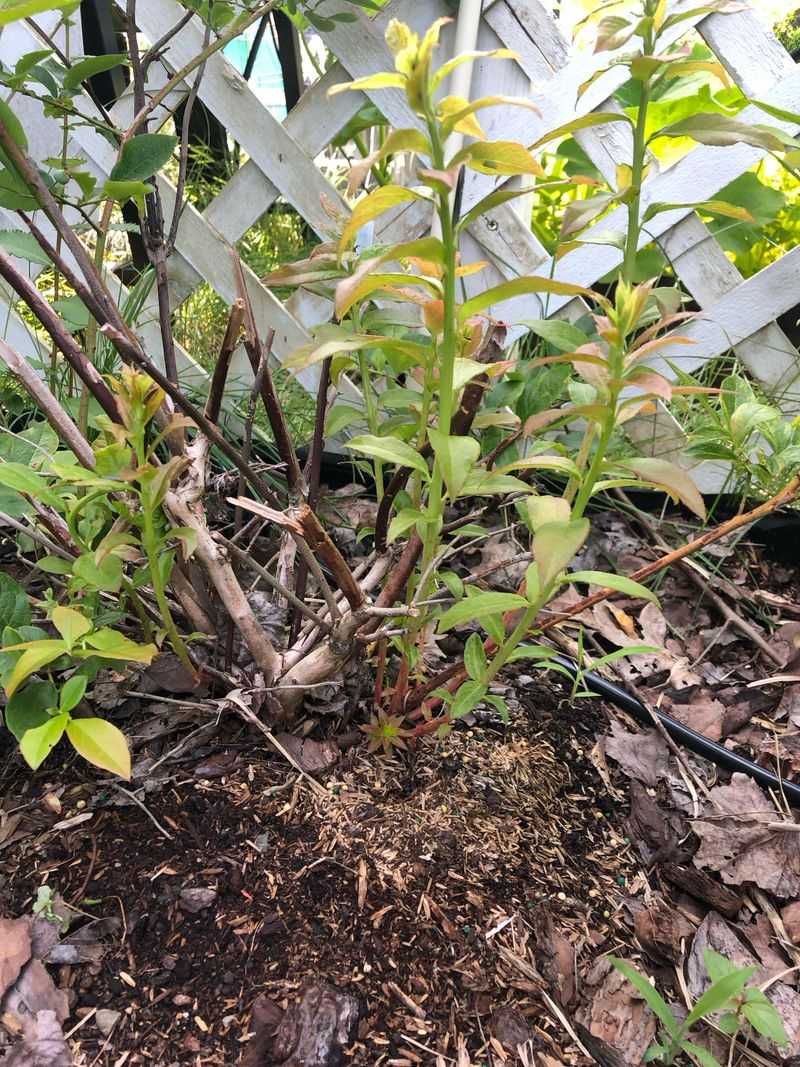
A crowded center is one of the biggest reasons blueberry bushes underperform. When branches grow too close together in the middle, air cannot circulate properly and sunlight cannot reach the inner parts of the plant.
This creates a damp, shaded environment that invites fungal problems and reduces fruit production.
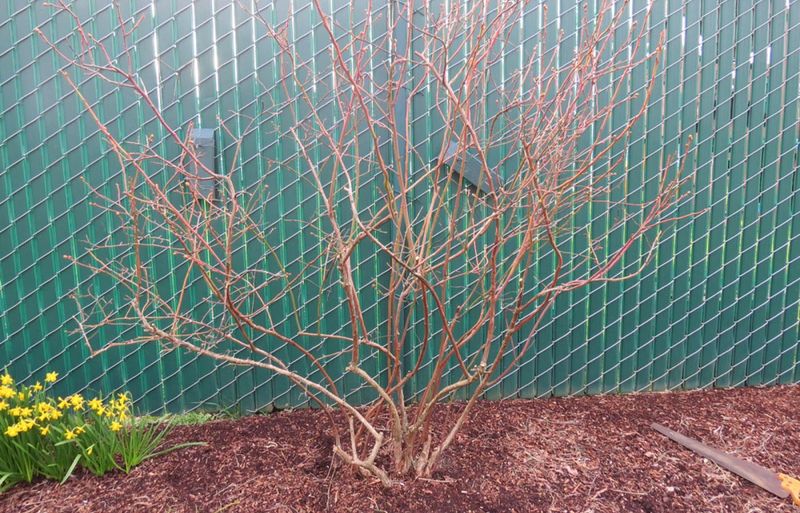
The goal is to create what growers call a vase shape. Imagine looking down at the bush from above and seeing an open circle in the middle with strong canes arching outward around it.
This design lets sunlight and air flow freely through the entire plant.
In Oregon, where rainfall is frequent especially in the Willamette Valley, good airflow is extra important. Wet conditions can lead to botrytis and other fungal issues that spread quickly in dense, closed-off bushes.
Opening the center helps the foliage dry out faster after rain.
To achieve this shape, remove any branches that point inward toward the center of the bush. Also cut low-growing branches that droop toward the ground, especially ones that might touch the soil when loaded with fruit.
A clean, open center makes a noticeable difference in both plant health and berry size.
5. Remove Old, Unproductive Canes
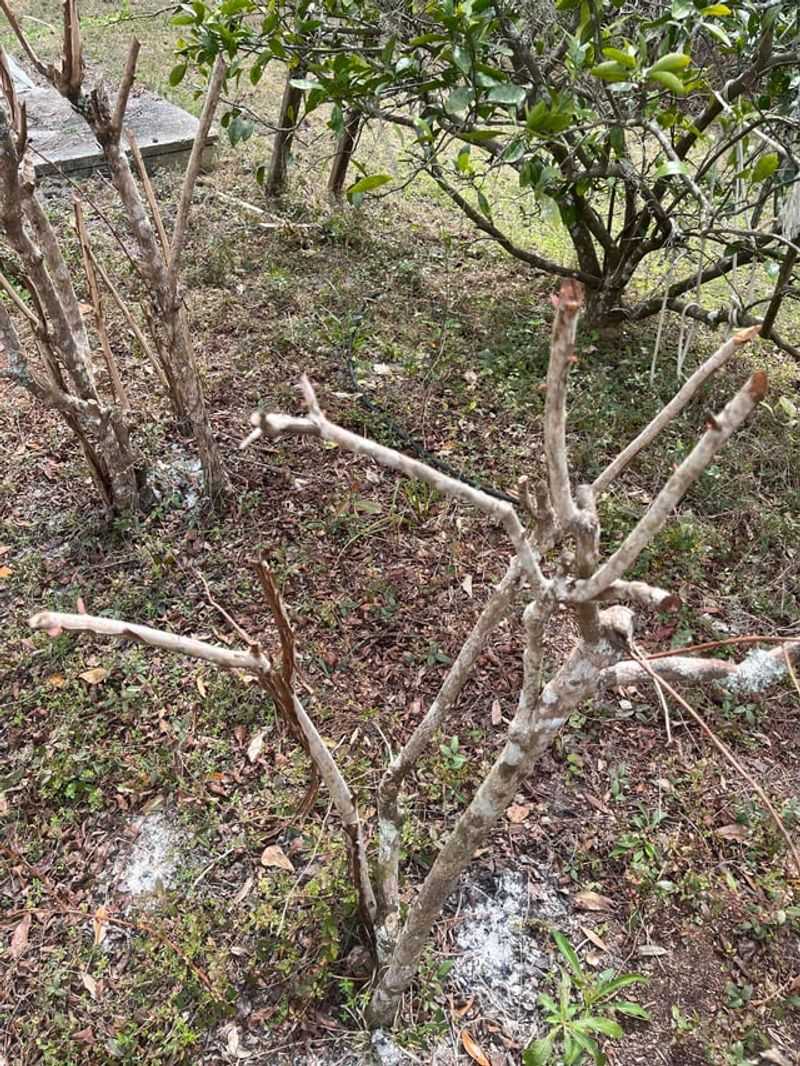
Blueberry canes do not stay productive forever. After about six to eight years, a cane starts to slow down and produces far fewer berries than it did in its prime.
These older canes are easy to spot because they tend to be thicker, darker, and have rough or peeling bark.
Oregon State University Extension recommends removing the two oldest canes from each bush every winter. This might feel like a lot, but it is one of the most effective ways to keep your plants producing at their best.
Younger canes that are three to five years old are typically your most fruitful wood.
When you remove the old canes, you are essentially making room for the new growth that will become your future producers. Think of it like rotating crops in a vegetable garden.
You are always working toward a fresh, vigorous set of canes that will carry the heaviest fruit loads.
Cut old canes all the way down to the base of the plant. Do not leave stubs behind because they can become entry points for disease.
Over time, this practice keeps your Oregon blueberry bushes young, energetic, and consistently productive season after season.
6. Encourage Strong New Shoots
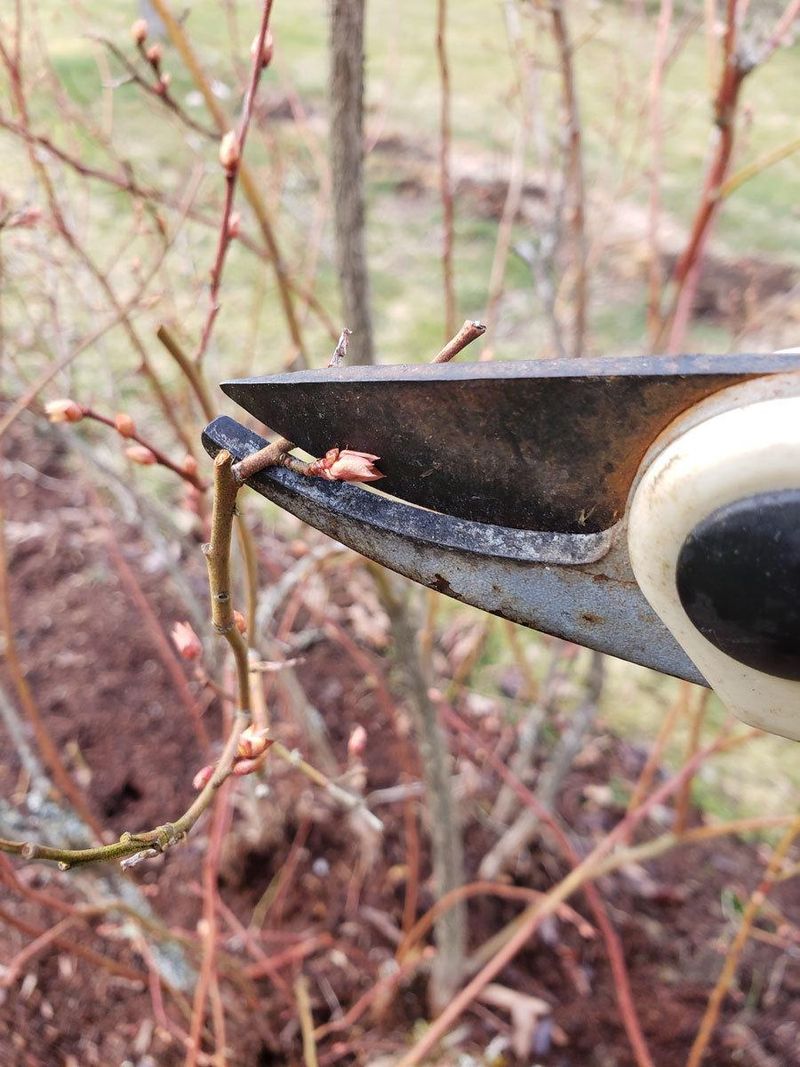
One of the best outcomes of good pruning is the flush of strong new growth that follows. When you remove old, crowded, and weak wood, the plant redirects its energy into pushing out fresh, vigorous shoots from the base.
These new shoots are the future of your harvest.
Young shoots that emerge from the base are called suckers or basal shoots. Not all of them should be kept, but selecting the strongest two or three each year to replace what you removed is a smart strategy.
Look for shoots that are thick, upright, and growing in a direction that helps fill out the overall shape of the bush.
In Oregon, spring growth can come on quickly once temperatures warm up in March and April. Keeping an eye on your plants during this time helps you spot the best new shoots early.
A little guidance now means better structure and more fruit a couple of seasons down the road.
Feeding your plants with an acidic fertilizer after pruning also helps encourage this new growth. Blueberries love a soil pH between 4.5 and 5.5, which is easy to maintain in many parts of Oregon.
Healthy soil equals healthy new shoots equals a bigger harvest.
7. Shape The Plant For Better Sunlight
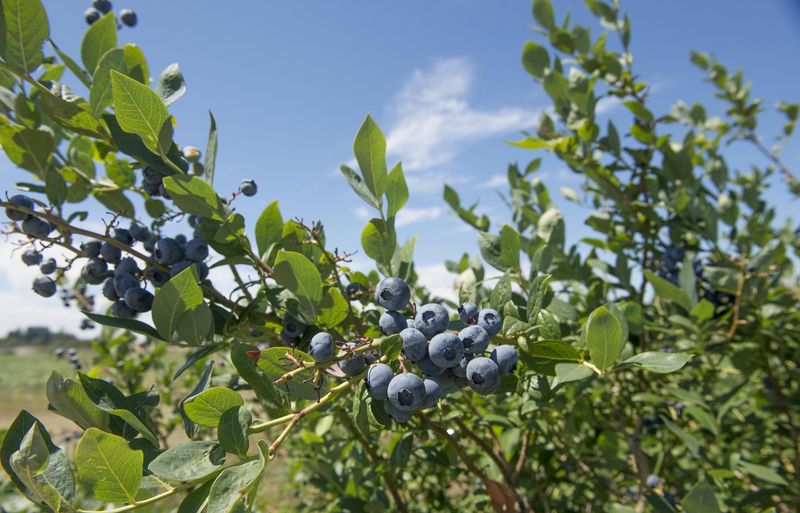
Sunlight is fuel for blueberry plants. The more evenly distributed the light is across the entire bush, the more energy the plant has to produce large, sweet berries.
Shaping the plant during pruning is a direct investment in berry quality and quantity.
A well-shaped blueberry bush in Oregon should have canes that spread outward and upward in an even, balanced way. No single side should be significantly heavier or taller than the other.
This balance ensures that every part of the plant gets its fair share of those precious Pacific Northwest sunshine hours.
Look at each bush from several angles as you prune. Step back often and assess the overall silhouette.
If one side looks too dense or one area is being shaded by a neighboring branch, make the cut. Small adjustments during pruning lead to major improvements in light exposure by the time leaves fill in.
Spacing between your bushes also plays a role in how much light each plant receives. Most highbush varieties do best with about five to six feet between plants.
If your Oregon garden has bushes planted close together, shaping them to angle outward rather than toward each other helps maximize the sunlight each plant can capture.
8. Avoid Common Pruning Mistakes
Even experienced gardeners make pruning mistakes, and blueberries are not always forgiving. One of the most common errors is not pruning at all.
Skipping even one or two seasons can lead to a tangled, overcrowded bush that produces tiny berries and becomes harder to manage each year.
Another frequent mistake is over-pruning all at once. If you have a severely neglected bush, do not try to fix everything in a single season.
Remove no more than one-third of the total wood in any given year. Aggressive cuts can stress the plant and reduce that year’s harvest significantly.
Using dull or dirty tools is also a problem many Oregon gardeners overlook. Dull blades crush stems instead of cutting cleanly, which slows healing and invites disease.
Dirty tools can spread fungal spores or bacteria from one plant to another without you even realizing it.
Finally, avoid pruning at the wrong time of year. Summer pruning removes leaves the plant needs to photosynthesize and build energy reserves.
Fall pruning can stimulate new growth that gets damaged by frost. Stick to that late winter window before bud swell, and you will avoid most of the common pitfalls that hold Oregon blueberry growers back from their best harvest yet.