How To Prune Fig Trees For Bigger Harvests In California
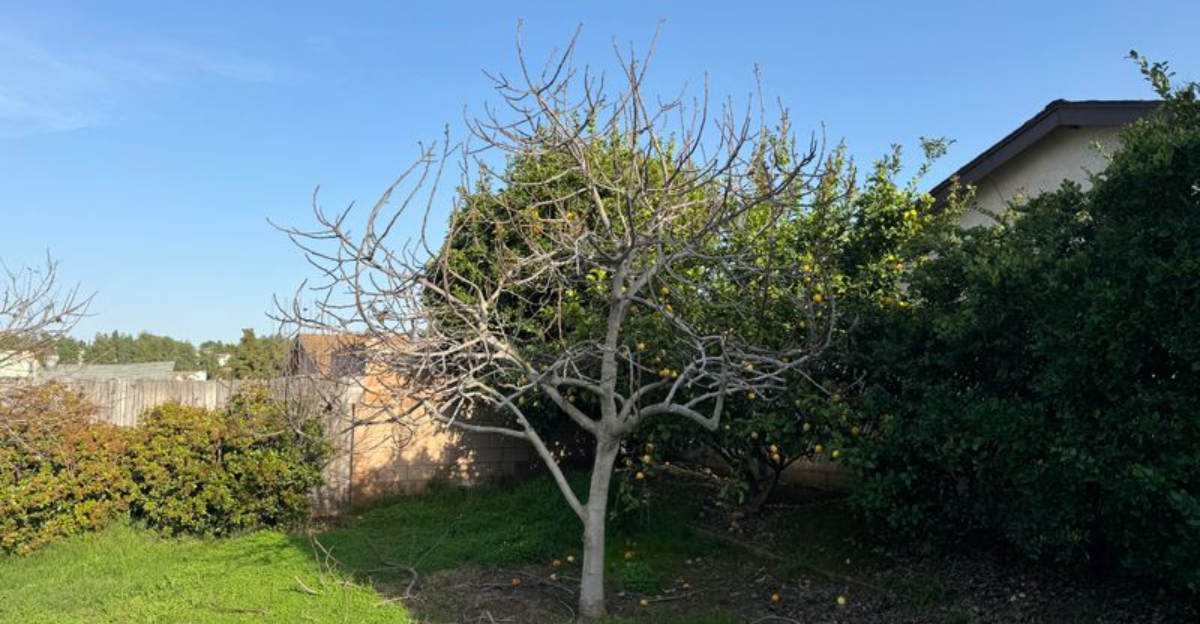
Pruning fig trees in California isn’t just a routine task, it’s one of those small actions that quietly shapes how generous the harvest becomes.
With the state’s long growing season, knowing when and how to cut makes a noticeable difference in fruit quality and tree health.
The right pruning approach helps figs focus energy where it matters instead of wasting it on excess growth.
Handled thoughtfully, pruning sets fig trees up for stronger structure and more reliable harvests year after year.
1. Remove Dead and Damaged Wood First
Starting with the basics makes everything else fall into place when you’re working on your tree.
Dead branches steal energy from healthy growth and can harbor diseases that spread quickly.
California’s dry climate sometimes causes branches to wither, so checking your tree regularly helps catch problems early.
Look for gray or brown wood that feels brittle when you touch it gently with your fingers.
Healthy branches bend slightly, while damaged ones snap easily and show no green tissue inside when cut.
Remove these sections by cutting back to where you see living wood with a clean, sharp tool.
This step should happen before any other pruning work begins on your fig tree each season.
Clearing away the damaged parts lets you see the tree’s true structure and plan your next moves.
Your tree will thank you by directing nutrients to productive branches that actually bear fruit for your family.
2. Prune During the Dormant Season
Timing your pruning work correctly can make the difference between a good harvest and a great one.
Winter months bring a natural rest period when fig trees stop growing and lose their leaves completely.
California gardeners typically find January through early March ideal for major pruning work on these productive trees.
Working during dormancy means your tree won’t lose sap or suffer stress from cuts you make.
The tree’s energy stays stored in the roots and trunk, ready to burst forth when spring arrives.
You can also see the branch structure much more clearly without all those big leaves blocking your view.
Avoid pruning too late in spring because new growth will already be developing and you’ll waste energy.
Early timing gives your fig tree maximum recovery time before the growing season kicks into high gear.
Most California varieties respond beautifully to dormant-season pruning and reward you with abundant fruit by summer’s end.
3. Open Up the Center for Airflow
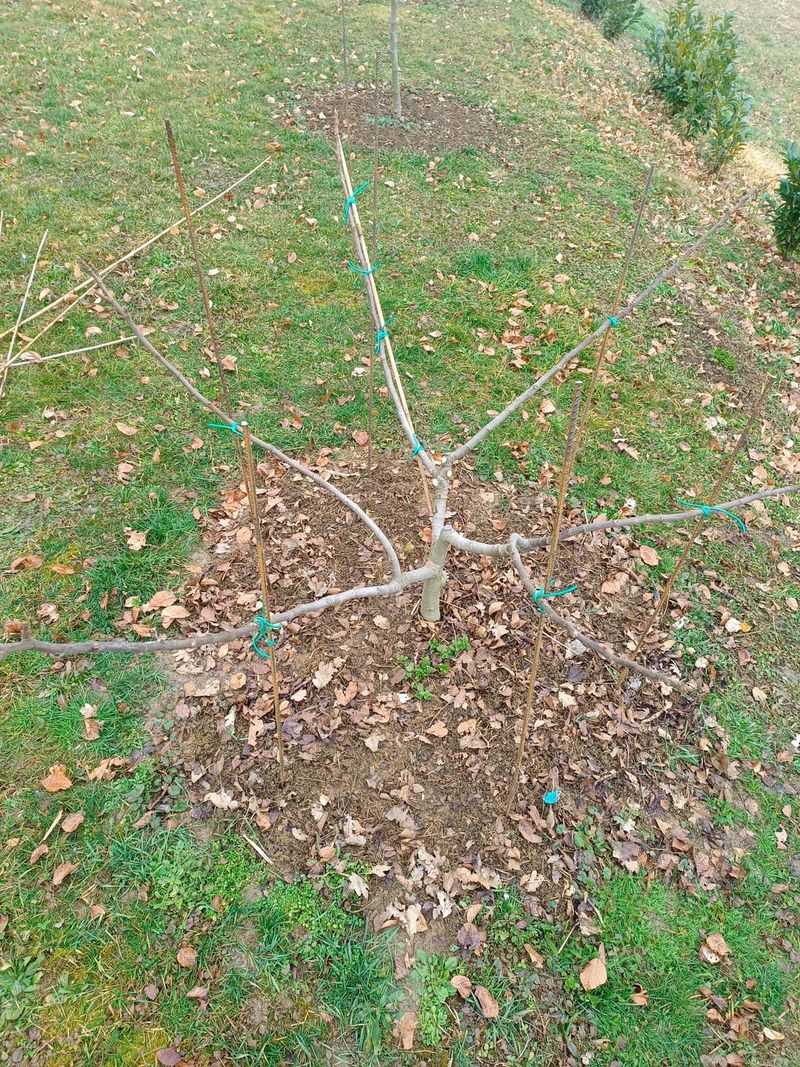
Creating space inside your tree’s canopy might seem counterintuitive, but it actually boosts fruit production significantly.
Dense foliage blocks sunlight from reaching inner branches where fruit develops throughout the season.
California’s warm weather can also trap moisture inside thick canopies, leading to fungal problems that damage your crop.
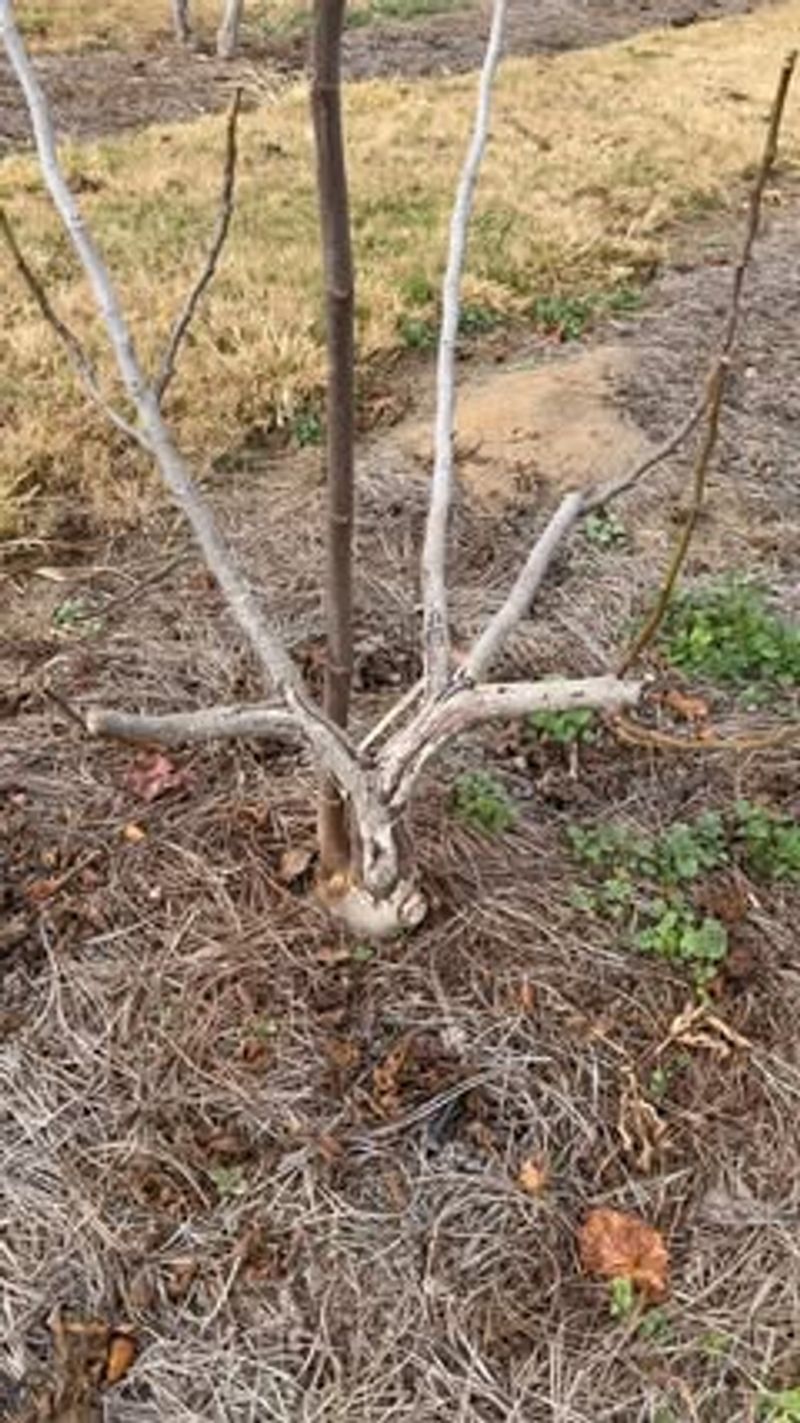
Select three to five main branches that spread outward like an open hand reaching toward the sky.
Remove any branches that grow straight up through the center or cross over other limbs.
This vase shape allows air to circulate freely and sunlight to penetrate every part of the tree.
Better airflow means your figs ripen more evenly and develop sweeter flavor in California’s abundant sunshine.
Diseases have fewer places to hide when branches aren’t crowded together in a tangled mess.
Your harvest will improve dramatically when every branch gets the light and air it needs to thrive beautifully.
4. Cut Back Vigorous Vertical Shoots
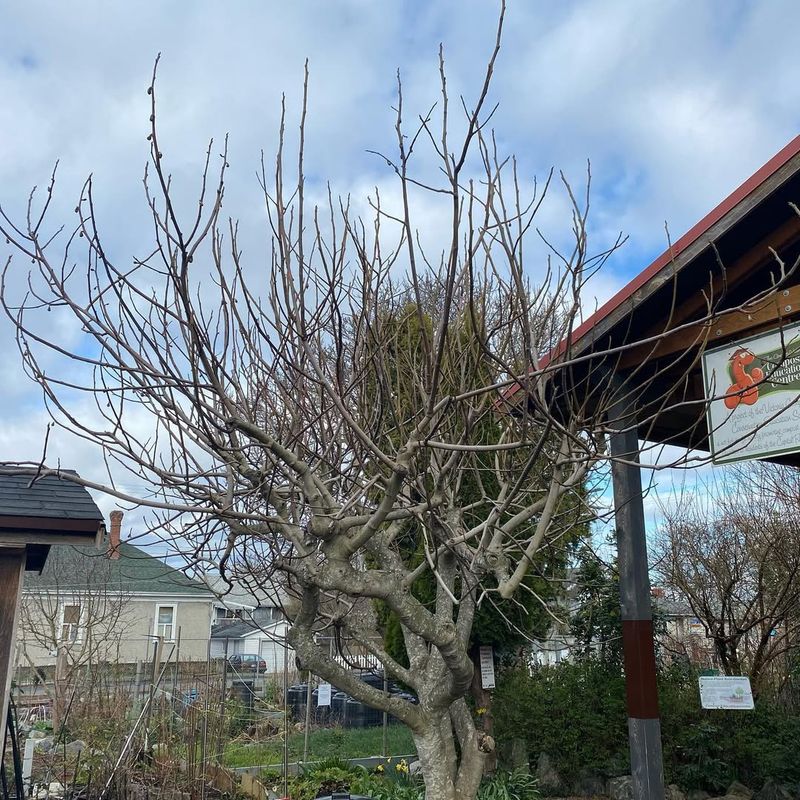
Vertical shoots pop up like rockets from your tree’s branches, growing incredibly fast but producing very little fruit.
These water sprouts drain energy that could go toward developing delicious figs for your family to enjoy.
California’s fertile soil and sunshine often encourage excessive vegetative growth that looks impressive but doesn’t help your harvest.
Identify these straight, fast-growing shoots by their position and the large leaves they typically produce all along.
They usually grow perpendicular to the branch they emerge from, heading straight up toward the sky.
Most gardeners remove them completely at their base rather than trying to shorten or redirect their growth.
Cutting these shoots forces your tree to redirect nutrients into fruit-bearing wood that will actually produce crops.
Some people hesitate because the tree looks so lush and green with all that growth.
Remember that your goal is fruit production, not just creating a big leafy tree in your California yard.
5. Shorten Long Branches to Encourage Fruiting
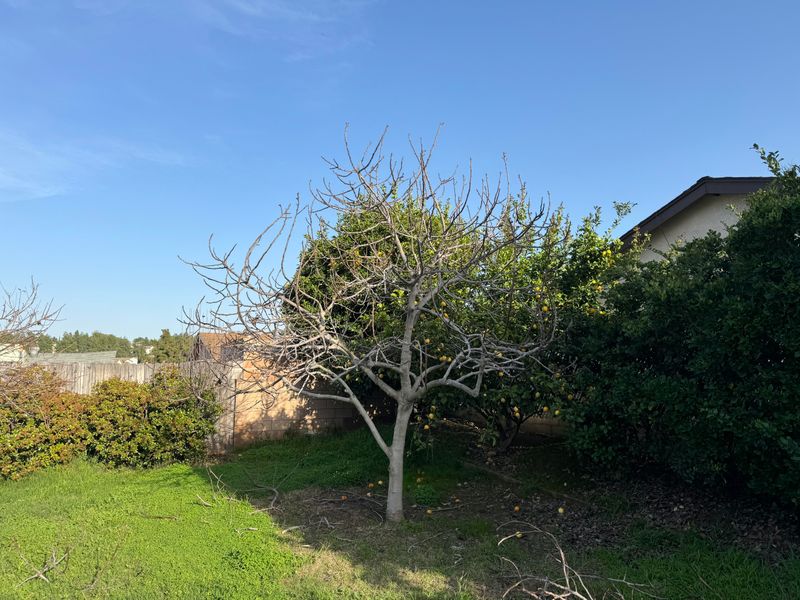
Long, leggy branches might reach impressive lengths but they often produce fruit only at their very tips.
Shortening these branches stimulates growth of lateral shoots that bear much more fruit along their length.
California fig growers have used this technique for generations to maximize their harvests from limited garden space.
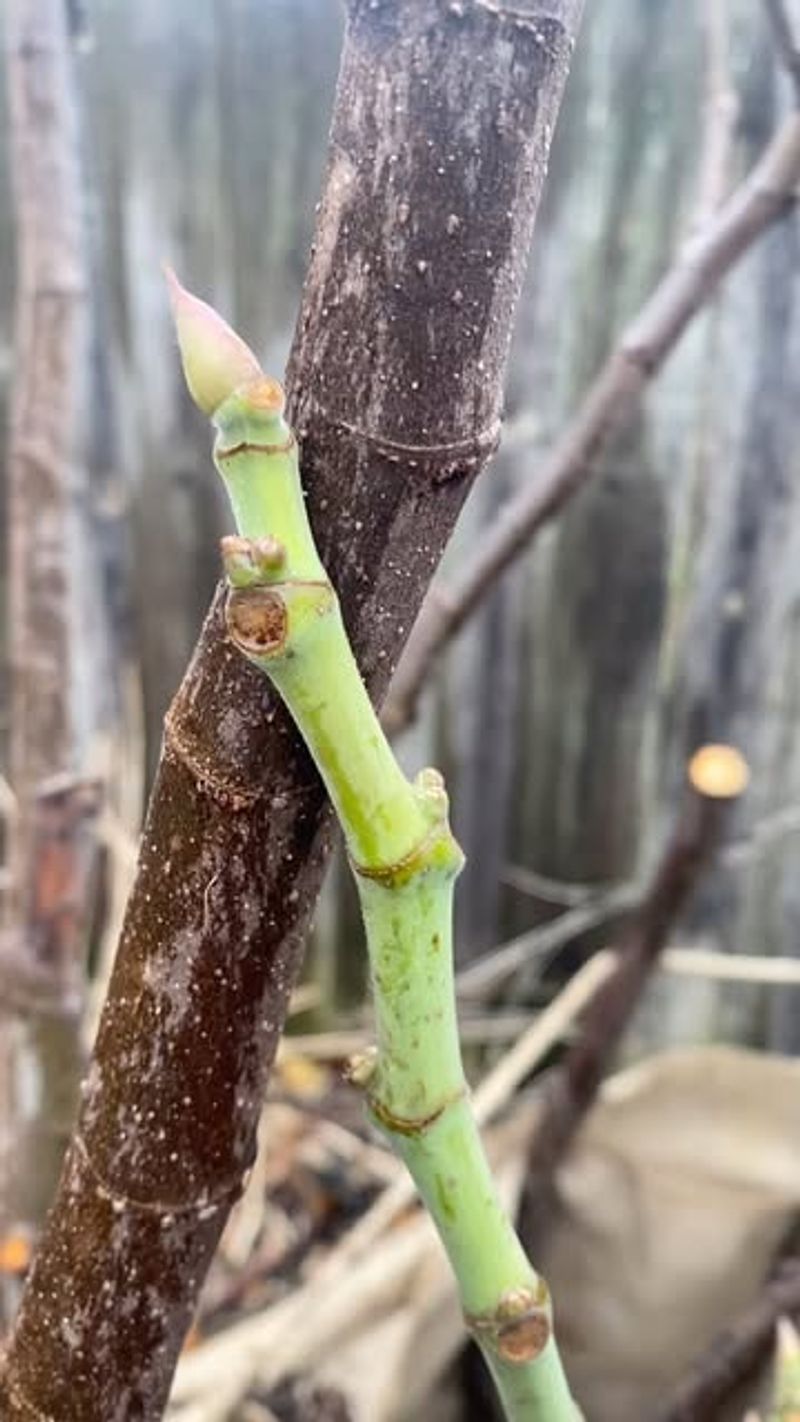
Cut branches back by about one-third of their length, making your cut just above an outward-facing bud.
This encourages the tree to send out side branches that spread horizontally rather than just extending upward.
Each new side branch becomes a potential fruit-producing location for the upcoming season ahead.
Your tree will look more compact and manageable after this type of pruning is completed properly.
Shorter branches also make harvesting much easier since you won’t need a ladder to reach every fig.
California’s growing season is long enough that these new shoots will mature and produce fruit the same year.
6. Thin Out Crowded Branch Clusters
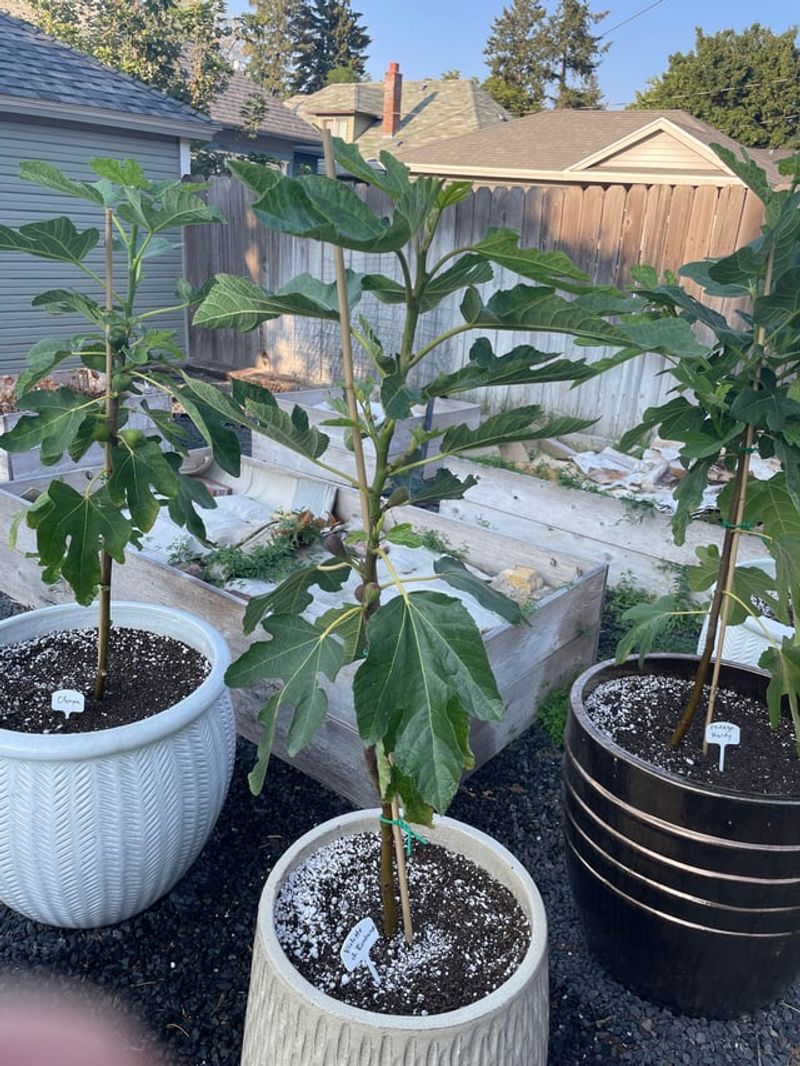
Sometimes multiple branches emerge from the same point, creating a crowded cluster that competes for resources and light.
These clusters weaken the tree’s structure because too many branches attached at one spot create a fragile connection.
California’s occasional strong winds can snap these weak points, causing damage that takes years to repair fully.
Choose the strongest, best-positioned branch from each cluster and remove the others completely at their base.
Look for branches that point in different directions to maintain good spacing throughout the canopy.
This selective thinning strengthens your tree while improving fruit quality by reducing competition among branches.
Each remaining branch will grow thicker and stronger when it doesn’t have to share resources with siblings.
Your figs will also grow larger because nutrients flow to fewer fruits concentrated on well-spaced branches.
California gardeners who master this technique often report their best harvests come from trees with open, uncrowded structures.
7. Remove Low-Hanging Branches Near the Ground
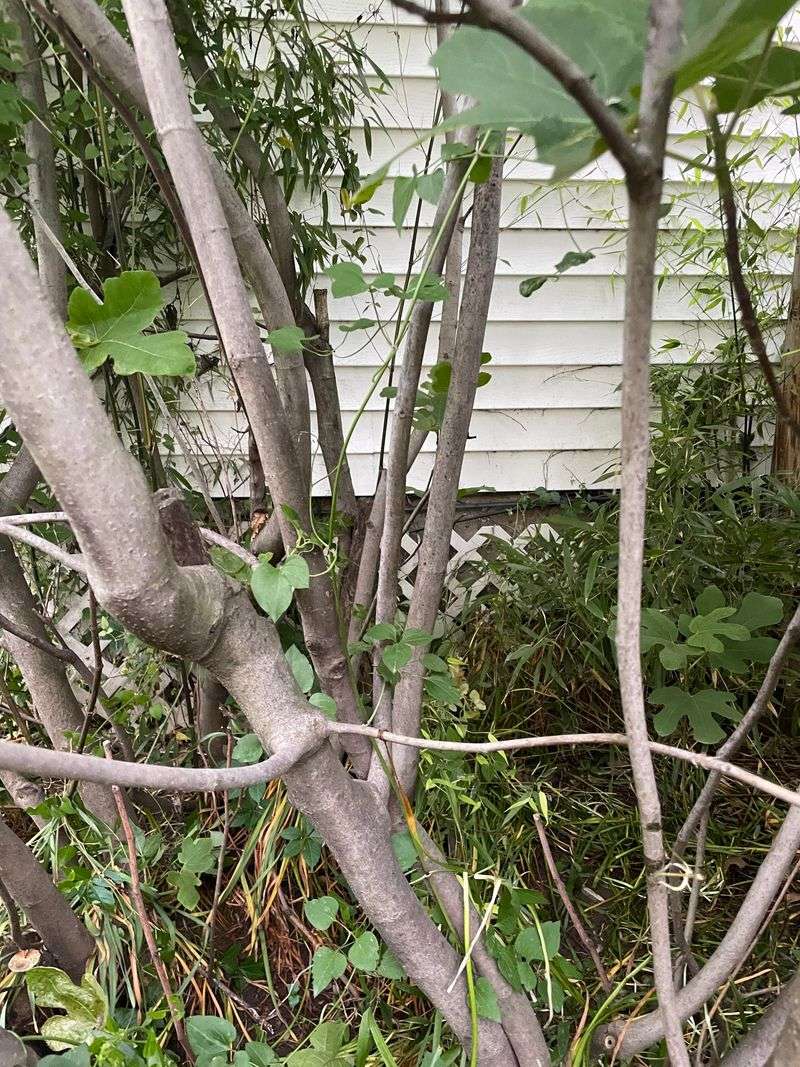
Branches that droop down close to the soil create several problems that can reduce your harvest quality.
Ground contact exposes fruit to insects, diseases, and moisture that can cause rot before figs ripen properly.
California’s varied wildlife, including snails and rodents, find low-hanging fruit much easier to access and damage regularly.
Prune away branches that hang within two feet of the ground to create clear space underneath.
This improves air circulation at the base of your tree and makes it easier to maintain.
Low branches also make mowing and weeding around your tree much more difficult than it needs to be.
Higher fruit stays cleaner and develops better flavor because it receives more direct sunlight throughout the day.
Your tree will look more attractive with a clear trunk visible at the bottom rather than branches sprawling everywhere.
Most California fig varieties produce plenty of fruit on higher branches, so you won’t sacrifice yield by removing these.
8. Maintain a Manageable Tree Height
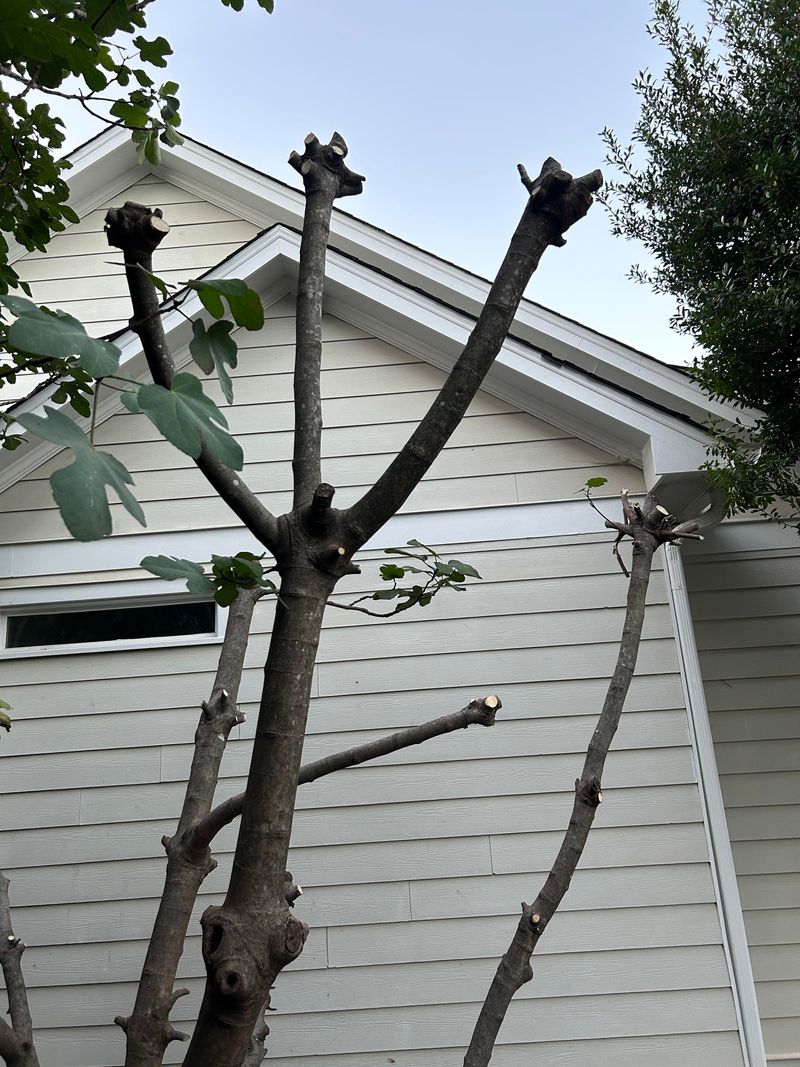
Fig trees can grow surprisingly tall if left unpruned, making harvest time frustrating and even dangerous for homeowners.
Keeping your tree at a comfortable height ensures you can pick fruit easily without climbing high ladders.
California’s excellent growing conditions can push fig trees to fifteen feet or more if you don’t control their upward growth.
Cut the top of your tree back to about eight to ten feet tall, depending on your comfort level.
Make cuts just above outward-facing branches to encourage the tree to spread sideways rather than continuing upward.
This creates a more productive tree because you can actually reach and harvest all the fruit it produces.
Shorter trees are also easier to protect from birds and other pests that love ripe figs as much as you do.
You’ll spend less time on a ladder and more time enjoying your harvest with family and friends.
California’s long growing season means your tree will still produce abundantly even at this more manageable size.
9. Shape Young Trees Early for Future Success
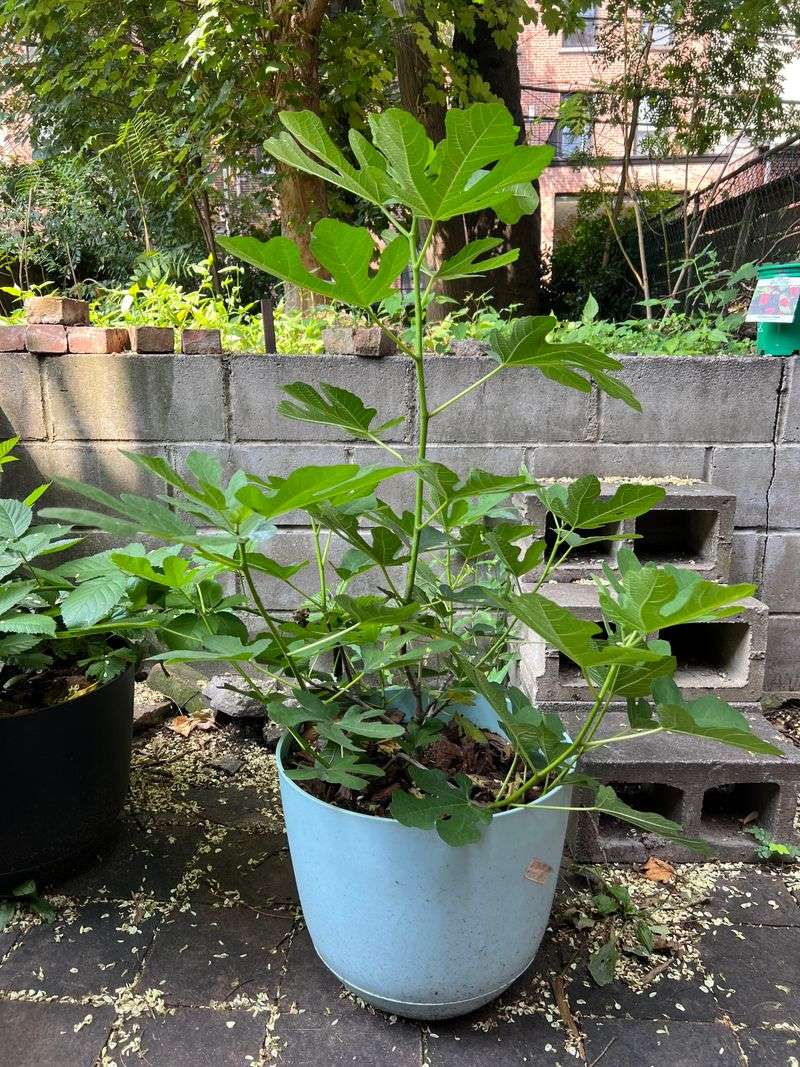
Establishing good structure when your tree is young saves enormous effort in later years and dramatically improves production.
Young trees are flexible and respond quickly to pruning, making it easy to guide their growth direction.
California gardeners who invest time in proper early training enjoy decades of easy maintenance and bountiful harvests afterward.
Select three to five strong branches during the first year that will become your tree’s main framework.
Remove competing branches and any growth that crosses or rubs against these chosen leaders you’ve selected.
Keep the center open from the beginning so you won’t have to make major corrections later.
Early shaping creates a strong skeleton that supports heavy fruit loads without breaking under the weight of your harvest.
Your tree will develop a beautiful, balanced form that looks attractive in your California landscape year-round.
This foundational work pays dividends for the entire life of your tree, making it one of the smartest investments you’ll make.