How To Prune Hibiscus For Massive Blooms In Pennsylvania
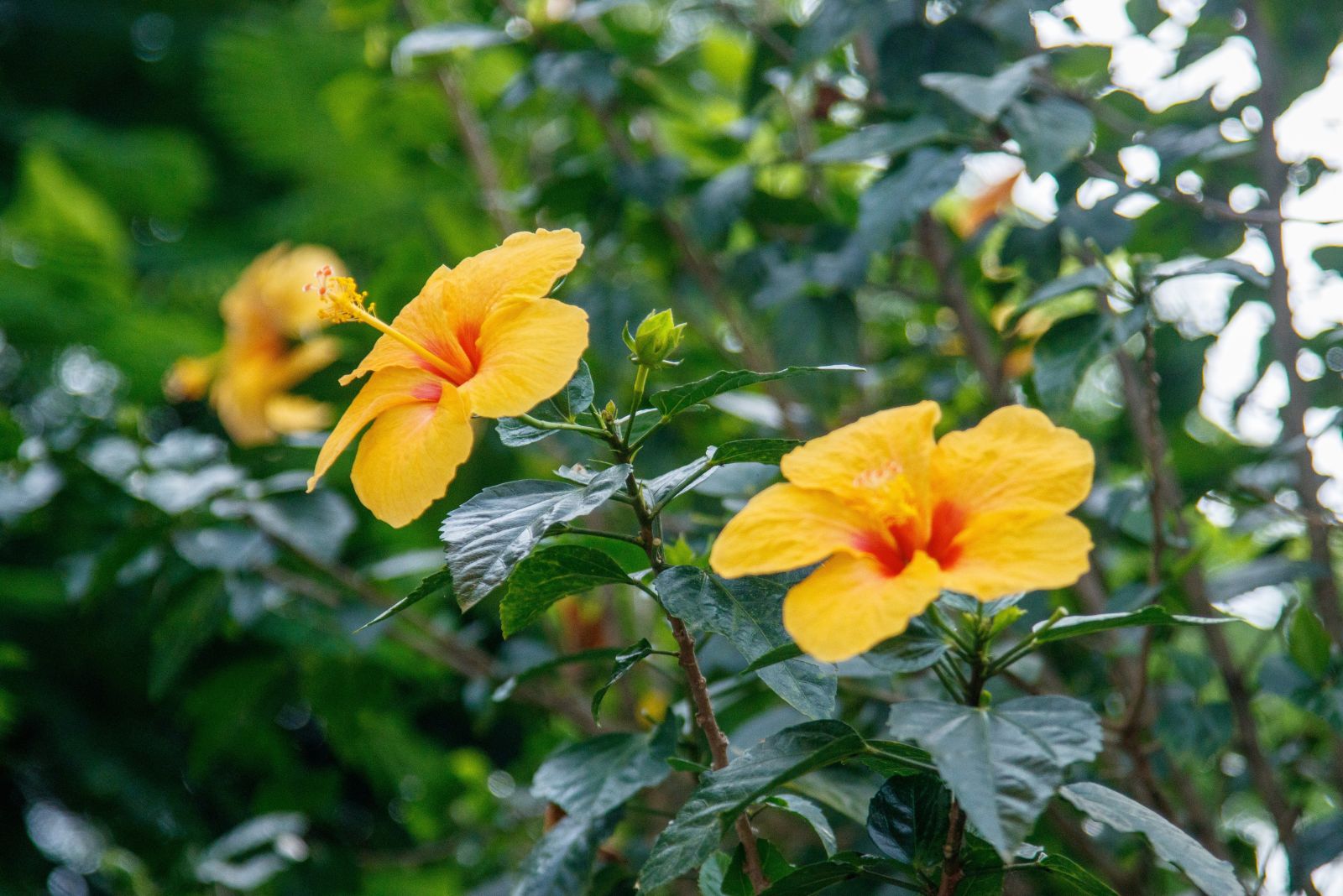
Do you love seeing hibiscus plants burst with giant, colorful flowers but struggle to get them to bloom as fully as you’d like? In Pennsylvania, hibiscus can thrive and put on a spectacular show when pruned properly.
The secret to those massive blooms isn’t just watering or sunlight – it’s knowing how and when to trim your plant to encourage strong growth and flower production.
Pruning hibiscus helps shape the plant, remove old or weak branches, and direct energy toward producing big, vibrant blooms. Cutting at the right spots can also improve airflow, reduce disease risk, and make the plant look tidy and healthy.
Timing matters too, especially with Pennsylvania’s seasonal changes, because pruning too early or too late can affect flowering.
With careful attention, a little technique, and the right timing, your hibiscus can become a standout feature in your garden, giving you more blooms and a splash of color all season long.
Why Pruning Hibiscus Boosts Flower Production?
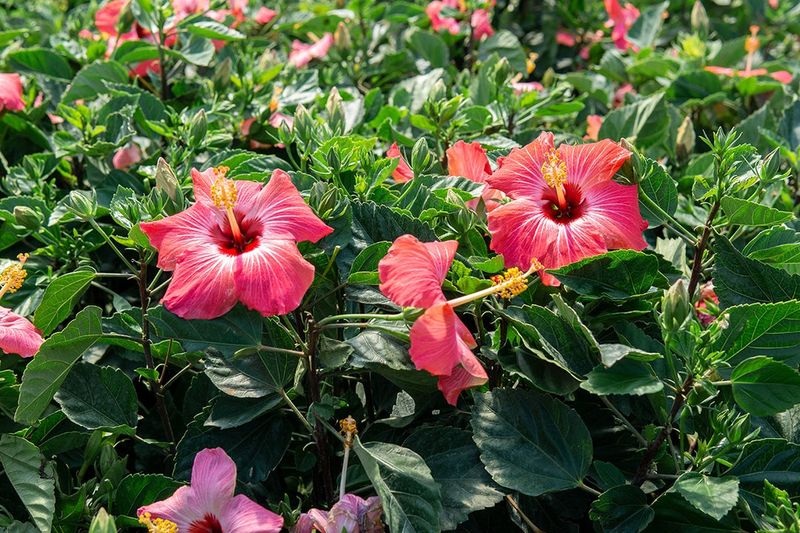
Every gardener in Pennsylvania wants their hibiscus to show off big, bold blooms. Here is a simple truth: pruning is one of the best ways to make that happen.
When you prune your hibiscus, you are helping the plant focus its energy where it matters most.
Hibiscus plants naturally want to grow lots of leaves and long, sprawling branches. While that sounds healthy, all that extra growth actually pulls energy away from flower production.
By removing unnecessary branches and foliage, you are telling the plant to redirect its resources toward making more and larger blooms.
Pruning also opens up the plant’s canopy. Better airflow means less moisture gets trapped between leaves, which reduces the risk of fungal problems.
More sunlight can reach the inner branches, which encourages stronger growth throughout the whole plant.
Pennsylvania summers can be hot and humid, which makes good airflow even more important for hibiscus health. A well-pruned plant handles that heat and humidity much better than a dense, overgrown one.
The stems stay stronger, the leaves stay healthier, and the blooms come in bigger and brighter.
Think of pruning like giving your hibiscus a fresh start. You are removing the old and making room for the new.
Each cut you make is an invitation for the plant to push out fresh growth loaded with flower buds.
Gardeners across Pennsylvania who prune regularly often notice their hibiscus plants producing double or even triple the number of blooms compared to unpruned plants. It really is that simple and that effective.
When To Prune Hibiscus In Pennsylvania?
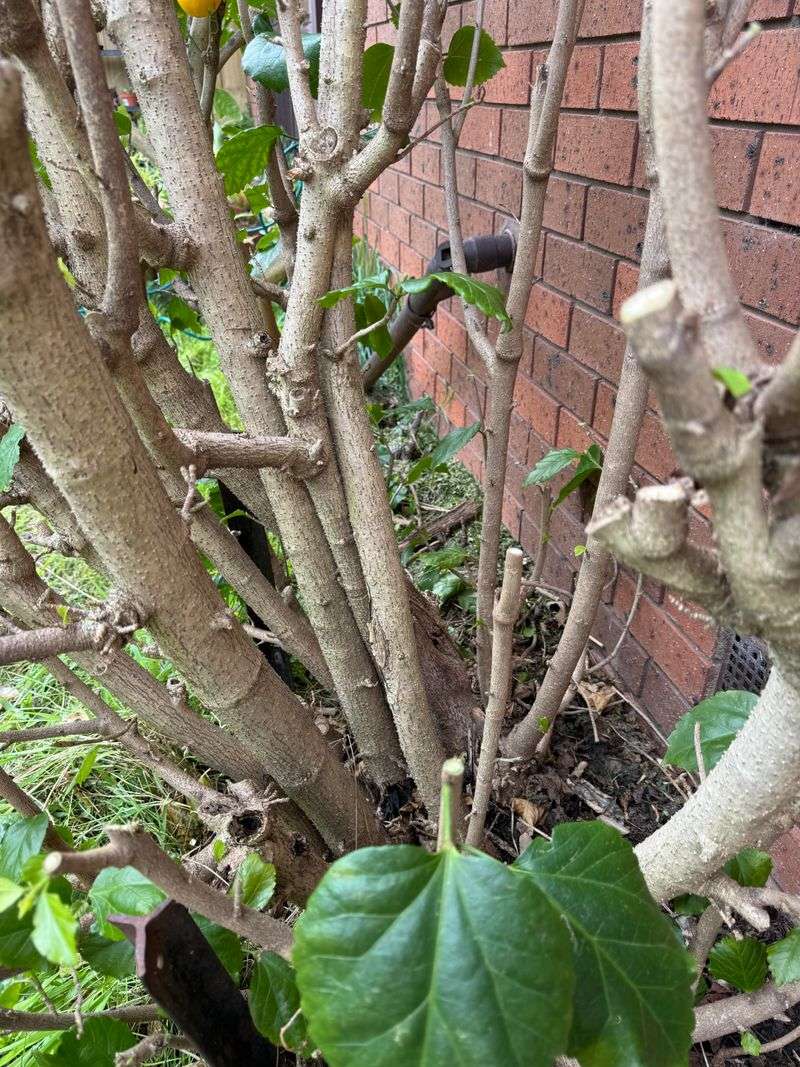
Timing your pruning correctly makes all the difference when it comes to hibiscus blooms. In Pennsylvania, the timing depends mostly on what type of hibiscus you are growing. Getting this right is just as important as knowing how to prune.
Hardy hibiscus, like Hibiscus moscheutos, is the most common type grown in Pennsylvania gardens. These plants go dormant in winter and come back from the roots each spring.
The best time to prune hardy hibiscus is in late winter or very early spring, just before new growth starts pushing through. Pruning at this point removes old dry wood without disturbing any developing buds.
Rose of Sharon, another popular variety in Pennsylvania, holds its woody structure through winter. Prune this shrub in early spring when you start to see fresh green growth appearing.
Avoid cutting it back in summer because it blooms on the current season’s wood, and you could accidentally remove flower buds that are already forming.
Tropical hibiscus is often grown in containers in Pennsylvania since it cannot survive the state’s cold winters outdoors. The good news is that container-grown tropical hibiscus can be pruned almost any time of year.
Many Pennsylvania gardeners give their tropical hibiscus a light trim in late winter before bringing it back outside for the warmer months.
A helpful rule to remember is this: prune too early in fall or too late in the season, and you risk removing buds that are about to bloom. Stick to late winter and early spring pruning in Pennsylvania, and your hibiscus will reward you beautifully all summer long.
Tools You’ll Need For Pruning Hibiscus
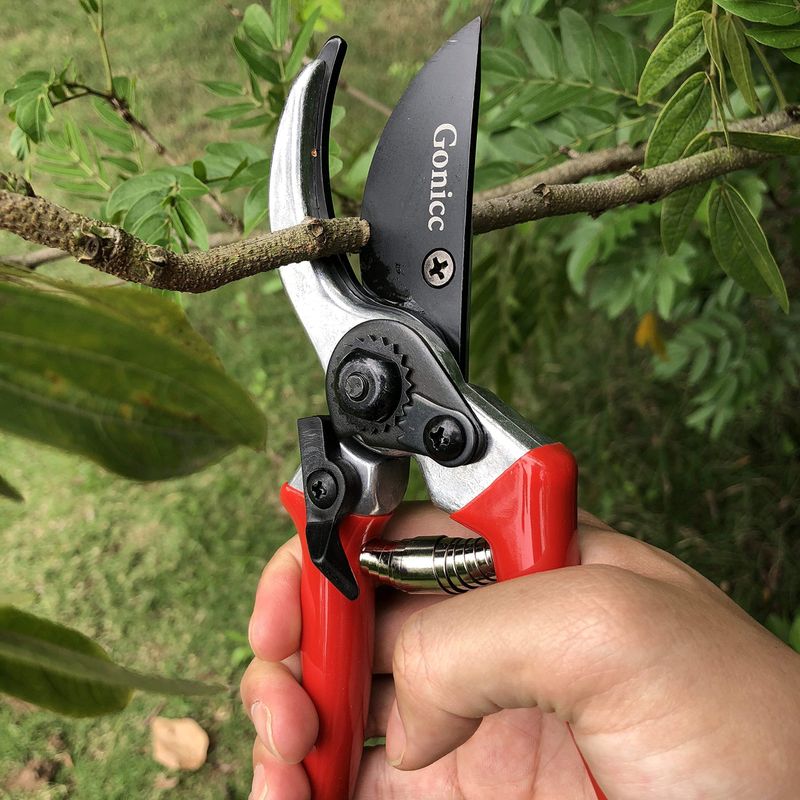
Having the right tools before you start pruning makes the whole job easier, cleaner, and safer for your hibiscus. You do not need a huge collection of fancy equipment. Just a few reliable tools will get the job done well.
Sharp bypass pruning shears are your most important tool. These shears make clean cuts that heal quickly, which is exactly what your hibiscus needs.
Dull blades crush the stem instead of cutting it cleanly, and that kind of damage opens the door for disease and pests to move in. Always check that your shears are sharp before you start working on your plants.
For thicker branches, a pair of loppers gives you the extra leverage you need. Loppers work well on older, woodier stems that pruning shears cannot handle comfortably.
Rose of Sharon plants in Pennsylvania often develop thick stems over the years, so having loppers on hand is a smart move.
Gardening gloves are a must. Hibiscus stems and leaves can have rough edges, and gloves protect your hands from scratches. They also keep your hands clean while you work through the plant.
One step that many gardeners skip is cleaning their tools before and after use. Wiping your blades with rubbing alcohol or a diluted bleach solution removes any bacteria or fungal spores that could spread from plant to plant.
This is especially important in Pennsylvania’s humid summers when plant diseases spread more easily.
A small hand saw can also come in handy for very mature hibiscus shrubs with thick woody growth. Keep all your tools clean, sharp, and stored properly, and they will serve your Pennsylvania garden for many seasons to come.
Step-By-Step Hibiscus Pruning Instructions
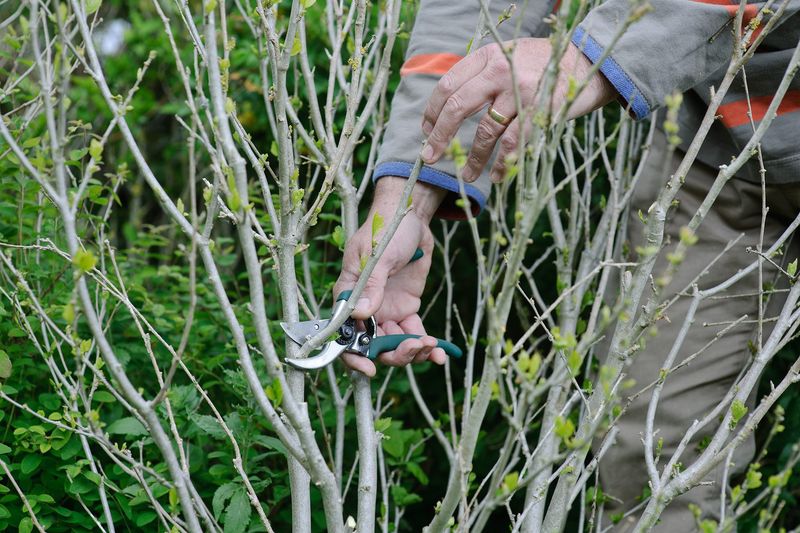
Ready to get started? Pruning hibiscus does not have to feel overwhelming. Follow these steps in order and you will do a great job, even if this is your first time pruning plants in your Pennsylvania garden.
Start by removing any dry or damaged branches first. Look for stems that are brown, brittle, or clearly not producing any new growth.
Cut these off at the base or back to a healthy section of the stem. Removing this old material right away improves airflow and gives you a cleaner view of what is left to work with.
Next, tackle any leggy growth. Leggy branches are long, thin stems that stretch out without producing many leaves or buds.
Cut these back by about one-third to one-half of their length. This encourages the plant to push out bushier, more compact growth that is loaded with blooming potential. Now shape the plant. Step back and look at the overall structure.
Trim branches that are crossing each other or growing inward toward the center of the plant. Your goal is to create an open, airy shape that lets sunlight reach all parts of the hibiscus.
Always leave several strong, healthy stems in place. These are the main framework the plant will use to produce next season’s blooms. Do not get carried away removing everything at once.
Finally, pinch back the very tips of remaining stems. This simple step encourages branching and leads to more flower buds forming along each stem.
Pennsylvania gardeners who follow these steps consistently report noticeably fuller plants and far more blooms throughout the summer season.
Common Hibiscus Pruning Mistakes To Avoid
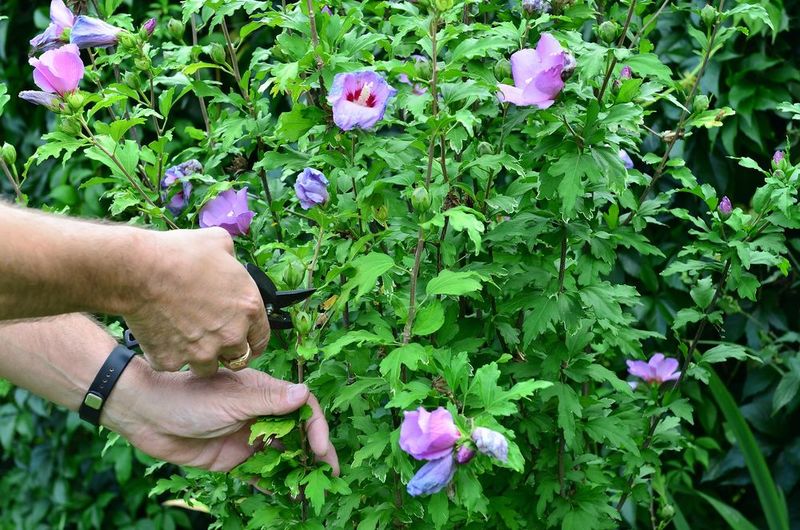
Even well-meaning gardeners sometimes make pruning mistakes that cost them blooms. Knowing what not to do is just as valuable as knowing the right technique.
A few simple adjustments can save your hibiscus and keep your Pennsylvania garden looking its best.
Over-pruning is the most common mistake. Some gardeners get a little too enthusiastic with their shears and remove way too much of the plant all at once.
Taking off more than one-third of the plant in a single session stresses the hibiscus and slows down its recovery. It can also significantly reduce the number of blooms you get that season.
Pruning too late in the season is another big problem. If you wait until late spring or summer to prune your hardy hibiscus in Pennsylvania, you risk cutting off flower buds that are already developing.
All that potential bloom power goes right into the compost bin instead of onto your plant. Removing too many flower buds is a mistake that sneaks up on people. Always look closely at the stems before you cut.
Small, rounded buds along the stems are future flowers. Try to work around them as much as possible when shaping the plant.
Using dull or dirty tools is an error that often goes unnoticed until damage shows up later. Dirty blades can spread fungal infections from one plant to another, which is a real concern in Pennsylvania’s humid summer climate.
Skipping the cleanup after pruning is also worth mentioning. Leaving cut branches and leaves piled around the base of the plant creates a habitat for pests and disease. Always tidy up after each pruning session to keep your hibiscus as healthy as possible.
Tips For Maximizing Blooms After Pruning
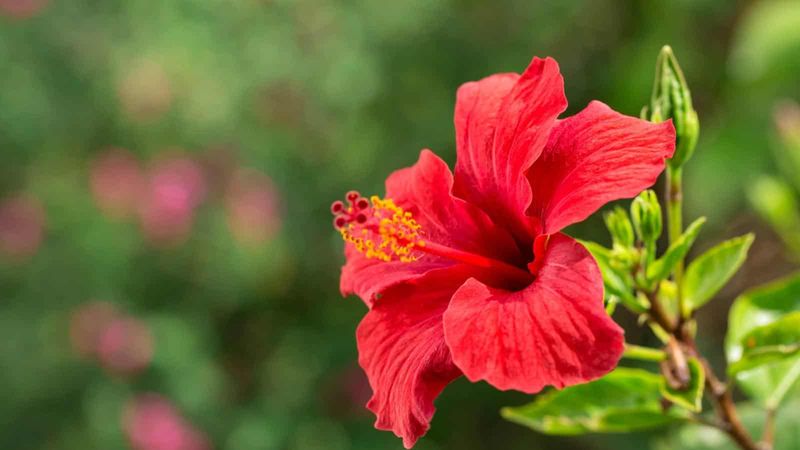
Pruning sets the stage, but what you do after pruning is what truly unlocks your hibiscus plant’s full blooming potential. A little extra care goes a long way, especially in Pennsylvania’s warm and sometimes unpredictable summers.
Fertilizing after pruning gives your hibiscus the nutrients it needs to push out strong new growth. Use a balanced fertilizer or one that is slightly higher in potassium, which supports flower production.
Feed your hibiscus every few weeks during the growing season for the best results. Avoid fertilizers that are very high in nitrogen, because those encourage leafy growth over flowers.
Watering consistently is just as important. Hibiscus plants love moisture, but they do not like sitting in soggy soil.
Water deeply and regularly, especially during dry stretches in Pennsylvania’s summer months. Letting the soil dry out too much between waterings can cause flower buds to drop before they even open.
Sunlight is non-negotiable. Hibiscus plants need at least six hours of direct sun each day to bloom their best. Make sure your pruned plant is positioned where it gets plenty of light throughout the day.
Mulching around the base of the plant helps retain soil moisture and keeps the roots cool during hot Pennsylvania summers. Apply a two-to-three inch layer of mulch, keeping it a few inches away from the main stem to prevent rot.
Check your plants regularly for pests like aphids or Japanese beetles, which are common in Pennsylvania gardens. Catching pest problems early keeps your hibiscus strong and blooming beautifully all season long.
A little consistent attention after pruning makes all the difference in the size and number of blooms you enjoy.