How To Prune Orchids For Better Growth In California
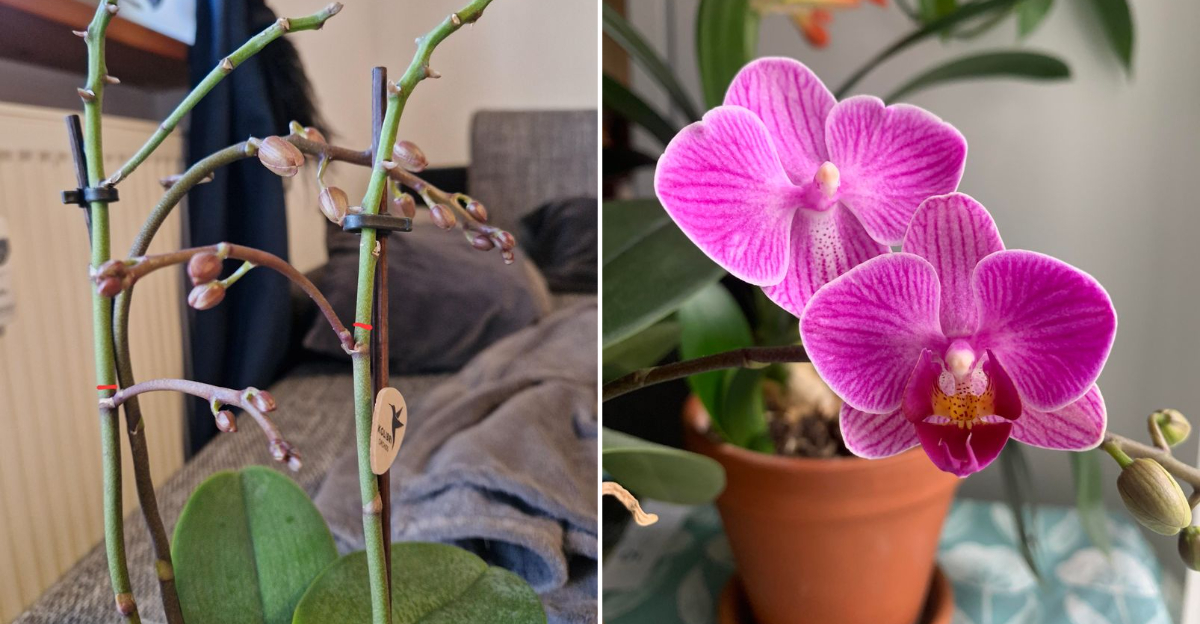
Orchids are like the divas of the plant world, stunning, a little mysterious, and totally worth the attention. Their exotic blooms can brighten any room or garden, but keeping them happy takes a little know-how.
Even divas need grooming, and that’s where pruning comes in. One careful snip can spark bigger blooms, lusher leaves, and a plant that practically glows with health.
Ignore it, and your orchids might sulk, droop, or stubbornly refuse to show off their full beauty. The good news?
With a few simple tricks, you can transform your orchids into show-stopping stars that steal the spotlight season after season. Curious how a little trim can make such a big difference?
Stick around, your flowers are about to thank you in the most colorful, jaw-dropping way possible.
1. When To Prune Orchids In California
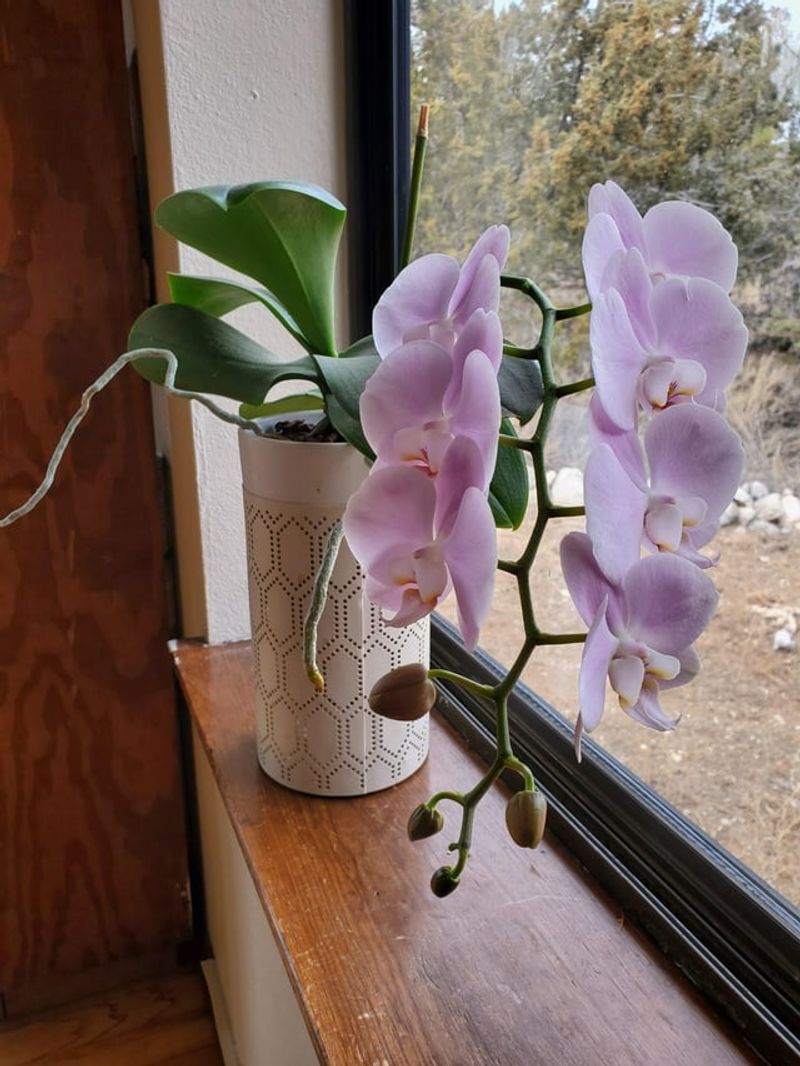
California’s mild climate means orchids often bloom longer than they would elsewhere, which can make timing a bit tricky.
Most orchids signal they’re ready for pruning when their flowers start to wilt and drop, usually a few weeks after the last bloom fades completely.
Waiting until the entire flower spike turns brown ensures the plant has absorbed all the nutrients it can from that stem.
Temperature plays a surprising role in pruning timing here. During our warm fall months, orchids may push out new growth right after blooming, which means you’ll want to prune sooner rather than later.
Coastal gardeners might notice their orchids bloom at slightly different times than those inland, thanks to the cooler, more consistent temperatures near the ocean.
Many people make the mistake of pruning too early, cutting while flowers are still fresh or the spike remains green. This robs the plant of energy it’s still using.
Others wait too long, letting withered material sit on the plant where it can harbor pests or disease. The sweet spot is right when flowers finish but before any yellowing spreads to healthy tissue.
Pay attention to your specific orchid variety too, since some types benefit from immediate pruning while others prefer a waiting period.
2. Tools You Need For Clean Cuts
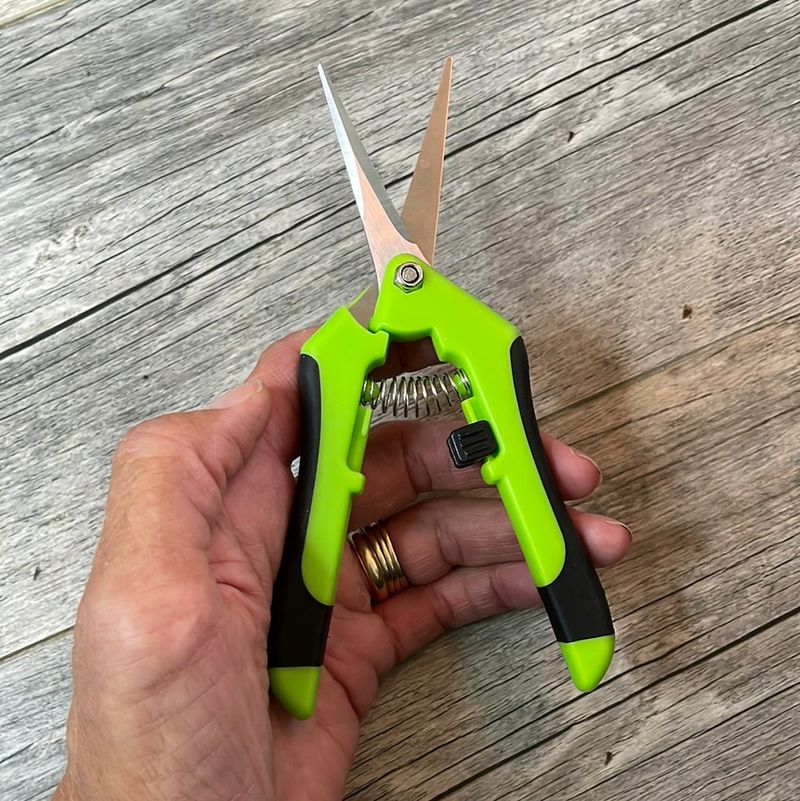
Sharp tools make all the difference between a clean cut that heals quickly and a ragged wound that invites problems. Bypass pruners work best for orchid stems because they create precise cuts without crushing delicate tissue.
Your shears should slice through a stem like butter, not pinch or tear it. Dull blades cause damage you can’t always see right away, but the plant definitely feels it.
Sterilization matters more than most gardeners realize, especially in California where we grow multiple orchid varieties close together. Wiping your blades with rubbing alcohol between cuts prevents spreading viruses or bacteria from one plant to another.
Keep a small container of alcohol and a clean cloth right beside you while working. It takes just seconds and saves potential heartache down the road.
Some folks use scissors or kitchen shears, thinking any cutting tool will do. Those aren’t designed for living plant tissue and often cause more harm than good.
Invest in a quality pair of pruning shears specifically made for gardening, and you’ll use them for years. Keep them sharp by cleaning after each use and occasionally running them across a sharpening stone.
Your orchids will thank you with healthier growth and fewer disease issues throughout the year.
3. How To Prune After Flowers Fade
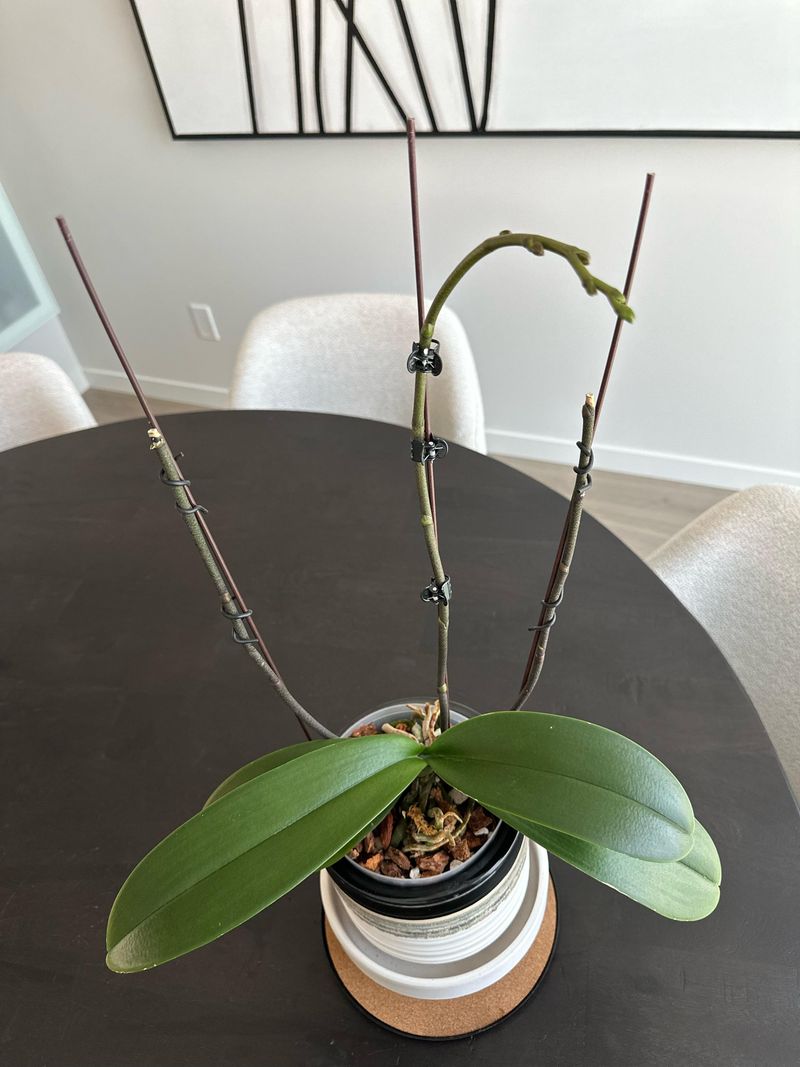
Once your orchid finishes its show, you’ll notice the flowers dropping one by one until just the bare spike remains. This is your cue to evaluate what comes next.
Some orchids will rebloom from the same spike if you prune strategically, while others need the entire stem removed to focus energy on new growth. Understanding which type you have makes a significant difference in your results.
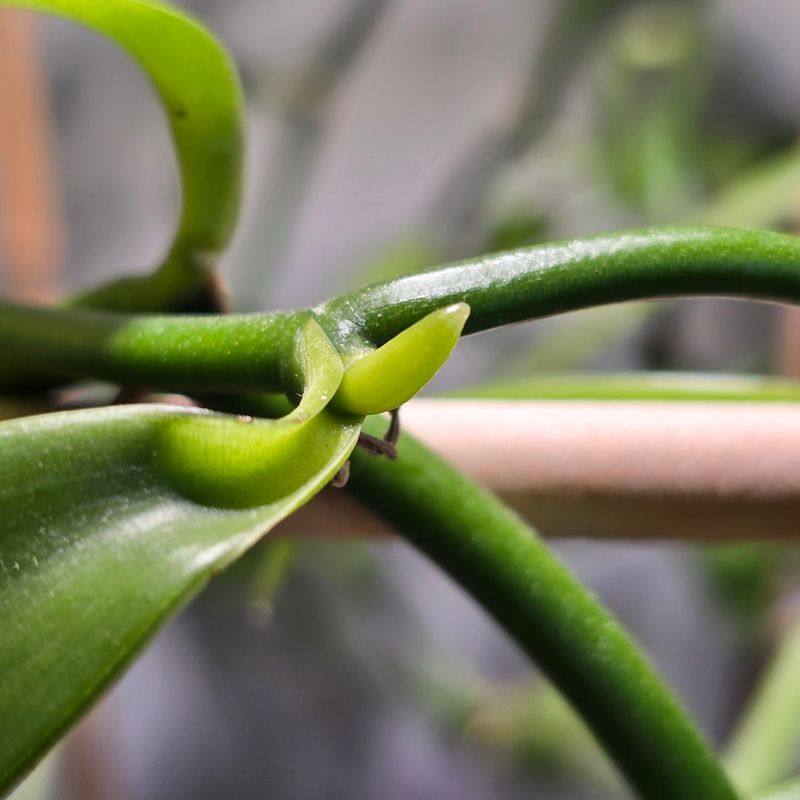
For Phalaenopsis orchids, the most common type in California homes, you can cut just above a node where you see a small triangular bract. Count down from where the flowers were, find the second or third node, and make your cut about a quarter inch above it.
This encourages the plant to send out a side shoot that may bloom again in a few months. The cut should be clean and angled slightly to prevent water from pooling on the wound.
Other orchid varieties like Cattleyas or Dendrobiums prefer having the entire spike removed once blooming finishes. Cut these stems down to about an inch above the base, staying clear of any new growth emerging nearby.
California’s year-round growing season means these plants often start producing new shoots immediately after pruning. Watch for fresh green tips appearing at the base, which signals your orchid is happy and ready to grow strong for the next bloom cycle.
4. Where To Cut The Flower Spike
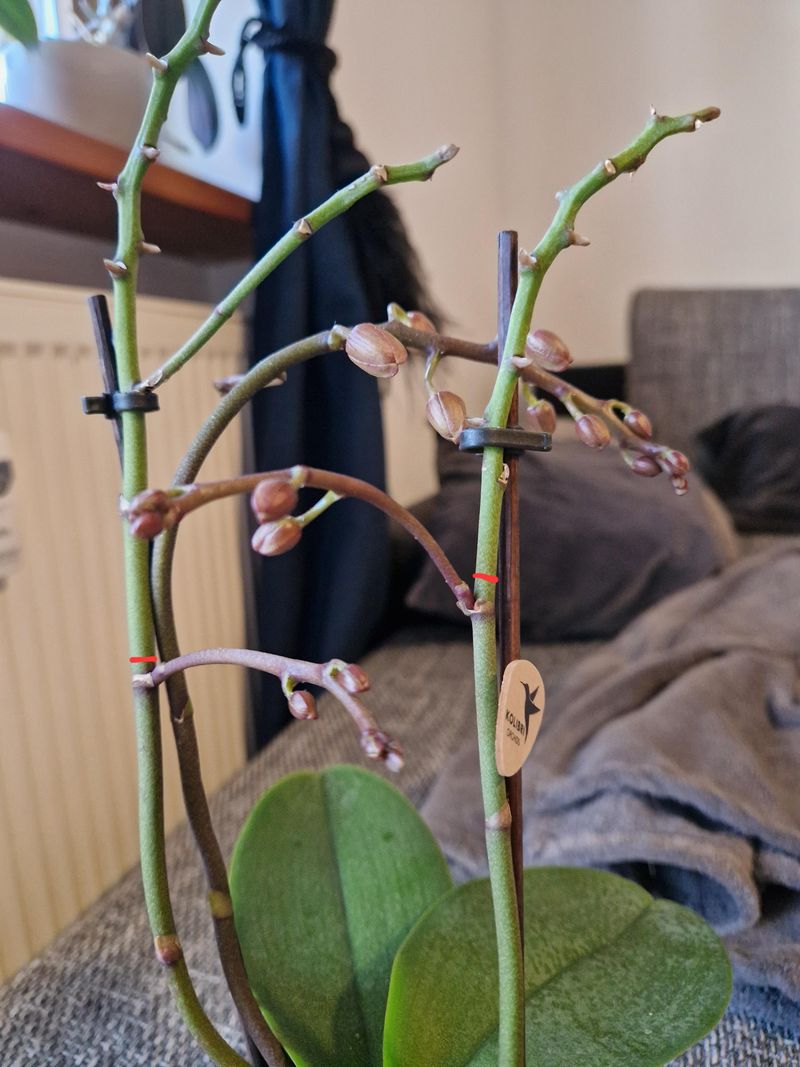
The exact spot where you make your cut determines whether your orchid rebounds quickly or struggles. Look closely at the spike and you’ll see small bumps or joints along its length called nodes.
These nodes contain dormant buds that can potentially produce new flower stems or side branches. Cutting in the right place relative to these nodes activates the plant’s natural growth response.
For encouraging rebloom, position your shears about one-quarter to one-half inch above a healthy node. Too close and you risk damaging the bud inside; too far and you leave unnecessary damaged tissue that serves no purpose.
Angle your cut slightly so water runs off rather than sitting on the wound. In California’s dry climate, this matters less than in humid regions, but it’s still good practice that prevents rot.
Sometimes the entire spike turns brown and papery, which means cutting above a node won’t help. When this happens, trace the spike down to where it meets the main plant body and cut it off completely at the base.
Don’t worry about harming the orchid, it’s already moved on from that spike and redirected its energy elsewhere. You might feel hesitant removing so much, but orchids are remarkably resilient.
Within weeks, you’ll likely spot new growth emerging from the base, especially during our extended growing season when temperatures stay mild and light remains abundant.
5. Removing Damaged Growth
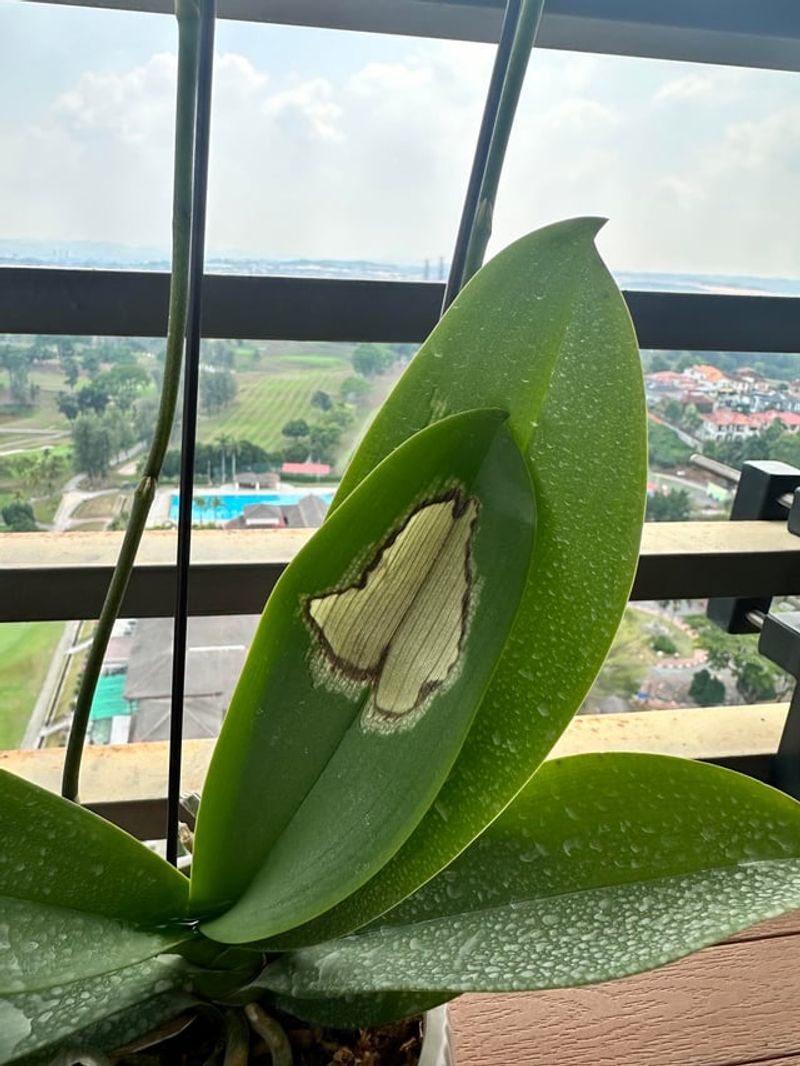
Beyond flower spikes, orchids accumulate other growth that needs attention throughout the year. Yellow leaves, shriveled roots, and dried-out pseudobulbs all signal tissue that’s no longer serving the plant.
California’s intense summer sun can scorch leaves, while our occasional winter chill might damage tender new growth. Removing this withered material keeps your orchid focused on healthy tissue and prevents problems from spreading.
Yellow leaves are normal as orchids age, with the lowest leaves typically turning first. Wait until a leaf is completely yellow before removing it, partially yellow leaves are still photosynthesizing and providing energy.
Grasp the leaf firmly at its base and pull gently downward with a slight twist. It should separate cleanly from the stem.
If it resists, leave it alone for another week or two. Forcing it off creates an open wound that’s vulnerable to infection.
Roots need attention too, especially in our dry climate where they can dehydrate quickly. Healthy orchid roots are firm and green or silvery, while damaged ones turn brown, black, or papery.
When repotting or inspecting your plant, trim away any mushy or completely dried roots with sterile shears. Leave the healthy ones alone, even if they’re growing outside the pot, those aerial roots are perfectly normal.
Regular inspection catches problems early, and removing damaged growth improves air circulation around the plant, which matters in California’s warm conditions where pests and disease can develop rapidly.
6. How Pruning Encourages New Blooms
Pruning works because it redirects the plant’s energy from maintaining old growth to producing new shoots and flowers.
Every orchid has limited resources, and when those resources go toward keeping a spent flower spike alive, there’s less available for developing the next bloom cycle.
By removing what’s finished, you’re essentially telling the plant it’s time to move forward. This becomes especially important in California where our long growing season allows orchids to bloom multiple times per year if conditions are right.
After pruning, most orchids enter a brief rest period before pushing out new growth. You might notice fresh green shoots appearing at the base, or if you cut above a node, a side branch developing along the existing spike.
This new growth emerges faster in warm conditions with adequate light, which California provides naturally for much of the year.
Coastal areas with consistent temperatures often see the quickest response, while inland gardeners might notice a slight delay during extreme heat.
The key is patience combined with proper care. Pruning alone won’t force blooms if the plant lacks sufficient light, water, or nutrients.
Think of pruning as removing obstacles rather than creating magic. Your orchid still needs bright indirect light, regular watering, and occasional fertilizer to build the strength for another bloom cycle.
But when all those elements come together after a good pruning, the results can be spectacular, sometimes even better than the first flowering.
7. Care Tips After Pruning Orchids
What you do immediately after pruning sets the stage for your orchid’s recovery and future growth. Right after cutting, resist the urge to water heavily or apply fertilizer.
The fresh cuts need time to seal over, which happens naturally within a day or two in our dry California air. Watering too soon can introduce pathogens into the wound before it closes.
Wait at least 24 hours before resuming your normal watering schedule.
Light becomes especially important after pruning since the plant needs to photosynthesize efficiently to rebuild its energy reserves. Place your orchid where it receives bright, indirect light for most of the day.
East-facing windows work beautifully in California, providing gentle morning sun without the harsh afternoon intensity that can stress a recently pruned plant.
If you’re growing orchids outdoors, make sure they’re in a spot with dappled shade during the hottest part of the day.
Resume light fertilizing about two weeks after pruning, using a balanced orchid fertilizer at half strength. This gentle approach provides nutrients without overwhelming the plant while it’s redirecting energy toward new growth.
Watch for signs of fresh shoots or roots, which indicate your orchid has recovered well from pruning and is actively growing again.
California’s mild climate means this recovery period is often shorter than in other regions, with many orchids bouncing back within three to four weeks and preparing for their next spectacular bloom cycle.