How To Prune Shrubs In South Carolina To Support Healthier Growth
Pruning shrubs in South Carolina isn’t just a cosmetic task, because the state’s heat, humidity, and long growing season change how plants respond to every cut.
Shrubs can look healthy on the outside while quietly struggling if they’re pruned at the wrong moment.
South Carolina’s mild winters and early springs often trick gardeners into pruning too soon or too aggressively.
What feels like routine trimming can either strengthen a shrub’s structure or set it back for an entire season.
Timing matters just as much as technique in this climate. The way shrubs grow here makes certain cuts far more impactful than they would be in cooler regions.
Healthy pruning supports airflow, balanced growth, and long-term resilience instead of short-lived shape.
Many pruning problems in South Carolina come from following generic advice that doesn’t account for local conditions.
Learning how to prune with this climate in mind helps shrubs grow fuller, stronger, and easier to manage year after year.
1. Time Pruning Around South Carolina’s Long Growing Season
South Carolina gardeners enjoy extra weeks of active plant growth compared to northern states, which changes the entire pruning calendar.
Shrubs often push out new shoots well into October, meaning cuts made too late can encourage tender growth that won’t harden off before occasional winter freezes.
Planning your trimming sessions around this extended timeline helps plants recover and strengthen before weather shifts.
Most woody shrubs respond best to pruning during their dormant period, typically between late January and early March across the state. Waiting until buds begin swelling signals that sap is rising and the plant is ready to heal cuts quickly.
Pruning too early in winter can expose fresh wounds to cold snaps that occasionally sweep through the region.
Evergreen shrubs like hollies and camellias prefer different timing than deciduous varieties. Light shaping of evergreens works well right after their spring growth flush finishes.
Deciduous types benefit from cuts made while branches are bare, making it easier to see the plant’s structure and identify problem areas.
Coastal areas of South Carolina experience milder winters than upstate regions, so pruning windows can shift by several weeks depending on your location.
Paying attention to local frost dates and observing when neighboring plants leaf out helps you fine-tune your schedule. Flexibility matters more than rigid calendar dates when working with living plants.
2. Remove Weak Or Crowded Growth First
Branches competing for the same space often produce smaller leaves and fewer flowers since they’re fighting for sunlight and nutrients.
Identifying which stems to cut starts with looking for crossing branches that rub against each other, creating wounds that invite insects and disease.
Clearing these problem areas first opens up the shrub’s interior and improves air circulation throughout the canopy.
Weak stems that bend easily or show thin, spindly growth rarely contribute much to the plant’s overall health or appearance. South Carolina’s humid summers can cause fungal issues when too many branches crowd together and trap moisture.
Removing these less vigorous shoots directs the plant’s energy toward stronger, more productive growth.
Look for branches growing inward toward the center of the shrub rather than outward where they can access better light.
These inward-facing stems often stay shaded and produce poor foliage while cluttering the plant’s framework. Cutting them back to a main branch or the shrub’s base creates a cleaner structure that supports better overall development.
Start at the bottom of the plant and work your way up, removing the most obvious problem branches before making smaller refinement cuts.
This approach prevents you from taking off too much material at once and helps you see how each cut changes the plant’s shape.
Stepping back frequently during the process gives you perspective on your progress.
3. Avoid Heavy Cuts Before Extreme Heat Sets In
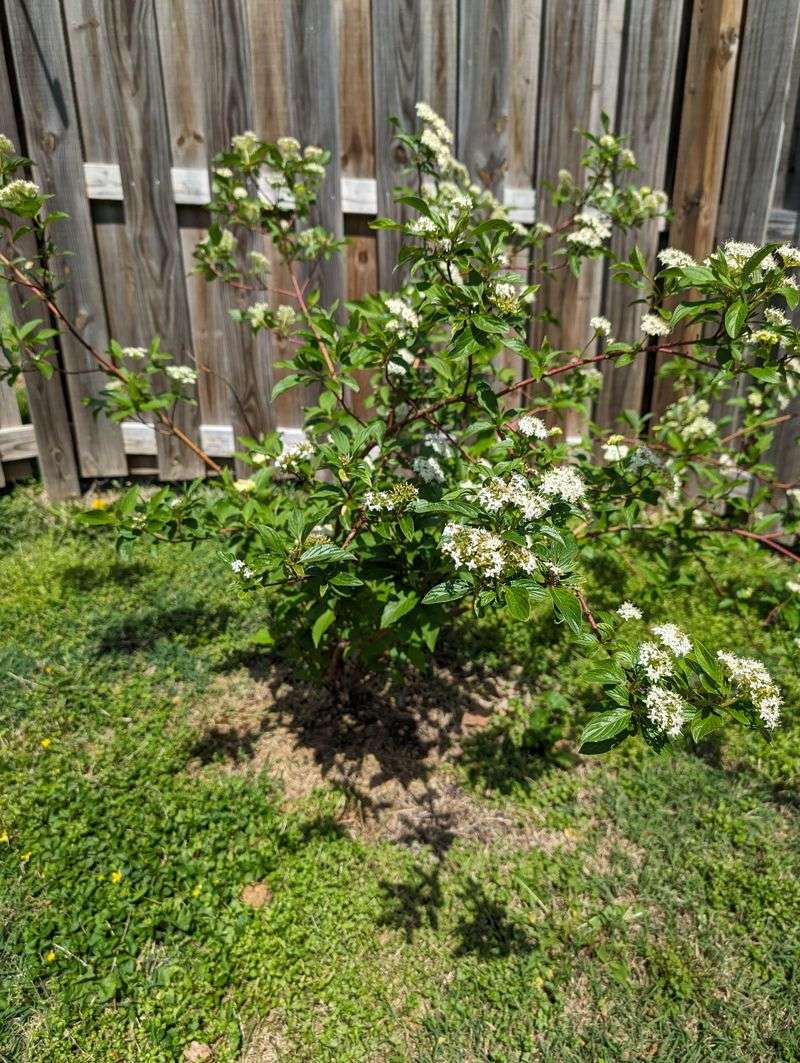
Summer temperatures across South Carolina frequently climb into the 90s, putting stress on plants that are trying to maintain their foliage and root systems.
Major pruning creates large wounds that require significant energy to seal and heal, energy that becomes scarce when plants are already working hard to stay hydrated.
Timing heavy trimming for cooler months allows shrubs to recover without the added burden of heat stress.
Cutting back large portions of a shrub’s canopy suddenly exposes interior branches to intense sunlight they’re not accustomed to handling.
This shock can cause sunscald on bark and leaves, leading to brown patches and weakened tissue. Gradual thinning over multiple sessions helps the plant adjust to increased light levels without suffering damage.
Late spring pruning can stimulate a flush of tender new growth just as temperatures are rising toward their summer peak.
These soft shoots are particularly vulnerable to wilting and moisture loss during hot afternoons. Holding off on substantial cuts until fall or late winter protects your shrubs from producing growth they can’t sustain through the hottest months.
Light maintenance trimming to remove broken twigs or spent flowers can continue through summer without causing problems.
The key difference is the scale of cuts rather than avoiding all pruning activity. Small adjustments don’t tax the plant’s resources the way removing multiple large branches would during stressful weather.
4. Use Clean, Sharp Tools For Every Cut
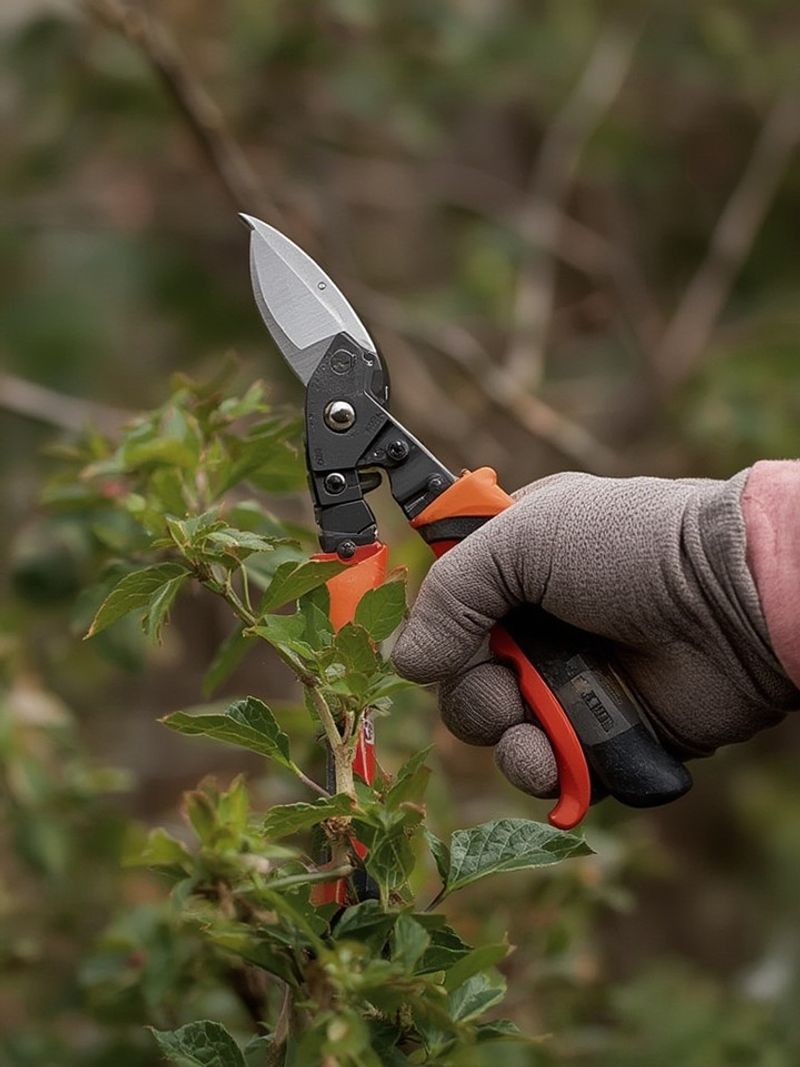
Dull blades crush plant tissue instead of slicing cleanly through it, creating ragged wounds that take longer to heal and provide entry points for pathogens.
Sharp pruners make smooth cuts that the plant can seal quickly with natural callus tissue. South Carolina’s warm, moist conditions allow bacteria and fungi to spread rapidly through damaged plant material, making clean cuts especially important in this climate.
Wiping blades with rubbing alcohol or a diluted bleach solution between plants prevents accidentally transferring diseases from one shrub to another.
This simple step takes only seconds but can save you from spreading problems throughout your landscape. Pay extra attention to sanitizing tools when working with plants that show any signs of illness or unusual symptoms.
Different pruning tasks require specific tools matched to the branch diameter you’re cutting.
Hand pruners work well for stems up to about three-quarters of an inch thick, while loppers handle branches up to two inches. Forcing a tool to cut beyond its capacity damages both the plant and your equipment, leaving torn bark and bent blades.
Maintaining your tools throughout the season keeps them performing at their best and extends their lifespan significantly.
Sharpening blades every few weeks during active pruning periods ensures consistently clean cuts. Oiling moving parts and removing sap buildup prevents rust and keeps mechanisms operating smoothly, which matters in South Carolina’s humid environment where metal tools can corrode quickly.
5. Thin Gradually Instead Of Cutting Back Hard

Plants respond to severe pruning by pushing out numerous fast-growing shoots in an attempt to replace lost foliage quickly.
These water sprouts grow straight up with weak attachment points and rarely develop into productive branches.
Moderate, selective trimming encourages steady growth that integrates naturally into the shrub’s existing structure without triggering emergency responses.
Removing no more than one-quarter to one-third of a shrub’s total growth in a single session gives the plant time to adjust and redistribute resources.
South Carolina’s long growing season allows you to spread pruning work across multiple occasions rather than trying to accomplish everything at once.
This gentler approach maintains the plant’s appearance while supporting healthier development patterns.
Thinning cuts that remove entire branches back to their point of origin create a more natural look than heading cuts that shorten branches partway along their length.
Heading cuts stimulate dense clusters of new shoots just below the cut point, often making the plant bushier than desired.
Strategic thinning opens up the canopy while preserving the shrub’s characteristic form and growth habit.
Observing how your shrubs respond to initial pruning helps you gauge how much additional trimming they can handle.
Some species naturally produce vigorous regrowth, while others take longer to fill in gaps. Adjusting your technique based on each plant’s recovery pattern leads to better long-term results than following rigid rules that don’t account for individual differences.
6. Watch How Each Shrub Responds Before Continuing
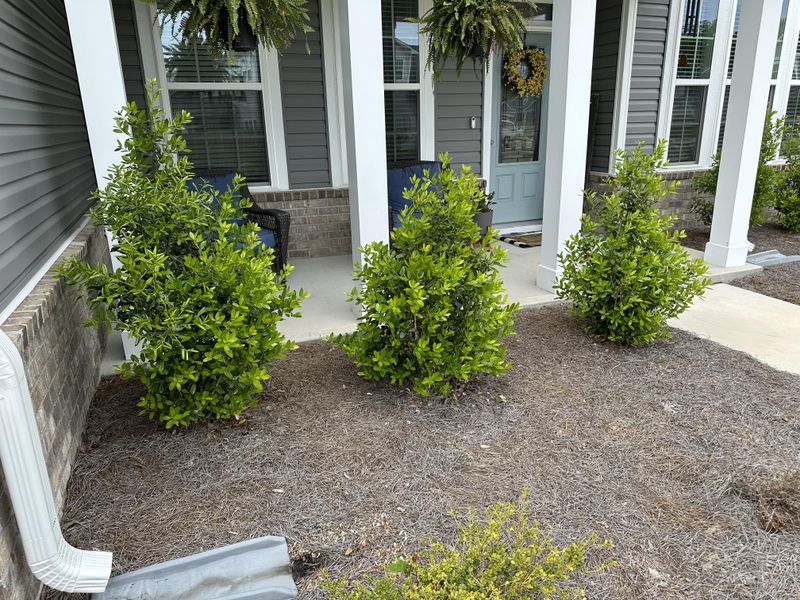
Every plant reacts differently to pruning based on its species, age, health, and growing conditions.
Making a few initial cuts and then waiting several weeks to see new growth patterns gives you valuable information about how to proceed.
South Carolina’s warm weather means you won’t wait long to observe responses, as most shrubs begin showing new shoots within two to three weeks during the growing season.
Some shrubs produce vigorous regrowth from cuts, indicating you can prune more confidently without harming the plant.
Others respond slowly or struggle to generate new shoots, signaling that lighter trimming is appropriate. Learning to read these signals helps you develop an intuitive sense for what each plant can tolerate.
Checking on pruned shrubs regularly allows you to catch potential problems early, such as disease entering through cuts or signs of weakened growth.
Early detection means you can adjust your care routine or make corrective cuts before small issues become major setbacks.
Walking through your landscape every few days during active growing periods keeps you connected to how your plants are performing.
Taking photos before, during, and after pruning sessions creates a visual record of your work and the plant’s response over time.
Reviewing these images helps you refine your technique and remember what worked well with specific shrubs.
This documentation becomes especially valuable when planning next year’s pruning schedule for the same plants in your South Carolina garden.
7. Keep Natural Shape Instead Of Forcing Form

Each shrub species has evolved a characteristic growth pattern that suits its biological needs and environmental adaptations.
Fighting against this natural form requires constant maintenance and often weakens the plant by forcing it to grow in ways that don’t support its health.
Working with a shrub’s inherent shape rather than against it creates landscapes that look more relaxed and require less ongoing intervention.
Formal shearing into geometric shapes can stress plants by removing growth points and forcing them to produce foliage in unnatural densities.
South Carolina’s heat and humidity already challenge many shrubs, so adding the burden of maintaining artificial forms compounds their stress.
Allowing plants to express their natural architecture results in stronger, more resilient specimens that better handle environmental pressures.
Observing how a shrub grows before making cuts helps you understand where it wants to put energy and how its branches naturally arrange themselves.
Pruning to enhance this existing structure rather than reshape it entirely produces more attractive results with less effort. Selective removal of wayward branches maintains neatness while preserving the plant’s essential character.
Some shrubs naturally grow as rounded mounds, while others develop upright vase shapes or spreading, layered forms.
Choosing plants whose mature shapes fit your landscape design eliminates the need for extensive pruning to maintain desired appearances. When you do need to prune, following the plant’s natural lines makes the work go faster and produces results that look like the plant grew that way on its own.
8. Pause Pruning During Peak Summer Stress
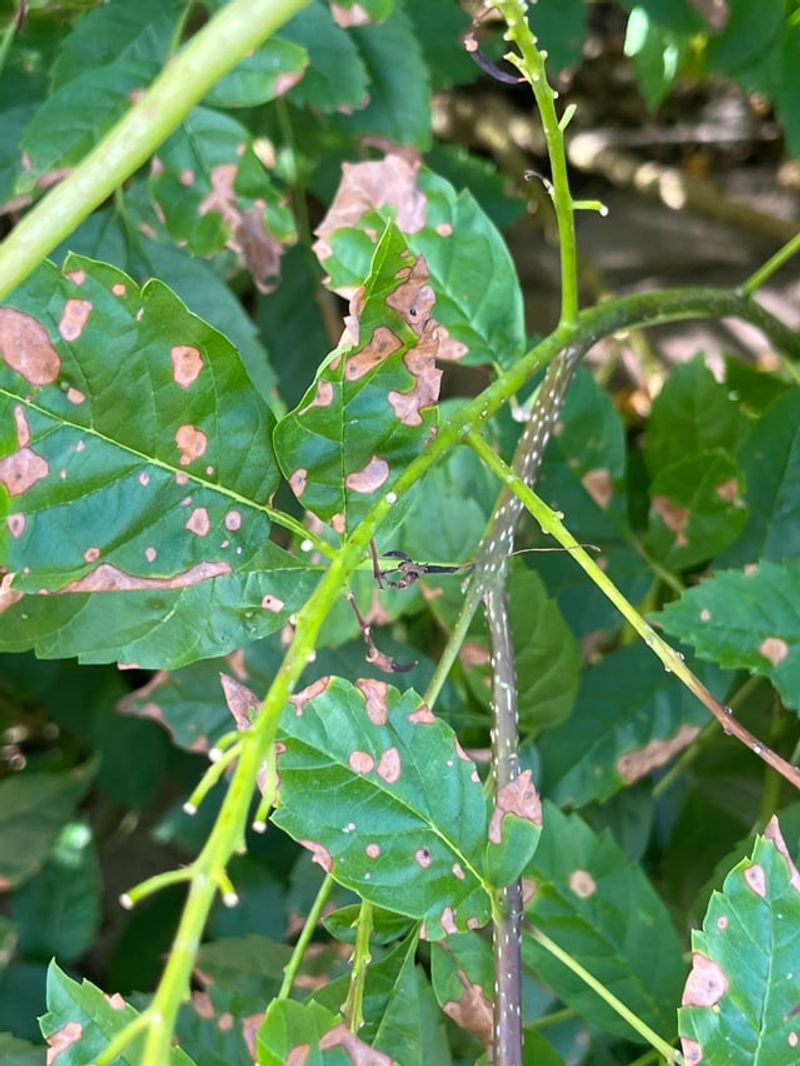
July and August bring the most intense heat and humidity to South Carolina, conditions that push shrubs to their physiological limits.
Plants focus their energy on survival during these months, maintaining existing foliage and keeping their root systems functioning rather than on growth and healing.
Adding the stress of pruning wounds during this period can overwhelm their resources and lead to decline.
Water demands spike during summer heat, and shrubs with recently pruned branches may struggle to balance hydration needs with wound healing.
Reduced leaf area from pruning can actually help with water conservation, but the healing process itself requires moisture and energy. Timing major trimming for spring or fall ensures plants have the resources to both heal and maintain themselves comfortably.
Many gardeners notice that shrubs pruned in midsummer take significantly longer to produce new growth compared to those trimmed in cooler months.
The plant’s slowed metabolism during heat stress means recovery happens at a crawl.
Waiting for temperatures to moderate in September allows shrubs to respond more vigorously and bounce back faster from pruning.
Emergency pruning for broken or diseased branches shouldn’t wait regardless of season, but elective shaping and thinning can be scheduled around weather patterns. Keeping an eye on extended forecasts helps you plan pruning sessions for cooler stretches even within summer months.
Early mornings offer the best conditions for summer pruning if you must trim, giving plants the cooler part of the day to begin sealing wounds.
9. Adjust Timing Based On Flowering Habits
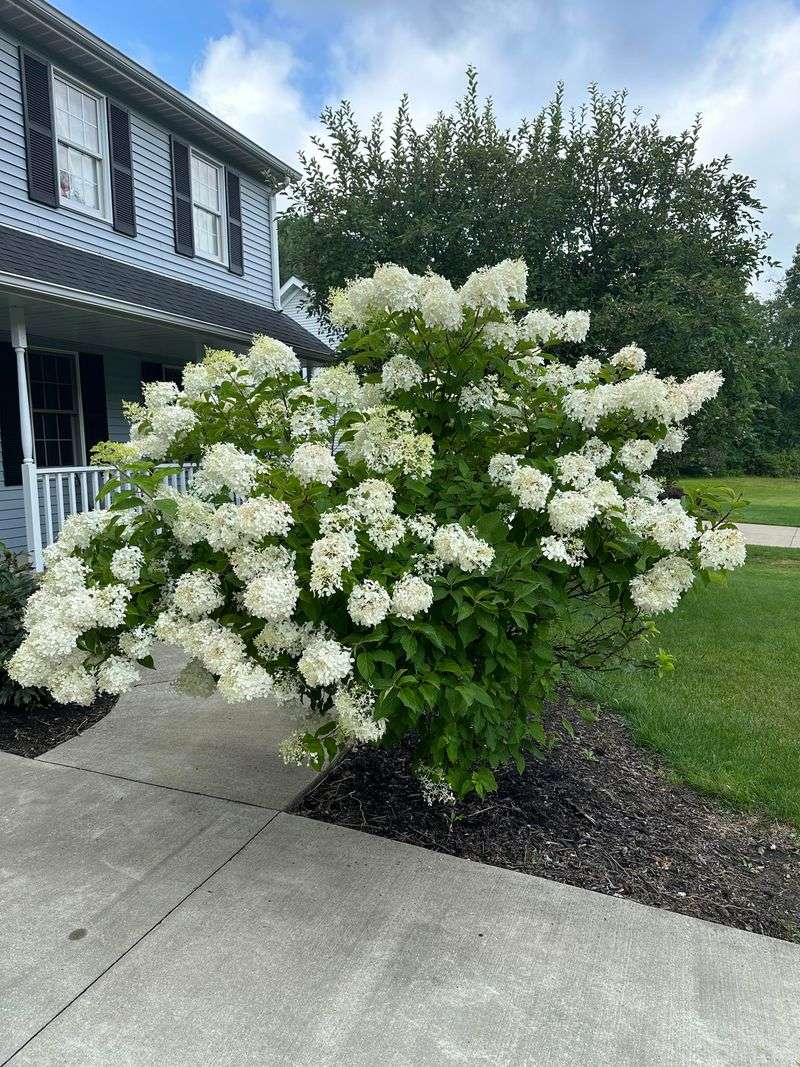
Shrubs that bloom in spring typically form their flower buds during the previous summer and carry them through winter.
Pruning these plants in late winter removes the very branches that would have produced flowers, leaving you with healthy foliage but no blooms. Understanding when your specific shrubs set their flower buds prevents accidentally cutting off next season’s show.
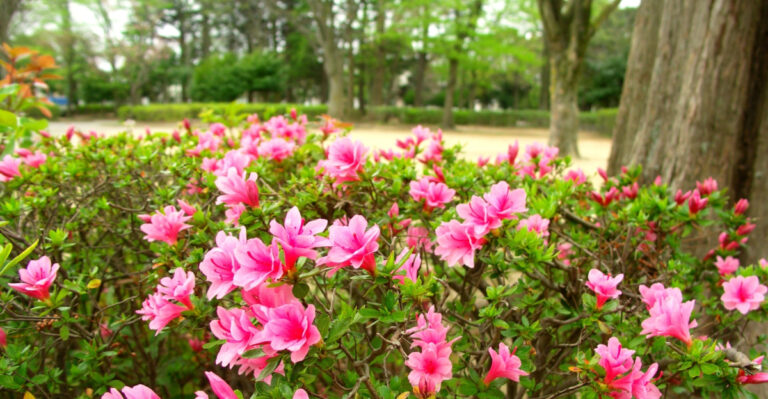
Spring bloomers like azaleas, forsythia, and spirea should be pruned immediately after their flowers fade, giving them the rest of the growing season to develop next year’s buds. Summer and fall bloomers generally form buds on new growth produced in the current season, making late winter or early spring the ideal pruning time for these varieties.
South Carolina gardeners can take advantage of the mild climate to prune at optimal times without worrying about severe weather damage to fresh cuts.
Non-flowering shrubs grown for foliage or form offer more flexibility in pruning schedules since you don’t need to worry about preserving flower buds.
These plants can be trimmed during dormancy or just before spring growth begins. The key consideration becomes avoiding periods of extreme stress rather than protecting blooms.
Keeping notes on when each shrub in your landscape flowers helps you develop a customized pruning calendar that maximizes both plant health and ornamental value. Some gardeners create simple charts listing each plant’s bloom time and recommended pruning window.
This organized approach prevents confusion and ensures every shrub gets trimmed at the right time for its specific needs in your South Carolina garden.