How To Prune Wisteria In January In Georgia To Prepare For Spring Growth
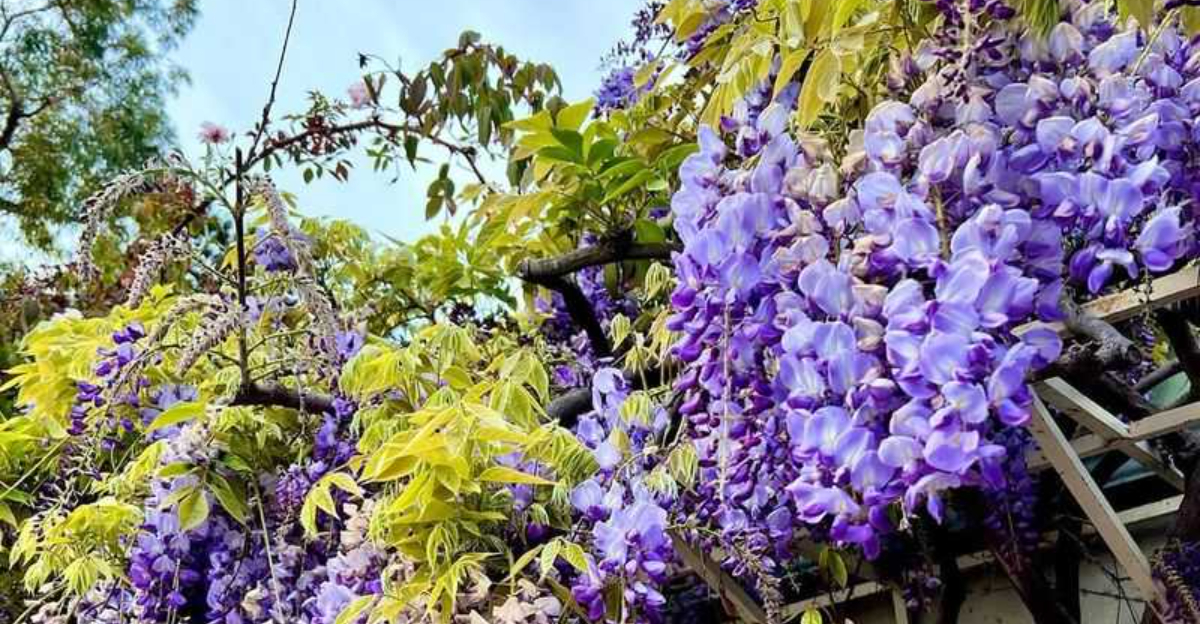
Wisteria vines are stunning in Georgia gardens, but proper pruning is essential to encourage healthy growth and abundant blooms. January is the ideal time to prune, giving your vines a head start before spring arrives.
Prune at the right time and watch your wisteria flourish this season. Pruning involves removing dead or overcrowded stems, shaping the vine, and cutting back last year’s growth to promote flower production.
Doing this in January helps control size, improves air circulation, and reduces disease risk. Georgia gardeners know that careful pruning now leads to stronger, more vigorous growth and spectacular flowering later in the season.
Healthy vines and stunning blooms start with smart winter pruning. By following these guidelines, Georgia gardeners can enjoy a well-maintained wisteria that produces impressive flowers and stays manageable.
Prune now to set the stage for a vibrant spring garden
Identify The Main Structure Before Pruning
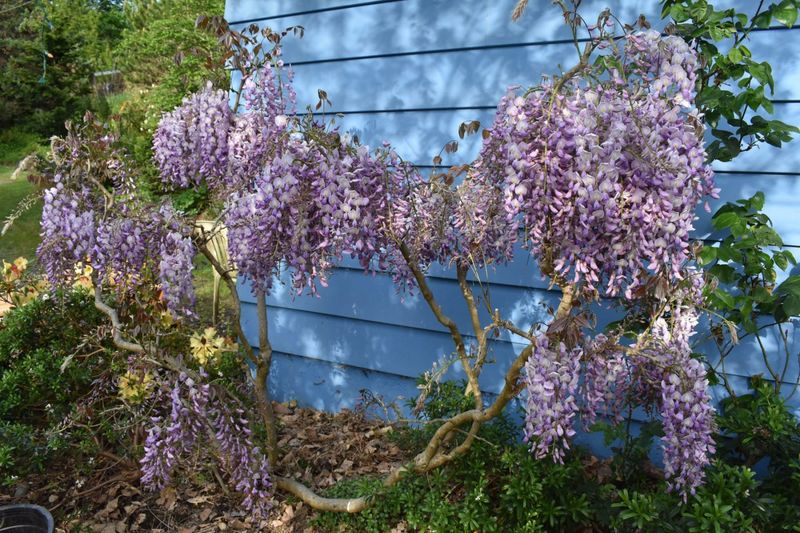
Before you make a single cut, take a step back and observe the overall structure of your wisteria vine.
Understanding the framework is crucial because wisteria grows from a central trunk with major lateral branches that support the entire plant.
These primary stems are the backbone of your vine, and preserving them ensures healthy growth for years to come.
Walk around the plant and trace the main trunk from the ground up, noting where the largest lateral branches extend outward.
These thick, woody stems should remain untouched during pruning because they carry the nutrients and water that fuel spring blooms.
Look for smaller shoots and tendrils that have grown off these main branches, as these will be your pruning targets.
Georgia’s mild January weather makes it easier to see the structure without leaves blocking your view.
Use this visibility to your advantage by sketching a mental map of which stems to keep and which to trim.
Identifying the framework first prevents accidental removal of important branches that would take years to regrow.
Once you have a clear picture of the main structure, you can confidently move forward with pruning, knowing you are enhancing the plant’s natural shape rather than fighting against it.
This thoughtful approach leads to a more attractive vine and healthier flowering in spring.
Remove Winter-Damaged Stems To Improve Airflow
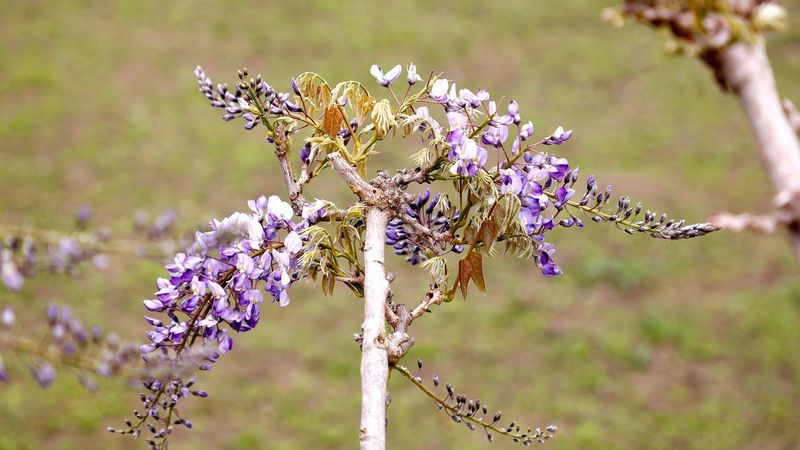
Winter weather in Georgia can be unpredictable, with occasional cold snaps that leave stems brittle and weakened.
Removing these compromised stems is essential for maintaining a healthy wisteria vine that can channel its energy into producing beautiful blooms.
Damaged wood often harbors fungal spores and bacteria that can spread to healthy parts of the plant if left unchecked.
Start by examining each stem for signs of winter damage, such as cracked bark, discoloration, or sections that feel hollow when gently squeezed.
These stems are no longer contributing to the plant’s vitality and should be cut back to healthy wood where you can see green tissue beneath the bark.
Making clean cuts just above a healthy bud or lateral branch encourages new growth to emerge from strong tissue.
Improved airflow is another major benefit of removing damaged stems, especially in Georgia’s humid climate where moisture can linger on foliage and create conditions favorable for fungal diseases.
Thinning out compromised wood allows air to circulate freely through the vine, drying leaves and stems more quickly after rain or morning dew.
As you prune, place damaged stems in a pile away from your garden to prevent any potential pathogens from reinfecting your plants. This simple step keeps your wisteria healthier and more resilient throughout the growing season.
Cut Back Long, Whippy Shoots To Encourage Flowering
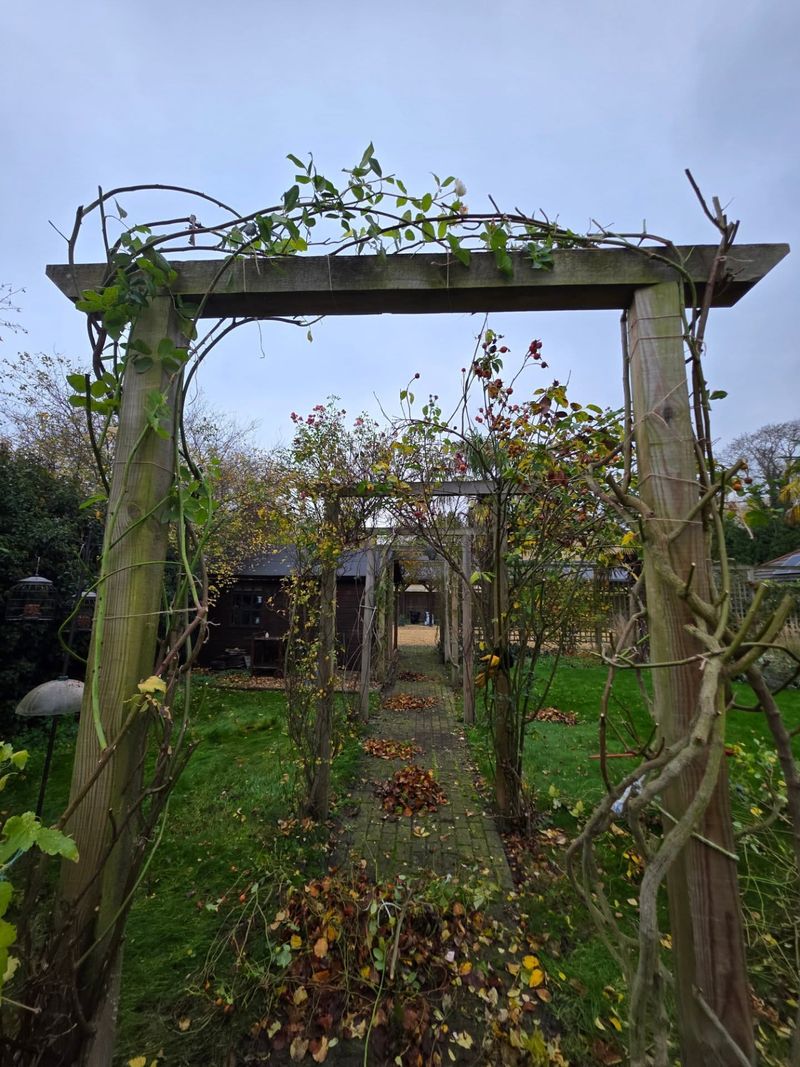
Wisteria is famous for producing long, fast-growing shoots that can extend several feet in a single season, but these whippy stems rarely produce flowers on their own.
Shortening these vigorous shoots to six to twelve inches redirects the plant’s energy toward developing lateral buds that will transform into flowering spurs when spring arrives.
This technique is one of the most effective ways to maximize bloom production. Look for thin, flexible stems that grew rapidly during the previous year, often extending far beyond the main framework of the vine.
These shoots are easy to identify because they lack the thick, woody texture of older growth and tend to wave around in the breeze.
Using sharp pruners, cut them back to just a few buds from the main branch, leaving short stubs that will develop into flower-bearing laterals.
In Georgia, January pruning gives these shortened shoots plenty of time to harden off before the growing season kicks into high gear.
The buds left behind will swell and burst into clusters of blooms, creating the cascading effect that makes wisteria so enchanting. Without this pruning, the plant would continue producing leafy growth at the expense of flowers.
Repeating this process each winter trains your wisteria to focus on blooming rather than sprawling, resulting in a more compact, floriferous display that will be the envy of your neighborhood each spring.
Focus On Removing Crossed Or Crowded Stems
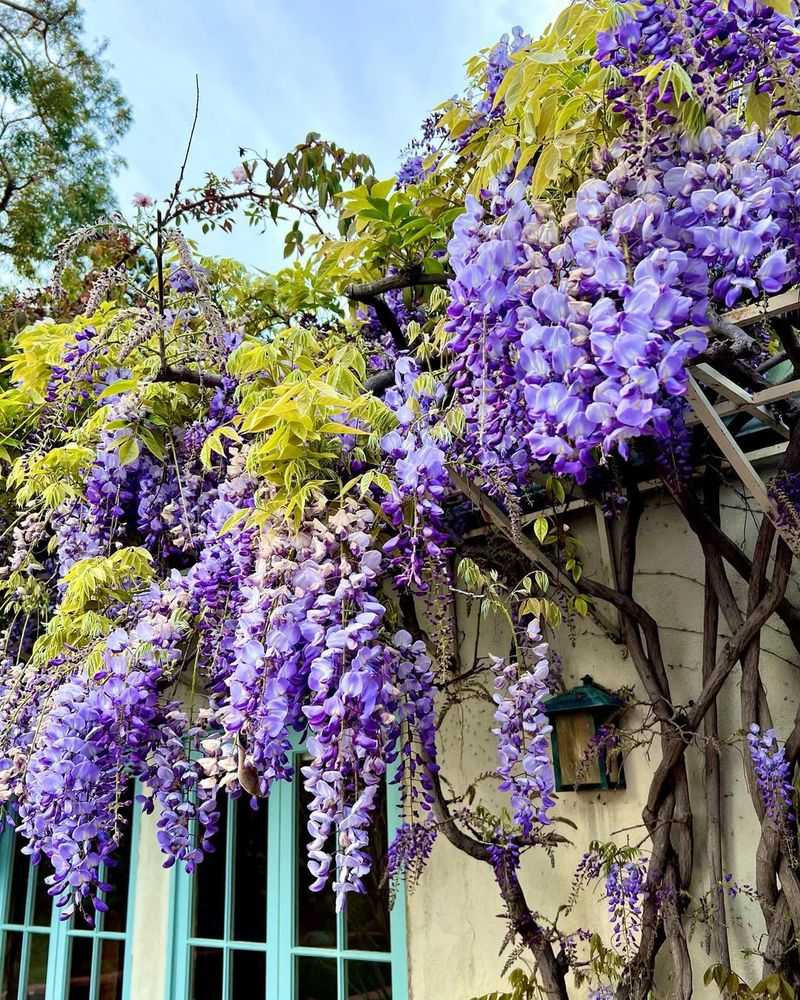
Tangled, crowded stems are more than just an eyesore—they compete for sunlight, trap moisture, and create an environment where pests and diseases can thrive.
Thinning out these problem areas allows each remaining stem to receive adequate light and air, which translates to stronger growth and more abundant flowering.
Your wisteria will thank you with a healthier, more vibrant appearance. Examine the interior of the vine where stems may have grown across one another or bunched together in tight clusters.
These crossing stems often rub against each other in the wind, creating wounds that invite infection. Select the weaker or less favorably positioned stem and remove it at its base, leaving the stronger stem to grow freely.
Georgia’s humid climate makes airflow particularly important, as stagnant air around dense foliage can lead to mildew and other fungal problems.
By opening up the canopy, you allow breezes to flow through the plant, drying moisture and discouraging disease.
This also ensures that sunlight reaches the inner portions of the vine, where it stimulates bud development. As you thin crowded areas, step back periodically to assess the overall balance and symmetry of the plant.
A well-spaced wisteria looks more intentional and polished, with each stem contributing to the overall beauty rather than competing for attention. This careful editing pays off with a stunning spring display.
Maintain The Shape Of Trellises Or Arbors
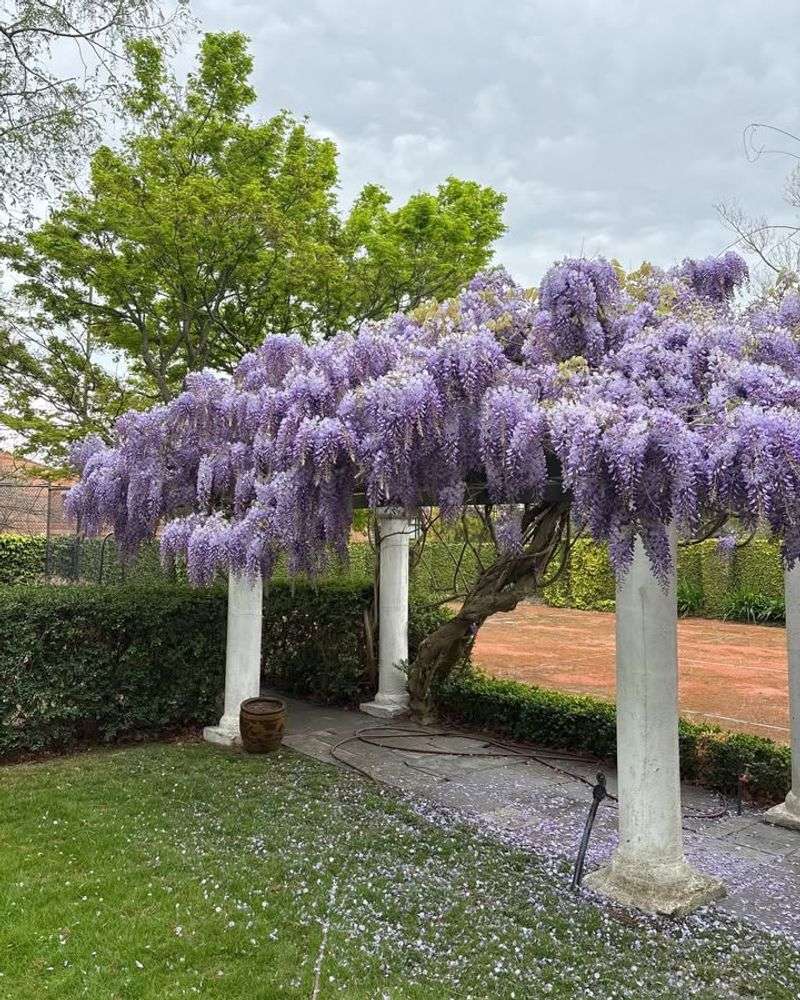
Wisteria’s natural tendency to sprawl can quickly overwhelm support structures if left unchecked, but strategic pruning keeps the vine neatly trained along trellises, arbors, and pergolas.
Maintaining the shape not only enhances the aesthetic appeal of your garden but also ensures that blooms are displayed at eye level where they can be fully appreciated. A well-trained wisteria becomes a living work of art.
Start by identifying the main stems you want to guide along your support structure, and gently weave them through openings or tie them to horizontal bars using soft garden twine.
Remove any shoots that are growing away from the structure or heading in unwanted directions, as these will only create a messy, overgrown appearance. Focus on creating a balanced framework that follows the lines of your trellis or arbor.
In Georgia, where wisteria can grow quite vigorously, regular pruning is essential to prevent the vine from becoming too heavy for its support.
Overgrown wisteria can damage wooden structures or pull down weaker trellises, so keeping it in check protects both the plant and your investment in garden infrastructure.
As you prune, imagine the way the flowering clusters will drape down from the trained stems in spring, and shape the vine to maximize this visual impact.
A thoughtfully maintained wisteria transforms an ordinary garden structure into a breathtaking focal point that draws the eye and delights visitors.
Use Sharp, Clean Tools For All Cuts
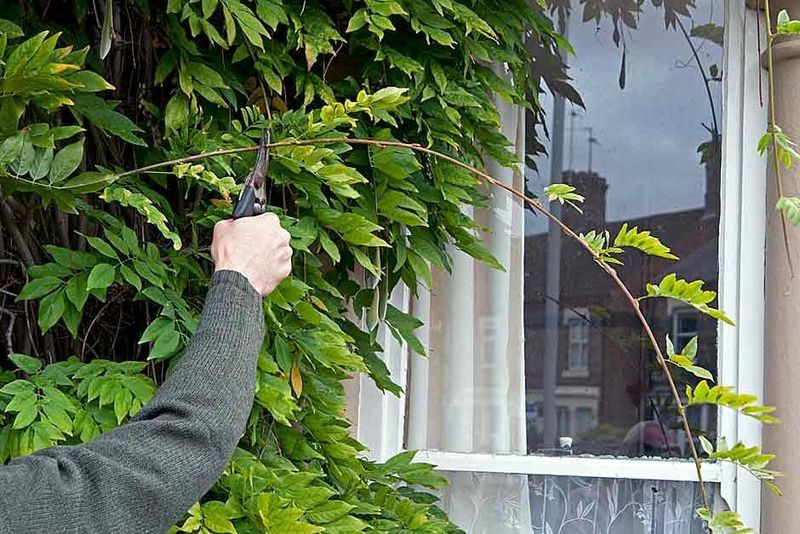
The quality of your pruning tools directly impacts the health of your wisteria, making sharp, clean equipment an absolute necessity.
Dull blades crush and tear plant tissue rather than making clean cuts, which creates ragged wounds that take longer to heal and provide entry points for pathogens.
Investing in quality pruners and keeping them properly maintained is one of the simplest ways to ensure successful pruning.
Before you begin pruning, wipe down your pruner blades with rubbing alcohol or a diluted bleach solution to eliminate any bacteria or fungal spores that might be lurking from previous use.
This is especially important in Georgia’s humid winter climate, where moisture can keep fungal spores viable for extended periods. Clean tools mean healthier plants and fewer disease problems down the line.
Sharp blades also make the physical act of pruning easier and more precise, allowing you to make confident cuts in exactly the right spots.
Test your pruners on a small stem before tackling the main pruning job—if the blades crush the stem instead of slicing cleanly through it, take a few minutes to sharpen them or replace them with a better pair.
After pruning, clean and dry your tools before storing them to prevent rust and deterioration.
Well-maintained pruners will serve you for many seasons, making each year’s wisteria pruning a smooth and satisfying experience that sets your vine up for spectacular spring growth.
Do Not Remove All Flowering Spikes From Last Year
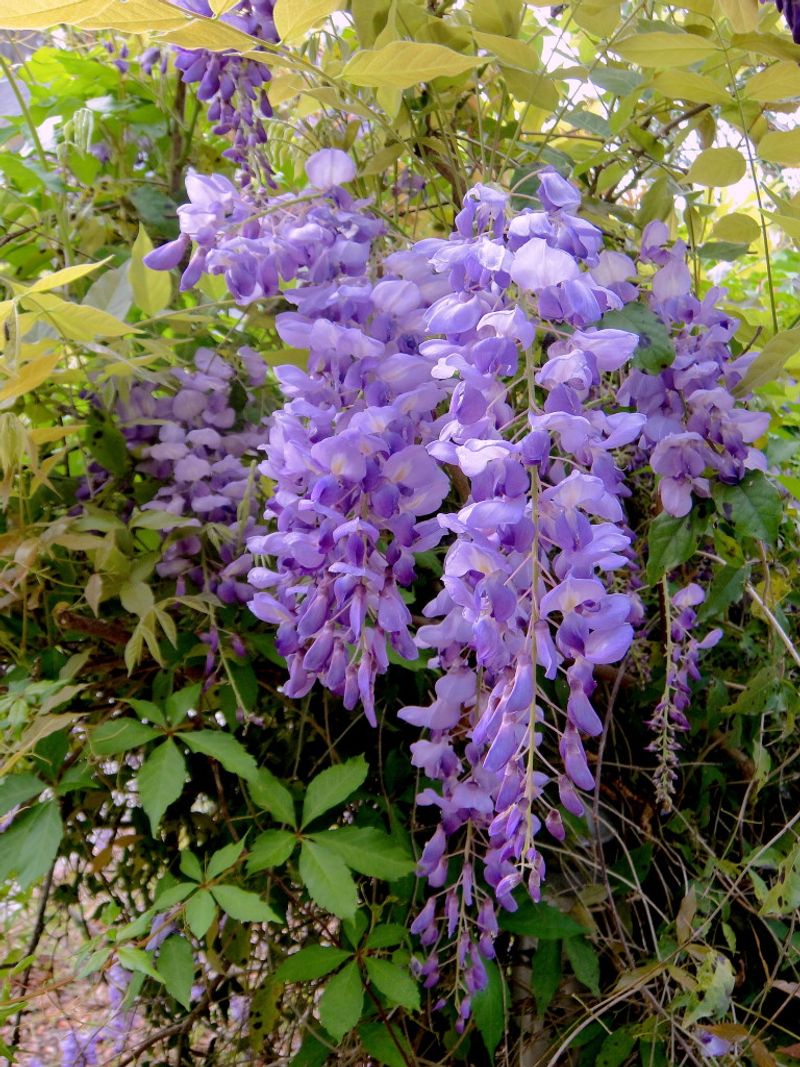
One of the most common mistakes gardeners make when pruning wisteria is cutting away all the short lateral spurs from the previous season, not realizing these are exactly where the best blooms will emerge.
These stubby side shoots may not look like much in winter, but they contain the flower buds that will open into gorgeous cascading clusters when spring warmth arrives. Preserving them is essential for a spectacular floral display.
Examine the lateral branches closely and you will notice short, knobby spurs with swollen buds—these are your future flowers.
When pruning back long whippy shoots, make your cuts just above these spurs rather than removing them entirely.
This allows the plant to focus its energy on developing the existing flower buds rather than having to create new ones from scratch.
Georgia’s climate is ideal for wisteria flowering, but only if you give the plant the structural support it needs.
By retaining the short spurs while removing excess vegetative growth, you strike the perfect balance between a tidy, manageable vine and abundant spring blooms.
Many gardeners are amazed at how much more their wisteria flowers after adopting this selective pruning approach.
As spring approaches, those preserved spurs will swell and eventually burst into the fragrant, showy blooms that make wisteria one of the most beloved flowering vines in Southern gardens.
Protecting them during winter pruning is a small effort that yields magnificent rewards.
Dispose Of Cuttings Properly To Prevent Disease
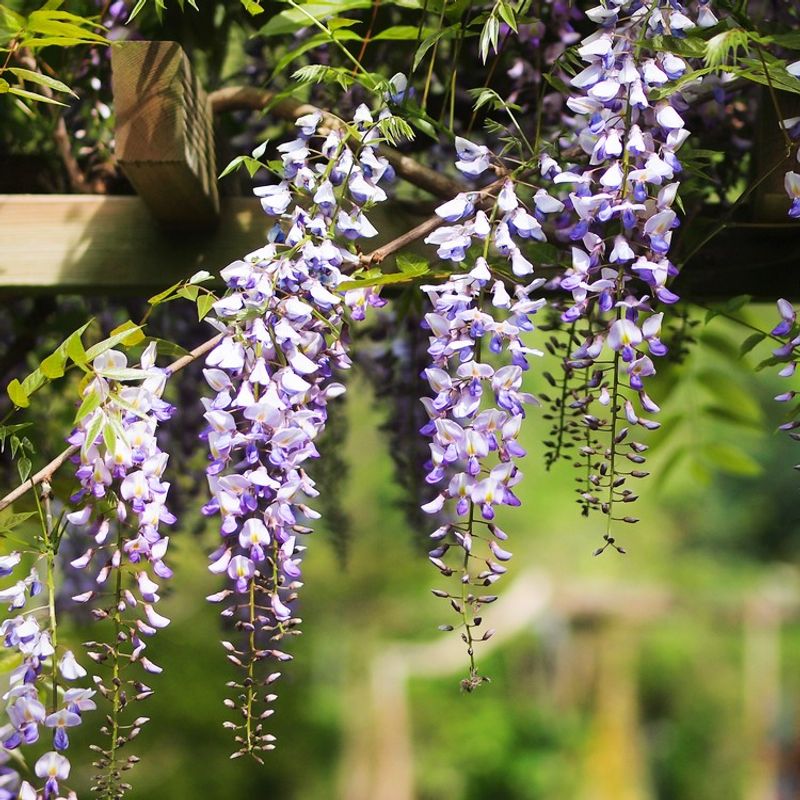
After completing your pruning work, the pile of cuttings left behind might seem like a minor detail, but proper disposal is an important final step in maintaining a healthy garden.
Leaving pruned stems scattered around your wisteria or other plants can create hiding places for pests and provide a breeding ground for fungal spores that could reinfect your carefully tended vine.
A clean garden is a healthy garden. Gather all the pruned stems and shoots into a container or tarp, taking care to collect even small pieces that might have fallen during cutting.
If the stems appear healthy and free from disease, you can add them to your compost pile where they will break down and return nutrients to your garden.
However, any stems that showed signs of damage, discoloration, or disease should be disposed of separately to prevent spreading problems.
In Georgia, municipal yard waste programs often accept woody prunings, or you can cut the stems into smaller pieces and place them in your regular trash if disease is a concern.
Some gardeners also choose to burn dry prunings in approved outdoor fire pits, which effectively eliminates any pathogens. Whatever method you choose, removing the cuttings from your garden area is the key.
Taking a few extra minutes to clean up after pruning leaves your garden looking tidy and professional while protecting your wisteria and other plants from potential health issues. This simple habit sets the stage for a vibrant, thriving spring garden.