How To Prune Your Citrus Trees In California Without Causing Damage
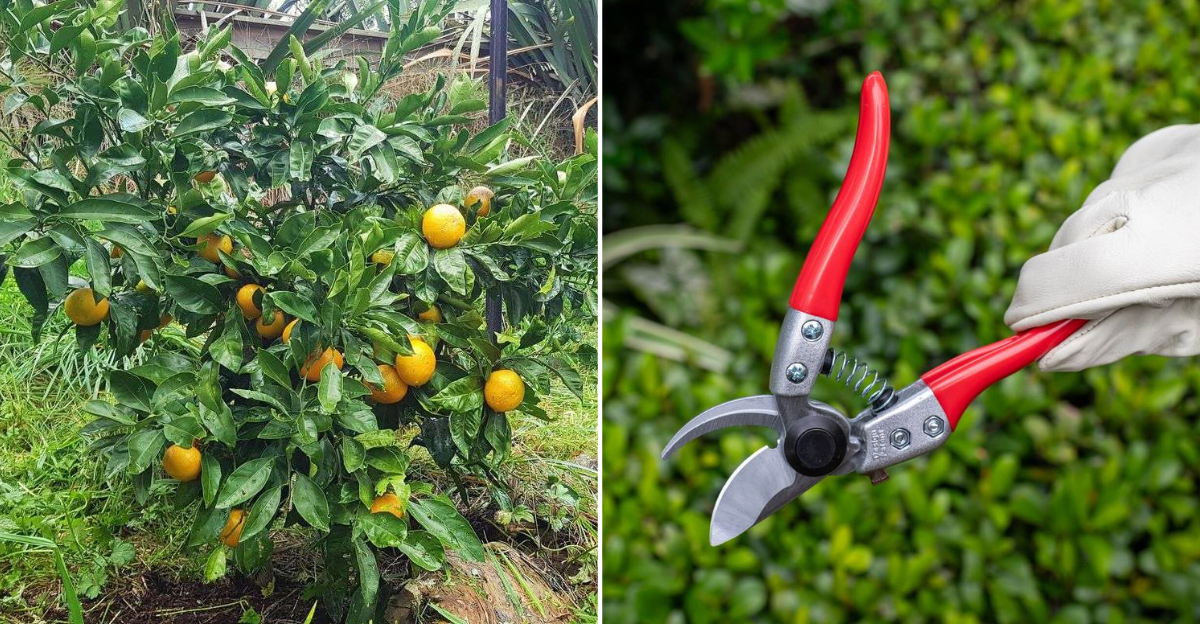
Pruning citrus trees can feel risky. One wrong cut and it’s easy to worry you’ve hurt the tree.
I used to avoid pruning mine because I didn’t want to make a mistake. Once I learned the basics, it became much less stressful and far more helpful.
In California, citrus trees grow fast and often need shaping to stay healthy. Proper pruning improves air flow, lets in more sunlight, and helps the tree focus energy on fruit instead of wild growth.
It also keeps branches from breaking under heavy harvests.
Timing and technique both matter. Cutting too much or at the wrong moment can slow growth and reduce fruit.
Doing it the right way supports stronger branches and better yields.
With a few simple steps, you can prune with confidence and keep your citrus trees productive and healthy for years to come.
1. The Best Time To Prune Citrus
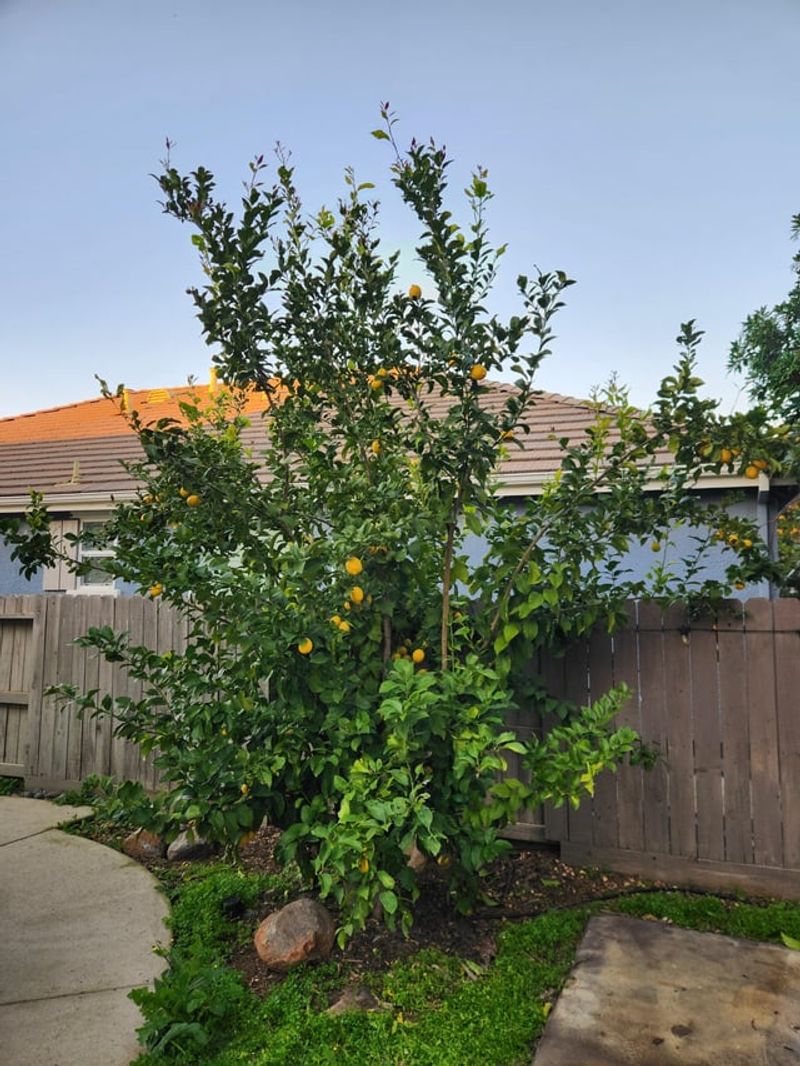
Timing makes all the difference when it comes to keeping your citrus tree strong and productive. In California, late winter through early spring is usually the best window for pruning most citrus varieties, especially once the risk of frost has mostly passed.
Your tree is in a slower growth phase, which allows it to recover from pruning without losing unnecessary energy.
Pruning too early in winter can expose fresh cuts to frost damage, especially in cooler inland areas. Waiting until after the coldest part of the season is a smart move.
If you live along the coast where frost is rare, you have a bit more flexibility with timing.
Avoid heavy shaping in late fall, since new growth triggered by cuts may not harden off before cooler weather. This leaves tender shoots vulnerable to cold snaps that can surprise even mild regions.
Spring pruning also lets you see which branches suffered damage over winter. You can remove those problem areas before the growing season kicks in.
If you notice broken or diseased branches any time of year, go ahead and remove them. Emergency pruning is always better than letting a problem spread.
Just save your major shaping work for that ideal late winter to early spring window in California.
2. Remove Crossing Branches
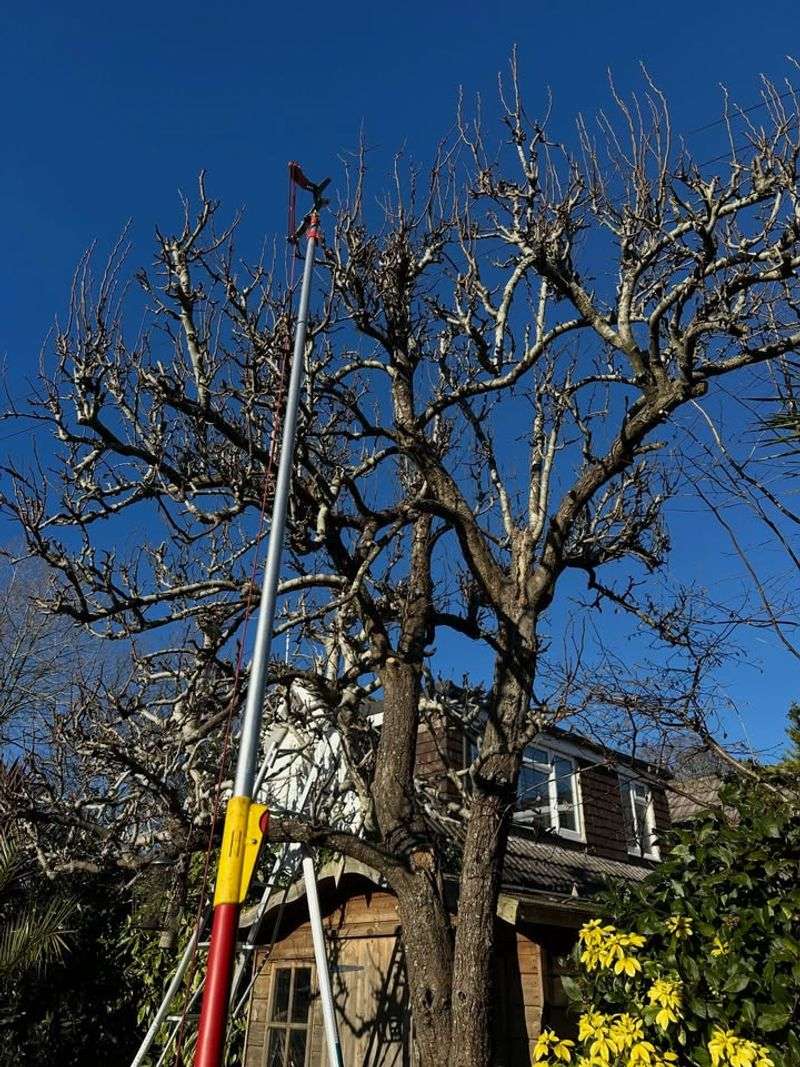
Branches that rub against each other create wounds that invite trouble. Every time the wind blows or the tree sways, those crossing limbs scrape bark and create openings for pests and disease.
In California’s dry climate, even small wounds can become entry points for problems.
Inward-growing branches crowd the center of your tree and block airflow. Poor air circulation creates a damp, shaded environment where fungal issues love to develop.
Your fruit needs sunlight to ripen properly, and a cluttered canopy prevents light from reaching the inner branches.
Start by looking at your tree from several angles. Identify branches that grow toward the trunk instead of outward.
These are the ones you want to remove first. They rarely produce good fruit and mostly just waste the tree’s resources.
Next, find any limbs that cross over each other or touch frequently. Choose the weaker or less productive branch to cut away.
Keep the one that grows in a better direction or shows more vigor.
Removing these problem branches opens up your tree and improves its overall structure. Better airflow means fewer fungal issues, which is especially important in California’s coastal areas where morning fog can linger.
Your tree will thank you with healthier growth and easier-to-reach fruit.
Make clean cuts close to the branch collar so wounds heal faster and more smoothly.
Taking time to thin crowded growth now saves your California tree from bigger problems later in the season.
3. Focus On Shaping
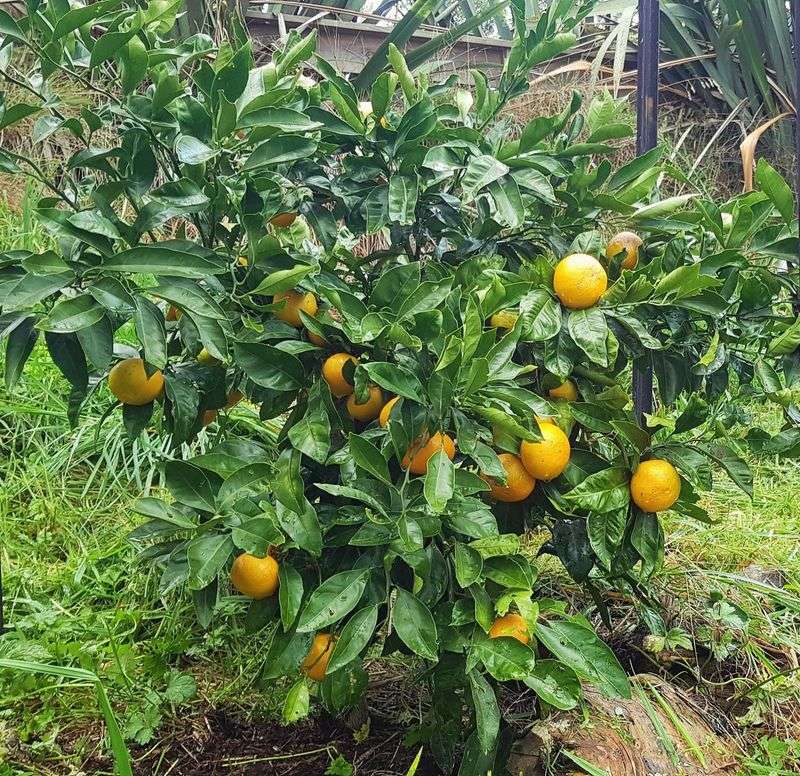
Your citrus tree should have a balanced, open shape that lets light reach every part of the canopy. Before you make any cuts, spend time just looking at the overall structure.
California citrus trees often grow vigorously, and it’s easy to get carried away and remove more than necessary.
Picture the shape you want your tree to have when you’re finished. Most citrus varieties do well with a rounded or slightly vase-shaped canopy.
This shape encourages even growth and makes harvesting easier from all sides.
Start with the biggest problems first, like branches that stick straight up or hang too low. These awkward limbs throw off the tree’s balance and often don’t produce much fruit.
Removing them immediately improves the tree’s appearance and function.
Work slowly and step back frequently to check your progress. It’s much easier to cut more later than to undo a cut you’ve already made.
In California’s long growing season, your tree will fill in gaps faster than you might expect.
Avoid the temptation to thin out every small twig or crowded area. Your tree needs plenty of foliage to photosynthesize and produce energy.
Focus on the main structural branches and let the smaller growth fill in naturally for a healthy, productive canopy.
4. Skip Heavy Pruning During Heat
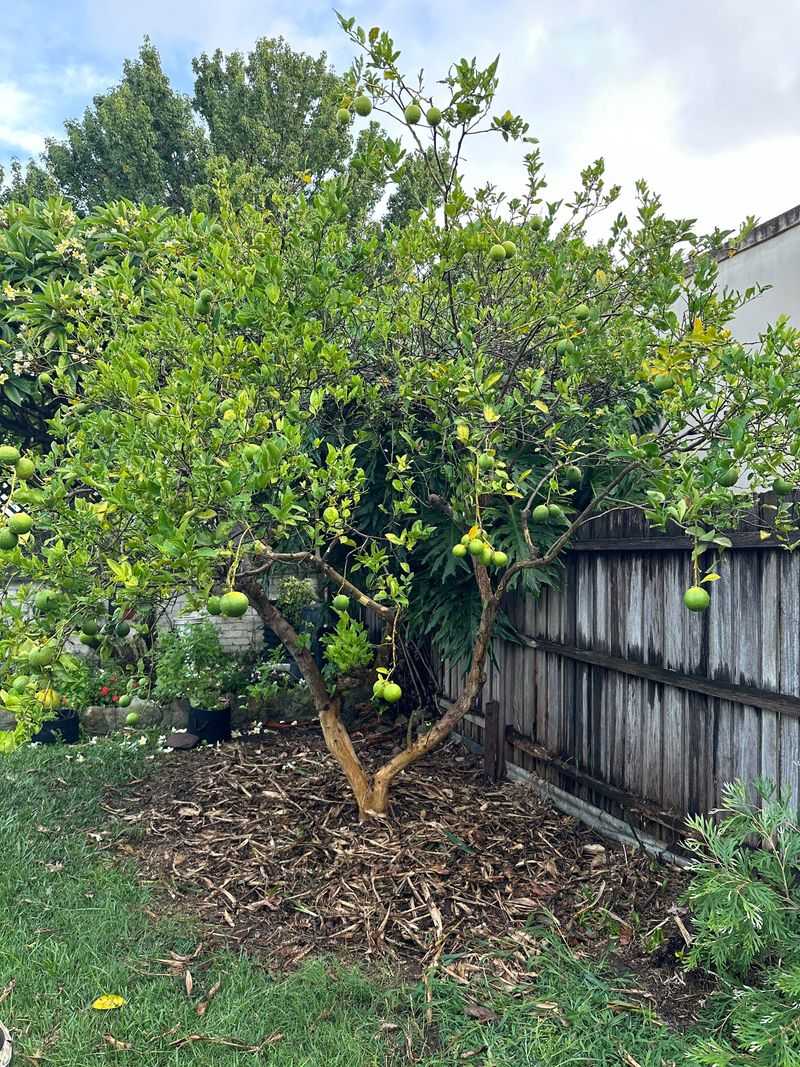
California summers can be brutal, especially in the Central Valley and inland Southern California regions. Your citrus tree relies on its leaves to stay cool and protect itself from intense sun.
Removing too much foliage during extreme heat puts extra stress on the tree. Fresh cuts expose inner wood and bark to direct sunlight, which can cause sunburn damage.
If you must prune during warmer months, keep it light and focus only on damaged or problem branches. Early morning or evening is the best time to make small cuts when temperatures are lower.
Always leave plenty of foliage to help shade the trunk and main branches.
Watch the weather forecast before scheduling major pruning work. If a heat wave is coming, it’s better to wait for milder conditions.
Light maintenance pruning is usually fine even in summer. Just avoid removing large sections of the canopy when temperatures are at their peak.
After pruning, make sure the tree is well watered so it can handle the added stress more easily.
5. Use Clean Sharp Tools
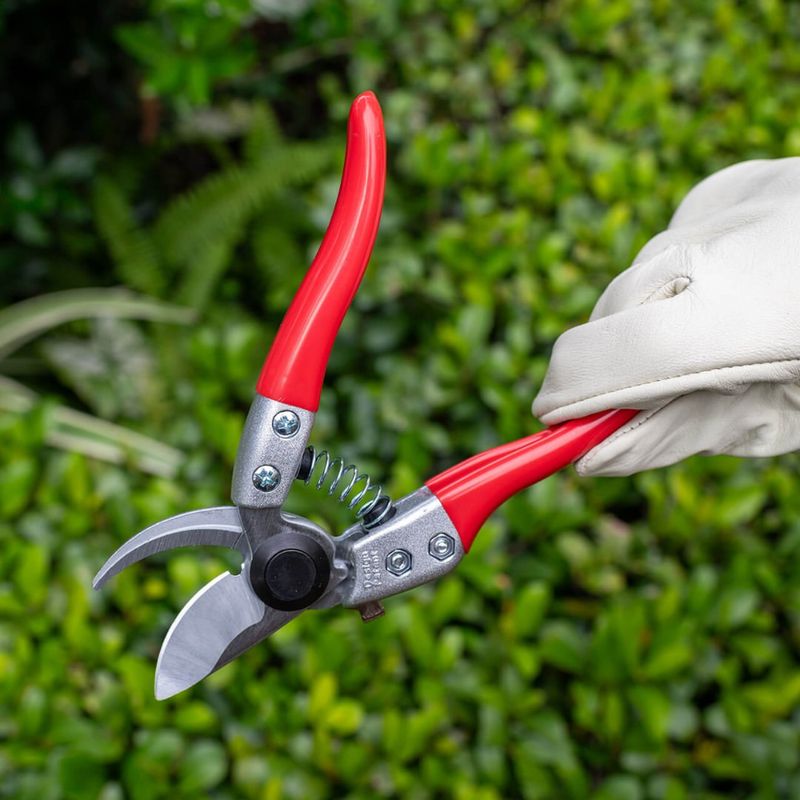
Dull blades crush and tear plant tissue instead of making clean cuts. Ragged wounds take much longer to heal and create larger openings for disease organisms.
In California, where various citrus diseases can spread quickly, clean cuts are your first line of defense.
Invest in quality pruning shears, loppers, and a small pruning saw for larger branches. Sharp tools make the job easier and safer because you don’t have to use as much force.
They also give you better control over exactly where and how you cut.
Clean your tools with rubbing alcohol or a diluted bleach solution before you start pruning. Wipe the blades down between trees if you’re working on multiple plants.
This simple step prevents spreading diseases from one tree to another across your California garden.
Inspect your tools regularly for rust, nicks, or loose parts. A blade with a chip or rough edge won’t cut cleanly no matter how much you sharpen it.
Replace worn-out tools before they damage your tree or make pruning more difficult than it needs to be.
Keep a sharpening stone or file handy and touch up your blades throughout the growing season. Well-maintained tools will last for years and keep your citrus trees healthy with every cut you make in your California yard.
6. Don’t Strip Away Protective Shade

California’s intense sunshine is wonderful for ripening fruit, but too much direct exposure can damage both fruit and bark. Your citrus tree needs enough foliage to create filtered shade and protect developing fruit from sunburn.
Over-pruning leaves everything exposed and vulnerable. Fruit that gets too much direct sun can develop brown or bleached patches that affect quality.
Bark sunburn is another serious concern. When shaded limbs are suddenly exposed, permanent damage can occur.
A good general guideline is to avoid removing large portions of the canopy in a single pruning session. Leaving plenty of leaf coverage helps the tree stay productive and avoid stress.
Pay special attention to the south and west sides of your tree if you live in California. These areas receive the strongest afternoon sun and benefit from extra shade protection.
Prune more conservatively on these sides to prevent sun damage problems.
7. Trim Frost Damage At The Right Moment
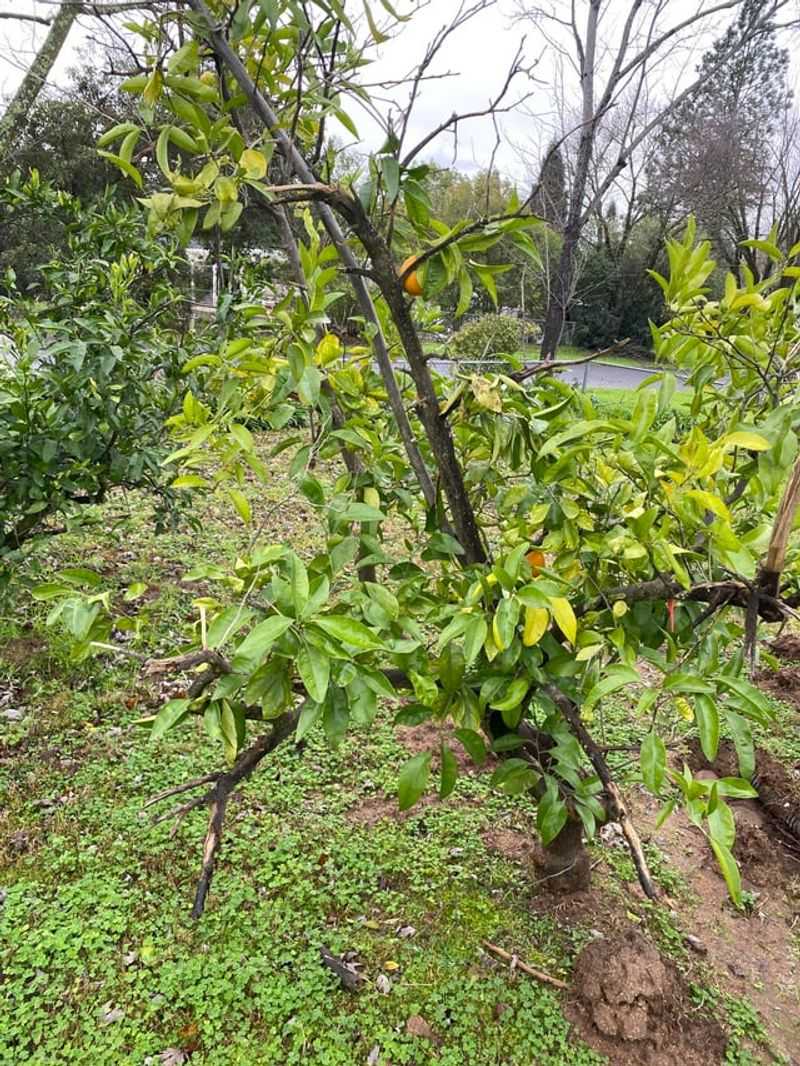
Frost can surprise California gardeners in inland valleys and foothill areas where temperatures occasionally plunge. When your citrus tree gets nipped by cold, the damage may not show up right away.
Leaves might look fine for a few days before turning brown and wilting.
Resist the urge to prune frost-damaged branches immediately after a cold snap. Your tree needs time to show you exactly which parts were truly harmed and which will recover.
Sometimes growth that looks questionable will bounce back once warmer weather returns to California.
Wait until the tree clearly shows which growth is recovering and which areas are truly damaged.
Healthy branches will push new growth, while frost-affected sections will remain dry or discolored.
This makes it easy to see exactly what needs to be removed.
When you do prune frost-damaged wood, cut back to healthy green tissue. Make your cut just above a bud or side branch that shows signs of active growth.
This encourages the tree to put energy into strong new shoots instead of trying to revive damaged sections.
California’s mild climate means most citrus trees recover well from occasional frost damage. Be patient and let your tree guide you about what truly needs to be removed versus what can still contribute to the canopy.
You can also protect damaged areas from further stress by avoiding fertilizer until new growth is well established.
Giving your citrus time to recover naturally often results in stronger regrowth than rushing in with cuts or extra care.
8. Check Your Work As You Prune
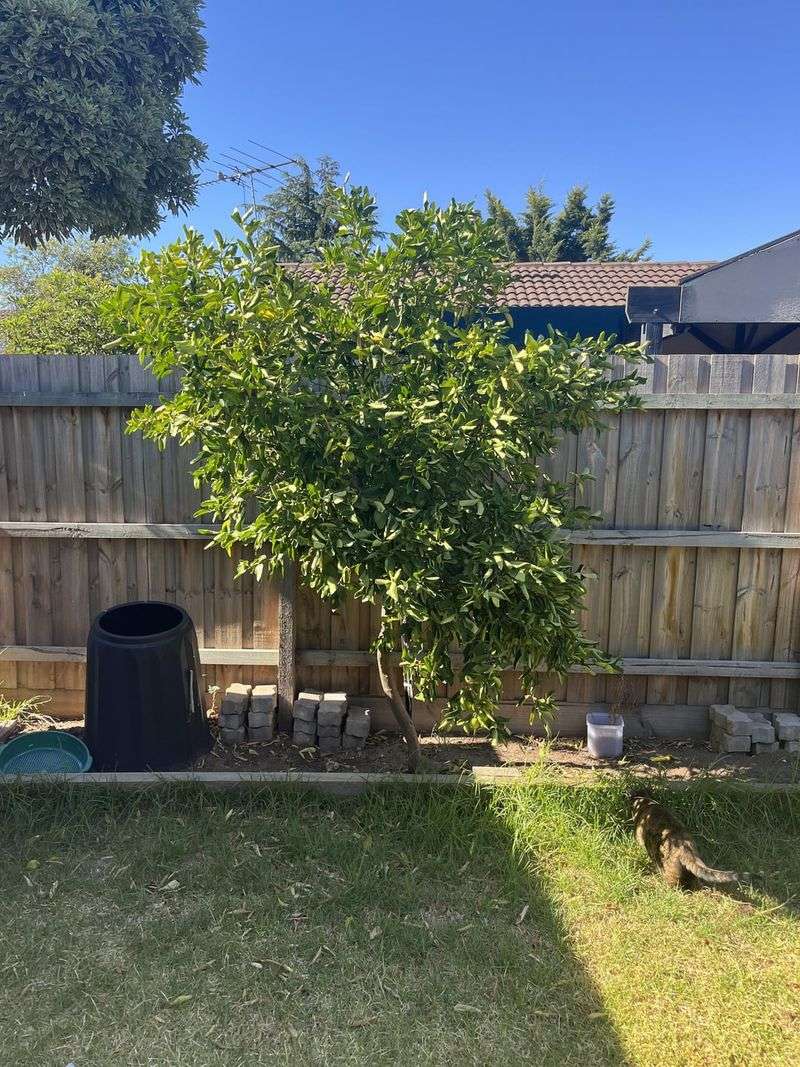
Getting too focused on individual branches can make you lose sight of the tree’s overall appearance. In California gardens where citrus trees are often focal points, maintaining an attractive shape matters just as much as promoting healthy growth.
Regular visual checks keep you from over-pruning one side or creating an awkward silhouette.
After every few cuts, walk around your tree and look at it from different angles. Check if one side looks thinner than the other or if the canopy seems lopsided.
These imbalances are much easier to spot when you take a moment to step back rather than staying close to your work.
Compare the tree’s current shape to how it looked before you started pruning. Are you achieving the balanced, open structure you had in mind?
If something looks off, pause and figure out what needs adjusting before making more cuts.
It helps to have someone else look at your tree if possible. A fresh pair of eyes can spot issues you might miss after staring at the same branches for a while.
California neighbors are usually happy to offer an opinion on your garden work.
Remember that you can always prune more later, but you cannot put branches back once they are removed. Taking frequent breaks to assess your progress prevents you from going too far and helps you create a beautifully shaped, healthy citrus tree.