How To Quarantine Outdoor Plants Before Bringing Them Inside For A California Fall
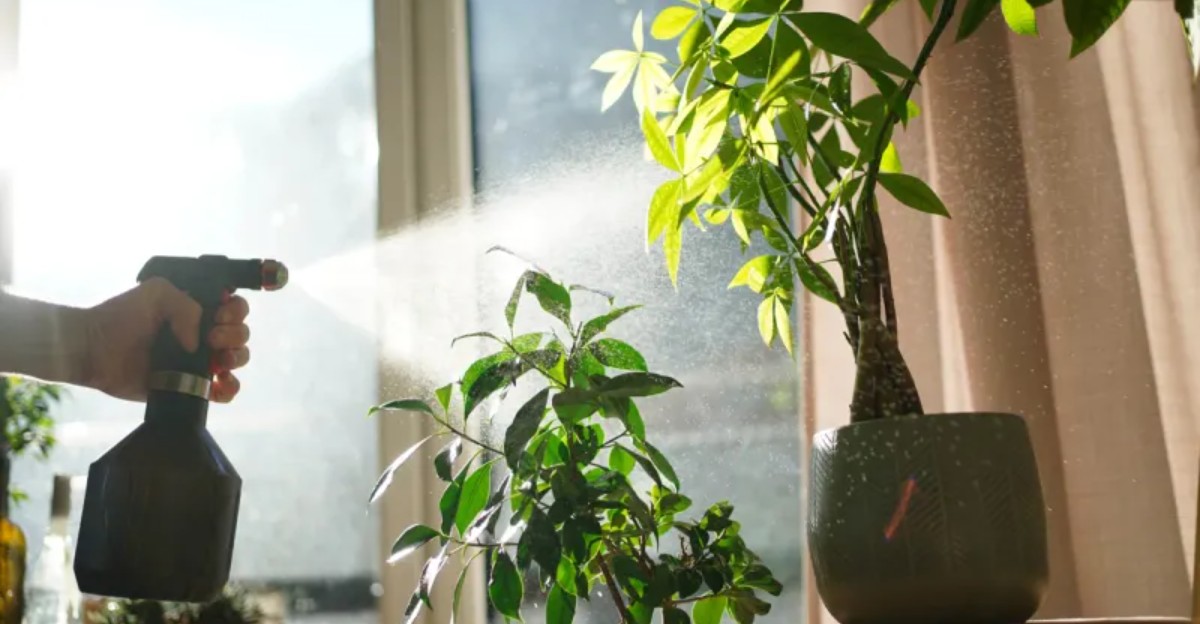
Something sneaky might be hitching a ride on your favorite patio pot. California fall brings cooler nights, crunchy leaves, and the urge to bring green friends back indoors.
Those leafy buddies spent months soaking up sunshine, breezes, and plenty of tiny uninvited guests outside. Some guests are polite, but others love to crawl, munch, and multiply after they reach your cozy home.
Picture a sunny windowsill suddenly covered in sticky spots, fuzzy webs, and leaves turning a sad yellow. That mess often starts with one innocent-looking pot carried through the door without a second glance.
Thankfully, a little patience and a simple plan can protect the plants you already keep inside. Many gardeners use a few easy steps that take only minutes each day for several weeks.
Even a plant that looks perfectly healthy can carry a few stowaways with very tiny appetites. Sometimes a single hidden egg is all it takes.
1. Keep Incoming Plants In A Separate Room
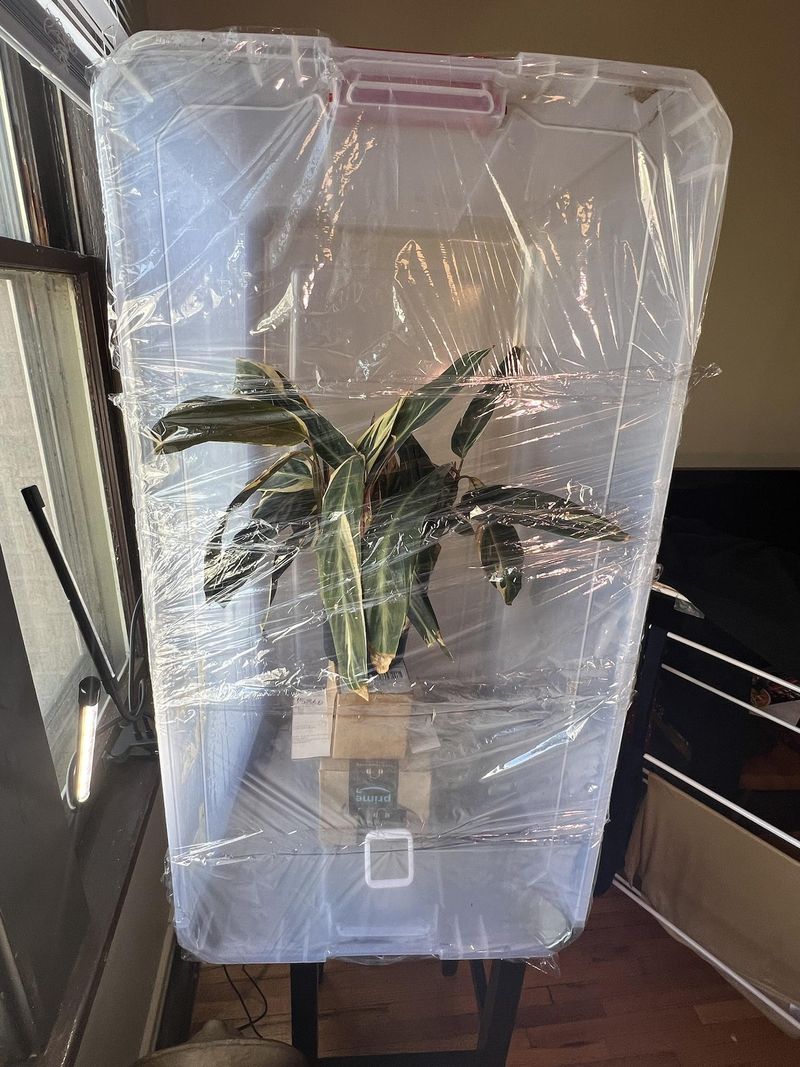
Plant nurseries often keep new arrivals apart from the rest of their stock, and your outdoor plants deserve the same careful treatment this fall. A spare bedroom, laundry room, or enclosed porch works well as a temporary holding area for incoming pots.
Keeping plants apart lowers the chance of tiny pests moving over to your healthy houseplants nearby. Spider mites can drift on air currents, and winged aphids can fly from one plant to another.
Pick a room with a window, since your plants still need daylight while they wait out the isolation period. In early October, California sunshine stays fairly bright, so an east or south window usually works nicely.
If several outdoor plants must share the same room, space each pot at least a few feet apart. Leaves should not touch, because direct contact gives crawling insects an easy bridge to new territory.
Lay an old towel or plastic tray under every pot to catch drips, soil crumbs, and wandering bugs. A light-colored surface makes it much easier to spot tiny moving specks that fall from the leaves.
Wash your hands after touching isolated plants, and do it before handling any of your indoor favorites. Pests and fungal spores can cling to fingers, sleeves, and pruning shears.
Close the door to the isolation room when possible, especially if curious pets enjoy sniffing new arrivals. Pets can carry stray bugs on their fur, which can undo some of your careful separation work.
2. Inspect Both Sides Of Every Leaf
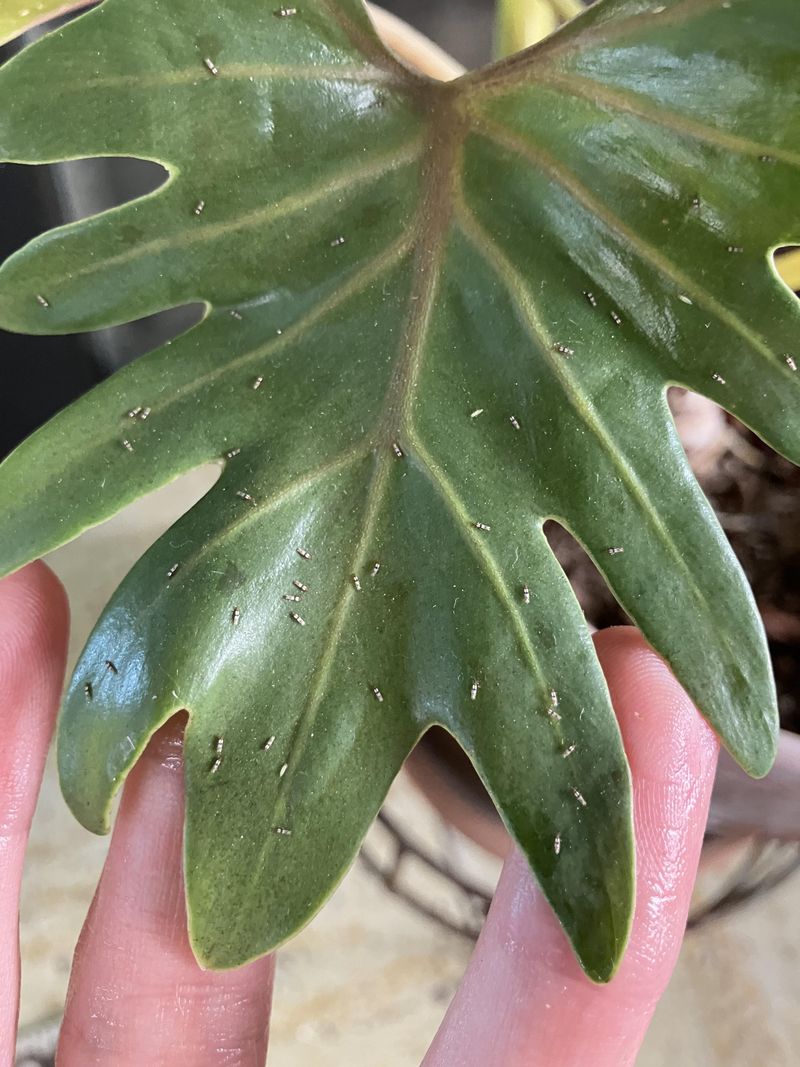
Bugs are sneaky little tenants, and most of them prefer living on the shady underside of leaves. Flipping every leaf over might feel silly, but it reveals the hiding spots pests love the most.
Gather a flashlight and a magnifying glass, then sit somewhere comfortable with plenty of natural light around. Some pests are about the size of a grain of salt, so a closer look makes a big difference.
Look for tiny webs, sticky residue, white cottony clumps, or speckled yellow dots across the leaf surface. Each sign points to a different culprit, such as spider mites, aphids, mealybugs, or hungry whiteflies.
Your California Garden Changes Every Week. Your Plan Should Too.
Gardening in California changes quickly throughout the season. Every Friday you’ll receive a simple weekly plan showing exactly what to plant, prune, fertilize, harvest, and protect so you never miss the right timing.
Fun fact: aphids can reproduce without mating, and one female can produce several young per day. Catching even one early can help you avoid a large population surge later this fall season.
Check where leaves join the stems too, because mealybugs and scale insects love tucking into those tight joints. Scale often looks like small brown bumps that seem part of the plant until you scrape them gently.
Pinch off any leaves that look badly chewed, curled, or spotted, and seal them inside a trash bag. Removing heavily damaged foliage gives the plant more energy for healthy new growth during cooler months ahead.
Plan to repeat this inspection every few days, since eggs can hatch days after your first check. Think of it as a quick detective game that helps keep your indoor garden healthy through winter.
3. Check The Soil Surface For Hidden Pests
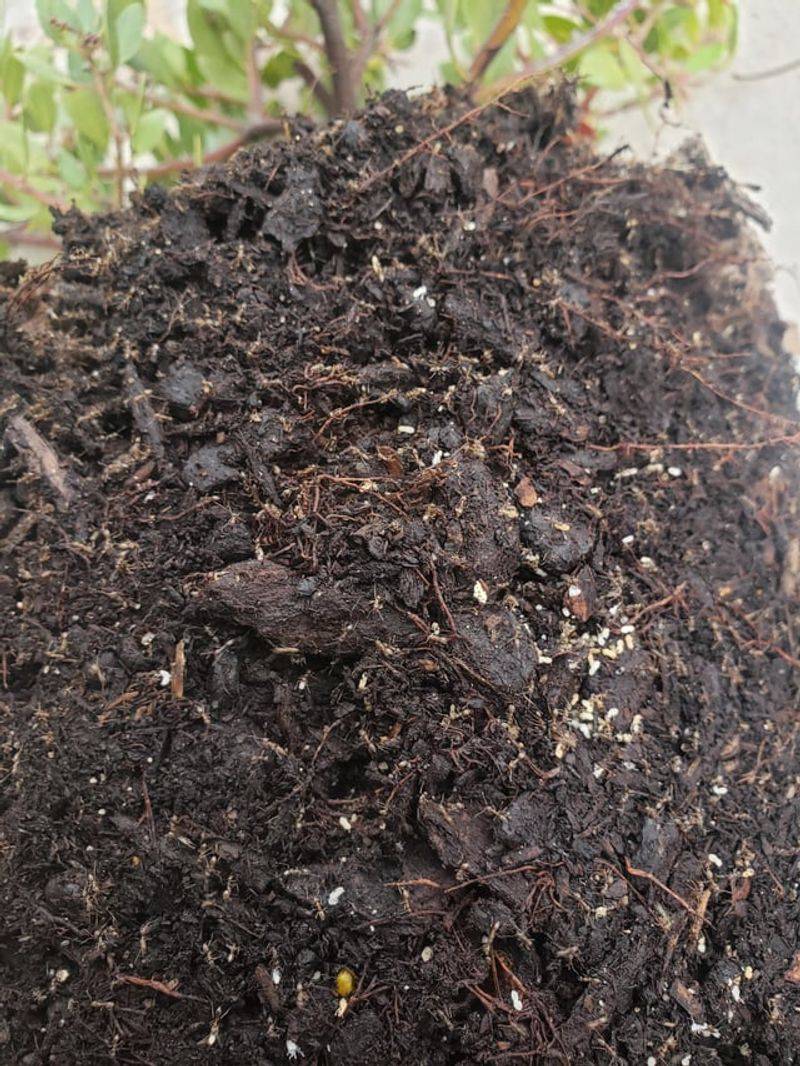
Ever lifted a rock and watched a dozen critters scatter in every direction like startled party guests? Potting soil can hold a similar surprise, especially after months sitting outdoors on a California patio.
Ants, earwigs, pill bugs, and slugs often tuck themselves into damp soil or under the pot’s rim. Fungus gnats are another common guest, laying eggs in the top layer of moist potting mix.
Use a spoon or small trowel to gently scrape away the top inch of soil and take a peek. Watch closely for tiny white larvae, wriggling worms, or quick little insects darting away from the light.
Lift the pot and check the drainage holes underneath, since slugs and pill bugs love that cool shelter. Ants sometimes nest in pots too, so look for tiny workers or eggs near the holes.
A simple soak test can flush out hidden residents if you suspect ants are living inside the pot. Set the pot in a bucket of water for fifteen minutes, and the ants will usually climb to the surface.
Yellow sticky traps placed near the soil help catch adult fungus gnats before they lay more eggs. Letting the top layer of soil dry out between waterings also makes the pot far less inviting.
Clear away fallen leaves, mulch, and debris sitting on the surface, since pests love hiding underneath that clutter. A clean soil surface makes future checks faster and gives sneaky critters fewer places to camp out.
4. Rinse Foliage With A Gentle Water Spray
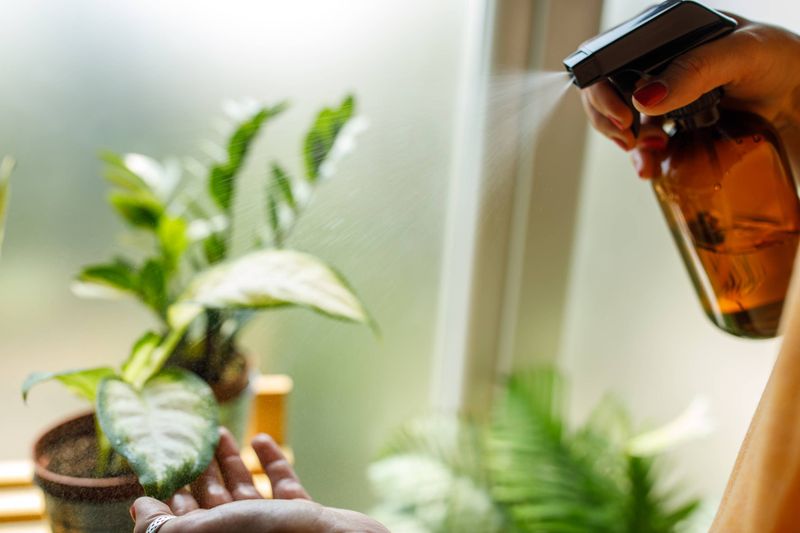
A cool shower can feel refreshing, and your plants might agree after months outdoors. A gentle rinse knocks loose many pests, dust, and spider webs before they ever reach your living room.
Take each plant outside or into the shower, and use a hose nozzle set to a soft mist. Strong blasts can tear tender leaves, so aim for the feel of light rain rather than a pressure washer.
Spray the undersides of the leaves first, since that is where spider mites and aphids love to gather. Work from the top of the plant down, letting gravity carry loose bugs and grime toward the soil.
Tilt the pot slightly to the side to keep washed-off pests from landing right back in the soil. Covering the soil with plastic wrap or a small towel works nicely for smaller pots and hanging baskets.
Use room-temperature water whenever possible, because icy water can shock sensitive tropical plants like a sudden cold plunge. In many parts of California, early October mornings are mild, making them a pleasant time for outdoor rinsing sessions.
Rinse plants early in the day so leaves have plenty of time to dry before cooler evenings arrive. Wet foliage sitting overnight can invite mildew and other fungal problems, especially on plants with fuzzy leaves.
Repeat the rinse two or three times during the holding period to catch any newly hatched pests hiding on stems. Your plants will come indoors looking shiny, clean, and ready to brighten up a cozy autumn corner.
5. Treat Visible Pests With Insecticidal Soap
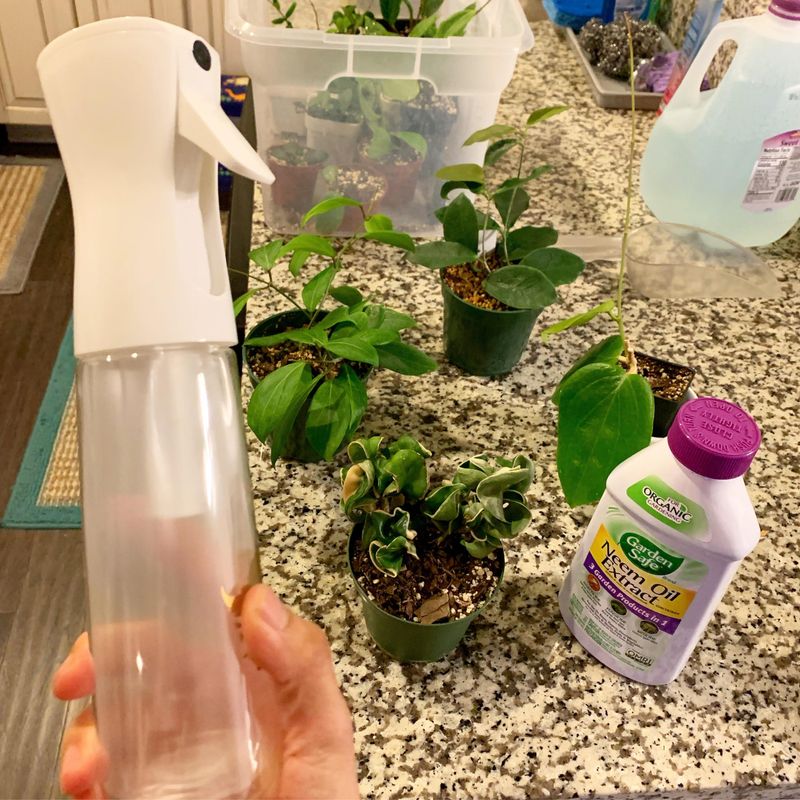
Grandma might have mixed dish soap and water for her roses, and she was onto something clever. Insecticidal soap works on a similar idea, but store-bought versions are safer and more reliable for plants.
The soap breaks down the soft outer layer of insects like aphids, mealybugs, whiteflies, and spider mites. Once that protective coating fails, the pests dry out and stop feeding on your plant within hours.
Spray only the spots where you see bugs, and make sure the liquid touches the insects directly. Insecticidal soap works on contact, so dried residue sitting on leaves offers little protection against new arrivals.
Test a small patch first and wait a full day to see if any leaves show browning or spots. Ferns, succulents, and some palms can be sensitive, so a quick trial helps you avoid unhappy surprises later.
Apply the spray in the cool morning or evening, because hot afternoon sun can scorch soapy leaves. California can still see warm spells in early October, so keep an eye on the forecast first.
Repeat the treatment every five to seven days for a few weeks to catch freshly hatched young insects. Eggs often survive the first round, so steady follow-up treatments help interrupt the pest life cycle.
Read the product label carefully, wear gloves if your skin is sensitive, and store bottles away from kids. A little caution goes a long way, and your plants will thank you with fresh, glossy growth.
6. Repot Plants In Fresh Potting Mix
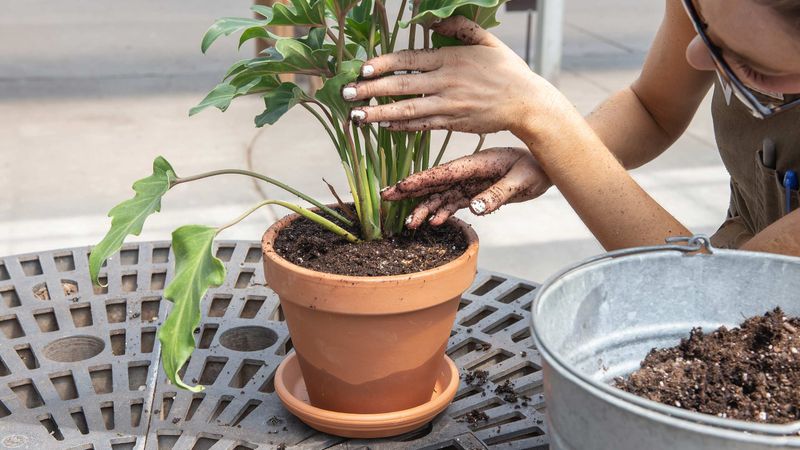
Old soil can be a cozy hotel for grubs, gnat larvae, and fungus that you cannot easily see. Swapping it for fresh potting mix gives your plant a clean slate before moving into your home.
Start by laying down newspaper or a tarp outside, because repotting can get messy in a hurry. Gently tip the pot sideways, support the base of the stems, and slide the root ball out slowly.
Shake off as much old soil as you can, then look closely at the roots for trouble. Healthy roots look firm and light-colored, while mushy brown roots often signal rot that needs trimming right away.
Snip off any damaged roots with clean scissors, cleaning the blades between cuts to avoid spreading problems. You might also spot root mealybugs, which look like tiny bits of white cotton clinging to the roots.
Choose a bagged, fresh potting mix instead of garden soil, which can carry weeds, bugs, and disease. Scrub the old pot with hot, soapy water before reusing it, or pick a new container one size larger.
Fall is a fine time for this job, since many plants slow their growth as days get shorter. A gentle repotting now lets roots settle in calmly before they wake up and stretch next year.
Water the plant after repotting, then let excess moisture drain fully before bringing it back inside. Soggy soil can attract fungus gnats, so a well-drained pot helps keep those pesky fliers away.
7. Wait Two Weeks Before Moving Plants Near Others
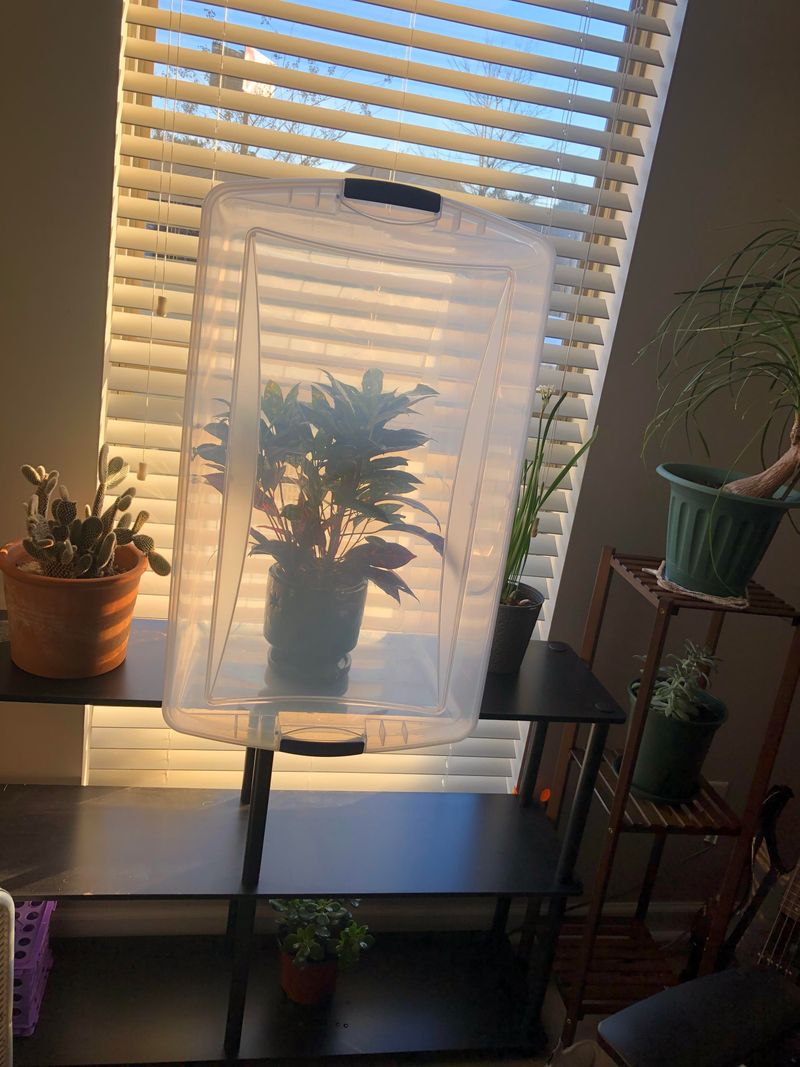
Patience might be the hardest part of the holding period, especially when that gorgeous fern begs for a spot by the couch. Waiting about two weeks gives most hidden pest eggs enough time to hatch and reveal themselves before trouble spreads.
Many common houseplant pests, like spider mites and aphids, can go from egg to adult in one or two weeks. That timing means a plant that looks spotless on day one might show bugs by day ten.
Keep a simple notebook or phone reminder to track each inspection, treatment, and watering date during this period. Writing things down helps you notice patterns, like new sticky spots appearing a few days after a rinse.
Check each plant every two or three days, looking at leaves, stems, soil, and the tray underneath. If you find new pests, restart the two-week clock after treating them so you stay on the safe side.
Mark your calendar with a fun reunion date, so the wait feels more like a countdown than a chore. In California, plants brought in during early October can usually join the group by mid to late month.
Some experienced growers prefer a longer wait of three or four weeks for plants with past pest problems. Scale insects and mealybugs can be slow to show up, so extra time offers welcome peace of mind.
Once the waiting period ends with clean checkups, move plants into their new homes one at a time. Keep peeking at them for another week or so, because a little extra watchfulness rarely hurts anyone.
8. Acclimate Plants To Indoor Light Gradually
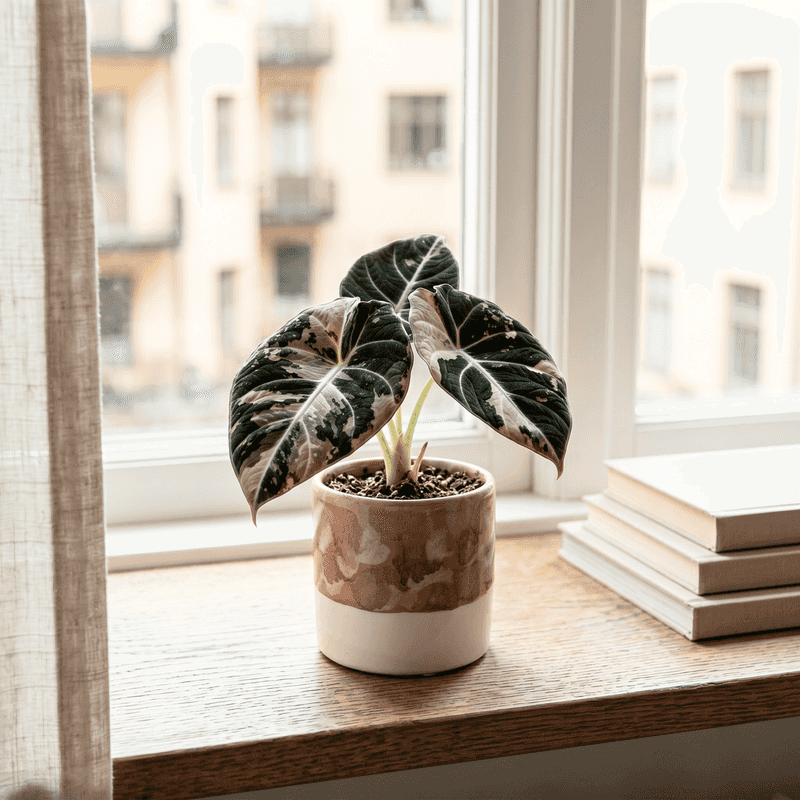
Walking from a bright beach into a dim movie theater makes your eyes squint, and plants feel something similar. Indoor light is much weaker than outdoor sunshine, even next to a sunny window in California.
Sudden changes can cause leaf drop, yellowing, or droopy stems as plants struggle to adjust their energy use. A slow transition over one to two weeks helps them shift without much stress or drama.
Start by moving plants into a shady outdoor spot, like a covered porch, for several days first. Lower light outside helps their leaves prepare for indoor life before they ever cross the front door.
Next, place them in your brightest indoor room, ideally near a south or west window with filtered light. Sheer curtains soften harsh afternoon rays while still letting in plenty of warm golden autumn glow.
Expect a few leaves to yellow and fall during this change, since that is a normal reaction. Plants often shed older leaves to save energy, then push out new ones better suited for indoor light.
Cut back on watering as days shorten, because plants use less water when light levels drop indoors. Hold off on extra fertilizer until spring, since pushing growth now can lead to weak, leggy stems.
A small LED grow light can help sun-loving plants like citrus, herbs, and succulents through darker winter months. Rotate each pot a quarter turn every week so all sides get their fair share of light.