How To Recognize Caterpillar Damage On Shrubs In Arizona And Treat It
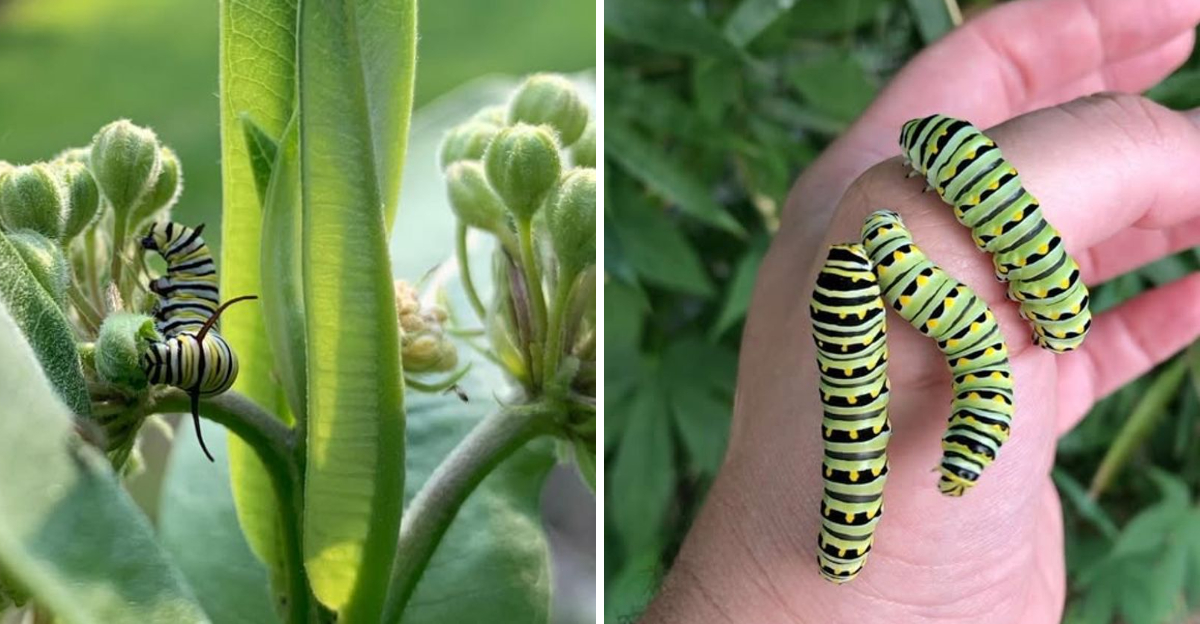
Shrubs are a big part of many Arizona landscapes, adding structure, greenery, and seasonal color to yards that face intense sun and dry conditions. But every now and then, gardeners notice something is not quite right.
Leaves start looking ragged, small holes appear across new growth, and parts of the plant seem to disappear almost overnight.
Very often, caterpillars are the reason. These hungry larvae can quietly feed on shrubs for days before anyone spots them, especially when they hide on the undersides of leaves during the day.
By the time the damage becomes obvious, gardeners may wonder what is causing it and how serious it might be.
The good news is that caterpillar damage is usually easy to recognize once you know the signs. With a quick inspection and a few simple steps, Arizona gardeners can manage the problem early and help shrubs recover before feeding gets out of hand.
1. Look For Ragged Or Chewed Leaves On The Shrub
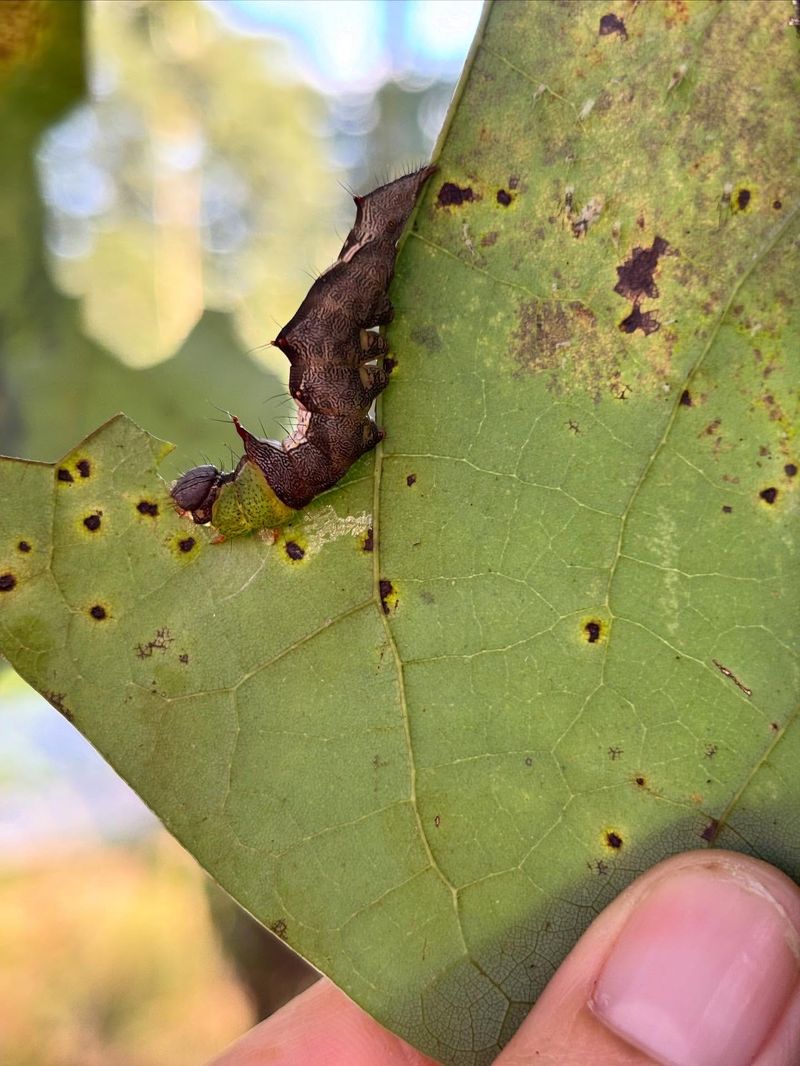
Chewed edges on shrub leaves are usually the first red flag that caterpillars have moved in. Unlike clean cuts from pruning shears, caterpillar feeding leaves behind rough, jagged edges that look almost torn rather than cut.
Spotting this early in Arizona’s growing season gives you a real head start on managing the problem.
Not all chewing looks the same. Some caterpillars munch from the leaf edge inward, leaving a notched or scalloped border.
Others eat random patches right through the middle of a leaf, creating irregular holes with no clear pattern. Both types of feeding can weaken a shrub over time if left unchecked.
Walk your yard at least twice a week during spring and summer in Arizona, since warm temperatures speed up caterpillar activity significantly. Get close to your shrubs and look at individual leaves rather than just scanning from a distance.
Damage that looks minor from far away can be surprisingly heavy once you start inspecting leaf by leaf.
Pay extra attention to new growth at branch tips, since caterpillars tend to prefer the softer, more tender leaves. Older, tougher foliage is less appealing to most species, so fresh shoots often take the hardest hit.
If you notice clusters of ragged leaves concentrated at the tips of branches, that is a strong sign caterpillars are actively feeding right now and not just passing through.
2. Check New Growth For Small Holes In The Leaves
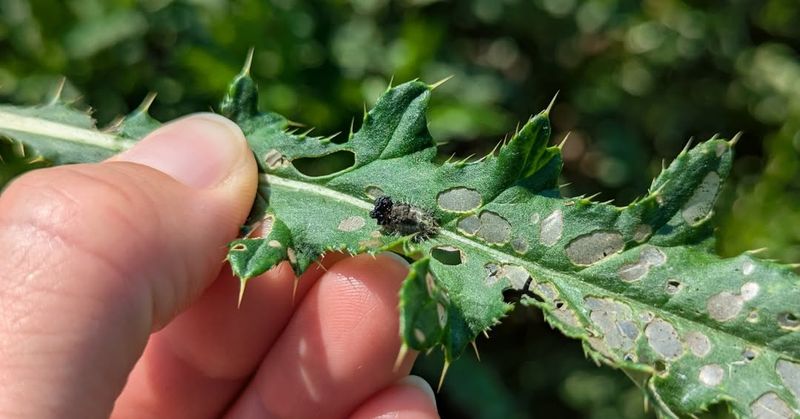
Young leaves with tiny holes scattered across the surface can look almost like someone took a hole punch to your shrub.
Caterpillars often start feeding when leaves are still small and soft, which means the damage shows up in the newest growth before spreading anywhere else.
Catching this pattern early in Arizona is key, especially heading into the hotter months when plants are pushing out fresh growth quickly.
Small holes in new leaves are easy to dismiss as minor cosmetic issues. But a handful of caterpillars feeding on new shoots can strip a branch bare within just a few days if temperatures are warm and food is plentiful.
Arizona’s heat actually accelerates caterpillar development, meaning they move through their feeding stages faster than in cooler climates.
Check branch tips first since that’s where the freshest growth appears. Look for holes that have slightly darkened or dried edges, which often means feeding happened recently rather than weeks ago.
Fresh damage tends to look moist or green at the edges, while older holes dry out and turn brown around the border.
Shrubs like desert willow, yellow bells, and Apache plume are especially vulnerable to early-season caterpillar feeding in Arizona landscapes. If you grow any of these, make inspecting the new growth a regular habit from March through September.
Catching a small cluster of holes early means you can act immediately rather than waiting until entire branches look ragged and stripped.
3. Inspect The Undersides Of Leaves For Caterpillars
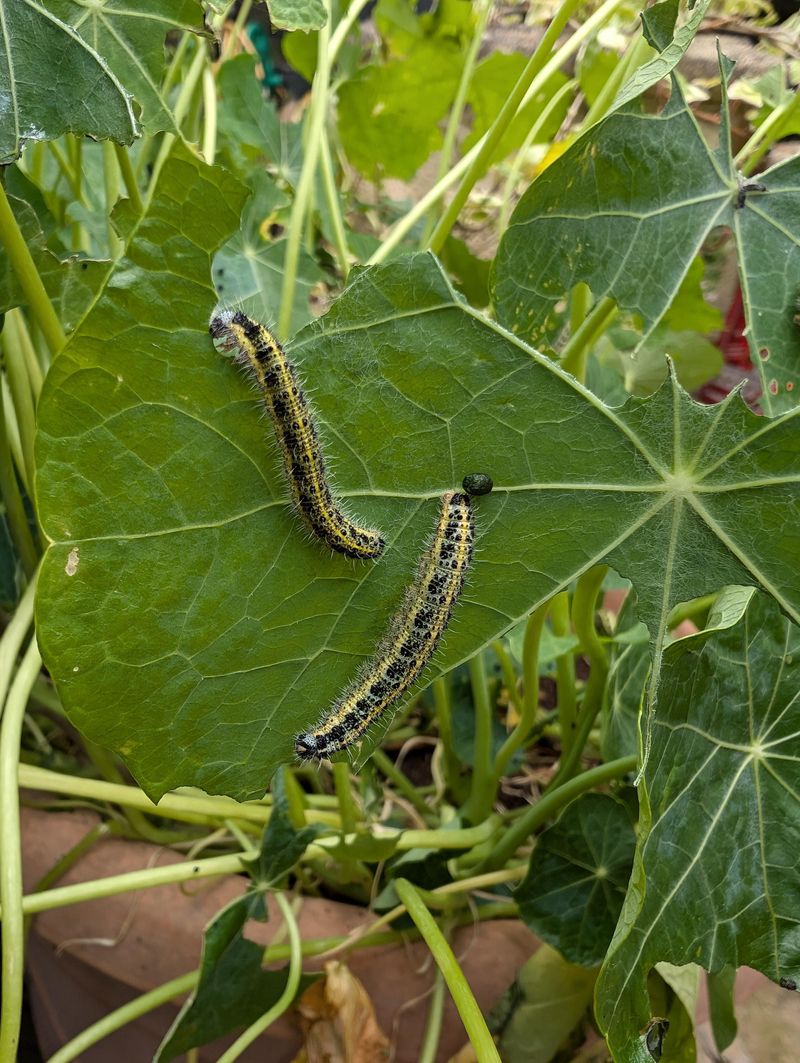
Flip a leaf over and you might be surprised by what is clinging to the bottom. Caterpillars are experts at staying hidden, and the underside of a leaf is one of their favorite spots to rest, feed, and lay low during the hottest parts of an Arizona afternoon.
Most people only look at the top surface of leaves, which is exactly why infestations often go unnoticed for so long.
Younger caterpillars tend to cluster together in groups on leaf undersides, especially during early growth stages. You might see a dozen or more tiny larvae packed tightly together on a single leaf before they spread out across the plant.
Older, larger caterpillars are more likely to be found solo, tucked against a stem or hiding in a curled leaf nearby.
Use a flashlight if you are inspecting shrubs during evening hours, since some caterpillar species in Arizona are more active after dark.
Running your fingers gently along the underside of a leaf can also help you feel for raised bumps or rough textures that indicate caterpillar eggs or very young larvae not yet visible to the naked eye.
Do not skip the interior branches of dense shrubs. Caterpillars often retreat into the shaded center of a plant where it is cooler and harder to spot.
Pull apart branches gently and look deep into the canopy. Inner leaves with feeding damage but no obvious caterpillars on top are a strong clue that the culprits are hiding underneath or deeper inside the plant.
4. Watch For Dark Droppings On Leaves Or Soil Below
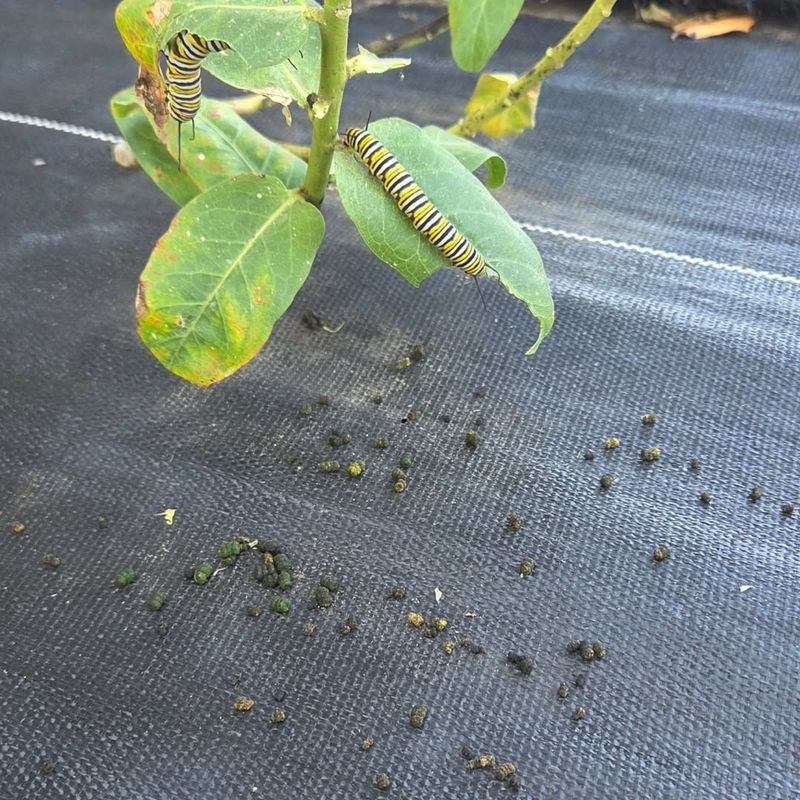
Tiny dark pellets scattered across leaves or piled on the soil beneath a shrub are one of the most reliable signs that caterpillars are actively feeding nearby.
Called frass, these droppings are left behind as caterpillars move through a plant, and the amount you find often reflects just how many insects are present.
Finding frass before you spot any actual caterpillars is completely normal since the insects are good at staying out of sight.
Fresh frass looks dark green or nearly black and has a slightly moist, firm texture. Older droppings dry out and turn lighter in color, sometimes looking almost gray or tan.
If you find a mix of fresh and dried frass, that tells you feeding has been happening for several days at minimum rather than just starting overnight.
In Arizona, where soil is often pale and sandy, dark frass stands out clearly against the ground. Check the soil directly under your shrubs after watering or early in the morning when the light is good.
A concentrated pile of droppings in one spot usually means there is a cluster of caterpillars feeding directly above that location on the plant.
Frass can also accumulate in the crevices between stems, in rolled leaves, or caught in webbing if fall webworms are present.
Wiping frass off leaves and checking again in 24 hours is a smart way to gauge whether an infestation is active and growing or winding down.
Active feeding will produce fresh droppings quickly, confirming caterpillars are still present and hungry.
5. Remove Caterpillars By Hand When You Spot Them
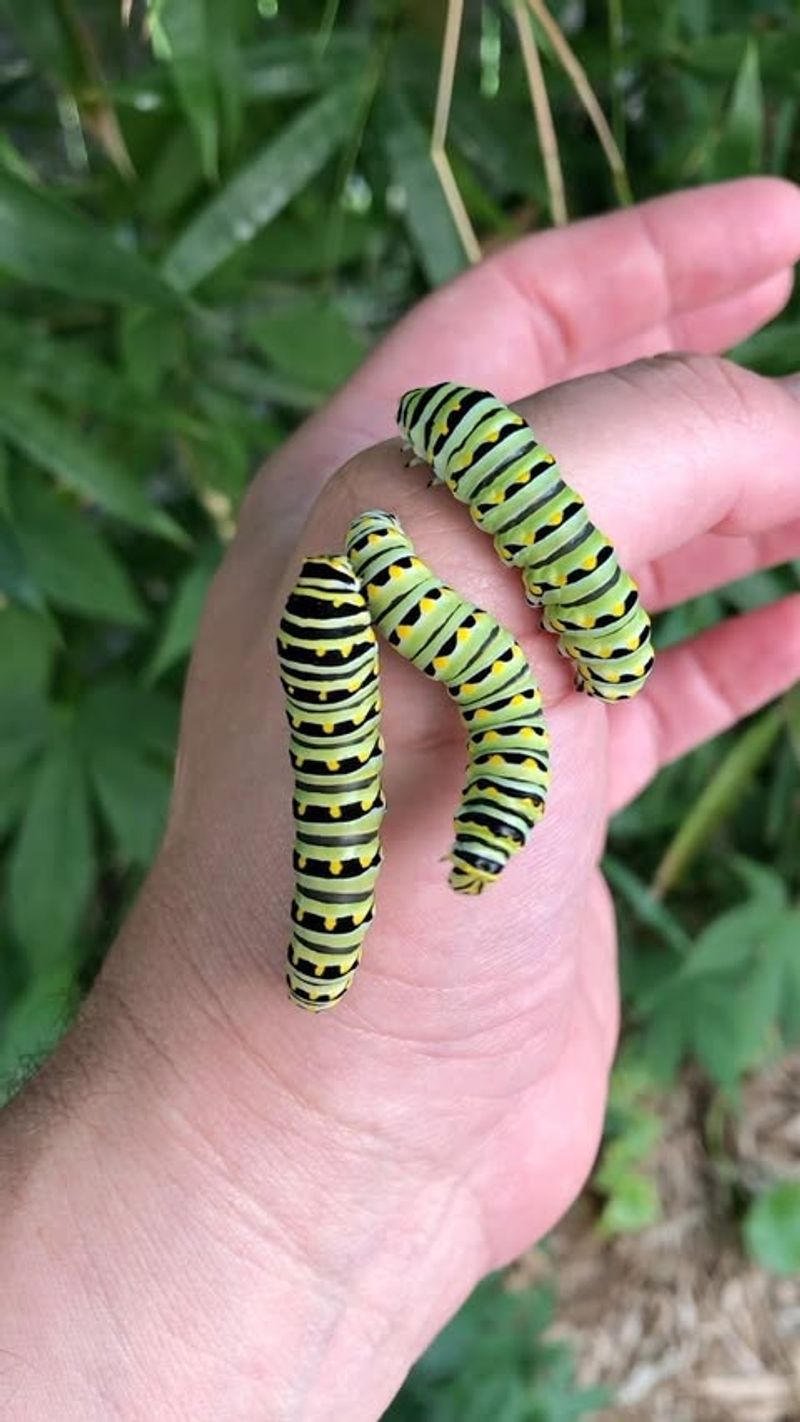
Hand-picking caterpillars off shrubs is one of the most straightforward and effective ways to get a small infestation under control fast.
No special products are needed, and the method works immediately without any risk to beneficial insects, birds, or other wildlife in your Arizona yard.
A pair of gloves and a bucket of soapy water is really all you need to get started.
Work through the shrub methodically, checking stems, leaf undersides, and the interior branches where caterpillars tend to hide.
Drop each one you find directly into the soapy water rather than tossing them on the ground, where they could easily crawl back onto the plant.
Caterpillars are surprisingly mobile and will find their way right back to a food source if given the chance.
Early morning is the best time to hand-pick in Arizona because caterpillars are more sluggish in cooler temperatures and less likely to drop or flee when disturbed. During peak afternoon heat, many species retreat to shaded hiding spots that are harder to reach.
Getting out before 9 a.m. puts the odds in your favor for finding more insects in accessible spots.
Repeat the process every two to three days until you stop finding caterpillars during inspections. A single pass is rarely enough to catch every individual, especially if eggs are still hatching.
Consistency matters more than the size of each haul per session. Small numbers removed regularly add up to significant control over a couple of weeks, especially on smaller Arizona landscape shrubs.
6. Rinse Shrubs With A Strong Stream Of Water
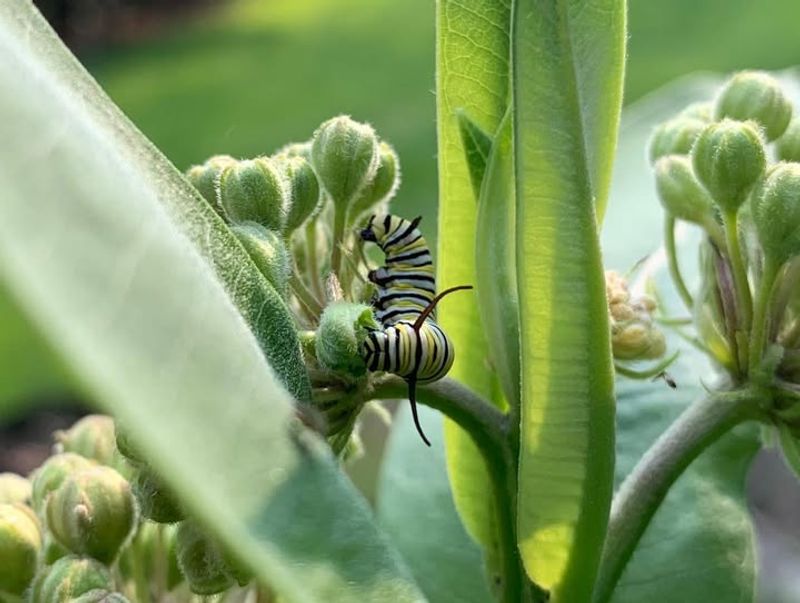
A strong blast from the garden hose can knock caterpillars off shrubs fast, and it costs nothing extra if you are already watering your Arizona garden. Aim the stream at the undersides of leaves and along stems where caterpillars tend to grip tightly.
The force of the water dislodges them and drops them to the ground, where they struggle to climb back up before other predators find them.
Use a nozzle setting that creates solid pressure without shredding delicate foliage. A jet or strong shower setting works well on most established shrubs.
Be more careful with younger plants or thin-leafed species that can bruise easily under heavy water pressure, since torn leaves create additional stress on an already pest-affected plant.
Watering in the morning gives the shrub time to dry before nightfall, which reduces the risk of fungal issues in Arizona’s drier climate. Wet foliage sitting overnight can invite mildew, especially on plants that are already stressed from caterpillar feeding.
Timing your rinse early in the day solves both problems at once without adding extra steps to your routine.
Repeat rinsing every few days during an active infestation and combine it with hand removal for better results. Water alone will not eliminate every caterpillar, but used consistently alongside other methods, it reduces feeding pressure noticeably.
Shrubs in Tucson and the Phoenix metro area benefit especially from this approach during the spring flush when caterpillar activity in Arizona tends to peak across most neighborhoods and garden types.
7. Trim Heavily Affected Leaves To Reduce Feeding
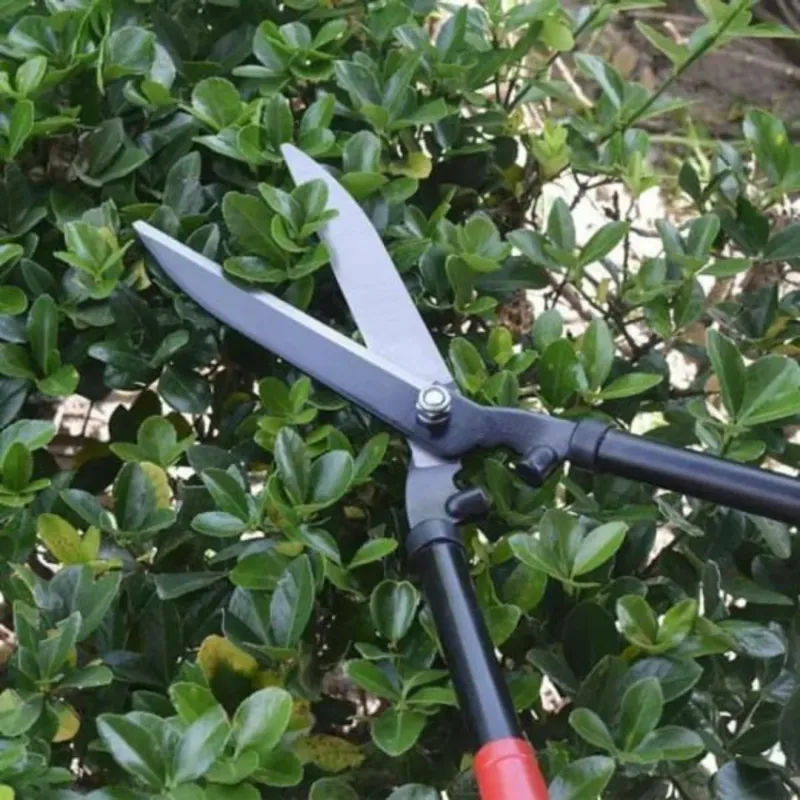
Cutting away heavily damaged leaves and branches removes both the visible destruction and the caterpillars that are still feeding on them. Pruning is a practical move when damage is concentrated in specific areas rather than spread across the entire shrub.
Removing infested material quickly limits the number of insects that can spread to healthy parts of the plant.
Focus on branches where feeding damage is heavy, where frass is piling up, or where you can see clusters of caterpillars actively working through the foliage.
Cut back to a healthy node or branch junction rather than leaving bare stubs, which can slow the shrub’s recovery.
Bag the trimmed material immediately and remove it from your yard so caterpillars cannot crawl back out and return to the plant.
Avoid removing more than one-third of a shrub’s total foliage at once, since heavy pruning during active feeding can stress the plant further.
In Arizona’s intense summer heat, a shrub that loses too much leaf cover too quickly can struggle with sun scorch on previously shaded interior branches.
Strategic, targeted trimming protects the plant while still reducing the pest population effectively.
After trimming, monitor the shrub closely for the next week or two. New growth will appear relatively quickly on healthy Arizona shrubs, and that fresh growth will attract caterpillars again if any remain in the area.
Staying alert after pruning is just as important as the trimming itself. Combining this method with hand removal or a water rinse gives your shrub the best shot at bouncing back strong and pest-free.