How To Reduce Frost Risk In Arizona Low Desert Gardens
On clear winter nights in Arizona’s low desert, temperatures can drop faster than expected and catch gardeners off guard.
You might go to bed thinking everything is fine, only to wake up worried about tender plants the next morning.
Not every cold night causes damage, and many plants handle brief dips without trouble. But when frost risk keeps showing up, it usually points to exposure, placement, or timing that can be adjusted.
Reducing frost risk in a low desert garden comes down to a few practical choices that help protect plants when cold snaps arrive.
1. Use Frost Cloth Or Covers On Cold Nights
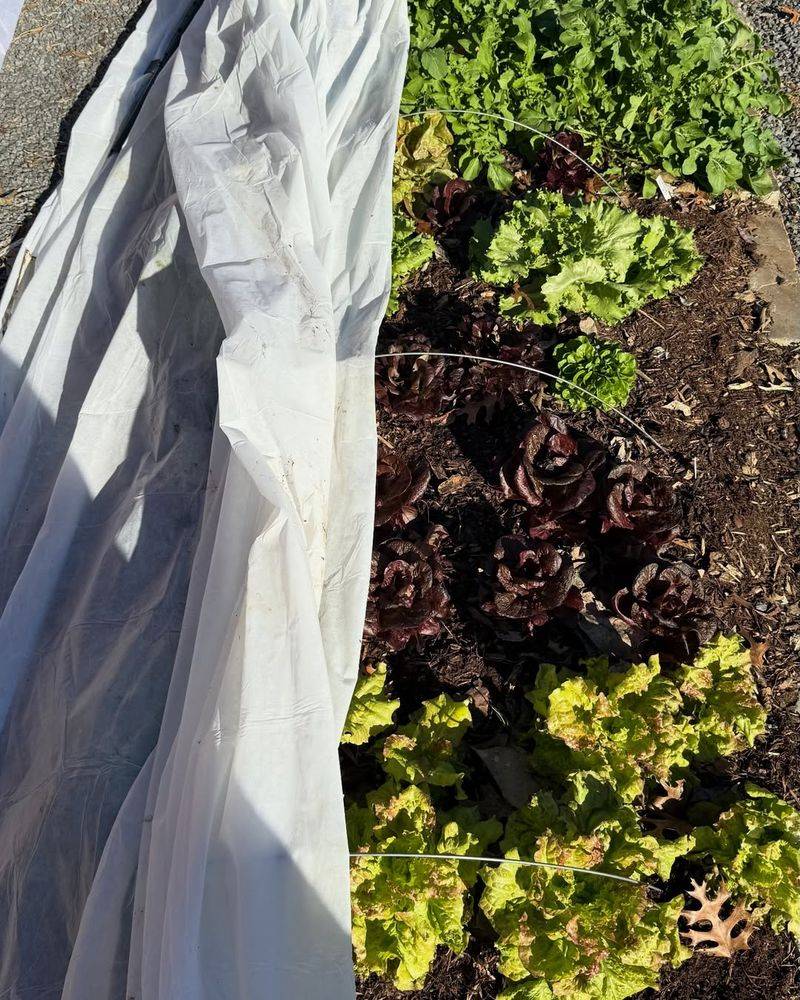
Cold air settles fast in Arizona’s low desert once the sun goes down. Your plants need a barrier between them and that dropping temperature, and frost cloth provides exactly that protection without suffocating your garden.
Lightweight frost blankets trap warm air rising from the soil while still letting plants breathe.
You can drape them directly over shrubs and vegetables without crushing delicate leaves or breaking stems.
Hardware stores across Arizona stock these covers in various sizes during fall and winter.
Buy enough to protect your most vulnerable plants before the first cold snap hits your area.
Secure the edges with rocks, bricks, or landscape staples so desert winds don’t blow your covers away overnight.
Loose fabric flapping in the breeze won’t protect anything and might damage plants instead.
Heavier blankets work better than bed sheets because they’re designed specifically for this purpose. Old towels and comforters can work in a pinch, but they’re harder to manage and dry slower if moisture gets trapped.
Cover plants before sunset when temperatures start dropping rather than waiting until midnight. Early coverage traps more residual warmth from the day, giving your garden better protection through the coldest hours.
Tall plants might need stakes or tomato cages underneath covers to prevent fabric from resting directly on foliage. This creates an insulating air pocket that works better than cloth touching leaves.
Check your local Arizona weather forecast regularly during winter months so you’re never caught unprepared. Desert temperatures can plunge surprisingly fast when clear skies allow heat to escape rapidly overnight.
Remove covers carefully in the morning to avoid knocking off any frost that formed on the fabric. Shake them out and let them dry completely before storing for the next cold night.
2. Water Soil Before A Frost To Hold Ground Heat
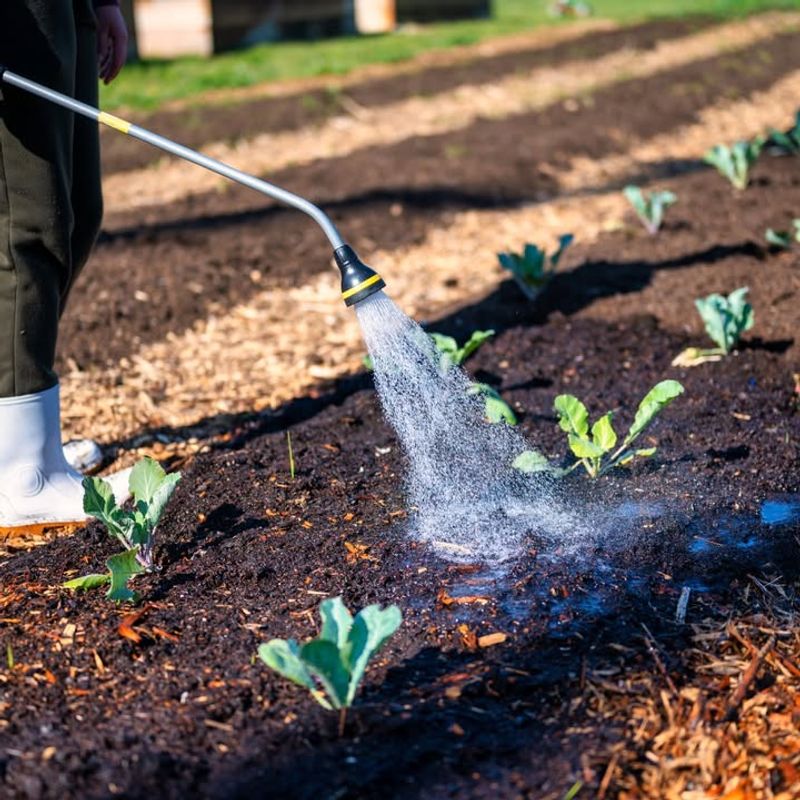
Moist soil acts like a natural battery for warmth in your Arizona garden. When you water before a freeze, you’re actually storing heat that will radiate back up during the night to protect plant roots and lower stems.
Dry desert soil loses heat incredibly fast once the sun sets.
Adding moisture changes the thermal properties of that ground, allowing it to hold onto daytime warmth much longer than parched earth ever could.
Water deeply in the afternoon before frost is predicted, giving the soil time to absorb moisture before temperatures drop.
Soggy ground right at sunset doesn’t help because the water needs time to settle into the root zone.
Focus your watering efforts around the base of vulnerable plants rather than spraying the entire garden. Targeted watering conserves precious water while still providing maximum frost protection where you need it most.
Avoid getting water on plant leaves when frost threatens because wet foliage actually freezes faster than dry leaves. Keep your hose aimed low and water only the soil surface and root areas.
Sandy Arizona soils drain quickly, so you might need to water more thoroughly than you’d expect.
The goal is to moisten the top several inches of ground without creating puddles or runoff.
This technique works especially well for in-ground plants that can’t be moved to shelter. Container plants benefit less because pots have limited soil volume that can’t store as much heat.
Check soil moisture with your finger before watering to avoid overdoing it.
Ground that’s already damp doesn’t need more water, and saturated soil can cause root problems even in Arizona’s dry climate.
Combine this method with frost covers for double protection on the coldest nights your area experiences during winter months.
3. Place Plants Near Walls Or Structures For Warmth
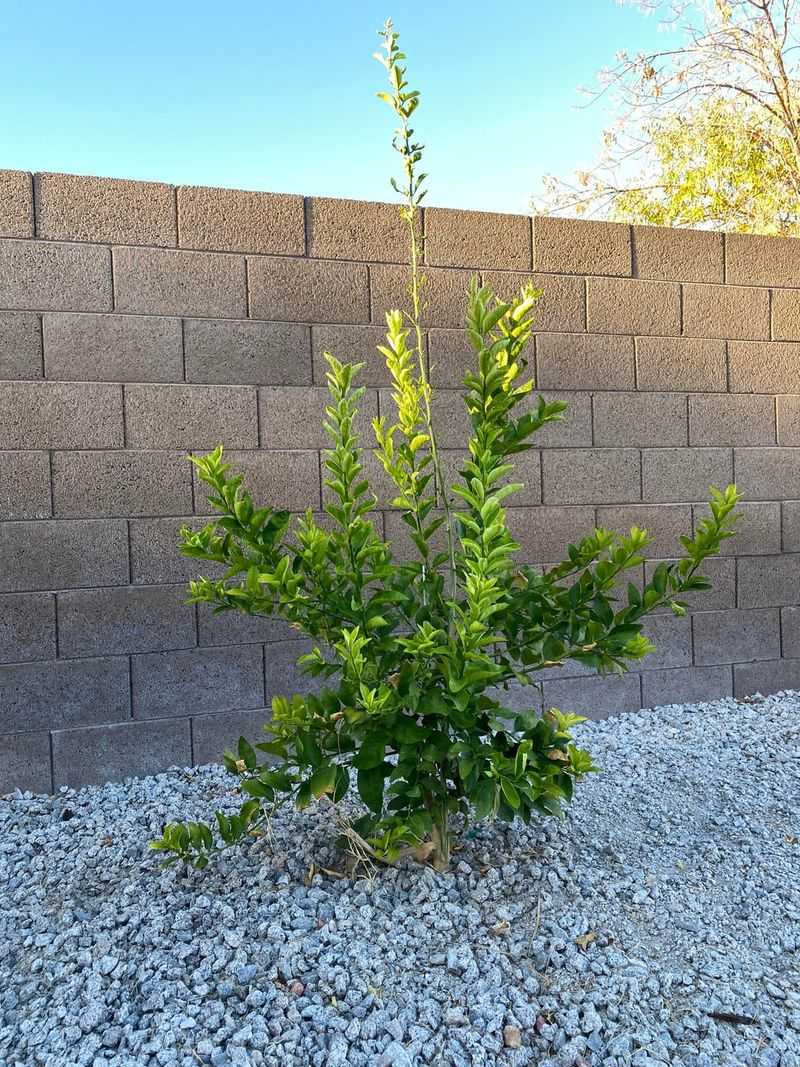
Buildings hold onto daytime heat long after the sun disappears behind Arizona’s western mountains. That stored warmth radiates outward through the night, creating warmer microclimates right next to walls, fences, and other solid structures.
South-facing walls get the most sun exposure during winter days, making them the warmest spots in your yard after dark.
Position tender plants along these surfaces to give them the best possible protection from freezing temperatures.
Brick, stone, and stucco walls common in Arizona homes absorb significant heat during sunny days.
These materials release that energy slowly throughout the night, keeping nearby plants several degrees warmer than open garden areas.
East-facing walls work well too, catching morning sun that helps plants warm up quickly after a cold night. Western exposures can be tricky because they heat up intensely in summer but offer less winter benefit.
Even fences provide some protection by blocking cold winds that sweep across the desert floor. Wind chill affects plants just like it affects people, making still air near structures feel warmer than exposed locations.
Container plants are easiest to relocate near protective walls when frost threatens.
You can move them back to more decorative positions once warmer weather returns to your Arizona garden.
Leave a small gap between plants and walls for air circulation to prevent fungal problems from developing in humid pockets. Six to twelve inches of space usually works perfectly for most situations.
Overhangs and eaves provide additional protection by preventing frost from settling directly on plant leaves. These covered areas stay noticeably warmer than fully exposed garden beds.
Avoid placing plants near north-facing walls that never receive direct sun during winter months. These cold zones actually make frost damage worse rather than better.
4. Avoid Pruning Right Before Frost Events
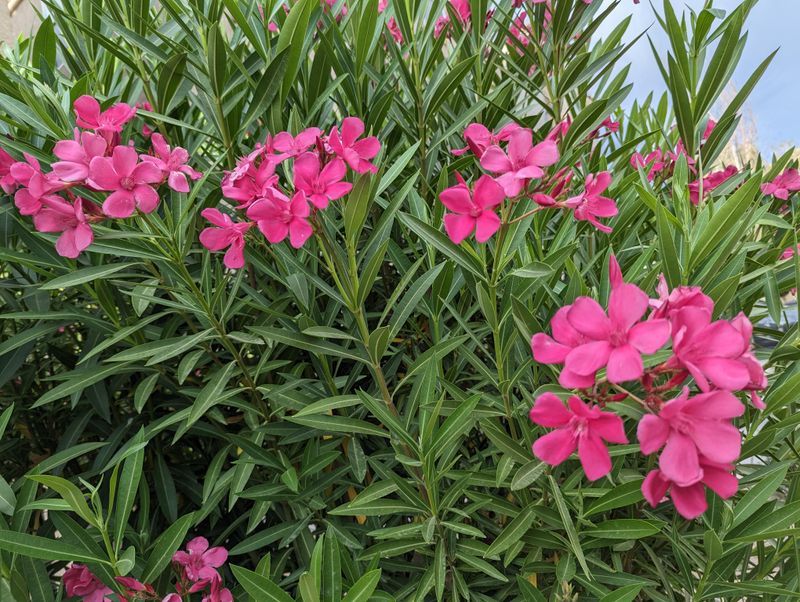
Fresh cuts on plants are like open wounds that make them vulnerable to cold damage.
When you prune branches or stems, you remove protective outer layers and expose tender inner tissues that freeze much more easily than intact plant parts.
Arizona gardeners often want to tidy up their yards during pleasant fall weather, but that timing can backfire badly. Late-season pruning stimulates new growth that won’t have time to harden off before winter frosts arrive in the low desert.
Soft new shoots are incredibly sensitive to freezing temperatures compared to mature wood and foliage. These tender stems can suffer severe damage even during light frosts that wouldn’t bother established branches.
Wait until spring to do major pruning work on most desert plants.
Once frost danger passes and temperatures stay consistently warm, your plants can recover quickly from cuts and grow vigorously without setback.
Emergency pruning to remove broken branches is fine anytime because leaving damaged wood causes bigger problems than frost risk. Just limit yourself to necessary repairs rather than general shaping during cold months.
Some Arizona gardeners prune in late summer to avoid this issue entirely. Plants pruned in August or early September have time to heal and harden before winter weather patterns bring freezing nights.
Light deadheading of flowers usually doesn’t cause problems because you’re only removing spent blooms, not cutting into stems. This kind of maintenance is different from structural pruning that removes significant plant material.
Certain desert-adapted plants actually prefer winter pruning, but these are exceptions rather than the rule. Research your specific plant varieties before making cuts during Arizona’s cooler months.
Mark your calendar with safe pruning windows for your garden so you don’t accidentally prune at the wrong time and invite frost damage.
5. Mulch Roots Without Smothering Crowns
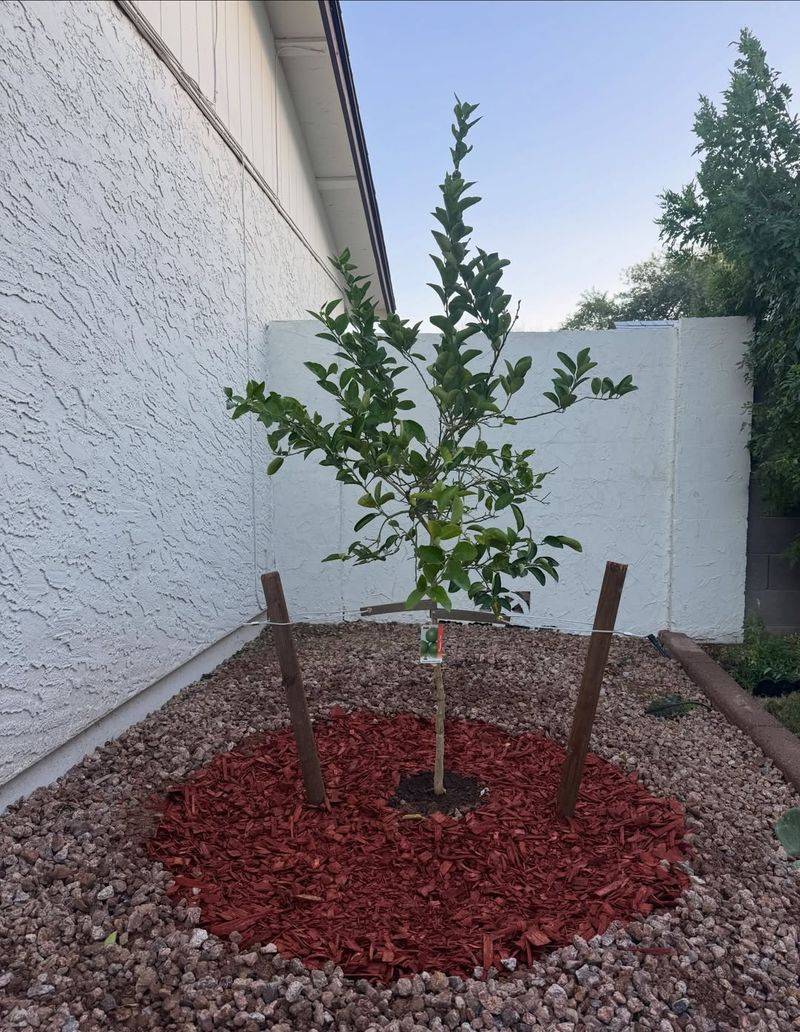
Organic mulch acts like a blanket for plant roots, insulating them from temperature swings that occur in Arizona’s exposed desert soil.
A proper layer keeps roots warm when frost threatens while also conserving moisture year-round.
Spread two to three inches of wood chips, shredded bark, or similar material around your plants.
This depth provides good insulation without creating problems from too much organic matter piled up in one spot.
Pull mulch back from direct contact with plant stems and trunks to prevent rot and pest problems. Leave a gap of several inches around the crown where stems emerge from the ground.
The crown area needs air circulation to stay healthy, especially in Arizona where occasional winter rains can create damp conditions.
Mulch piled against stems traps moisture and invites fungal diseases that weaken plants.
Decomposing mulch generates a small amount of heat as microorganisms break down the organic matter. This biological activity adds another layer of root protection during cold nights in the low desert.
Avoid using rocks or gravel as frost protection mulch because these materials don’t insulate and can actually make temperature swings more extreme. Save decorative rock mulch for pathways rather than plant beds.
Refresh your mulch layer each fall before frost season arrives in your Arizona garden. Old mulch breaks down and compacts, losing its insulating properties over time.
Mulch works best when applied over already-moist soil rather than dry ground. Water first, then spread mulch to trap that moisture and warmth in the root zone.
Consider using lighter-colored mulch that won’t absorb excessive heat during Arizona’s intense winter sun. Dark mulches can overheat plant roots on warm days between cold nights.
6. Move Containers To Sheltered Locations
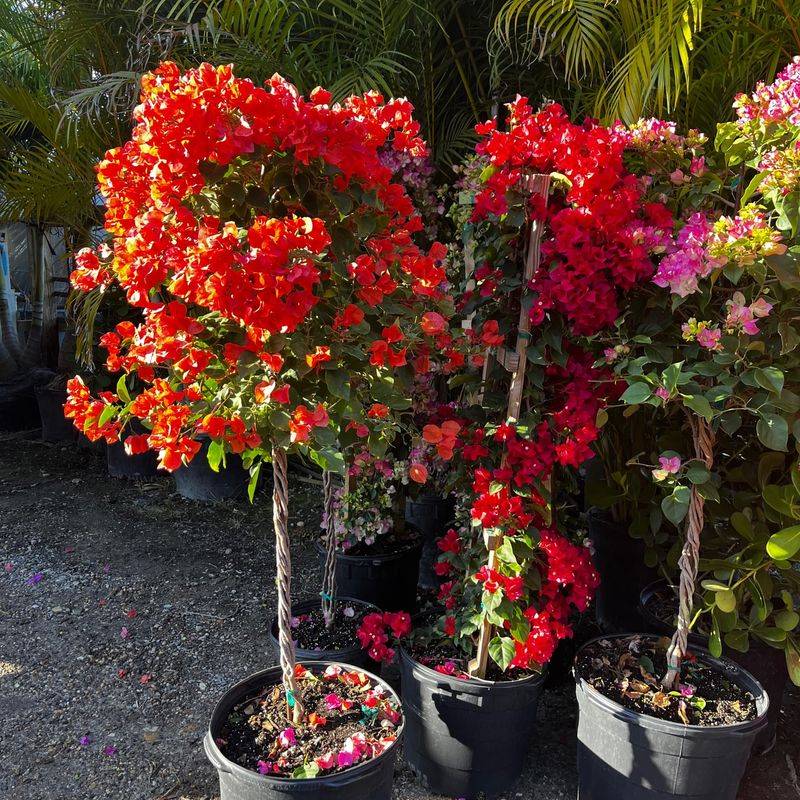
Containers lose heat from all sides, making potted plants much more vulnerable to frost than in-ground gardens.
Your Arizona container plants need extra protection because their roots are completely surrounded by air rather than insulated by earth.
Porches, patios, and covered entryways provide excellent temporary shelter during cold snaps.
These spaces typically stay several degrees warmer than open yards because walls and roofs block wind and trap residual heat.
Even moving containers just a few feet closer to your house can make a significant difference. Building walls radiate warmth that creates a protective zone extending several feet outward into your yard.
Garages work well for frost protection as long as plants still receive some light during the day. Keeping containers in complete darkness for more than a few nights can stress plants and cause leaf drop.
Group containers together when moving them to shelter because clustered pots insulate each other. This mass of plants and soil holds warmth better than individual containers scattered across your Arizona landscape.
Avoid placing containers directly on cold concrete floors that will pull heat away from pots.
Set them on wood boards, cardboard, or foam insulation to create a barrier between containers and cold surfaces.
Large heavy containers that are difficult to move can be wrapped with bubble wrap or burlap instead. This insulation protects roots even though the pots stay in place during Arizona’s winter cold spells.
Remember to move containers back to their regular spots once frost danger passes.
Most plants need full sun exposure that they won’t get in protected locations long-term.
Check soil moisture in sheltered containers because covered locations often stay drier than open garden areas. Plants still need water even when they’re tucked away from frost.
7. Remove Covers In The Morning To Prevent Heat Buildup
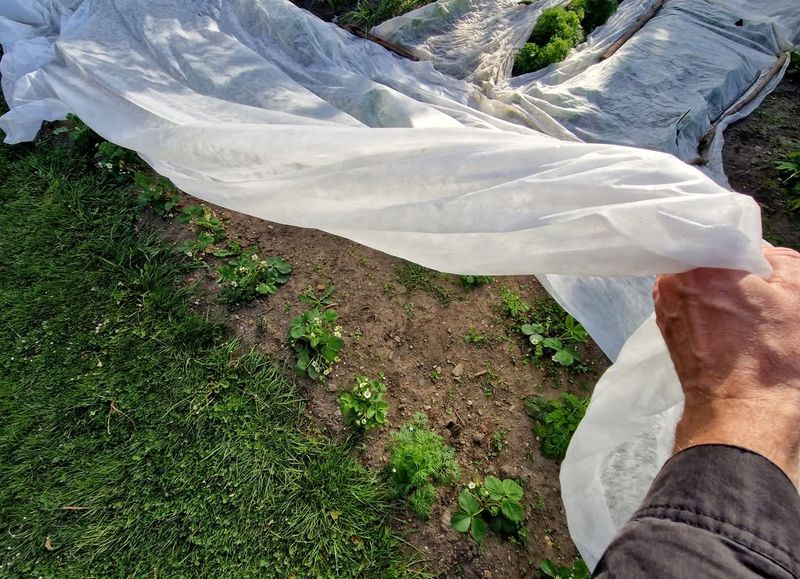
Trapped heat under frost covers can soar to dangerous levels once Arizona’s intense sun rises. Plants that survived the cold night can actually suffer heat damage if you leave covers on too long into the morning.
Remove protective coverings as soon as temperatures climb above freezing, usually within an hour or two after sunrise.
Your plants need exposure to sunlight and fresh air to resume normal photosynthesis and growth.
Desert temperatures can swing forty degrees or more between night and day, making timing crucial for cover removal.
What protected plants at 28 degrees overnight becomes a suffocating oven by mid-morning.
Check the thermometer rather than just looking at the clock because sunrise time varies throughout winter. Early removal on a warm morning is better than leaving covers on during a late-warming cold day.
Condensation often forms under covers overnight, and this moisture needs to evaporate once the sun comes up.
Prolonged dampness under covers can promote fungal problems even in Arizona’s dry climate.
Leaving covers on all day wastes the warming benefits of winter sunshine that plants need.
Desert plants are adapted to bright light and struggle when kept in darkness or deep shade.
Some gardeners set phone alarms to remind them to remove covers on cold mornings. This simple system prevents accidentally leaving plants covered while you’re busy with other morning routines.
Fold or roll covers neatly after removal so they’re ready to use again quickly.
Arizona winters often bring several cold nights in a row, and you’ll need those covers again soon.
Watch for signs of overheating like wilted leaves or bleached spots that indicate you removed covers too late. Adjust your timing earlier if you notice these symptoms in your garden.