How To Remove Freeze-Damaged Tips In Georgia Gardens Without Causing More Stress
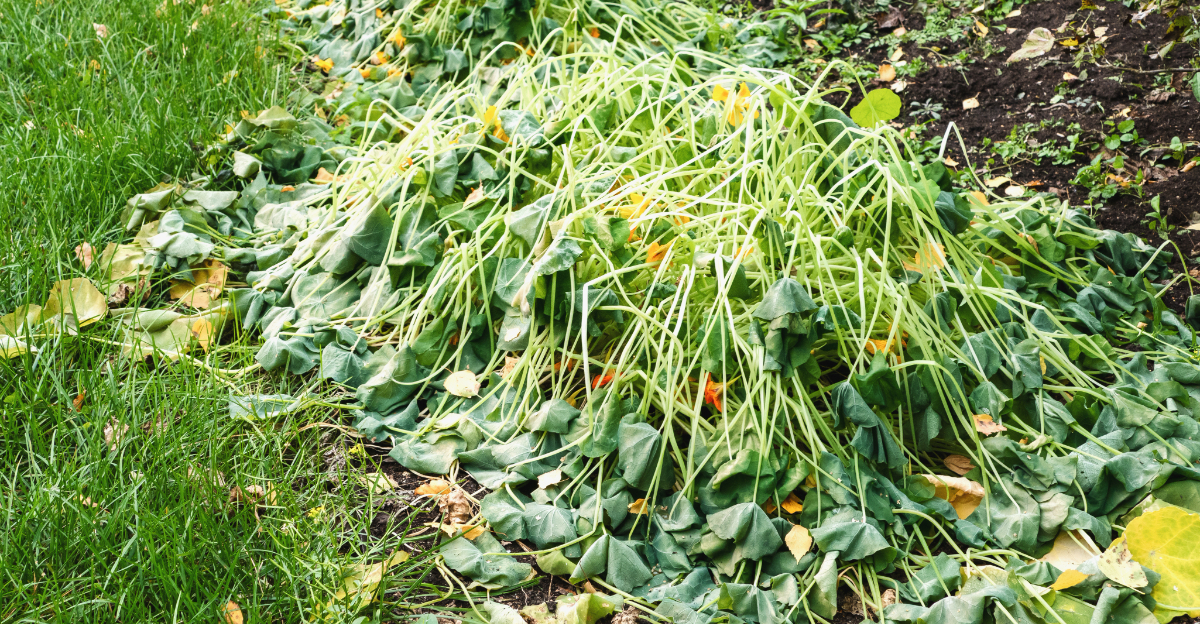
A sudden late freeze can catch Georgia gardens right when plants are starting to wake up. One day everything looks fresh and green, and the next morning soft new tips look dark, wilted, or burned by the cold.
It can make any gardener want to grab the pruners immediately and start cutting. But removing freeze-damaged tips is not something to rush.
In many Georgia gardens, plants need a little time to show which parts are truly damaged and which ones will recover on their own. Cutting too early can sometimes remove healthy growth and slow the plant down even more.
The better approach is to look closely at stems, wait for clear signs of recovery, and trim only what the plant truly cannot save.
A few careful cuts made at the right time can help plants recover faster and keep new growth moving forward as spring continues across Georgia gardens.
1. Wait For New Growth Before Trimming Freeze-Damaged Tips
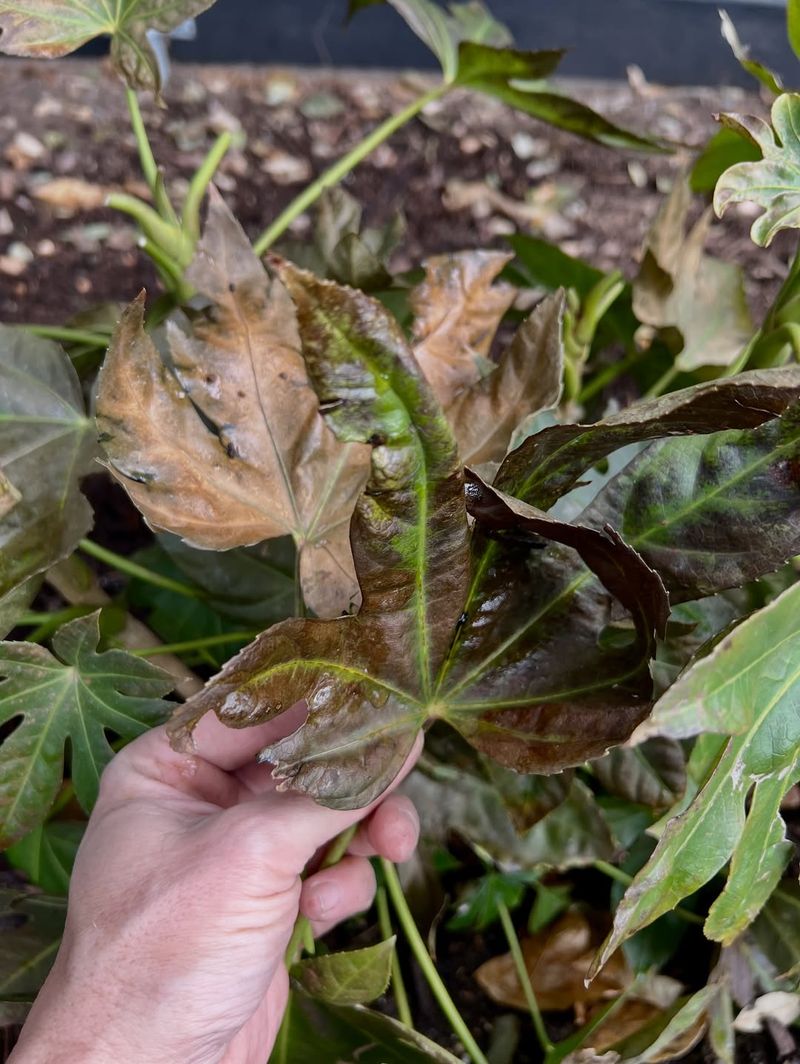
Patience is one of the hardest tools to use in the garden, but after a freeze it might be the most important one. Jumping in too soon to trim can actually remove tissue that’s still alive underneath that brown, ugly exterior.
Georgia gardeners are often surprised to find green hiding just below the surface when they finally wait long enough.
After a freeze event, give your plants at least two to three weeks before you touch them with pruners. In many parts of Georgia, late winter and early spring can still bring surprise cold snaps, and those damaged tips are actually acting like a buffer, protecting the living tissue below from additional cold stress.
Watch the base and lower stems closely. New green growth pushing up from the soil or sprouting along the lower branches is your clearest signal that the plant is recovering and ready for a light trim.
Cutting before you see that new growth is just guesswork.
Experienced Georgia gardeners often mark their calendar to check plants around mid-March, when temperatures stabilize and growth becomes more predictable. Waiting feels frustrating when your garden looks rough, but it pays off.
A plant allowed to signal its own recovery will always respond better to pruning than one cut back in a panic right after the freeze.
2. Check Stems To See Which Tips Were Affected By The Freeze
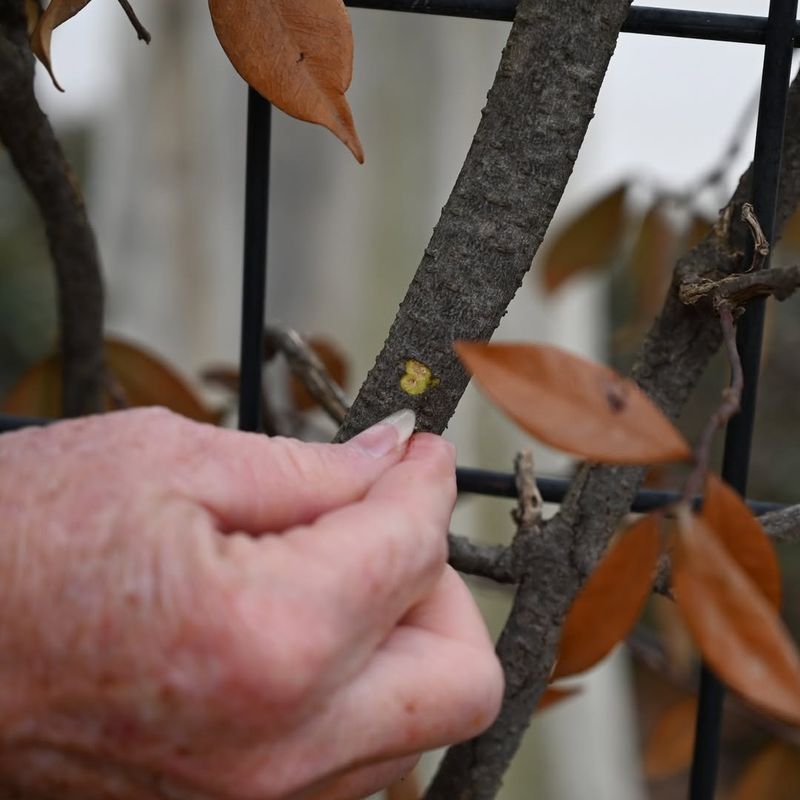
Not every brown tip means a branch is gone for good. Before you start cutting, scratch the surface of a few stems with your fingernail.
Green underneath means life. Brown or black tissue that crumbles means that section didn’t make it through the freeze.
Start from the tip and work your way down toward the base of the stem, testing every few inches. You’ll often find a clear line where the damage stops and healthy tissue begins.
That line is your guide for where to eventually make your cut. Skipping this step leads to cutting too deep or not deep enough.
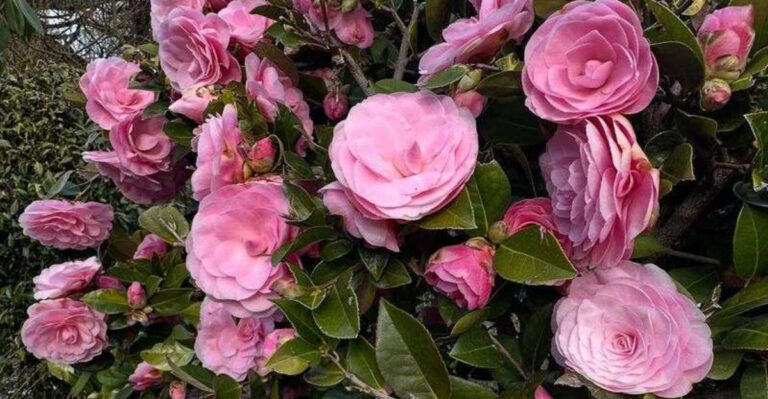
Woody plants like camellias, gardenias, and loropetalum — all common across Georgia landscapes — can fool you. The outer bark might look perfect while the interior is damaged, or the outside looks terrible while the inside is perfectly green and firm.
Always scratch before you cut.
Soft-stemmed plants like salvias or lantanas show damage more obviously. Mushy, dark, or collapsed stems are clear signs the cold got into the tissue.
In those cases, trace down until the stem feels firm and the scratch test shows green. Georgia’s variable winters mean damage levels can vary wildly from one plant to the next, even in the same yard.
Checking each stem individually saves you from removing more than necessary and helps every plant recover on its own timeline.
3. Use Clean, Sharp Pruners When Trimming Plants
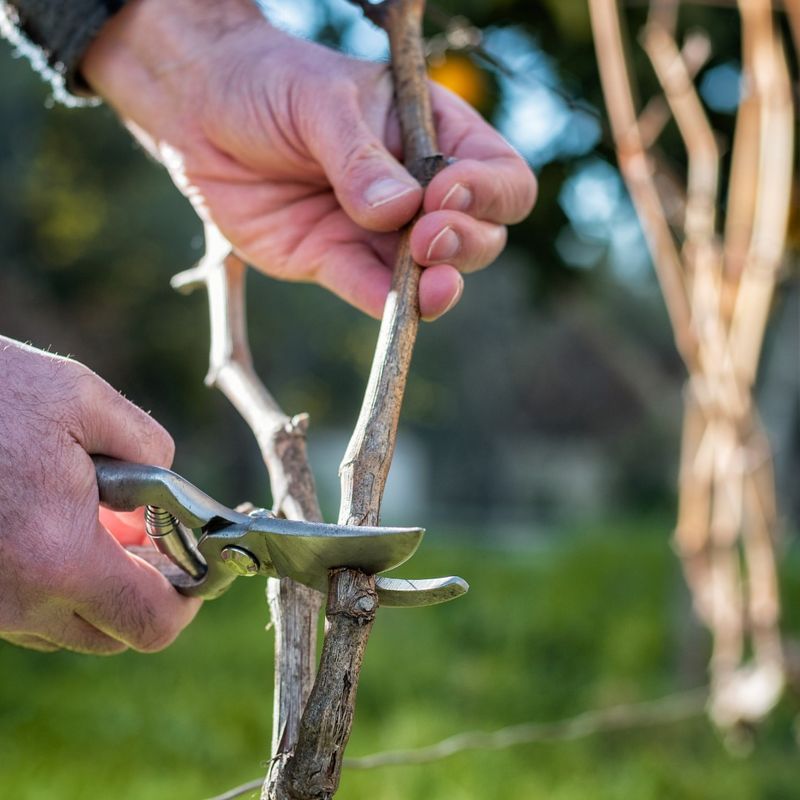
Dull or dirty pruners are one of the most overlooked causes of slow plant recovery. A clean cut heals faster than a ragged, crushed one.
When you’re already dealing with freeze stress, the last thing a plant needs is a rough wound that invites fungal problems or bacteria.
Before you head out to trim, wipe down your pruner blades with rubbing alcohol or a diluted bleach solution. This matters especially in Georgia, where warm and humid conditions after winter can make plant diseases spread quickly once cuts are made.
Moving from plant to plant without cleaning spreads pathogens you can’t see.
Sharp blades make a real difference. Bypass pruners work best for most garden plants because they cut cleanly rather than crushing the stem.
Keep a small sharpening stone in your garden kit and touch up your blades regularly through the season.
If you’re trimming multiple plants in one session, clean the blades between each plant. It takes thirty seconds and protects weeks of recovery.
Georgia gardeners dealing with plants like tea olive, oakleaf hydrangea, or Confederate jasmine should be especially careful — these plants can be sensitive to blade-transmitted issues.
Sharp, clean cuts give every plant the cleanest possible start to healing after a rough Georgia winter freeze.
4. Cut Just Above A Healthy Bud On The Stem
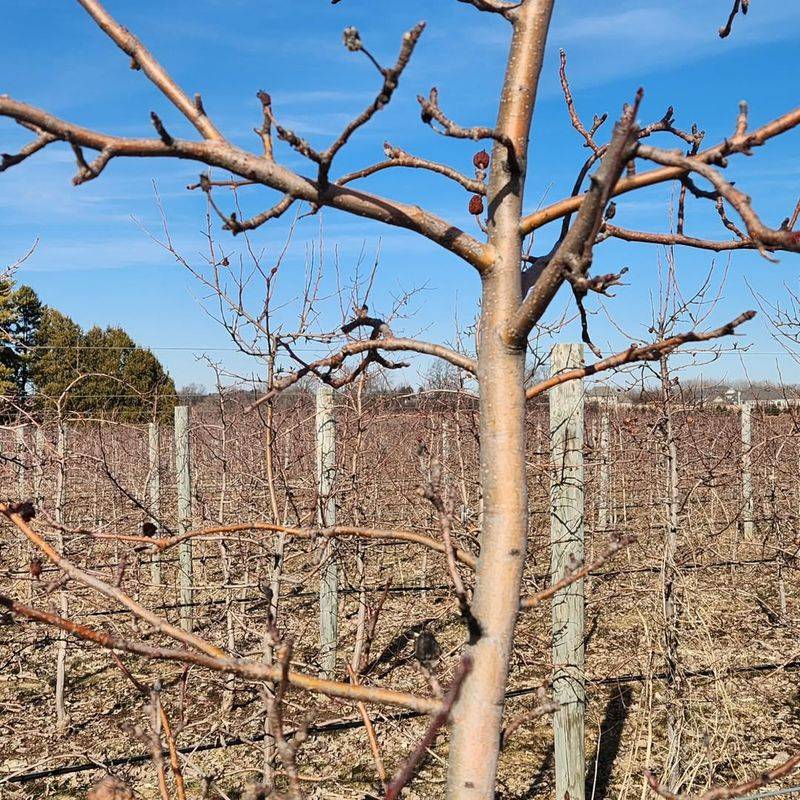
Where you place your cut matters just as much as when you make it. Cutting too far above a bud leaves a stubby section of stem that just sits there, slowly breaking down and sometimes spreading decay back toward the healthy part of the plant.
Cutting too close can damage the bud itself.
Aim to cut about a quarter inch above a visible, healthy bud. Angle the cut slightly — around 45 degrees — so water runs away from the bud rather than pooling on top of it.
Pooled moisture on a fresh cut in Georgia’s late-winter humidity can invite mold and slow healing considerably.
Pick a bud that faces outward from the center of the plant when possible.
Pruning to an outward-facing bud encourages the new growth to spread away from the center, which improves air circulation and gives the plant a fuller, more open shape as it fills back in through spring.
Plants that grow too dense in the center struggle with fungal issues in Georgia’s humid summers.
Some plants, like roses and crape myrtles, make this easy because their buds are visible and evenly spaced along the stem. Others, like gardenias, require a closer look.
Hold the stem steady and take your time finding the right spot before cutting. A well-placed cut encourages strong, directed growth and sets the plant up for a healthy season ahead in your Georgia garden.
5. Remove Only The Damaged Tip Of The Plant
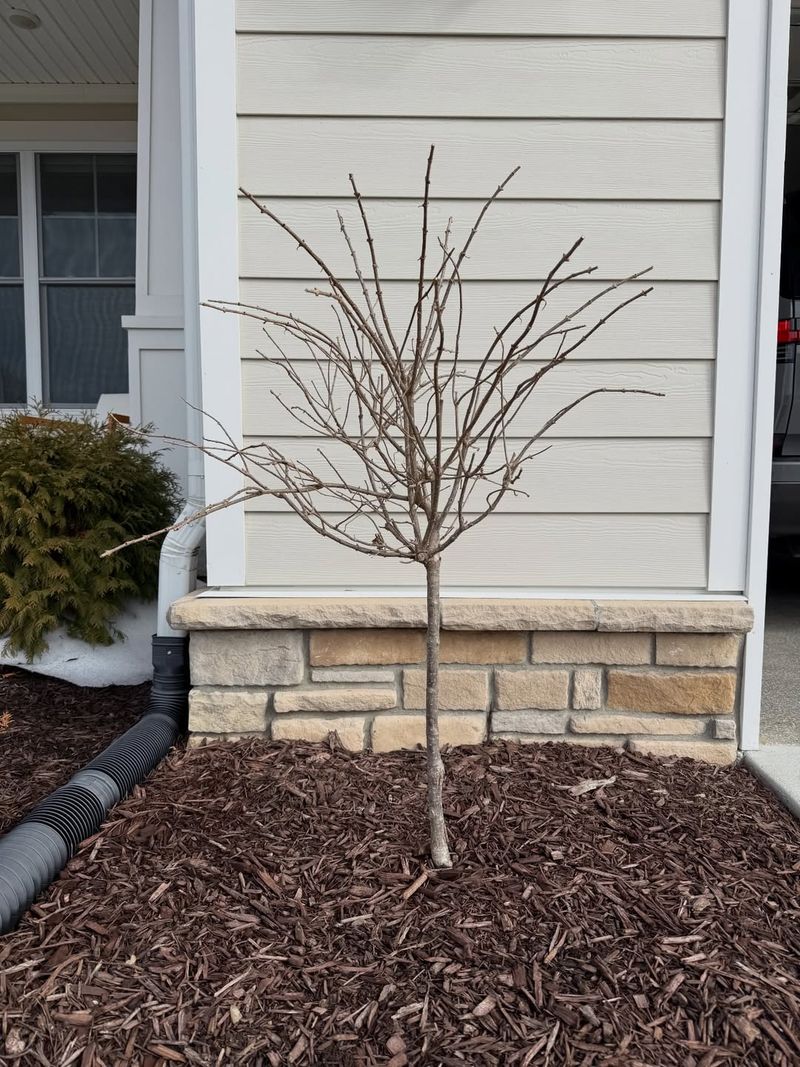
Less is more when it comes to trimming freeze-damaged plants. Cutting back aggressively when only the tips were affected puts unnecessary stress on a plant that’s already working hard to recover.
Stick to removing only what’s clearly damaged and leave the rest alone for now.
Freeze damage in Georgia most often hits the outermost, newest growth first. That means the tips of branches and the most exposed leaves usually take the worst of it while the main structure of the plant stays intact.
Removing just those damaged ends is usually all that’s needed to help the plant clean up and redirect energy into new growth.
After trimming, step back and look at the overall shape of the plant. If removing the damaged tips leaves the plant looking uneven, you can lightly shape it by trimming a few additional inches — but only if those stems also pass the scratch test and show damage.
Never remove healthy green growth just for the sake of symmetry right after a freeze.
Georgia gardeners working on azaleas, loropetalum, or Indian hawthorn should be especially conservative with how much they remove. These plants set their flower buds in fall, and aggressive trimming can cost you the entire bloom season.
Removing only the visibly damaged portions protects both the plant’s energy and its ability to flower. Restraint in the garden after a freeze is a skill that gets easier every year you practice it.
6. Trim Plants On A Mild Day
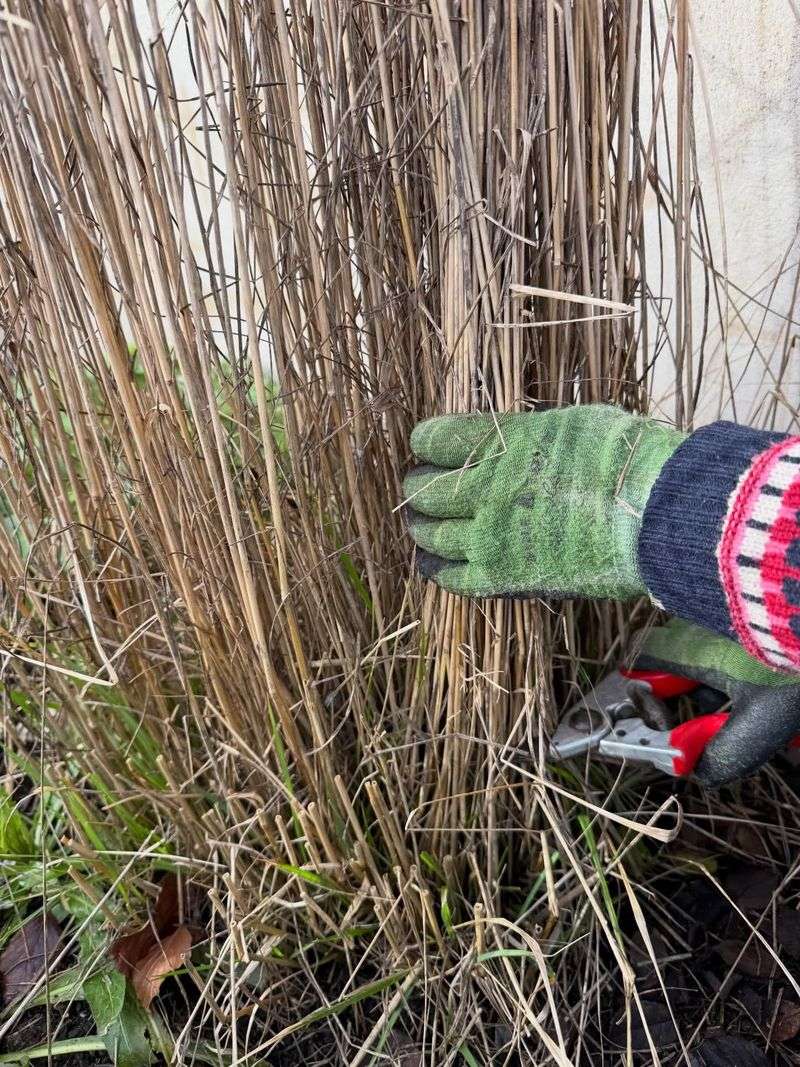
Timing your trim to the right kind of day is something a lot of gardeners don’t think about, but it genuinely matters.
Cutting plants when temperatures are still near freezing or when rain is expected within a day or two creates conditions where fresh cuts struggle to begin healing properly.
Pick a day when temperatures are comfortably above 45 degrees Fahrenheit and the forecast looks dry for at least 48 hours. Across Georgia, those kinds of days start showing up more regularly by late February and into March.
Mild conditions give cuts time to begin callusing before moisture or cold can get into the wound.
Wind is another factor worth watching. Pruning on a breezy day can dry out fresh cuts faster than ideal, especially on softer-stemmed plants.
Still, calm, mild days with good light make the whole job easier — you can see the plant clearly, your hands stay warm enough to work carefully, and you’re not rushing to get back inside.
Working on a mild day also means you’re more likely to take your time and make thoughtful cuts rather than rushing through the job. Hurried pruning leads to mistakes like cutting too deep, missing buds, or leaving jagged edges.
Georgia’s unpredictable late-winter weather means mild days can come and go quickly, so keep your pruners clean and ready so you can take advantage of a good window when it opens up.
7. Water Lightly After Trimming Plants
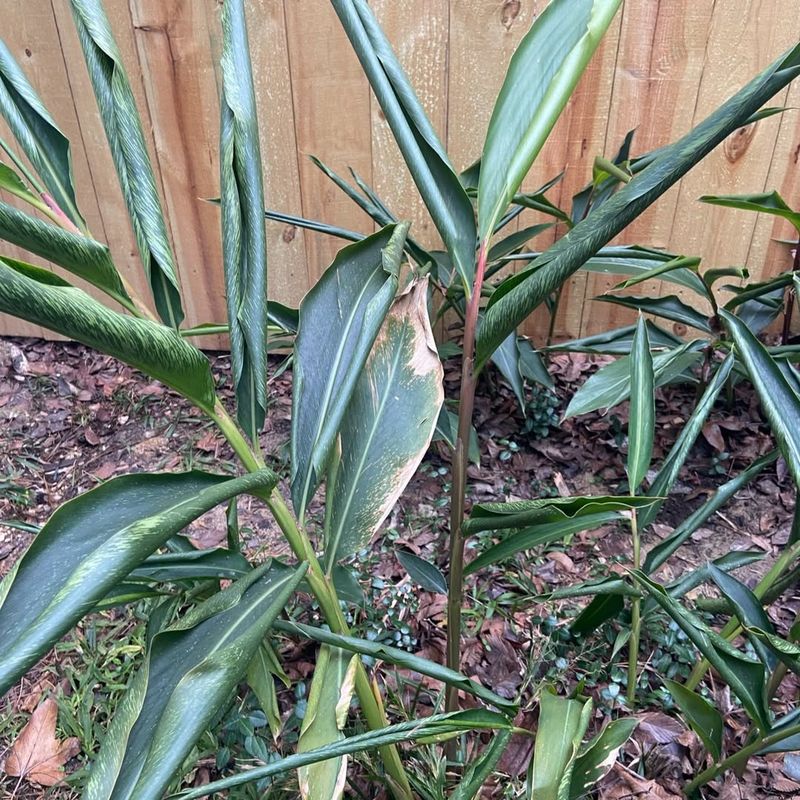
After trimming, a plant’s first priority is healing those cuts and pushing out new growth. Water plays a direct role in both.
Dry soil right after pruning slows recovery because plants need moisture to move nutrients up through their stems and into the spots where new growth will emerge.
Give trimmed plants a slow, gentle watering at the base right after you finish cutting.
Avoid overhead watering if possible — getting fresh cuts wet from above in Georgia’s late-winter conditions can encourage fungal issues before the wounds have had any time to begin sealing.
A slow trickle at the root zone is all you need.
Check soil moisture before watering rather than watering on a set schedule. Stick your finger two inches into the soil near the base of the plant.
If it feels dry at that depth, water slowly until the top several inches are evenly moist. If it still feels damp, skip the watering and check again in a day or two.
Georgia soils vary a lot by region — red clay in the Piedmont holds moisture longer than the sandier soils you find in South Georgia. Knowing your soil type helps you avoid overwatering, which is just as stressful as drought for a recovering plant.
Light, consistent moisture without waterlogging is the goal. A thin layer of mulch spread around the base after watering helps hold that moisture in and keeps soil temperature stable as your garden works its way back to health.