How To Remove Freeze-Damaged Tips In Michigan Gardens Without Causing Extra Stress
March in Michigan is a month of surprises. One day the sun warms your garden, and the next a sudden cold snap leaves stems frosted and tips looking brown and brittle.
Freeze-damaged growth is a common sight in early spring, especially on perennials, shrubs, and young plants that have already started to awaken.
The good news is most plants are resilient and can recover beautifully with patience and careful care.
Rushing to remove damaged tips may feel helpful, but it can actually stress plants and slow their recovery during this critical early growth period.
By knowing exactly when and how to prune, Michigan gardeners can help their plants bounce back stronger, preserve energy, and ensure a healthier, more vibrant season ahead.
1. Wait Until New Growth Appears Before Pruning
Michigan’s late winter and early spring temperatures can be deceptive, tricking even experienced gardeners into thinking freeze-damaged stems are dead.
One warm day can make brown or brittle tips appear lifeless, yet beneath that seemingly dead exterior, living tissue may still be quietly preparing to push new growth.
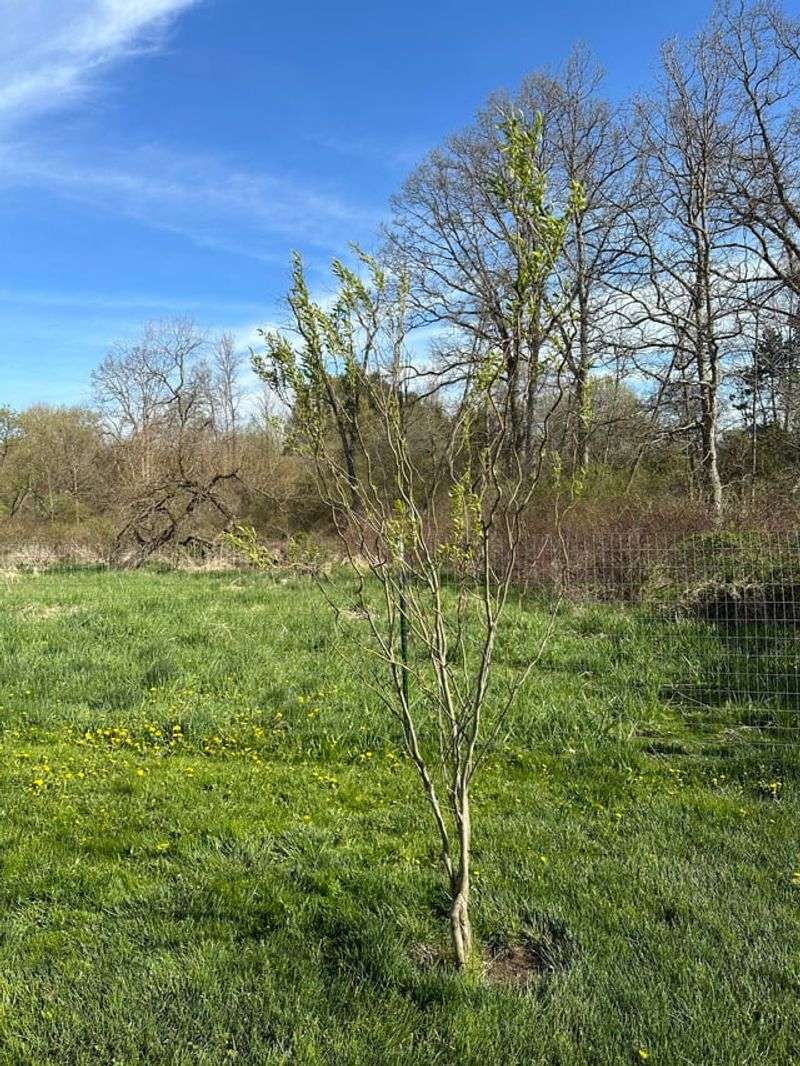
Many perennials, shrubs, and ornamental grasses produce buds that only become visible once temperatures begin to rise consistently, which can vary depending on the region – from late March in southern Michigan to mid-May in the northern Lower Peninsula and Upper Peninsula.
Pruning too early not only removes potential new shoots but also forces the plant to expend precious energy replacing tissue that might have survived.
The clearest indication that recovery is underway is the appearance of small green buds at the base of stems or along branches.
These tiny hints of life provide a natural guide for pruning decisions, allowing you to remove only damaged material while leaving healthy tissue intact.
Certain plants, like ornamental grasses, butterfly bush, and Russian sage, are particularly slow to reveal new growth, so patience is essential.
Waiting for these signs ensures that pruning promotes healthier, fuller growth rather than slowing the plant’s recovery.
Gradual observation and targeted pruning during the early spring recovery period will give your Michigan garden a stronger, more vibrant start to the season, ultimately supporting both plant health and a more visually appealing landscape.
2. Identify Only Brown Or Brittle Tips
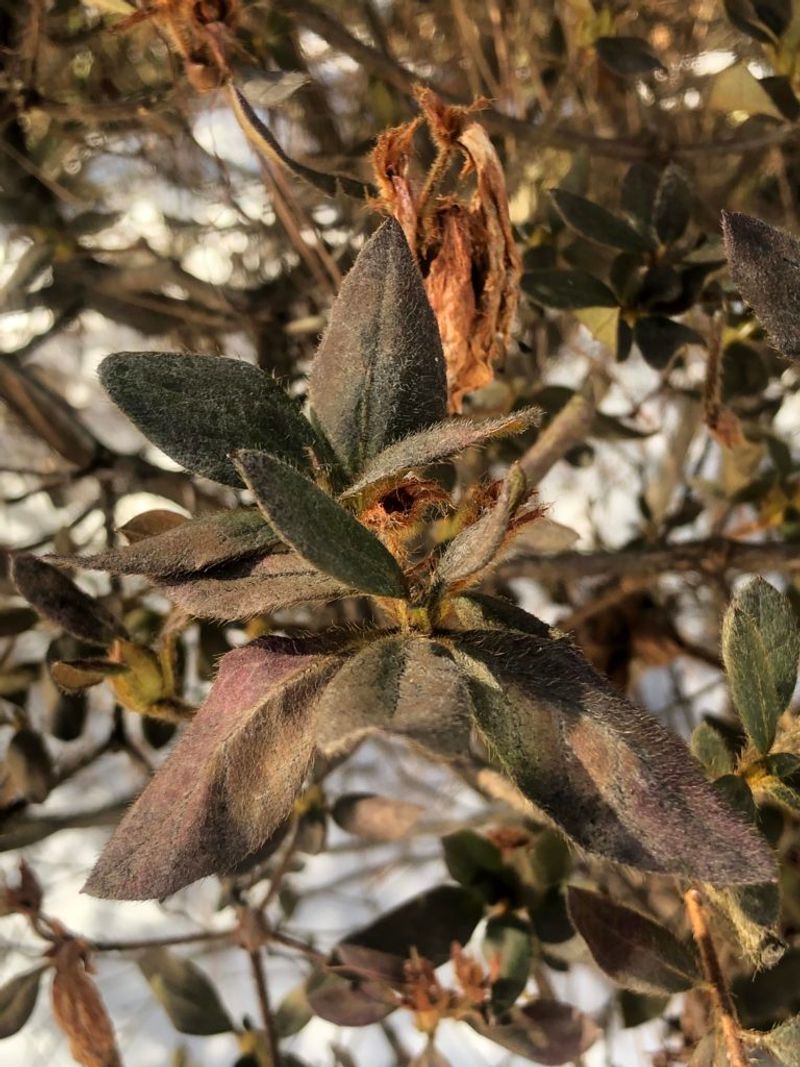
Not all browned or discolored foliage is a result of frost damage. Some plants naturally retain brown tips or old leaves through winter as insulation for their crowns.
Distinguishing actual freeze damage from dormancy discoloration is critical to avoid unnecessary pruning.
A simple bend test helps: healthy stems bend without snapping, whereas damaged stems feel brittle, snap cleanly, or crumble when flexed.
Scratching the bark lightly can also reveal green tissue underneath, confirming the stem is alive.
Brittle tips often affect perennials like salvia, ornamental grasses, or Russian sage, but in many cases, the damage is superficial and confined to the outermost growth.
Cutting too much at once can reduce the plant’s energy reserves and stress it further.
Working slowly, section by section, allows gardeners to identify the exact boundary between healthy and damaged tissue.
In Michigan, freeze injury is often uneven because microclimates, snow cover, and fluctuating nighttime temperatures affect individual plants differently.
By carefully assessing each stem, you preserve as much healthy tissue as possible, supporting fuller regrowth and reducing the need for repeated interventions.
This methodical approach helps ensure that plants recover strongly and maintain both structural integrity and seasonal aesthetics.
3. Use Clean Sharp Tools To Make Smooth Cuts
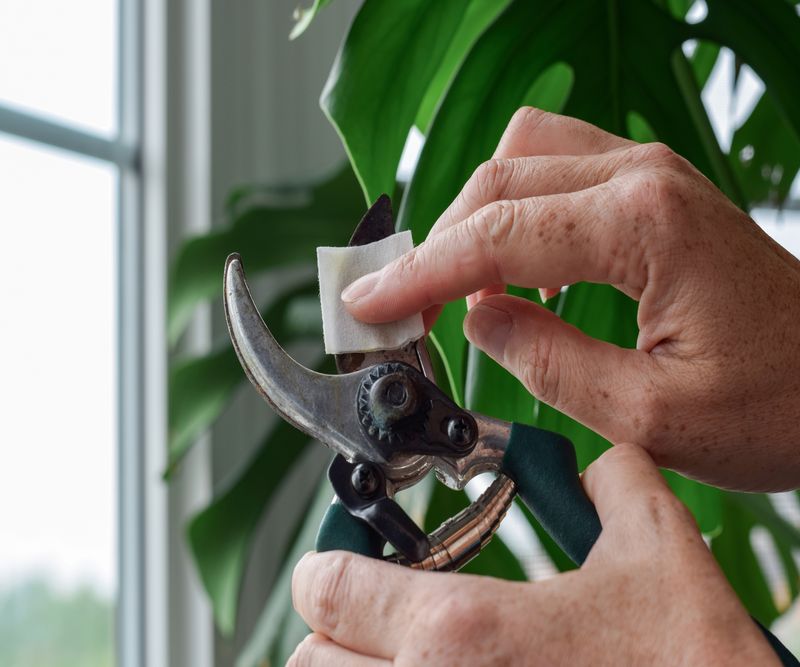
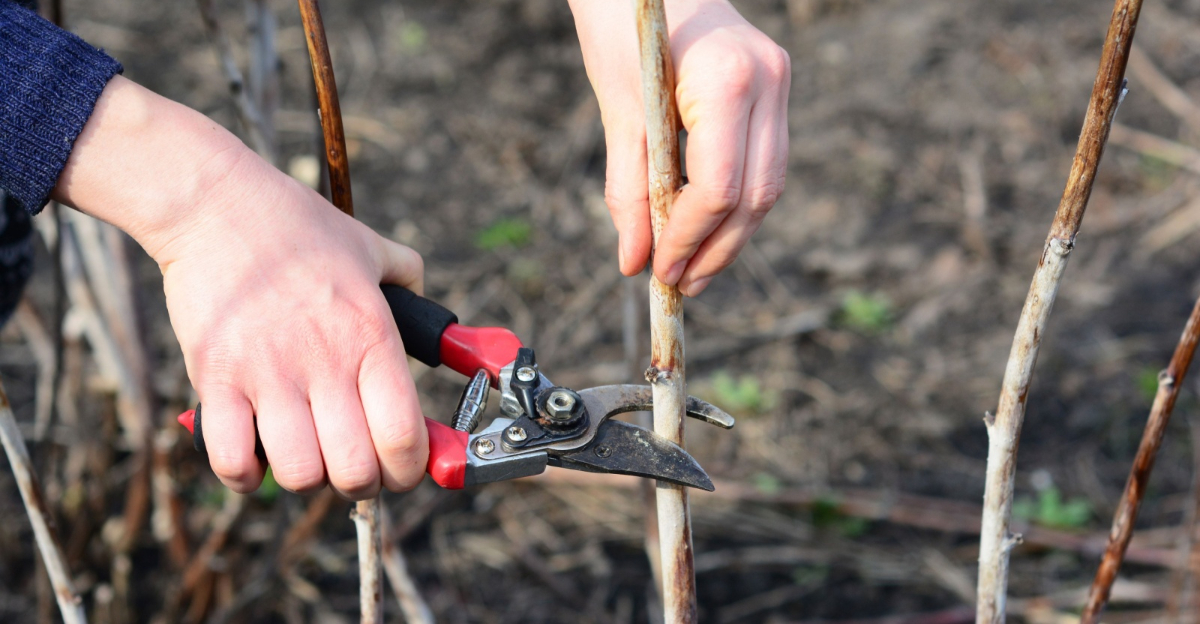
Dull or dirty pruning tools can create ragged cuts that increase stress on already weakened plants and create entry points for disease.
After a Michigan freeze, plants are expending energy to repair damaged tissue, so clean, precise cuts are essential for healthy recovery.
Sharpen pruners, loppers, or hand shears before starting and disinfect blades with rubbing alcohol or a diluted bleach solution, particularly if pruning multiple plants or dealing with tissue showing fungal signs.
When making cuts, aim for smooth, angled slices just above healthy buds or lateral branches. Avoid cutting flush against main stems or removing branch collars, as these structures help the plant heal naturally.
Proper tool maintenance and technique minimize the risk of infection, promote quicker healing, and reduce energy loss.
Taking the time to make clean cuts may feel tedious, but it pays off in stronger regrowth, fewer secondary problems, and a healthier, more resilient plant through the spring.
In Michigan gardens, where freeze and thaw cycles can create additional stress, careful pruning with sanitized, sharp tools is a low-effort investment with high rewards.
4. Trim Back Gradually Not All At Once
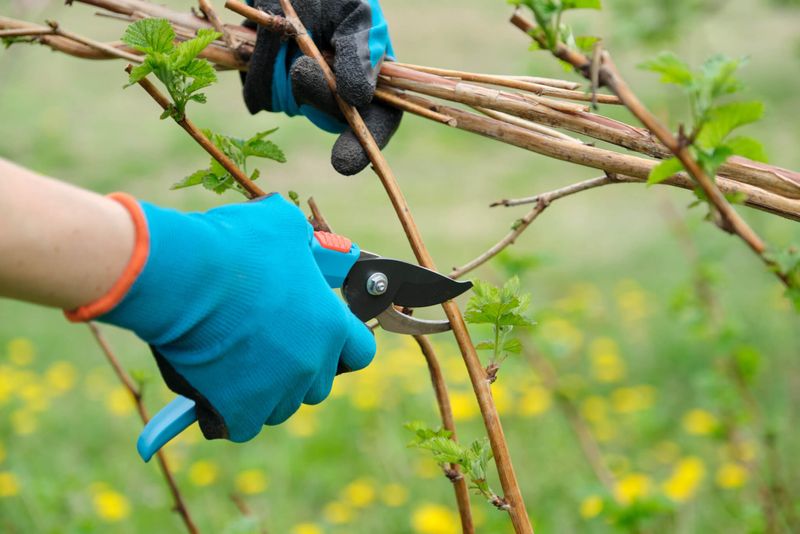
After a harsh winter, it is tempting to perform a complete cleanup on every damaged plant, but removing too much at once puts them under significant stress.
Gradual pruning allows the plant to recover incrementally, reducing energy strain and preventing shock.
Start by removing only the tips that are clearly brown, brittle, or snapping off easily. Wait one to two weeks to assess progress before continuing, observing where new buds or shoots emerge.
Many Michigan shrubs, including forsythia, spirea, and rose of Sharon, benefit from this staged approach.
Cutting too aggressively can result in awkward growth patterns or slow regrowth, whereas gradual trimming preserves the plant’s natural shape.
Each round of pruning gives you a clearer picture of which tissue is truly compromised, making subsequent cuts more precise and less stressful for the plant.
Gradual pruning also allows gardeners to respond to ongoing temperature fluctuations typical of Michigan early spring. Some plants may recover quickly, while others show delayed growth.
By spacing out pruning sessions, you align your interventions with the plant’s natural recovery rhythm, helping it produce stronger, healthier stems and leaves through the spring and into summer.
5. Avoid Cutting Into Healthy Green Tissue
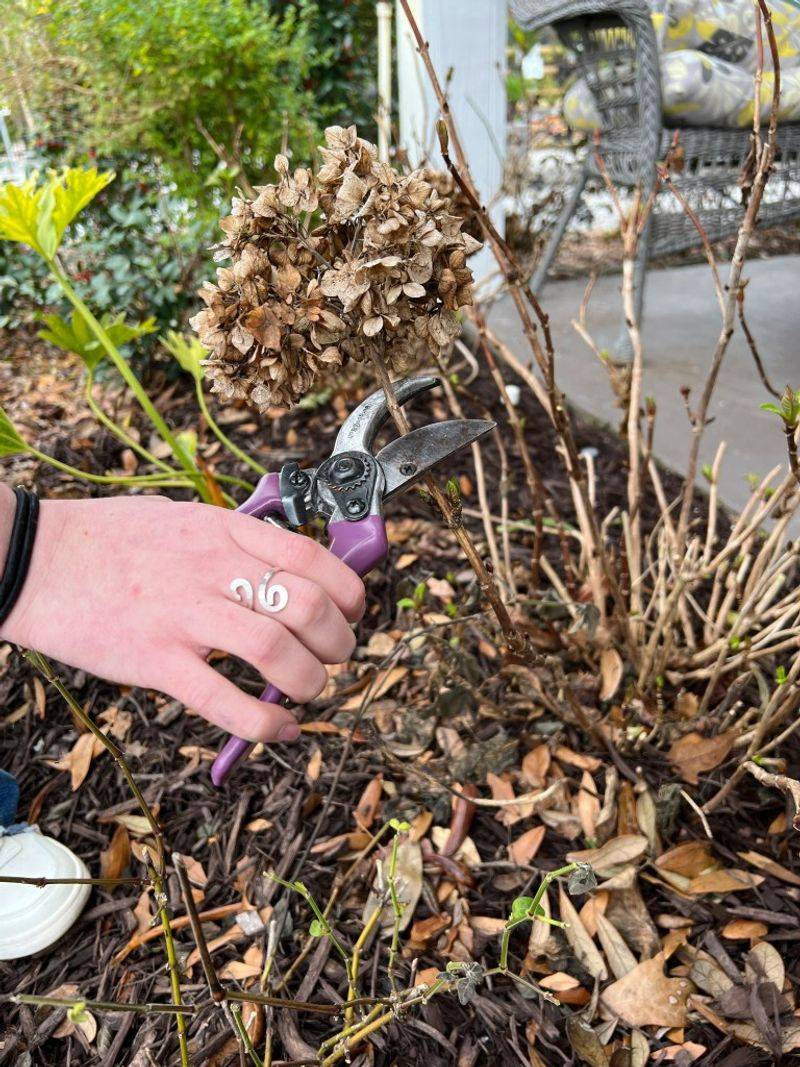
One of the most common mistakes after a freeze is trimming past the damaged areas into tissue that is still alive. Doing so forces the plant to redirect energy to replace material that was never lost, slowing overall recovery.
The goal is to remove only tips that are confirmed as frozen or brittle while leaving healthy green tissue intact.
Healthy tissue can be subtle to identify. Many perennials, like coneflower, baptisia, and catmint, may have outer discoloration that masks the still-living inner stems.
Inspect stems carefully, bending and scratching if necessary, to determine where brown ends and green begins. Cut just above the first sign of healthy growth.
Preserving living tissue allows plants to retain stored energy and focus it on new growth, reducing the likelihood of delayed or stunted development.
Michigan gardeners who take the time to identify these boundaries often see faster, fuller recovery and maintain a more attractive plant structure throughout the growing season.
6. Mulch Around Plants To Protect Roots
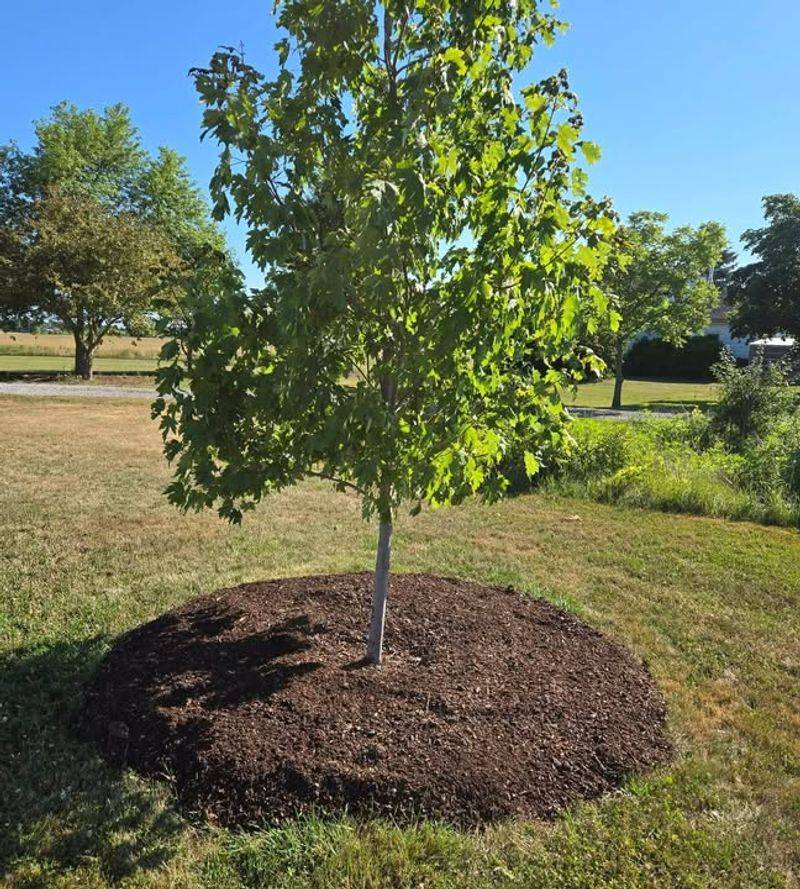
Roots are critical to early spring recovery, yet they are often overlooked. In Michigan, soil temperatures fluctuate wildly in late winter and early spring, with freezing nights followed by warm days that can mislead plants into premature activity.
Applying 2–3 inches of organic mulch – such as shredded bark, straw, or wood chips – around the base of frost-stressed plants moderates soil temperature and conserves moisture.
Keep mulch a few inches away from the plant crown to prevent rot or fungal issues. Mulch also reduces early-season weed competition, allowing plants to access nutrients and water without interference.
Timing is important: apply mulch after the soil has thawed but before the most volatile temperature swings arrive.
This layer helps roots remain insulated and encourages steady regrowth once spring truly arrives.
In Michigan gardens, mulch can make the difference between a slow, uneven recovery and a strong, vigorous season, providing a simple, low-effort way to protect your investment in perennials, shrubs, and young plants.
7. Hold Off On Fertilizing Immediately After Frost
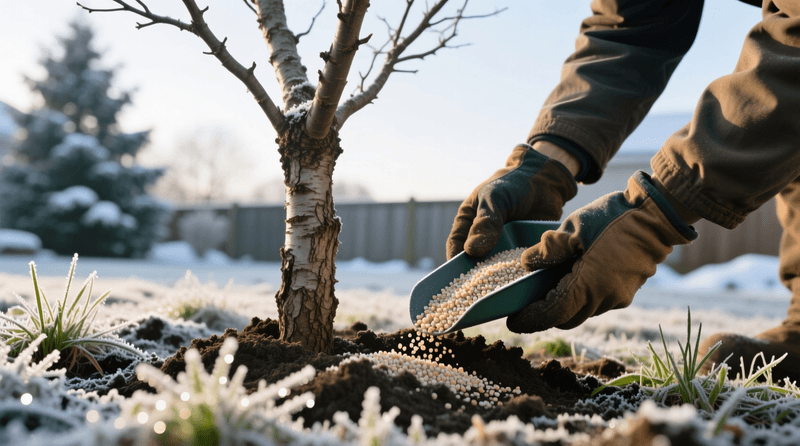
Applying fertilizer immediately after a freeze may seem helpful, but it often backfires. Nitrogen-heavy fertilizers stimulate tender new growth, making it more vulnerable to lingering cold snaps typical in Michigan early spring.
Frost-stressed plants need time to stabilize internally before adding extra nutrients.
A better approach is to wait until new growth is consistent and nighttime temperatures remain reliably above freezing.
At that point, a balanced, slow-release fertilizer applied at recommended rates supports healthy growth without overwhelming stressed roots.
Lightly incorporating compost around the plant base provides a gentle, steady nutrient supply and improves soil structure.
Skipping the early fertilizer rush allows plants to recover naturally, reducing the risk of root stress or tissue damage.
Michigan gardeners who follow this method often see calmer, stronger growth and a more resilient garden through the unpredictable transition from winter to spring.
8. Monitor Plants As Temperatures Warm For Recovery
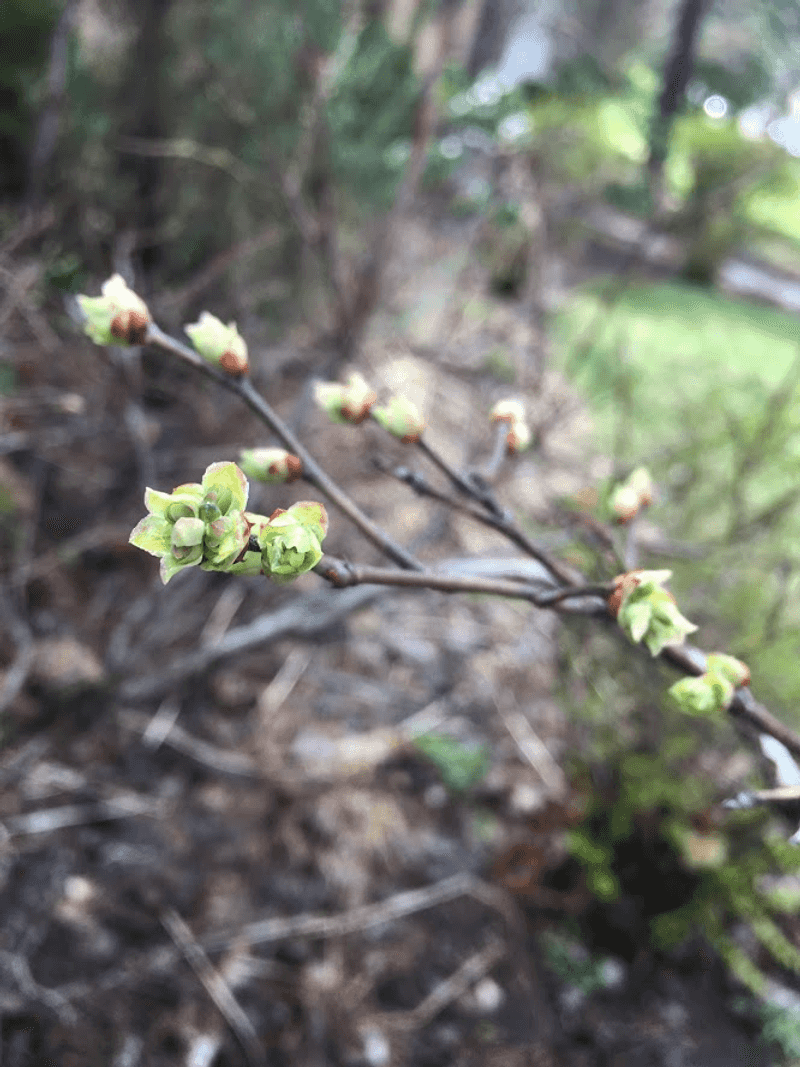
Spring in Michigan rarely follows a straight path from cold to warm. Regular monitoring of plants from March through May is essential to identify recovery progress and spot emerging problems early.
Look for new buds along stems, fresh leaves at the base, and overall color returning to previously frost-affected foliage.
Stems that remain brittle or brown after weeks of neighboring growth may need careful pruning to redirect energy to healthier sections.
Monitoring also helps catch secondary issues, such as aphid infestations, spider mites, or fungal growth, which can exploit frost-weakened plants.
Keeping a garden journal noting dates, temperature trends, and plant responses is surprisingly effective for tracking recovery patterns year over year.
In Michigan, where early spring conditions can be volatile, attentive observation allows gardeners to make informed decisions, support plant health, and ensure a strong, vibrant growing season.