How To Remove Freeze Damaged Tips In North Carolina Gardens Without Causing Even More Stress
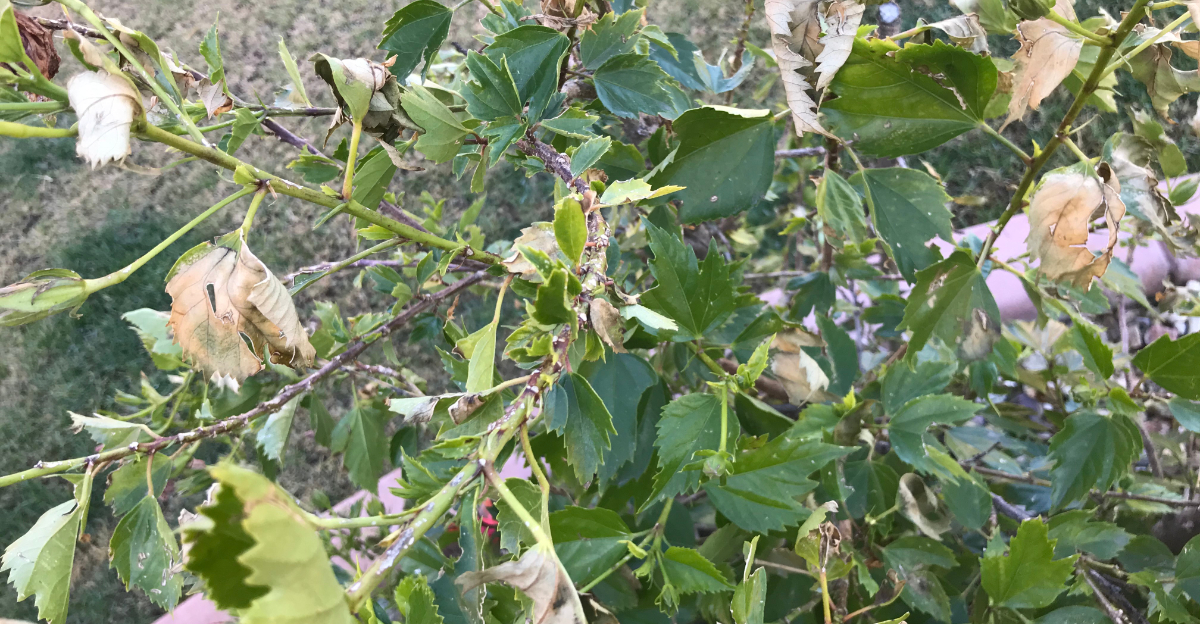
A sudden cold snap can change the look of a North Carolina garden almost overnight. One day plants appear healthy, and the next their tips look brown, soft, or dried out from the drop in temperature.
It is a common sight after winter weather moves through the Coastal Plain, Piedmont, or Mountain regions, especially when the cold arrives faster than expected.
Many gardeners rush to trim or remove damaged growth right away, but that can sometimes create more stress for the plant.
Winter injury often looks worse than it really is, and the wrong response can slow recovery once warmer weather returns.
Knowing how to deal with cold damaged plant tips can make a huge difference in how your garden rebounds.
With the right approach, North Carolina gardeners can help their plants recover naturally and encourage healthy new growth when spring begins to settle in.
1. Wait Until New Growth Appears Before Pruning
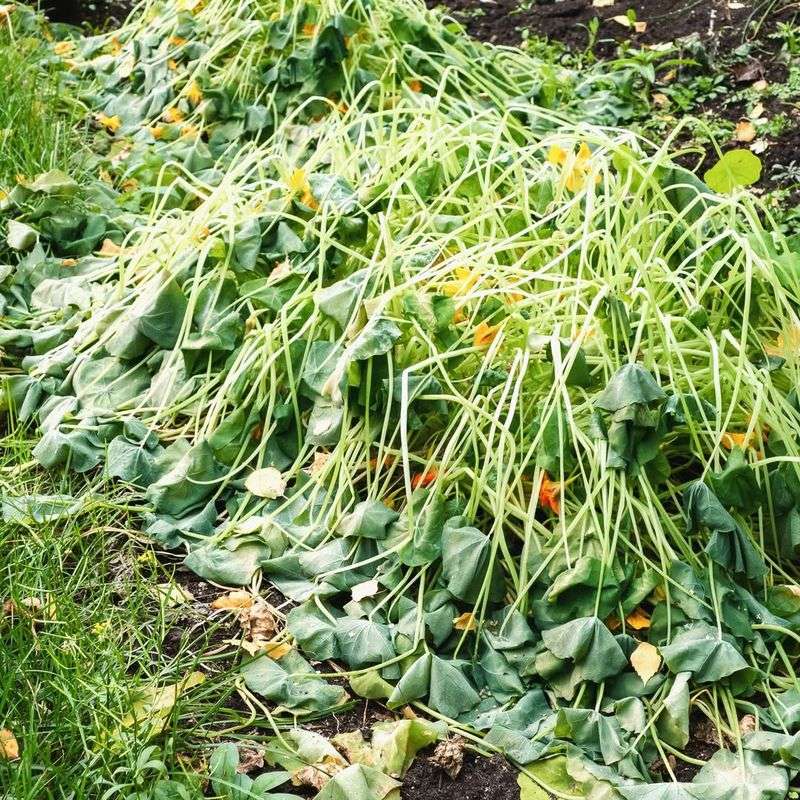
Patience is honestly one of the most powerful tools a North Carolina gardener can have after a freeze.
When temperatures drop and plant tips turn brown and crispy, the natural instinct is to grab your pruning shears and start cutting right away. Resist that urge, because pruning too soon can actually cause more harm than good.
Plants that look completely affected on the outside may still have living tissue working quietly beneath the surface.
Cutting into those stems before spring arrives can remove growth that would have recovered on its own, leaving your plant with fewer resources to bounce back from the cold.
Waiting until you spot new green buds or shoots pushing through is the smartest move you can make.
That fresh growth acts like a map, showing you exactly where the plant is still healthy and where the real damage begins.
In North Carolina, early spring usually brings enough warmth to trigger this new growth within a few weeks after the last cold snap.
Watching your plants carefully during this waiting period also helps you understand how deeply the freeze affected them.
Some plants surprise you with strong recovery from the base, even when the upper tips look completely gone. Give your garden time, stay observant, and let nature guide your pruning decisions.
2. Look For Healthy Green Tissue Inside The Stem
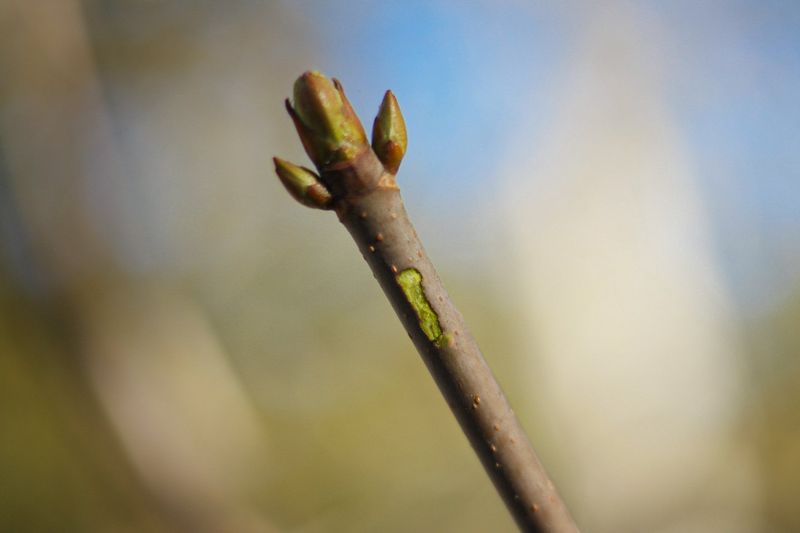
Here is a simple trick that every North Carolina gardener should know before touching a single stem after a freeze.
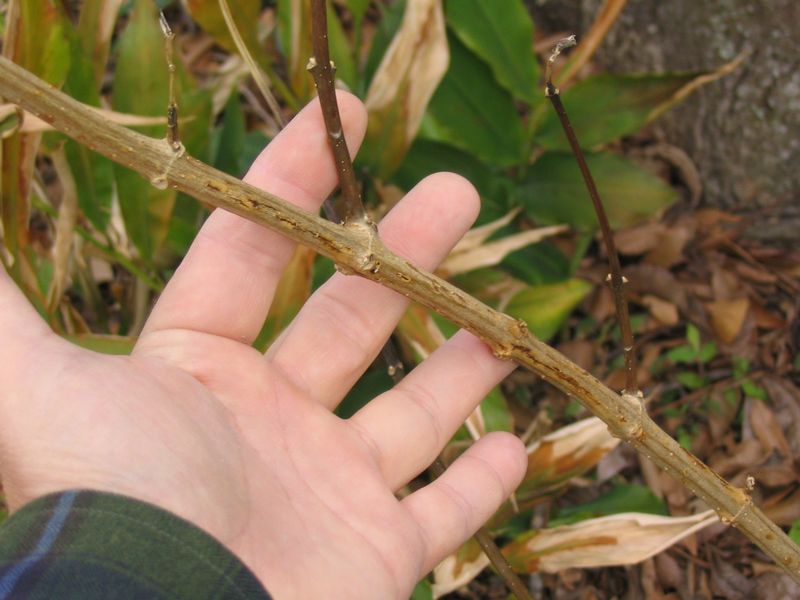
Grab a small knife or your fingernail and lightly scratch the outer bark of a branch you are worried about.
What you find underneath tells you everything you need to know about whether that stem is worth saving. Healthy stems reveal a bright green or white moist layer just beneath the surface.
That green color means the plant is still actively alive in that section, even if the outer tips look brown and rough.
A stem showing dry, brown, or tan tissue all the way through is a clear sign that particular section did not make it through the cold.
Working your way up from the base of the plant toward the tips gives you a clear picture of where healthy tissue ends and freeze injury begins.
Start low on the stem and make small test scratches every few inches, moving upward until the tissue shifts from green to brown.
That transition point is where your pruning cut should eventually happen. North Carolina winters can vary wildly from the mountains to the coast, so damage patterns differ depending on your region.
This quick test removes all the guesswork and keeps you from cutting away tissue that is still contributing to your plant’s recovery. A few small scratches can save you from a big pruning mistake.
3. Trim Just Above Healthy Growth
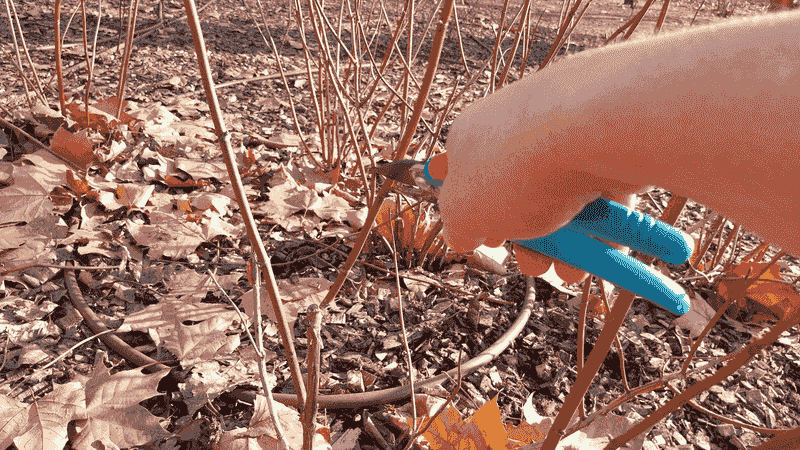
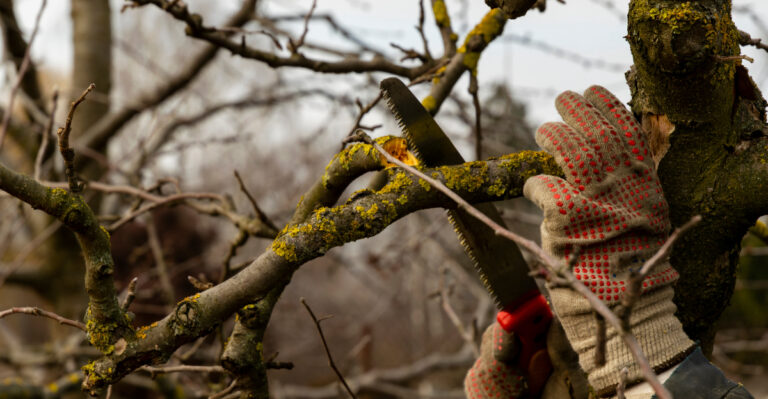
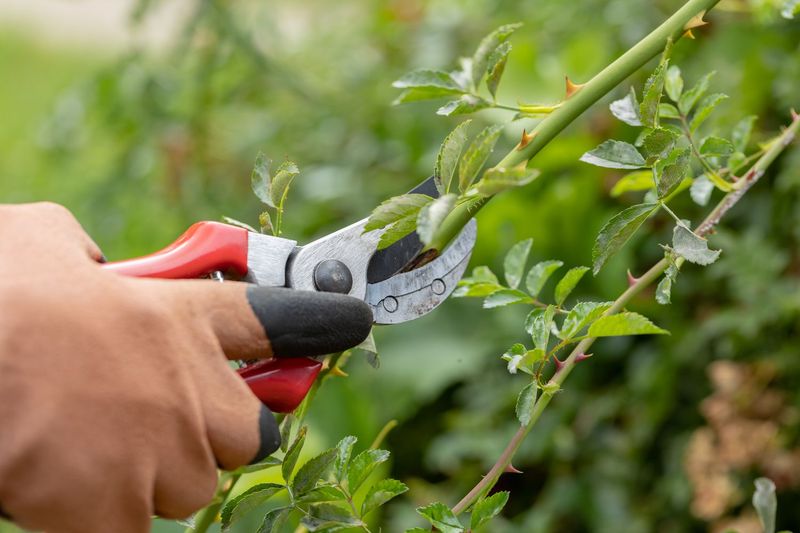
Knowing where to cut is just as important as knowing when to cut. Once you have identified the healthy green tissue inside a stem, your next goal is to make your pruning cut just above the nearest healthy bud or leaf node below the damage.
This small detail makes a surprisingly big difference in how well your plant recovers.
Cutting just above a node encourages the plant to direct its energy outward from that exact point, pushing out strong new shoots as spring temperatures rise across North Carolina.
Leaving too much stem above the node creates a stub that the plant cannot use, and those stubs often become entry points for fungal issues or pest activity later in the season.
Angle your cut slightly away from the bud, aiming for about a 45-degree angle so water runs off rather than pooling on the cut surface.
This small technique reduces moisture buildup and keeps the wound cleaner as it heals. Sharp, angled cuts also close over faster than flat or jagged ones, giving your plant a better chance at a smooth recovery.
Throughout North Carolina’s spring growing season, plants that were pruned correctly at the right node tend to produce fuller, bushier new growth compared to those that were cut randomly.
A thoughtful cut made in the right spot can actually leave your plant looking better by midsummer than it did before the freeze ever happened.
4. Use Clean, Sharp Pruning Tools
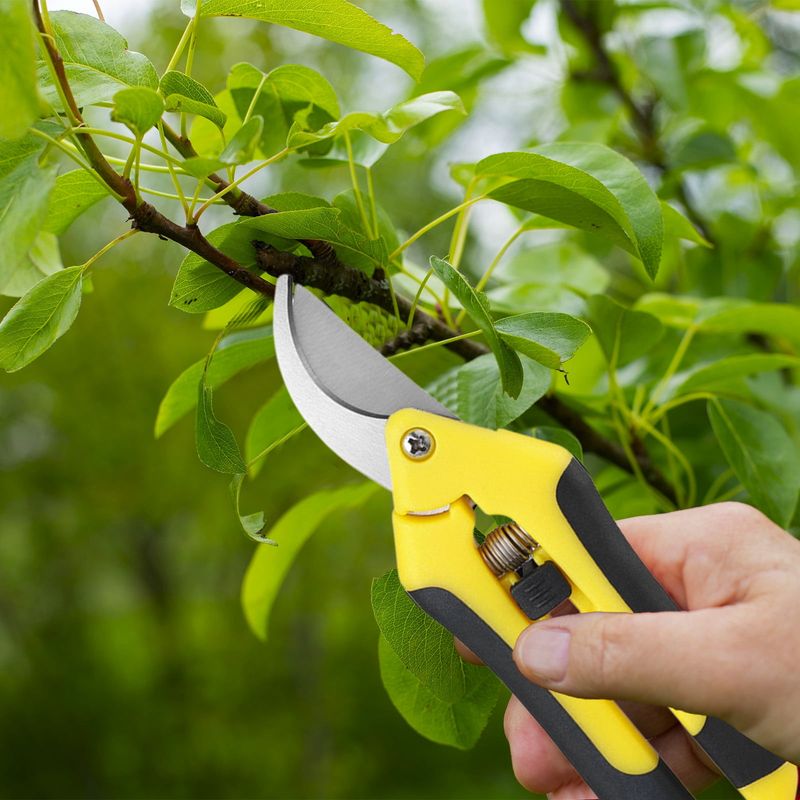
Your pruning tools matter far more than most gardeners realize, especially when plants are already stressed from cold weather.
Dull blades tear through stems rather than slicing cleanly, leaving ragged wounds that take longer to heal and are more vulnerable to disease.
Sharp tools make a clean cut that the plant can seal over quickly and efficiently. Before you start trimming freeze-affected plants in your North Carolina garden, take a few minutes to sharpen your pruning shears if they need it.
A quick pass with a sharpening stone or a replacement blade can completely change how smoothly your cuts go.
You will notice the difference right away, and so will your plants over the coming weeks. Disinfecting your tools between plants is another step that serious gardeners never skip.
Wiping blades with rubbing alcohol or a diluted bleach solution between each plant stops potential fungal spores or bacterial issues from traveling from one stressed plant to the next.
After a freeze, plants have lowered defenses, making them more susceptible to picking up problems from contaminated tools.
Keeping a small spray bottle of disinfectant in your garden basket makes this habit easy to maintain without slowing down your work.
Clean tools also last longer and perform better over multiple seasons, which saves you money in the long run.
Investing a few extra minutes in tool care before you start pruning pays off in a healthier, faster-recovering garden across North Carolina.
5. Remove Only What Is Necessary
More is not always better when it comes to pruning freeze-affected plants, and this is one of the most common mistakes gardeners make every year.
After a cold snap, it can be tempting to go all in and cut everything that looks even slightly off. But removing too much at once puts enormous stress on a plant that is already working hard to recover.
Healthy leaves and stems that survived the freeze are doing important work. They are capturing sunlight, producing energy, and helping the plant build the reserves it needs to push out new growth.
Cutting them away removes that support system right when the plant needs it most, slowing recovery significantly.
Focus your cuts only on the sections that are clearly affected, those tips that are brown, mushy, or completely dry with no sign of green tissue inside. Leave everything that looks even remotely healthy right where it is.
North Carolina’s warming spring temperatures will do a lot of the recovery work for you once the truly affected parts are removed and the plant can redirect its energy.
A good rule of thumb is to ask yourself before every cut whether the branch you are about to remove is truly beyond recovery. If there is any doubt, leave it for another week and check again.
Gradual, selective removal always produces better results than a dramatic, heavy cutback when plants are already under cold-weather stress.
6. Prune Gradually If Damage Is Extensive
Some winters in North Carolina hit hard enough that entire plants end up looking brown from top to bottom.
When that kind of widespread freeze injury strikes, the last thing you want to do is remove everything at once.
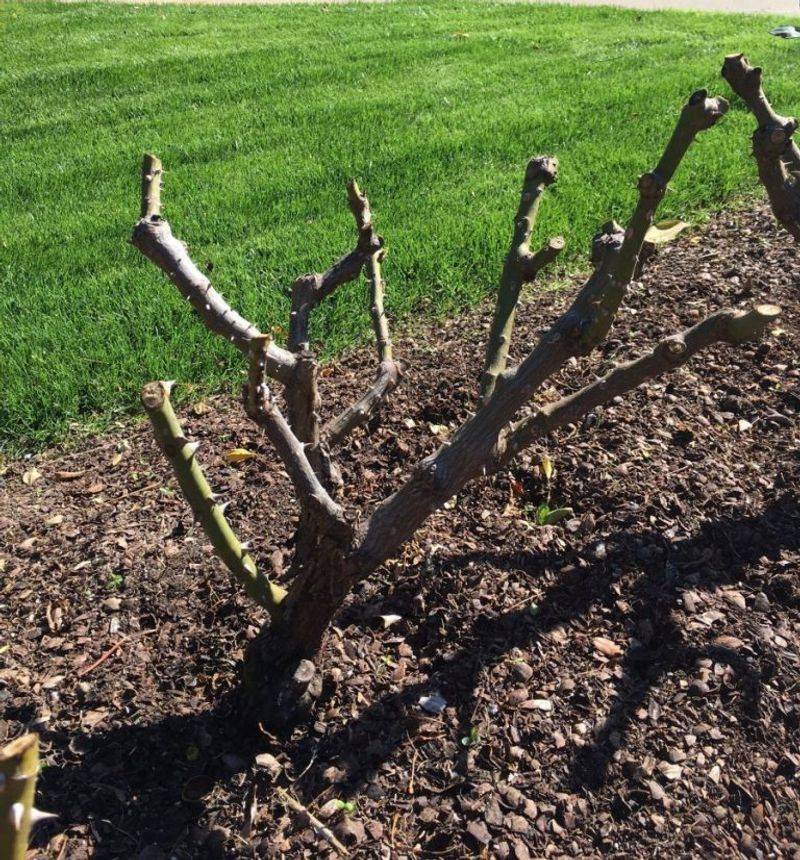
Gradual pruning over several weeks is a far gentler approach that gives plants a real fighting chance at full recovery.
Removing large amounts of plant material all at once sends the plant into shock, forcing it to spend enormous energy trying to compensate for the sudden loss.
Spreading the pruning process out over two to four weeks allows the plant to adjust slowly while new growth continues to develop from the lower, healthier sections of the stem.
Start by removing only the most clearly affected tips during your first session, cutting back to the first sign of healthy green tissue.
A week or two later, reassess the plant and remove any additional sections that still show no sign of recovery.
This back-and-forth approach keeps you informed about how well the plant is bouncing back between each round of cuts.
Gardeners in North Carolina who grow cold-sensitive plants like banana trees, gardenias, or tropical hibiscus often rely on this staged approach after a hard freeze.
It feels slower in the moment, but the results are consistently better than aggressive single-session pruning.
Your plant builds confidence with each new shoot that appears, and so will you as you watch the recovery unfold.
7. Avoid Heavy Fertilizing Immediately After Pruning
Right after pruning, your plants are in recovery mode, and the last thing they need is a flood of nutrients pushing them to grow faster than they are ready to handle.
Heavy fertilizing immediately after a freeze and a fresh round of pruning can actually backfire in a big way.
It forces tender new growth to emerge too quickly, and that soft young tissue is highly vulnerable to any remaining cold nights that North Carolina’s early spring tends to bring. Gentle, consistent care works far better during recovery than aggressive feeding.
If your plants are in well-prepared soil, they likely already have enough nutrients available to support early new growth without any added fertilizer.
Letting the plant find its natural rhythm before introducing extra nutrients gives the root system time to stabilize and strengthen first.
If you feel the urge to feed your recovering plants, wait until you see at least two to three inches of strong new growth pushing out from healthy stems.
At that point, a light application of a balanced, slow-release fertilizer can give the plant a gentle boost without overwhelming it.
Liquid fertilizers diluted to half strength are another mild option that many North Carolina gardeners prefer during early recovery periods.
Watering consistently and keeping the soil evenly moist does more for a recovering plant than any fertilizer can during those first few weeks after pruning.
Steady moisture supports root activity, encourages new cell development, and helps the plant rebuild its strength from the ground up at a healthy, sustainable pace.
8. Water Plants Consistently As They Recover
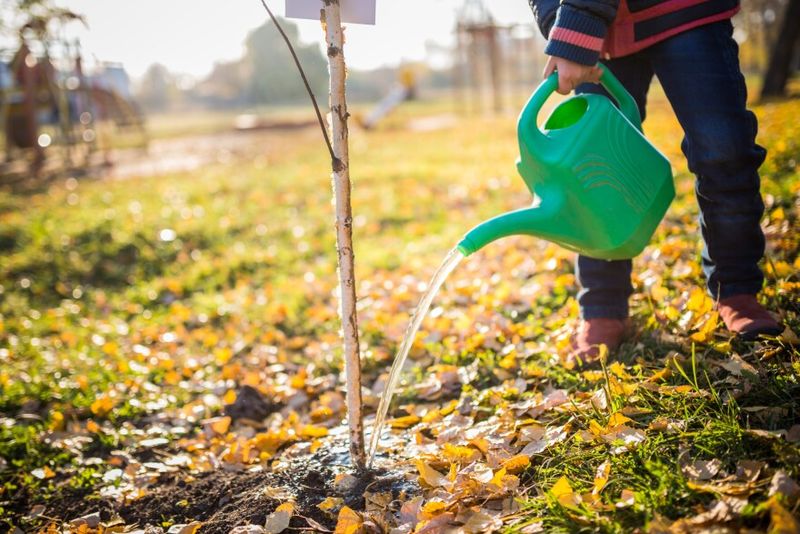
Water is one of the most underrated tools in a gardener’s recovery plan after a freeze. Plants that are bouncing back from cold-weather stress rely on consistent soil moisture to fuel the new growth they are trying to push out.
Without steady hydration, even a plant that survived the freeze can struggle to regain its strength during the spring growing season.
North Carolina’s spring weather can swing between rainy stretches and surprisingly dry periods, so keeping an eye on soil moisture is important throughout the recovery window.
Stick your finger about two inches into the soil near the plant’s base every few days. If the soil feels dry at that depth, it is time to water deeply and evenly around the root zone.
Deep watering encourages roots to grow downward in search of moisture rather than staying shallow near the surface.
Strong, deep roots give recovering plants a much more stable foundation as they push out new shoots and leaves through spring and into early summer.
Shallow watering, by contrast, keeps roots near the surface where they are more exposed to temperature swings.
Avoid letting the soil become waterlogged, since overly wet conditions around the roots can cause their own set of problems for stressed plants.
Aim for moist but well-drained soil, and consider adding a thin layer of organic mulch around the base to help retain moisture between watering sessions.
Mulch also keeps soil temperatures a bit more stable, which recovering plants in North Carolina truly appreciate.
9. Protect New Growth From Future Cold Snaps
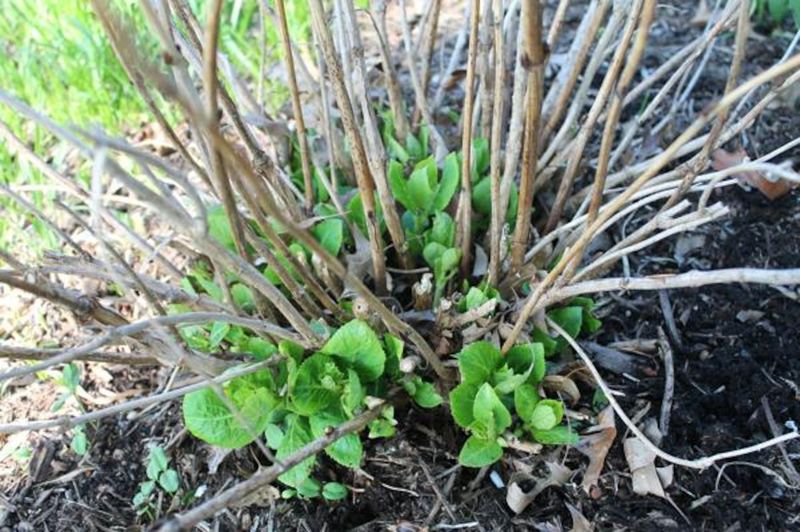
Getting your plants through one freeze is a great accomplishment, but North Carolina’s early spring can be unpredictable in the best possible way.
Warm afternoons can give way to surprisingly cold nights, especially in February and March when the weather shifts back and forth.
Protecting the tender new growth that emerges after pruning is just as important as the pruning itself. Frost cloth and row covers are two of the most effective tools available for this job.
Both are lightweight enough that they do not crush delicate new shoots, yet they trap just enough warmth around the plant to prevent frost from settling on the leaf surfaces overnight.
You can find both options at most garden centers across North Carolina, and they are reusable season after season.
Keep an eye on the nightly forecast during late winter and early spring so you are never caught off guard.
When temperatures are expected to drop below 35 degrees Fahrenheit, cover your most vulnerable plants before sunset and remove the covers the following morning once temperatures rise.
Leaving covers on during warm sunny days can trap too much heat and stress plants in a completely different way.
Old bedsheets, cardboard boxes, and plastic buckets also work well as temporary covers in a pinch.
Just make sure any cover you use does not press directly against the plant’s new growth, since contact with cold material can cause frost burn on tender leaves.
A little preparation the night before goes a long way toward protecting everything your garden has worked so hard to regrow.